The best walks and hikes around Ashampstead
4.5
(1145)
6,325
hikers
509
hikes
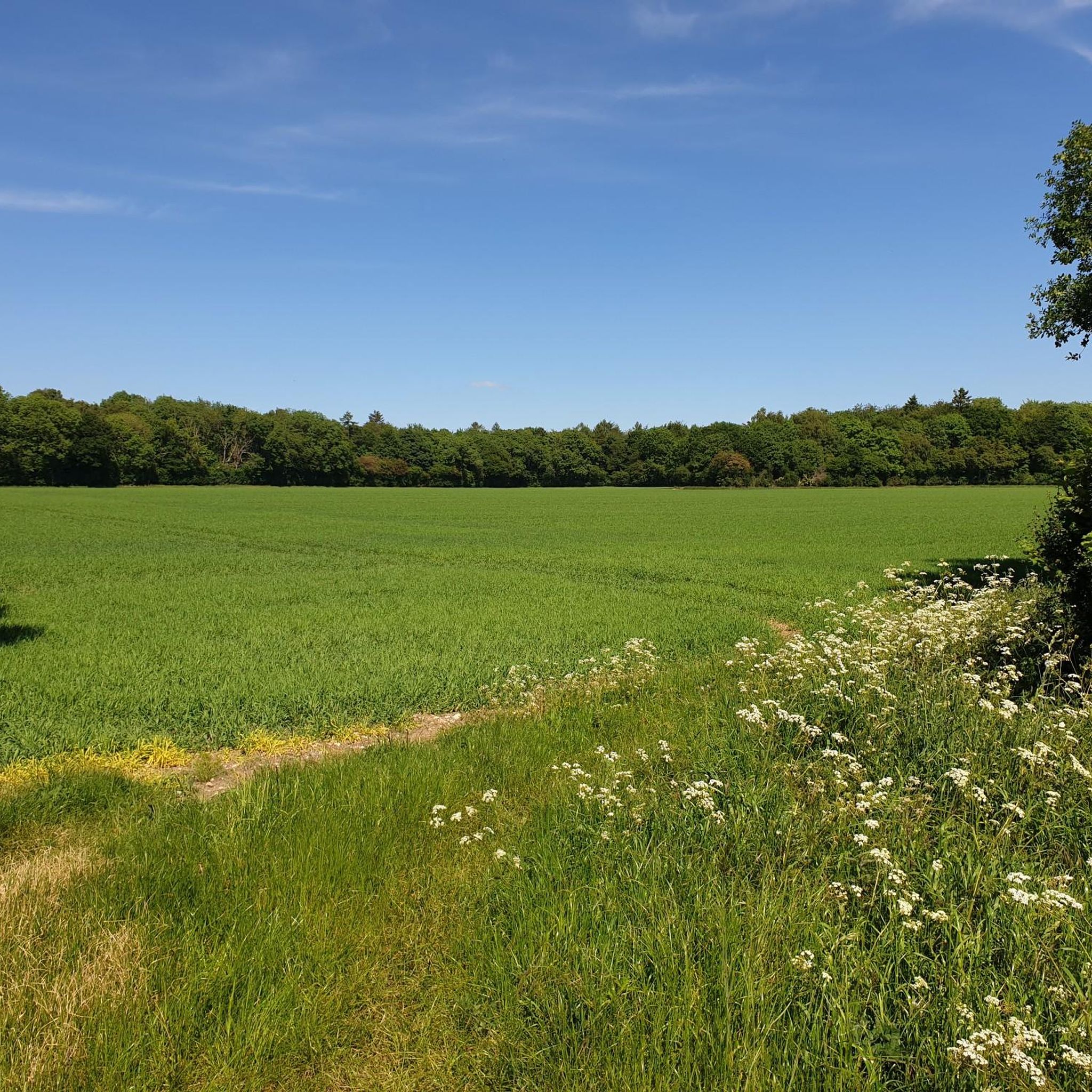
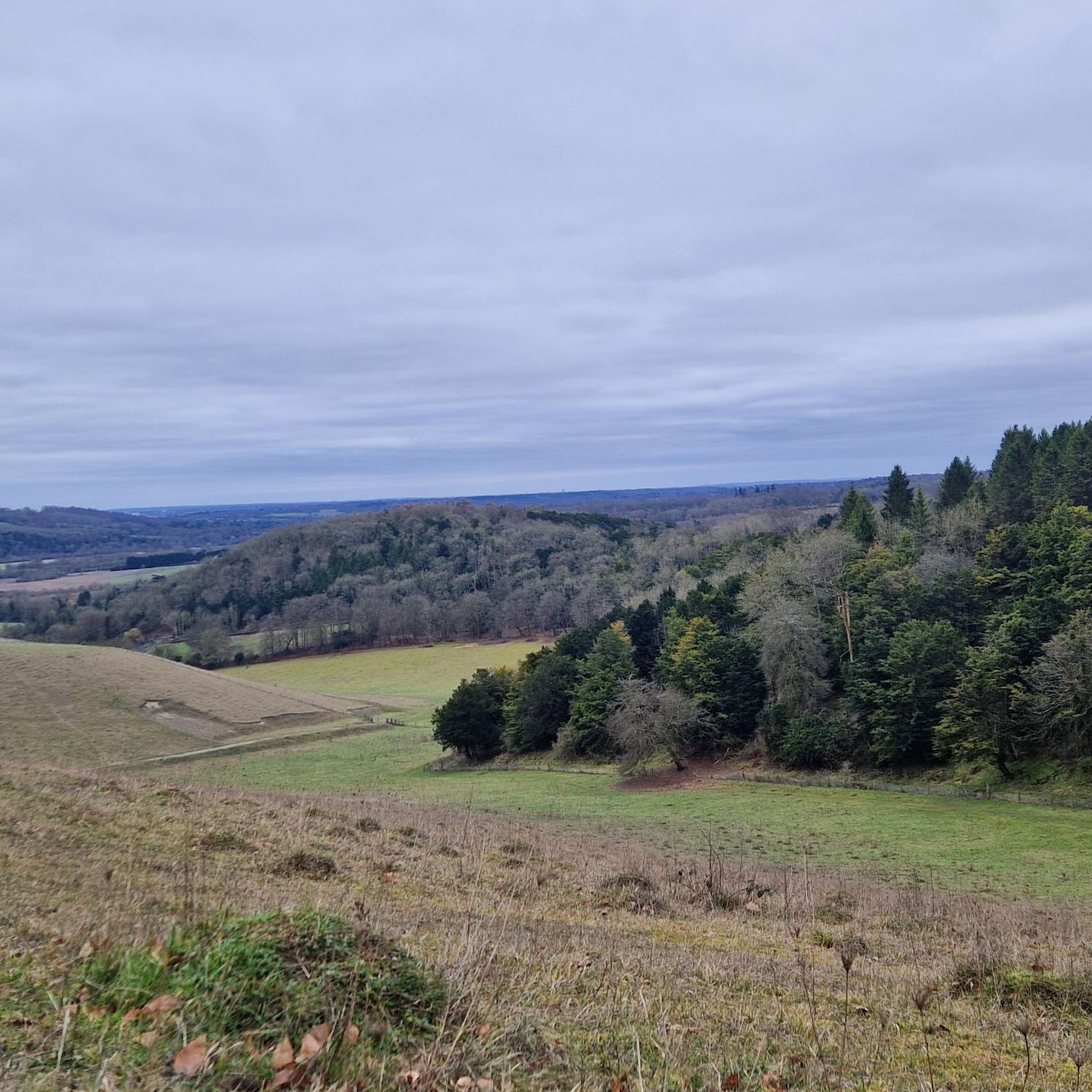
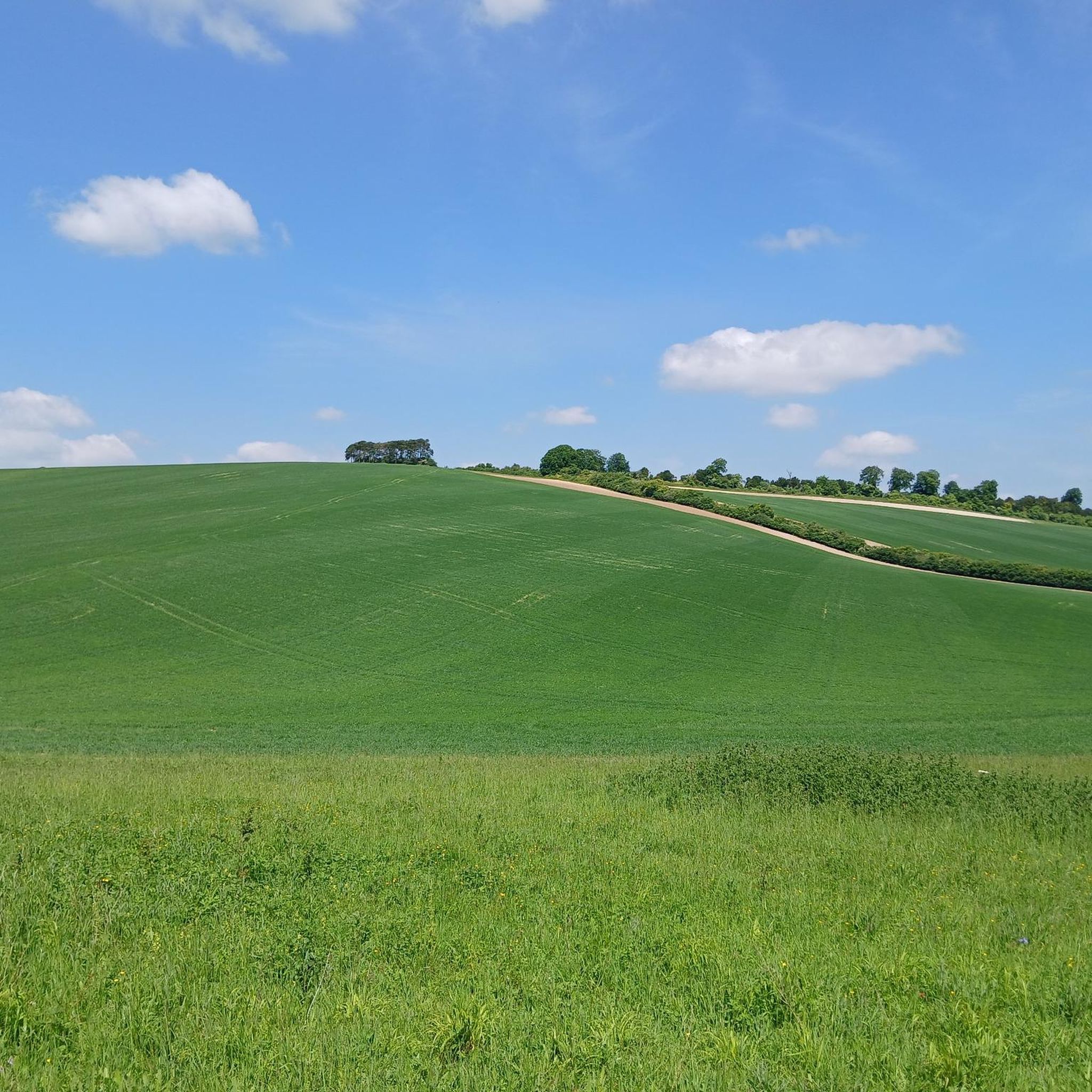
Hiking around Ashampstead offers a varied landscape within the North Wessex Downs Area of Outstanding Natural Beauty. The region is characterized by ancient woods, open fields, and historical drove roads, with diverse geology leading to varied vegetation. Hikers can explore areas like Ashampstead Common, known for its veteran trees and archaeological interest. The terrain includes a mix of native deciduous trees and conifers, with chalk bedrock often overlain by acid soils.
Best hiking trails around Ashampstead
- The most popular hiking route is Ridgeway Track to Streatley – The Bell Inn, Aldworth loop from Aldworth, a 7.3 miles (11.7 km) trail that takes about 3 hours 11 minutes to complete. This route offers views of the surrounding countryside and connects to the long-distance Ridgeway National Trail.
- Another top favourite among local hikers is Aldworth Ancient Yew Tree – The Bell Inn, Aldworth loop from Ashampstead, a moderate 9.5 miles (15.3 km) path. This trail leads through ancient woodlands, including areas known for veteran trees and spring bluebell displays.
- Local hikers also love the Royal Oak Hotel – The Pantry Coffee Shop loop from Ashampstead, a 7.8 miles (12.6 km) trail leading through open fields and wooded sections, often completed in about 3 hours 17 minutes.
- Hiking around Ashampstead is defined by ancient woods, open fields, and historical drove roads. The network offers options for different ability levels, from gentle walks to more challenging hikes.
- The routes in Ashampstead are highly rated by the komoot community with an average score of 4.5 stars from over 1000 reviews. More than 6000 hikers have used komoot to explore Ashampstead's varied terrain.
Last updated: June 22, 2026
4.3
(7)
27
hikers
11.7km
03:12
170m
170m
Moderate hike. Good fitness required. Easily-accessible paths. Suitable for all skill levels.
4.5
(4)
21
hikers
15.4km
04:16
280m
280m
Moderate hike. Good fitness required. Easily-accessible paths. Suitable for all skill levels.

Sign up for free
5.0
(3)
21
hikers
5.14km
01:20
40m
40m
Easy hike. Great for any fitness level. Easily-accessible paths. Suitable for all skill levels.
5.0
(2)
6
hikers
Moderate hike. Good fitness required. Easily-accessible paths. Suitable for all skill levels.
5.0
(3)
11
hikers
12.0km
03:08
80m
80m
Moderate hike. Good fitness required. Easily-accessible paths. Suitable for all skill levels.
Get access to more routes and recommendations from other explorers.
Sign up for free
Already have an account?
Our route recommendations are based on thousands of hikes, rides, and runs completed by other people on komoot.
Start today with a free account
Your next adventure awaits.
Login or Signup
Tips from the Community


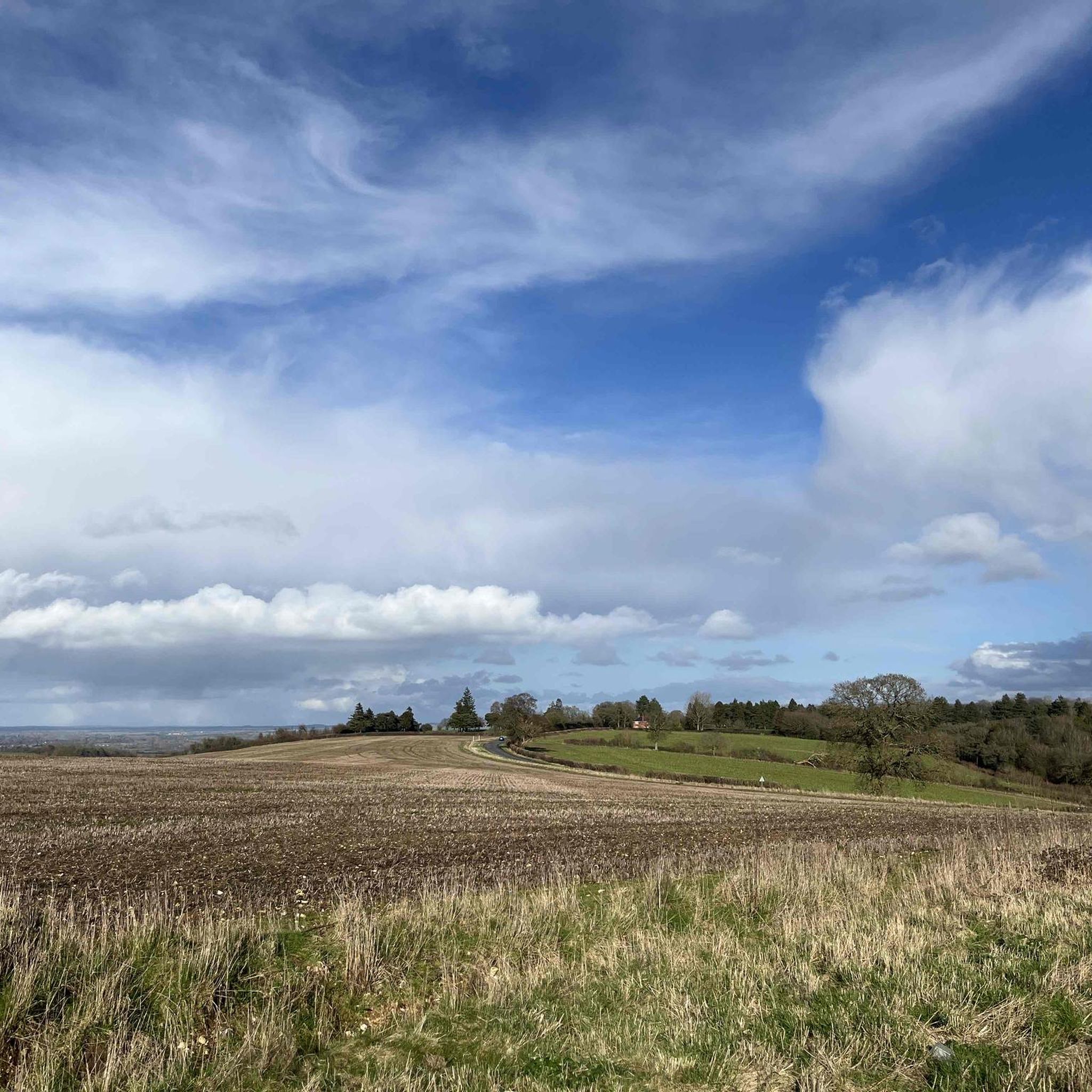
Although most riders finish King Alfred’s Way in Winchester, I wrapped up my journey in Reading—making this stunning Ridgeway section into Streatley one of my final and most memorable stretches. The open chalk track offers incredible views over the Thames Valley, followed by a flowing descent into Streatley & Goring—an ideal place to pause, refuel, and take in the last big skies before rolling to the end. 🚴♂️ Fast but rideable chalk descent (even in damp conditions), watch for walkers and ruts. 📍 Café and rest stop options in Streatley/Goring.
1
0


Mention should be made of the Norman ‘flower-pot’ font. These are fairly common in Berkshire and the design was probably copied from the Jewish stone jars used for ritual washing in the time of Jesus, and referred to in the Gospel of St John at the wedding in Cana of Galilee. Today a similar jar can be seen in the Orthodox Church in Cana.
0
0
Laurence Binyon, 1869-1943, whose ashes are buried with those of his wife Cicily by the beech hedge bounding the churchyard, is especially remembered for the words of his poem “For the Fallen”, quoted at Remembrance Day Services: “They shall grow not old, as we that are left grow old: Age shall not weary them, nor the years condemn. At the going down of the sun and in the morning We will remember them.” Those from the village who gave their lives in the two World Wars are remembered in the east window and on the Memorial on the outside wall.
0
0
Yes this area is famous for the giants and the yew tree, but let's not over look the beautiful little church. St Mary’ church in Aldworth dates back in part to around 1200. The oldest part of Aldworth Church is the lower half of the tower, which is in the style known as Transitional Norman and may be dated about the year 1200, but the site is probably much older. The original circular shape of the churchyard suggests an earlier pagan burying ground which can still be seen by a ring of holly trees to the east of the church. The church yard was extended to the beech hedge in the 1930s. The Jacobean pulpit was once in St Lawrence’s Church, Reading. For some reason it was no longer wanted there and was sold or given to Aldworth about the year 1740. The reading desk is also a splendid piece of carving, but its history is not known. It hardly looks as if it was originally intended for a church.
0
0
Historical landmark. The Yew tree in the churchyard is at least 1000 years old and though it has been struck by lightning and blown over in a storm it is still partly alive.
0
0
Rumoured to once have been a medieval hall house or manor before it became a pub. It was built in the 15th century or possibly earlier, It has two rooms, a large panelled tap room with inglenook fireplace and quarry-tiled floor, and a smaller L-shaped room. The bar itself is a servery with sliding glass partitions and hatches, and has no bar fittings at all save for ebony handpumps, which were fitted in 1902. The pub is also notable for having been owned and run by the same family continuously since the 18th century. The pub is a free house and sells beers from a number of local breweries.
0
0
Frequently Asked Questions
How many hiking trails are available in Ashampstead?
Ashampstead offers a wide variety of hiking experiences, with over 500 routes available. These range from easy strolls to more challenging hikes, ensuring options for all fitness levels.
What kind of terrain and elevation can I expect on Ashampstead's trails?
The terrain around Ashampstead is diverse, featuring ancient woods, open fields, and historical drove roads. You'll encounter chalk bedrock often overlain by acid soils, contributing to varied vegetation. While many routes are moderate, like the Aldworth Ancient Yew Tree – The Bell Inn, Aldworth loop with an elevation gain of around 275 meters, there are also easier options with less significant climbs.
Are Ashampstead's hiking trails suitable for dogs?
Yes, many of Ashampstead's trails are dog-friendly, allowing you to enjoy the natural beauty with your canine companion. The area's open fields and woodlands provide ample space for walks, but always remember to keep dogs under control, especially near livestock or in nature conservation areas.
Are there family-friendly hiking options in Ashampstead?
Ashampstead offers several routes suitable for families. While specific 'easy' routes are not highlighted in the data, the region's network includes options for different ability levels. Consider routes that pass through open fields and ancient woodlands for an engaging family outing.
What natural features make Ashampstead a unique hiking destination?
Ashampstead is nestled within the North Wessex Downs Area of Outstanding Natural Beauty, characterized by ancient woods, historical drove roads, and diverse geology. Highlights include Ashampstead Common, known for its veteran trees and archaeological interest. In spring, areas like Williams Glade and Home Copse are famous for their brilliant bluebell displays.
Can I spot wildlife while hiking in Ashampstead?
Yes, the Ashampstead area is rich in wildlife. Hikers often spot fallow, roe, and muntjac deer, along with an increasing population of badgers. Birdwatchers can look out for red kites and buzzards soaring overhead, adding to the natural experience.
Does the Ridgeway National Trail pass through Ashampstead?
Yes, Ashampstead serves as a gateway to sections of the long-distance Ridgeway National Trail. For example, the Ridgeway Track to Streatley – The Bell Inn, Aldworth loop directly connects to this historic path, offering a chance to experience a part of this ancient route.
Are there any pubs or cafes along the hiking routes in Ashampstead?
Yes, several routes incorporate local amenities. The Royal Oak Hotel – The Pantry Coffee Shop loop is an example of a trail that passes by local establishments, offering opportunities for refreshments during or after your hike. Casey Fields Farm Shop is another local spot that can be integrated into walking routes.
What do other hikers enjoy the most about hiking in Ashampstead?
The area is highly rated by the komoot community, with an average score of 4.5 stars from over 1000 reviews. Hikers often praise the varied landscape, the tranquility of the ancient woodlands, and the well-maintained paths that make exploring the North Wessex Downs a rewarding experience.
When is the best time of year to go hiking in Ashampstead?
Ashampstead offers beautiful hiking opportunities year-round. Spring is particularly stunning with vibrant bluebell displays in areas like Williams Glade. Autumn brings rich colors to the deciduous woodlands. The diverse landscape ensures enjoyable walks in most seasons, though conditions can vary.
Are there many circular hiking routes in Ashampstead?
Yes, Ashampstead is well-suited for circular walks. Many popular local loops are available, such as the Casey Fields Farm Shop loop from Ashampstead, which allows you to start and end your journey in the same location, making planning easier.
What interesting landmarks or attractions can I see near Ashampstead's hiking trails?
Beyond the natural beauty, you can find several points of interest. Nearby attractions include the historic Whitchurch Bridge over the River Thames and the charming Goring-on-Thames village, which also offers additional woodland trails. The area's ancient trees, including an 800-year-old yew, are natural landmarks in themselves.
Most popular routes around Ashampstead
Most popular attractions around Ashampstead

Get inspired with the komoot mobile app


Explore more
Browse the best Hikes in other regions.
