Attractions and Places To See around Woolhampton - Top 20
Best attractions and places to see around Woolhampton include a blend of natural beauty and historical landmarks in West Berkshire, England. The village is situated near the River Kennet and the Kennet and Avon Canal, offering scenic views and outdoor opportunities. Visitors can explore various points of interest, from ancient Roman sites to tranquil nature reserves.
Best attractions and places to see around Woolhampton
- The most popular attractions is Nunhide Lane Gravel Track, a trail that is an easy…
Last updated: May 4, 2026
Calleva Atrebatum: Roman town and city walls
Highlight • Monument
Tip by

Nunhide Lane Gravel Track
Highlight (Segment) • Trail
Tip by

Sign up now to discover places like this
Get recommendations on the best single tracks, peaks, & plenty of other exciting outdoor places.
Sign up for free
Amphitheatre
Highlight • Historical Site
Tip by

Little London Climb
Highlight (Segment) • Forest
Tip by
St Mary's Church, Silchester
Highlight • Religious Site
Tip by
Sign up for free to discover even more attractions around Woolhampton.
Sign up for free
Already have an account?
Start today with a free account
Your next adventure awaits.
Login or Signup
Tips from the Community

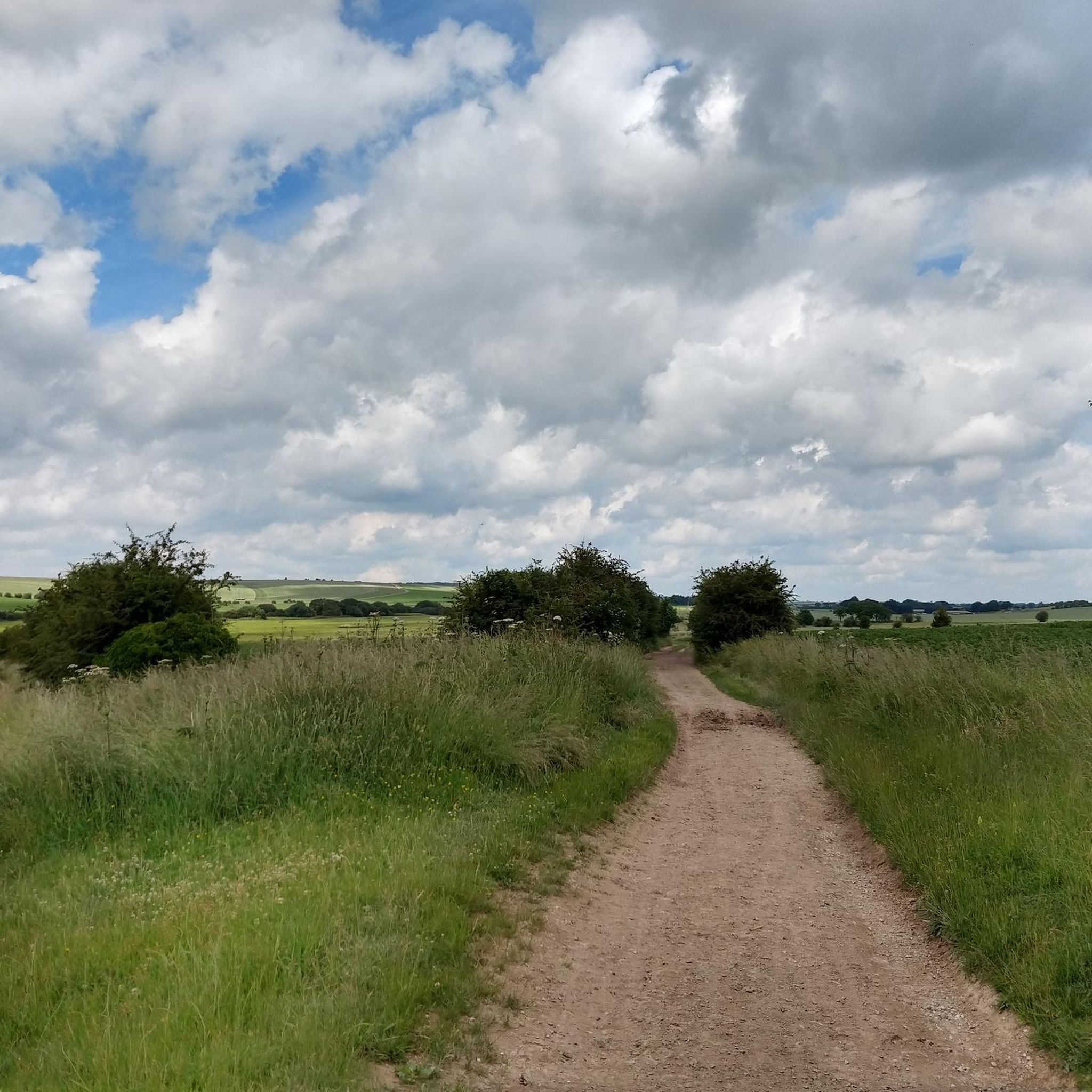
Not a gravel riding track. Only suitable for mountain bikes due to the road conditions, big rocks, and large potholes. If you must ride a gravel bike here, do not cruise and always go slowly.
0
0

Nice way of getting to silchester, road surface wasn’t great if coming from the Bramley Road, but once you clear the first few houses and start the climb it starts to improve.
0
0

Found inside the lovely church of St Mary’s near Silchester. Nil desperandum - my new motto for hills
0
0

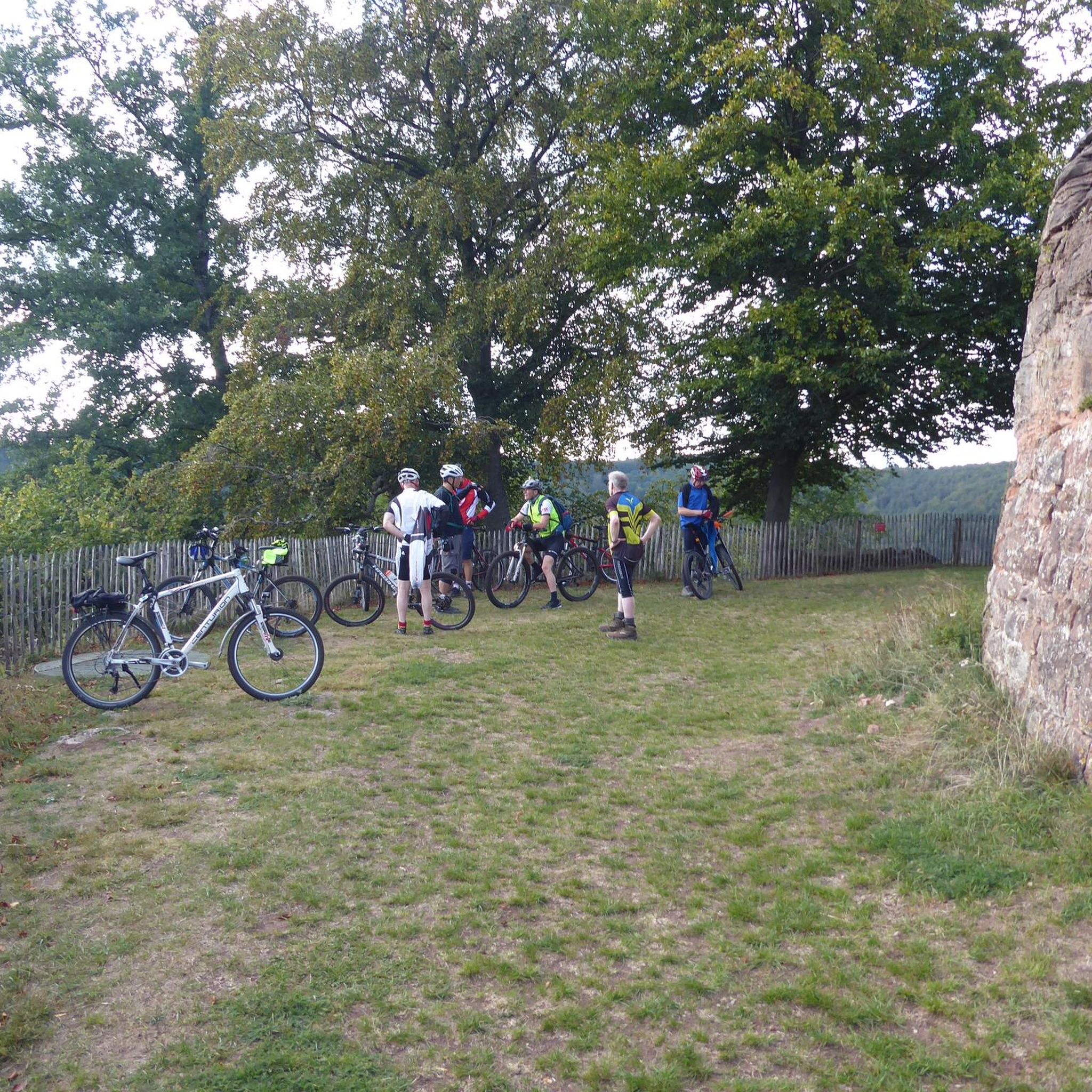
St Mary the Virgin at Silchester sits at the top of Church Lane, a quiet single track road. This can get a little messy when the weather has been wet, with mud & debris running into the road and in parts forming two 'tracks' through the mud. Just be aware. Likewise, if you do have the misfortune to meet a car (or tractor) there is little room for both. In the summer months, walkers are often encountered walking in the middle of the road seemingly oblivious to anything else. The roman wall around Calleva Atrebatum is very popular, especially as you can walk on it all the way round. That said, I find Church Lane, Wall Lane and Clappers Farm Road, all of which pretty much come together at the church, to be lovely quiet roads to ride on. I do enjoy the undulating nature of most of the lanes around here.
0
0

Calleva originated during the Iron Age and became the centre of the kingfom of the Atrebates. After Roman invasion in 43AD, the town was enlarged. It thrived throughout Roman rule, but, upon their departure, the town was slowly abandoned. Today, the site is managed by English Heritage. You can visit the crumbling Roman walls and amphitheatre. Entrance is free.
0
0
Coming up into Little London is good from both directions. And, of course, there's the Plough at the top of the hamlet/village (although the last time I went in, it struck me very much as a local's pub). The ride down Frog Lane is good too - narrow, single track ad a little mucky towards the bottom. If you come up Frog Lane from the opposite direction, it's a nice little tester of a climb. It's apparently only 5-6% but feels harder!
1
0
The roads surrounding the old Roman city of Calleva Atrebatum are all pleasant to ride. Some narrow and a little 'messy' but all passable on a road bike. Very little traffic, but be aware of cars on Church Lane - the road is wide enough for one car but not much more!
0
0

Have only ever looked at the wall as I go past, will stop at some point.
0
0
Frequently Asked Questions
What historical sites can I visit near Woolhampton?
Woolhampton and its surroundings are rich in history. You can explore the ancient Roman town of Calleva Atrebatum: Roman town and city walls, where you'll find well-preserved Roman walls and an Amphitheatre. Another significant site is Douai Abbey, a majestic Benedictine monastery. Don't miss St Mary's Church, Silchester, which dates back to the late 12th or early 13th century and is located within the Roman town walls.
Where can I enjoy nature and outdoor spaces around Woolhampton?
The area offers diverse natural beauty. The Woolhampton Reed Bed is a Site of Special Scientific Interest, known for its diverse insect populations and nesting birds. The Kennet and Avon Canal runs through the village, providing scenic views and walking opportunities. Other notable spots include Bucklebury Common and Padworth Common, both excellent for wildlife spotting, and Greyfield Wood, a managed woodland perfect for bird and butterfly watching.
Are there good walking trails near Woolhampton?
Yes, the region boasts numerous footpaths and bridleways. For easy hikes, consider routes like the 'St. Peter's Church, Brimpton – Woodland Path loop' or the 'Kennet and Avon Canal – Aldermaston Wharf Tea Room loop'. You can find more options and details on the Easy hikes around Woolhampton guide.
What cycling routes are available around Woolhampton?
Cyclists have a variety of options. The Nunhide Lane Gravel Track offers an easy, well-maintained shortcut between Tidmarsh and West Reading. For longer rides, explore routes like the 'Aldermaston Wharf Tea Room – Kennet and Avon Canal loop' or the 'Wilder's Folly – Kennet and Avon Canal loop'. Discover more cycling adventures on the Cycling around Woolhampton guide.
Are there family-friendly attractions or activities near Woolhampton?
Absolutely! Nearby attractions suitable for families include Bucklebury Farm Park, which features farm animals and go-karting, and Beale Park, offering animals, gardens, and an adventure play area. The Living Rainforest in Hampstead Norreys is home to 700 species of plants and animals, providing an educational and engaging experience for all ages.
Where can I find local pubs or places to eat in Woolhampton?
Woolhampton, historically known for its coaching inns, still offers charming establishments. The 'Angel' is a surviving example on the main road, while 'The Rowbarge' is situated alongside the Kennet and Avon Canal. Other nearby options include The Bladebone at Chapel Row, The Boot Inn at Stanford Dingley, and The Pot Kiln at Frilsham, all offering local charm and refreshments.
What kind of wildlife can I expect to see in the area?
The natural areas around Woolhampton are teeming with wildlife. The Woolhampton Reed Bed is a haven for diverse insect populations and nesting passerine birds. Padworth Common and Bucklebury Common are excellent for general wildlife spotting. Decoy Heath is known for dragonflies and damselflies, while Greyfield Wood offers opportunities to spot various birds and butterflies.
Can I explore Roman ruins and an amphitheatre in the area?
Yes, you can visit Calleva Atrebatum: Roman town and city walls, an Iron Age settlement that became a thriving Roman town. Here, you can explore the crumbling Roman walls and the impressive Amphitheatre, which once hosted between 4,500 and 9,000 spectators. Entrance to this English Heritage site is free.
What is the Kennet and Avon Canal like in Woolhampton?
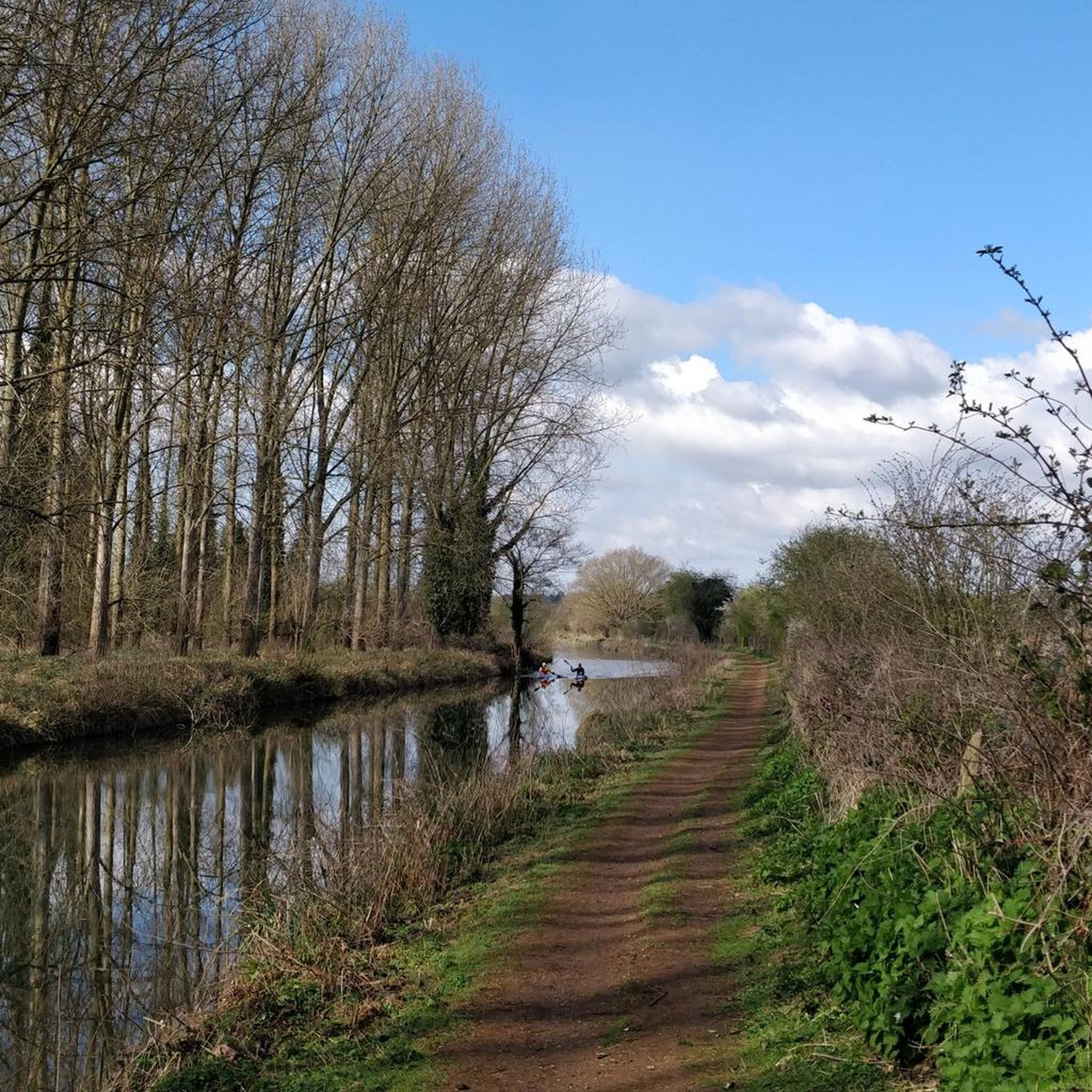
The historic Kennet and Avon Canal runs directly through Woolhampton, featuring the charming Woolhampton Swing Bridge and Woolhampton Lock. It shares a common channel with the River Kennet at this point, offering picturesque views and tranquil pathways ideal for walking, cycling, or simply enjoying the waterside scenery.
Are there any challenging cycling climbs nearby?
For those looking for a bit of a challenge, the Little London Climb offers a short and gentle ascent through a canopy of trees. While not overly strenuous, it provides a pleasant atmosphere and a rewarding ride, leading to the village of Little London with its traffic-calming measures.
What are some other notable cultural landmarks in Woolhampton?
Beyond the Roman sites, Woolhampton is home to St Peter's Church in Upper Woolhampton, rebuilt in 1857 and featuring a 12th-century font. The Woolhampton War Memorial, designed by Sir Robert Lorimer, is also in its churchyard. Additionally, the Gill Campbell Memorial Hall, built in 1895 in the Gothic style, is a significant local landmark.
Where can I find gravel biking routes around Woolhampton?
Gravel biking enthusiasts will find several routes. Options include the 'Crookham Common Gravel Trail – Greenham Common Bunkers loop' and the 'Kennet and Avon Canal – Nunhide Lane Gravel Track loop'. These routes offer varied terrain for a good gravel biking experience. More details can be found in the Gravel biking around Woolhampton guide.
Most popular routes around Woolhampton
Most popular attractions around Woolhampton

Get inspired with the komoot mobile app


Explore more
Still not found the Highlight you’re looking for? See guides of the top attractions in other regions:
