Top 13 Natural Monuments around Exbourne
Best natural monuments around Exbourne are primarily found within the nearby Dartmoor National Park, a region known for its rugged landscapes and ancient rock formations. Exbourne itself is a rural village with historical buildings, serving as a base for exploring the surrounding natural beauty. The area's geographic character is defined by rolling hills and proximity to significant natural features. These include distinctive granite tors, impressive waterfalls, and deep gorges.
Best natural monuments around Exbourne
- The most popular natural monuments is…
Last updated: August 19, 2026
West Mill Tor
Highlight • Summit
The …
Tip by

Nine Maidens Stone Circle
Highlight • Historical Site
Tip by

Sign up now to discover places like this
Get recommendations on the best single tracks, peaks, & plenty of other exciting outdoor places.
Sign up for free
Belstone Common Tor
Highlight • Natural Monument
Tip by
Tors End
Highlight • Natural Monument
Tip by
Rock Tor
Highlight • Natural Monument
Tip by
Sign up for free to discover even more natural monuments around Exbourne.
Sign up for free
Already have an account?
Start today with a free account
Your next adventure awaits.
Login or Signup
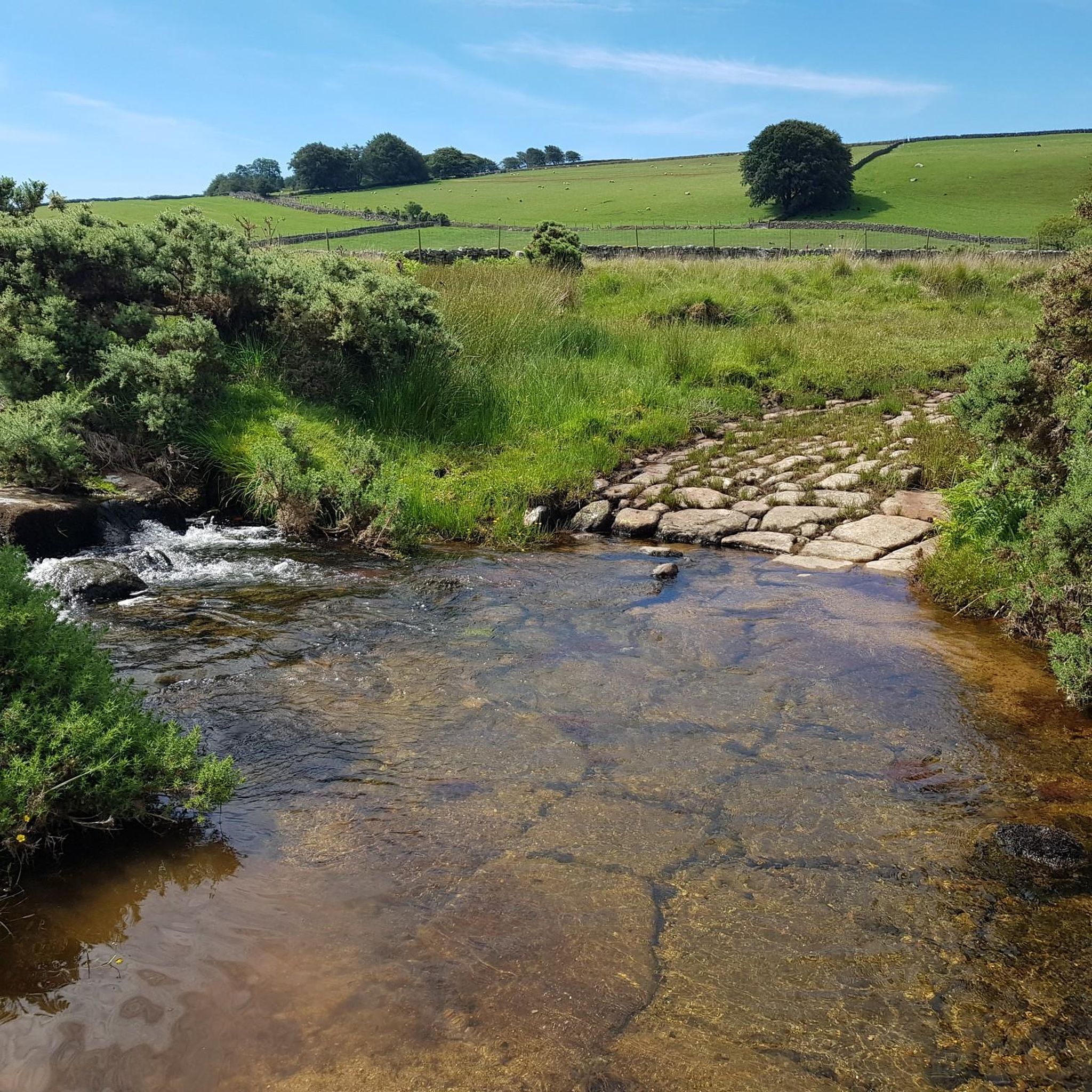
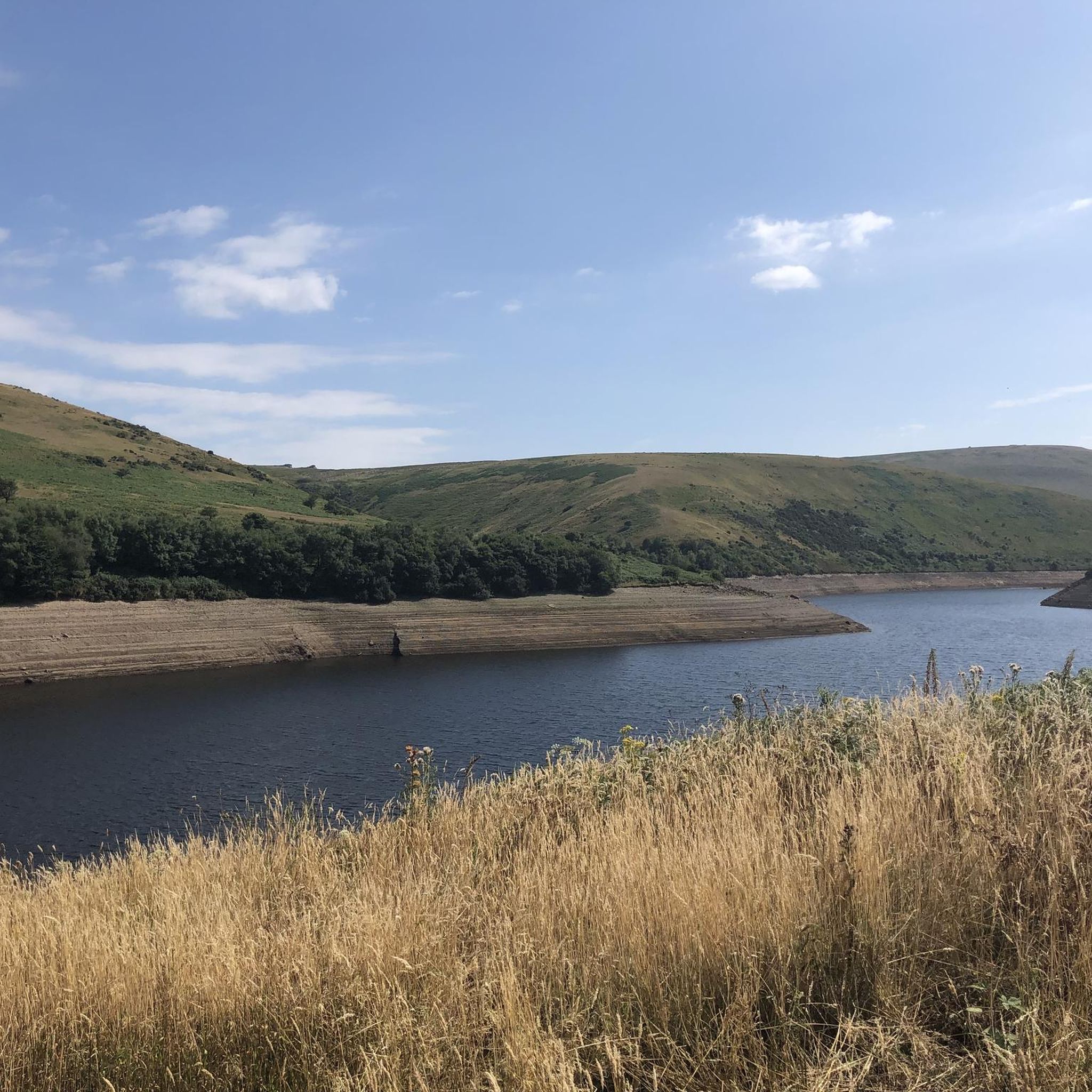
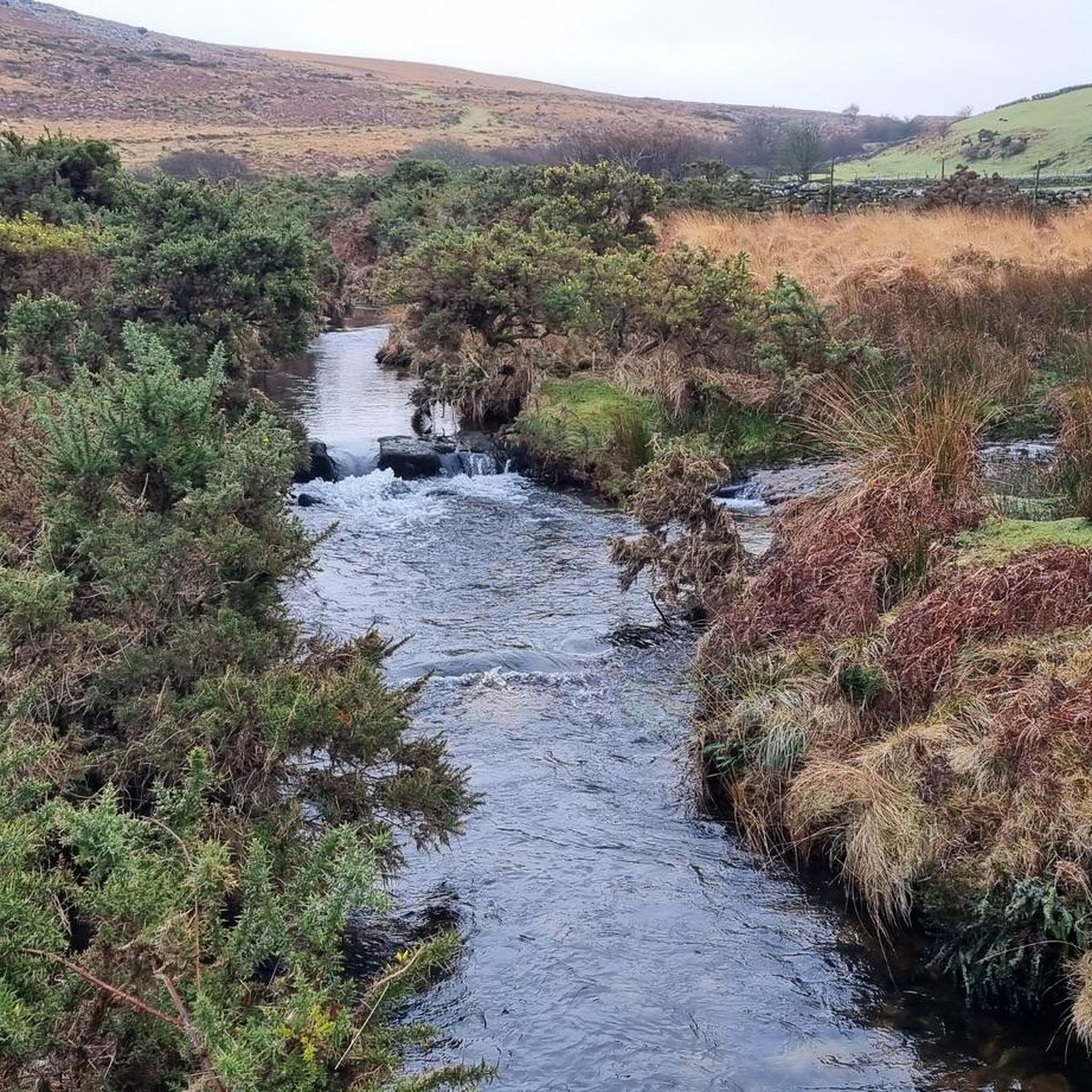
Tips from the Community

West Mill Tor 542.7m P20.3 (1780ft) (DoBIH Hill ID: 19861) [JNSA s2045] Dartmoor National Park Definitive List summit.
0
0

This stone circle from the Bronze Age, thousands of years before the beginning of the Christian era, is not as large and nowhere near as famous as the legendary "Stonehenge" (which is, after all, a UNESCO World Heritage Site; if you're interested, see => https://www.komoot.com/de-de/highlight/960007 ), but this one can be visited without the tourist crowds that are typical there, and it also has a much more interesting-sounding name...
2
0

West Mill Tor is an easy climb from the base of Yes Tor and offers fantastic views in all directions. A sizeable outcrop with various routes to climb to get to the top, varying from safe and simple to steep and trechuous. There is a small stream to cross at the base between Yes Tor and the ground can be waterlogged so will require abit of dry hopping or good footwear.
0
0

On the 1st of May every year the local morris dancers come to dance the summer in at dawn at this spot
2
0

Part of the okehamptons three sisters of row tor, west mill and yes tor, west mill is a great pitch for a camp and view of yes tor
1
0

Make sure to check out the military times. As drills are taken out here on certain days.
1
0

If you are hiking to Yes Tor, don't pass by West Mill Tor without a visit. It almost looks like the ruins of a castle and is very recognisable. The views from up here take you all the way across to Exmoor National Park in the north or south west to Yes Tor. Simply stunning.
1
0

A charming start to the extensive collection of tors on the Belstone Ridge, Tors End is a long thin band of exposed granite, stretching up the north-western edge of Belstone Common, with an extensive clitter field on the western side. In 'High Dartmoor' Hemery mentions the outcrop but appears to incorrectly place it at the northern edge of the higher ground, at what we call 'Belstone Common Tor'; "...the land falls sharply to a fine satellite pile; smaller, but fiercely characteristic, its bold cone dominates the declining northward crest and is aptly known as Tors End (approx. 1,500 feet)." Also, there is, according to Hemery, a small quarry at the north end known as 'Sand Pit'. As Tors End was the easiest tor to get to and being located closest to the village it seems to have been a target for quarrying. A quarter segment of an abandoned apple crusher can be found on the east side of the main outcrop. There are also abandoned millstones and troughs on the slopes all around the Belstone Tors area. Tim Jenkinson (2001/2) writes; "The quarry at Sand Pit is symbolic of the interest in Belstone's granite and most probably reflects the execution of Venville Rights, a privilege bestowed upon the inhabitants of Dartmoor in return of the payment of rent to the Duchy." Venville Rights allow local people "to remove anything from the Forest that may be for their own use and good"; they date back to 1609 during the reign of James I when it was decreed that the "digging and removal of moorstone is to be used only for the mending of houses and land." Just over 100 years ago Dora James (1911) depicts an interesting scene at the village of Belstone; she bemoans; "There are now at least two granite working yards in the village, although the owners have I believe to pay an annual fee to the Duchy for the removal of stone in such large quantities, which, if for their good, can scarcely be considered for their 'own use'." At that time Belstone was a hive of industry and rocks that were being plundered from the tors, and some stones were worked upon in situ and presumably cast aside if imperfect - that's why we find so many abandoned artefacts up there. Dora was very unhappy about the whole situation as she calls the working places an "eyesore" and felt that the process of "digging out and cutting up the glorious piles" of Belstone Tors "are infinitely to be regretted." She refers to the stones as "grey memorials". It is more commonly accepted by the locals that this, the lower outcrop, is the actual location.
2
0
Frequently Asked Questions
What unique geological features can I explore near Exbourne?
The area around Exbourne, particularly within Dartmoor National Park, is renowned for its distinctive granite formations known as tors. You can explore impressive examples like West Mill Tor, which has a castle-like appearance, or the jumbled granite mound of Belstone Common Tor. Beyond tors, Dartmoor also features dramatic gorges like Lydford Gorge and beautiful waterfalls such as Canonteign Falls, England's tallest.
What are some of the most highly-rated natural monuments in the Exbourne area?
Visitors frequently praise the tors on Belstone Ridge. West Mill Tor is a popular choice, known for its panoramic views stretching to Exmoor National Park. Higher Tor is another majestic formation, described as a 'splendid ruin of Nature' with striking jointings and extensive vistas. These sites are appreciated by the komoot community, with many photos and upvotes highlighting their appeal.
What kind of views can I expect from the natural monuments around Exbourne?
The natural monuments, especially the tors, offer breathtaking panoramic views. From West Mill Tor, you can see across to Exmoor National Park and Yes Tor. Higher Tor provides terrific views in all directions, including Oke Tor and the prominent Steeperton Hill. Even Tors End, marking the beginning of the Belstone Ridge, offers scenic outlooks over its extensive clitter field.
Are there family-friendly natural monuments near Exbourne?
While the tors can be rugged, many parts of Dartmoor National Park offer family-friendly experiences. Lydford Gorge, with its enchanting Whitelady Waterfall and Devil's Cauldron, is a popular choice for families, offering well-maintained paths. Canonteign Falls also provides a beautiful setting with lush woodlands suitable for a family outing. When visiting tors, consider easier routes and supervise children due to uneven terrain.
What outdoor activities can I do near the natural monuments around Exbourne?
The area is excellent for various outdoor activities. You can find numerous hiking trails, such as the 'Okehampton loop to Higher Tor & Belstone Tor' for a challenging run or hike, or easier options like the 'East Okement River Trail loop'. Mountain biking is also popular, with routes like 'West Mill Tor – East Okement River Trail loop'. For more details on routes, explore the Running Trails around Exbourne, MTB Trails around Exbourne, and Easy hikes around Exbourne guides.
Are there hiking trails that include these natural monuments?
Yes, many hiking trails incorporate the natural monuments. For instance, the 'Okehampton loop to Higher Tor & Belstone Tor' is a challenging running trail that takes you past Higher Tor and Belstone Tor. You can also find routes that pass by West Mill Tor. For a variety of options, check out the Easy hikes around Exbourne guide for trails suitable for different fitness levels.
What is the best time of year to visit the natural monuments near Exbourne?
The natural monuments are beautiful year-round, but each season offers a different experience. Spring brings vibrant new growth and fewer crowds, while summer provides longer daylight hours ideal for extended hikes. Autumn showcases stunning moorland colors, and winter, though colder, can offer dramatic, stark landscapes, especially after a fresh snowfall. Always check weather conditions before heading out, as Dartmoor weather can change rapidly.
Are the natural monuments around Exbourne dog-friendly?
Generally, Dartmoor National Park is very dog-friendly, and most natural monuments are accessible with dogs. However, it's crucial to keep dogs on a lead, especially during lambing season (March-July) and when near livestock or ground-nesting birds. Always follow the Countryside Code, pick up after your dog, and ensure they are under control to protect wildlife and farm animals.
What should I wear when visiting the natural monuments in autumn or winter?
Dartmoor's weather can be unpredictable, especially in autumn and winter. It's advisable to wear layers, including a waterproof and windproof outer shell, even on seemingly mild days. Sturdy, waterproof hiking boots with good ankle support are essential for navigating the often wet and uneven terrain. A hat, gloves, and warm socks are also recommended to stay comfortable.
Are there accessible natural monuments around Exbourne for visitors with limited mobility?
Many of the tors, by their very nature, involve rugged and uneven terrain, making them challenging for visitors with limited mobility. However, some areas within Dartmoor National Park, such as parts of Lydford Gorge, may offer more accessible paths. It's best to research specific locations and their accessibility features before your visit. Public transport options to these more remote natural monuments are limited, so personal transport is often recommended.
Can I find any 'hidden' natural monuments or less-known spots?
While the main tors are well-known, Dartmoor is vast, and there are countless smaller, less-frequented rock formations and natural features to discover. For example, Rock Tor, south of Higher Tor, is a distinctive but smaller outcrop with a pronounced canopy, often overlooked. Exploring off the main trails can lead to discovering unique geological formations and quiet viewpoints, but always ensure you have appropriate navigation tools and experience for venturing into less-trodden areas.
What kind of wildlife can I expect to see near the natural monuments?
The moorlands around Exbourne, particularly within Dartmoor National Park, are rich in wildlife. You're likely to encounter the iconic Dartmoor ponies grazing freely. The area is also home to various bird species, including buzzards, skylarks, and sometimes even rare birds of prey. Keep an eye out for diverse insect life, especially around the rivers and bogs, and if you're lucky, you might spot deer or other small mammals.
Most popular attractions around Exbourne

Get inspired with the komoot mobile app


Explore more
Extend your search for the best caves by checking out these guides of the top ones around Exbourne:
