The best cycling routes around Wonston
4.5
(302)
4,045
riders
319
rides
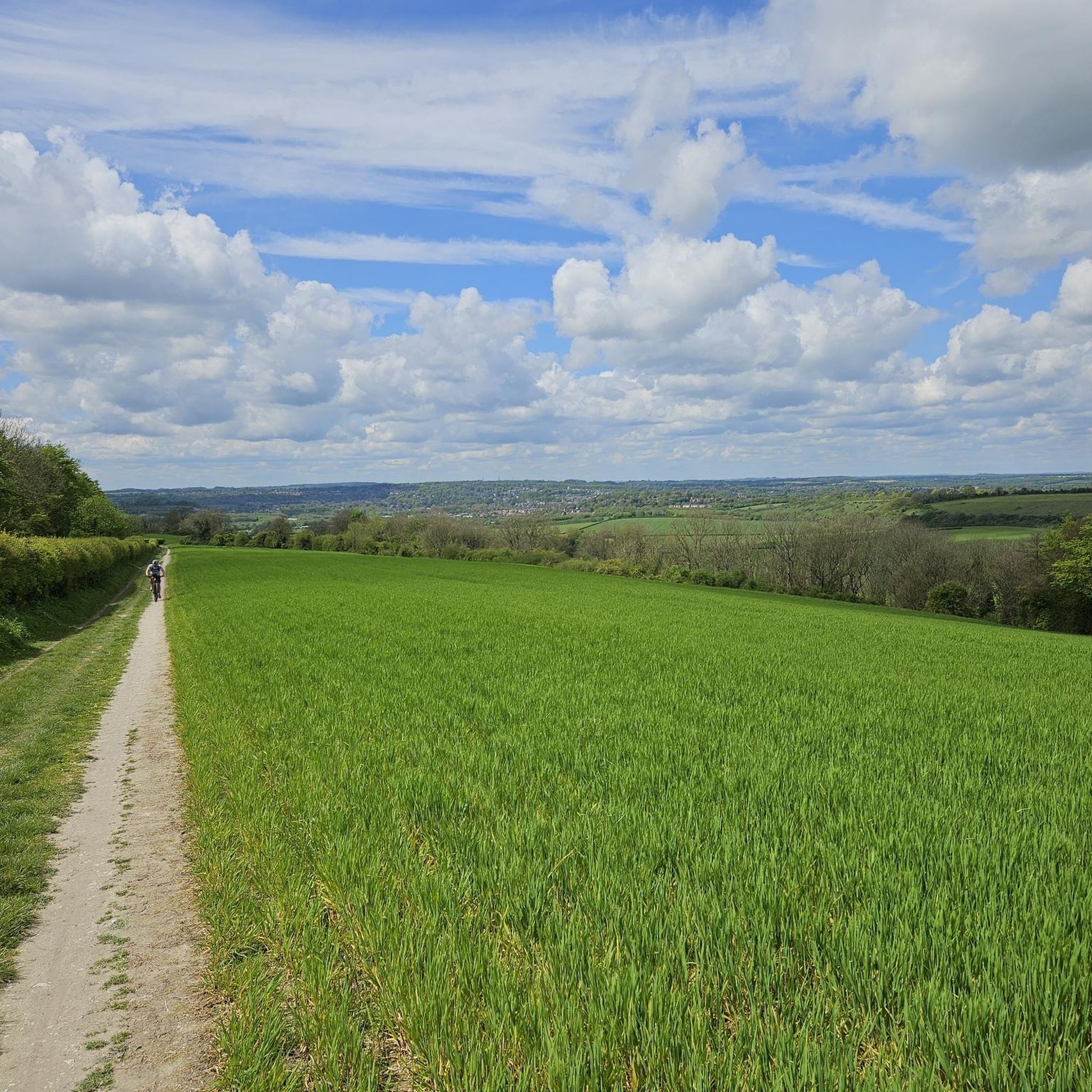
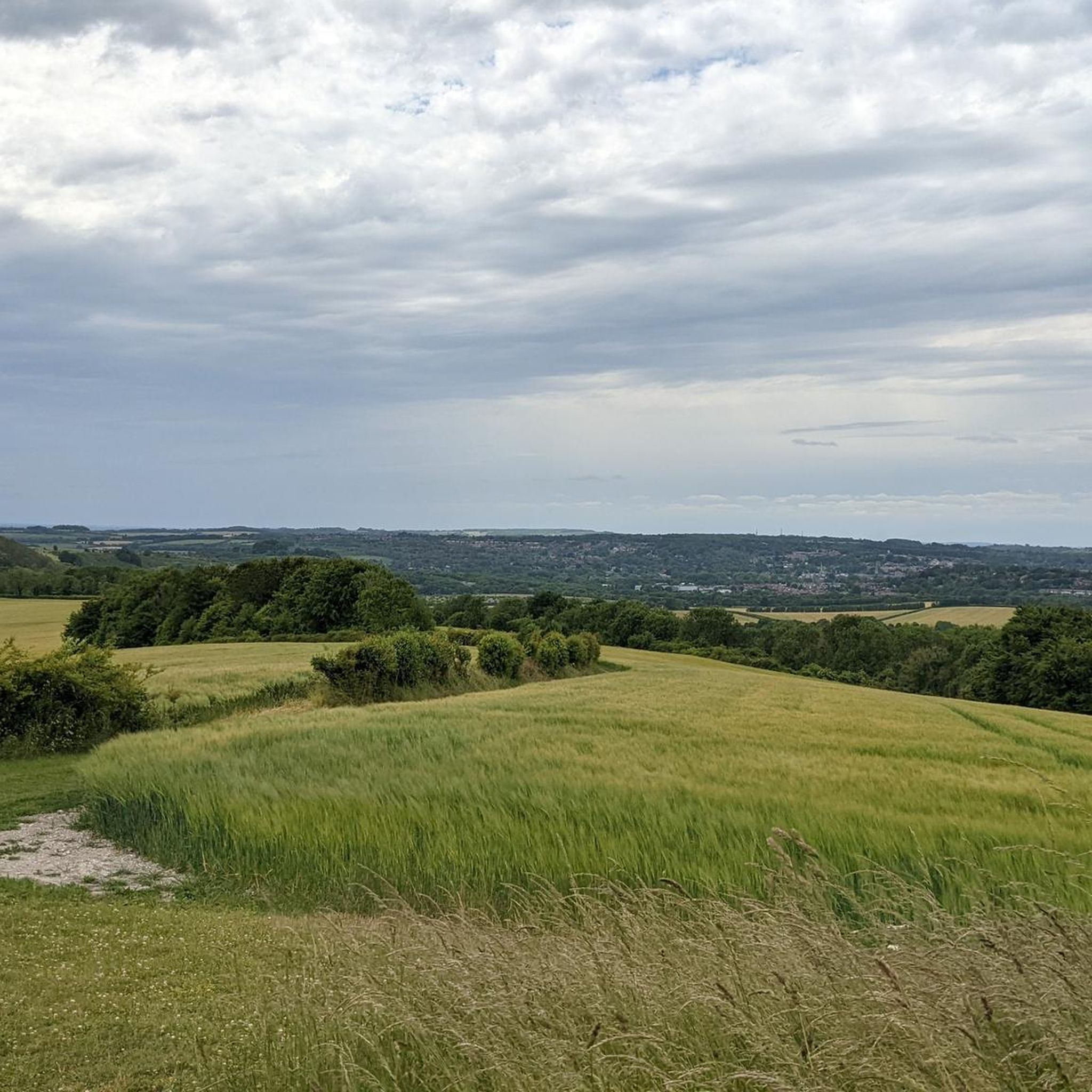
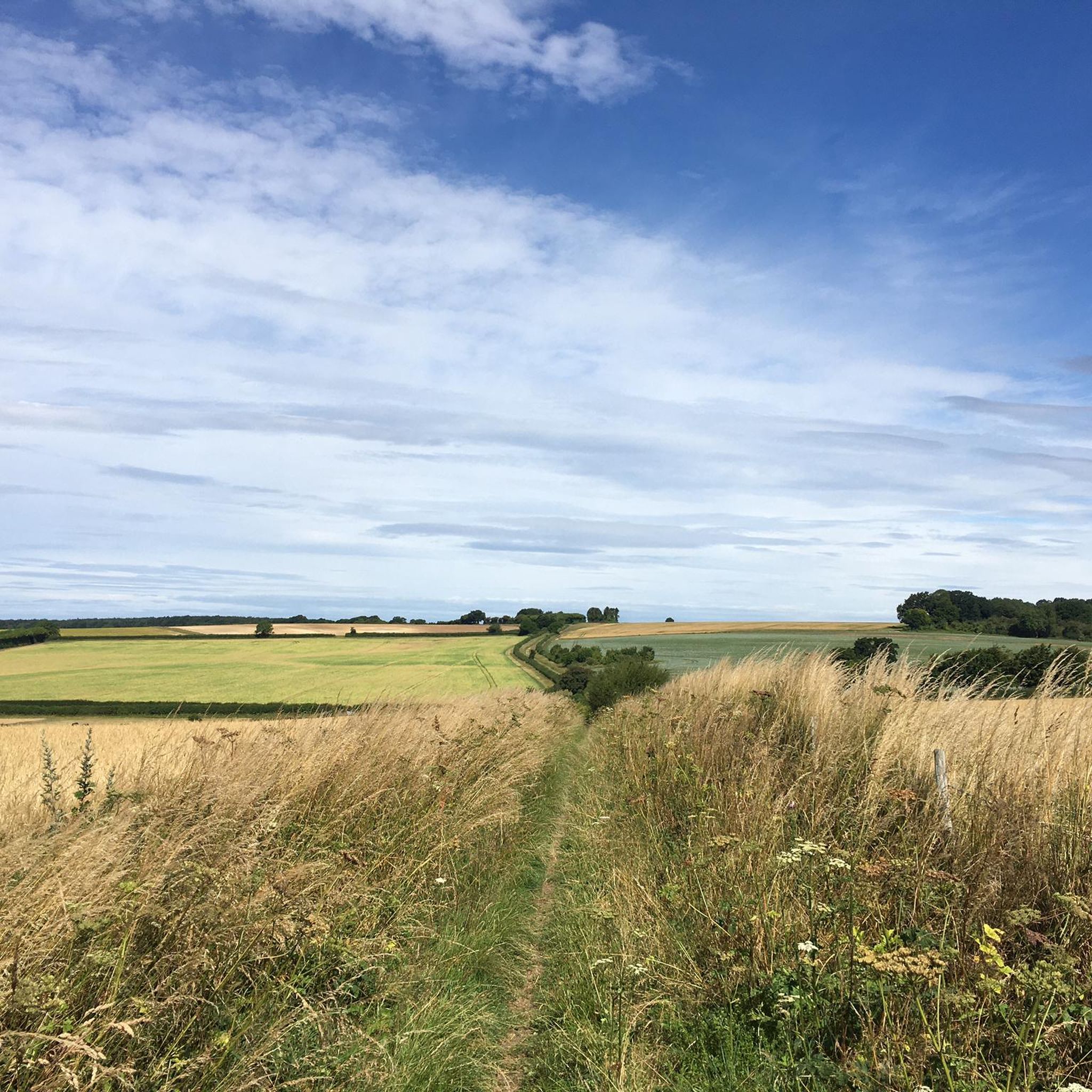
Touring cycling routes around Wonston, Hampshire, traverse a landscape characterized by the gentle flow of the River Dever and expansive countryside. The area features open fields, farm tracks, and quiet lanes, providing a tranquil setting for rides. Its proximity to the New Forest National Park offers extensive gravel cycling routes and forest tracks. The nearby South Downs National Park provides varied terrain for more challenging rides.
Best touring cycling routes around Wonston
- The most popular touring cycling route is Stoke…
Last updated: October 4, 2026
4.8
(4)
16
riders
Hard bike ride. Very good fitness required. Mostly paved surfaces. Suitable for all skill levels.
3.0
(1)
11
riders
Easy bike ride. Great for any fitness level. Mostly paved surfaces. Suitable for all skill levels.

5.0
(1)
8
riders
Moderate bike ride. Good fitness required. Mostly paved surfaces. Suitable for all skill levels.
5.0
(2)
11
riders
20.5km
01:31
180m
180m
Hard bike ride. Good fitness required. You may need to push your bike for some segments of this route.
5.0
(1)
9
riders
18.4km
01:04
120m
120m
Easy bike ride. Great for any fitness level. Mostly paved surfaces. Suitable for all skill levels.
Get access to more routes and recommendations from other explorers.
Already have an account?
Our route recommendations are based on thousands of hikes, rides, and runs completed by other people on komoot.
Start today with a free account
Your next adventure awaits.
Tips from the Community

The striking bronze statue of King Alfred the Great is one of Winchester's most recognizable landmarks, dominating The Broadway at the eastern end of the High Street near the River Itchen. Sculpted by Sir Hamo Thornycroft, the colossal, 15-foot-tall figure was erected in 1901 to commemorate the millennium of the king's death—a pivotal figure who made Winchester his capital and is credited with being "The Founder of the Kingdom and Nation," as inscribed on its granite base. Depicting a heroic, bearded Alfred in a regal stance with a downward-pointing sword hilt forming a cross, the statue celebrates his dual role as a military champion against the Vikings and an early Christian leader, all while standing proudly in the city he helped define.
1
0
The Sword: Alfred is shown grasping a large, cross-hilted sword with the point facing downwards. This posture is symbolic, representing not just his prowess as a warrior who defended his kingdom against the Vikings, but also his role as a Christian leader, with the hilt forming the shape of a cross. The Pedestal: The statue rests on a large pedestal of Cornish granite, which is inscribed with just one word: AELFRED. Historical Portrayal: Thornycroft's depiction is a romanticized, heroic one—showing Alfred with a long, flowing beard—even though contemporary coins suggest the King was clean-shaven. The monument represents the Victorian-era idea of Alfred as a perfect warrior, statesman, and philosopher king.
0
0
The statue depicts Alfred the Great (847–899 AD), who was the King of the West Saxons and is traditionally regarded as the first King of the Anglo-Saxons and the founder of the Kingdom of England. Winchester was his capital. Sculptor: Sir Hamo Thornycroft, a highly-regarded Royal Academician. Completion: It was completed in 1901, although it was commissioned to mark the millennium of King Alfred's death (which was in 899 AD). Size: The bronze statue is monumental, standing at 15 feet (4.57 m) high and weighing about five tons. The total height with its granite pedestal is around 40 feet. Location: It stands prominently at the eastern end of The Broadway, near the junction with Bridge Street and Eastgate Street, with the High Street extending behind it toward the city centre.
0
0
Ancient Origins: The earliest surviving structure of the gate is of Anglo-Saxon character, though it was rebuilt in the 12th century and later modified in the 13th and 14th centuries. Military Features: The 14th-century modifications included a portcullis in the western façade and two inverted-keyhole gunports (for hand-held cannon), which are considered some of the earliest in the country. Today, the structure houses the Westgate Museum, which is operated by the Hampshire Cultural Trust.
0
0
The Westgate in Winchester is one of the city's most significant and iconic historical landmarks. It is a fortified medieval gateway that stands prominently at the upper end of the High Street, close to the Great Hall of Winchester Castle. Key Facts and History Surviving Gate: It is one of only two fortified medieval gateways that survive in Winchester (the other being Kingsgate), the rest having been demolished in the 18th century.
0
0

More information about King Alfred: https://www.cityofwinchester.co.uk/history/html/king_alfred.html
0
0

Winchester Cathedral in southern England is an impressive building steeped in history. Its Gothic architecture and intricate details make a visit a fascinating experience. Particularly impressive are the high vaults and the historic artworks that adorn the church. The interior exudes a serene and dignified atmosphere, inviting you to linger. The cathedral is a significant cultural and religious center, reflecting both history and spirituality. Overall, it is a worthwhile destination for visitors interested in architecture, history, and art.
2
0
There is a small museum in the Westgate, which also leads to the roof terrace with views over the High Street.
0
0
Frequently Asked Questions
How many touring cycling routes are available around Wonston?
There are over 350 touring cycling routes available around Wonston, Hampshire. These routes cater to various skill levels, with options ranging from easy to difficult.
What do other touring cyclists enjoy about the routes in Wonston?
The touring cycling routes in Wonston are highly rated by the komoot community, with an average score of 4.5 stars from over 200 reviews. More than 4000 cyclists have explored the varied terrain, often praising the tranquil countryside, the scenic River Dever, and access to broader regional attractions like the New Forest and South Downs National Parks.
Are there touring cycling routes suitable for beginners or families in Wonston?
Yes, Wonston offers a good selection of routes suitable for beginners and families. There are nearly 70 easy touring cycling routes available. An example of an easy route is the Viewpoint Near Winchester – Down Farm Lane Downhill loop from South Wonston, which is just under 10 miles long and takes about an hour to complete.
Are there any circular touring cycling routes in Wonston?
Many of the touring cycling routes around Wonston are circular, allowing you to start and finish in the same location. For example, the Stoke Charity Pond – Rural Road Through Open Fields loop from South Wonston is a popular moderate route, and the River Test – Crawley Duck Pond loop from South Wonston offers a more challenging circular ride.
What is the best time of year for touring cycling in Wonston?
The countryside around Wonston, Hampshire, is beautiful throughout the warmer months. Spring and autumn offer pleasant temperatures and vibrant scenery, while summer provides longer daylight hours. The area's open fields and farm tracks are generally accessible during these seasons.
Are there dog-friendly touring cycling routes in Wonston?
While specific routes may have restrictions, many of the quiet lanes and farm tracks in the Wonston countryside are suitable for cycling with a well-behaved dog, especially if they are accustomed to running alongside a bike. Always ensure your dog is under control and be mindful of livestock in agricultural areas.
Are there options for parking near the touring cycling routes?
Yes, many touring cycling routes around Wonston start from villages or trailheads where parking is available. For routes originating from South Wonston, you can often find local parking options. When planning your ride, check the specific route details on komoot for recommended starting points and parking information.
What natural features or landmarks can I expect to see while cycling around Wonston?
While cycling around Wonston, you can enjoy the tranquil flow of the River Dever and expansive countryside. Nearby attractions include St Catherine's Hill, the scenic River Itchen, and the historic Hockley Viaduct. The area also provides access to the New Forest and South Downs National Parks, offering diverse landscapes.
Are there places to stop for refreshments or accommodation along the routes?
Wonston and the surrounding villages in Hampshire offer charming pubs and cafes where cyclists can stop for refreshments. The area's historic villages, like Wonston itself with its St Michael's Parish Church, often have local establishments. For longer stays, there are various accommodation options available in the wider Winchester area.
Can I reach the cycling routes around Wonston using public transport with my bike?
Accessing Wonston by public transport with a bike is possible, though it may require some planning. Train services to nearby Winchester often allow bikes, but it's advisable to check the specific rail operator's policy and peak time restrictions. From Winchester, you may need to cycle to reach the starting points of routes in Wonston.
Are there any challenging touring cycling routes in the Wonston area?
Yes, for those seeking a challenge, Wonston offers over 150 difficult touring cycling routes. A notable challenging route is the Pigs in the meadow loop from South Wonston, which covers over 20 kilometers with significant elevation gain.
What is the typical length and duration of touring cycling routes in Wonston?
The touring cycling routes around Wonston vary significantly in length and duration. You can find shorter rides, like the Stoke Charity Pond – River Dever Path, Hunton loop from South Wonston, which is about 18 kilometers and takes around an hour. Longer, more challenging routes can extend over 50 kilometers and take several hours to complete.
Most popular attractions around Wonston

Get inspired with the komoot mobile app


Explore more
Browse the best Cycling routes in other regions.
