Attractions and Places To See around St. Mary Bourne - Top 20
Best attractions and places to see around St. Mary Bourne are situated within the North Wessex Downs Area of Outstanding Natural Beauty, offering a blend of historical sites and natural landscapes. The village is characterized by its traditional architecture and the Bourne Rivulet, a seasonal chalk stream that flows through its center. This area provides opportunities for walking and cycling amidst scenic views and diverse wildlife habitats. Visitors can explore a variety of landmarks and natural features within this picturesque setting.
Best attractions and places to see around St. Mary Bourne
- The most popular attractions is Combe Gibbet, a man-made monument that offers views from Gallows Down. This structure was erected in 1676 and is a notable historical site.
- Another must-see spot is Chilbolton Cow Common, a natural monument and Site of Special Scientific Interest. Visitors can observe diverse flora, including orchids, and various bird species where two divides of the River Test flow through it.
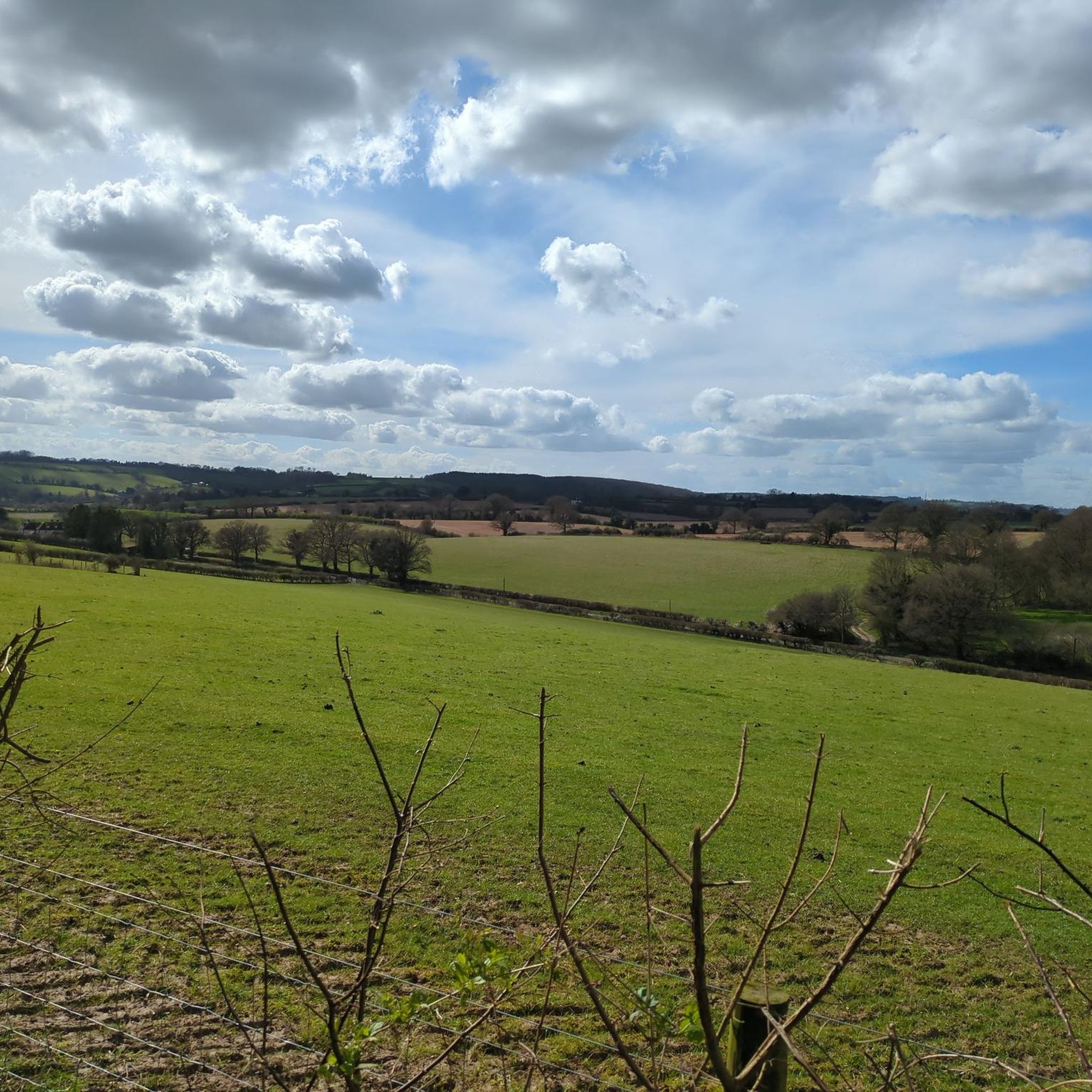
- Visitors also love Ladle Hill Iron Age Hillfort, a historical site and natural monument with sublime views. This unexcavated Iron Age hillfort is set within a rare calcareous grassland chalk downland habitat.
- St. Mary Bourne is known for its historical sites, natural features, and viewpoints. The area offers a variety of attractions to see and explore, from ancient monuments to scenic river landscapes.
- The attractions around St. Mary Bourne are appreciated by the komoot community, with 4 highlights receiving 92 upvotes and featuring 43 photos.
Last updated: July 2, 2026
Combe Gibbet
Highlight • Monument
Tip by

Watership Down Climb
Highlight (Segment) • Trail
As steep as it is going up, it is going down....enjoy!
Tip by

Sign up now to discover places like this
Get recommendations on the best single tracks, peaks, & plenty of other exciting outdoor places.
Sign up for free
Ladle Hill Iron Age Hillfort
Highlight • Historical Site
Tip by
St Mary's Church, Kingsclere
Highlight • Historical Site
Much of the present building dates from a major rebuilding in the 19th century.
There are many interesting features including its unusual weather vane which is affectionately known locally as The Bedbug. Legend has it that its design was determined by King John, who on one occasion being prevented from reaching his hunting lodge on Cottington Hill by fog had to spend a night in the local inn where his night was badly disturbed by bedbugs!
The church is open every day for visitors, for those wanting a quiet place to sit and think and for those wishing to pray.
Cit. explorechurches.org/church/st-mary-kingsclere
Tip by

Chilbolton Cow Common
Highlight • Natural
Tip by
Sign up for free to discover even more attractions around St. Mary Bourne.
Sign up for free
Already have an account?
Start today with a free account
Your next adventure awaits.
Login or Signup
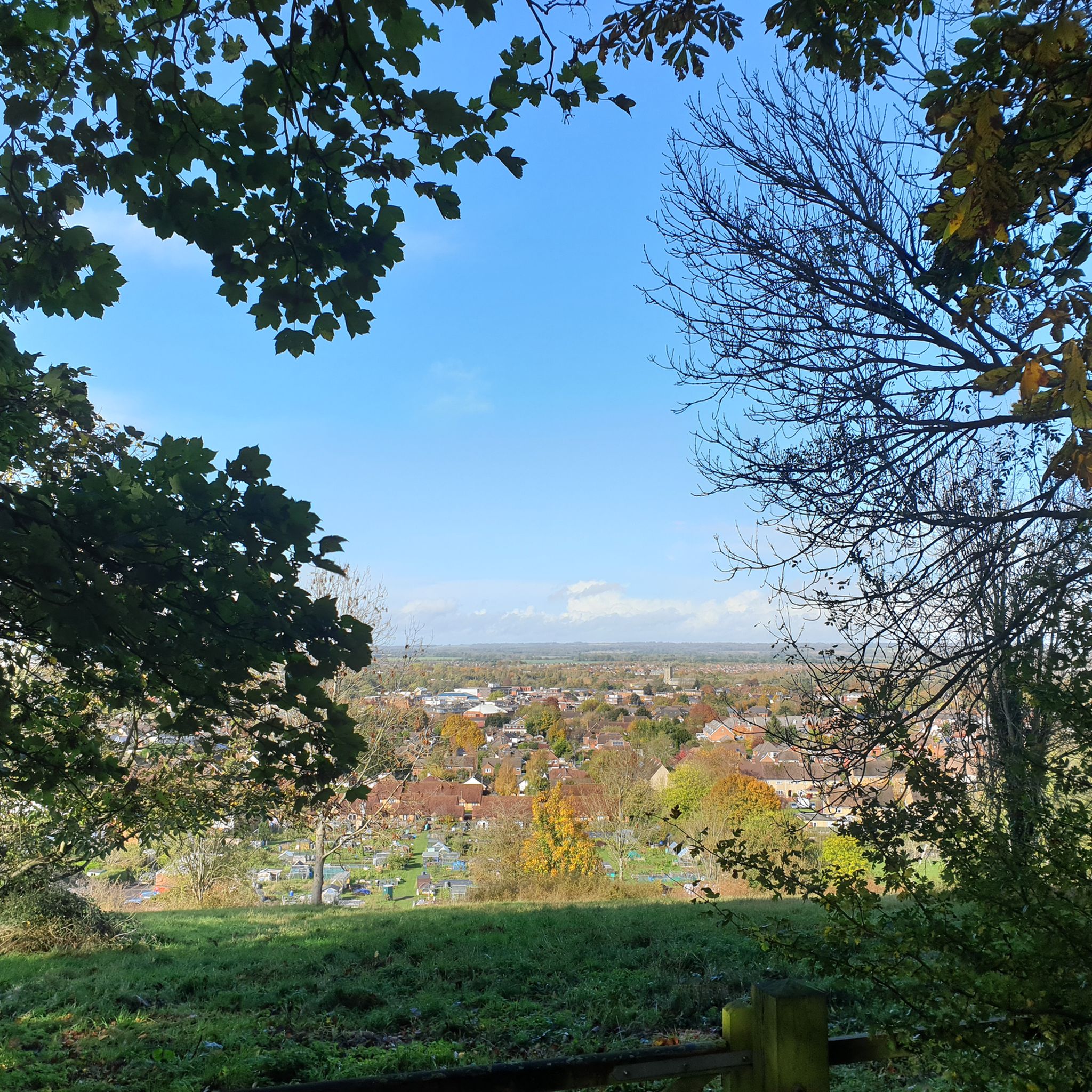
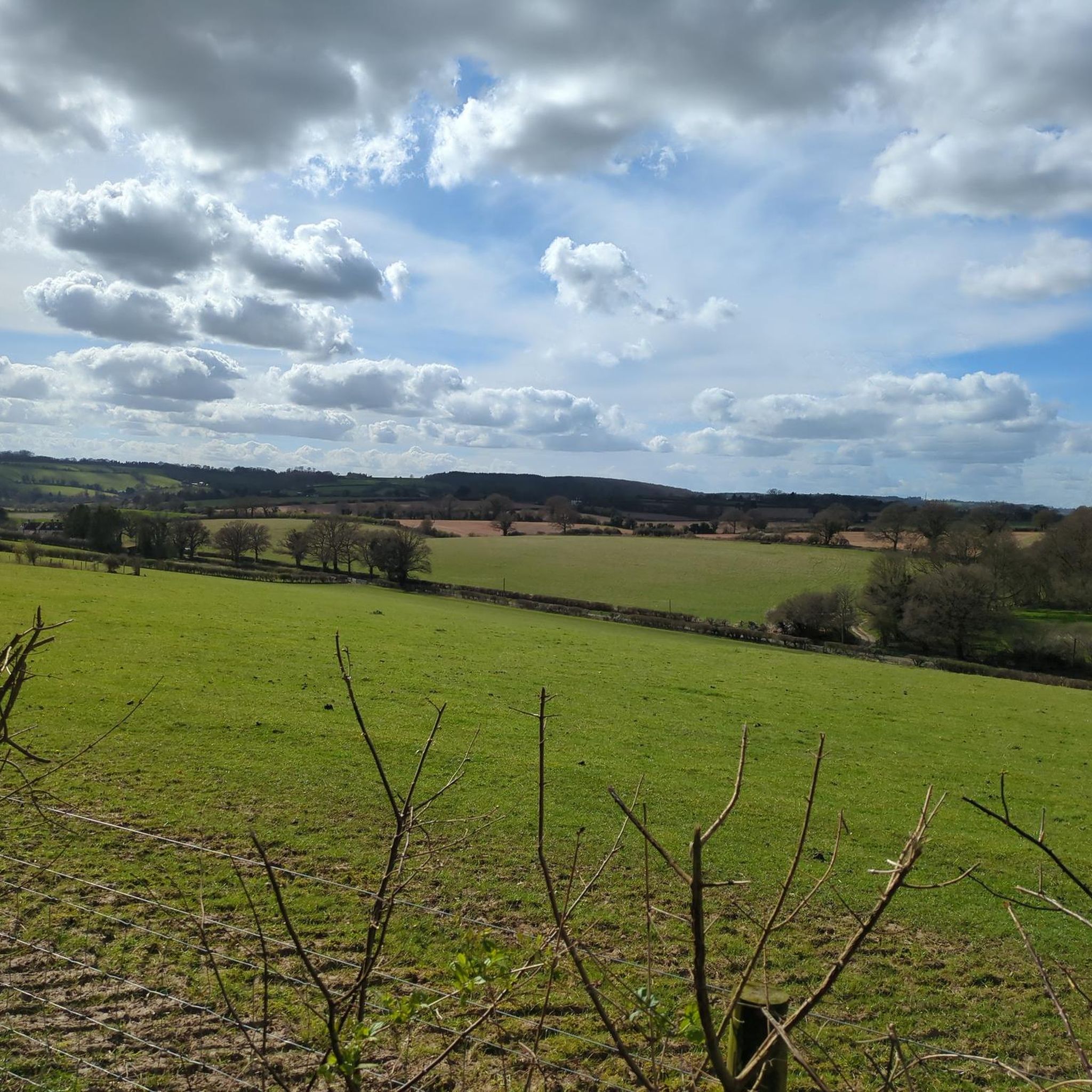
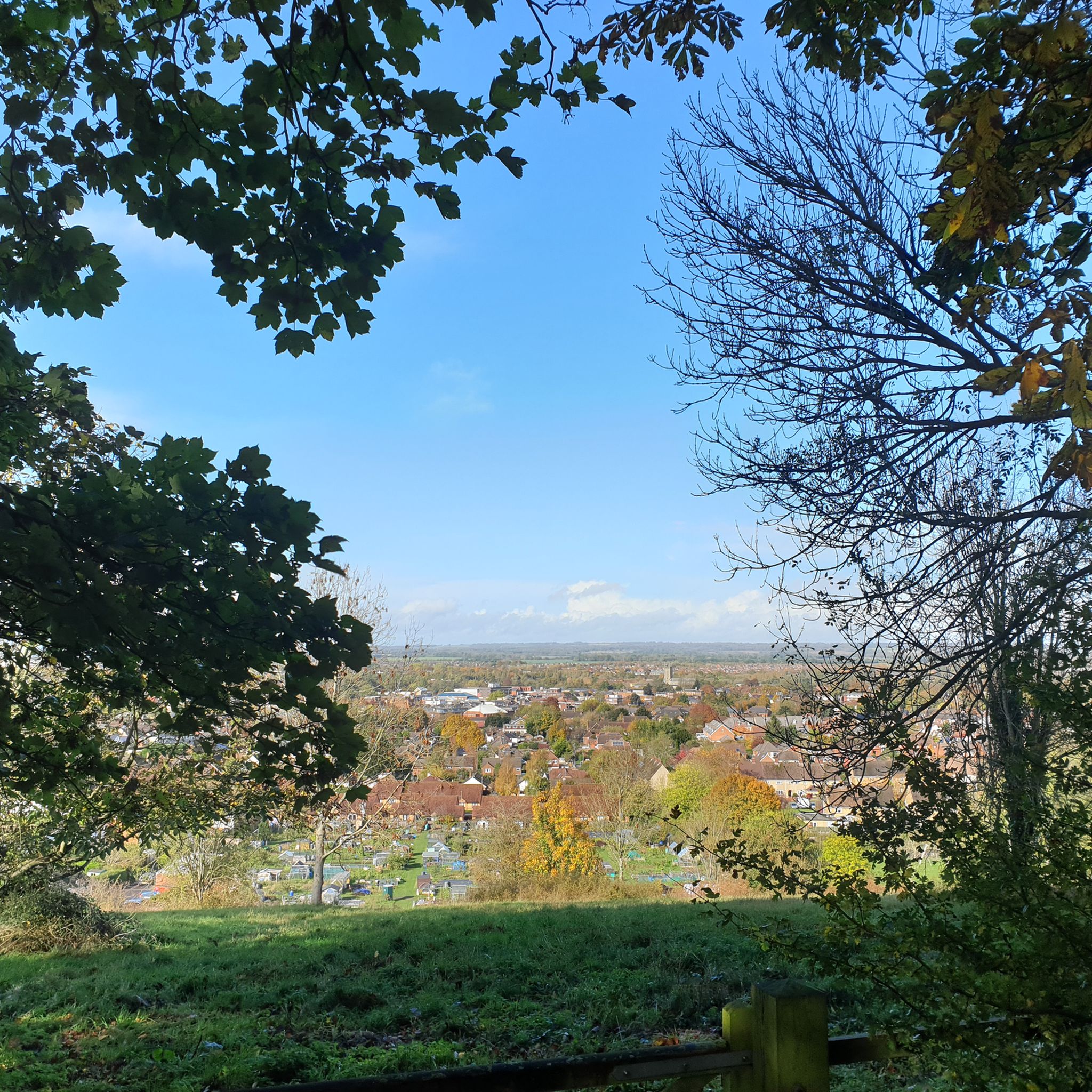
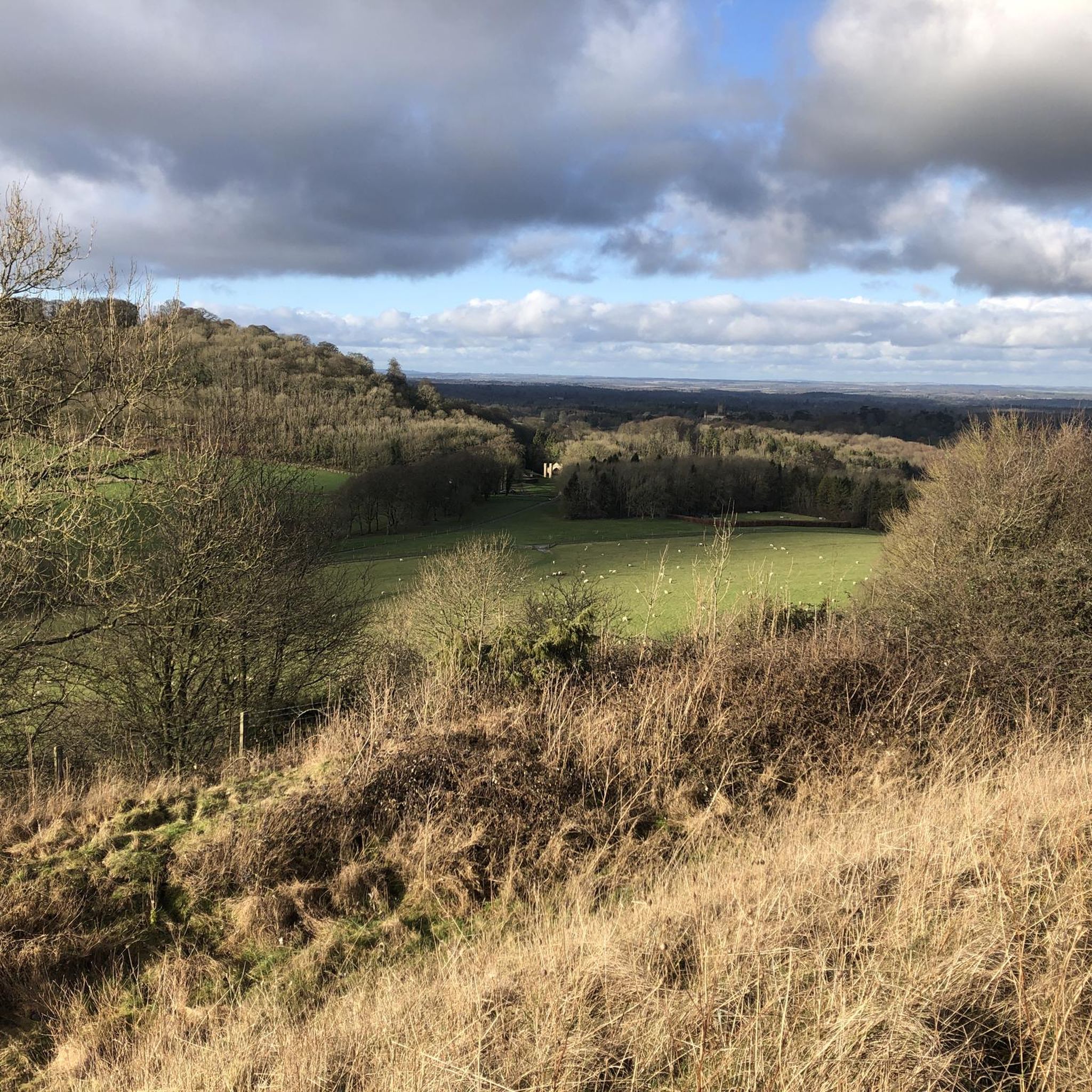
Tips from the Community


Dogs will love splashing around in the River Test that crosses the common on the Chilbolton side.
0
1

Replacements and Legacy: The original gibbet from 1676 eventually deteriorated. The current gibbet is actually the seventh to stand on the site. Previous versions were replaced due to rotting, being struck by lightning, vandalism, or being blown down by strong winds. The current replica was erected in 1992. While the gibbet was only ever used for the display of George Bromham and Dorothy Newman, its grim history has made it a local landmark and a popular spot for walkers, hang-gliders, and paragliders, offering expansive views across Berkshire, Hampshire, and Wiltshire. The story of the murders even inspired a 1948 silent film called "The Black Legend," made by a young John Schlesinger.
2
0
The Gibbet's Purpose: After their execution, their bodies were brought back to Inkpen and prepared for public display. A large, double gibbet was hastily erected on the long barrow. The bodies of George and Dorothy, bound in chains, were then displayed on either side of the gibbet on March 6, 1676, as a stark and gruesome warning to the local community to deter similar crimes. The location was chosen due to its prominence and being on the border of the two parishes, as there was a dispute over which parish should bear the cost of the gibbet.
2
0
The Murders and Gibbeting: The Crime: George Bromham, a married farm labourer from Combe, and Dorothy Newman, a widow from Inkpen, were having an illicit affair. To be together, they murdered George's wife, Martha Bromham, and their son, Robert. Accounts vary, but it's believed they waylaid Martha and Robert and beat them to death with staves near where the gibbet now stands. One dramatic, though likely far-fetched, version suggests George killed his wife by thrusting her head into a hornet's nest. The Witness: The crime was reportedly witnessed by a villager known as "Mad Thomas," who alerted the authorities. Trial and Execution: George Bromham and Dorothy Newman were tried at Winchester Assizes. They were found guilty and hanged in Winchester on March 3, 1676.
2
0
The hillfort on the top of the hill has never been excavated, but the land and ditch are sharply defined and well preserved. This Iron Age fort is roughly rectangular and enclosed seven acres within an embankment and ditch. There are two probable entrances to the east and west. The work seems to have been undertaken by several different labour forces, each working on a section of the defences, but for some reason the task was abandoned and the fort left unfinished. Great to walk along the unfinished ramparts, it's windy and flipping huge!!!
0
0

This is a wonderful spot with a lovely display of seasonal wildflowers that bloom within the spring and summer months.
1
0
Frequently Asked Questions
What historical sites can I explore around St. Mary Bourne?
St. Mary Bourne and its surroundings offer a rich history. You can visit Ladle Hill Iron Age Hillfort, an unexcavated Iron Age site with impressive views. Another significant historical landmark is Combe Gibbet, a macabre but historically important monument from 1676. Within the village, St. Peter's Church is notable for its 12th-century Tournai font and an 800-year-old yew tree. A short distance away, St Mary's Church, Kingsclere, is a 12th-century Norman church built on the site of a former Saxon minster. You can also explore the Whitchurch Silk Mill, a working watermill, and the Museum of the Iron Age in Andover.
Where can I experience the natural beauty and scenic views near St. Mary Bourne?
The area is nestled within the North Wessex Downs Area of Outstanding Natural Beauty, offering abundant natural beauty. The Bourne Rivulet, a seasonal chalk stream, flows through the village, creating picturesque water meadows. For stunning views, head to Combe Gibbet atop Gallows Down or Ladle Hill Iron Age Hillfort. Chilbolton Cow Common is a Site of Special Scientific Interest with diverse flora, including orchids, and two divides of the River Test. You can also enjoy the views from the Watership Down Climb.
Are there family-friendly attractions in and around St. Mary Bourne?
Yes, there are several options for families. Chilbolton Cow Common is a great spot for a simple, pleasant walk where children and dogs can enjoy splashing in the River Test. St Mary's Church, Kingsclere, is also listed as family-friendly. Slightly further afield, Finkley Down Farm Park offers indoor and outdoor activities for children. The Village Lake in St. Mary Bourne is also used for fishing and model boating.
What walking and hiking opportunities are available near St. Mary Bourne?
St. Mary Bourne is an excellent base for walking and hiking, situated within the North Wessex Downs AONB. You can find a variety of trails, including easy hikes like the Hurstbourne Tarrant and Test Way Loop or the Doles Wood loop from Hurstbourne Tarrant. For more options, explore the easy hikes around St. Mary Bourne guide. The area around the Bourne Rivulet and its water meadows is particularly popular for walks.
Can I go cycling or mountain biking near St. Mary Bourne?
Absolutely! The region offers great opportunities for cycling and mountain biking. You can find MTB trails that take you past highlights like Ladle Hill Iron Age Hillfort and Combe Gibbet. There are also gravel biking routes available. Check out the MTB Trails around St. Mary Bourne and Gravel biking around St. Mary Bourne guides for detailed routes.
What is the best time of year to visit St. Mary Bourne for outdoor activities?
The spring and summer months are ideal for visiting St. Mary Bourne, especially for enjoying outdoor activities and the natural beauty. During this time, you'll find a lovely display of seasonal wildflowers, particularly at sites like Ladle Hill Iron Age Hillfort. The weather is generally more favorable for walking, cycling, and exploring the picturesque countryside.
Are there any challenging walks or climbs in the area?
Yes, for those seeking a challenge, the Watership Down Climb offers a steep ascent through picturesque countryside, peaking at about a 16% incline. It's a rewarding climb with great views from the top, though the road surface can be a little rough in places.
What kind of wildlife can I expect to see?
The Bourne Rivulet and its traditional water meadows provide a habitat for diverse wildlife. At Chilbolton Cow Common, a Site of Special Scientific Interest, you can observe various bird species, including kingfishers, hawks, owls, buzzards, kestrels, egrets, and red kites. The calcareous grassland chalk downland habitat at Ladle Hill Iron Age Hillfort also supports unique flora.
What do visitors enjoy most about the attractions around St. Mary Bourne?
Visitors particularly enjoy the sublime views from historical sites like Ladle Hill Iron Age Hillfort and Combe Gibbet. The diverse flora, including orchids, and birdwatching opportunities at Chilbolton Cow Common are also highly appreciated. Many find the walks simple and pleasant, with opportunities for detours and enjoying the natural surroundings.
Are there any notable churches or religious buildings to visit?
St. Peter's Church in St. Mary Bourne is a significant landmark, known for its 12th-century Tournai font and ancient yew tree. A short drive away, St Mary's Church, Kingsclere, is a beautiful Norman church with a history spanning over 1000 years, built on the site of a former Saxon minster. It features an unusual weather vane known locally as 'The Bedbug' and is open daily for visitors.
Can I find places for a quiet retreat or reflection?
Yes, St Mary's Church, Kingsclere, is open every day and provides a quiet place for sitting, thinking, or prayer. The serene natural landscapes of the North Wessex Downs AONB, particularly along the Bourne Rivulet or at sites like Ladle Hill Iron Age Hillfort, also offer peaceful environments for reflection amidst nature.
Most popular routes around St. Mary Bourne
Most popular attractions around St. Mary Bourne

Get inspired with the komoot mobile app


Explore more
Still not found the Highlight you’re looking for? See guides of the top attractions in other regions:
