Attractions and Places To See around Arborfield And Newland - Top 20
Best attractions and places to see around Arborfield And Newland offer a blend of historical landmarks, natural beauty, and points of interest. This civil parish in Berkshire, England, features sites like Grade II listed war memorials and 18th-century bridges. Visitors can explore the remains of a 13th-century church, numerous woodlands, and sections of the River Thames. The area provides opportunities for walking routes and enjoying the local countryside.
Best attractions and places to see around Arborfield And Newland
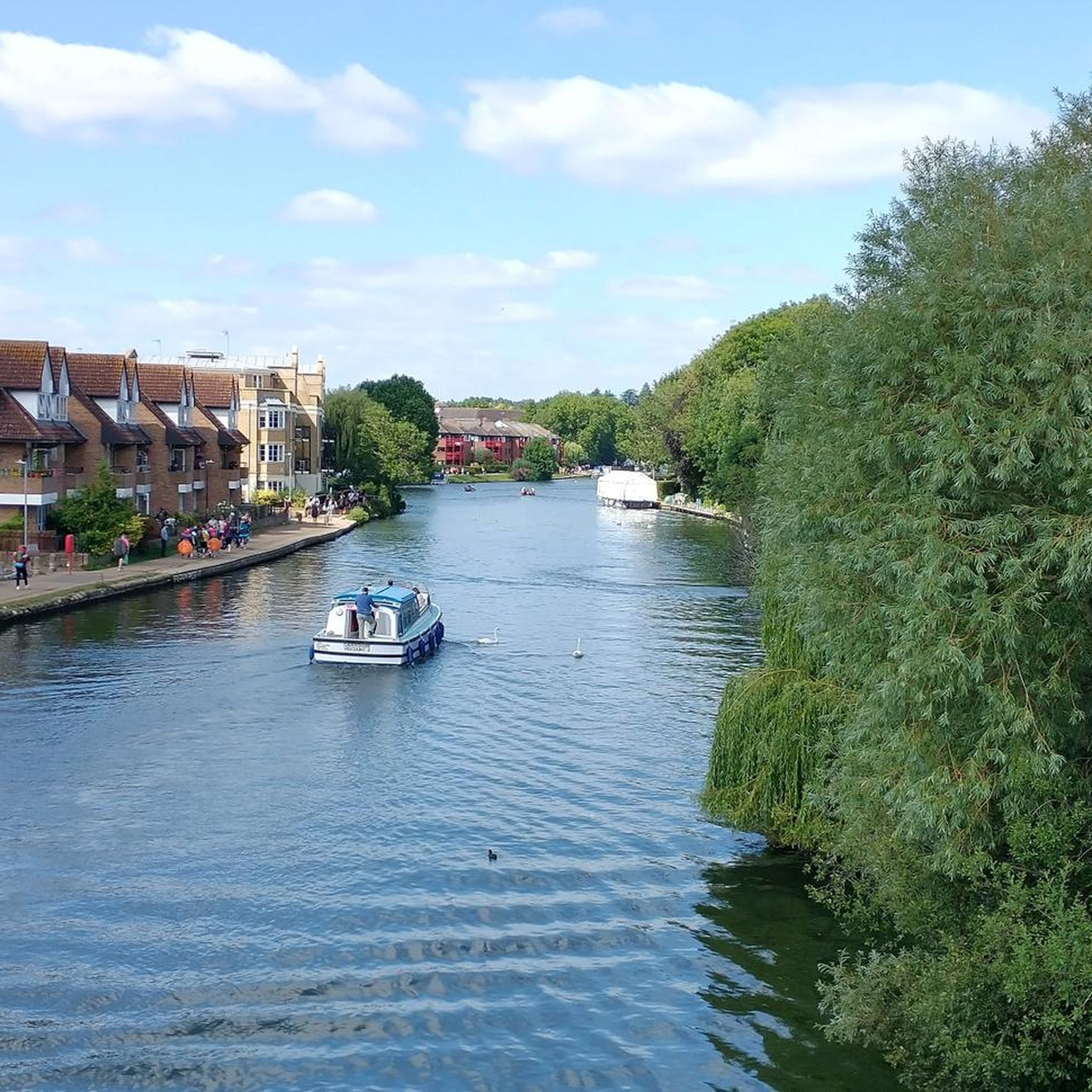
- The most popular attractions is River Thames, a river that flows 338 km from the Cotswolds to the North Sea. It is the only river in Europe to have a trail following its entire length.
- Another must-see spot is Sonning Bridge, a historical bridge. This Grade II-listed brick bridge from the 18th century spans the River Thames and has been a subject for many painters and photographers.
- Visitors also love Church of Saints Peter and Paul, Shiplake, a historical religious building. This Church of England parish church dates from at least the 13th century and features a tower with a ring of eight bells.
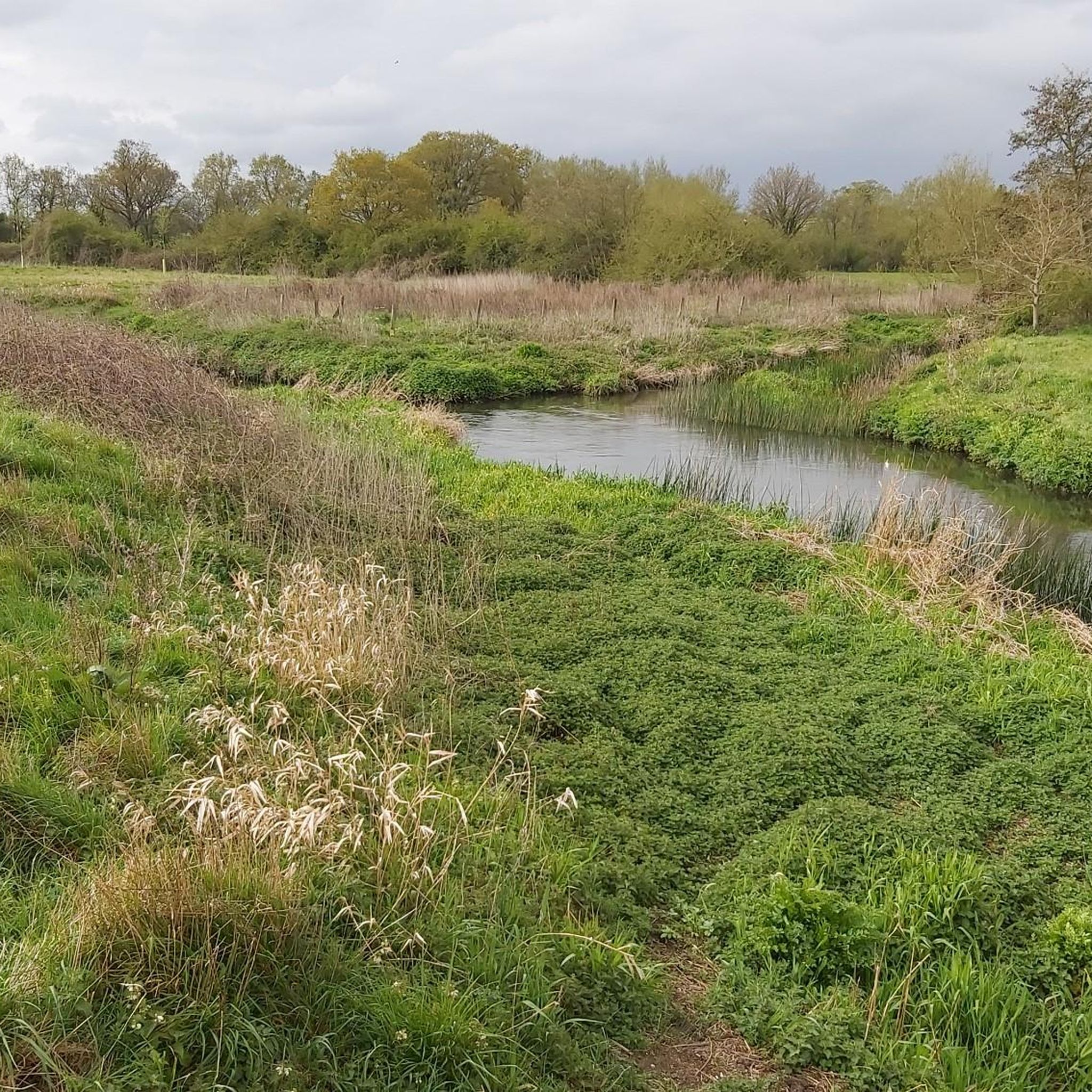
- Arborfield And Newland is known for historical sites, natural features, and scenic viewpoints. The area offers a variety of attractions to see and explore, including bridges, rivers, and woodlands.
- The attractions around Arborfield And Newland are appreciated by the komoot community, with more than 140 upvotes and 6 photos shared by visitors.
Last updated: July 2, 2026
River Thames
Highlight • Viewpoint
Tip by

Sonning Bridge
Highlight • Historical Site
There's most likely been a bridge on the site since at least the 12th century and this iteration replaced a 16th-century wooden bridge.
Tip by

Sign up now to discover places like this
Get recommendations on the best single tracks, peaks, & plenty of other exciting outdoor places.
Sign up for free
Christchurch Bridge
Highlight • Cycleway
Tip by

Church of Saints Peter and Paul, Shiplake
Highlight • Historical Site
Tip by

Coombes Lane
Highlight • Forest
Tip by

Sign up for free to discover even more attractions around Arborfield And Newland.
Sign up for free
Already have an account?
Start today with a free account
Your next adventure awaits.
Login or Signup

Tips from the Community

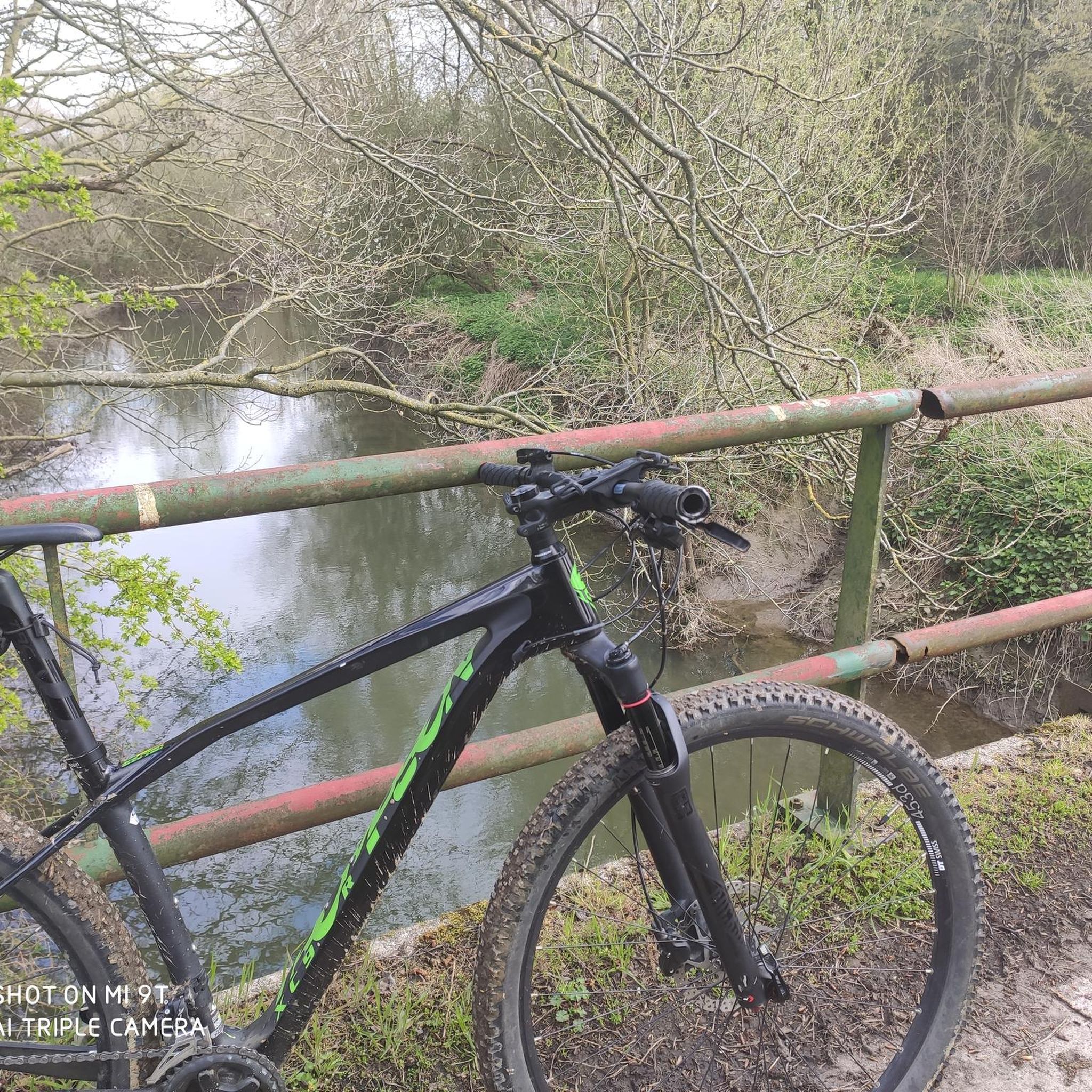
Christchurch Bridge is one of those post-2010 structures that still looks vaguely futuristic if you squint through the drizzle, all brushed metal and angled cables, stretched over the Thames like someone thought Reading needed a statement piece on a budget. Built in 2015 to connect the town centre with the north bank, it was meant to be a step toward sustainable transport. These days, it’s more of a tactical crossing point. At 138 metres long, it offers a decent line across the water, provided you can navigate the walkers, the slow, unpredictable pedestrians who drift across both lanes like confused drones. They’ll stop dead, veer diagonally, or pull a 180 with no warning. Bells are useless. Polite coughs do nothing. Try “on your right” and you’ll get a sideways glance that says, “You chose threat.” The bridge itself is solid, no major structural issues, not yet, and the view isn’t bad if you’re into Reading riverside aesthetics or watching trains roll by in the middle distance. There’s usually a breeze, and sometimes the air carries a strange scent, incense and diesel or something like that, perhaps old factories nearby were smouldering. Two wheels have to treat the crossing like an obstruction. You ride steady, but ready, always prepared to dodge a wayward commuter or canine unit on a retractable leash stretched to trip-wire length. There’s no room to be indecisive, and definitely no time for mid bridge photo shoots unless you’re ready to become a cautionary anecdote. The incline is gentle, but if you’re hauling supplies or riding on a loaded frame, you’ll feel it by the halfway mark. Still, it’s a crucial part of the west-east route along the Thames Path. If you’re avoiding roads and staying off-grid, this bridge is your best shot across the river without backtracking for miles. At dawn or dusk, you might get lucky and cross it clean, no walkers, no noise, just the creak of your drivetrain and the water below, quiet and grey. At peak times, though, it’s a gauntlet. Urban survival, one careful pedal stroke at a time.
0
0
I arrived at the old station, having to ride out a few kilometers west to the Vastern Road area near the river in Tilehurst. The signage appeared to pretend this was a gateway to somewhere worth going. Stainless steel fixtures dulled by time, built in that sleek late-capitalist optimism style. Fake clean. Surveillance cameras blinked overhead — working or not, who knows. I pushed past the bins that no longer had lids, down the cracked concrete that once passed for a plaza, heading toward the river path. The concrete there was smooth once. Still is, in patches. But it’s slick with algae now, and streaked with goose scat. Probably goose. Definitely not rain. The roundabouts were relentlessly busy — or at least that’s how it felt. Zs in battered cars circled endlessly, tires scraping the cracked concrete like it was a ritual. But sometimes, between the noise and the haze, I caught glimpses of something else — distant echoes of old festival revellers, laughter and music bouncing off the concrete barriers, a fading pulse beneath the relentless circling. The lines between past and present blurred, the city’s decay tangled with memories of better days. The traffic spun on, a ceaseless loop of movement and stillness sharing the same broken rhythm. The goose scat got thicker past the bridge. Sometimes it’s dry and crunchy under tires. Sometimes it’s wet, and that’s worse. The path dips unexpectedly. Puddles collect. There’s no drainage. There’s no budget for real upkeep or sustainable transport improvements. No plan to make this path anything more than a patchwork for cyclists and pedestrians to navigate as best they can. But even along the Thames, there are occasional stretches that hint at something better — patches where the breeze is fresher, the water glimmers, and for a moment, the city’s weight feels a little less crushing. Ahead, the suspension bridge hung like a relic of better speeches. A millennium structure. Another optimistic gesture. It still worked. Locals crossed it daily — crackles, Zs, traders moving quietly, heads down, eyes flicking up just long enough to check you weren’t a threat. It’s a corridor now, not a landmark. A place to move through, not think about. I wasn’t there to scavenge. Not that day. This was about securing reliable wheels for the group. The vehicle was a pre-EV Golf — Mk7.5, diesel, with a recently renewed DSG transmission. Someone had actually taken care of it. That counted for something. The Golf was cached in a cul-de-sac just past the edge of the river path, in an old industrial area that had slipped into decay even before things broke down. Rusted loading bays and cracked tarmac replaced what might once have been a hive of activity. The map said number 12 — red brick, side garage. It was all still there. Tires a bit soft, one headlight lens fogged, but otherwise intact. Luck, or good planning. Hard to tell anymore. The tow ball rear Thule rack was still intact, making it easy to strap the pushbike recon unit on for the ride back. I checked the interior. No needles, no surprises. Just a stale whiff of diesel mixed with an old Halfords air freshener trying to remember what “Black Ice” was supposed to smell like. The keys were where they’d said — taped behind the fascia of the old electric meter box. I started the engine. It turned over like it had something left to prove. For the first time in a while, I wasn’t pushing a bike through river shit or dodging scooter gangs in shopping centre undercrofts. I was behind the wheel, with four functioning tires and a full tank of unknown provenance. That’s mobility. That’s currency. The Golf pulled away slow but steady. DSG shifted like a rumour — not smooth, but competent. I took the long route back through side streets and forgotten service roads, staying off-grid. Past boarded shops, sagging bus shelters, and those weird chalk sigils some of the smaller sects have started leaving on the kerbs. No one stopped me. No one even looked up. This wasn’t a supply run. This was infrastructure repair. Quiet, vital work. And for now, at least, we had wheels.
0
0
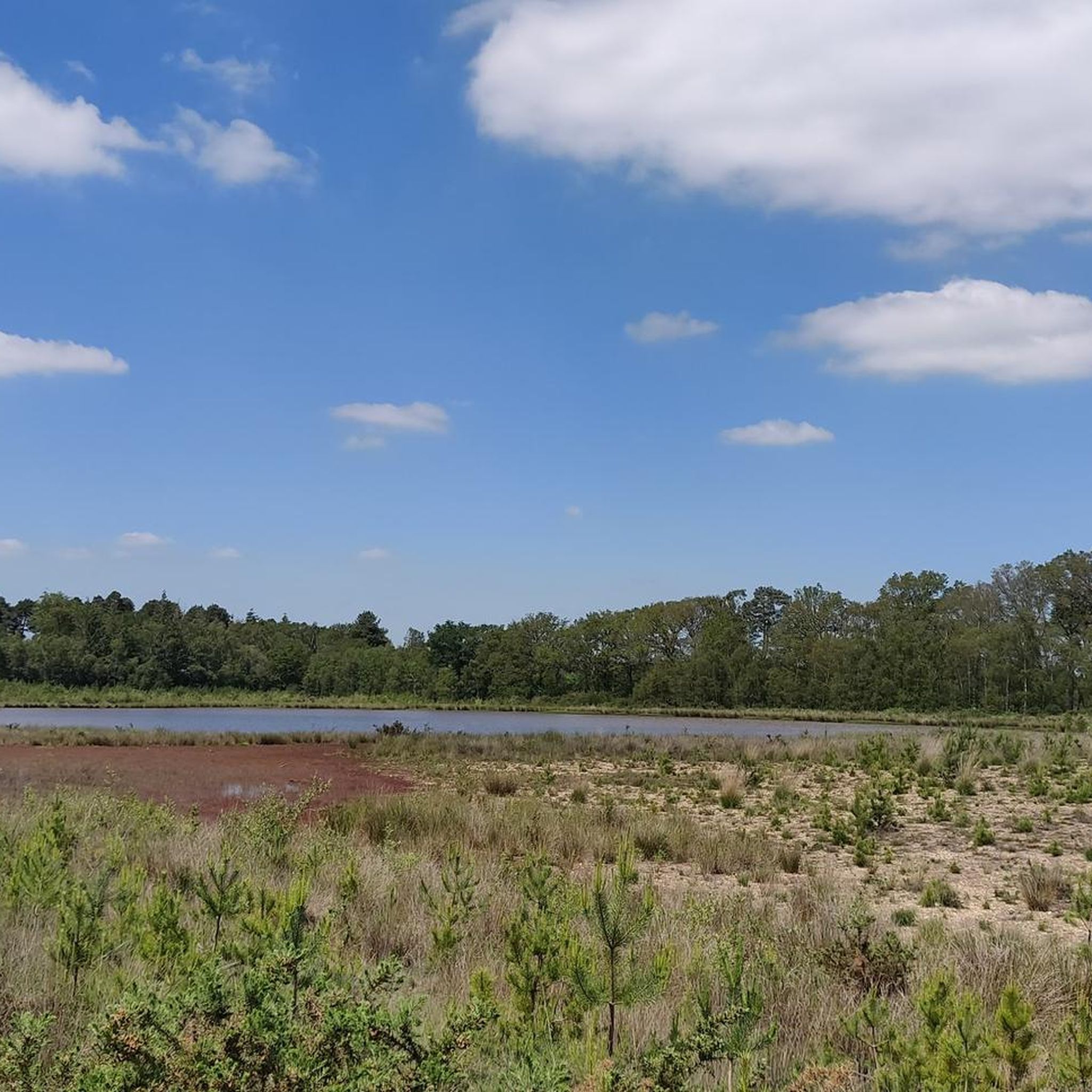
Approaching Coombes Lane from the east, the light begins to change. The shadows stretch too long, too early. The gravel beneath your wheels seems to hum—low, nearly imperceptible, like a pressure change behind your ears. Some say it’s just the trees. Others claim it’s a localized temporal anomaly, like brushing the edge of a vortex or slipping sideways through time. Either way, once you cross the threshold, things feel different. This junction once marked part of the old Bearwood estate. Before the event, “Bearwood” might’ve referred to ancient bear hunts across the land. Now it seems to describe the path itself—bare, worn, and faintly haunted by old instincts. Stripped-back gravel flows down the sandy track, smooth enough for fast two-wheel traversal—if you don’t stop moving. The lane runs tight along the perimeter of a forgotten golf course, its greens now gone to seed. Golf Men still roam there—solitary figures locked in endless loops, trailing white objects with ritualistic obsession. No one knows if they ever finish a round, but the low groans they emit suggest occasional joy, frequent regret, and a heavy air of bunked sadness. Keep your distance. Don’t try to help. And above all, don’t retrieve the ball. Reports of large wild cats once circulated here. Some say they’re still around—shadows with tails, low to the ground, seen only between blinks. Add that to the interference in your comms, occasional compass spin, and persistent sense of déjà vu, and Coombes Lane earns its reputation. A hidden bunker is rumored somewhere near the lane, though most agree it’s more likely the ghost of an ancient Roman outpost. Caesar’s Camp isn’t far off, and the landscape still holds the scars of older empires. Byways peel off into Barkham Woods, a tangled sprawl of secondary paths, watchpoints, and blind corners. Good for exploration. Also good for ambushes. Z movement has been mapped here. Canine patrols, too—some with collars, some without. Assume neither is friendly. This trail was once favored by the Finchmen—a band of gravel-bike scavengers known for their speed, discipline, and strict adherence to the old countryside code. You’d do well to ride in their spirit: leave no trace, close all gates, pack out your trash, and never—ever—feed the Golf Men. If you’re looking for quiet exploration with a side of strangeness and the feeling that time might not run quite right here… Coombes Lane delivers.
0
0


Best way across the Thames in Reading and it links the station and city centre to the beautiful Christchurch meadows and the Thames path. Nice colour lights in the dark too
0
0

The church in Shiplake was dedicated to the two Saints PETER & PAUL, also known as the "Prince of the Apostles". Their common feast day in the calendar of saints is June 29th for all major denominations. * Simon, nicknamed Peter (Rock), was a fisherman on Lake Genesareth when he - together with his brother Andrew - was called by Jesus Christ to be a "fisher of men". In works of fine art, Peter is almost always depicted with two keys in his hand; this attribute refers to the Bible verse in Matthew: "I will give you the keys of the kingdom of heaven; whatever you bind on earth will be bound in heaven, and whatever you loose on earth will be loosed in heaven." (Chapter 16, Verse 19). * Paul was initially an opponent of the Christian movement and was not called to the apostleship of Jesus Christ during his lifetime like the other apostles, but was only converted later with the famous "Damascus experience". His attribute is the sword with which he was executed. According to the Roman law of the time, such a sentence was a "privilege" (quick death and not, like other types of execution, associated with a long, painful death struggle) that was available to the citizens of Rome.
0
0

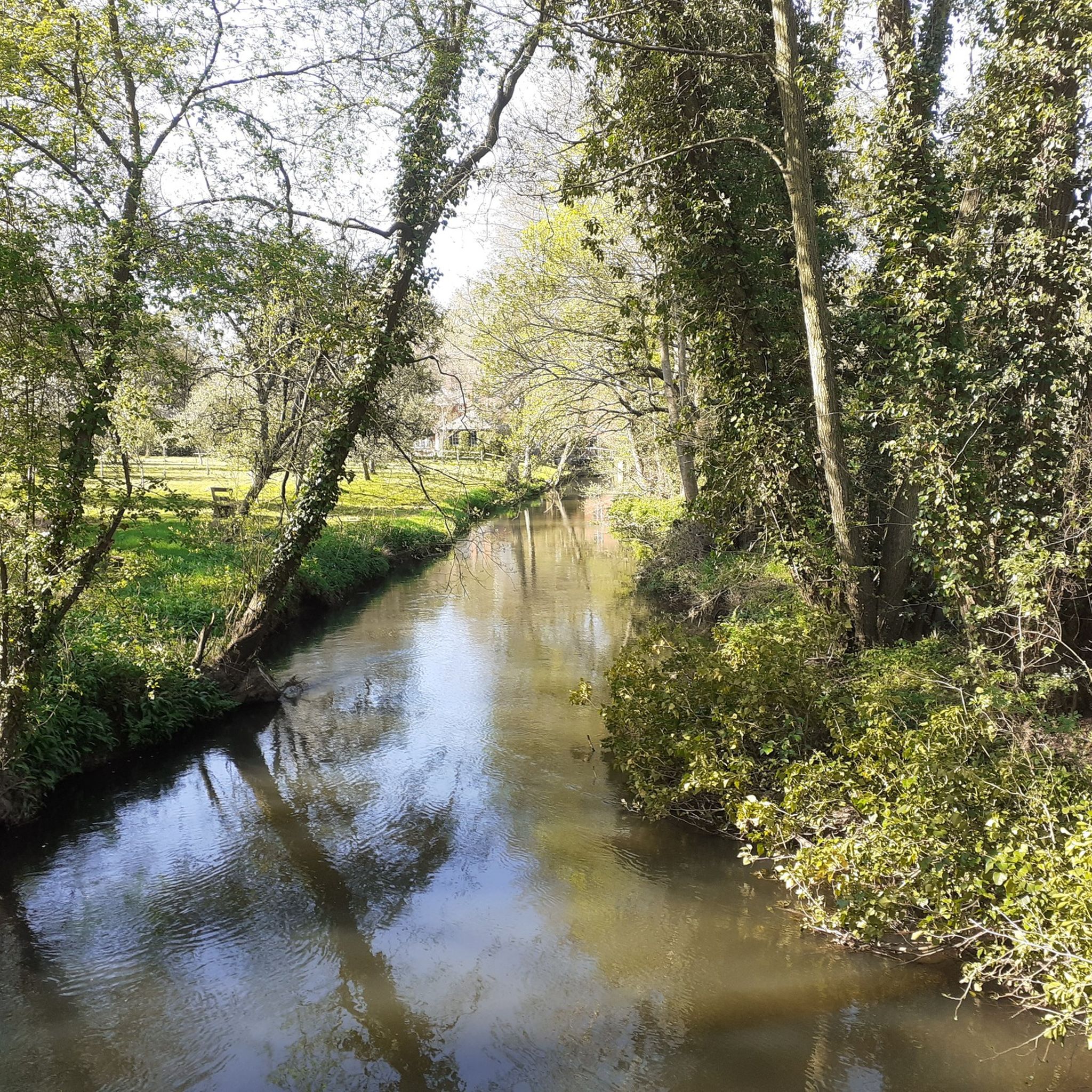
At this point, you'll have some excellent views of the River Thames. You are on the Sonning Bridge, connecting Sonning with Sonning Eye. Right at this spot is the border between the counties of Oxfordshire and Berkshire.
2
0

Opened in 2015, Christchurch Bridge was the first crossing over the River Thames to have been built in nearly 100 years. It is reserved for pedestrians and cycles only.
0
0
Frequently Asked Questions
What historical landmarks can I visit in Arborfield And Newland?
Arborfield And Newland is rich in history. You can visit the Sonning Bridge, an 18th-century Grade II-listed brick bridge spanning the River Thames. Other significant sites include the Arborfield, Newland and Barkham War Memorial, a Grade II listed Celtic wheel cross, and the ruins of the 13th-century St Bartholomew's Church, a Scheduled Monument.
Where can I experience the River Thames near Arborfield And Newland?
The famous River Thames is a significant natural feature in the wider region. You can enjoy picturesque views from Sonning Bridge, or explore the pedestrian and cycle-only Christchurch Bridge, which offers great views up and down the river.
Are there opportunities for walking and hiking in the area?
Yes, the area offers numerous walking routes through local countryside, rivers, and woodlands. You can find various hiking trails, including easy to moderate loops like 'The Reading Room loop from Barkham' or 'Coombes Lane – The Coombes loop from Barkham'. For more options, explore the full guide to Hiking around Arborfield And Newland.
What natural features are there to explore in Arborfield And Newland?
Beyond the River Thames, Arborfield And Newland is home to several woodlands and small forests recognized as Wildlife Heritage sites. These include Long Copse, Robin Hood Copse, Moor Copse, and Hazelton Copse, which are vital for preserving the rural character of the parish. You can also explore areas like Arborfield Bridge Meadow.
Can I find family-friendly attractions or activities?
Many attractions in the area are suitable for families. Natural areas like the River Thames and the various copses offer pleasant environments for walks. Highlights such as Sonning Bridge and Christchurch Bridge are also considered family-friendly, providing scenic spots for a leisurely outing.
Are there cycling routes available near Arborfield And Newland?
Absolutely. The region provides various cycling opportunities, including gravel biking trails. You can find routes like 'Knowl Hill Bridleway – Waltham St Lawrence Bridleway loop' or explore the full guide to Gravel biking around Arborfield And Newland. The River Thames also features excellent cycleways.
What is the significance of Arborfield Cross?
Arborfield Cross is a historic crossroads that has served as a focal point for trade for centuries. Some of the old buildings surrounding the cross are now part of a conservation area, reflecting its long-standing importance in the community.
Are there any religious buildings of historical interest?
Yes, the area features Church of Saints Peter and Paul, Shiplake, a Church of England parish church dating from at least the 13th century. Additionally, the new St. Bartholomew's Church, built in 1863, replaced an older 13th-century wooden chapel, whose ruins are still visible.
What do visitors enjoy most about the attractions in Arborfield And Newland?
Visitors frequently appreciate the picturesque views, especially from bridges like Sonning Bridge, and the peaceful atmosphere along the River Thames. The historical significance of sites and the natural beauty of the woodlands also receive positive feedback, making the area ideal for leisurely exploration and outdoor activities.
Are there any wheelchair accessible places to visit?
The Christchurch Bridge is designed to be wheelchair accessible, offering a pleasant experience for pedestrians and cyclists with great views of the River Thames.
What kind of running trails are available?
You can find a variety of running trails, from easy to moderate, suitable for different fitness levels. Examples include 'Running loop from Arborfield and Newland' and 'Longmoor Lake loop from Barkham'. For more detailed information and routes, check the guide to Running Trails around Arborfield And Newland.
What is the best time of year to visit Arborfield And Newland for outdoor activities?
The spring and summer months generally offer the most pleasant weather for outdoor activities like walking, hiking, and cycling, with longer daylight hours and blooming nature. However, the woodlands and river paths can also be beautiful during autumn with changing foliage, and even in winter for crisp, clear walks.
Most popular routes around Arborfield And Newland
Most popular attractions around Arborfield And Newland

Get inspired with the komoot mobile app


Explore more
Still not found the Highlight you’re looking for? See guides of the top attractions in other regions:
