The best mountain hikes around Schwarzach
4.7
(126)
1,110
hikers
54
hikes
Mountaineering routes around Schwarzach are primarily found in the mountainous terrain of the region, characterized by significant elevation changes and varied landscapes. The area offers a diverse range of trails, from moderate ascents to more challenging routes, suitable for experienced mountaineers. These paths often traverse through alpine environments, providing opportunities to explore the natural features of the mountains.
Best mountaineering routes around Schwarzach
- The most popular mountaineering route is Pfänderbahn Mountain Station – Pfänderbahn Mountain Station loop from Bregenz,…
Last updated: October 10, 2026
4.8
(18)
121
hikers
2.36km
01:04
170m
170m
Hard mountaineering route. Great for any fitness level. Sure-footedness, sturdy shoes and alpine experience required.
4.7
(3)
46
hikers
6.59km
02:35
300m
300m
Hard mountaineering route. Good fitness required. Sure-footedness, sturdy shoes and alpine experience required.

4.0
(1)
42
hikers
Hard mountaineering route. Very good fitness required. Sure-footedness, sturdy shoes and alpine experience required.
5.0
(2)
35
hikers
4.84km
02:02
250m
250m
Hard mountaineering route. Good fitness required. Sure-footedness, sturdy shoes and alpine experience required.
14
hikers
13.6km
04:25
550m
550m
Moderate mountaineering route. Good fitness required. Mostly accessible paths. Sure-footedness required.
Get access to more routes and recommendations from other explorers.
Already have an account?
Our route recommendations are based on thousands of hikes, rides, and runs completed by other people on komoot.
Start today with a free account
Your next adventure awaits.
Tips from the Community

It is beautiful here
1
0
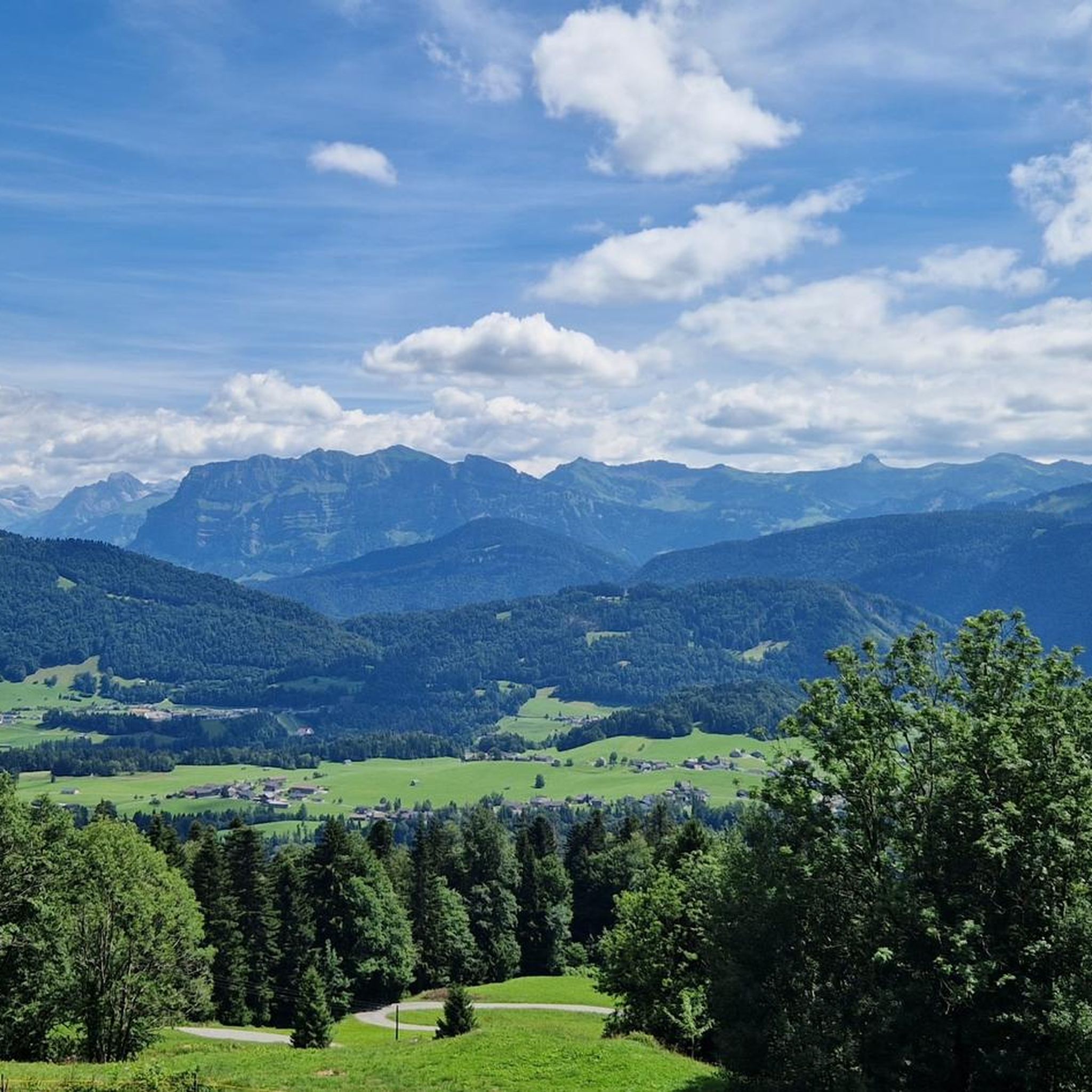
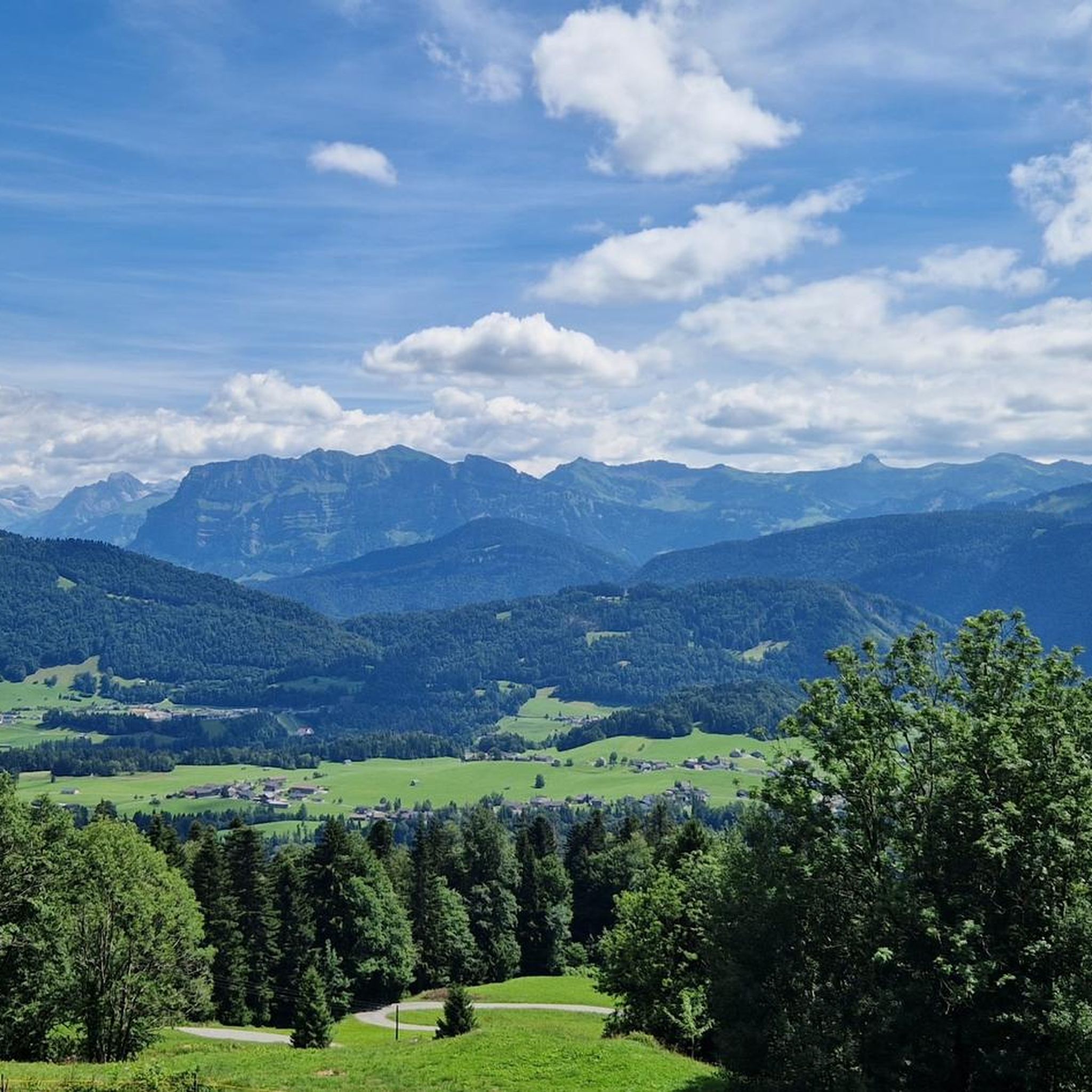
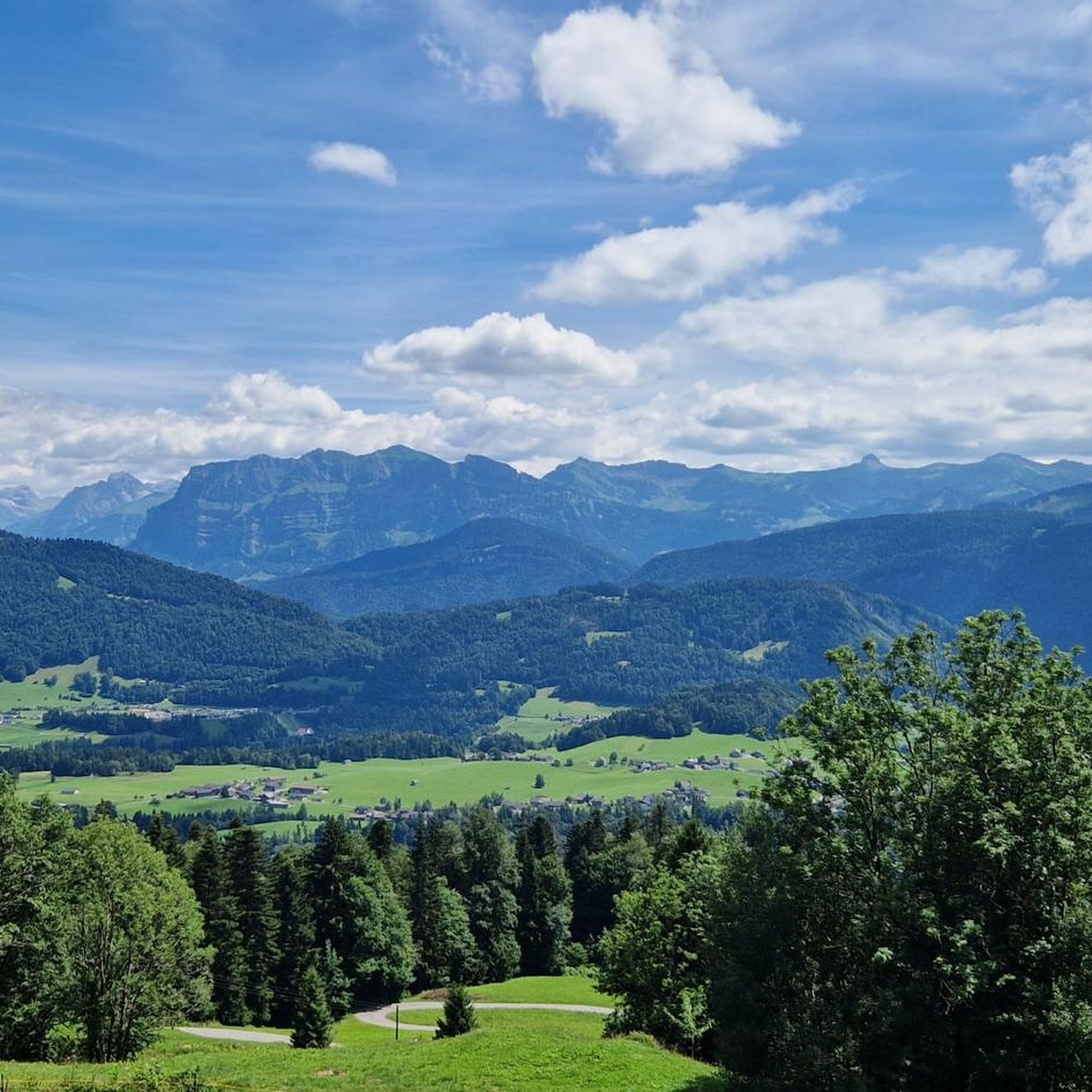
Incredible view into the valley
1
0

Beautiful house, inside and out, and also a good kitchen
0
0

Even though the sign above plus the marking on the trees say it is a red-white trail, this is definitely a blue-white trail (down at the Staufenalpe there is also a blue-white sign). It leads steeply and rooty through the beautiful forest. It is not recommended downhill in snow and wet conditions, otherwise it is a beautiful trail.
0
0

Dornbirn Market Square / Market Hours: Wednesday and Saturday mornings Dornbirn Weekly Market – the place to meet! Visitors can find the sweetest fruits on Wednesday and Saturday mornings at Vorarlberg's busiest weekly market, featuring a wide variety of local products and popular specialties. At over 60 market stalls, you can buy groceries such as fish, meat, game, olives, jams, cheese, mushrooms, pasta, as well as flowers and seedlings. Freshness, quality, and regionality are paramount, while numerous cafes and restaurants offer a relaxing atmosphere for a pleasant morning. And at home, when you unpack your freshly purchased groceries, flowers, or farm products for the first time, the real enjoyment begins – that's quality. Dornbirn Weekly Market The beautiful pedestrian zone with its spacious market square is the ideal starting point for any shopping trip. Dornbirn's city center is particularly beautiful in spring. It has been car-free since 1989, allowing for a relaxed stroll. It's precisely the perfect mix of the vibrant market atmosphere, shops, cafés, bars, and restaurants that makes Dornbirn's city center so popular and captivating. Text / Source: Dornbirn City Hall https://innenstadt.dornbirn.at/wochenmarkt
15
0

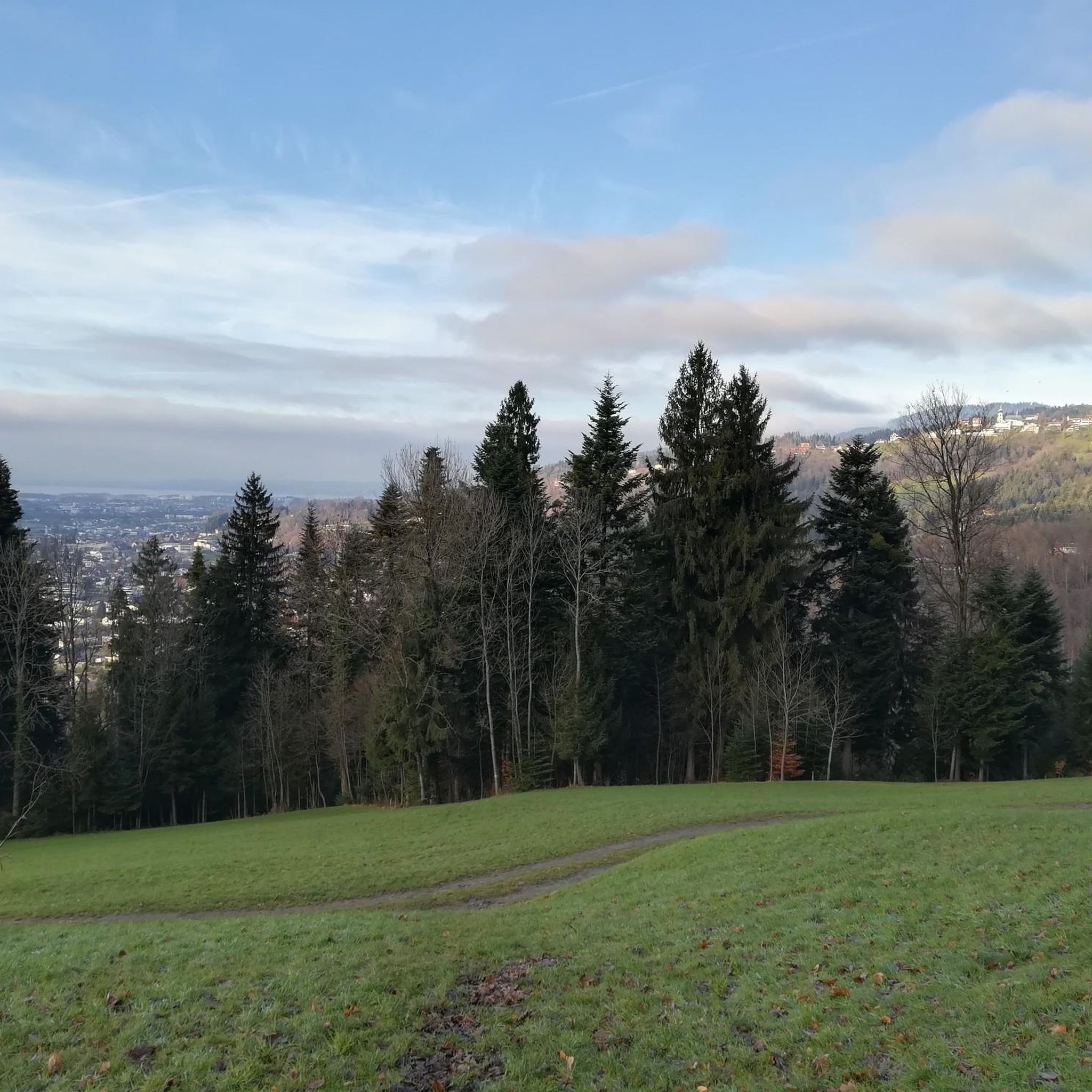
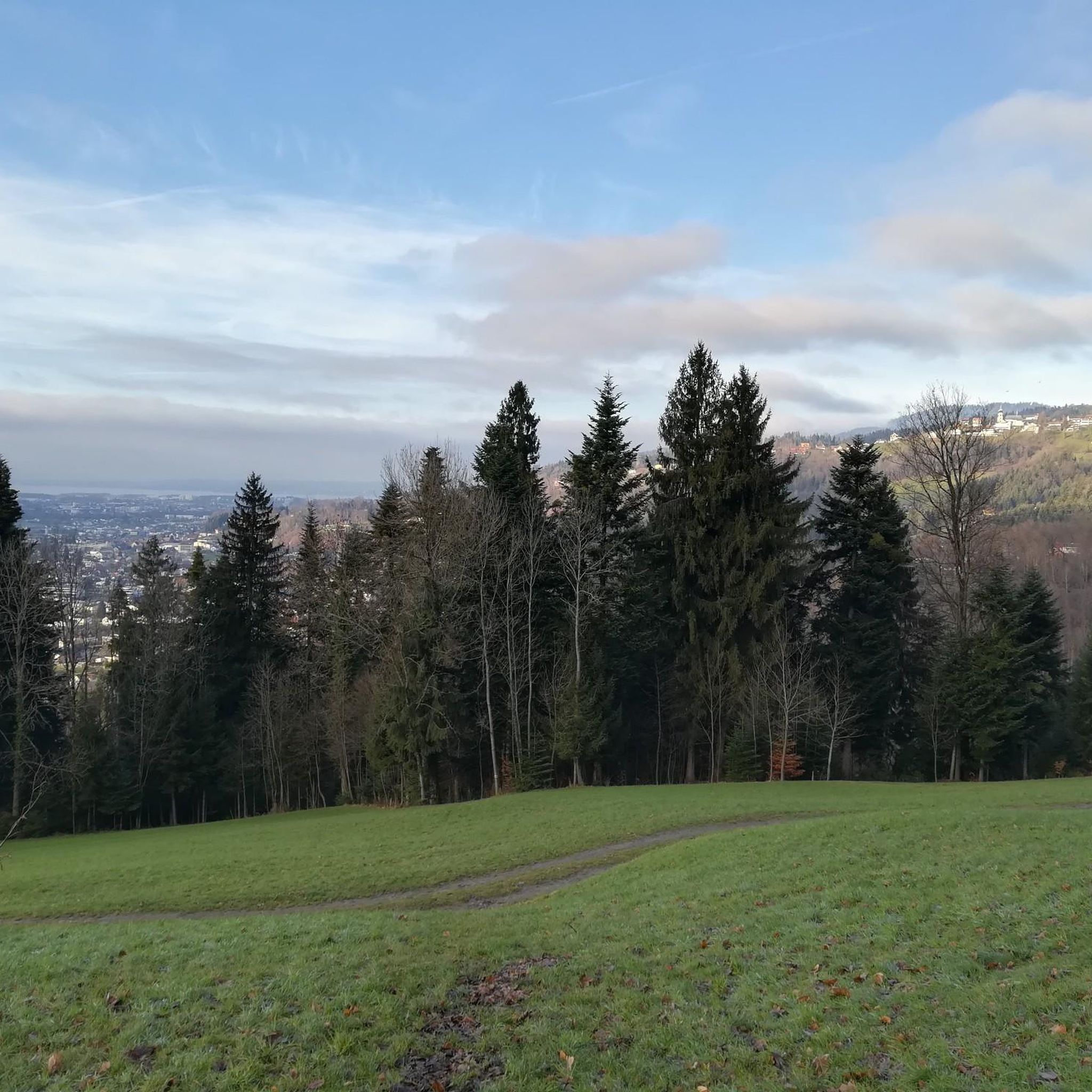
Even with a less than perfect view, it's beautiful. Otherwise, there's a view all the way to Lake Constance and the Swiss mountains.
0
0

Around 1100, the Count of Bregenz built the castle on a rocky outcrop of the Gebhardsberg, high above the city. "Sunken in holy enthusiasm..." begins a poem inspired by Hohen Bregenz Castle. In 1143, the castle passed to the Counts of Pulllendorf, and shortly thereafter, around 1170, to Count Palatine Hugo II of Tübingen (father of Hugo I, Count of Montfort). The upper part of the castle was sold to the Habsburgs in 1451, and the lower part in 1523, and the castle became the seat of Austrian bailiffs. Converted into a fortress at the beginning of the 17th century, the Swedes blew up large sections of the castle during the Thirty Years' War. The circular wall and parts of the palace survived. The attached church became a popular place of pilgrimage in honor of Saint Gebhard. The old sacristan's house, which has since been converted into a restaurant, looks forward to your visit. Even today, the fantastic view over the Rhine Valley and Lake Constance attracts numerous visitors.
2
0

Great castle with a fine restaurant. Further towards Kennelbach there is a great via ferrata on the Kanzelfelsen 🥰
3
0
Frequently Asked Questions
How many mountaineering routes are available around Schwarzach?
There are over 60 mountaineering routes around Schwarzach, offering a wide range of experiences. You'll find a balanced mix of moderate and difficult trails to explore the region's alpine environment.
Are there any easy or moderate mountaineering routes suitable for beginners in Schwarzach?
Yes, Schwarzach offers a good selection of routes suitable for those looking for a moderate challenge. Approximately half of the routes are rated moderate. For example, the Pfänderbahn Mountain Station – Pfänderbahn Mountain Station loop from Bregenz is a popular moderate option, offering scenic views without extreme difficulty.
What kind of challenging mountaineering routes can I find near Schwarzach?
For experienced mountaineers seeking a challenge, Schwarzach provides numerous difficult routes, making up about half of the total trails. These often feature sustained climbing and varied terrain. An example is the Känzele via ferrata – Hohenbregenz Castle Ruins loop from Bregenz, which includes a via ferrata section.
Are there any circular mountaineering routes around Schwarzach?
Many of the mountaineering routes around Schwarzach are designed as loops, allowing you to start and end at the same point. The Känzele via ferrata – Gebhardsberg Castle Ruins loop from Bregenz is a great example of a challenging circular route that offers diverse scenery.
What is the best time of year for mountaineering in Schwarzach?
The Hohen Tauern Mountains, where Schwarzach is located, are ideal for mountaineering during the warmer months, typically from late spring to early autumn. This period offers the most favorable weather conditions and accessible trails. However, the region also provides opportunities for winter hiking and snowshoeing for those equipped for colder conditions.
What do other mountaineers say about the routes in Schwarzach?
The mountaineering routes in Schwarzach are highly regarded by the komoot community, boasting an average rating of 4.8 stars from over 100 reviews. Users frequently praise the diverse terrain, stunning alpine environments, and the well-maintained paths that characterize the region.
Are there any family-friendly mountaineering options in Schwarzach?
While many mountaineering routes involve significant elevation changes, some moderate trails can be suitable for families with older children or those accustomed to hiking. It's always recommended to check the specific route details, including distance and elevation, to ensure it matches your family's ability level.
Are there any waterfalls or gorges to see along the mountaineering routes?
Yes, the region around Schwarzach is home to impressive natural features. You can explore stunning gorges like the Rappenloch Gorge and the Alploch Gorge. There's also a notable Waterfall at the Entrance to the Gorge, offering beautiful sights during your mountaineering adventures.
What other interesting landmarks or attractions can I find near the mountaineering trails?
Beyond the trails, the Schwarzach area, nestled in the Hohen Tauern Mountains, offers several points of interest. You can discover mountain passes like Staufen (Bregenzerwald Mountains) and Lorenapass, which provide panoramic views and historical significance. The Kirchle Rock Cathedral is another unique natural formation worth exploring.
Can I do multi-day mountaineering trips or hut-to-hut hiking in the Schwarzach region?
Schwarzach im Pongau is an excellent starting point for multi-day treks and hut-to-hut hiking. The Hohen Tauern Mountains are known for their network of alpine huts, allowing you to plan longer expeditions and experience the alpine environment over several days.
Is Schwarzach accessible by public transport for mountaineers?
Schwarzach im Pongau is well-integrated into the regional transport network. While specific trailheads might require local bus services or a short taxi ride, the town itself is generally accessible, making it a convenient base for mountaineering adventures.
Are there options for winter mountaineering or snowshoeing in Schwarzach?
Absolutely. While primarily known for summer mountaineering, Schwarzach's location within the Ski amadé region means it offers excellent opportunities for winter activities. You can find dedicated winter hiking trails and snowshoe routes, such as those leading to peaks like Rauher Kulm or Hirschenstein, providing a different perspective of the snowy alpine landscape.
Most popular routes around Schwarzach
Most popular attractions around Schwarzach

Get inspired with the komoot mobile app


Explore more
Browse the best Mountain Hikes & Routes in other regions.
