The best mountain hikes around Hirschegg
4.7
(156)
922
hikers
33
hikes
Mountaineering routes Hirschegg traverse the rugged terrain of the Kleinwalsertal, characterized by high alpine peaks, deep valleys, and expansive plateaus. The region features significant elevation changes, offering challenging ascents and panoramic views. Limestone formations and dense mountain forests are common along these routes, providing varied landscapes for exploration.
Best mountaineering routes around Hirschegg
- The most popular mountaineering route is View of Hoher Ifen – Gottesacker Plateau loop from Kleinwalsertal, a 10.5 miles (17.0 km) trail that takes 7 hours…
Last updated: August 25, 2026
4.9
(34)
225
hikers
16.9km
07:06
1,030m
1,030m
Hard mountaineering route. Very good fitness required. Mostly accessible paths. Sure-footedness required.
4.9
(21)
104
hikers
17.5km
07:05
1,030m
1,030m
Hard mountaineering route. Very good fitness required. Mostly accessible paths. Sure-footedness required.

Sign up for free
4.7
(10)
90
hikers
14.8km
06:20
1,120m
1,120m
Hard mountaineering route. Very good fitness required. Sure-footedness, sturdy shoes and alpine experience required.
4.7
(9)
67
hikers
Hard mountaineering route. Very good fitness required. Sure-footedness, sturdy shoes and alpine experience required.
4.9
(8)
53
hikers
14.2km
05:41
860m
860m
Hard mountaineering route. Very good fitness required. Mostly accessible paths. Sure-footedness required.
Get access to more routes and recommendations from other explorers.
Sign up for free
Already have an account?
Our route recommendations are based on thousands of hikes, rides, and runs completed by other people on komoot.
Start today with a free account
Your next adventure awaits.
Login or Signup
Popular around Hirschegg
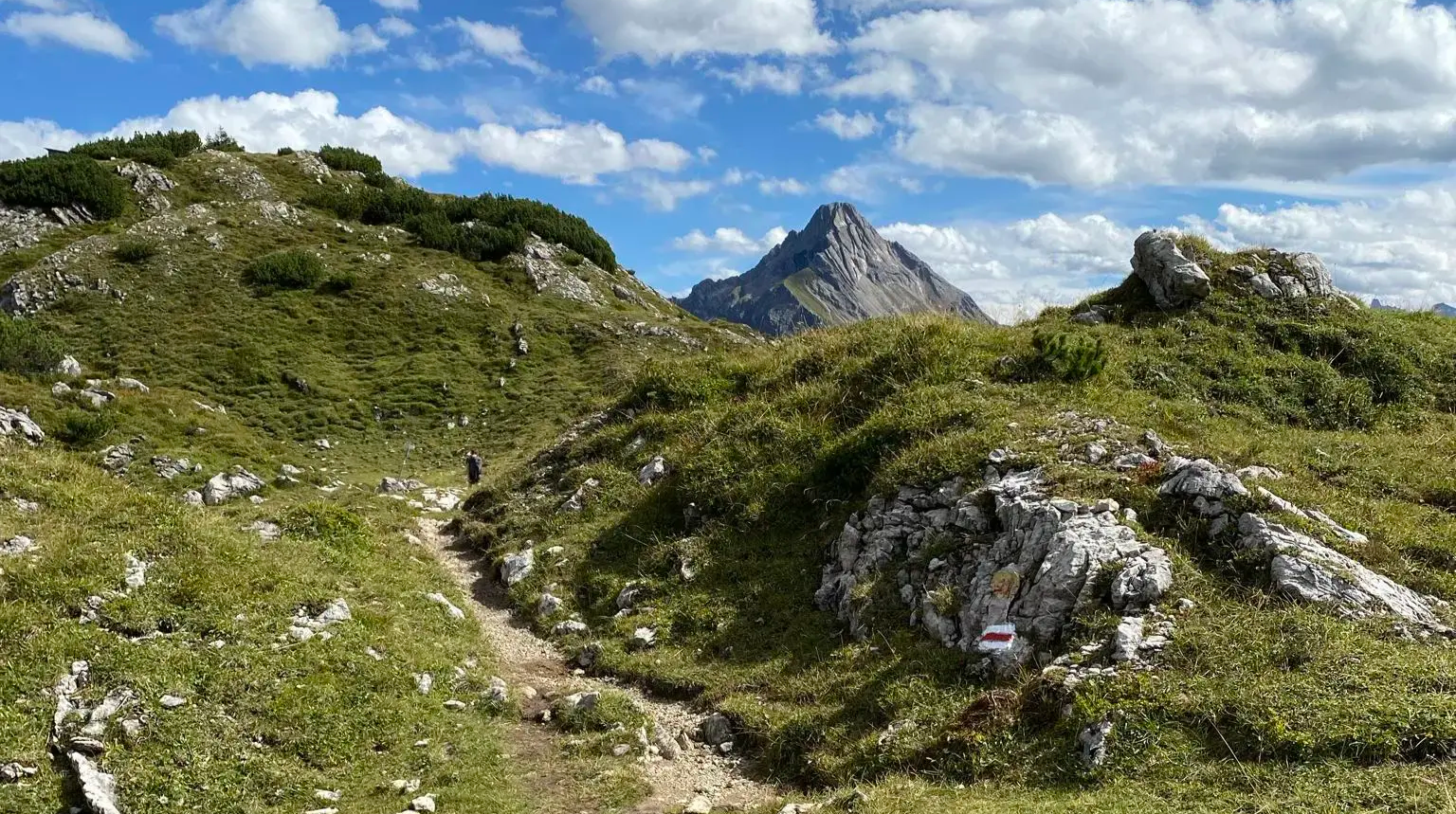
Walser Ultra Trail – 2 days trail running in Austria's Kleinwalsertal
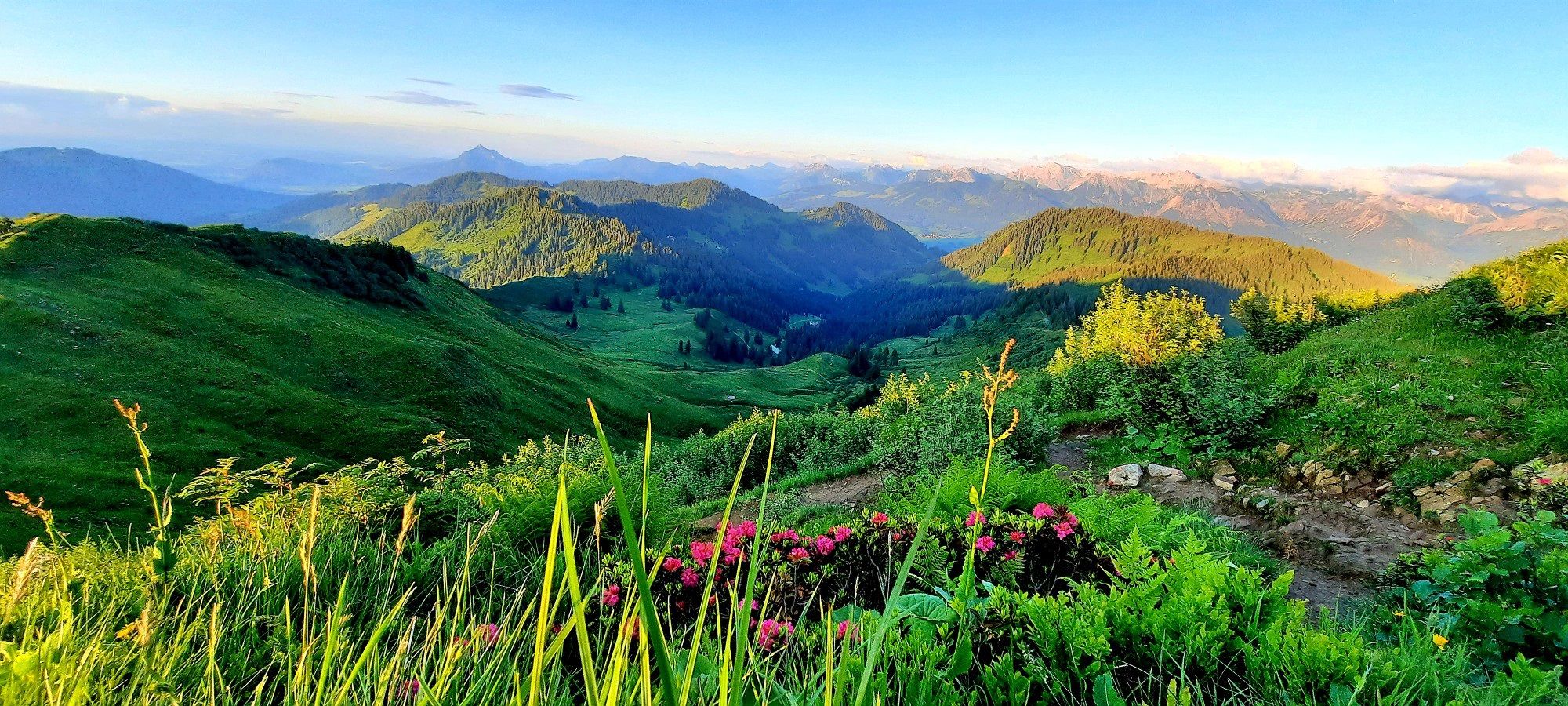
The Best of Allgäu – Tour around Oberallgäu
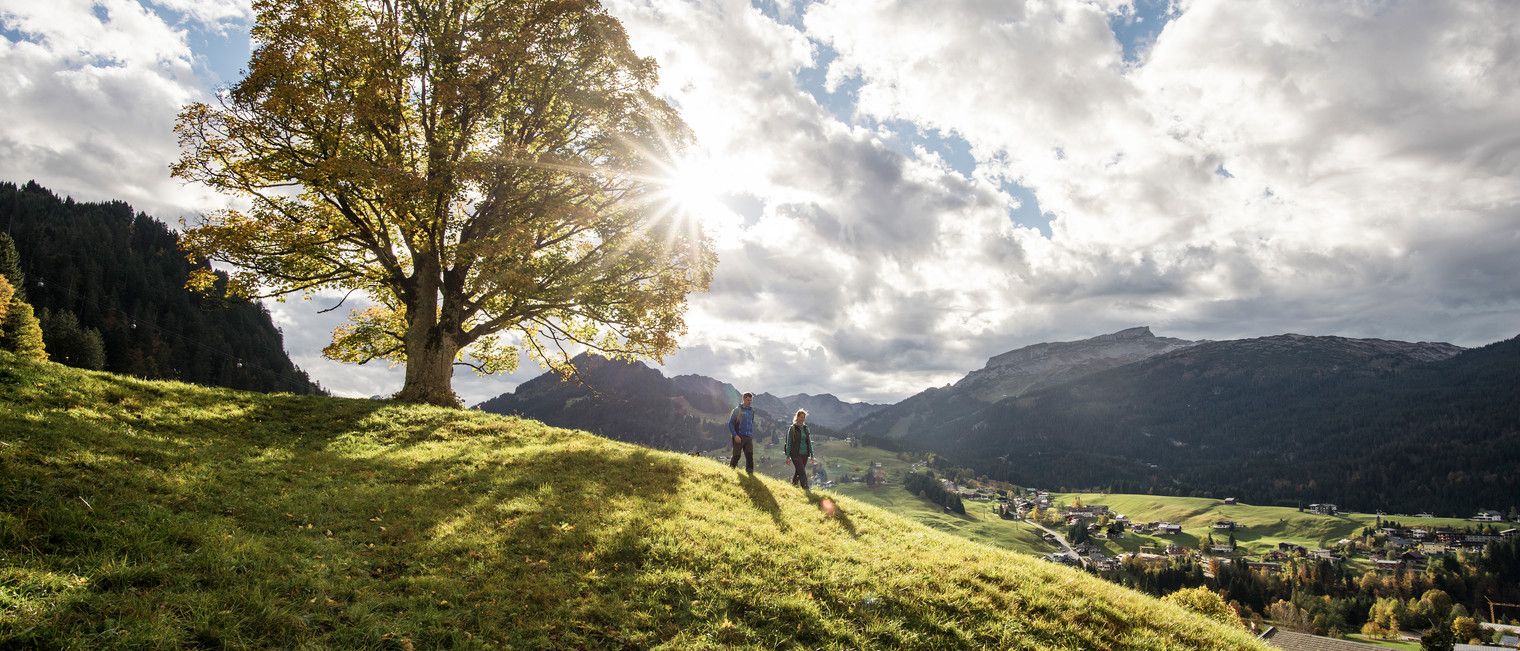
On foot into a sea of colour – autumn in Kleinwalsertal
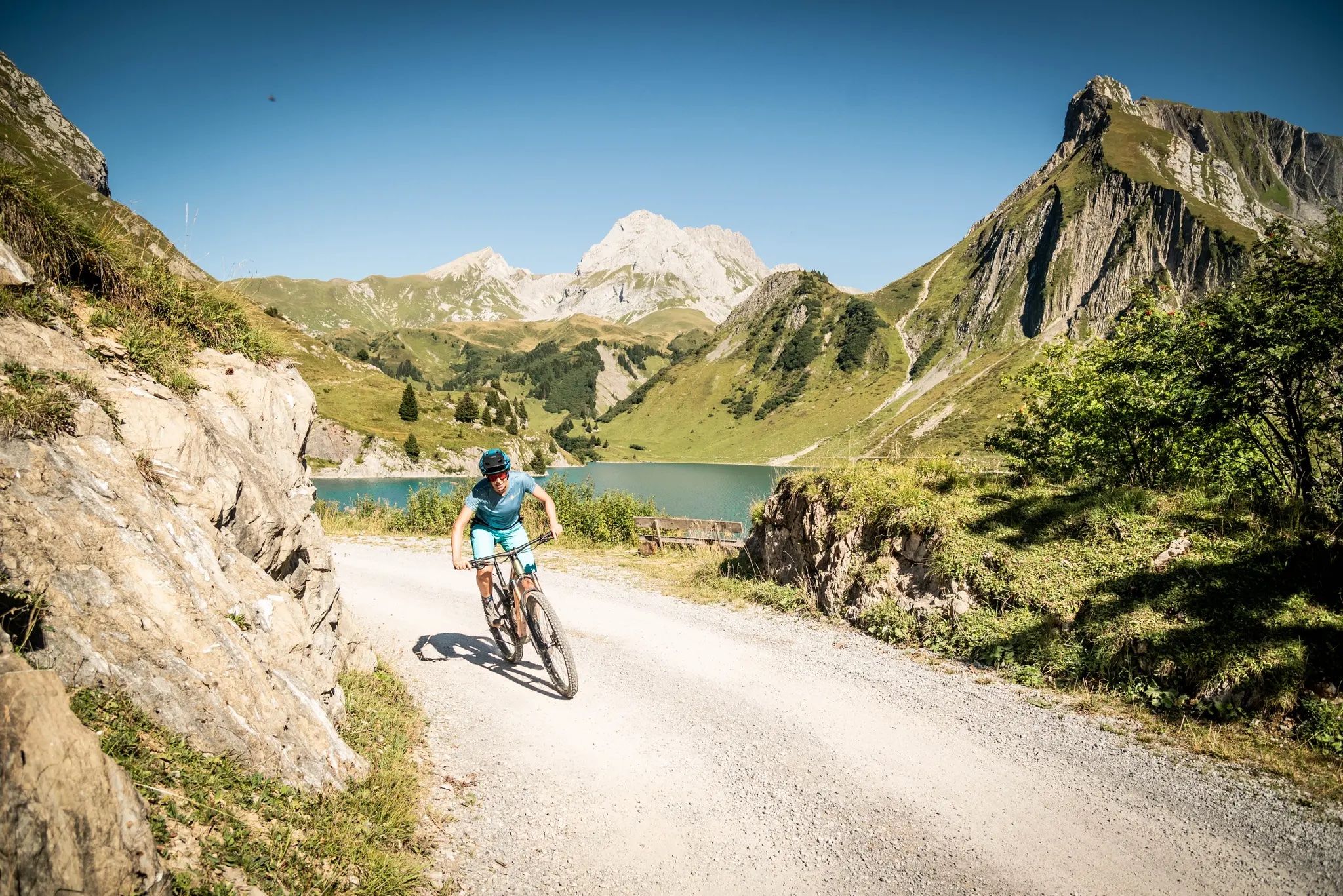
6 exciting regions in Vorarlberg – 6 fantastic bike rides
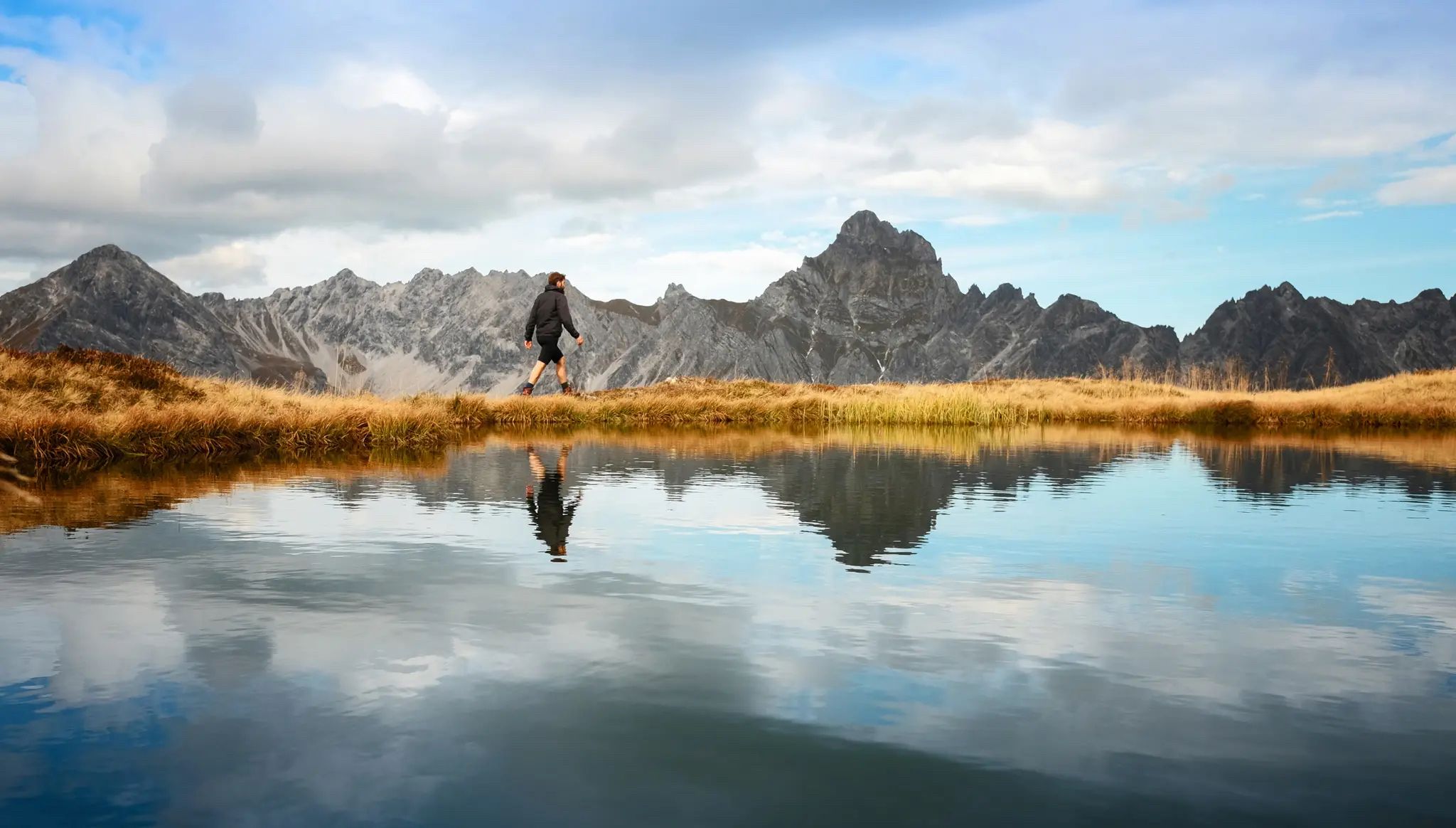
Golden season – autumn hikes in Vorarlberg
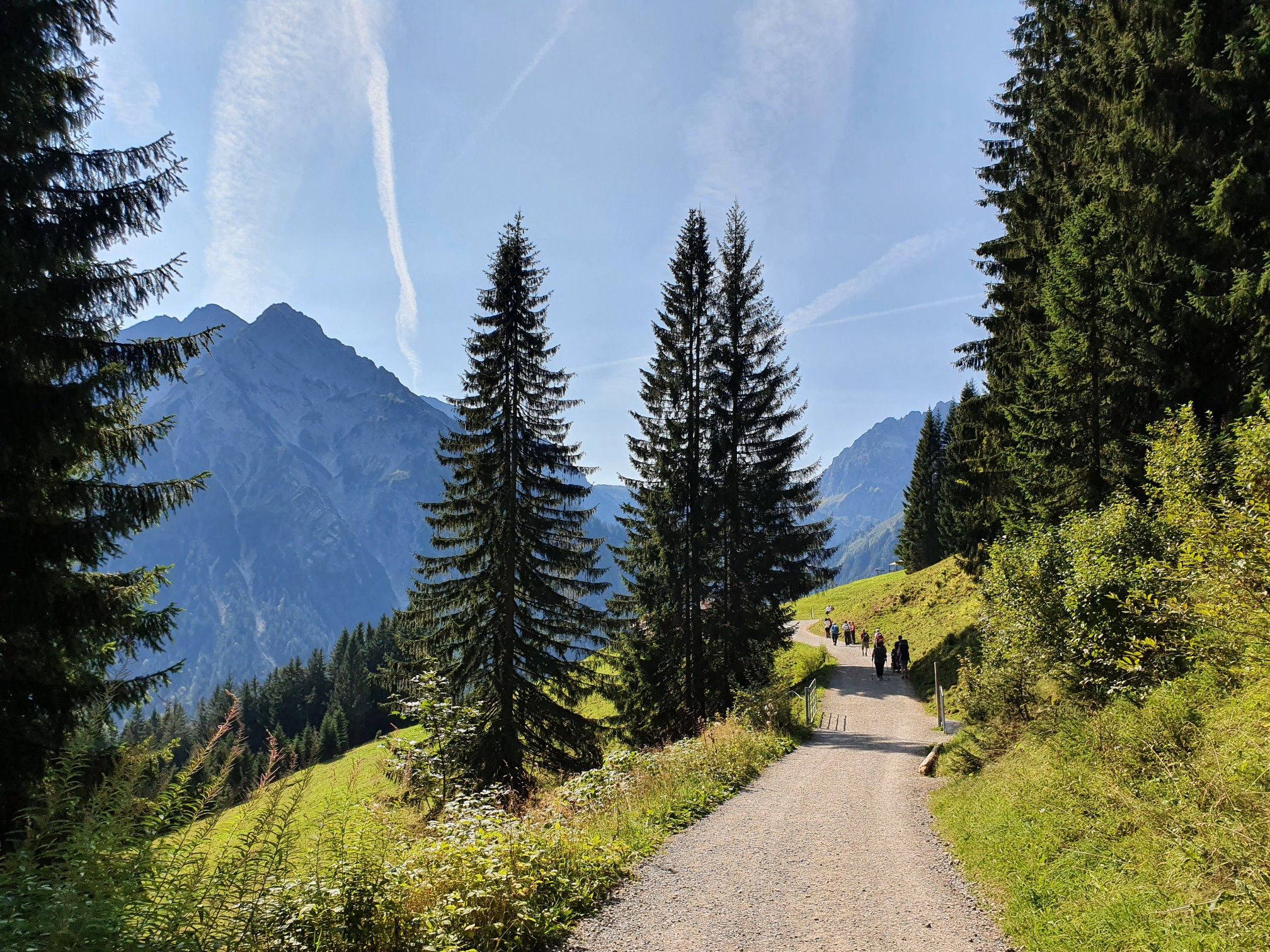
Lace up your shoes — your hiking holiday in Austria’s Kleinwalsertal
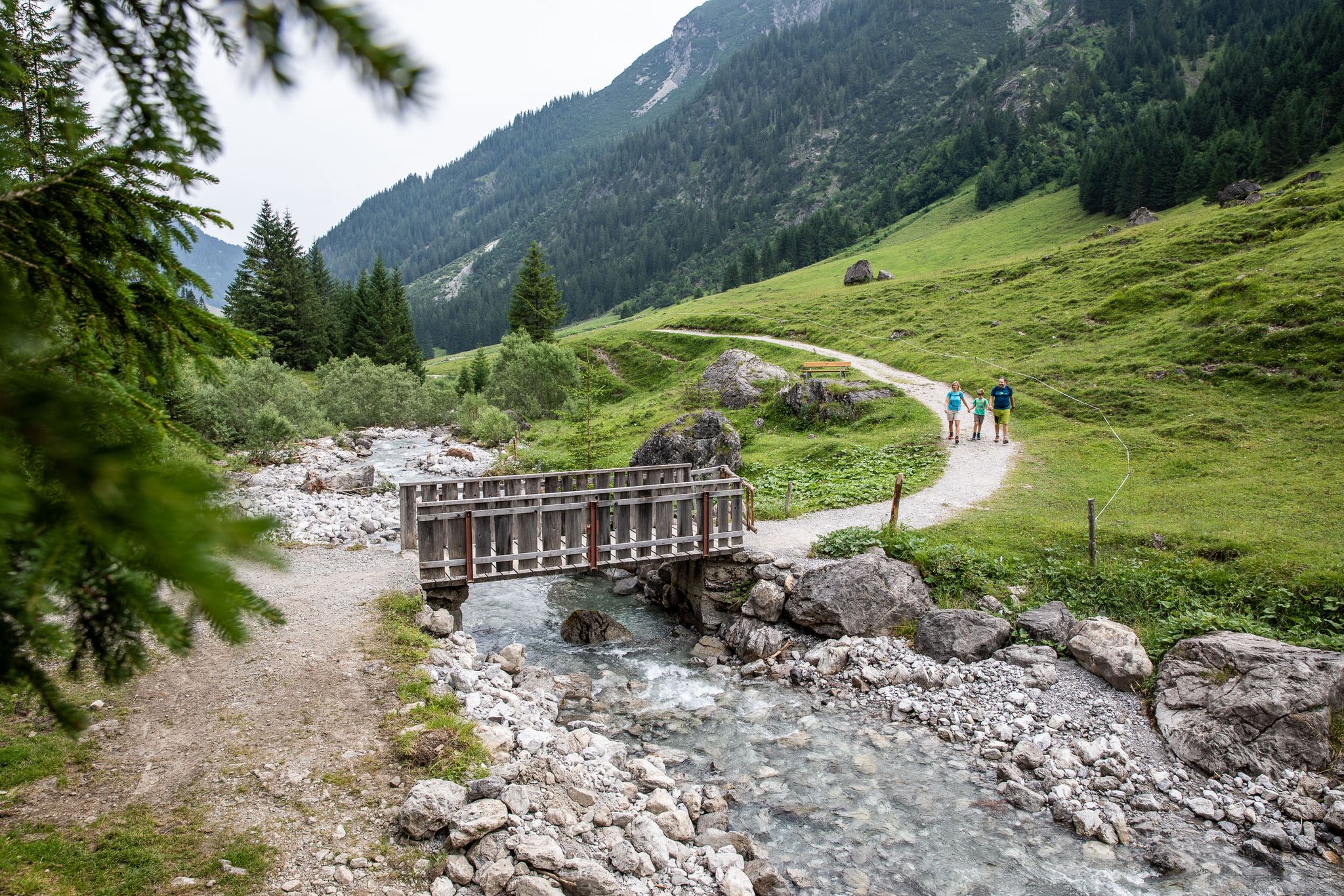
Calling nature explorers! — family hikes in Austria’s Kleinwalsertal
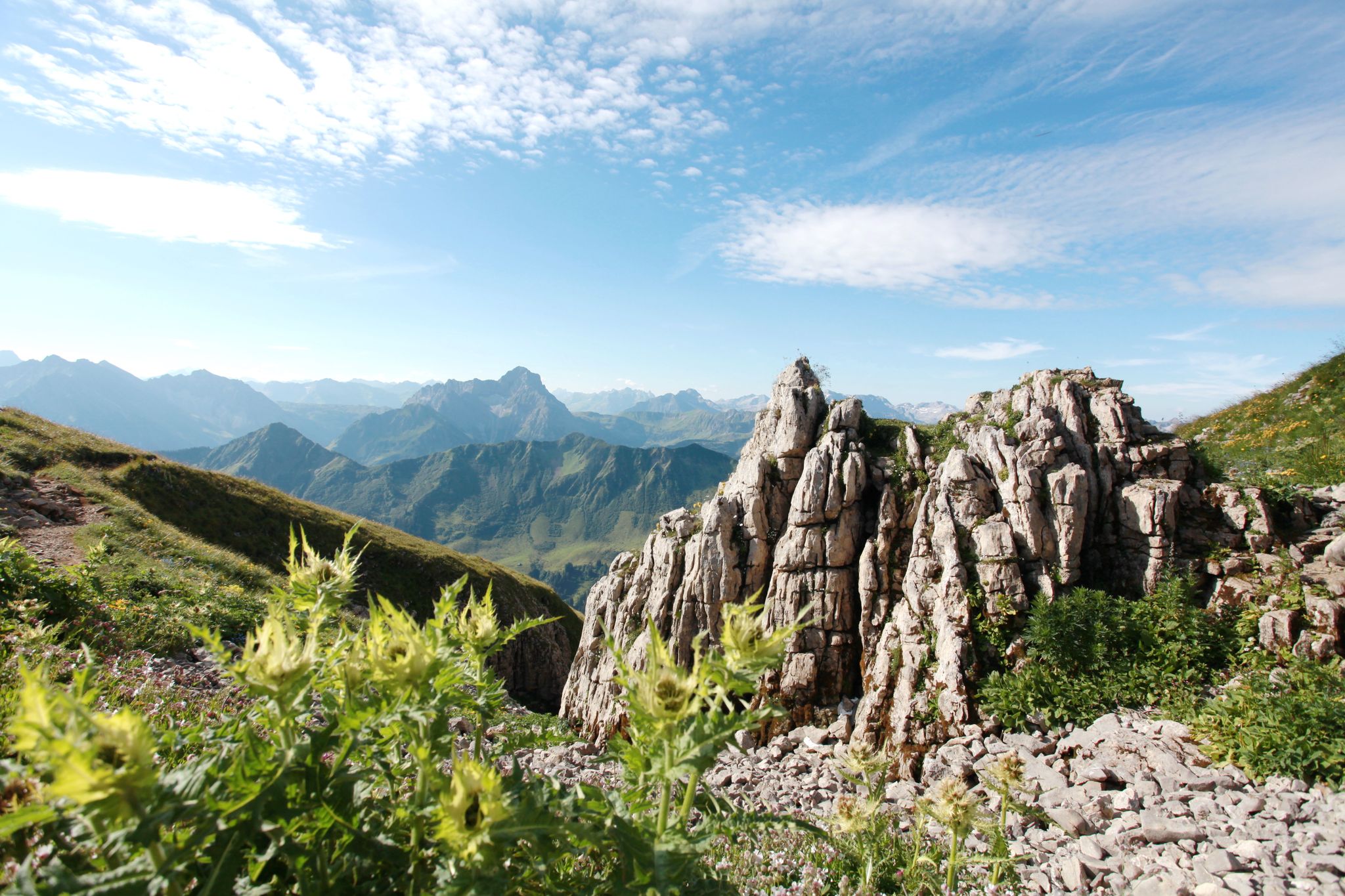
Mindful in the mountains — Kleinwalsertal for nature lovers
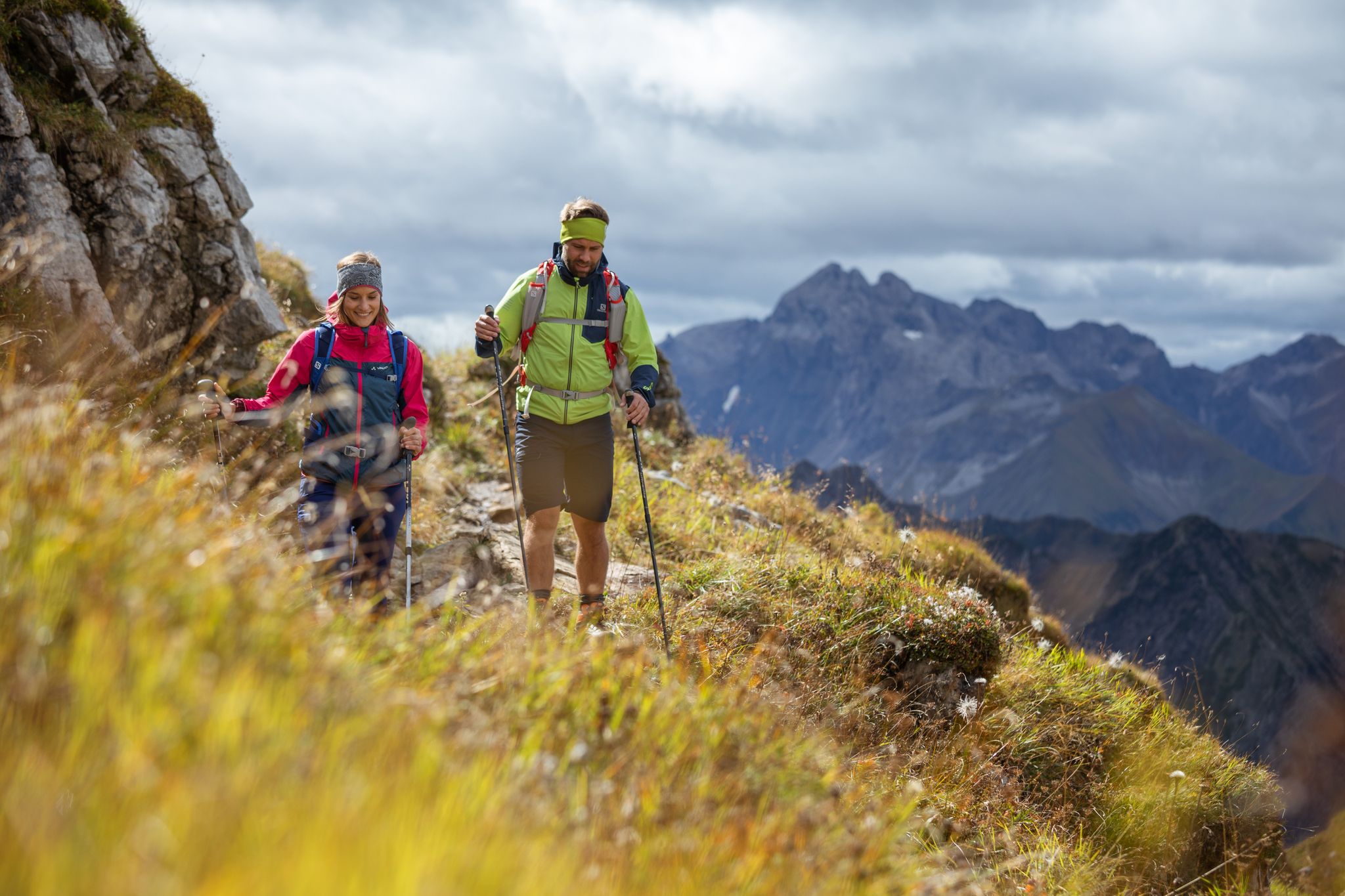
Oberstdorf — hiking at three altitudes
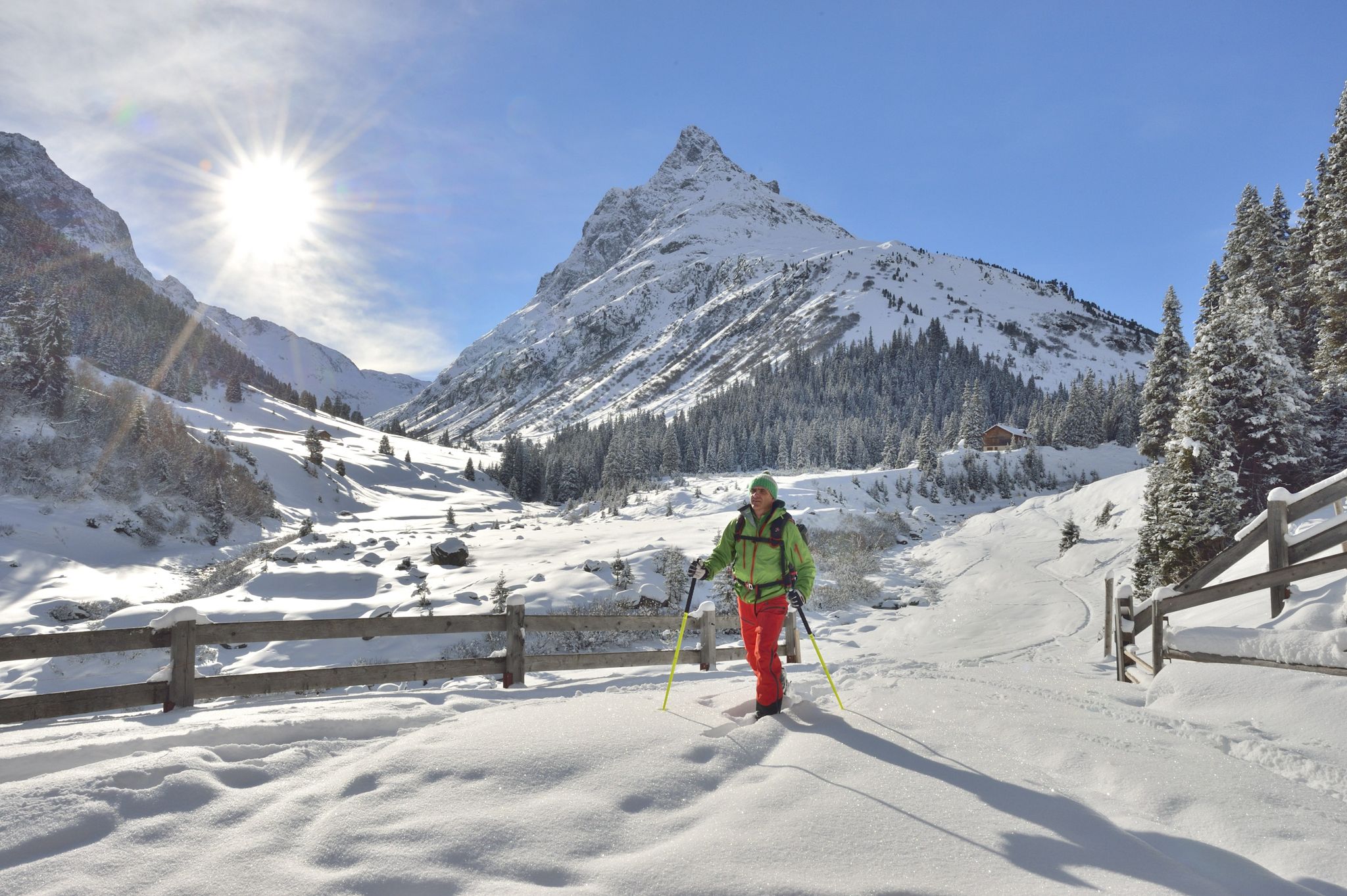
Find the snow! Winter hiking in Vorarlberg and on the Arlberg in Austria
Other adventures around Hirschegg


Tips from the Community

A beautiful vantage point with views of the Hohen Ifen and the Gottesacker plateau.
5
0
This is located below the Kanzelwand on the Panoramaweg towards Söllereck.
0
0


An adventure via ferrata easily accessible from the Kanzelwandbahn cable car, which is definitely suitable for beginners and promises great views.
0
0

A great hike on the ridge trail with views into the Kleinwalsertal and Stillachtal valleys, as well as the Allgäu Alps. It is recommended, especially in good hiking weather, to go from Söllereck towards Kanzelwand due to the many hikers, as this way you will have less oncoming traffic. Most hikers walk in this direction.
0
0

The Hohe Ifen is one of the most striking mountains in the Allgäu Alps, a real jewel for mountain lovers. 🏔️✨ It is known for its characteristic, almost flat summit plateau, which clearly stands out from the surrounding peaks.
1
0
The Hohe Ifen is one of the most striking mountains in the Allgäu Alps, a true gem for mountain lovers. 🏔️✨ It is known for its distinctive, almost flat summit plateau, which stands out clearly from the surrounding peaks.
0
0
The Hohe Ifen is one of the most striking mountains in the Allgäu Alps, a true gem for mountain lovers. 🏔️✨ It is known for its distinctive, almost flat summit plateau, which stands out clearly from the surrounding peaks.
0
0
Frequently Asked Questions
What is the overall difficulty level of mountaineering routes in Hirschegg?
Mountaineering routes in Hirschegg are primarily categorized as moderate to difficult. Out of 37 available tours, 14 are considered moderate and 23 are difficult, indicating that the region offers challenging ascents and requires a good level of fitness and experience.
Are there any circular mountaineering routes in Hirschegg?
Yes, many mountaineering routes in Hirschegg are designed as loops. For example, the View of Hoher Ifen – Gottesacker Plateau loop from Kleinwalsertal is a popular difficult route offering extensive views. Another option is the Alpe Melköde – Melköde Waterfall loop from Kleinwalsertal, which takes you past a scenic waterfall.
What kind of views and natural landmarks can I expect along the mountaineering routes?
The region is known for its high alpine peaks, deep valleys, and expansive plateaus. You can expect panoramic views, limestone formations, and dense mountain forests. Notable landmarks include the unique Gottesacker Plateau and the scenic Alpe Melköde and its waterfall. For specific points of interest, consider visiting Walmendinger Horn or the Ochsenhofer Scharte.
When is the best season for mountaineering in Hirschegg?
The best season for mountaineering in Hirschegg is typically from late spring to early autumn (June to September) when the trails are generally free of snow and weather conditions are more stable. However, conditions can change rapidly in the mountains, so always check local forecasts before heading out.
Are there any less crowded mountaineering trails in Hirschegg?
While some routes are very popular, Hirschegg offers a network of 37 mountaineering tours. To find potentially less crowded options, consider exploring some of the moderate routes or those that venture further into the quieter parts of the Kleinwalsertal, away from the most well-known summits. The Kanzelwand Summit – Kanzelwandbahn Mountain Station loop from Riezlern offers a challenging experience with significant elevation gain.
What do other mountaineers say about the routes in Hirschegg?
The mountaineering routes in Hirschegg are highly regarded by the komoot community, holding an average rating of 4.7 stars from over 160 reviews. Users frequently praise the varied terrain, challenging ascents, and the stunning panoramic views of the alpine landscape.
Are there any permits required for mountaineering in Hirschegg?
Generally, no specific permits are required for hiking or mountaineering on the established trails in the Hirschegg area. However, it's always advisable to respect local regulations, especially concerning protected areas or private land. If you plan to engage in technical climbing, check with local alpine clubs for any specific requirements.
What are the typical durations for mountaineering tours in Hirschegg?
Mountaineering tours in Hirschegg typically range from several hours to a full day. For instance, the Fellhorn Summit – Schlappoltkopf (1,969 m) loop from Kleinwalsertal is a challenging 17.5 km route that often takes around 7 hours to complete. Shorter, moderate options might take 4-5 hours, while more demanding routes can extend beyond 8 hours.
Are there options for advanced mountaineers seeking technical challenges?
Yes, advanced mountaineers will find plenty of challenging routes in Hirschegg. The region features significant elevation changes and rugged terrain, with 23 out of 37 routes classified as difficult. These tours often involve substantial ascents and descents, requiring good physical condition and alpine experience. An example is the Kanzelwand Summit – Kanzelwandbahn Mountain Station loop from Kleinwalsertal, which offers a demanding climb.
Are there any huts or places to rest and eat along the mountaineering trails?
Yes, the alpine region around Hirschegg often features mountain huts (Alpenhütten) where you can rest, refuel, and sometimes even stay overnight. While specific cafes or pubs might be in the valleys, huts like the Grasgehren Hut or the Rappensee Hut (though further afield) provide essential services for mountaineers. It's always good to check their opening times in advance.
What should I wear for mountaineering in Hirschegg during summer?
Even in summer, mountain weather can be unpredictable. It's recommended to wear layers, including moisture-wicking base layers, an insulating mid-layer, and a waterproof and windproof outer shell. Sturdy hiking boots with good ankle support are essential. Don't forget sun protection (hat, sunglasses, sunscreen), gloves, and a warm hat, as temperatures can drop significantly at higher altitudes.
Most popular routes around Hirschegg
Most popular attractions around Hirschegg

Get inspired with the komoot mobile app


Explore more
Browse the best Mountain Hikes & Routes in other regions.
