Top 5 Castles around Watlington
Best castles around Watlington are found in a historic market town in Oxfordshire, known for its proximity to the Chiltern Hills. The area features a mix of historical sites, including moated castles and significant castle ruins. Its landscape offers opportunities to explore both natural beauty and centuries of history.
Best castles around Watlington
- The most popular castles is Wallingford Bridge, a historical site and medieval bridge that was built in the 14th century and features 19 arches. This impressive…
Last updated: May 9, 2026
Wallingford Bridge
Highlight • Historical Site
Tip by

Greys Court
Highlight • Historical Site
Tip by

Sign up now to discover places like this
Get recommendations on the best single tracks, peaks, & plenty of other exciting outdoor places.
Sign up for free
Wallingford Castle Meadows
Highlight • Historical Site
Translated by Google •
Tip by

St Nicholas College Ruins, Wallingford Castle
Highlight • Historical Site
Translated by Google •
Tip by
The Great Tower, Haddenham
Highlight • Castle
Tip by
Start today with a free account
Your next adventure awaits.
Login or Signup
Popular around Watlington

Oxfordshire Way — An idyllic walk in the heart of rural England
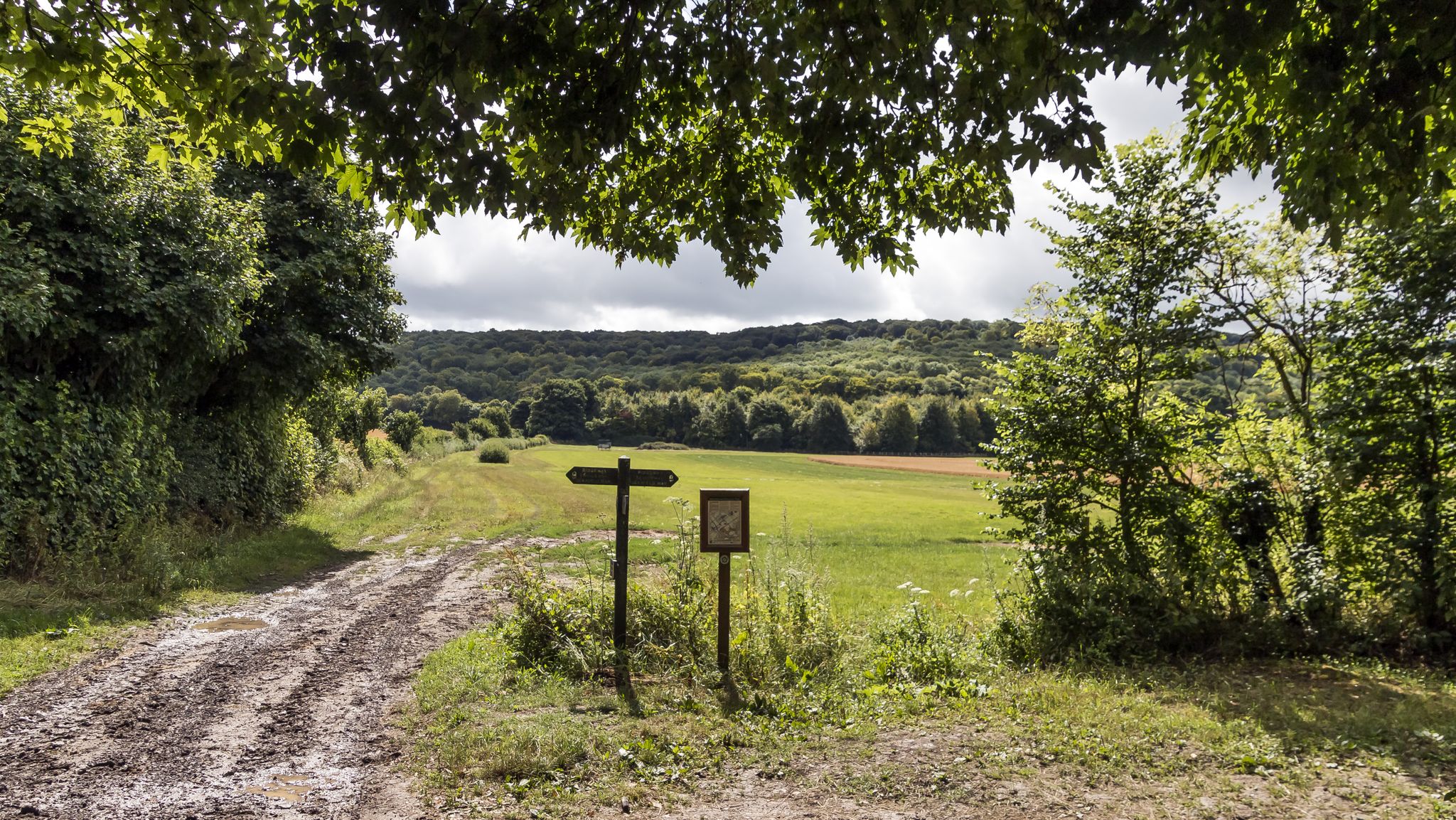
A bridleway hike across beautiful rolling pastures — Swan’s Way
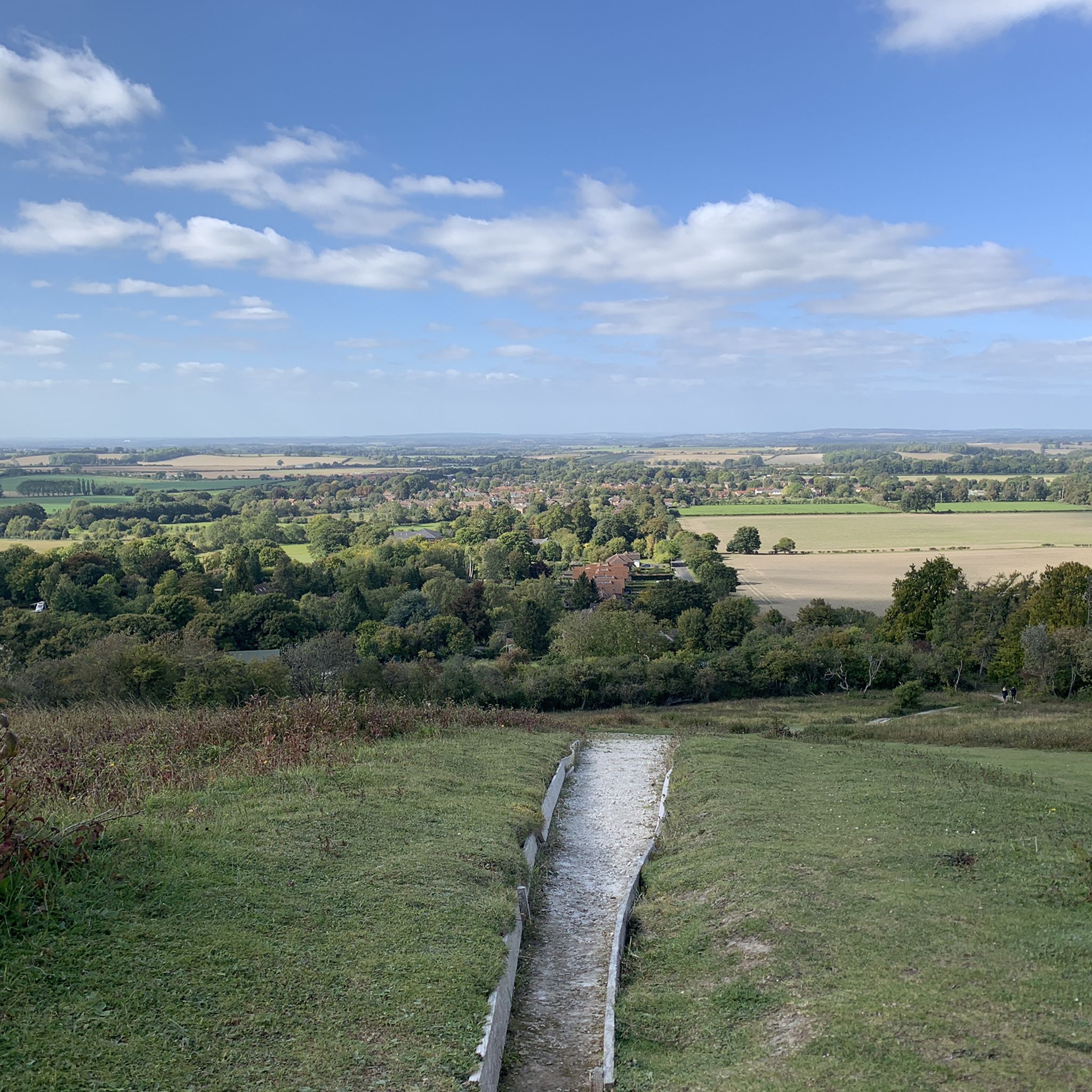
Hiking around Watlington
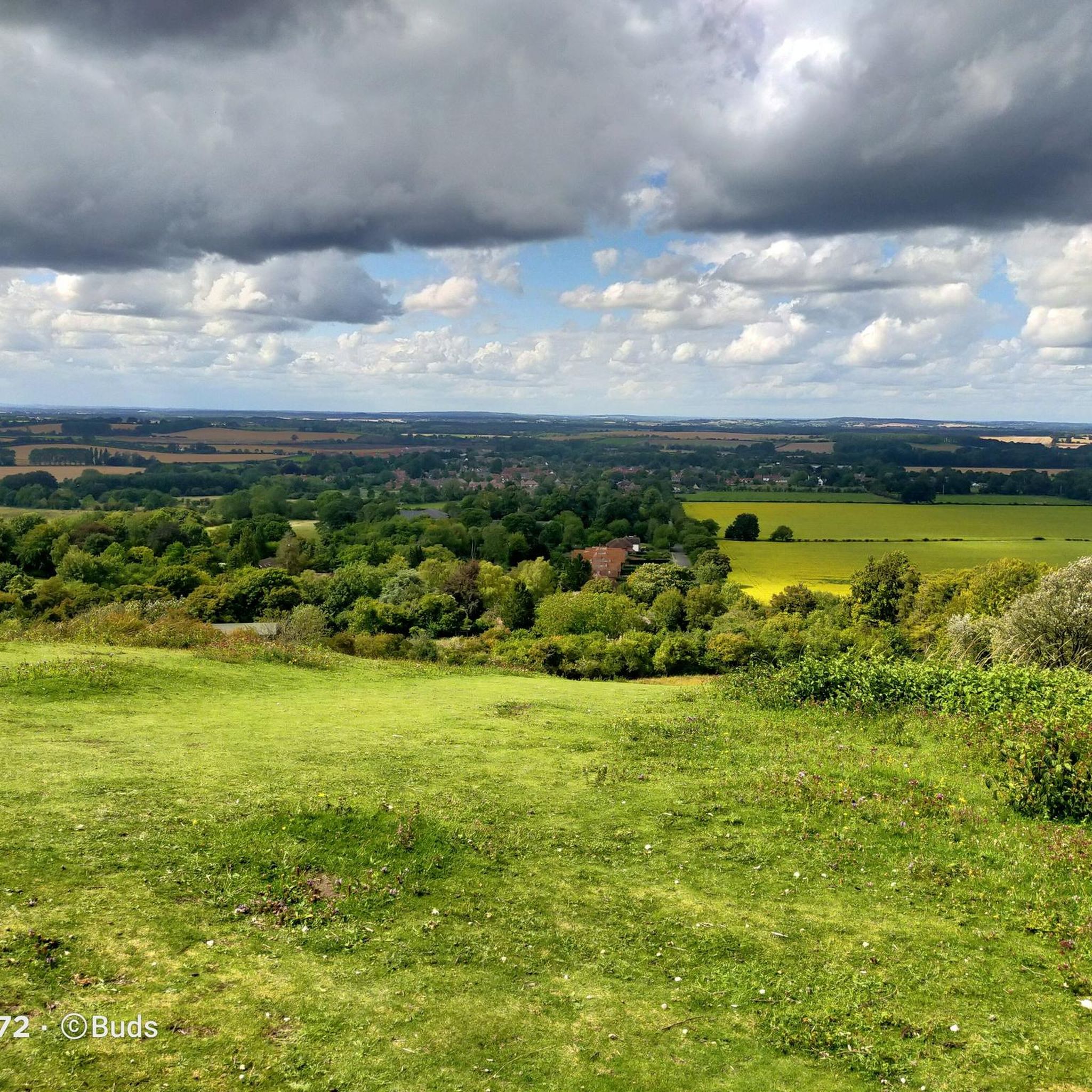
Running Trails around Watlington
Road Cycling Routes around Watlington
Cycling around Watlington
MTB Trails around Watlington

Gravel biking around Watlington

Tips from the Community

Wallingford Castle is a typical Norman tower hill castle. One of the castle's most famous residents was the Empress Matilda, who was the only legitimate daughter of King Henry I.
5
0

The charming gardens of Grey's Court estate offer plenty to discover. Enjoy mazes, a great tower, a donkey-powered well, a cafe, and the most pristine gardens featuring cherry trees and wisteria.
1
0
Wallingford Castle Gardens, a nice place to relax, stroll and enjoy nature. A small nature reserve containing the ruins of one of Britain's most important castles, open to the public.
4
0
Very beautiful stone bridge with fragments from the 13th century. The Wallingford Bridge is almost 270 m long. From the bridge you have a beautiful view of the Thames and the "Boat House".
4
0

Greys Court, the start point, is one of the best National Trust properties in the Henley-on-Thames area. The walk is straightforward, varied and very beautiful.
1
0


A major castle during medieval times, Wallingford Castle was one of the most important royal castles in the 12th and 13th centuries. The castle has lived through interesting eras of British history, from surviving sieges during the Civil War to hosting royalty. Henry VIII abandoned the castle as a royal residence which lead to its decline. Today, although much of the castle is destroyed, you can visit the remains of St Nicholas College, two sections of castle wall, the motte hill, and the castle grounds.
0
0

This impressive medieval bridge over the River Thames allows you to step back in time. Built in the 14th century. Wallingford Bridge is 900 feet (270 m) long and has 19 arches. In 1646, four arches were removed so a drawbridge could be built during the siege of the castle in the Civil War of 1646. These were replaced with timber structures until repair in 1751.
2
0
Frequently Asked Questions
What types of historical sites and castles can I explore near Watlington?
The Watlington area offers a mix of historical sites, including moated castles, significant castle ruins, and historical estates. While Shirburn Castle is a prominent moated castle, you can also visit the ruins of Wallingford Castle Meadows and the historical estate of Greys Court, which features a great tower.
Is Shirburn Castle open to the public?
No, Shirburn Castle is privately owned and not generally open to the public. However, its historical significance as a Grade I listed building and its impressive moated structure make it a notable landmark in the Watlington area.
Which historical sites near Watlington are particularly good for history buffs?
History buffs will appreciate Wallingford Castle Meadows, which contains the ruins of one of Britain's most important castles, with building work commencing in 1067. You can explore sections of the original castle structures and the St Nicholas College Ruins within the grounds. The medieval Wallingford Bridge, built in the 14th century, also offers a rich historical experience.
Are there any castles or historical sites near Watlington with scenic views?
Yes, Wallingford Bridge offers beautiful views of the River Thames. Additionally, Greys Court provides scenic views within its extensive gardens, which include cherry trees and wisteria, and Wallingford Castle Meadows offers a tranquil setting with colourful gardens.
Are there family-friendly castles or historical sites around Watlington with activities?
Absolutely. Greys Court is highly family-friendly, offering charming gardens, mazes, a great tower, and a unique donkey-powered well. Wallingford Castle Meadows is also suitable for families, providing open spaces to explore the castle ruins and gardens.
What is the best time of year to visit castles and historical sites near Watlington?
The spring and summer months are ideal for visiting, especially for sites like Greys Court when its gardens are in full bloom. Autumn also offers a beautiful experience with changing foliage, particularly around areas with extensive grounds like Wallingford Castle Meadows.
What outdoor activities can I do near these historical sites?
The Watlington area is excellent for outdoor activities. You can find numerous routes for gravel biking, road cycling, and hiking. For example, there are hiking routes like the 'Watlington Hill – Watlington White Mark loop' and cycling routes such as the 'Flat Rural Road Near Oxford – Steady Climb from Wallingford loop'. You can explore more options on the Gravel biking around Watlington, Road Cycling Routes around Watlington, and Hiking around Watlington guide pages.
Are there hiking trails near Wallingford Castle Meadows or Greys Court?
Yes, Wallingford Castle Meadows is part of a larger area with walking paths, and you can walk on both sides of the River Thames from Wallingford. Greys Court is also a popular starting point for walks, offering straightforward and varied routes through beautiful scenery. For more detailed hiking options, refer to the Hiking around Watlington guide.
Are there dog-friendly options for visiting historical sites near Watlington?
Many outdoor historical sites, like Wallingford Castle Meadows, are generally dog-friendly, especially in their open meadow areas, though specific rules may apply to gardens or indoor sections. It's always best to check individual site policies regarding dogs on leads.
Where can I find parking for historical sites like Wallingford Castle Meadows or Greys Court?
For Wallingford Castle Meadows, there is a paid parking area on Castle Street, near the main gate. Greys Court, being a National Trust property, typically has its own visitor parking facilities.
Are there cafes or pubs near the historical sites around Watlington?
Yes, you'll find amenities nearby. Greys Court has its own cafe on-site. The town of Wallingford, close to Wallingford Castle Meadows and Wallingford Bridge, offers a good range of eating places and pubs. Watlington itself also has cafes and a deli.
What is Thame Park House, and is it open to the public?
Thame Park House was developed on the site of a former Cistercian Abbey, incorporating parts of the 15th/16th-century Abbot's Lodgings. While the grounds consist of extensive landscape park and gardens, public access to the house itself can be limited as it is a private residence. The surrounding parkland may offer public footpaths.
Most popular routes around Watlington
Most popular attractions around Watlington

Get inspired with the komoot mobile app


Explore more
Looking for the best castles somewhere else? Discover other guides around Watlington:
