The best mountain hikes in the Dachstein Mountains
4.8
(379)
3,318
hikers
129
hikes
Mountaineering in the Dachstein Mountains offers a diverse alpine environment characterized by towering peaks, extensive glaciers, and a unique karst landscape. The region features dramatic limestone formations, including the imposing 1000-meter south face of Hoher Dachstein, which presents significant technical climbing opportunities. Glaciers such as the Hallstatt Glacier are notable features, requiring specialized equipment for safe passage. This UNESCO World Heritage site provides a challenging and varied terrain for mountaineers.
Best mountaineering routes in the Dachstein Mountains
- The most popular mountaineering route is Gablonzer Hut (1550 m) – Großer Donnerkogel Summit loop from Gablonzer Hütte, a 3.0 miles (4.8 km) trail that takes 3 hours 55 minutes to complete. This difficult route offers summit views from Großer Donnerkogel.
- Another top favourite among local mountaineers is Friedenskircherl Stoderzinken – Stoderzinken Summit loop from Gradenbachfall, a difficult 2.4 miles (3.9 km) path. This route ascends to the Stoderzinken Summit, passing the historic Friedenskircherl.
- Local mountaineers also love the Stoderzinken Summit – Friedenskircherl Stoderzinken loop from Gradenbachfall, a 2.2 miles (3.6 km) trail leading through alpine terrain, often completed in about 1 hour 44 minutes.
- Mountaineering in the Dachstein Mountains is defined by towering peaks, extensive glaciers, and dramatic limestone rock faces. The network offers options for different ability levels, from challenging technical ascents to demanding alpine traverses.
- The routes in Dachstein Mountains are highly rated by the komoot community with an average score of 4.8 stars from over 400 reviews. More than 3,900 mountaineers have used komoot to explore Dachstein Mountains's varied terrain.
Last updated: October 5, 2026
4.7
(27)
199
hikers
Hard mountaineering route. Good fitness required. Sure-footedness, sturdy shoes and alpine experience required.
4.8
(23)
172
hikers
Hard mountaineering route. Great for any fitness level. Sure-footedness, sturdy shoes and alpine experience required.

4.8
(9)
142
hikers
9.27km
06:49
1,320m
1,320m
Hard mountaineering route. Very good fitness required. Sure-footedness, sturdy shoes and alpine experience required.
4.9
(18)
114
hikers
5.10km
03:11
550m
550m
Hard mountaineering route. Good fitness required. Sure-footedness, sturdy shoes and alpine experience required.
4.7
(14)
136
hikers
11.8km
05:36
1,040m
1,040m
Hard mountaineering route. Very good fitness required. Mostly accessible paths. Sure-footedness required.
5.0
(24)
108
hikers
16.4km
07:31
1,200m
1,210m
Hard mountaineering route. Very good fitness required. Sure-footedness, sturdy shoes and alpine experience required.
4.9
(17)
87
hikers
Hard mountaineering route. Very good fitness required. Sure-footedness, sturdy shoes and alpine experience required.
4.5
(4)
76
hikers
16.6km
07:34
1,400m
1,400m
Hard mountaineering route. Very good fitness required. Sure-footedness, sturdy shoes and alpine experience required.
5.0
(6)
96
hikers
2.92km
01:11
150m
150m
Hard mountaineering route. Great for any fitness level. Sure-footedness, sturdy shoes and alpine experience required.
4.9
(9)
87
hikers
Hard mountaineering route. Great for any fitness level. Sure-footedness, sturdy shoes and alpine experience required.
Get access to more routes and recommendations from other explorers.
Already have an account?
Our route recommendations are based on thousands of hikes, rides, and runs completed by other people on komoot.
Start today with a free account
Your next adventure awaits.
Popular around Dachstein Mountains
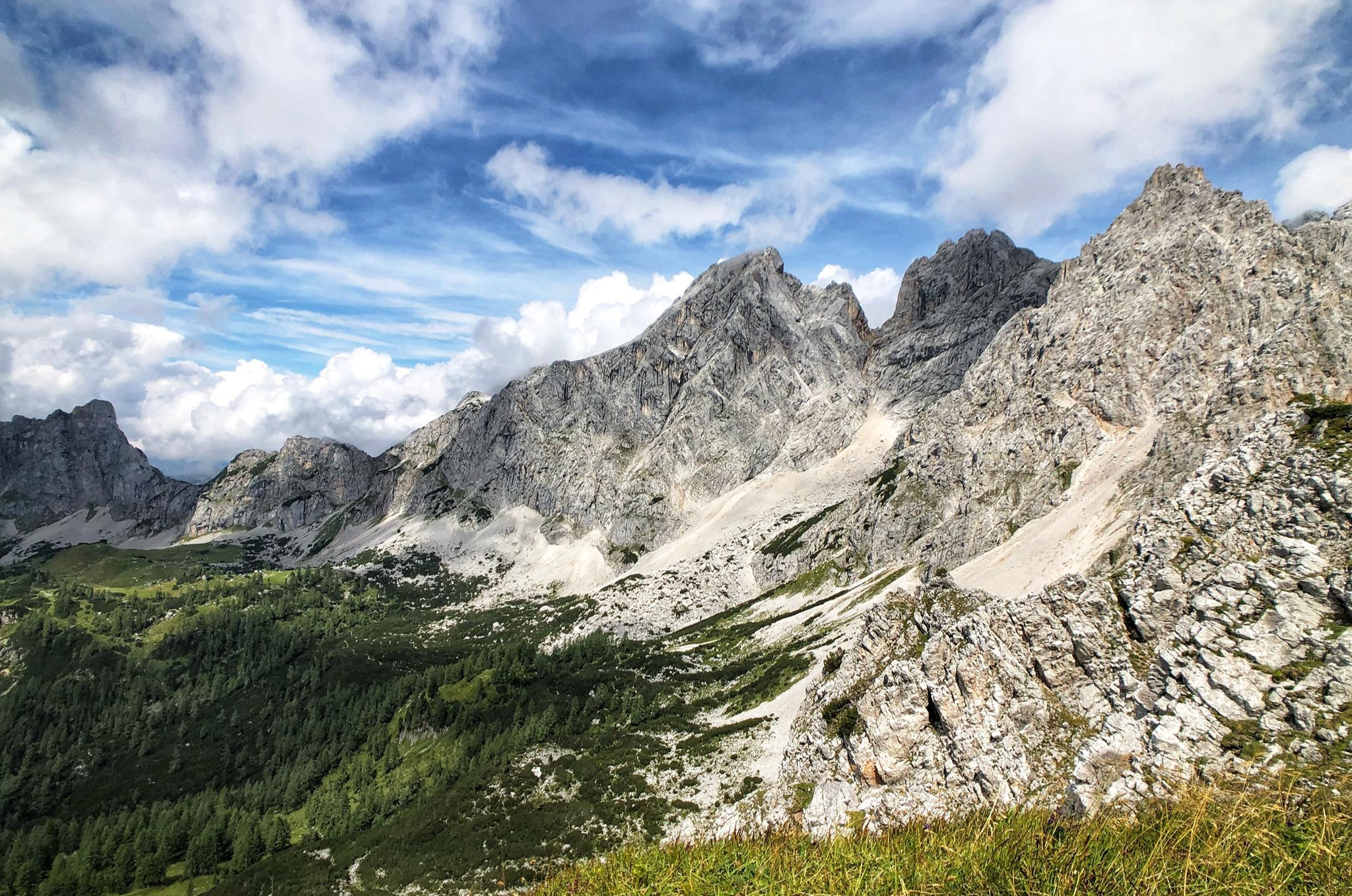
The Dachstein Rundwanderweg – Eight days in the Dachsteingebirge
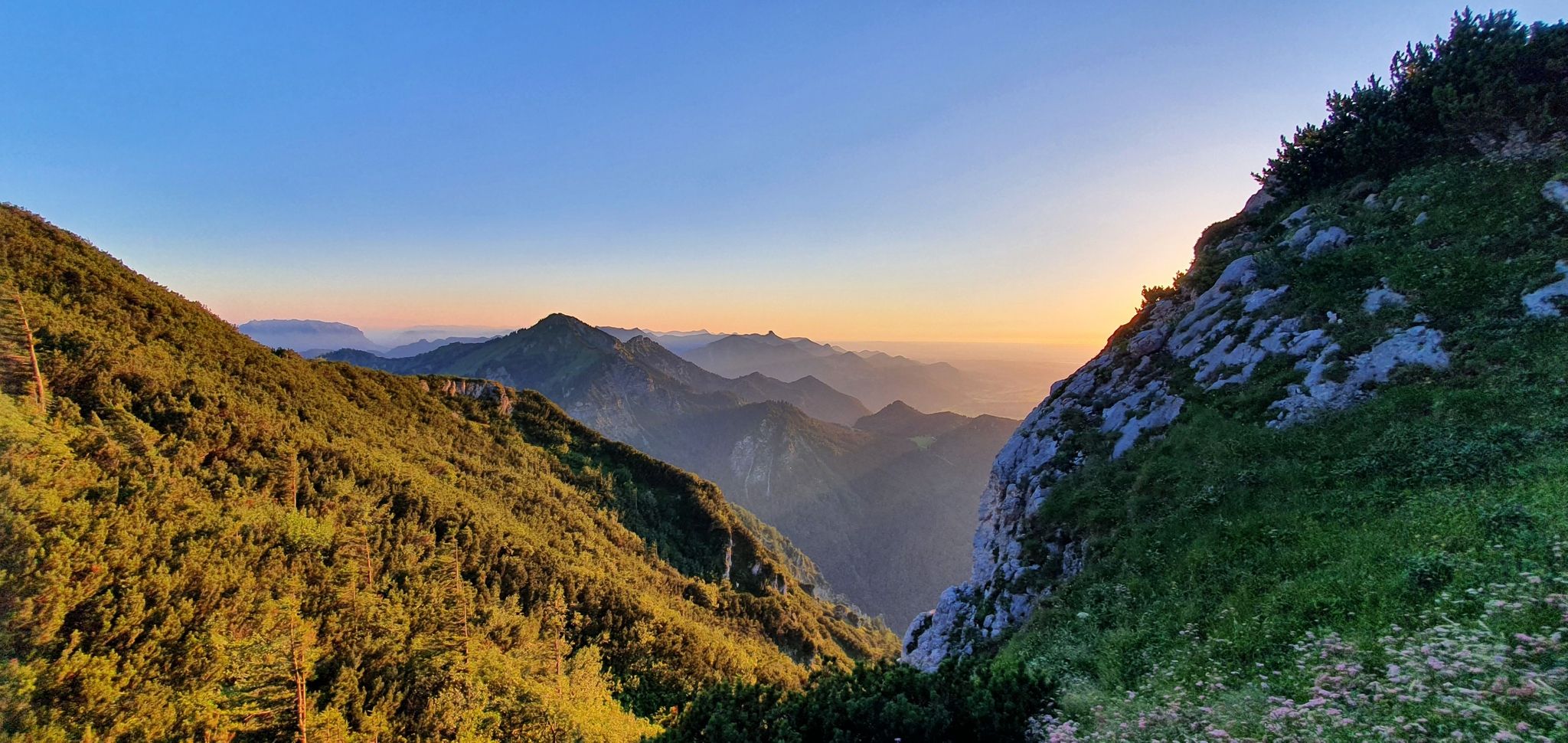
The SalzAlpenSteig – On the tracks of white gold
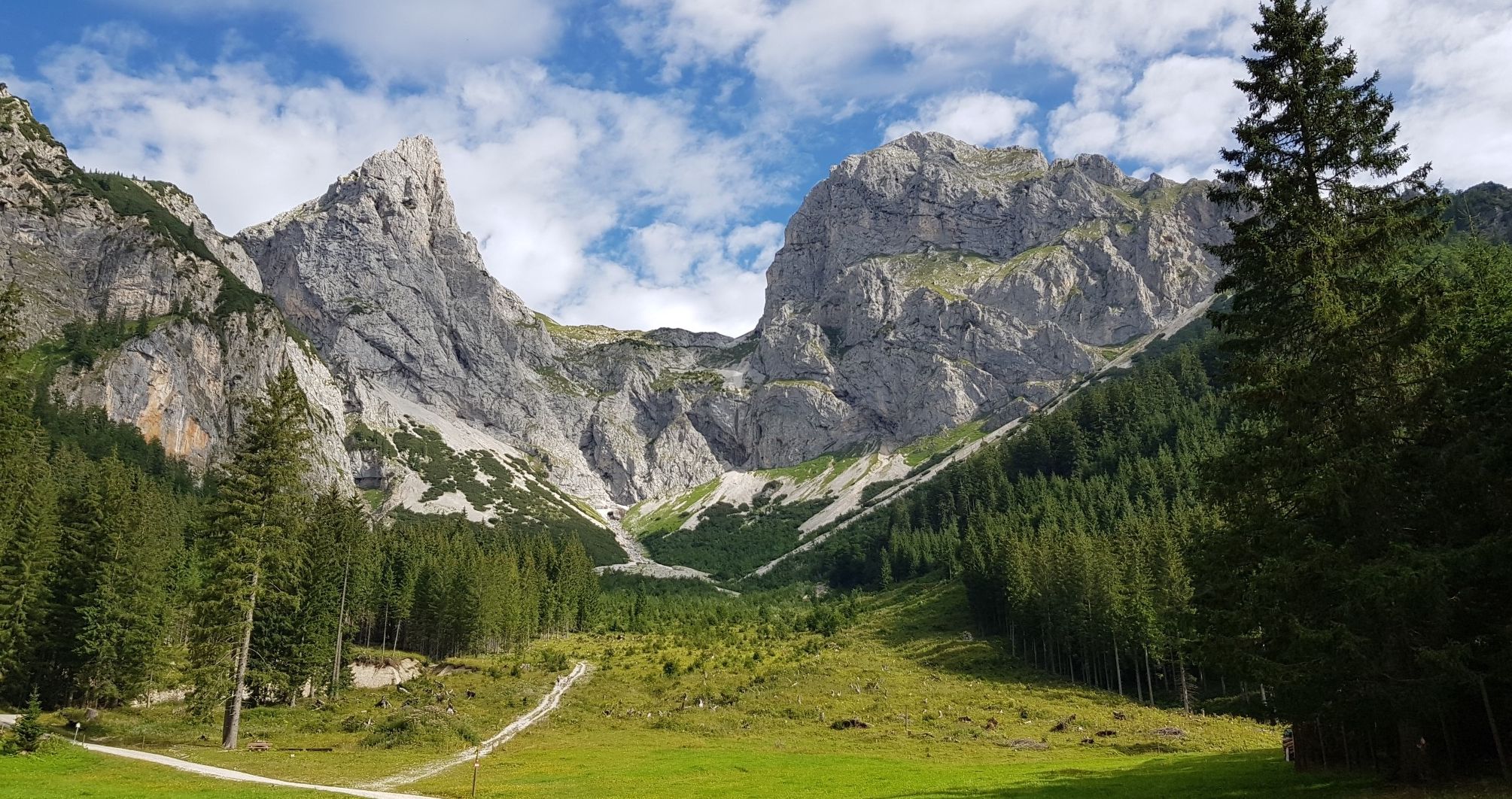
North Alpine Trail 01 – Hike across Austria in 49 days
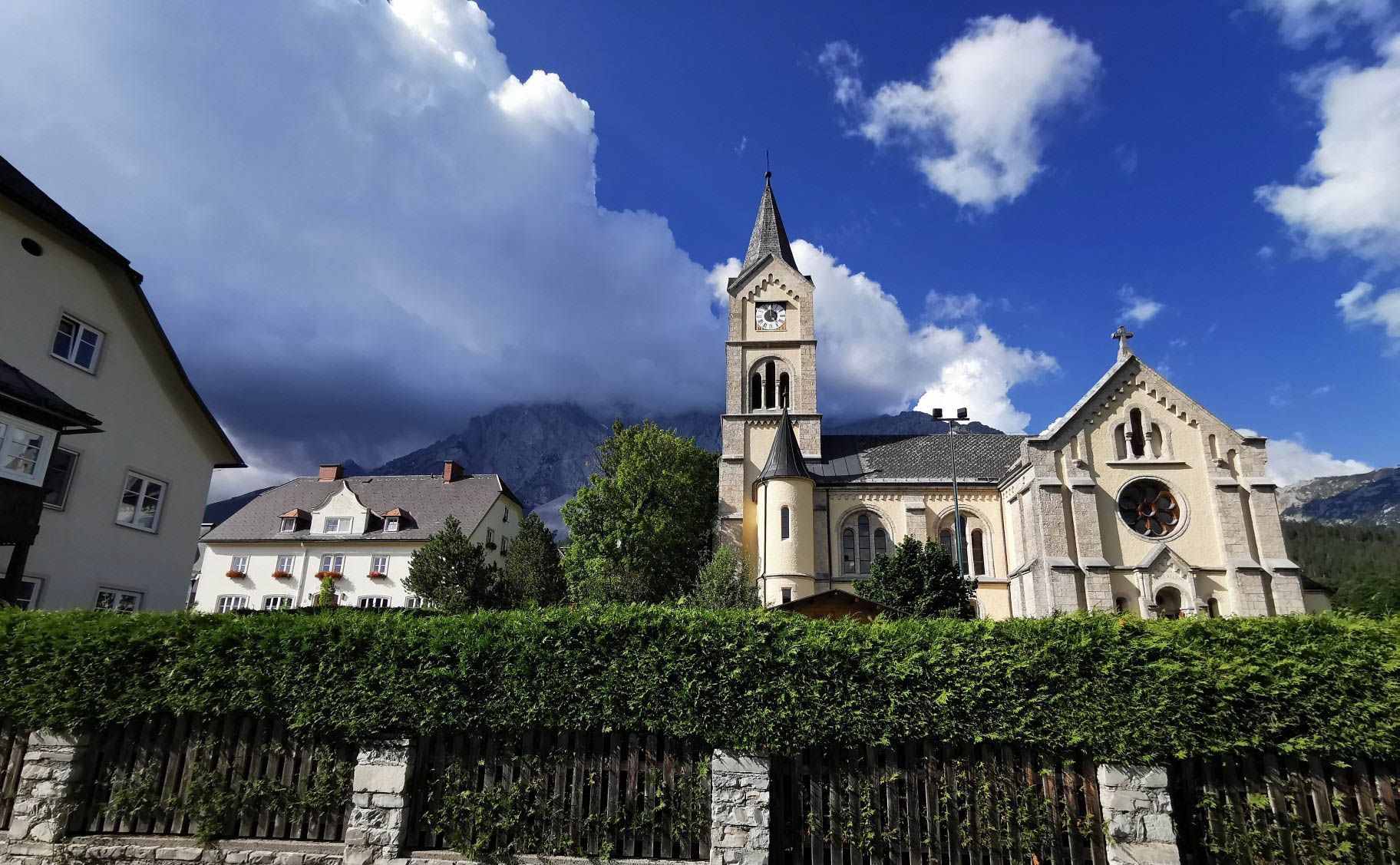
Way of the Book – Hike in the footsteps of the Bible smugglers in Austria
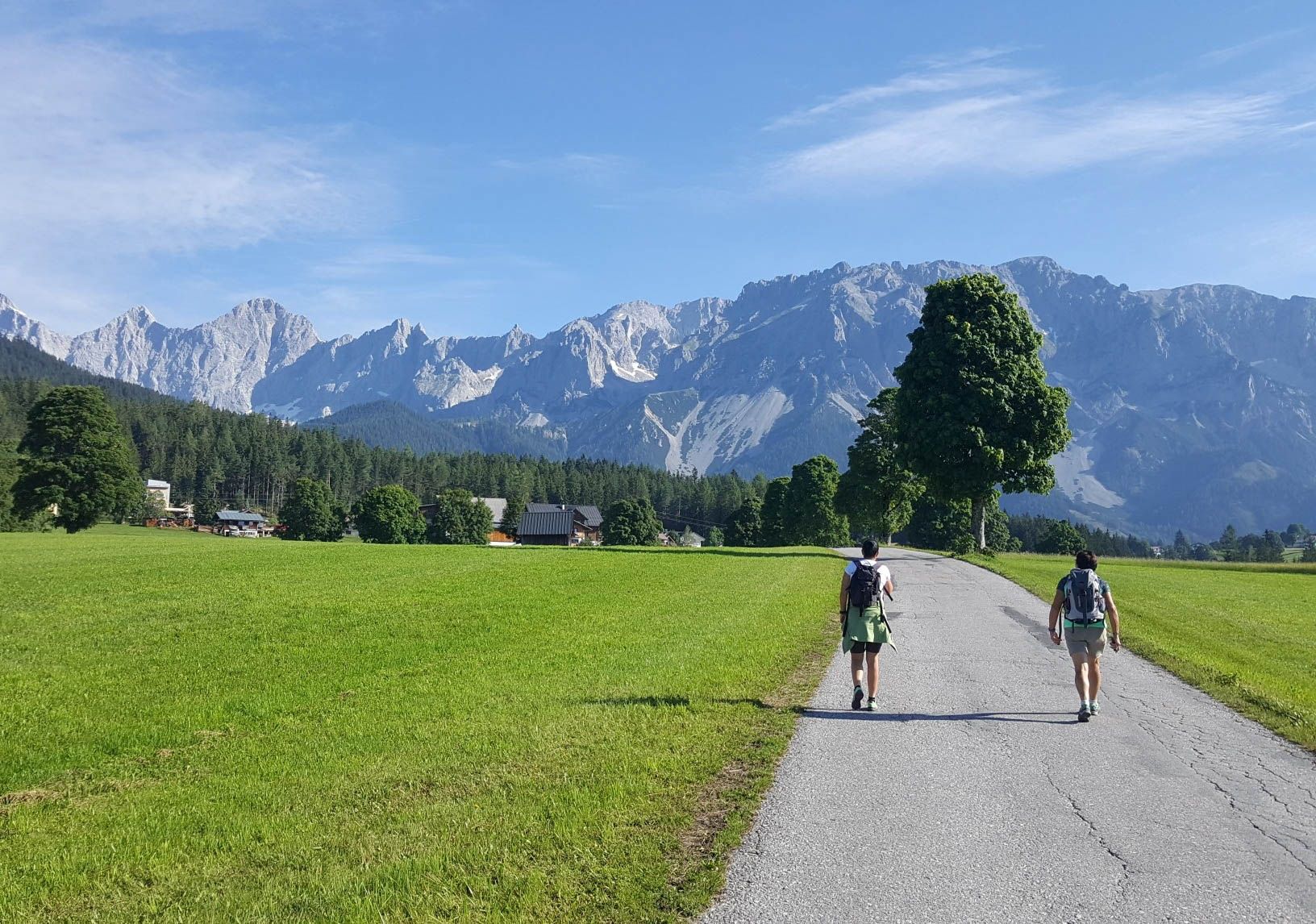
Panorama Trail 100 – Wide views over Austria's Dachstein Massif
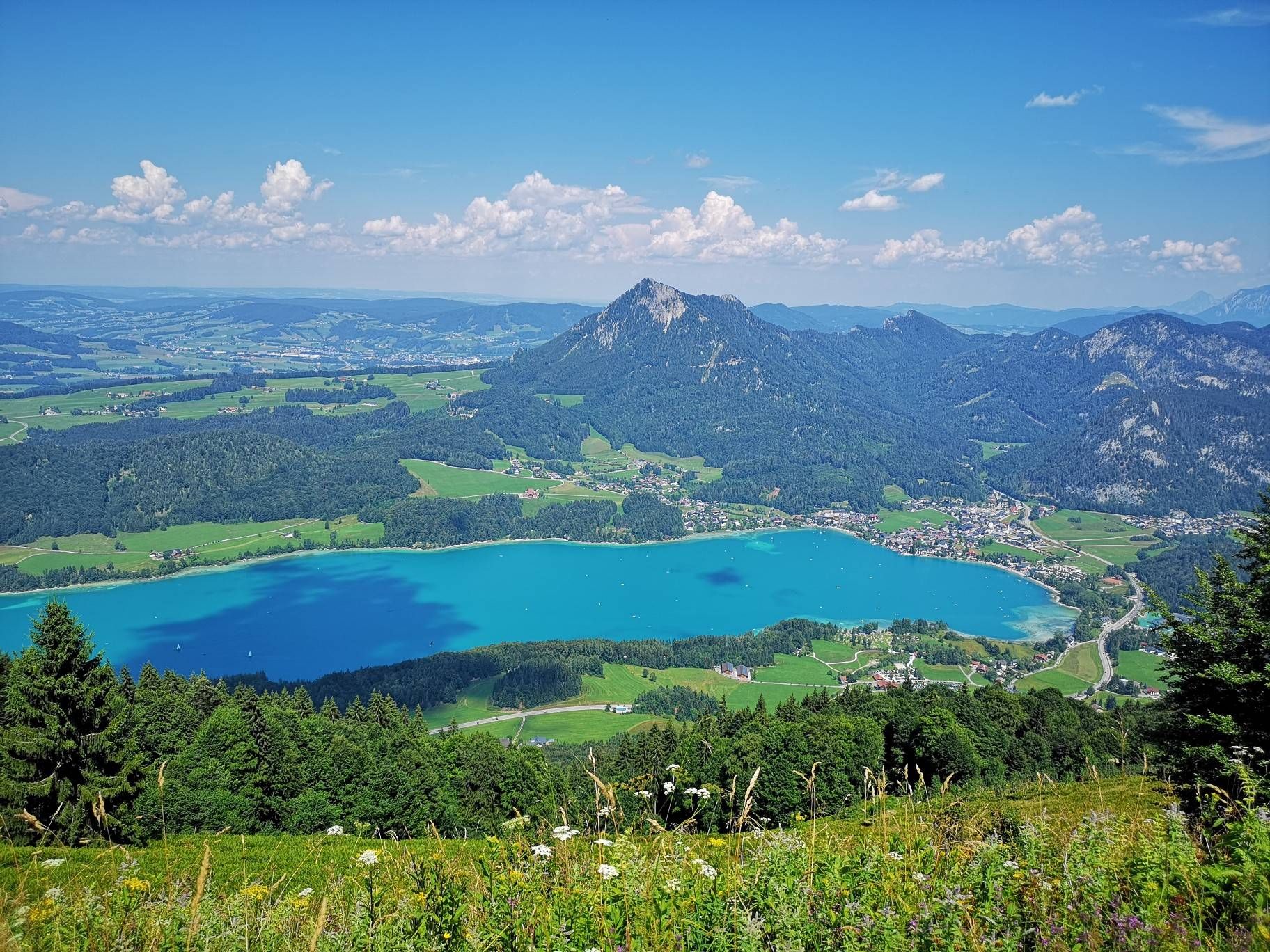
BergeSeen Trail – Long distance hiking in Austria's Salzkammergut with mountains and lakes galore
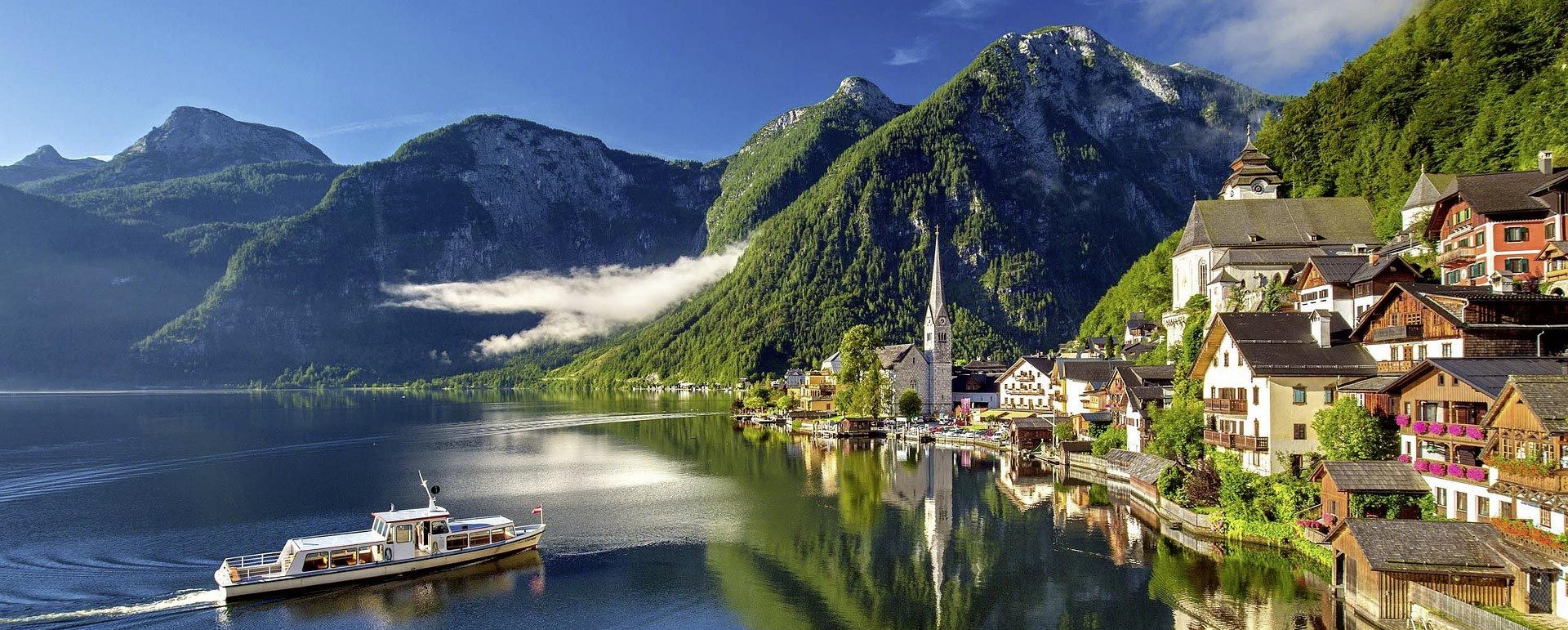
Cycling like a Kaiser – From lake to lake in Austria's Salzkammergut
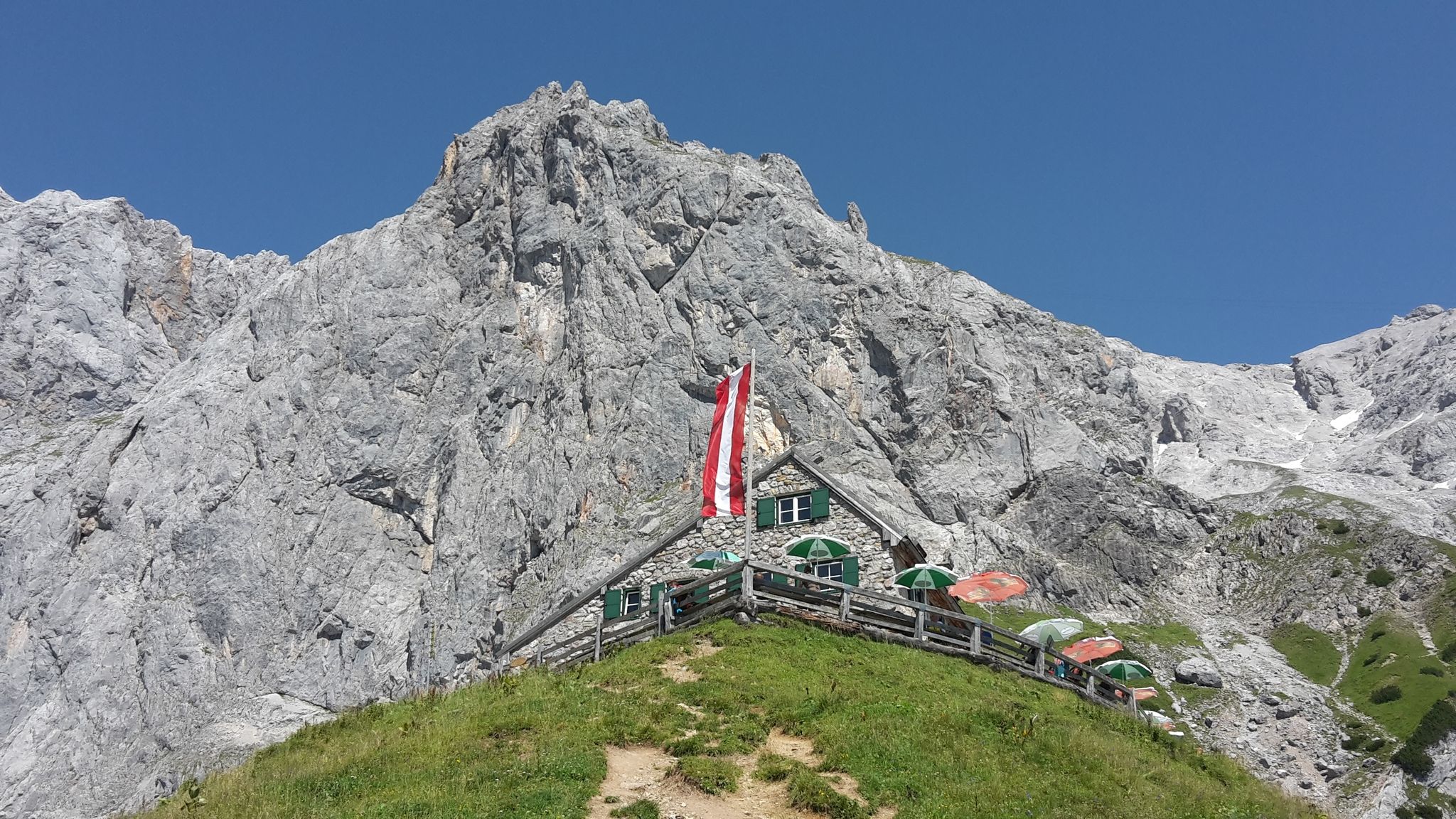
Dachstein hut loop: find your favorite cabin on the Dachstein massif
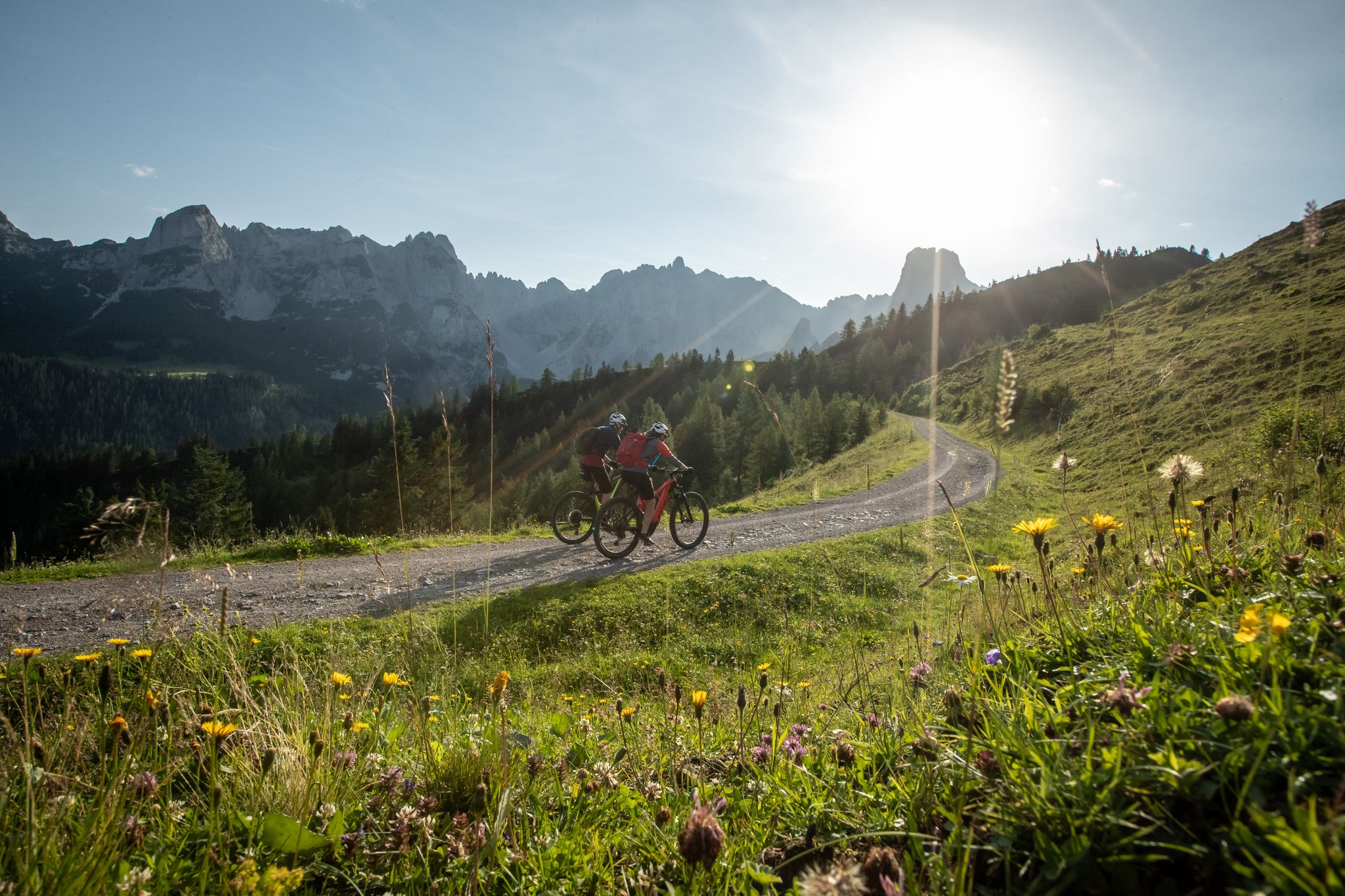
Dachsteinrunde Classic – the MTB classic in the heart of Austria
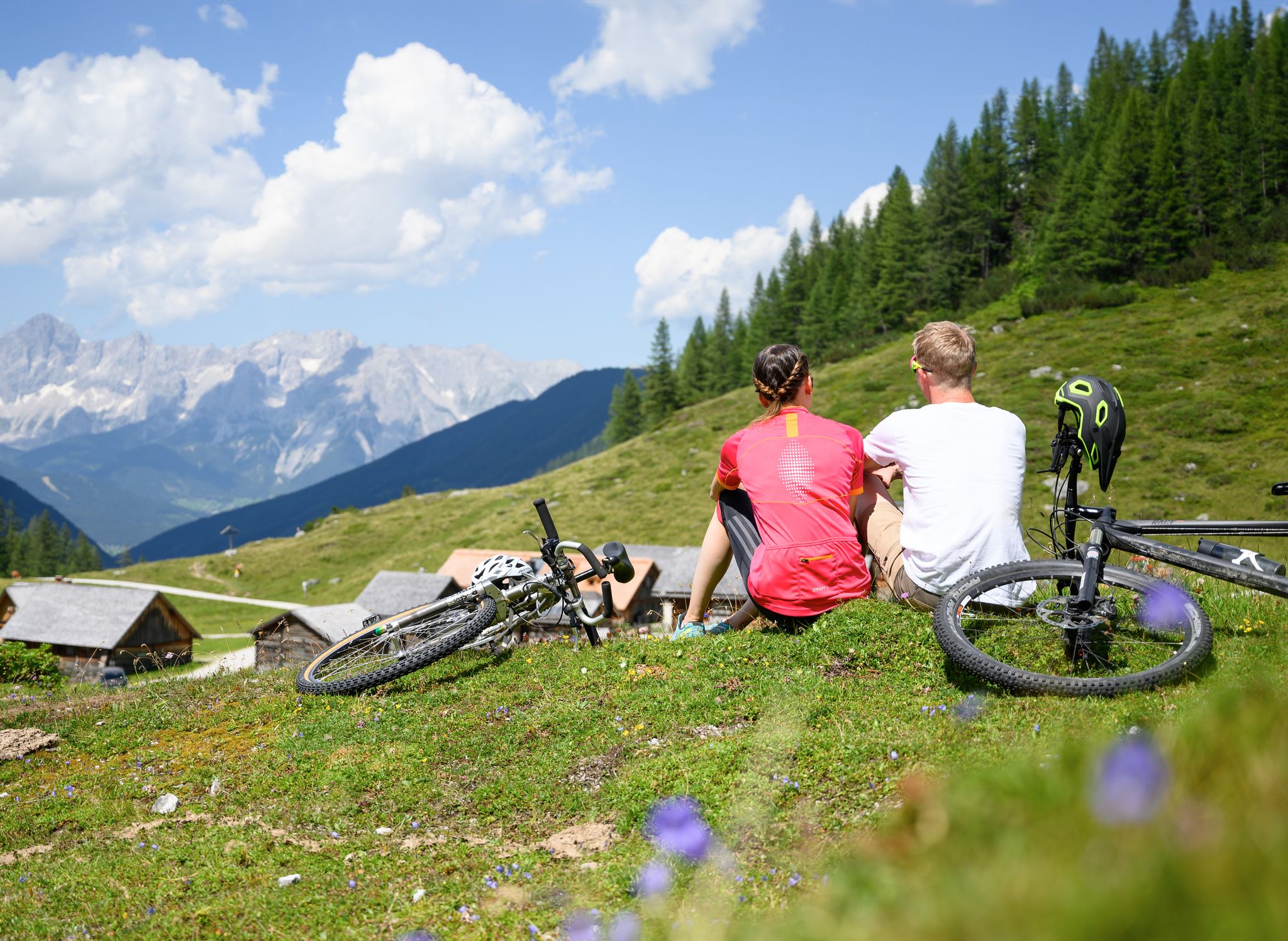
Magnificent mountain biking on Austria's alpine pastures
Other adventures in the Dachstein Mountains


Tips from the Community

Waterfalls, vertical rock faces, and wild, romantic scenery make the Silberkarklamm a unique hiking experience.
0
0

Nevertheless, this trail is not necessarily suitable for beginners, there are some sections that require some experience. Also, you should not be afraid of heights.
0
0

Well-maintained and also good to walk with children!
0
0
After a rainy night - truly a roaring experience.
0
0

Several via ferratas start in the gorge. Nice to watch
0
0

Very good, also doable with children! We had a lot of fun and definitely recommend the gorge!
0
0
Super nice and absolutely recommended!
0
0

wonderful MTB trail from Gosau over the Durchgangalm to Hallstatt
0
0
Frequently Asked Questions
How many mountaineering routes are available in the Dachstein Mountains, and what are their difficulty levels?
The Dachstein Mountains offer a wide range of mountaineering experiences with over 140 routes. While the majority, around 109, are classified as difficult, there are also about 29 moderate routes and a few easier options for those newer to the sport.
Are there any circular mountaineering routes in the Dachstein Mountains?
Yes, many routes in the Dachstein Mountains are designed as loops, allowing you to start and finish at the same point. For example, you could try the challenging Gablonzer Hut (1550 m) – Großer Donnerkogel Summit loop from Gablonzer Hütte, which offers stunning summit views. Another option is the Friedenskircherl Stoderzinken – Stoderzinken Summit loop from Gradenbachfall, which takes you past the historic Friedenskircherl.
Can I find mountaineering routes that feature waterfalls in the Dachstein Mountains?
Absolutely! The region boasts beautiful natural features, including waterfalls. A notable route that incorporates a waterfall is the Silberkarklamm Waterfall – Silberkarklamm Waterfall loop from Schleierfall, offering a scenic experience through the Silberkarklamm gorge.
What natural features or landmarks can I expect to see on mountaineering routes in the Dachstein Mountains?
The Dachstein Mountains are rich in dramatic landscapes. You can encounter towering peaks like High Dachstein, extensive glaciers, and unique karst formations with impressive cave systems. Many routes offer panoramic views from summits such as Grimming Summit or the Stoderzinken summit cross. Picturesque lakes like Front Gosau Lake are also common sights.
When is the best time of year for mountaineering in the Dachstein Mountains?
The best time for mountaineering typically spans from late spring to early autumn (June to September) when snow has largely melted from lower and mid-altitudes, and weather conditions are generally more stable. However, due to the high altitude and isolated setting, weather can change rapidly, so careful planning is always essential. For glacier routes, specialized equipment and experience are required, often making summer the most accessible period.
Are there mountain huts available for overnight stays or refreshments along the routes?
Yes, the Dachstein Mountains have several mountain huts that provide essential accommodation and refreshment points for mountaineers. Notable options include the Austria Hut and Dachstein Alpine Museum, Hofpürgl Hut, and Guttenberghaus Mountain Hut. These huts are crucial for longer tours and offer a chance to rest and refuel.
What options are available for experienced mountaineers seeking a significant challenge?
Experienced mountaineers will find ample challenge in the Dachstein Mountains. The imposing 1000-meter south face of Hoher Dachstein offers significant technical climbing opportunities, including routes like Steinerweg (V) and Prichiweg (IV). The region is also a paradise for via ferrata enthusiasts, with numerous routes. For a demanding alpine traverse, consider routes like Grimming Summit loop from Skiflugschanze Kulm, which involves over 1300 meters of elevation gain.
What do other mountaineers enjoy the most about mountaineering in the Dachstein Mountains?
The Dachstein Mountains are highly rated by the komoot community, with an average score of 4.8 stars from over 400 reviews. Mountaineers often praise the diverse alpine environment, the dramatic limestone formations, and the breathtaking panoramic views from the summits. The challenging terrain and the sense of accomplishment after completing a difficult ascent are frequently highlighted.
What essential gear should I pack for mountaineering in the Dachstein Mountains?
Given the varied terrain and potential for rapid weather changes, essential gear includes sturdy mountaineering boots, appropriate layers of clothing, rain gear, and navigation tools. For routes involving glaciers, specialized equipment such as crampons, ice axes, and ropes are necessary. Always carry sufficient water, food, a first-aid kit, and a headlamp. Checking the weather forecast before setting out is crucial.
Are there any beginner-friendly mountaineering routes in the Dachstein Mountains?
While many routes are challenging, there are a few easier mountaineering options available. These routes typically involve less technical terrain and shorter distances, making them suitable for those new to mountaineering or looking for a less strenuous experience. Always check the route's difficulty rating and description before embarking.
Is winter mountaineering possible in the Dachstein Mountains?
Yes, the Dachstein Mountains offer opportunities for winter mountaineering, ski touring, and snowshoeing. However, winter conditions present significant challenges, including deep snow, avalanche risk, and extreme cold. These activities require specialized equipment, extensive experience, and a thorough understanding of alpine hazards. It's highly recommended to go with a certified mountain guide or experienced companions during winter.
Are dogs allowed on mountaineering routes in the Dachstein Mountains?
Generally, dogs are permitted on many hiking and mountaineering trails in the Dachstein Mountains, but it's crucial to keep them on a leash, especially in nature protection areas, near livestock, or on narrow paths. Always ensure your dog is fit enough for the chosen route and carry enough water for them. Some specific routes or cable cars might have restrictions, so it's best to check local regulations for your chosen tour.
How accessible are the mountaineering routes by public transport or car?
Access to the Dachstein Mountains is generally good. Many trailheads are reachable by car, with parking available, though it can be limited at popular spots. Public transport, including buses, also serves various villages and starting points around the massif, connecting to major transport hubs. Planning your journey in advance and checking bus schedules is advisable, especially for routes that don't loop back to the starting point.
Most popular routes in the Dachstein Mountains
Most popular attractions in the Dachstein Mountains

Get inspired with the komoot mobile app


Explore more
Browse the best Mountain Hikes & Routes in other regions.
