Attractions and Places To See around Coolnashanton - Top 6
Attractions and places to see around Coolnashanton are primarily found within County Fermanagh, Northern Ireland, a region known for its rich history and natural landscapes. The townland itself is recognized for the archaeological discovery of the Coolnashanton Trumpet from the River Erne. Situated within the Fermanagh Lakelands, the area offers a variety of historical sites, natural features, and cultural landmarks, particularly around Lough Erne. Visitors can explore ancient monastic settlements, historic castles, and expansive natural estates.
Best attractions and places…
Last updated: May 19, 2026
Enniskillen Castle
Highlight • Historical Site
In …
Tip by

Ancient Chestnut Tree
Highlight • Forest
Tip by

Sign up now to discover places like this
Get recommendations on the best single tracks, peaks, & plenty of other exciting outdoor places.
Sign up for free
Castle Coole
Highlight • Castle
Tip by
Devenish Monastic Site
Highlight • Monument
Tip by

Devenish Island Round Tower
Highlight • Monument
Tip by
Sign up for free to discover even more attractions around Coolnashanton.
Sign up for free
Already have an account?
Start today with a free account
Your next adventure awaits.
Login or Signup
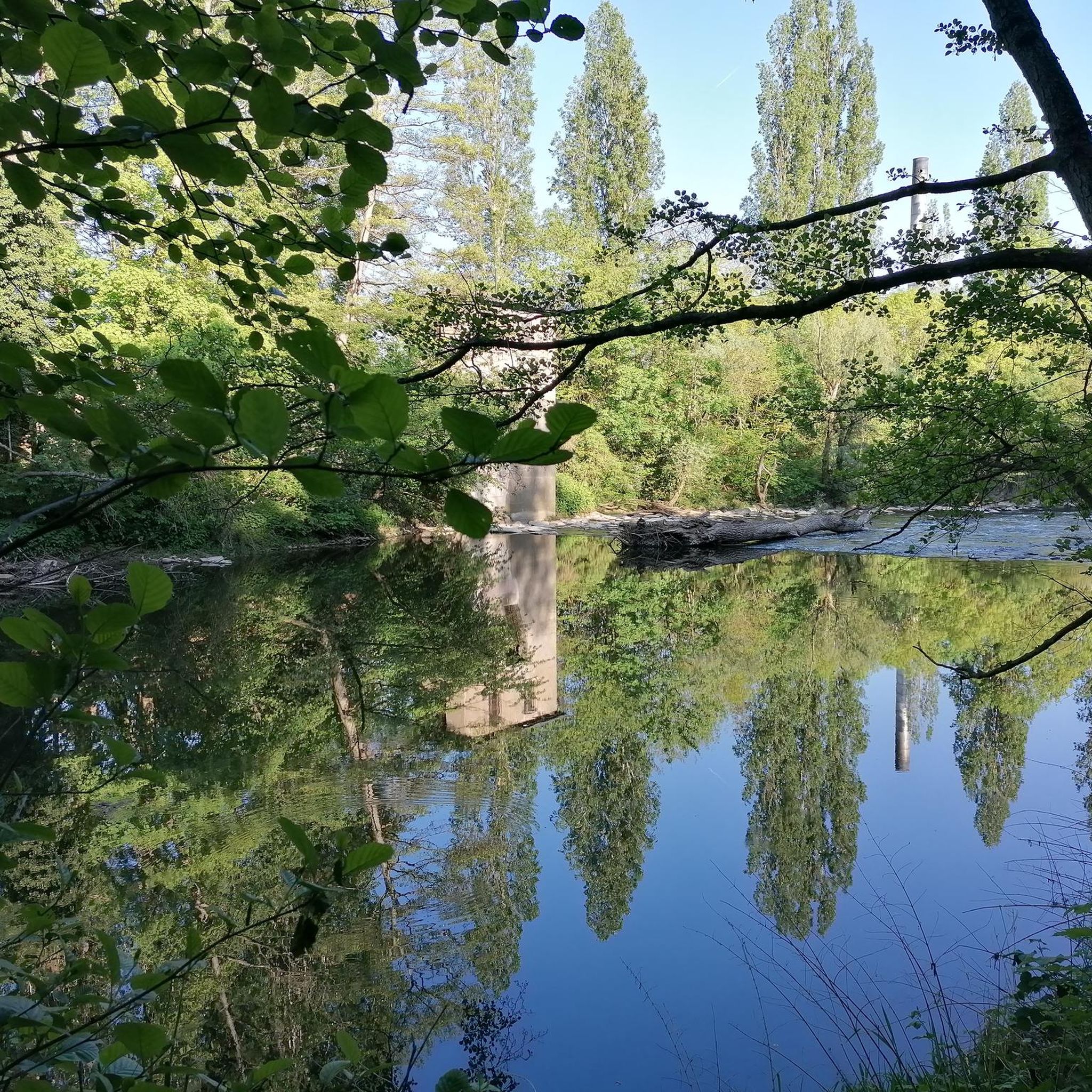


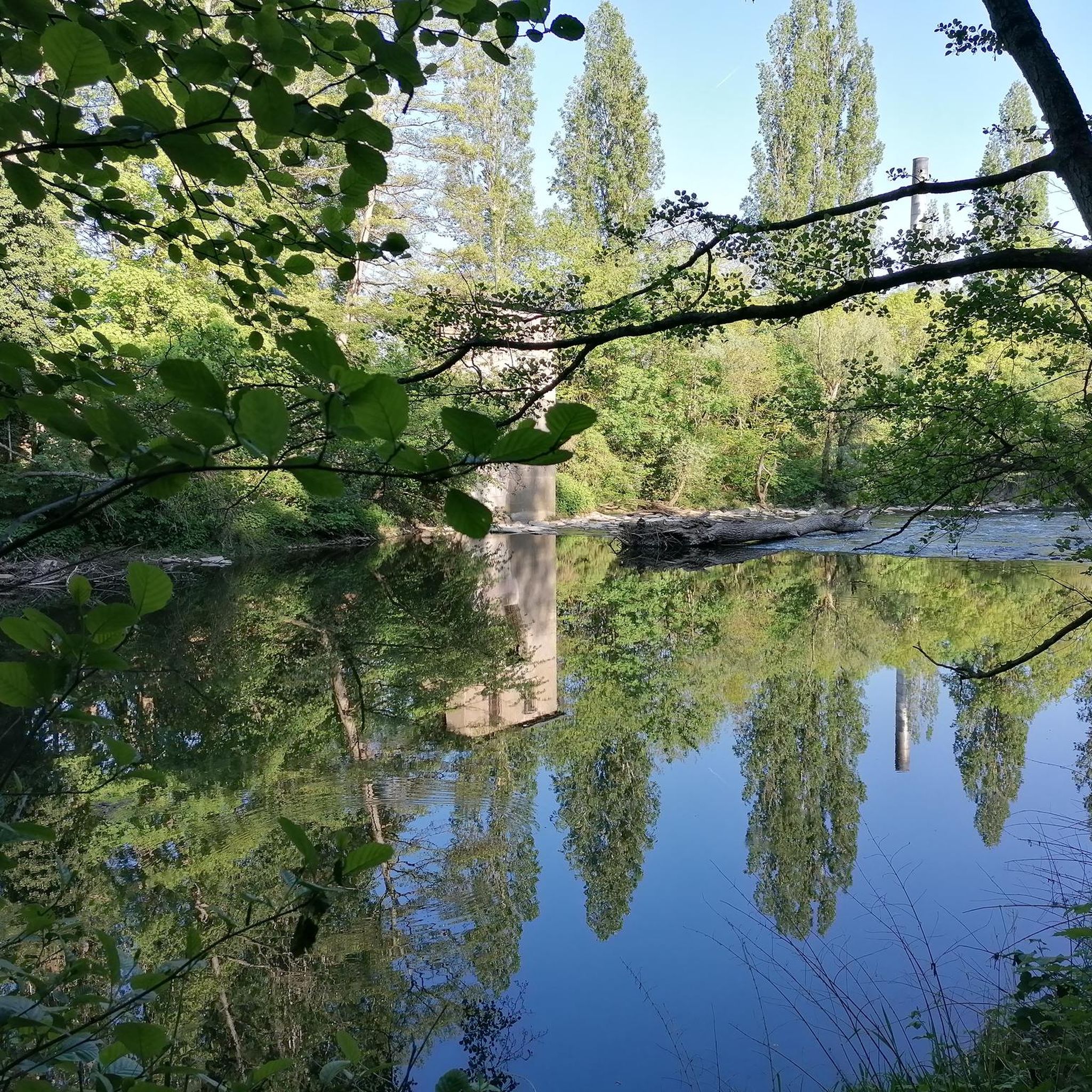
Tips from the Community

Along the Beech Trail, you'll discover some of the oldest trees on the estate, including Oak and the sprawling limbs of this Horse Chestnut, forming a natural arch over the path.
0
0


Devenish Monastic Site is generally considered to be the most important of Lough Erne's many island church settlements. Devenish was founded in the 6th century by St Molaise. It was raided by Vikings in 837 and burned in 1157, but in the Middle Ages flourished as the site of a parish church and St Mary's Augustinian Priory. There are extensive low earthworks on the hillside, but the earliest buildings are St Molaise's House (a very small church) and the fine round tower close by, both with striking Romanesque decorations from the 12th century. Teampull Mór, the lower church, dates from the early 13th century and has a beautifully moulded south window. It was extended to the east in about 1300, while later additions include a residential wing to the north and the Maguire Chapel to the south, with 17th century heraldic slabs. St Mary's Augustinian Priory on the hilltop dates from the middle 15th and early 16th centuries, with church, tower and small north cloister. In its graveyard stands an unusual, intricately-carved cross of the middle 15th century. - https://en.wikipedia.org/wiki/Devenish_Island - https://web.archive.org/web/20120224043140/http://www.culturenorthernireland.org/article.aspx?art_id=746
0
0
Founded by Saint Laisrén mac Nad Froích (aka St Molaise) in the 6th century, the monastic site was built on a pilgrimage route to Croagh Patrick. As you view the Island from Trory Pier you can see the 25 metre tall 12th century round tower standing majestically above the ruined buildings. The tower has wooden floors and can be climbed by the public via a series of ladders. The tower is decorated with 12th century romanesque features, the most unusual feature is a beaded cornice running around the top of tower with head sculpture featured above the bell-storey windows. - http://www.megalithicireland.com/Devenish%20Round%20Tower.html - https://archive.ph/20121224010315/http://www.ni-environment.gov.uk/places/monuments/devenish.shtml#selection-1091.0-1091.30
0
0

The magnificent Enniskillen Castle is situated in the heart of Enniskillen on the banks of the River Erne. The castle was founded in the 15th century by Hugh 'The Hospitable' Maguire and belonged to the Maguire family for centuries. Between 2007 and 2013 a massive refurbishment took place so that the castle could be opened to the public. Today you can explore the castle grounds and learn about this landmarks rich history.
1
0
Run past the beautiful Castle Coole, a magnificent 18th century manor house set in a gorgeous 1,200 acre wooded landscape park.
1
0

Castle Coole is one of the most magnificent Neo-classical houses in Ireland set in a 1,200 acre (490 ha) wooded estate. Built in the 18th century, the grand mansion was home to the Earls of Belmore. The 7th Earl Belmore gave the manion to the National Trust in 1951. The house was originally constructed as a summer retreat and cost £57,000, the equivalent of around £20 million today. It is set amongst beautiful parklands dotted with oak, ash and beech trees. Some of the land is given to local farmers to graze their cattle and sheep. You can visit the mansion and its grounds for an insight of how life would once have been for its wealthy inhabitants and their staff. Entrance to the grounds costs £5 per adult.
1
0
Built in the 16th century, Enniskillen Castle has many stories to tell – from Irish rebellions against English rule to sieges and protection from the threat of French invasion. In the 1950s, the castle was decommissioned as an army barracks and opened as a heritage centre. Today, you can visit the museum to learn about the region's history. The castle is open from 9.30am to 5pm (Monday to Friday) and from 11am - 5pm on weekends.
3
0
Frequently Asked Questions
What historical sites can I explore around Coolnashanton?
The region around Coolnashanton is rich in history. You can visit Enniskillen Castle, a 15th-century fortress on the River Erne that now houses two museums. Another significant site is Castle Coole, a magnificent 18th-century Neo-classical house set within a vast wooded estate. For ancient history, explore the Devenish Monastic Site on Devenish Island, featuring a well-preserved round tower and abbey ruins from the Early Christian period.
Are there natural attractions or viewpoints near Coolnashanton?
Yes, the Fermanagh Lakelands offer stunning natural beauty. You can discover the Ancient Chestnut Tree, a remarkable natural arch along a trail within the Castle Coole estate. The broader area is dominated by Lough Erne, a vast lake system perfect for scenic views and exploration. Other notable natural features include the Marble Arch Caves Global Geopark and the Cuilcagh Boardwalk, known as the 'Stairway to Heaven', offering panoramic vistas.
What family-friendly activities are available in the Coolnashanton area?
Many attractions around Coolnashanton are suitable for families. Enniskillen Castle provides an engaging historical experience for all ages. The expansive grounds of Castle Coole and the trails around the Ancient Chestnut Tree are perfect for family walks and exploring nature. The Marble Arch Caves also offer a fascinating underground adventure that children often enjoy.
Can I find hiking trails near these attractions?
Absolutely. The area around Coolnashanton and its attractions offers various hiking opportunities. For easy walks, you can explore trails like the Ancient Chestnut Tree loop from Castle Coole or the Lough Coole – Ancient Chestnut Tree loop from Enniskillen. You can find more options and detailed routes in the guide to Easy hikes around Coolnashanton.
What cycling routes are available around Coolnashanton?
Cyclists can enjoy a range of routes in the Fermanagh Lakelands. Options include challenging rides like the Derrygonnelly & Boho loop from Enniskillen or sections of The Kingfisher Cycle Trail. For more details on routes and their difficulty, refer to the guide on Cycling around Coolnashanton.
Are there opportunities for running or jogging near the attractions?
Yes, there are several running trails. You can find routes such as the Lough Coole and Castle Coole running loop from Enniskillen, or the shorter Race Course Lough via Forthill Park loop. Discover more running options in the guide to Running Trails around Coolnashanton.
What is the significance of Coolnashanton itself?
Coolnashanton is primarily recognized for an important archaeological discovery: the 'Coolnashanton Trumpet' (also known as the River Erne Horn). This bronze-bound, wooden trumpet, a significant artifact from the Early Christian period, was dredged from the River Erne near the townland in 1959.
What do visitors enjoy most about the attractions around Coolnashanton?
Visitors frequently appreciate the rich history and natural beauty of the area. The historical depth of sites like Enniskillen Castle and Castle Coole, combined with the serene landscapes of the Fermanagh Lakelands, are often highlighted. The community has shared 10 photos and given 8 upvotes to the attractions, indicating a positive experience.
Are there any unique cultural sites beyond castles and monastic ruins?
Beyond the prominent castles and monastic sites, the Fermanagh area offers other cultural experiences. Belleek Pottery, Ireland's oldest pottery, is renowned for its distinctive Parian China creations and is worth a visit. White Island, located in Lower Lough Erne, also features unique carved sandstone figures from an ancient church.
What is the best time of year to visit Coolnashanton and the Fermanagh Lakelands?
The Fermanagh Lakelands are beautiful year-round, but the spring and summer months (April to September) generally offer the most pleasant weather for outdoor activities like hiking, cycling, and exploring the islands on Lough Erne. During these months, attractions typically have extended opening hours, and boat tours are more readily available.
Where can I find amenities like cafes or pubs near the attractions?
The town of Enniskillen, where Enniskillen Castle and Castle Coole are located, serves as a central hub for amenities. You'll find a good selection of cafes, pubs, and restaurants there. Smaller villages around Lough Erne may also offer local establishments.
Is public transport available to reach attractions around Coolnashanton?
Public transport options are available, primarily connecting major towns like Enniskillen. From Enniskillen, local bus services can reach some nearby attractions, but for more remote sites like Devenish Island (which requires a ferry from Trory Point), or for greater flexibility, having your own transport is often recommended.

Get inspired with the komoot mobile app


Explore more
Still not found the Highlight you’re looking for? See guides of the top attractions in other regions:
