Attractions and Places To See around Castle Coole - Top 6
Best attractions and places to see around Castle Coole offer a blend of historical grandeur and natural beauty in County Fermanagh. The area features a significant Neo-classical mansion, extensive wooded parklands, and notable historical sites. Visitors can explore diverse landscapes, including lakes and ancient trees, alongside cultural landmarks. The estate is recognized for its well-managed parklands and rich habitat.
Best attractions and places to see around Castle Coole
- The most popular attractions is Enniskillen Castle, a historical site that…
Last updated: May 21, 2026
Enniskillen Castle
Highlight • Historical Site
In …
Tip by

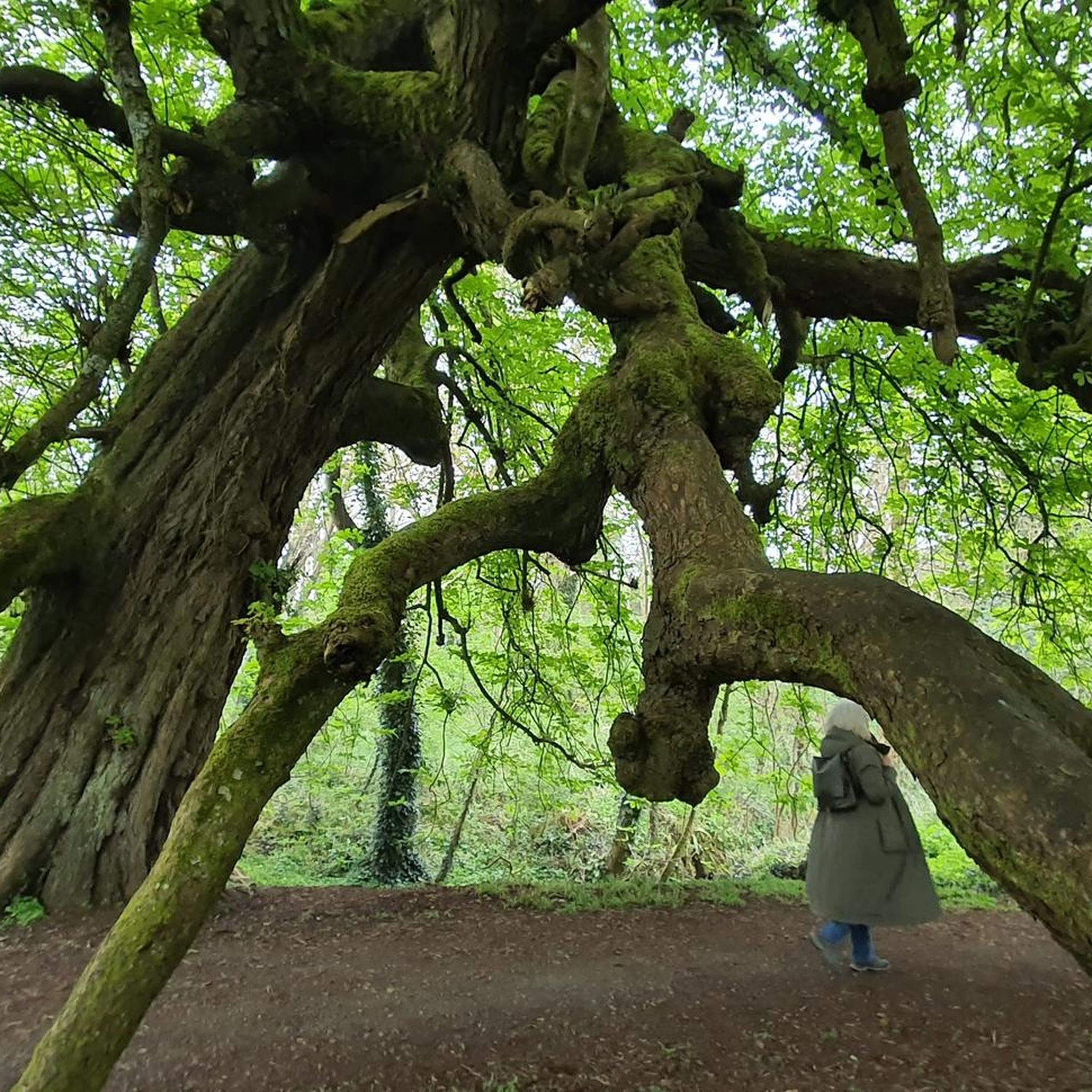
Ancient Chestnut Tree
Highlight • Forest
Tip by

Sign up now to discover places like this
Get recommendations on the best single tracks, peaks, & plenty of other exciting outdoor places.
Sign up for free
Castle Coole
Highlight • Castle
Tip by
Devenish Monastic Site
Highlight • Monument
Tip by

Devenish Island Round Tower
Highlight • Monument
Tip by
Sign up for free to discover even more attractions around Castle Coole.
Sign up for free
Already have an account?
Start today with a free account
Your next adventure awaits.
Login or Signup
Other adventures around Castle Coole

Tips from the Community

Along the Beech Trail, you'll discover some of the oldest trees on the estate, including Oak and the sprawling limbs of this Horse Chestnut, forming a natural arch over the path.
0
0


Devenish Monastic Site is generally considered to be the most important of Lough Erne's many island church settlements. Devenish was founded in the 6th century by St Molaise. It was raided by Vikings in 837 and burned in 1157, but in the Middle Ages flourished as the site of a parish church and St Mary's Augustinian Priory. There are extensive low earthworks on the hillside, but the earliest buildings are St Molaise's House (a very small church) and the fine round tower close by, both with striking Romanesque decorations from the 12th century. Teampull Mór, the lower church, dates from the early 13th century and has a beautifully moulded south window. It was extended to the east in about 1300, while later additions include a residential wing to the north and the Maguire Chapel to the south, with 17th century heraldic slabs. St Mary's Augustinian Priory on the hilltop dates from the middle 15th and early 16th centuries, with church, tower and small north cloister. In its graveyard stands an unusual, intricately-carved cross of the middle 15th century. - https://en.wikipedia.org/wiki/Devenish_Island - https://web.archive.org/web/20120224043140/http://www.culturenorthernireland.org/article.aspx?art_id=746
0
0
Founded by Saint Laisrén mac Nad Froích (aka St Molaise) in the 6th century, the monastic site was built on a pilgrimage route to Croagh Patrick. As you view the Island from Trory Pier you can see the 25 metre tall 12th century round tower standing majestically above the ruined buildings. The tower has wooden floors and can be climbed by the public via a series of ladders. The tower is decorated with 12th century romanesque features, the most unusual feature is a beaded cornice running around the top of tower with head sculpture featured above the bell-storey windows. - http://www.megalithicireland.com/Devenish%20Round%20Tower.html - https://archive.ph/20121224010315/http://www.ni-environment.gov.uk/places/monuments/devenish.shtml#selection-1091.0-1091.30
0
0

The magnificent Enniskillen Castle is situated in the heart of Enniskillen on the banks of the River Erne. The castle was founded in the 15th century by Hugh 'The Hospitable' Maguire and belonged to the Maguire family for centuries. Between 2007 and 2013 a massive refurbishment took place so that the castle could be opened to the public. Today you can explore the castle grounds and learn about this landmarks rich history.
1
0
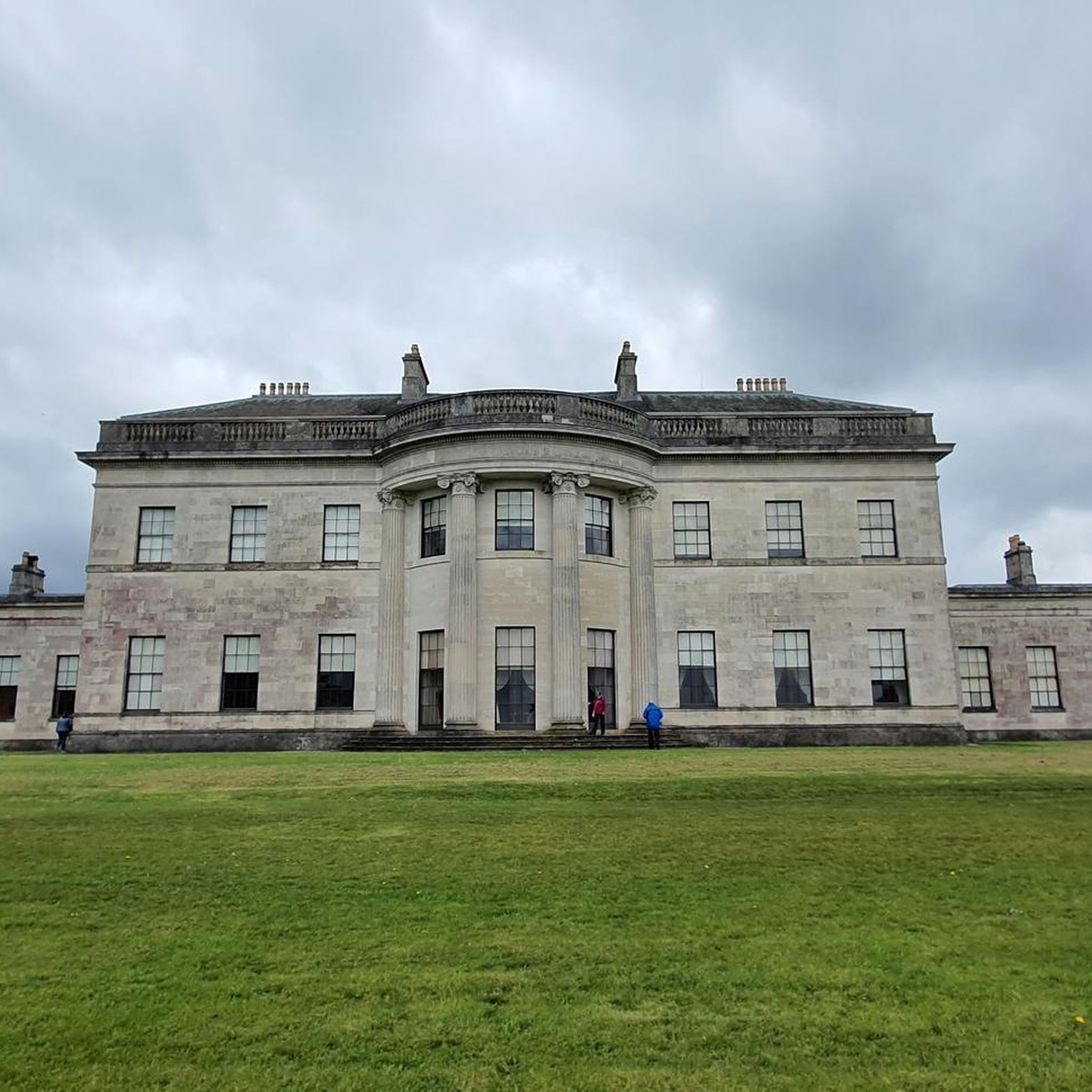
Run past the beautiful Castle Coole, a magnificent 18th century manor house set in a gorgeous 1,200 acre wooded landscape park.
1
0

Castle Coole is one of the most magnificent Neo-classical houses in Ireland set in a 1,200 acre (490 ha) wooded estate. Built in the 18th century, the grand mansion was home to the Earls of Belmore. The 7th Earl Belmore gave the manion to the National Trust in 1951. The house was originally constructed as a summer retreat and cost £57,000, the equivalent of around £20 million today. It is set amongst beautiful parklands dotted with oak, ash and beech trees. Some of the land is given to local farmers to graze their cattle and sheep. You can visit the mansion and its grounds for an insight of how life would once have been for its wealthy inhabitants and their staff. Entrance to the grounds costs £5 per adult.
1
0
Built in the 16th century, Enniskillen Castle has many stories to tell – from Irish rebellions against English rule to sieges and protection from the threat of French invasion. In the 1950s, the castle was decommissioned as an army barracks and opened as a heritage centre. Today, you can visit the museum to learn about the region's history. The castle is open from 9.30am to 5pm (Monday to Friday) and from 11am - 5pm on weekends.
3
0
Frequently Asked Questions
What historical sites can I explore around Castle Coole?
Beyond the magnificent Castle Coole mansion, you can visit Enniskillen Castle, a 16th-century fortress on the River Erne with a rich history of rebellions and sieges, now housing a museum. Another significant site is the Devenish Monastic Site, founded in the 6th century by St Molaise, featuring ancient church ruins and a well-preserved round tower.
Are there walking trails within the Castle Coole estate?
Yes, the estate offers extensive wooded parklands with several walking trails. The Castle Coole Lake Walk is a gentle 1.1-mile (1.76 km) path encircling Lough Coole, providing scenic views of the mansion. The Castle Coole Beech Trail, ranging from 0.5 to 1.2 miles (0.8 to 1.92 km), takes you through ancient Beech Wood, past the historic Ice House and the sprawling Ancient Chestnut Tree.
What natural features can I see at Castle Coole?
Castle Coole is set within a sprawling wooded estate featuring several lakes, including Lough Coole, Lough Yoan, and Brendrum Lough. As an Area of Special Scientific Interest (ASSI), the parkland is home to diverse wildlife and flora. You can spot seasonal wildlife and various plant species like wood anemone, bluebell, primrose, and the unique bird's nest orchid. The estate also boasts native oak, beech, and ash trees, and from elevated points, you can enjoy views of Topped Mountain.
Are there family-friendly activities available at Castle Coole?
Yes, Castle Coole is family-friendly. Besides exploring the mansion and its grounds, there's a recently upgraded play area near the car park for younger visitors. The gentle walking trails, such as the Castle Coole Lake Walk and Beech Trail, are suitable for families to enjoy the natural surroundings and spot wildlife. The Ancient Chestnut Tree, forming a natural arch, is also a popular spot for children.
Can I bring my dog to Castle Coole?
The Castle Coole estate generally welcomes dogs, particularly on its extensive walking trails through the parkland. It's always recommended to keep dogs on a lead to protect wildlife and ensure a pleasant experience for all visitors. Specific restrictions might apply to the mansion interior or certain areas, so check local signage upon arrival.
What kind of outdoor activities can I do near these attractions?
The area around Castle Coole offers various outdoor activities. You can find numerous running trails, including loops around Lough Coole and Enniskillen. For hiking, there are easy routes like the Ancient Chestnut Tree loop or longer trails around Enniskillen Castle. You can explore these options and more in the komoot guides for Running Trails around Castle Coole and Hiking around Castle Coole.
What is the best time of year to visit Castle Coole?
Castle Coole offers beauty throughout the year. Spring brings vibrant wildflowers like wood anemone and bluebells, while autumn showcases stunning foliage in the wooded parklands. Summer is ideal for enjoying the full estate and longer walks. The mansion tours are typically available during specific seasons, so check their schedule if you plan to go inside.
What is unique about the architecture and interior of Castle Coole mansion?
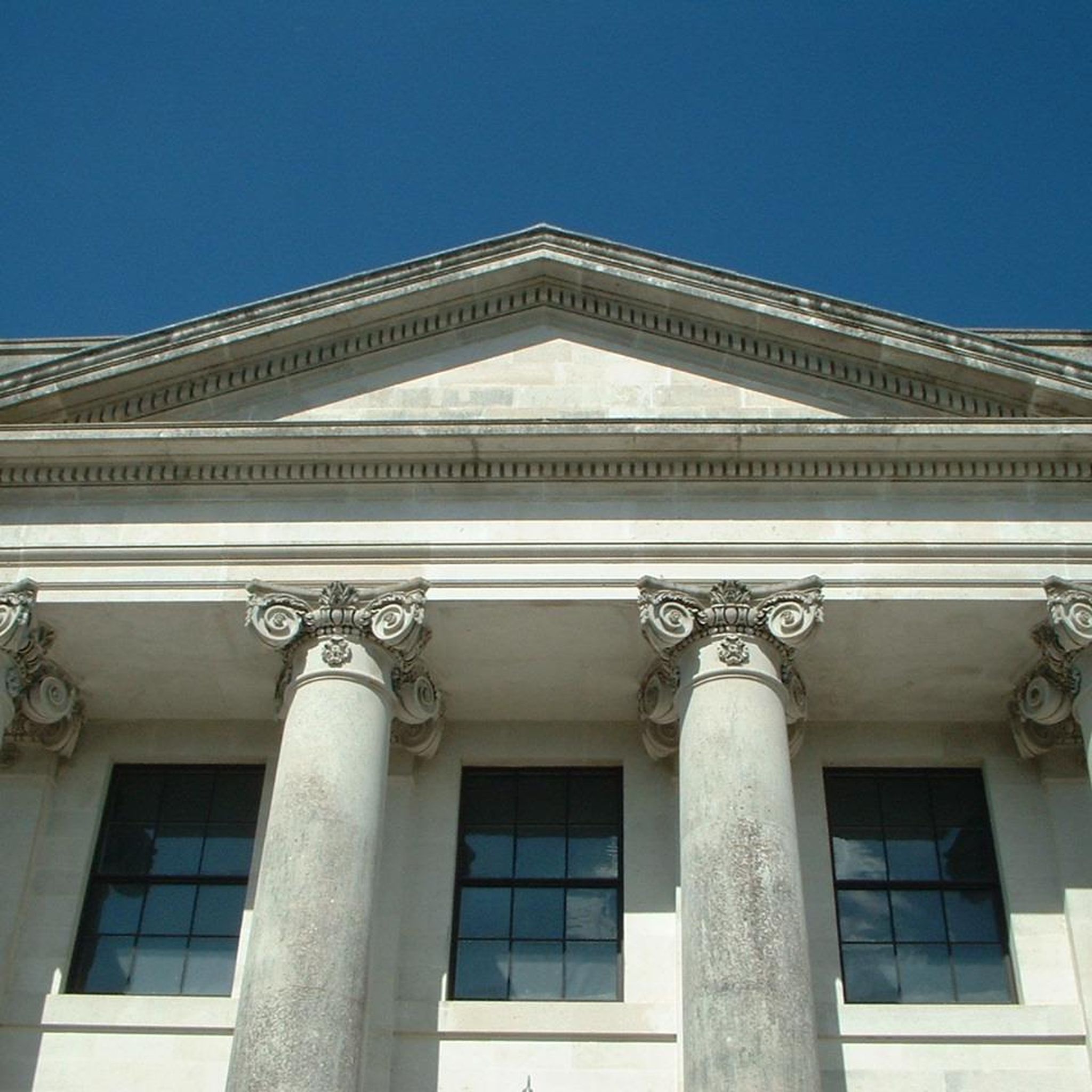
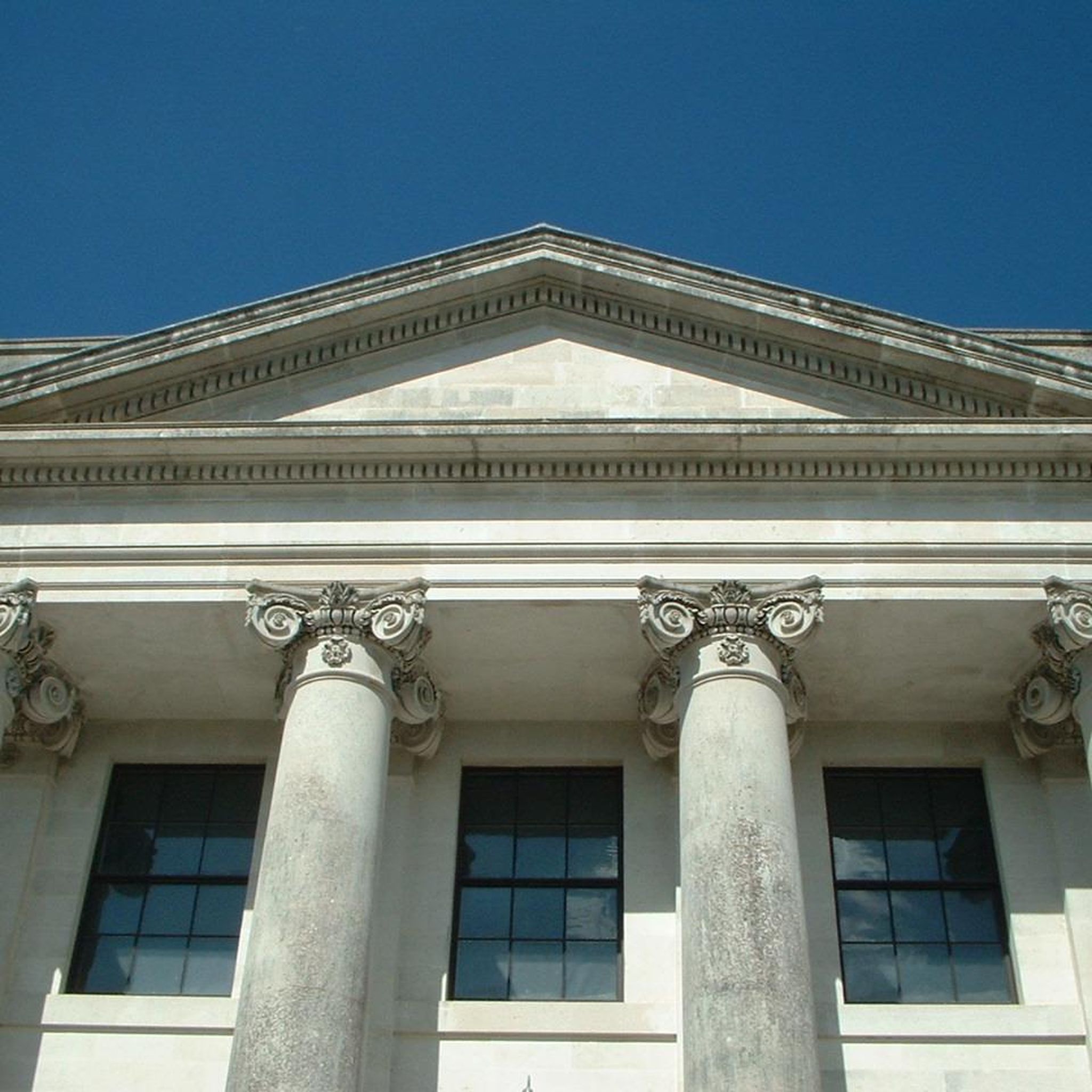
The Castle Coole mansion is a prime example of late 18th-century Neo-classical architecture, designed by James Wyatt. It features perfectly symmetrical Portland stone facades and an Ionic style portico. Inside, guided tours reveal opulent Regency furnishings, a fine collection of paintings, and elaborate plasterwork. A notable feature is the state bedroom, famously prepared for King George IV, and the extensive servants' quarters, including a unique 260-foot service tunnel.
Are there facilities like cafes or shops at Castle Coole?
Yes, the former candle factory (tallow house) in the Grand Yard now serves as the gift shop and reception area. While the guide doesn't specify a cafe on-site, Enniskillen, being very close, offers numerous cafes and pubs for refreshments and meals.
What are the historical elements beyond the main mansion at Castle Coole?
The estate holds several historical elements. The Grand Yard once housed essential estate buildings like stables and a dairy. You can also find an 18th-century Ice House, used to store ice for food preservation, and a Pump House that supplied water to the main house. The landscape also reveals evidence of earlier residences and a formal garden, with sites of a 17th-century house and bawn designated as Scheduled Historic Monuments.
What do visitors enjoy most about Castle Coole?
Visitors frequently praise the magnificent Neo-classical mansion and its opulent interiors, offering a glimpse into 18th-century aristocratic life. The extensive 1,200-acre wooded parklands are highly appreciated for their beauty, tranquility, and well-maintained walking trails, especially the scenic Lough Coole and Beech trails. The historical significance and the opportunity to explore both grandeur and nature are key highlights for many.
Most popular routes around Castle Coole

Get inspired with the komoot mobile app


Explore more
Still not found the Highlight you’re looking for? See guides of the top attractions in other regions:
