The best running trails around Absam
4.4
(17)
504
runners
45
runs
Jogging routes around Absam are set against the backdrop of the Karwendel Mountains in Tyrol, Austria. The region features diverse terrain, from the expansive Karwendel Nature Park with its varied paths to the wild Halltal Valley. Joggers can find routes through mountainous areas, offering opportunities for challenging uphill runs, as well as more gentle paths through fields and footpaths directly above the village. This varied landscape provides a range of running experiences.
Best jogging routes around Absam
- The most popular…
Last updated: June 27, 2026
4.3
(3)
60
runners
9.50km
01:09
210m
210m
Hard run. Good fitness required. Sure-footedness, sturdy shoes and alpine experience required.
47
runners
9.73km
01:07
230m
230m
Moderate run. Good fitness required. Mostly paved surfaces. Suitable for all skill levels.

Sign up for free
5.0
(2)
45
runners
9.18km
01:00
140m
140m
Hard run. Good fitness required. Sure-footedness, sturdy shoes and alpine experience required.
4.0
(1)
31
runners
14.8km
01:54
460m
460m
Hard run. Very good fitness required. Sure-footedness, sturdy shoes and alpine experience required.
5.0
(1)
23
runners
12.6km
01:26
290m
290m
Moderate run. Good fitness required. Mostly paved surfaces. Suitable for all skill levels.
Get access to more routes and recommendations from other explorers.
Sign up for free
Already have an account?
Our route recommendations are based on thousands of hikes, rides, and runs completed by other people on komoot.
Start today with a free account
Your next adventure awaits.
Login or Signup
Popular around Absam
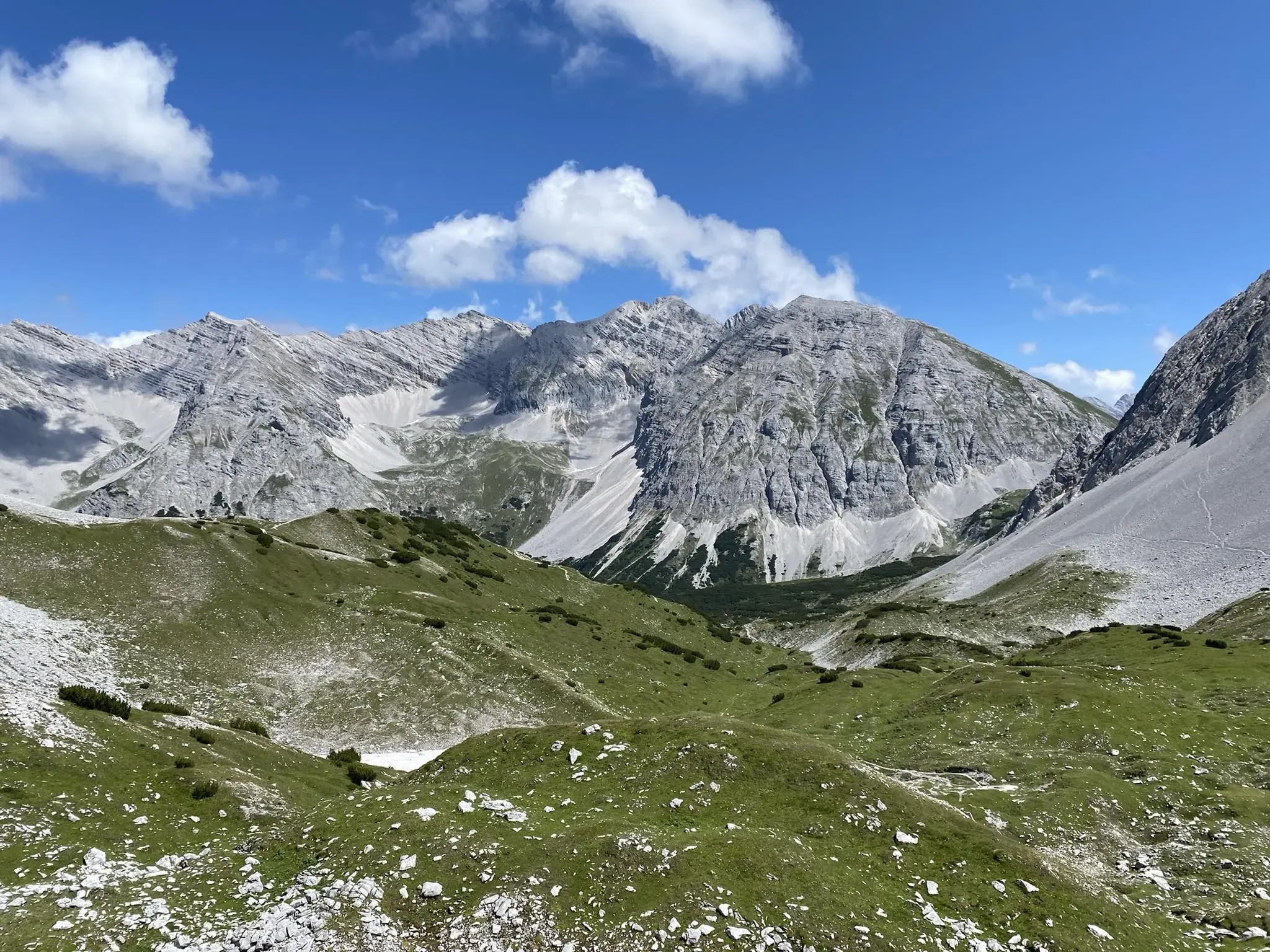
Karwendel crossing – Innsbruck to Sylvensteinspeicher
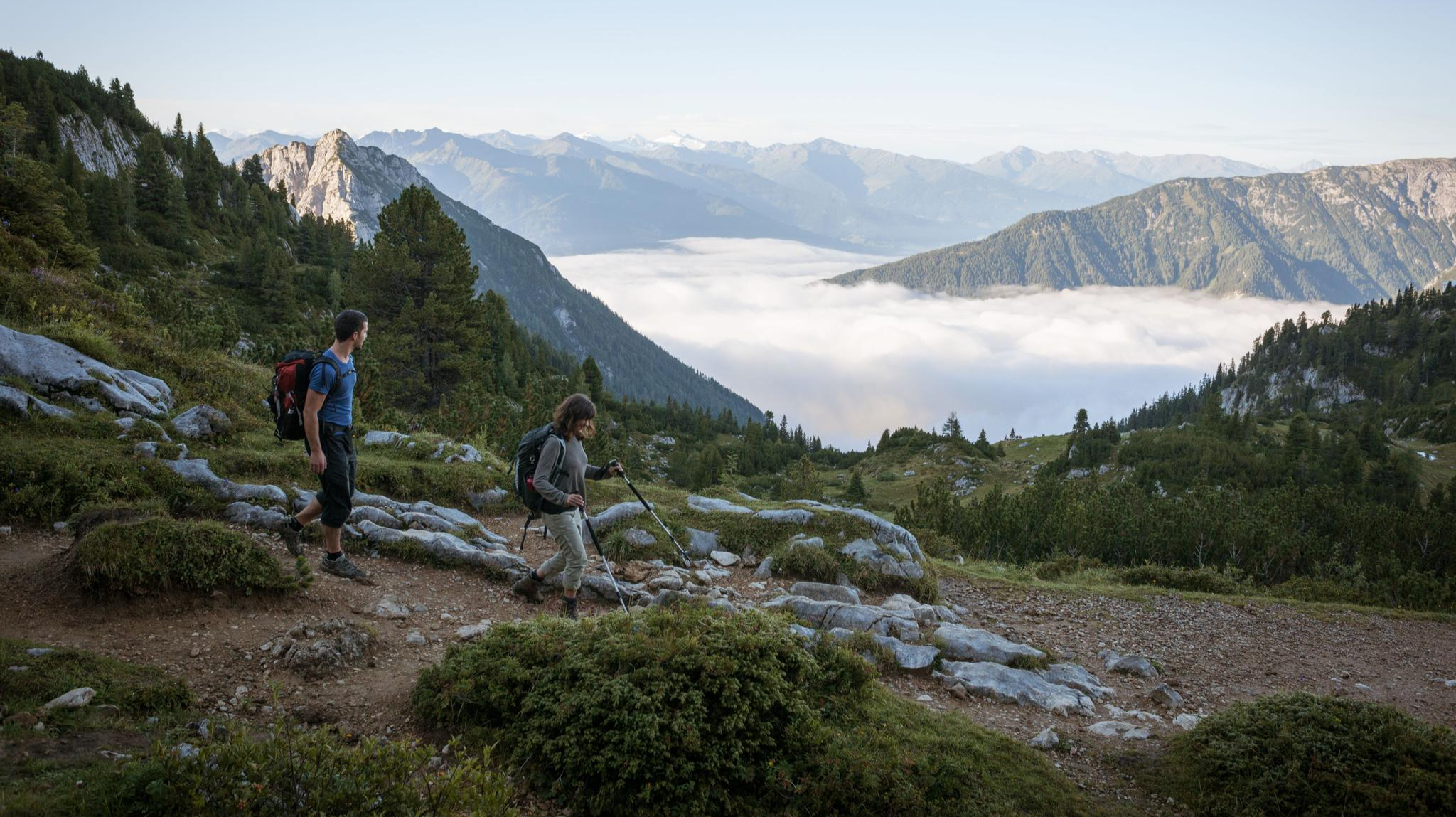
Eagle Walk – Majestic hiking along Tirol's trail
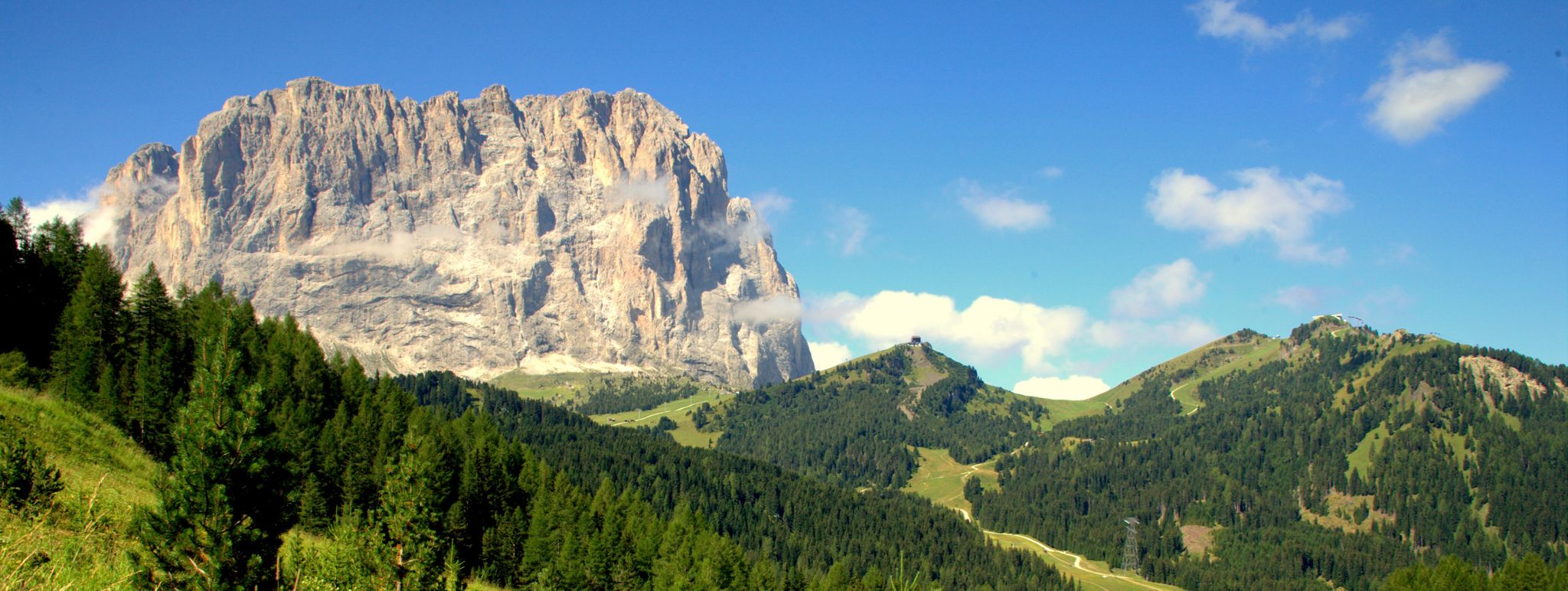
Via Venezia Alpina – hiking across the Alps to the Adriatic Sea
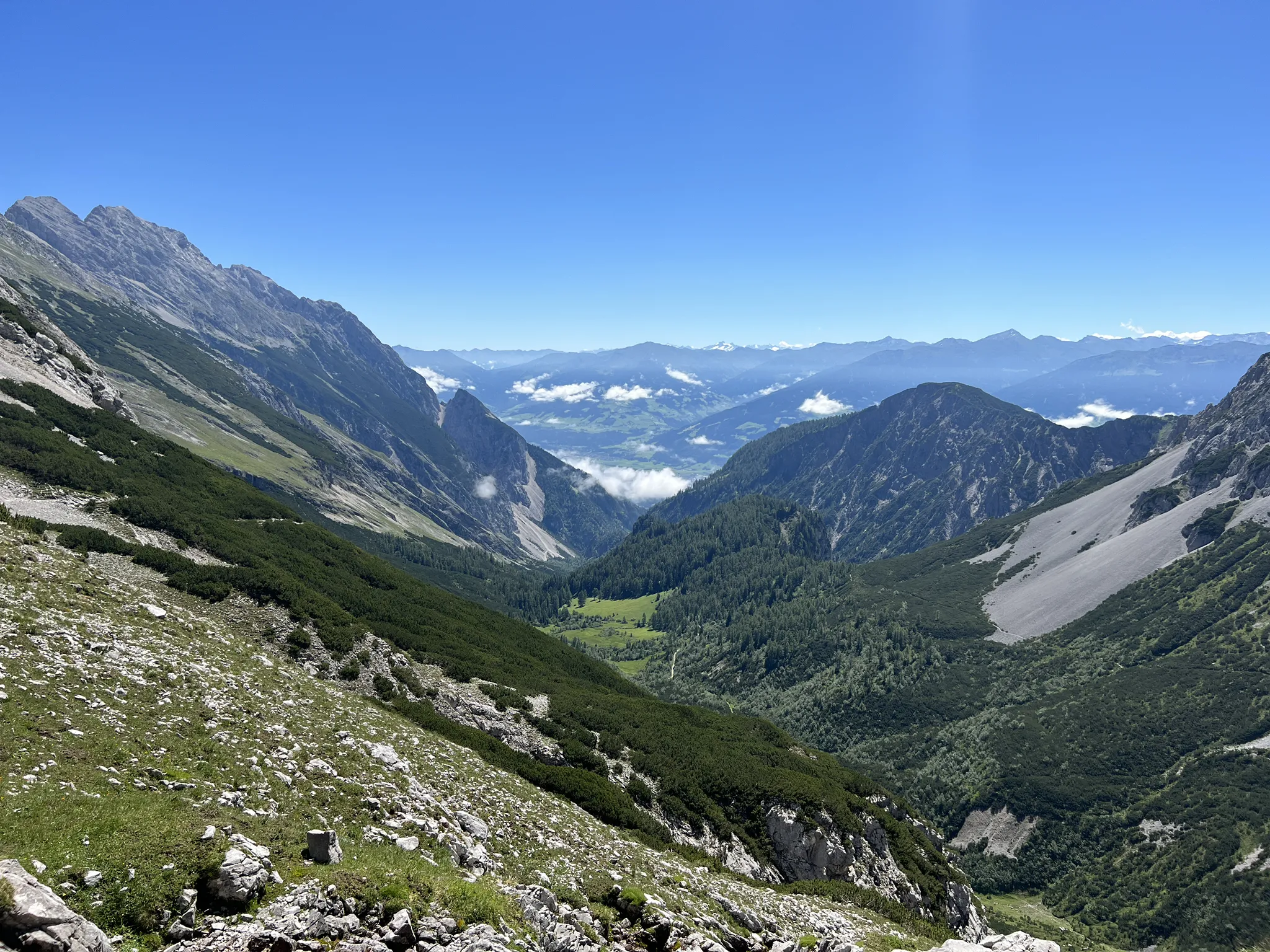
The Karwendel Trail – Discover Austria's largest national park
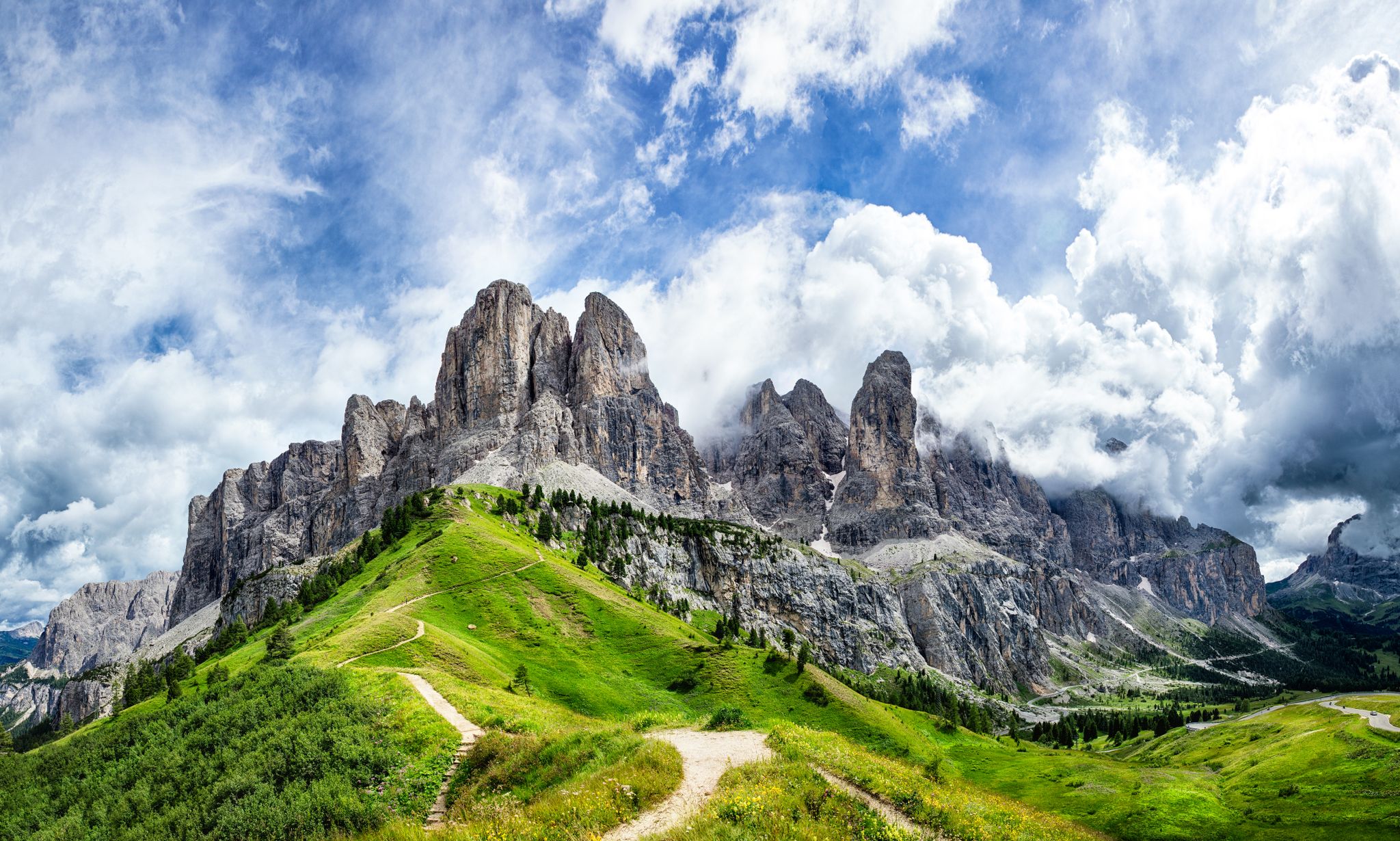
The "Dream Path" hiking trail – From Munich to Venice in 28 stages
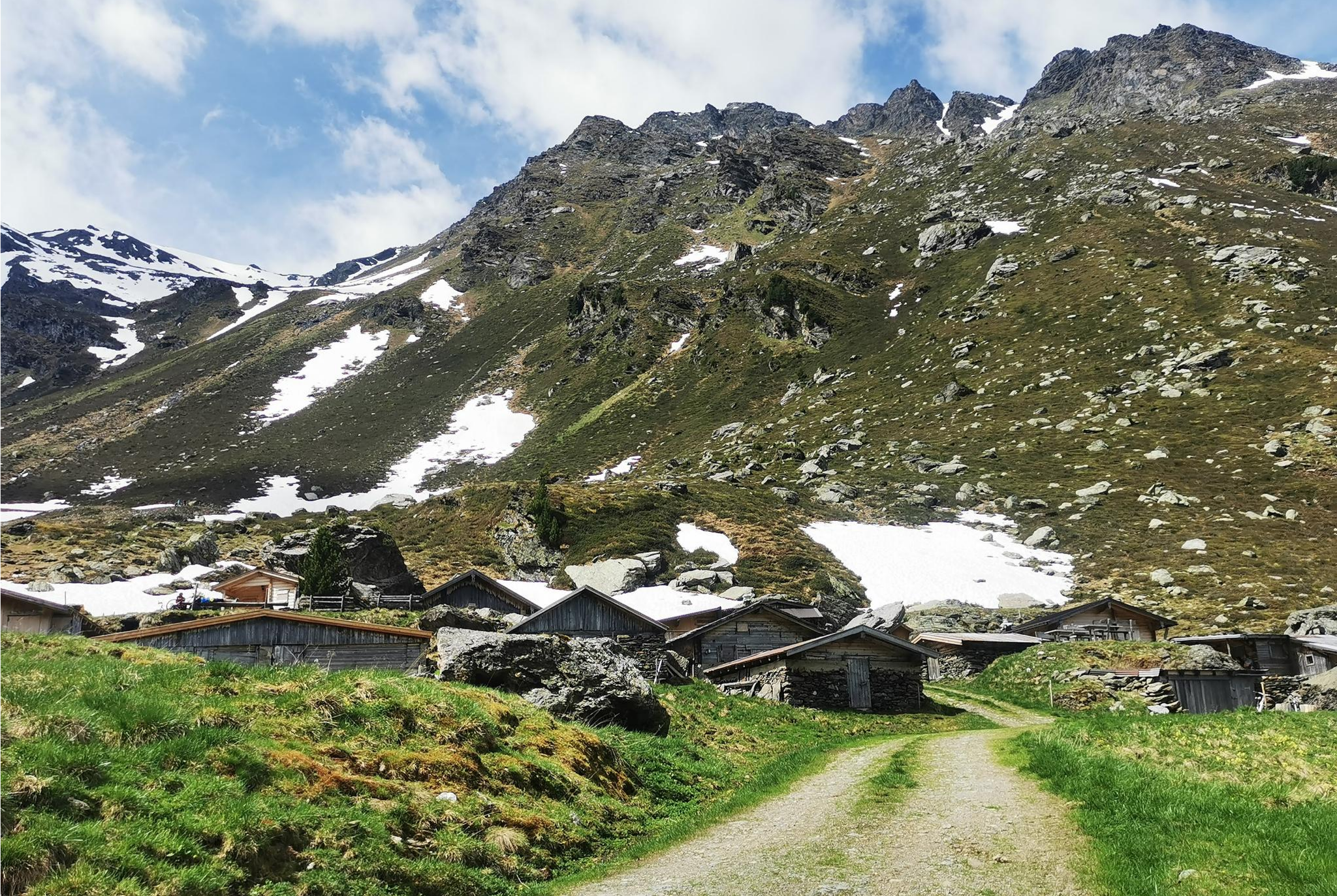
From Alm to Alm – superb hikes in the Hall-Wattens Region
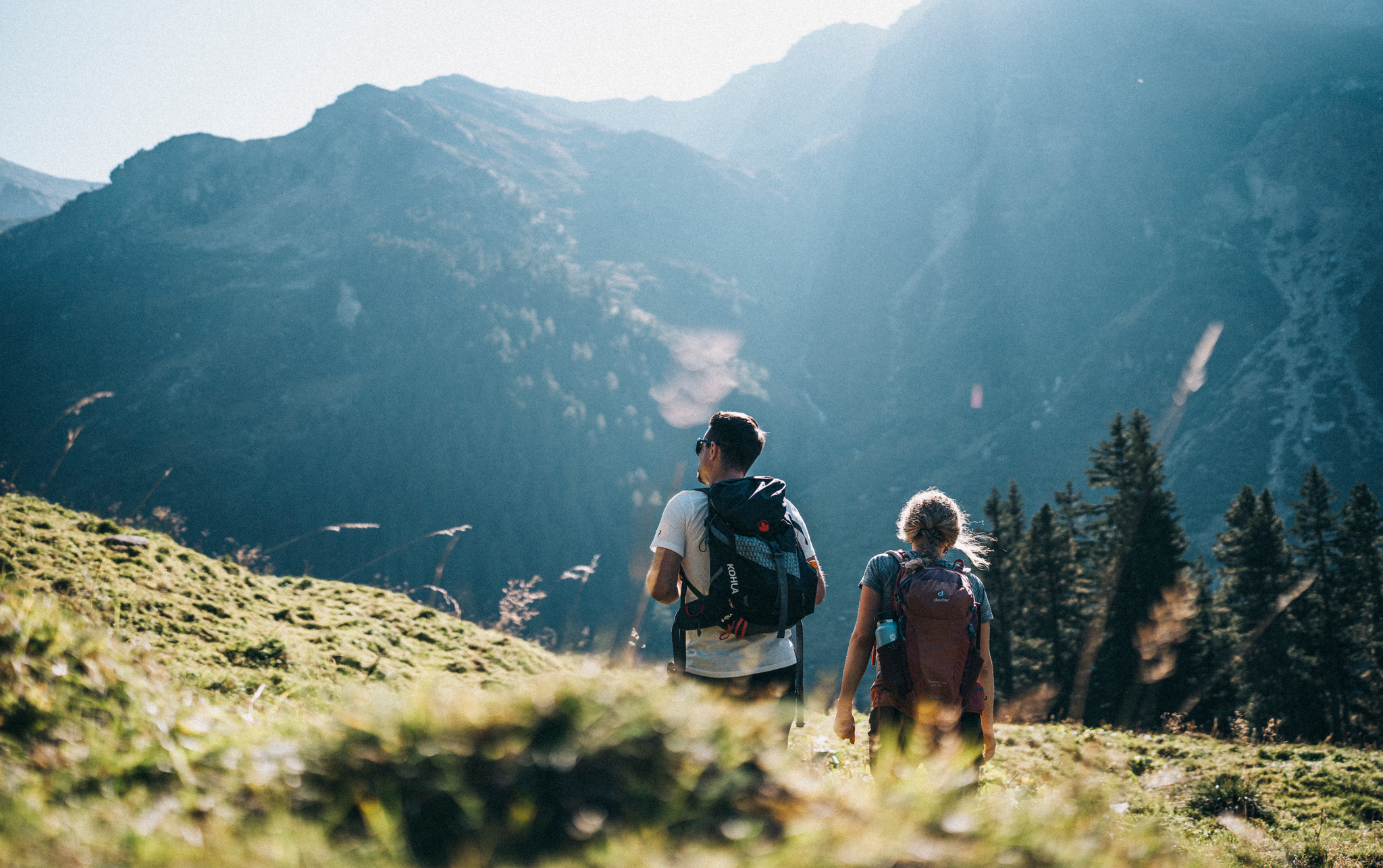
The most beautiful autumn hikes in Hall-Wattens
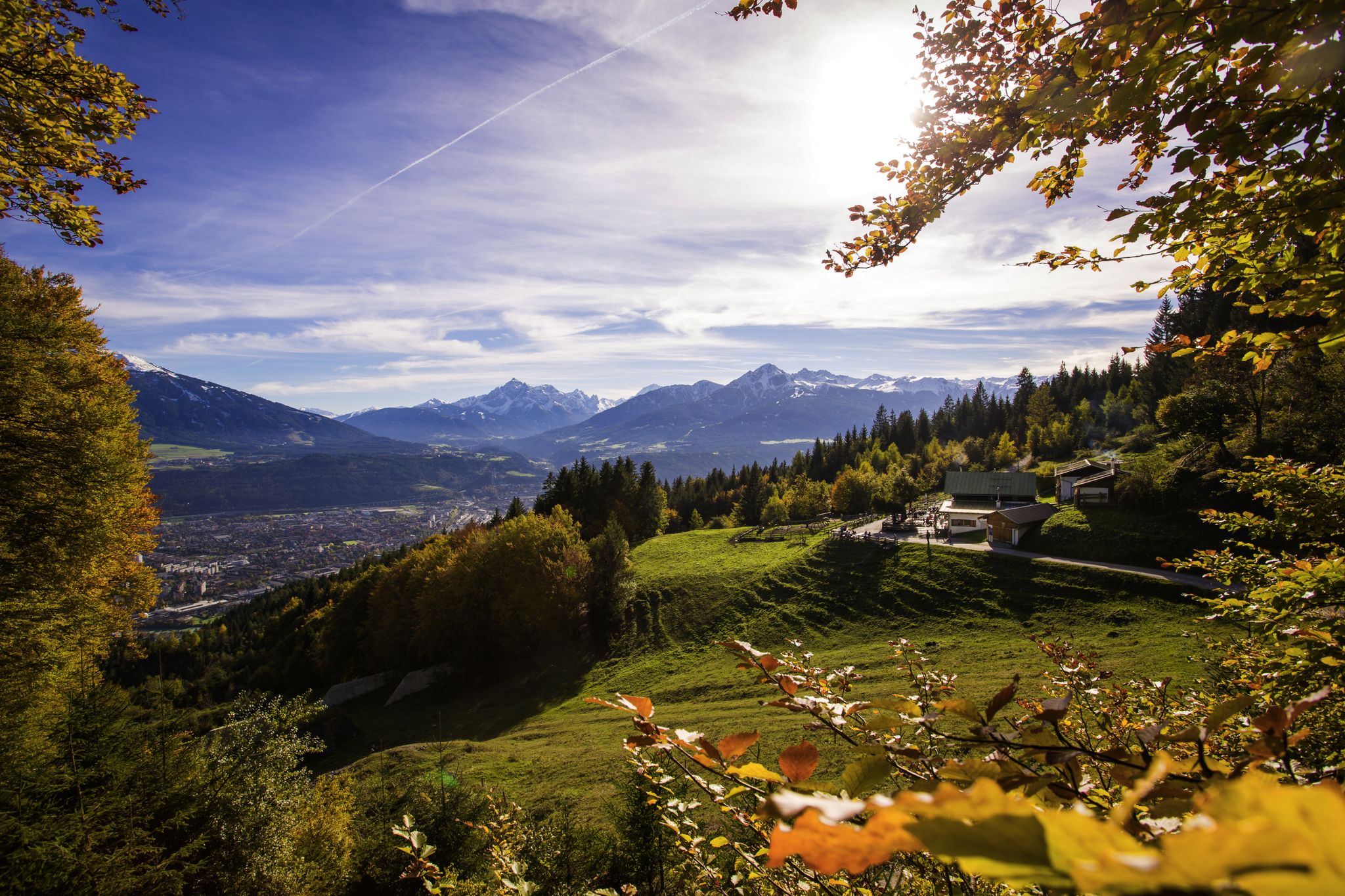
Mountainbiking in the Inntal – Alps and Views in the Naturpark Karwendel
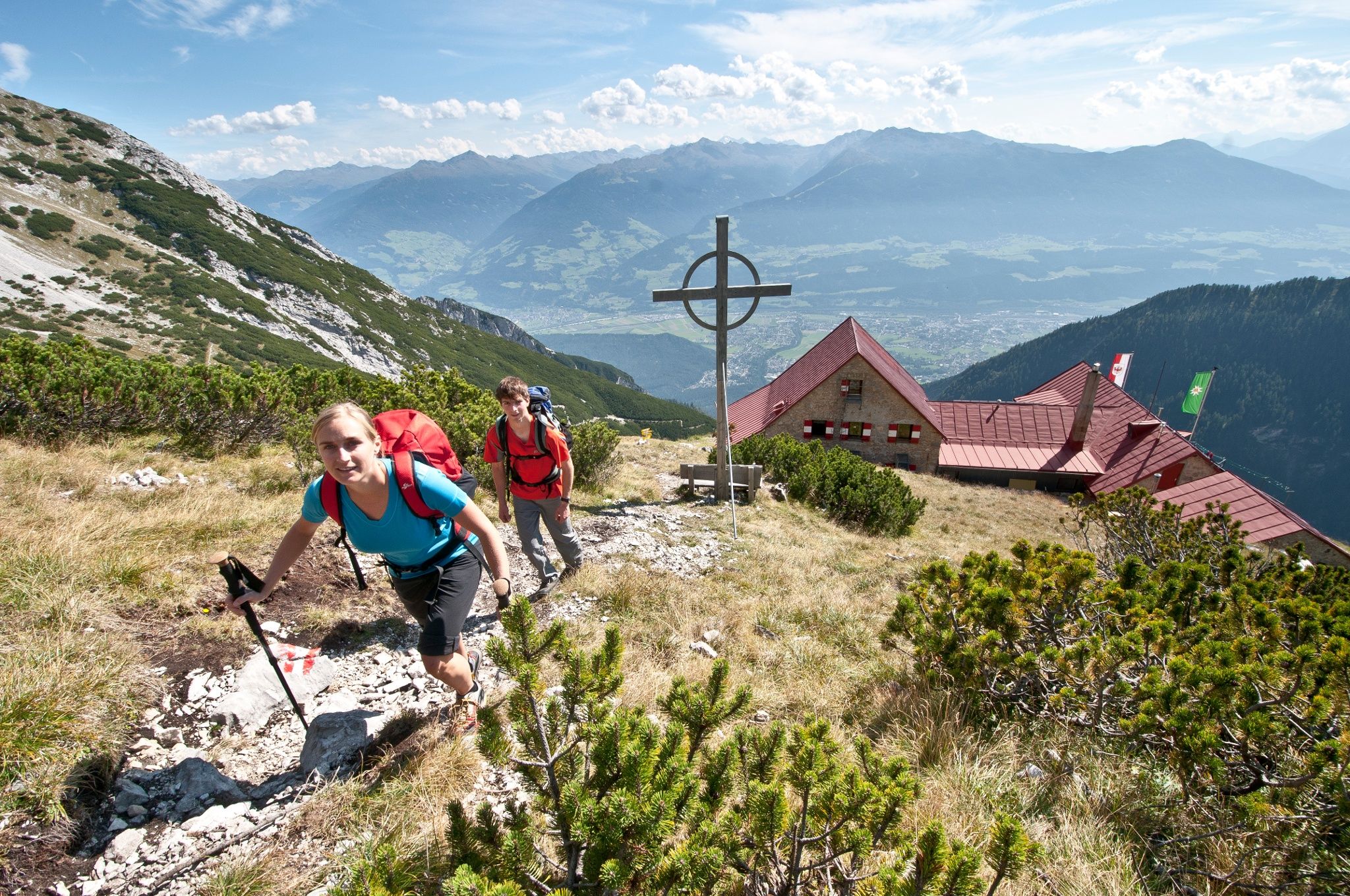
Multi-day WÖFFI mountain hikes in Karwendel
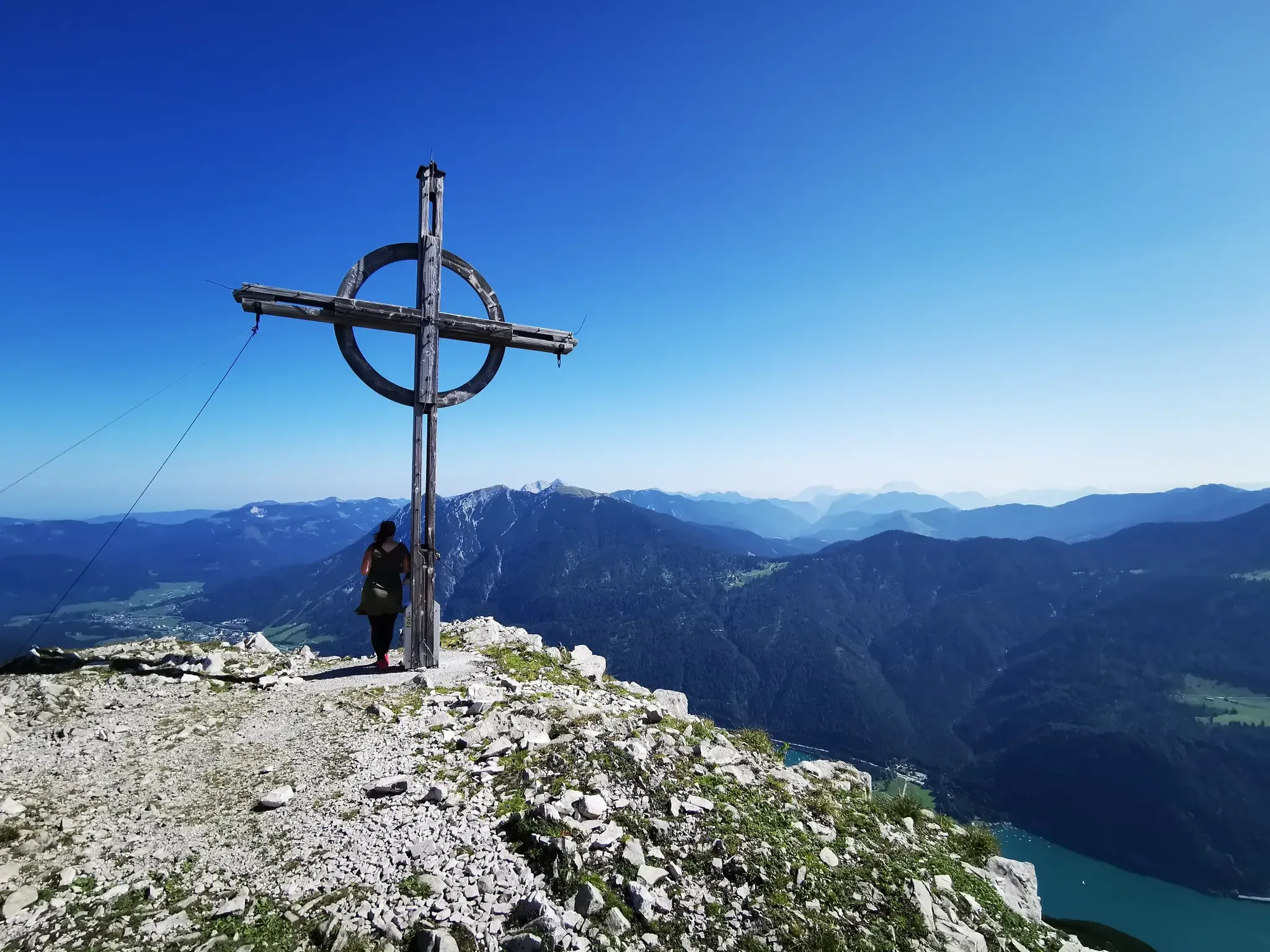
Peak happiness and wide views: WÖFFI-mountain tours in the Karwendel Nature Park
Other adventures around Absam


Tips from the Community

History of St. Martin in Gnadenwald As early as the 11th century, a hunting lodge with a chapel in honor of Saint Martin is said to have stood on the site of the present-day monastery. The first documented mention is in a will from 1337 by the Tyrolean court master Heinrich von Rottenburg. A second mention occurred in 1382. Around the same time or not long after, a hermitage was founded here, inhabited by two forest brothers. Magdalena Getzner, the daughter of the wealthy Hall citizen Jörg Perl, entered the St. Magdalena monastery in Halltal together with her daughter in 1486. This was possible because her father donated a considerable amount to the St. Magdalena monastery annually. The daughter of Magdalena Getzner, also named Magdalena, had health problems, probably a mental disability, which is why the bishop allowed her to leave the St. Magdalena monastery and settle in a healthy place in monastic habit. Magdalena Getzner and her daughter now chose St. Martin in Gnadenwald as their new place of residence. This is evidenced by a document from 1497 from the Baumkirchen parish archive. In addition, some sisters went with them to St. Martin, so that a monastery was established there, with Magdalena Getzner the Elder as its abbess. On October 7, 1520, the Augustinian monastery in St. Martin in Gnadenwald burned down. The 30 nuns found refuge in the St. Salvator chaplaincy in Hall and remained there until 1566. The era of the Peasants' Wars and the Reformation was not the age for rebuilding burnt-down monasteries. Thus In 1826, the entire little church was renovated, and in 1836 it received a new high altar with an altarpiece, presumably by Arnold Schöpf. The frescoes by Milldorfer remained. During the Nazarene period, the little monastery received its Christmas nativity scene with figures over 80 cm tall. In 1935, the Tertiary Sisters from Hall moved into the cells that had been vacant for so long, and since 1939 they have operated a guesthouse here. This was a valuable place of refreshment, especially for pilgrims during their hikes. Unfortunately, the rental business was discontinued in 2019, and the Tertiary Sisters no longer live in the monastery. Text / Source: Hall-Wattens Tourism, Unterer Stadtplatz 19, Hall in Tirol https://www.hall-wattens.at/de/st-martin-in-gnadenwald.html
9
0
History of the founding of St. Martin in Gnadenwald As early as the 11th century, a hunting lodge with a chapel in honor of St. Martin is said to have stood on the site of the present-day monastery. The first documented mention dates back to 1337 in a will of the Tyrolean court master Heinrich von Rottenburg. A second mention occurred in 1382. Around the same time or not long after, a hermitage was also founded here, inhabited by two forest brothers. The daughter Magdalena Getzner of the wealthy Hall citizen Jörg Perl entered the monastery of St. Magdalena in Halltal together with her daughter in 1486. This was possible because her father annually donated a considerable sum to the monastery of St. Magdalena. The daughter of Magdalena Getzner, also named Magdalena, had health problems, probably a mental disability, which is why the bishop allowed her to leave the monastery of St. Magdalena and settle in a healthy location in monastic habit. Magdalena Getzner and her daughter now chose St. Martin in Gnadenwald as their new place of residence. This is evidenced by a document from 1497 from the parish archive of Baumkirchen. In addition, some sisters went with them to St. Martin, so that a monastery was established there, of which Magdalena Getzner the Elder became the abbess. On October 7, 1520, the Augustinian monastery in St. Martin in Gnadenwald burned down. The 30 nuns found refuge in the St. Salvator chaplaincy in Hall and remained there until 1566. The era of the Peasants' Wars and the Reformation was not the age for rebuilding burnt-down monasteries. Thus In 1826, the entire chapel was renovated, and in 1836 it received a new high altar with an altarpiece, presumably by Arnold Schöpf. The frescoes by Milldorfer remained. During the Nazarene period, the small monastery received its Christmas nativity scene with figures over 80 cm tall. In 1935, the Tertiary Sisters from Hall moved into the long-vacant cells and operated a guesthouse here from 1939 onwards. This was a valuable place of rest for pilgrims during their journey. Unfortunately, the rental was discontinued in 2019, and the Tertiary Sisters no longer live in the monastery. Text / Source: Hall-Wattens Tourism, Unterer Stadtplatz 19, Hall in Tirol https://www.hall-wattens.at/de/st-martin-in-gnadenwald.html
9
0
Kloster St. Martin in Gnadenwald That St. Martin in Gnadenwald was chosen as one of our places of power is actually self-evident. When you arrive there, you already feel the special aura of this place. Primarily, St. Martin is a place of recreation – both physical and spiritual. In our fast-paced times, "coming to rest" is extremely important. The Cretan or classical stone labyrinth located to the left below the monastery symbolizes the human path of life. Labyrinths have been found in many cultures for more than 5000 years and are shaped by the need for inner peace and home. Text / Source: Hall-Wattens Tourismus, Unterer Stadtplatz 19, Hall in Tirol https://www.hall-wattens.at/de/st-martin-in-gnadenwald.html
9
0
Kloster St. Martin in Gnadenwald That St. Martin in Gnadenwald was chosen as one of our places of power is actually self-evident. When you arrive there, you already feel the special aura of this place. Primarily, St. Martin is a place of recreation - both physical and mental. In our fast-paced times, "finding peace" is extremely important. The Cretan or classical stone labyrinth positioned to the left below the monastery symbolizes the human life path. Labyrinths have been found in many cultures for over 5000 years and are shaped by the need for inner peace and home. Text / Source: Hall-Wattens Tourismus, Unterer Stadtplatz 19, Hall in Tirol https://www.hall-wattens.at/de/st-martin-in-gnadenwald.html
9
0


The chapel is located on the 2nd floor of the west tower. Since then, the residence has undergone little change. The residence is located in a large, walled park in the center of Absam. Krippach is a relatively simple, three-story residential building on a narrow rectangular floor plan. The seven-axis building features a side projection to the west, in which the round-arched main portal is located. The facade decoration consists solely of painted corner ashlars and similarly painted window and portal frames. In the fourth quarter of the 16th century, a slender late Gothic round tower was added to the west side, which, since its reconstruction in 1710, has had a Baroque onion dome. It is covered with wooden shingles. Source: Archive https://share.google/NAHzyRjsG7eDc6ffo
3
0

Castle ruins above Thaur with beautiful views
1
0

Frequently Asked Questions
How many running routes are available around Absam?
Absam offers a diverse network of nearly 50 running routes. These trails cater to various preferences, ranging from easy paths to more challenging mountain runs, all set against the stunning backdrop of the Karwendel mountains.
Are there running trails suitable for beginners in Absam?
Yes, Absam has several running trails suitable for beginners. You can find gentle paths through fields and footpaths directly above the village, offering a more relaxed pace. There are at least 2 easy routes available, perfect for those new to running or looking for a less strenuous workout.
Can I find family-friendly jogging paths in the Absam area?
Absolutely. The region offers paths that are suitable for families. The fields and footpaths directly above Absam provide pleasant, less challenging options. The Halltal Valley, with its former toll road closed to public traffic, also offers an inviting area for extensive, non-motorized discovery tours, which can be great for families.
Are there any circular jogging routes in Absam?
Yes, many of the running routes around Absam are designed as loops, allowing you to start and finish in the same location. For example, the Thaur Castle Church – Thaur Castle Ruins loop from Absam is a challenging 14.7 km run that takes you through scenic landscapes and past historical sites.
What kind of scenery can I expect on the jogging routes near Absam?
Jogging in Absam offers incredibly varied and scenic views. You'll experience the majestic Karwendel mountains, the wild and romantic Halltal Valley, and charming footpaths through fields directly above the village. Many routes provide panoramic views of the surrounding alpine landscape, making every run an immersive outdoor adventure.
Are there any historical sights or landmarks I can see while running in Absam?
Yes, several running routes incorporate historical sights. For instance, the Thaur Castle Ruins – Romedikirchl loop from Absam combines natural scenery with a visit to the historic Thaur Castle Ruins. You can also explore other nearby castles and attractions like Hasegg Castle or the Golden Roof (Goldenes Dachl) in Innsbruck, which are accessible from the region.
Where can I park my car when going for a run in Absam?
If you plan to explore the Halltal Valley, parking is conveniently available at the entrance to the valley. This allows easy access to the trails that lead into this beautiful natural area, which is closed to public traffic, making it ideal for runners.
What do other runners say about the trails in Absam?
The running trails in Absam are highly regarded by the komoot community, boasting an average rating of 4.4 stars from over 10 reviews. More than 500 runners have used komoot to explore the varied terrain, often praising the stunning mountain views and the diverse range of paths available for all fitness levels.
Are there any challenging running routes for experienced trail runners?
Absolutely. Absam's location within the Innsbruck-Land District, surrounded by impressive mountains like the Grosser Bettelwurf, provides ample opportunities for challenging uphill runs and trail jogging. Routes like the Gnadenwald Plateau – Klösterle St. Martin loop from Gnadenwald are rated as difficult, requiring good fitness and sure-footedness for experienced trail runners.
Can I run in the Karwendel Nature Park from Absam?
Yes, Absam is nestled at the foot of the majestic Karwendel mountains, making it an excellent gateway to the Karwendel Nature Park. This expansive park offers over 920 km² of diverse terrain, from challenging mountain trails to more gentle paths, providing a wealth of options for runners to explore its pure nature and panoramic views.
What is the best time of year for jogging in Absam?
Absam is a great destination for jogging throughout much of the year. While the mountainous terrain offers opportunities for challenging runs, the lower paths and valley trails are enjoyable in spring, summer, and autumn. For winter jogging, it's advisable to check local conditions as some higher trails may be snow-covered, but lower-lying fields and footpaths can still be accessible.
Most popular attractions around Absam

Get inspired with the komoot mobile app


Explore more
Browse the best Running Trails & Routes in other regions.
