Attractions and Places To See around Stourton - Top 20
Best attractions and places to see around Stourton include a rich collection of historical sites and natural monuments within the Cotswolds. This region features ancient stone circles and well-preserved Jacobean architecture, offering insights into centuries of history. Stourton provides opportunities to explore significant cultural landmarks and picturesque market towns. Visitors can discover a variety of attractions, from prehistoric sites to historical estates.
Best attractions and places to see around Stourton
- The most popular attractions is The King Stone, a man-made monument that is a standing stone in the Cotswolds, England, dating back to the Bronze Age. It is believed to have been a marker for ancient trade routes or a ceremonial site, erected around 1,500 BC.
- Another must-see spot is The Rollright Stones Stone Circle, a historical site. This ceremonial stone circle was erected around 2,500 BC and consists of many heavily weathered local oolitic limestone stones.
- Visitors also love Chastleton House, a historical site built between 1607 and 1612. This National Trust property tells an enchanting story, including an episode from the English Civil War where a loyal wife duped Roundhead soldiers.
- Stourton is known for ancient monuments, historical sites, and charming market towns. Visitors can explore a variety of attractions, from prehistoric stone circles to well-preserved Jacobean estates.
- The attractions around Stourton are appreciated by the komoot community, with over 120 upvotes and 50 photos shared.
Last updated: August 16, 2026
The King Stone
Highlight • Monument
Tip by

Moreton-in-Marsh — Market town
Highlight • Settlement
Other famous visitors to the town include J. R. R. Tolkien, author of the Lord of the Rings trilogies. The Bell Inn supposedly inspired Middle Earth's pub the Prancing Pony.
Tip by

Sign up now to discover places like this
Get recommendations on the best single tracks, peaks, & plenty of other exciting outdoor places.
Sign up for free
The Rollright Stones Stone Circle
Highlight • Historical Site
The number of stones has changed over the years. Legends refer to stones having been taken away (to make bridges and the like), and it is likely that this created most of the gaps now visible. The stones are famously uncountable, but originally may have numbered about 105 standing shoulder to shoulder.
Tip by

Chastleton House
Highlight • Historical Site
Tip by
St Peter and St Paul Church and Lychgate, Long Compton
Highlight • Monument
Tip by
Sign up for free to discover even more attractions around Stourton.
Sign up for free
Already have an account?
Start today with a free account
Your next adventure awaits.
Login or Signup
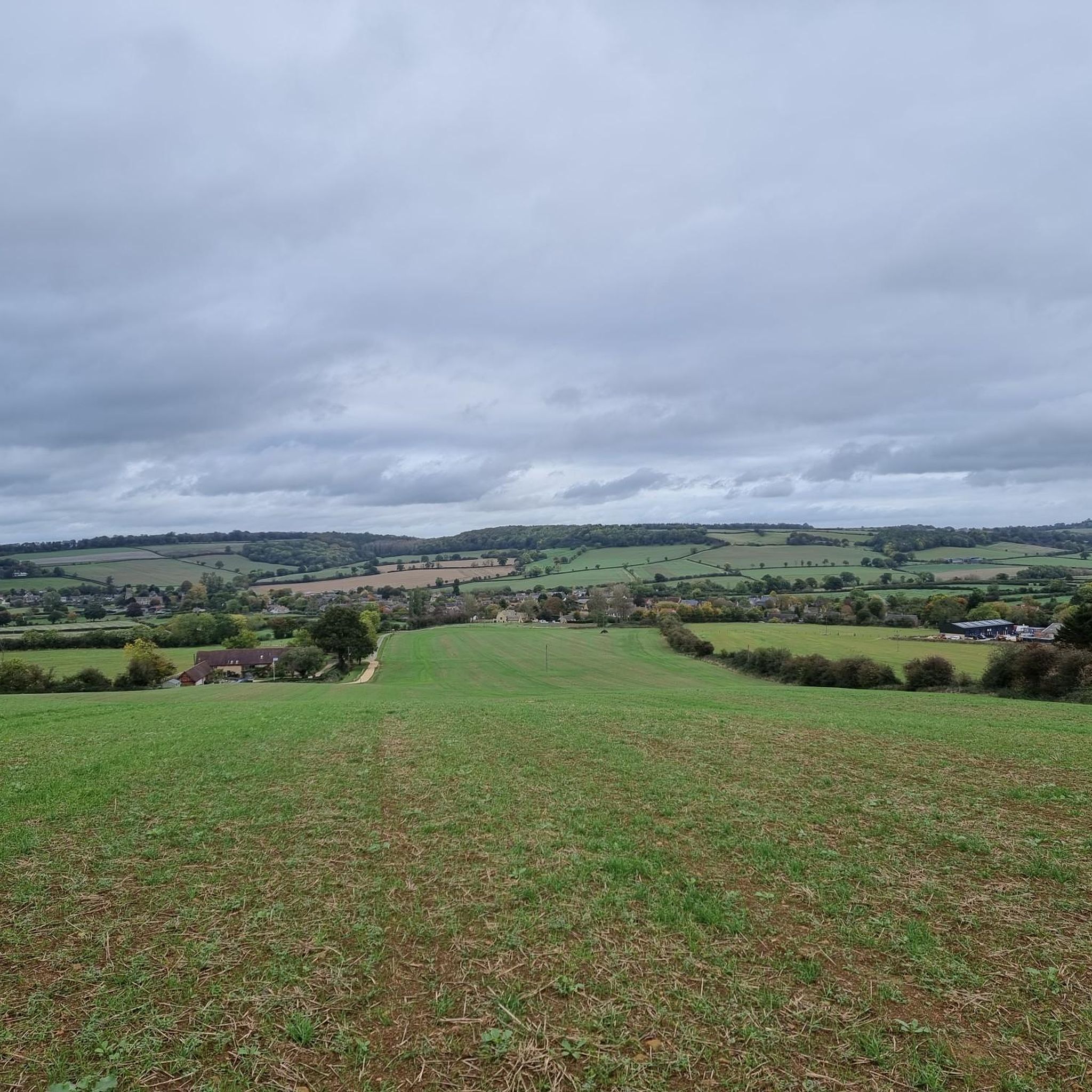
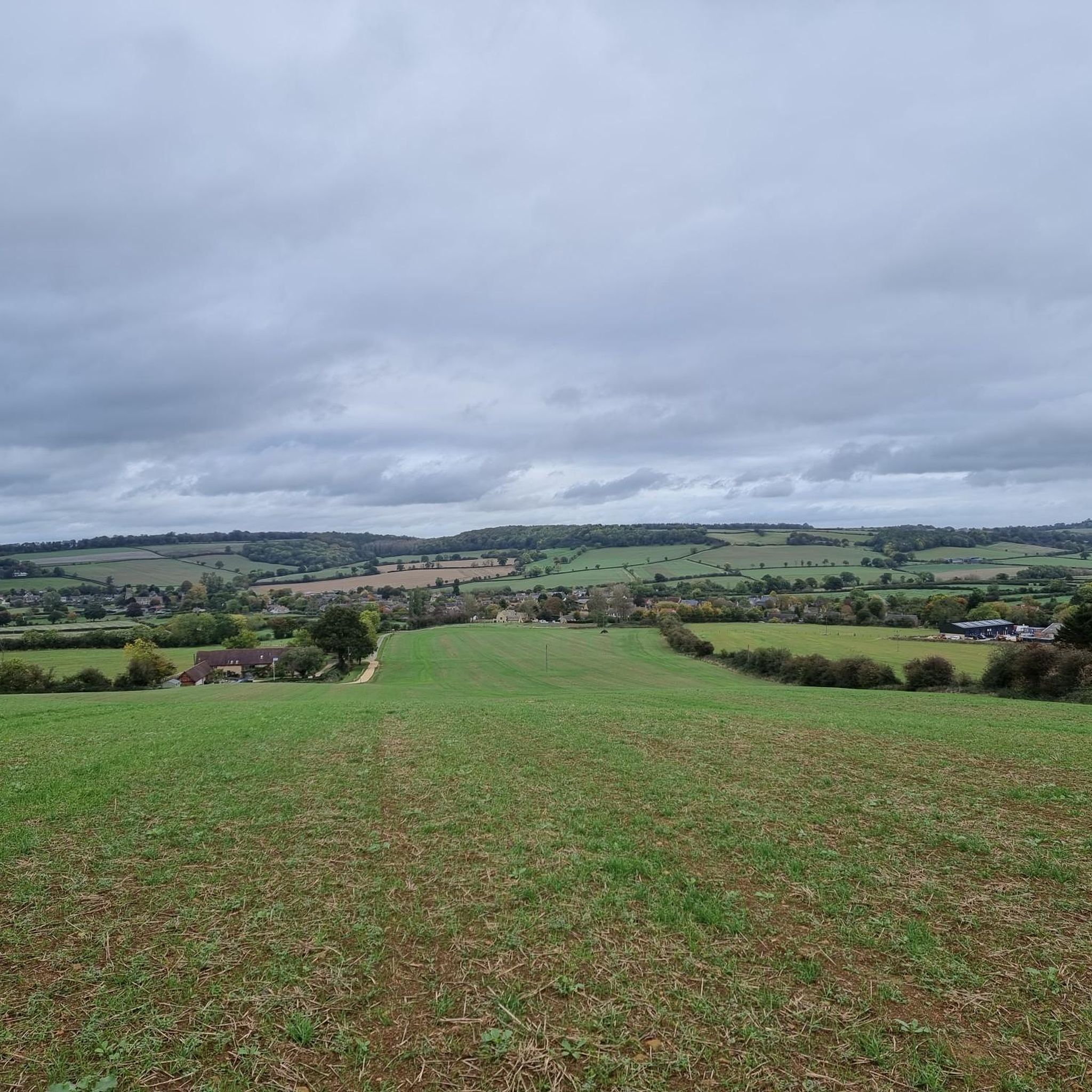
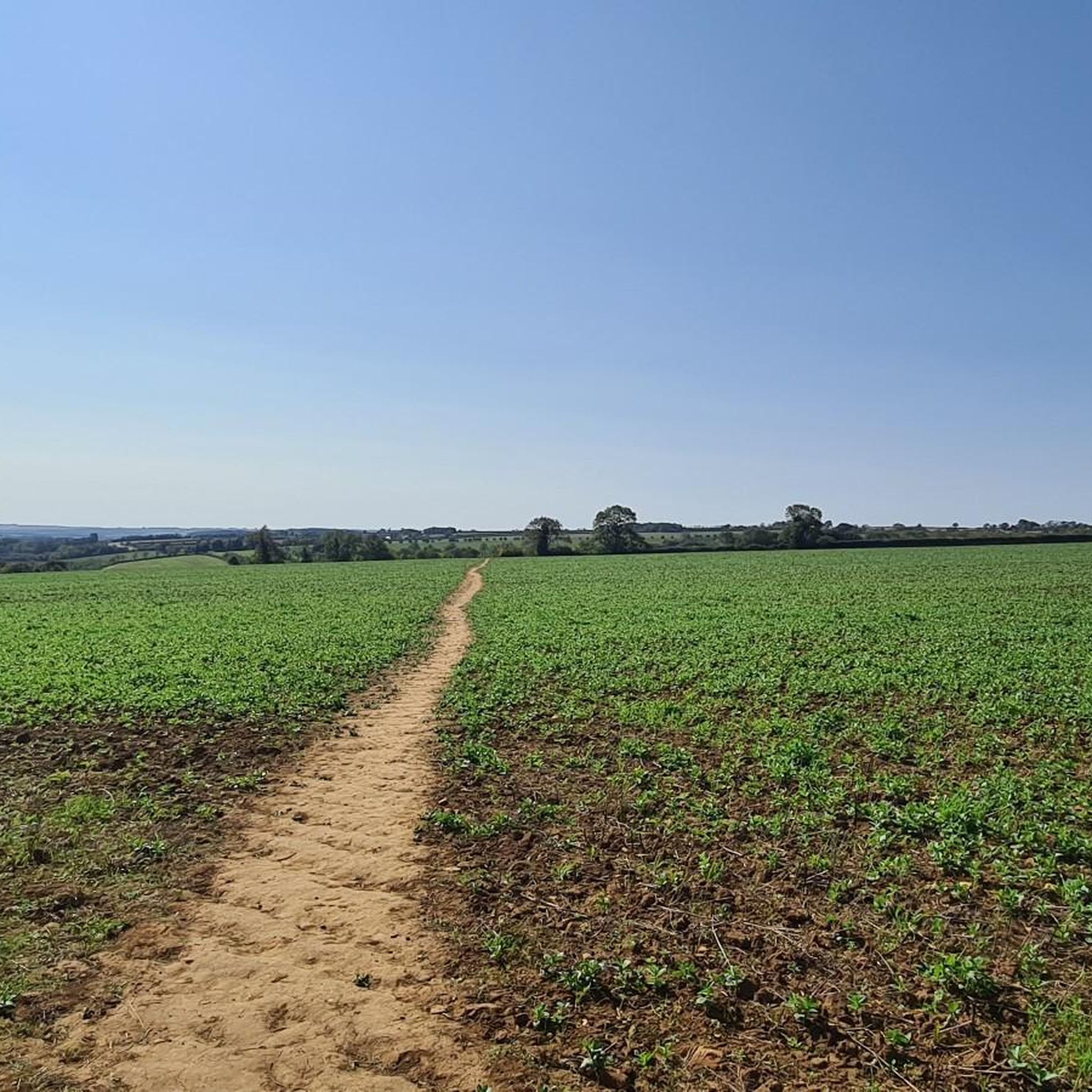

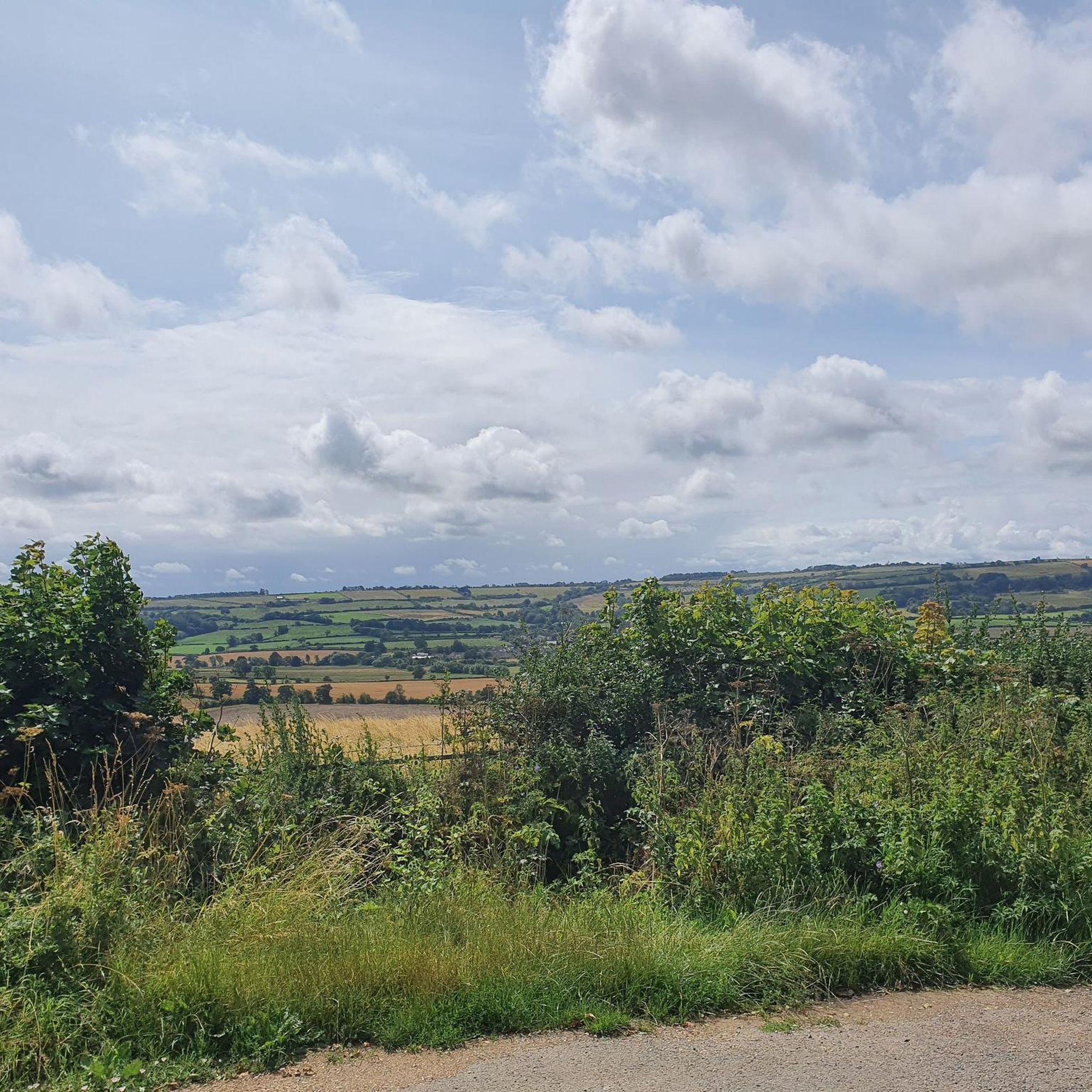
Tips from the Community

If you like authentic, it's definitely worth it
0
0

St. Peter and St. Paul Church of England is a historic parish church located in the charming Cotswold village of Northleach. The church dates back to the 12th century and features beautiful stained glass windows and intricate carvings.
2
0
The King Stone is a standing stone in the Cotswolds, England, which dates back to the Bronze Age. It is believed to have been a marker for ancient trade routes or a ceremonial site.
1
1

A cool house. It's not your usual polished national trust house it's good for exploring
0
0

Remember to always keep a pace when going up a big hill
0
0

Moreton-in-marsh was a lovely Victorian coaching town that is now a car park. Where once a wide open high street allowed cafes, pubs, and shops to spill out onto the street, now residents line up their rangerovers side-by-side, flanking either side of an extremely busy road that disects the town.
2
0

The King Stone was erected in early to middle Bronze Age, probably around 1,500 BC. Rather than relating directly to the much older Neolithic Stone Circle, the King Stone was likely erected as a permanent memorial to the Bronze Age round cairn 17m across with a central chamber, which lies immediately to the north-east set exactly on the top the ridge.
1
0
The Whispering Knights dolmen was built in the early Neolithic period around 3,800BC, which predates the Stone Circle with over a thousand years and makes it one the earliest funerary monuments in Britain. It is a 'portal dolmen' burial chamber that consists of four upright stones and a large fallen capstone. Archeologists have found early Neolithic, Beaker and early Bronze Age pottery in the immediate vicinity of the site, which suggests that the dolmen was venerated over many centuries.
1
0
Frequently Asked Questions
What historical sites can I visit near Stourton?
The region around Stourton is rich in history. You can explore ancient monuments like The King Stone, a Bronze Age standing stone, and The Rollright Stones Stone Circle, dating back to 2,500 BC. For a glimpse into Jacobean architecture and history, visit Chastleton House, a National Trust property built between 1607 and 1612. Additionally, St Peter and St Paul Church and Lychgate in Long Compton offers a look at a 13th-century church with a unique thatched lychgate.
Are there family-friendly attractions around Stourton?
Yes, several attractions in the Stourton area are suitable for families. Children and adults alike can enjoy the mystery of ancient sites like The King Stone and The Rollright Stones Stone Circle. The historic Chastleton House provides an engaging historical experience, and the charming market town of Moreton-in-Marsh is also considered family-friendly, offering a vibrant market and historic buildings.
What kind of outdoor activities can I do near these attractions?
The Stourton area is excellent for outdoor enthusiasts. You can find numerous hiking and cycling opportunities. For detailed routes, explore the komoot guides: Hiking around Stourton and Cycling around Stourton. These guides feature routes of varying difficulties, including loops that pass by many of the region's highlights.
Are there easy walking trails near Stourton?
Absolutely. If you're looking for less strenuous options, there's a dedicated komoot guide for Easy hikes around Stourton. Some popular easy routes include the 'Hiking loop from Brailes' (7 km) and the 'Long Compton Woods loop from Long Compton' (5.1 km), perfect for a relaxed stroll through the Cotswold countryside.
What is Moreton-in-Marsh known for?
Moreton-in-Marsh is a thriving market town in the Cotswolds, famous for its weekly market held every Tuesday. It has a rich history of welcoming travelers for over 1,700 years, with many historic inns and buildings built from golden Cotswold stone. It's also known for its literary connections, with The Bell Inn supposedly inspiring Middle Earth's Prancing Pony in J. R. R. Tolkien's works.
Can I visit Chastleton House, and what are its opening hours?
Chastleton House is a National Trust property built between 1607 and 1612. It's known for its well-preserved Jacobean architecture and a fascinating story from the English Civil War. Visitors can learn about its history from 1 pm - 5 pm, Wednesday to Sunday. For the most current information on opening hours and entrance fees, it's best to check the official National Trust website for Chastleton House.
What is the significance of The King Stone and The Rollright Stones?
The King Stone is a standing stone dating back to the Bronze Age (around 1,500 BC), believed to have been a marker for ancient trade routes or a ceremonial site. The Rollright Stones Stone Circle is an even older ceremonial site, erected around 2,500 BC, consisting of heavily weathered local oolitic limestone stones. Both are significant prehistoric monuments offering a glimpse into ancient human activity in the region.
Are there any circular walks around Stourton?
Yes, many of the hiking routes around Stourton are circular, allowing you to start and end in the same location. For example, the 'King's Men Stone Circle – The King Stone loop from Long Compton' is a moderate 14.3 km hike that takes you past significant historical sites. You can find more circular options within the Hiking around Stourton guide.
What do visitors enjoy most about the attractions around Stourton?
Visitors frequently appreciate the rich historical context and the picturesque natural settings of the attractions around Stourton. The ancient stone circles offer a sense of mystery and history, while the well-preserved Jacobean architecture of places like Chastleton House provides a unique cultural experience. The charming market towns and the opportunity for scenic walks through the Cotswolds are also highly valued by the komoot community.
Are there any hidden gems or less-known spots worth visiting?
While the main highlights are well-known, exploring the smaller villages and their local churches can reveal hidden charm. For instance, St Peter and St Paul Church and Lychgate in Long Compton, with its 13th-century origins and unique thatched lychgate, offers a peaceful and historically rich experience often overlooked by those focusing solely on the larger sites.
What is the best time of year to visit Stourton attractions?
The Cotswolds, including the Stourton area, are beautiful year-round. Spring and summer offer pleasant weather for exploring outdoor sites and walking trails, with vibrant greenery. Autumn brings stunning fall foliage, while winter can offer a quieter, more atmospheric experience, especially at historical sites. Always check local weather forecasts before your visit, particularly if planning extensive outdoor activities.
Are there options for cycling near Stourton's attractions?
Yes, the area provides excellent cycling opportunities, ranging from moderate to difficult routes. You can find detailed cycling tours in the Cycling around Stourton guide. Routes like the 'Moreton-in-Marsh — Market town loop from Long Compton' (22.6 km) allow you to explore the countryside and visit charming towns by bike.
Most popular attractions around Stourton

Get inspired with the komoot mobile app


Explore more
Still not found the Highlight you’re looking for? See guides of the top attractions in other regions:
