The best cycling routes around Ufton CP
4.4
(135)
2,243
riders
275
rides
Touring cycling around Ufton CP features a landscape characterized by gentle rural roads, canal paths, and open countryside. The area offers a mix of flat sections ideal for relaxed rides and some moderate inclines. Water features like Draycote Water and various canals are prominent, providing scenic routes.
Best touring cycling routes around Ufton CP
- The most popular touring cycling route is Start of the Greenway – Draycote Water loop from Codemasters, a 32.3 miles (52.0 km) trail that takes…
Last updated: April 23, 2026
5.0
(7)
17
riders
52.1km
03:16
340m
340m
Moderate bike ride. Good fitness required. Mostly paved surfaces. Suitable for all skill levels.
11
riders
20.6km
01:13
120m
120m
Easy bike ride. Great for any fitness level. Mostly paved surfaces. Suitable for all skill levels.

Sign up for free
5.0
(2)
9
riders
33.0km
02:13
220m
220m
Moderate bike ride. Good fitness required. Mostly paved surfaces. Suitable for all skill levels.
10
riders
38.4km
02:18
260m
260m
Moderate bike ride. Good fitness required. Mostly paved surfaces. Suitable for all skill levels.
22
riders
27.6km
01:49
230m
230m
Moderate bike ride. Good fitness required. Mostly paved surfaces. Suitable for all skill levels.
Get access to more routes and recommendations from other explorers.
Sign up for free
Already have an account?
Our route recommendations are based on thousands of hikes, rides, and runs completed by other people on komoot.
Start today with a free account
Your next adventure awaits.
Login or Signup
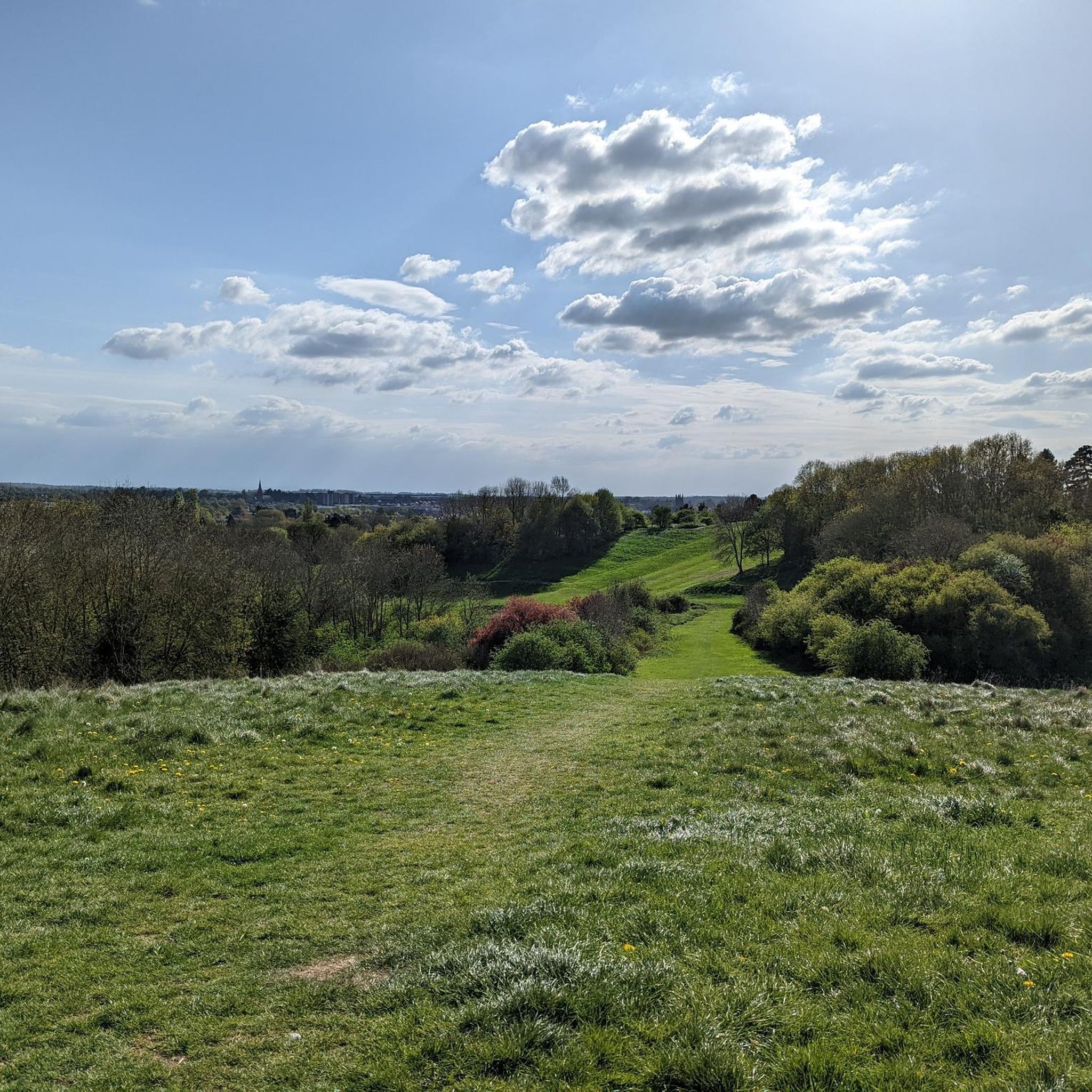
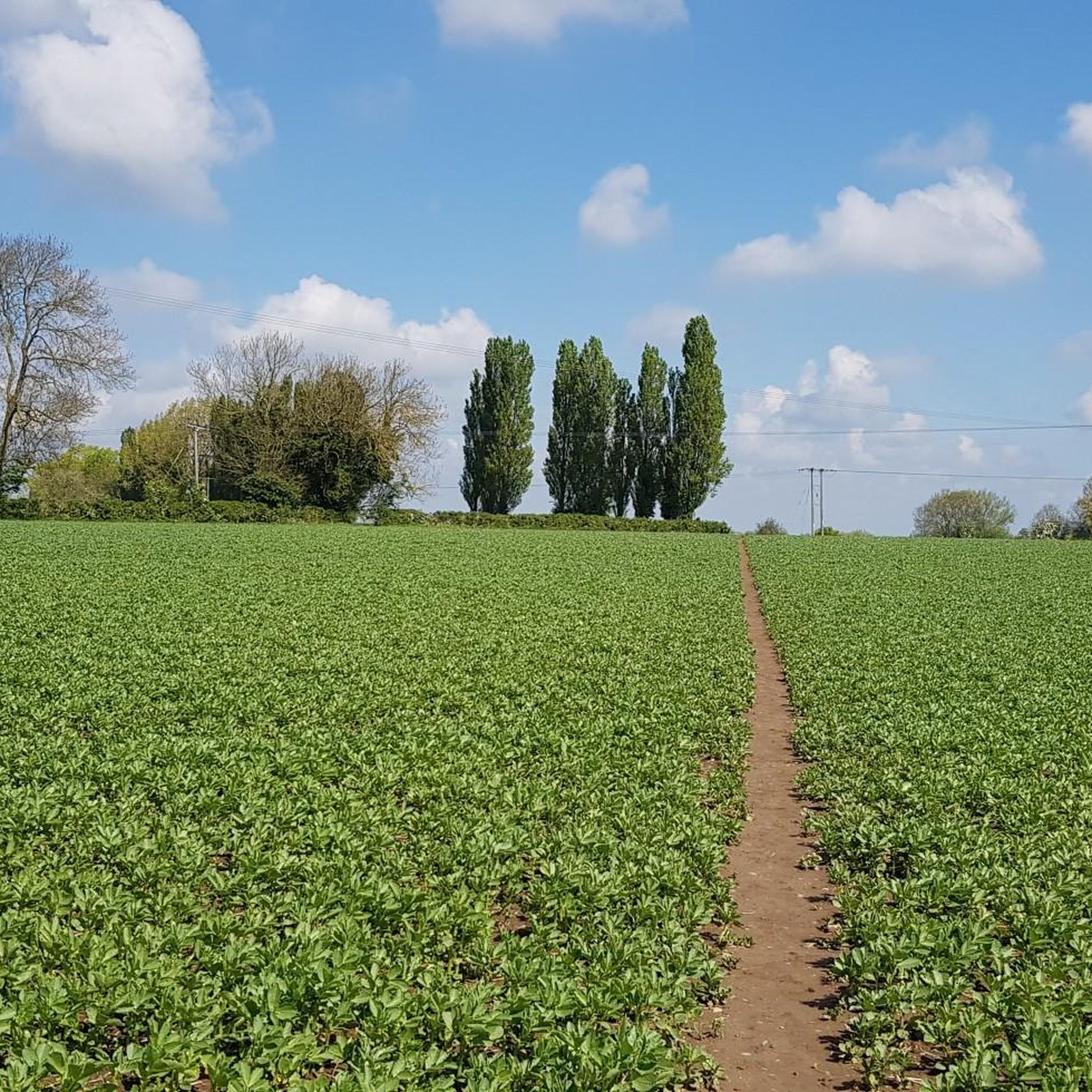
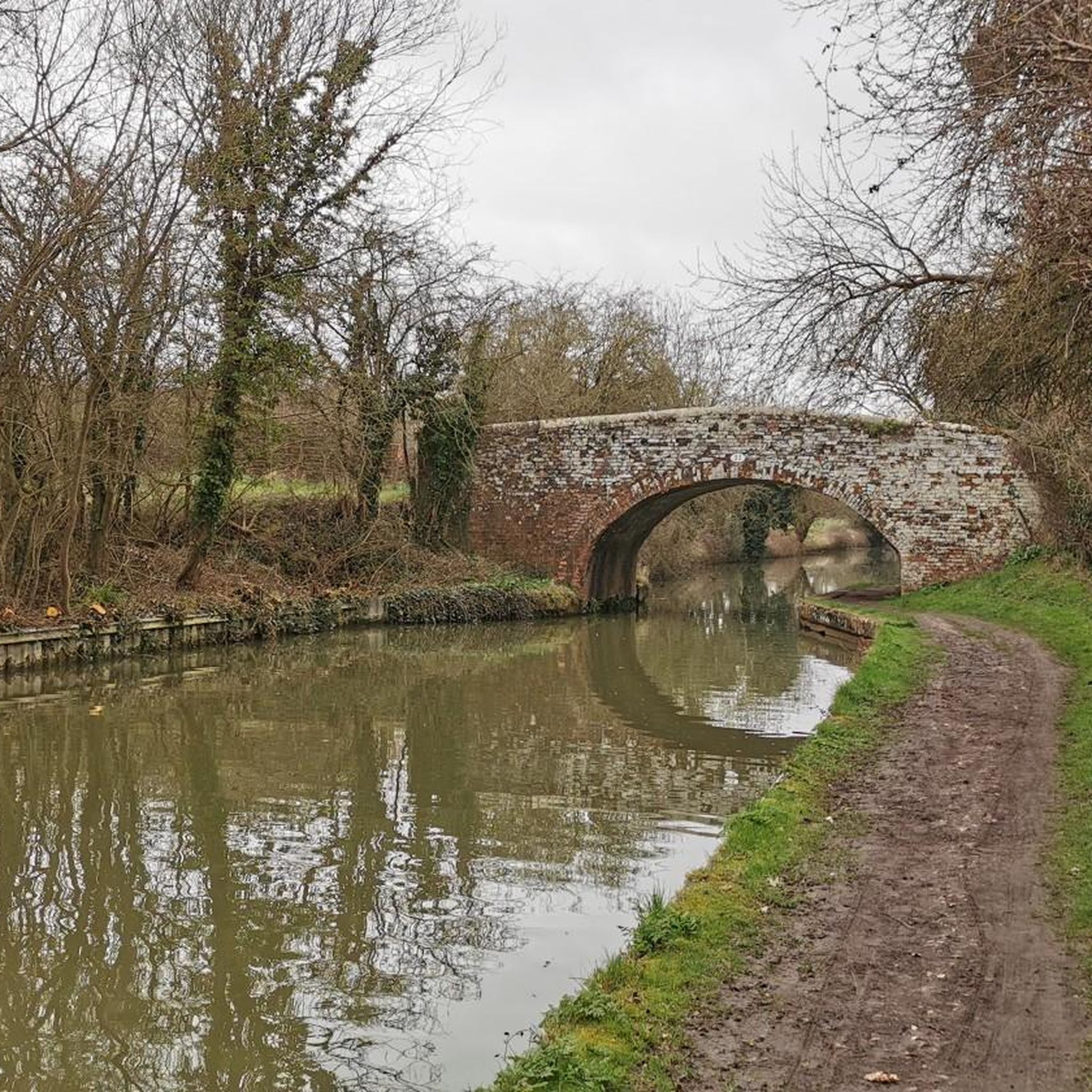
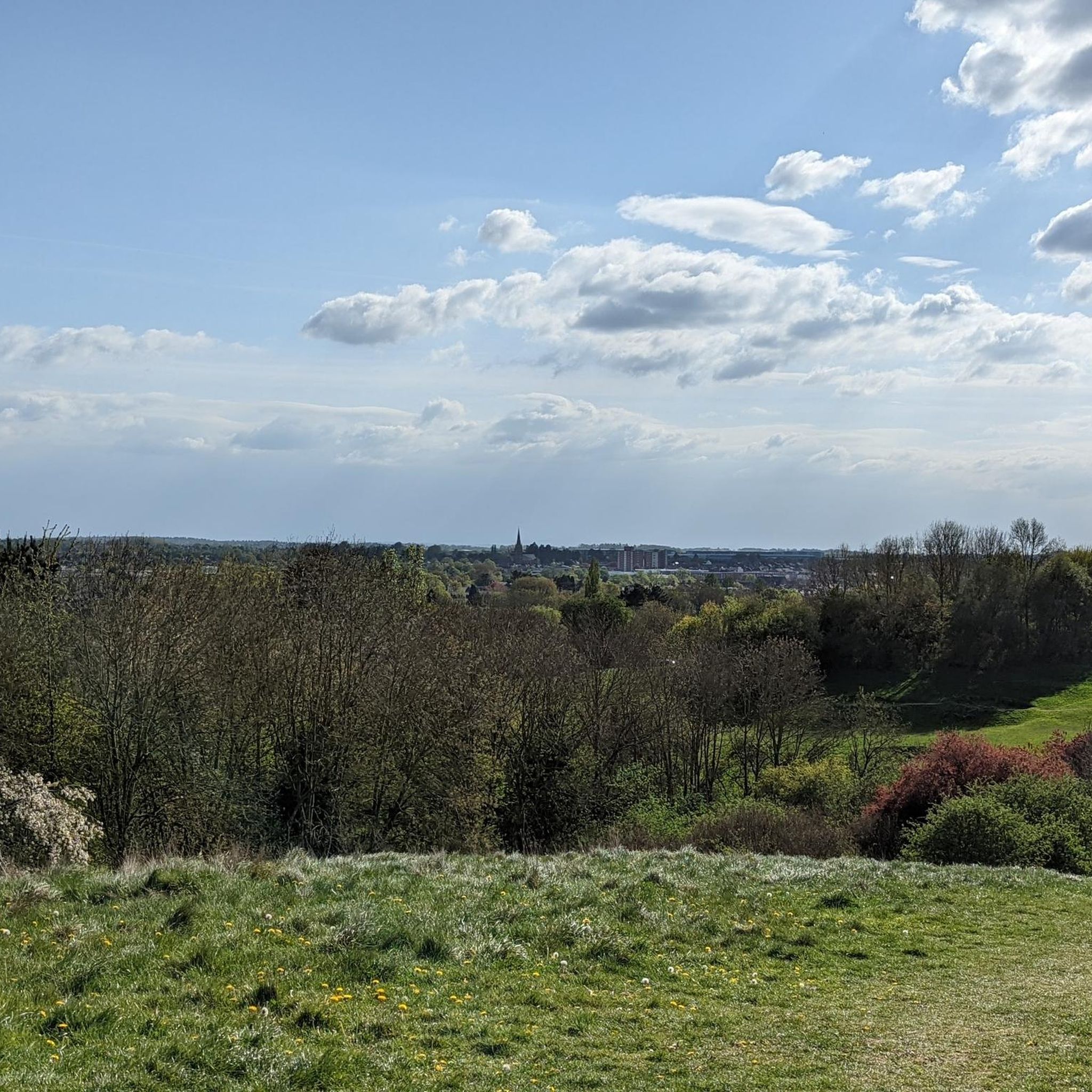
Tips from the Community

It’s a really nice place to get to and have a café ride. It’s nice to just ride around the reservoir. 
0
0

Encompassing a stretch of 3 kilometers along the northern bank of the River Leam, this nature reserve features a diverse range of habitats including woodlands, grasslands, marshes, and ponds. The ecological significance of this area lies in its capacity to support various bird species, butterflies, dragonflies, and a vibrant array of wildflowers. Apart from this, the reserve also has amenities such as a skateboard park, an adventure playground, and a dedicated area for children's play. These facilities have been strategically situated at a distance to ensure minimal disruption to the local wildlife.
1
0

Not a hint but here's some History you might find interesting. 😁 The Cat street art in Leamington Spa is a notable mural created by the street artist Much Rock. The mural is located on the side of a building on Warwick Street, in the town center of Leamington Spa, Warwickshire. Much Rock is a renowned street artist who has created many murals and artworks across the UK and beyond. The Cat mural was created in 2017 and quickly became a popular attraction in Leamington Spa, drawing visitors and locals alike to the area. The Cat mural is a large-scale artwork that depicts a cartoon-style cat with a mischievous expression on its face. The cat is painted in bright, bold colors, and its features are highly stylized and exaggerated. The mural is situated on a brick wall, which provides a textured background for the artwork and helps it to stand out. The mural was commissioned by the Leamington Underground Cinema, a local arts organization that promotes underground and alternative cinema. The Cat mural was intended to be a playful and eye-catching addition to the area, and it has succeeded in that goal. Since its creation, the Cat mural has become a popular photo spot for visitors to Leamington Spa, and it has also helped to raise the profile of street art in the town. The mural has been well-received by locals, and it has been credited with adding to the cultural vibrancy of the area. The Cat mural is just one of many street art works that can be found in Leamington Spa and the surrounding area, and it is a testament to the creativity and talent of Much Rock and other street artists who are pushing the boundaries of art and expression in public spaces.
0
0

The komoot suggested track through Munro's is solidly gated at the Draycote end. So take the short detour via Birdingbury village
3
0

You get on here at bottom of the hill going towards Draycote.
1
0

The church of ST. ESPRIT is situated on the west side of the Southam-Coventry road at the junction of the River Leam with the Itchen and stands in a small churchyard near the centre of the village. It was almost entirely rebuilt in the gothic style in 1871 and all that remains of the earlier church is the lower stage of the tower and the south arcade, both of the mid-14th century, together with an early-13th-century south doorway. The present church consists of a chancel, nave, north and south aisles, west tower, organ-chamber, and south porch. It is built of squared and coursed limestone with sandstone dressings and all the roofs are tiled. The lower part of the east wall of the chancel still retains some of the earlier walling of roughly coursed rubble with red sandstone dressings. It is lighted on the east by a pointed tracery window of three ogee trefoil lights and by a two-light on the south, both with hood-moulds. The east wall of the south aisle has a single trefoil light; the south side a three-light and a single light with trefoil heads; the west a similar window, but with two lights. The porch has a pointed entrance arch, the mouldings continued down to splayed stops. The 13th-century doorway has a pointed arch of two orders, the inner a splay and the outer a large roll-moulding, supported on detached shafts with moulded capitals and splayed impost, the outer jamb is chamfered, with a moulded stop below the impost moulding. The tower is in three stages without buttresses and it diminishes with a splayed offset to the second stage. From half way up the second stage it has been entirely rebuilt in a light-coloured sandstone ashlar. The original walls are built of coursed limestone rubble with red sandstone dressings and, except on the north side, bands of red sandstone in the middle of the first stage and again at the base of the second stage. The west face has a narrow trefoil ogee-headed window in the first stage, and in the second a narrow lancet to the ringing-chamber. The belfry has windows with pointed arches on each face, of two trefoil lights, labels with head-stops, and a string-course at the sill level. Above is a plain battlemented parapet on a moulded string-course. A modern lobby has been built at the junction of the tower with the south aisle to give an external entrance to the tower. The chancel (18 ft. 6 in. by 14 ft.) has a tiled floor, a collar-beam roof, plastered walls, and two steps to the altar. The east window has a pointed moulded rear-arch supported on shafts with moulded capitals and bases and a hood-mould with foliated stops. On the north side there is an arched opening into the organchamber. The nave (31 ft. 7 in. by 19 ft. 6 in.) has a hammerbeam roof and a tiled floor. The 14th-century arcade has two bays of pointed arches of two splayed orders supported on octagonal pillars with moulded capitals and bases, the responds repeat the arch splays and have similar moulded capitals and bases. The north arcade is a copy of the south but with more elaborately moulded capitals. Above the apex of each arch there is a pointed two-light clearstory window with widely splayed jambs and sills. The tower arch has been replaced with a modern low segmental one of two splayed orders. The chancel arch is pointed, of three splayed orders supported on three attached shafts with foliated capitals and splayed bases. The north and south aisles (31 ft. 10 in. by 8 ft. 6 in.) have lean-to roofs, tiled floors, and windows with reararches of three trefoils supported on shafts with moulded capitals and bases. At the eastern end of the south wall a badly mutilated 14th-century piscina has been built in. The tower (10 ft. 9 in. by 7 ft.) has been strengthened by increasing the thickness of the north and south walls and carrying over a segmental vault. The pulpit, placed on the south side of the chancel arch, is octagonal, of stone and coloured marble with open traceried panels. The font is also of stone with an octagonal basin, sunk trefoil panels, and stands on an octagonal coloured marble stem moulded at the base. The communion plate is modern except for one large and one small silver paten with hall mark 1773. There are three bells (fn. 47) by Hugh Watts, dated 1616, 1623, and 1624. The registers begin in 1660.
0
0

Frequently Asked Questions
What types of touring cycling routes can I find in Ufton CP?
Ufton CP offers a diverse range of touring cycling routes, characterized by gentle rural roads, scenic canal paths, and open countryside. You'll find a mix of flat sections perfect for relaxed rides and some moderate inclines for a bit more challenge. Water features like Draycote Water and various canals are prominent, providing picturesque scenery.
Are there touring cycling routes suitable for beginners or families in Ufton CP?
Yes, Ufton CP has plenty of easy routes ideal for beginners and families. For example, the Long Itchington Pond – Ducks by the Canal loop from Southam CP is an easy 12.8-mile (20.6 km) path featuring pleasant waterside cycling along the canal and past Long Itchington Pond. Overall, there are 90 easy routes to choose from.
What are the options for more advanced touring cyclists in Ufton CP?
For those seeking a greater challenge, Ufton CP offers 42 difficult touring cycling routes. These routes often include more significant inclines and longer distances, providing a rewarding experience for advanced riders. Many of the 162 moderate routes also offer a good workout.
What kind of natural attractions or landmarks can I see along the touring cycling routes?
Many routes in Ufton CP pass by beautiful natural attractions and interesting landmarks. You can cycle past the expansive Draycote Water, explore the tranquil Long Itchington Pond, or discover the serene Bishops Bowl Lakes. Other highlights include Jephson Gardens and the Leam Valley Local Nature Reserve.
Are there any circular touring cycling routes in Ufton CP?
Yes, many of the touring cycling routes in Ufton CP are circular, allowing you to start and end at the same point. An example is the Start of the Greenway – Draycote Water loop from Codemasters, which is a 32.3-mile (52.0 km) moderate route offering views of Draycote Water.
What do other touring cyclists enjoy most about cycling in Ufton CP?
The touring cycling experience in Ufton CP is highly rated by the komoot community, with an average score of 4.3 stars from over 120 reviews. Cyclists often praise the peaceful canal paths, quiet rural roads, and the varied terrain that caters to different skill levels.
What is the best time of year to go touring cycling in Ufton CP?
The best time for touring cycling in Ufton CP is generally from spring through autumn when the weather is milder and the countryside is in full bloom. The canal paths and rural roads are particularly enjoyable during these seasons. While cycling is possible in winter, conditions can be colder and potentially wetter.
Are there any cafes or places to stop for refreshments along the routes?
Given the region's rural nature and popular water features, you can often find cafes or pubs in villages and towns along the routes, especially near popular spots like Draycote Water or canal wharves. It's always a good idea to check local listings for specific opening times before your ride.
How can I get to the touring cycling trails in Ufton CP using public transport?
While Ufton CP is primarily a rural area, some nearby towns like Southam may have limited bus services. For specific route access, it's advisable to check local bus timetables or consider cycling to the starting points from larger transport hubs in the wider Warwickshire area. Many routes are designed as loops from specific villages or car parks.
Where can I park my car when visiting the touring cycling trails in Ufton CP?
Parking is typically available in or near the villages and towns that serve as starting points for many routes, such as Southam CP. For routes around Draycote Water, dedicated car parks are usually provided. Always check for local parking regulations and fees before you arrive.
Are there any longer touring cycling routes for multi-hour rides?
Yes, Ufton CP offers several longer routes suitable for multi-hour rides. For instance, the Marston Doles Canal Wharf – Parish Church of St Mary loop from Southam CP is a 38.3-mile (61.7 km) route, and the Radford Bottom Lock – Fosse Way to Whitnash loop from Southam CP covers 32.8 miles (52.8 km), both offering extensive cycling experiences.
What are the general elevation changes like on touring cycling routes in Ufton CP?
The touring cycling routes in Ufton CP are characterized by a mix of flat sections, particularly along canal paths, and moderate inclines in the open countryside. While there are no major mountain climbs, routes like the Long Itchington – Radford Bottom Lock loop from Southam CP, with an elevation gain of 251 meters over 21.2 miles, provide a good workout with rolling hills.
Most popular attractions around Ufton CP

Get inspired with the komoot mobile app


Explore more
Browse the best Cycling routes in other regions.
