The best cycling routes around Eathorpe
4.4
(138)
2,009
riders
229
rides
Best touring bike trails Eathorpe area are characterized by a gentle, undulating landscape, featuring a network of quiet country lanes, canal paths, and bridleways. The region is defined by its rural setting, with routes often passing through open fields, alongside waterways like the River Leam, and near local landmarks such as Draycote Water. Elevation changes are generally modest, making it suitable for a range of cycling abilities.
Best touring cycling routes around Eathorpe
- The most popular touring cycling route is…
Last updated: May 8, 2026
30
riders
26.3km
01:46
130m
130m
Easy bike ride. Great for any fitness level. Mostly paved surfaces. Suitable for all skill levels.
14
riders
54.5km
03:21
370m
370m
Moderate bike ride. Good fitness required. Mostly paved surfaces. Suitable for all skill levels.

Sign up for free
4.0
(1)
9
riders
23.5km
01:47
150m
150m
Moderate bike ride. Good fitness required. Mostly paved surfaces. Suitable for all skill levels.
17
riders
Easy bike ride. Great for any fitness level. Mostly paved surfaces. Suitable for all skill levels.
5
riders
19.8km
01:25
130m
130m
Easy bike ride. Great for any fitness level. Mostly paved surfaces. Suitable for all skill levels.
Get access to more routes and recommendations from other explorers.
Sign up for free
Already have an account?
Our route recommendations are based on thousands of hikes, rides, and runs completed by other people on komoot.
Start today with a free account
Your next adventure awaits.
Login or Signup

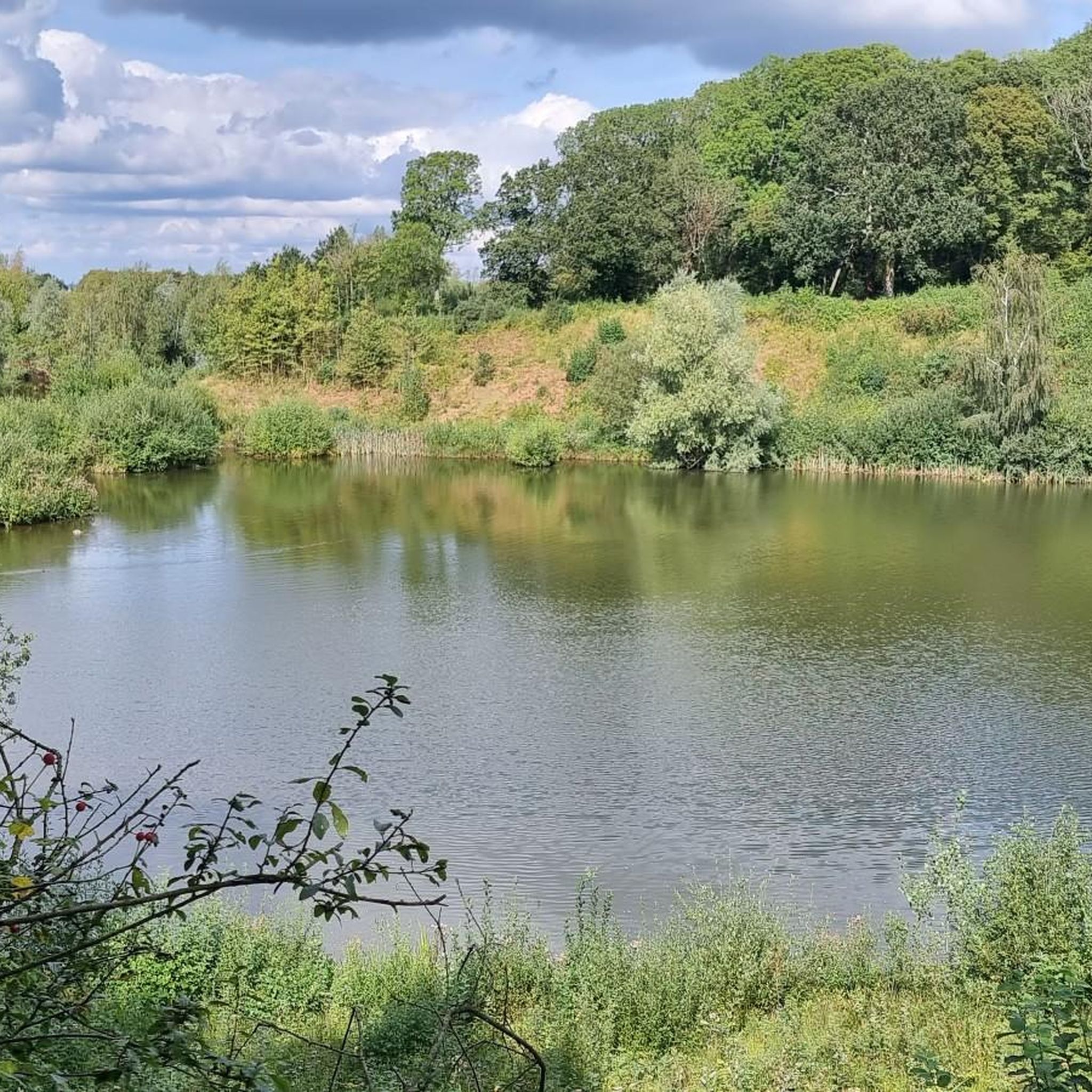
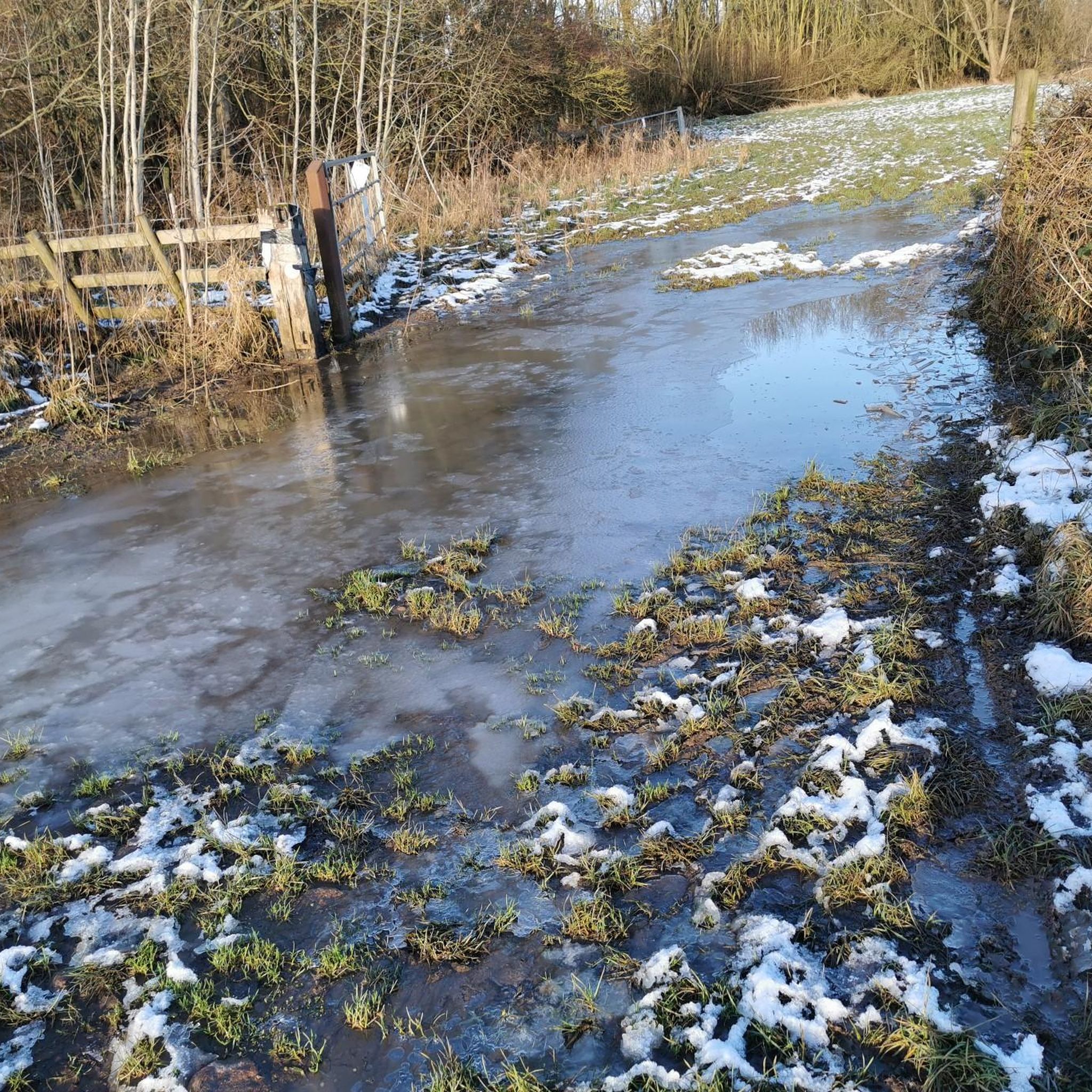
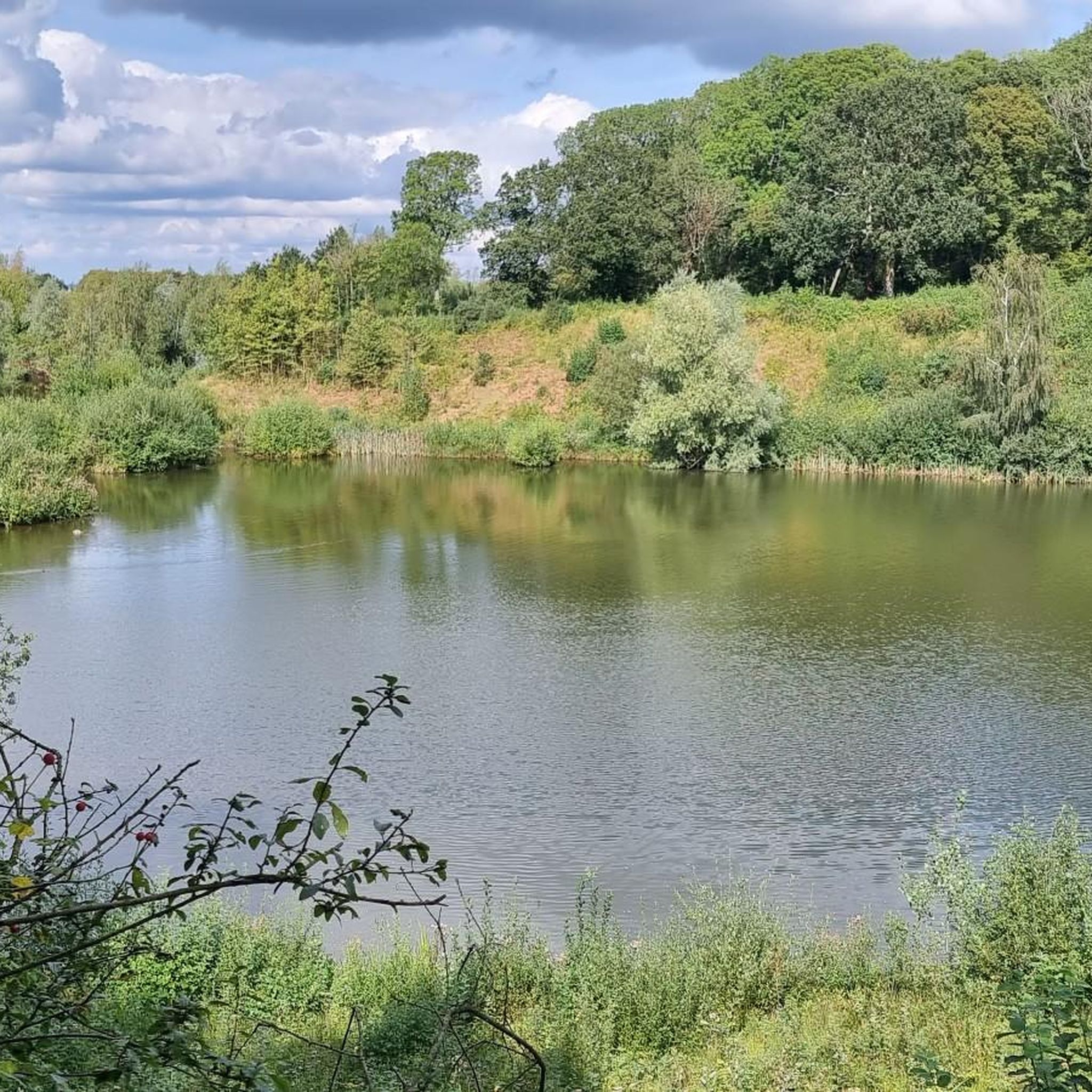

Tips from the Community

Bridge over Fosse Way is currently being built. Looks like it could be open early 2026
2
0

No idea why they close a footpath/bridleway, you can still get past in to the farmer’s fields… HS2 should have completed this months ago…
0
0

Draycote Water is an artificial reservoir (23 million m3), which was completed in 1969. In addition to its function as a water reserve, it is a leisure park u.a. for anglers, sailors, hikers. The rich bird life invites also to observations. Swimming is not allowed in the lake.
1
0

You get on here at bottom of the hill going towards Draycote.
1
0

This reserve is a large semi-natural ancient woodland. It is rich in plants, butterflies and birds. Mentioned in the Domesday Book, records show that Richard of Wappenbury was given modest rights over the woods. By the end of the 15th Century, the wood was known by its present name and provided a source of fuel, building materials and hunting opportunities for the local community. Medieval ridge and furrow plough markings found to the north of the woods, ancient bank boundaries, and the age-old pathway known as Nunwood Lane all provide further evidence of the woods’ age. Nearly clear-felled twice in the 1940s and 1950s, the wood was left to regenerate naturally, helping to increase diversity and contributing to its ecological excellence today.
1
0
The church of ST. ESPRIT is situated on the west side of the Southam-Coventry road at the junction of the River Leam with the Itchen and stands in a small churchyard near the centre of the village. It was almost entirely rebuilt in the gothic style in 1871 and all that remains of the earlier church is the lower stage of the tower and the south arcade, both of the mid-14th century, together with an early-13th-century south doorway. The present church consists of a chancel, nave, north and south aisles, west tower, organ-chamber, and south porch. It is built of squared and coursed limestone with sandstone dressings and all the roofs are tiled. The lower part of the east wall of the chancel still retains some of the earlier walling of roughly coursed rubble with red sandstone dressings. It is lighted on the east by a pointed tracery window of three ogee trefoil lights and by a two-light on the south, both with hood-moulds. The east wall of the south aisle has a single trefoil light; the south side a three-light and a single light with trefoil heads; the west a similar window, but with two lights. The porch has a pointed entrance arch, the mouldings continued down to splayed stops. The 13th-century doorway has a pointed arch of two orders, the inner a splay and the outer a large roll-moulding, supported on detached shafts with moulded capitals and splayed impost, the outer jamb is chamfered, with a moulded stop below the impost moulding. The tower is in three stages without buttresses and it diminishes with a splayed offset to the second stage. From half way up the second stage it has been entirely rebuilt in a light-coloured sandstone ashlar. The original walls are built of coursed limestone rubble with red sandstone dressings and, except on the north side, bands of red sandstone in the middle of the first stage and again at the base of the second stage. The west face has a narrow trefoil ogee-headed window in the first stage, and in the second a narrow lancet to the ringing-chamber. The belfry has windows with pointed arches on each face, of two trefoil lights, labels with head-stops, and a string-course at the sill level. Above is a plain battlemented parapet on a moulded string-course. A modern lobby has been built at the junction of the tower with the south aisle to give an external entrance to the tower. The chancel (18 ft. 6 in. by 14 ft.) has a tiled floor, a collar-beam roof, plastered walls, and two steps to the altar. The east window has a pointed moulded rear-arch supported on shafts with moulded capitals and bases and a hood-mould with foliated stops. On the north side there is an arched opening into the organchamber. The nave (31 ft. 7 in. by 19 ft. 6 in.) has a hammerbeam roof and a tiled floor. The 14th-century arcade has two bays of pointed arches of two splayed orders supported on octagonal pillars with moulded capitals and bases, the responds repeat the arch splays and have similar moulded capitals and bases. The north arcade is a copy of the south but with more elaborately moulded capitals. Above the apex of each arch there is a pointed two-light clearstory window with widely splayed jambs and sills. The tower arch has been replaced with a modern low segmental one of two splayed orders. The chancel arch is pointed, of three splayed orders supported on three attached shafts with foliated capitals and splayed bases. The north and south aisles (31 ft. 10 in. by 8 ft. 6 in.) have lean-to roofs, tiled floors, and windows with reararches of three trefoils supported on shafts with moulded capitals and bases. At the eastern end of the south wall a badly mutilated 14th-century piscina has been built in. The tower (10 ft. 9 in. by 7 ft.) has been strengthened by increasing the thickness of the north and south walls and carrying over a segmental vault. The pulpit, placed on the south side of the chancel arch, is octagonal, of stone and coloured marble with open traceried panels. The font is also of stone with an octagonal basin, sunk trefoil panels, and stands on an octagonal coloured marble stem moulded at the base. The communion plate is modern except for one large and one small silver paten with hall mark 1773. There are three bells (fn. 47) by Hugh Watts, dated 1616, 1623, and 1624. The registers begin in 1660.
0
0
The church of ST. JOHN THE BAPTIST stands on a slight mound in the middle of a small churchyard, with a farmhouse on the west and Wappenbury Hall, which has been entirely rebuilt, to the east. The church was built in the 13th century and then consisted of chancel and nave. Early in the 14th century a west tower was built on the south side of the nave, together with a south aisle and porch. The nave and south aisle were completely 'restored' c. 1825 (fn. 61) but were pulled down in 1886 and rebuilt in the character of 14th-century work, and at the same time a south porch and transept were added and the whole church re-roofed. The east wall of the chancel has been almost entirely refaced and the string-course, plinth, and the coping and cross finial of the gable renewed. It has three lancet windows with the jambs and sills restored. (fn. 62) Over these windows there is a continuous hood-moulding round each arch with head-stops at the two ends. The north side is built of red sandstone rubble patched with small limestone rubble. It has three lancet windows of one splay, a moulded string-course at sill level and a plinth of one splay. The south side is similar but has a re-set doorway at the west end with a trefoil head of two splays, (fn. 63) the string-course at sill level carried over it as a pointed arch. The walls of the south aisle, transept and porch are modern, built of a reddish sandstone in squared and coursed masonry. The transept has a gable with a chimney as a finial and is lighted by a two-light tracery window with a hoodmoulding on the south, and a single trefoil-headed light on the east. Between the transept and the porch the aisle is lighted by three lancets placed close together. The porch has angle buttresses and a pointed entrance arch and an ogee-headed window on either side, that on the west being an old one re-used. Below the wallplate some old moulded stones have been used as a cornice. The south door has a pointed arch and mouldings of a 13th-century character. The north side of the nave has two single trefoil lights with pointed arches and between them a plain two-light tracery window. West of these is a doorway, projected slightly from the wall as a gable with low buttresses to give the appearance of a porch. The doorway has a moulded trefoil head and a pointed arch formed by a hoodmoulding. The tower, which is divided by string-courses into three stages, is built of red sandstone ashlar, supported by diagonal buttresses at each corner, those on the east side coming down, the one into the nave, the other into the south porch. At the base of the tower is a moulded plinth, restored, but with some remains of the original. It has an embattled parapet, with a small turret corbelled out at the south-west angle, probably to balance the stair turret. Below the parapet at each corner are grotesque gargoyles. At the south-east angle there is a turret corbelled out for the spiral tower staircase, the corbel carved with a grotesque figure of a man lying on his chest, his chin supported on his hands. The stair is lit by a chamfered loop-light in the lower stage. The belfry windows on the north, south, and west are of two trefoil lights, of two chamfered orders, with pointed arches containing pierced cusping, and a labelmoulding above; that on the east side has three trefoil lights, with a rather flat four-centred arch and a labelmoulding. Beneath the window in the second stage is a chamfered window with a trefoil head under a square label-moulding, and near the south-east angle there is a similar light. On the south side of the lower stage is a window of two trefoil lights set in deep splayed reveals with a pointed arch, cusped piercing, and a label-moulding, with head-stops. On the east face above the modern aisle roof is the line of the lowpitched earlier roof. The chancel (30 ft. 10 in. by 16 ft.) has a modern tiled floor, three steps from the nave, two to the altar rails, and two to the modern altar, and a modern trussed rafter roof. The three east lancet windows have trefoil rear-arches, springing from capitals, and above them a label-moulding with head-stops. The three lancet windows in each side wall have deep splayed recesses with segmental-pointed arches, and above them trefoil heads. At sill level there is a moulded string-course, which is carried over the slightly cambered rear-arch of the south door as a hood-moulding. Between the two east windows on the south side is a late-13th-century piscina, the head trefoiled in two delicately moulded orders springing from two shafts in each jamb, with moulded capitals and bases; the bowl is modern. The recess is unusually wide for a piscina, being 4 ft. 6 in. across. The nave (43 ft. 9 in. by 20 ft.) is entirely modern, with a tile and wood-block floor and a roof matchboarded in the form of a wagon vault. The north door has a segmental rear-arch with hood-mouldings stopped on scrolls. All the windows have shouldered rear arches. The chancel arch of two orders is also modern, and on the south side of it is a modern moulded niche with a bracket. The nave arcade is in three bays in line with the tower arch, which forms a fourth; the east bay opens into the modern transept, used as a vestry and organ chamber. The arches are pointed, in two splayed orders springing from octagonal pillars with moulded capitals, the splayed bases being modern. The stone-work of the capitals and pillars has been re-dressed. The pointed tower arch is lofty and of two splayed orders supported on half-octagon responds with moulded capitals and bases. On either side of the arch are corbels carved like animals' heads, now used to support the modern roof. As the modern south aisle (20 ft. 6 in. by 9 ft. 2 in.) is lower than the original the upper part of the arch to the tower has been blocked and a modern depressed four-centred arch inserted, springing from the original moulded capitals; that on the south is carved with the face of an old man with a beard. Traces of the earlier arch can be seen under the apex of the modern lean-to roof. The windows have stop-chamfered recesses with flat oak lintels. The tower (9 ft. 6 in. by 9 ft. 6 in.) has a modern tiled floor with three steps down into the aisle. Placed on the top step is a modern plain tapered circular stone font. The window in the south wall has a splayed recess with a stop-chamfered rear-arch. In the southeast corner there is a narrow doorway to the tower staircase, with a four-centred head. Standing against the west wall are two 13th-century coffin lids, one with a foliated cross, and the other, belonging to a child, with a plain cross; above are several 18th- and 19thcentury mural tablets. On the north side is an old plain wooden chest of uncertain date, bound with iron straps. There are three bells: (fn. 64) (1) by Brian Eldridge, 1657; (2) by Newcombe, c. 1580; (3) by Hugh Watts, 1629. The registers start in 1753. In the churchyard opposite the south door to the chancel is the square base, on three octagonal steps, of a 14th-century cross. The angles of the base are carved with a male head and shoulders in deep relief, three of them, however, are badly mutilated. Let into the base is a short length of square-moulded shaft.
0
0
Frequently Asked Questions
What are the typical difficulty levels for touring cycling routes around Eathorpe?
Eathorpe offers a good mix of routes for various skill levels. You'll find 83 easy routes, 133 moderate routes, and 30 difficult routes. The landscape is generally gentle and undulating, making it accessible for many, but there are options for more experienced riders seeking a challenge.
Are there family-friendly touring cycling routes suitable for all ages in Eathorpe?
Yes, Eathorpe has many routes suitable for families. The gentle terrain and quiet country lanes are ideal. An excellent option is the Ducks by the Canal – Start of the Bridleway loop from Long Itchington CP, which is an easy 11.3 km (7 miles) route, perfect for a relaxed family outing.
Where can I park when planning a touring cycling trip around Eathorpe?
Many touring cycling routes around Eathorpe start from locations with designated parking. For example, the popular Start of the Greenway – Draycote Water loop from Long Itchington CP begins at Long Itchington CP, indicating parking availability there. Similarly, the Long Itchington – Start of the Bridleway loop from Leamington Hastings CP suggests parking at Leamington Hastings CP.
What kind of scenery can I expect on touring cycling routes around Eathorpe?
The Eathorpe area is characterized by a rural setting with quiet country lanes, canal paths, and open fields. You'll often cycle alongside waterways like the River Leam and near landmarks such as Draycote Water. Routes frequently pass through picturesque meadows and offer views of the gentle, undulating landscape.
Are there many circular touring cycling routes available in Eathorpe?
Yes, Eathorpe is well-suited for circular touring cycling routes. Many of the trails are designed as loops, allowing you to start and finish at the same point. For instance, the Bubbenhall Meadow – Wappenbury Bridge loop from Bubbenhall is a great example of a circular route exploring the local area.
What is the best time of year to go touring cycling in Eathorpe?
The gentle landscape of Eathorpe makes it enjoyable for touring cycling throughout much of the year. Spring and autumn offer pleasant temperatures and beautiful scenery with changing foliage. Summer is also popular, though it can be warmer. Even winter can be an option on clear days, but be prepared for potentially muddier sections on unpaved paths.
Can I go touring cycling in Eathorpe during winter?
Yes, touring cycling in Eathorpe is possible during winter, especially on the many quiet country lanes. However, unpaved sections or bridleways might become muddy or slippery after rain or frost. Always check local weather conditions and ensure your bike is suitable for potentially varied terrain.
Are there places to stop for refreshments along the touring cycling routes in Eathorpe?
While specific cafes and pubs are not listed for every route, the Eathorpe area is dotted with villages and small towns. Many routes pass through or near these, offering opportunities to find local pubs or cafes for a break and refreshments. Planning your route with komoot allows you to discover points of interest along the way.
What do other touring cyclists enjoy the most about touring cycling in Eathorpe?
The Eathorpe area is highly rated by the komoot community, with an average score of 4.4 stars from over 130 reviews. Reviewers often praise the quiet country lanes, the scenic views around Draycote Water, and the overall peaceful rural atmosphere that defines the touring cycling experience here.
Are there any interesting landmarks or natural attractions around Eathorpe to explore?
Absolutely. Beyond the cycling itself, you can explore several interesting landmarks and natural attractions. These include the expansive Draycote Water, the serene Jephson Gardens, and the Leam Valley Local Nature Reserve. You might also encounter unique sights like the Elephant Sculpture at Ryton Pools or historical points like Princess drive road bridge with railway viaduct.
Is Eathorpe accessible by public transport for cyclists?
While Eathorpe itself is a small village, nearby larger towns like Leamington Spa or Rugby offer better public transport connections, including train services. From these hubs, you might be able to cycle to Eathorpe or find local bus services that accommodate bicycles, though it's always best to check with the specific transport provider beforehand.
Are there any longer touring cycling routes for endurance riders in Eathorpe?
Yes, for those looking for longer rides, Eathorpe offers routes that extend further into the surrounding countryside. The Long Itchington – Start of the Bridleway loop from Leamington Hastings CP is a moderate 54.5 km (33.8 miles) route, providing a substantial distance for endurance touring cyclists to enjoy the rural landscape.
What are some less-trafficked touring cycling routes in the Eathorpe area?
While the entire Eathorpe area is known for its quiet country lanes, exploring some of the less-promoted routes can offer an even more tranquil experience. Consider routes that venture slightly further from popular landmarks, such as the Wappenbury Bridge – Eathorpe Weir loop from Frankton CP, which offers a pleasant 19.8 km (12.3 miles) ride through scenic countryside.
Most popular attractions around Eathorpe

Get inspired with the komoot mobile app


Explore more
Browse the best Cycling routes in other regions.
