The best cycling routes around Clyst Honiton
4.6
(673)
10,429
riders
430
rides
Touring cycling around Clyst Honiton offers diverse routes through river valleys, ancient woodlands, and open heathlands. The landscape is shaped by the meandering River Clyst, the extensive Ashclyst Forest, and the level Exe Estuary. This area provides a mix of terrain, from flat riverside paths to more undulating routes through the East Devon Pebblebed Heaths.
Best touring cycling routes around Clyst Honiton
- The most popular touring cycling route is Exeter Canal Basin – Exe Estuary Trail loop from Cranbrook,…
Last updated: September 30, 2026
20
riders
80.1km
05:50
980m
980m
Hard bike ride. Very good fitness required. Mostly paved surfaces. Suitable for all skill levels.
27
riders
102km
06:27
1,010m
1,010m
Hard bike ride. Very good fitness required. Mostly paved surfaces. Suitable for all skill levels.

5
riders
115km
07:08
1,070m
1,070m
Hard bike ride. Very good fitness required. Mostly paved surfaces. Suitable for all skill levels.
14
riders
12.6km
00:47
80m
80m
Easy bike ride. Great for any fitness level. Mostly paved surfaces. Suitable for all skill levels.
15
riders
20.0km
01:12
160m
160m
Moderate bike ride. Good fitness required. Mostly paved surfaces. Suitable for all skill levels.
Get access to more routes and recommendations from other explorers.
Already have an account?
Our route recommendations are based on thousands of hikes, rides, and runs completed by other people on komoot.
Start today with a free account
Your next adventure awaits.


Tips from the Community

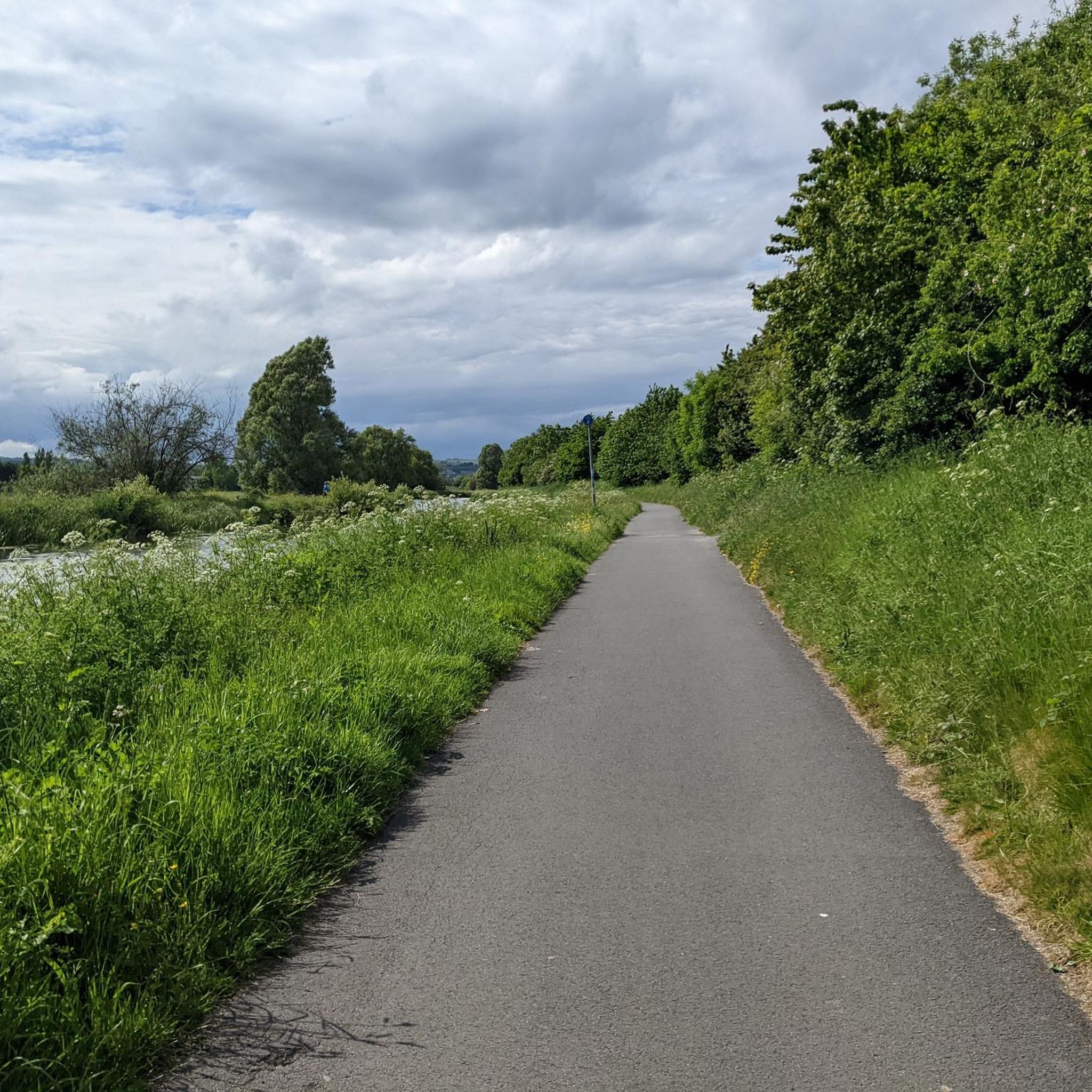
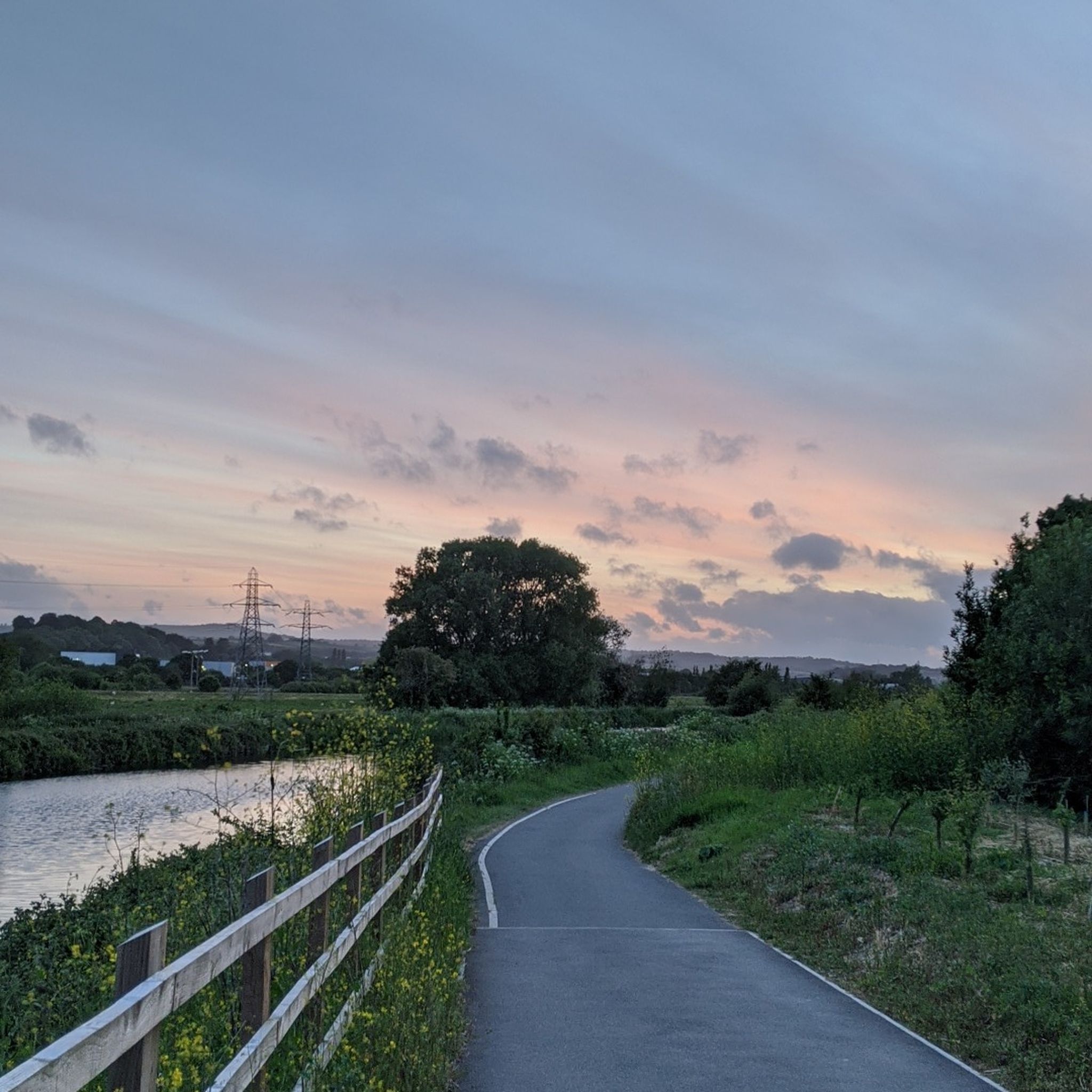
Varied cycle path between Exeter and Exmouth!
0
0

Forget the bucket and spade—at Budleigh Salterton, it’s all about the "Budleigh Buns!" These giant, smooth, oval pebbles are the beach’s signature, making it a paradise for stone-stackers and rock-pool explorers. Part of the Jurassic Coast, the beach is framed by dramatic, red Triassic cliffs that look like they’ve been toasted. It’s a wonderfully "posh and peaceful" spot where you can swap noisy arcades for the gentle crunch-crunch of your footsteps. Grab a crab sandwich, watch the colorful fishing boats, and see if you can find a pebble with a hidden fossil. It’s geology, but make it fashion!
0
0

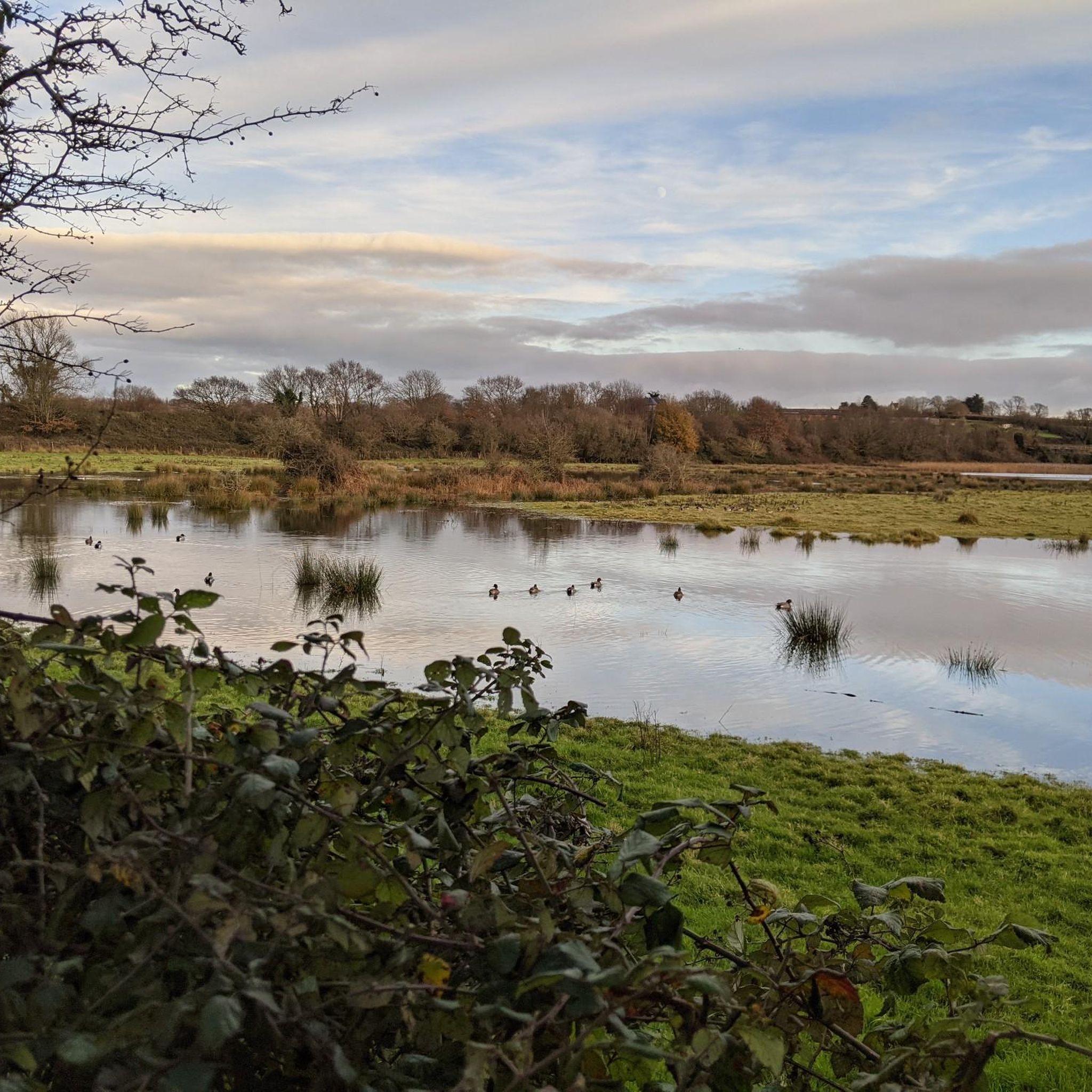
Look out for an entrance onto a footpath on your right, which follows beside the railway tracks on your left, and the exe estuary on your right. The path is too narrow for cycling but great for walking and running.
1
0

Harnessing the power of moving water to drive a mill wheel is an ancient invention of human ingenuity, whose origins can be traced back to ancient times. Thanks to such a design, a watercourse – natural or artificial – made it possible to simply replace human or animal muscle power with the power of natural elements, for example, to grind grain into corn or press oil from fruit. There are essentially two drive variants for watermills: * Either the flowing water simply hits the blades of the water wheel from below to set it in motion; or * the water is guided above the wheel – usually through a so-called "mill channel" – and falls onto the blades. This design utilizes natural gravity to achieve greater efficiency.
2
0

There's a few disabled parking spaces right on the Quay and the walks are all wheelchair user friendly, there's bus routes and train station all within a mile of the quay. If like me on your walk you like to re-stall your batteries and have a hot or cold drink there's lots of great pubs restaurants and little cafes on the Quay and they all welcome dogs, if you check out what's on in Exeter you might be lucky to see one of the many events they hold like morse dancing, the boat racing, mental health walk, the food festivals and many more, enjoy the ruins and history walks also.
0
0

Car park and numerous food outlets alongside the river perfect to spend a time to relax
1
0
be careful on the road crossing, bring a towel and be prepared to wait for service, it's busy here in the wknds in summer.
2
0

Exeter Quay, also known as Exeter Quayside, is a district of Exeter on the River Exe and the Exeter Ship Canal. It was used as a port since prehistoric times, when a sandstone outcrop was used to unload the ships of overseas traders.[1] However, in 1381, the Countess Weir closed the river to shipping. In 1566, a canal was completed to allow ships access. Over time, the number of ships using the quay increased, and so the quay was extended in the late 17th century. Further extension took place in 1830 when a new canal basin was dug. However, in 1840, the railway reached Exeter, and shipping began to decline. The quay is no longer used for shipping, but mainly for recreational purposes.
2
0
Frequently Asked Questions
How many touring cycling routes are available in Clyst Honiton?
Clyst Honiton offers a wide selection of touring cycling routes, with over 470 options to explore. These routes cater to various skill levels, including 140 easy, 201 moderate, and 134 difficult trails.
What do other touring cyclists say about the routes in Clyst Honiton?
The touring cycling routes around Clyst Honiton are highly regarded by the komoot community, boasting an average rating of 4.6 stars from over 540 reviews. Cyclists frequently praise the diverse landscapes, from river valleys to ancient woodlands, and the well-maintained paths.
Are there easy touring cycling routes suitable for beginners or families?
Yes, Clyst Honiton has 140 easy touring cycling routes perfect for beginners or families. The Exe Estuary offers an almost entirely traffic-free and wonderfully level cycle trail, ideal for all abilities. Additionally, The Byes Riverside Park features a flat cycle path alongside the River Sid, which is great for young children. A good example of an easy route is the Beaver Activity Signs – The Cranberry Farm loop from Cranbrook.
Are there more challenging touring cycling routes for experienced riders?
For experienced riders seeking a challenge, there are 134 difficult touring cycling routes available. The East Devon Pebblebed Heaths are incorporated into longer, more demanding loops, offering a distinct natural environment. Consider the East Devon Pebblebed Heaths – Otterton Mill loop from Cranbrook for a challenging ride through this unique landscape.
Are there touring cycling routes with scenic viewpoints or natural attractions?
Absolutely. Many routes offer stunning natural beauty. The Exeter Canal Basin – Exe Estuary Trail loop from Cranbrook provides excellent views along the Exe Estuary, particularly good for birdwatching. The Clyst Valley Regional Park features picturesque views through flower-strewn water-meadows, and Ashclyst Forest is known for its 'magical' woodlands and dedicated butterfly trails.
What historical or natural sites can I explore along the touring cycling routes?
You can discover several interesting sites. Killerton, a National Trust property, is a great starting point for exploring Ashclyst Forest and features a Stables café. You might also encounter Woodbury Castle — Iron Age hillfort or Pixie's Parlour Cave. Blackbury Camp, another Iron Age hill fort, offers an easy, flat experience, especially beautiful with bluebells in late spring.
Are there options for public transport to access the cycling routes?
Yes, the area benefits from good public transport links. Train lines accommodate bicycles on some services, and bus routes serve the Clyst Valley Regional Park, making it convenient to reach various starting points for your cycling adventures.
Is parking available near the touring cycling routes?
While specific parking details vary by route, the region is generally well-equipped for outdoor enthusiasts. Many country parks like Cranbrook Country Park and Pin Brook (Minerva) Country Park offer accessibility, often including parking facilities for visitors looking to explore the surrounding trails.
Are there places to stop for food or drink along the routes?
Yes, you'll find options for refreshments. Killerton, a National Trust property, has a Stables café. The nearby village of Whimple, known for its orchards, offers a delightful stop. Additionally, routes like the Talaton Pub – View of the Devon Countryside loop from Cranbrook suggest opportunities for pub lunches.
Where can I find traffic-free cycling paths in Clyst Honiton?
The Exe Estuary boasts an almost entirely traffic-free and wonderfully level cycle trail, making it a prime location for safe and enjoyable cycling. There's also a concerted effort to enhance sustainable travel, with new walking and cycling routes continually being constructed, including shared-use paths connecting Clyst Honiton to Exeter Airport and Cranbrook.
What kind of landscapes will I encounter on a touring cycling route in Clyst Honiton?
Touring cycling around Clyst Honiton offers a diverse range of landscapes. You'll ride through picturesque river valleys, extensive ancient woodlands like Ashclyst Forest, and open heathlands such as the East Devon Pebblebed Heaths. The flat Exe Estuary provides coastal views, while areas like Whimple offer charming orchards, especially beautiful in spring.
Are there routes that go through forests or woodlands?
Yes, the region is rich in forested areas. Ashclyst Forest is a prominent feature, offering color-coded trails for cycling and a vital habitat for various wildlife. Offwell Woods & Nature Reserve also provides deciduous woods with streams and bridges, perfect for a woodland cycling experience.
Most popular attractions around Clyst Honiton

Get inspired with the komoot mobile app


Explore more
Browse the best Cycling routes in other regions.
