Attractions and Places To See around Farringdon - Top 20
Best attractions and places to see around Farringdon include a variety of natural and man-made features, primarily centered around waterways and historical sites. The area offers opportunities for walking, cycling, and exploring local history. These attractions are often family-friendly and provide scenic views along rivers and estuaries.
Best attractions and places to see around Farringdon
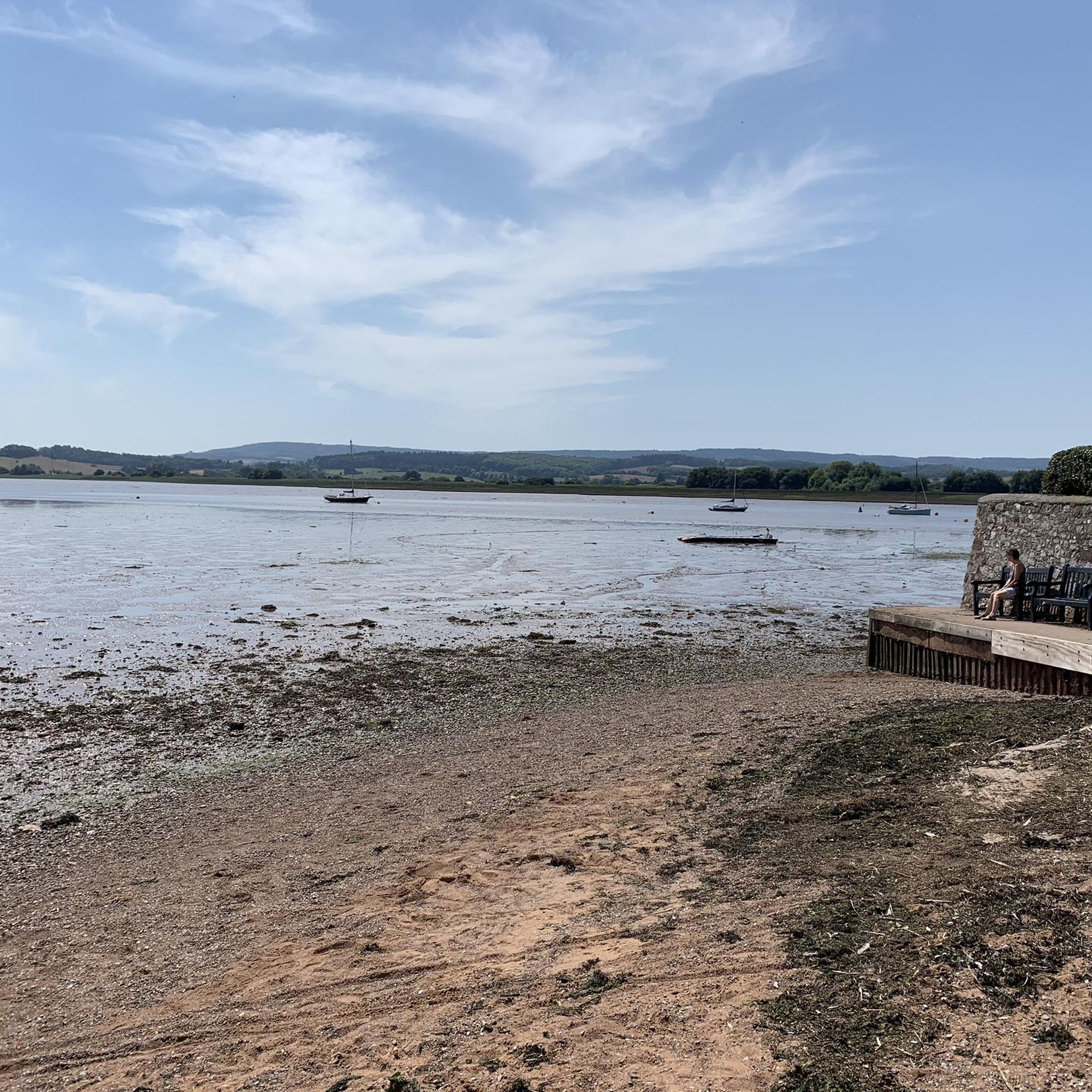
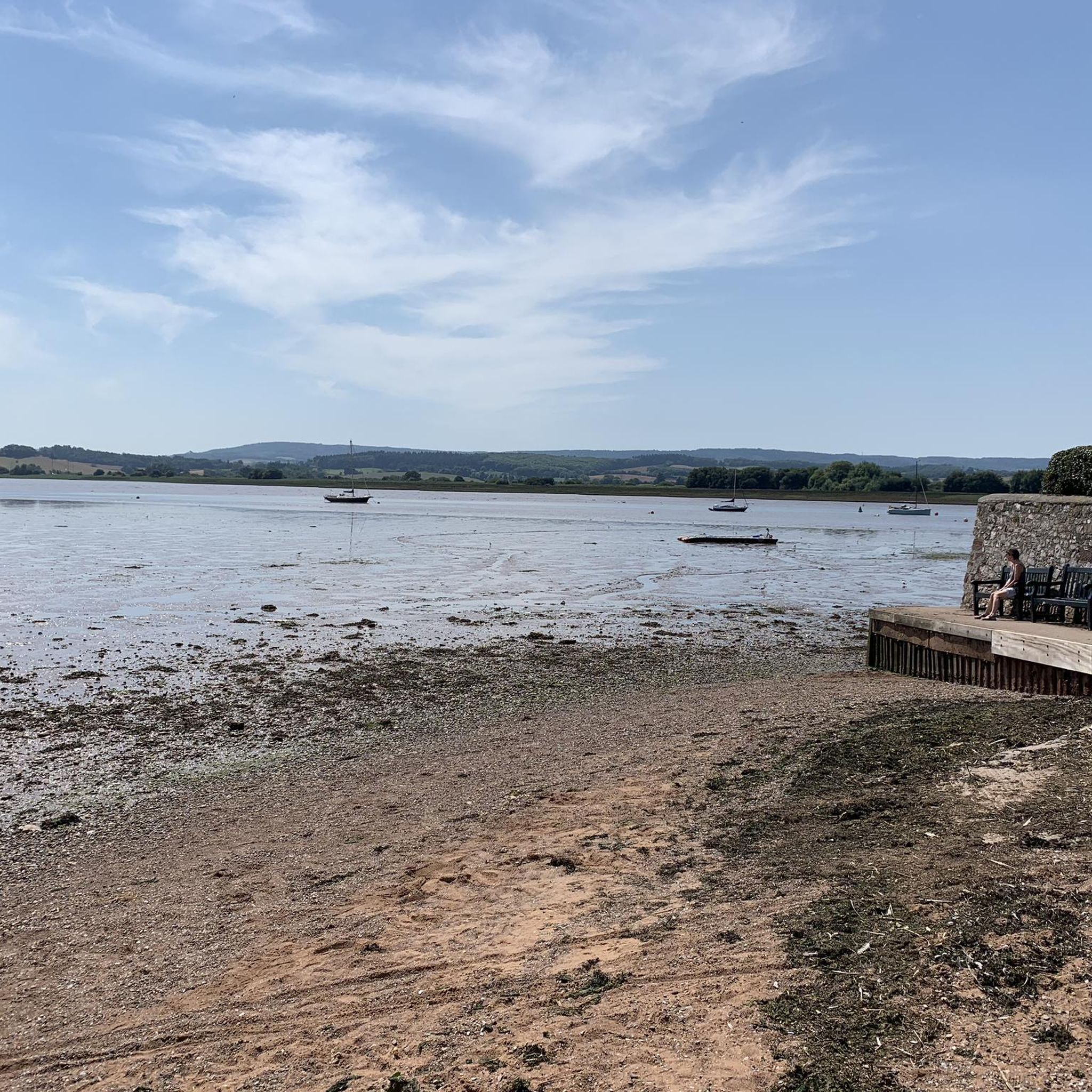
- The most popular attractions is Exe Estuary Trail, a trail that runs around the entire Exe Estuary. It is well-surfaced and suitable for cyclists, walkers, and runners, offering scenic views.
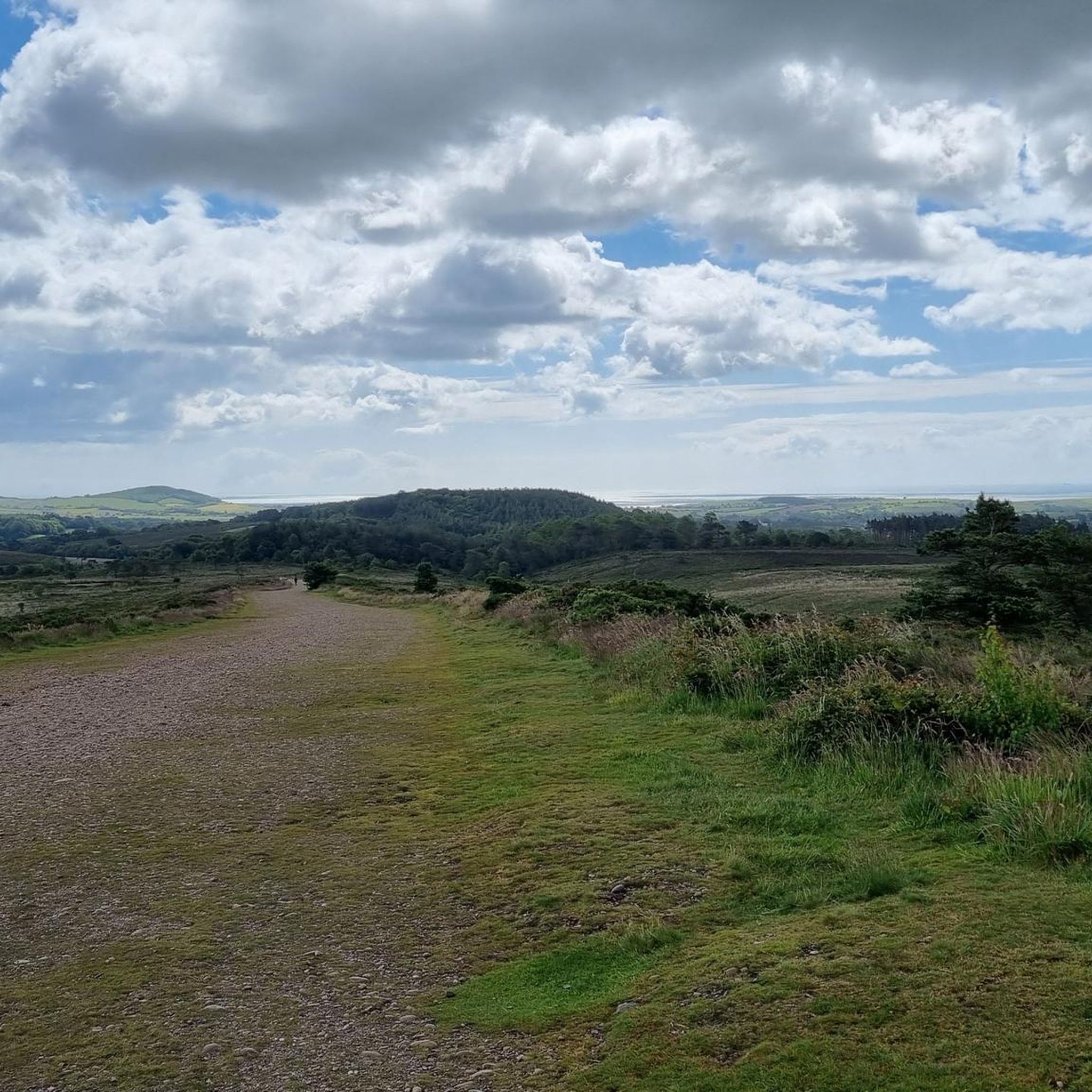
- Another must-see spot is Otter Estuary Nature Reserve, a natural monument. This reserve is known for its marshes and is a significant location for birdwatching, supporting various wintering wildfowl and waders.
- Visitors also love Exe Estuary Trail boardwalk, a cycle way that is part of the larger Exe Estuary Trail. It offers spectacular views of the estuary and is predominantly off-road, making it ideal for family rides or less strenuous activities.
- Farringdon is known for its historical sites, cycle ways, and natural monuments. Visitors can explore a variety of attractions, from historical bridges to nature reserves and extensive trails.
- The attractions around Farringdon are appreciated by the komoot community, with more than 230 upvotes and 14 photos shared by visitors.
Last updated: May 9, 2026
Exeter Ship Canal
Highlight (Segment) • Cycleway
It was first constructed in the 1560s and was the first canal to be built in Britain since Roman times. It was also the first canal in England to use the pound lock. The canal was built to bypass the weirs that had been erected on the river by the Countess of Devon and later by the Earls of Devon, which prevented ships from reaching Exeter and forced them to unload at Topsham.
The canal was enlarged and extended several times over the centuries and reached its present form in the 1830s. The canal basin was also built at that time and became a busy port with warehouses and workshops.
Today, the canal is mainly used for leisure activities such as boating, walking and cycling. You can follow the Exe Estuary Trail alongside the canal and enjoy the scenic views of the river and the countryside.
Tip by

Exe Estuary Trail
Highlight • Trail
Well surfaced and ideal for any type of bike as well as walkers and runners. Be mindful of other users, especially when it's busier at the weekends and holidays.
Tip by

Sign up now to discover places like this
Get recommendations on the best single tracks, peaks, & plenty of other exciting outdoor places.
Sign up for free
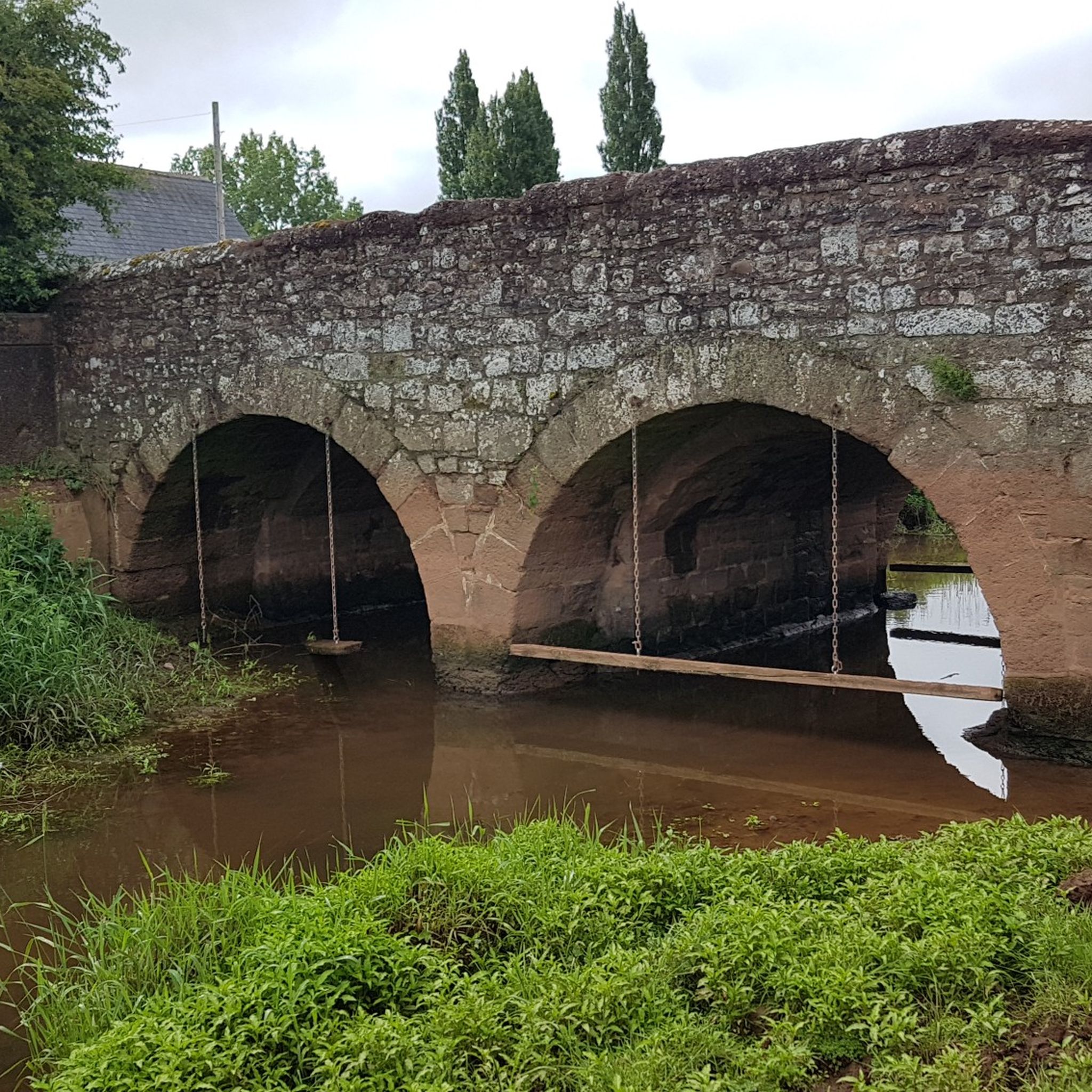
Countess Wear Bridges
Highlight • Bridge
Tip by
Exe Estuary Trail boardwalk
Highlight • Cycleway
Tip by
Otter Estuary Nature Reserve
Highlight (Segment) • Natural Monument
Tip by

Sign up for free to discover even more attractions around Farringdon.
Sign up for free
Already have an account?
Start today with a free account
Your next adventure awaits.
Login or Signup

Tips from the Community

Look out for an entrance onto a footpath on your right, which follows beside the railway tracks on your left, and the exe estuary on your right. The path is too narrow for cycling but great for walking and running.
1
0

Beautiful walk and perfect opportunity to see wildlife
0
0

With over 120 species of bird recorded on the site, the River Otter Estuary Nature Reserve is the perfect place for bird watching. The estuary covers around 33 hectares and is a designated site of Special Scientific Interest. The Otter Estuary has an intertidal habitat of mudflats and saltmarshes, making it an ideal home for a number of fish, birds and other marine life. If you have a keen eye, you can often spot things such as mud shrimps and a host of wading birds like the Ringed Plover, Curlew, Black tailed Godwit, Dunlin, Common Sandpiper, Redshank and Brent Goose. Occasionally, you’ll find rarer birds including avocet and glossy ibis. Whatever time of year you visit, you’ll spot something new depending on the birds migratory habits, so every trip is a unique experience. As well as birds, the estuary is a great place for spotting otters and is home to England’s first population of native wild beavers. Around ten years ago, beavers reappeared on the River Otter and now there is a happy and healthy colony of beavers living at the estuary. While visiting, be sure to follow these guidelines: Be considerate of other users, make way when paths are narrow and be quiet and respectful when exploring Take all your litter with you Do not approach any wildlife Keep dogs under control, especially around other people and wildlife Always bag and bin dog waste Cycling is not permitted Watersports are only for the beach, not the estuary to protect wildlife, so please launch any boards or paddles from the beach. Only use the designated areas for BBQs and picnics
2
0

This swing bridge is an interesting construction.
0
0

Nice flat cycle path. But gets VERY busy with 2 wheeled, 2 legged and 4 legged visitors in the summer months. Watch how you go.
0
0
Nice flat cycle path. But gets VERY busy with 2 wheeled, 2 legged and 4 legged visitors in the summer months. Watch how you go.
1
1

Exeter Ship Canal is a canal leading from (and beside) the River Exe to Exeter Quay in the city of Exeter, Devon. It was first constructed in the 1560s and was the first canal to be built in Britain since Roman times. It was also the first canal in England to use the pound lock. The canal was built to bypass the weirs that had been erected on the river by the Countess of Devon and later by the Earls of Devon, which prevented ships from reaching Exeter and forced them to unload at Topsham. The canal was enlarged and extended several times over the centuries and reached its present form in the 1830s. The canal basin was also built at that time and became a busy port with warehouses and workshops. Today, the canal is mainly used for leisure activities such as boating, walking and cycling. You can follow the Exe Estuary Trail alongside the canal and enjoy the scenic views of the river and the countryside.
7
0
Countess Wear Bridges are two bridges in Exeter, Devon that cross the River Exe and the Exeter Ship Canal. They have a D-Day connection because they were used for military training by British paratroops prior to the Normandy landings in 1944. The bridges were chosen because they resembled two bridges in France that were part of the Operation Deadstick, a daring mission to capture and hold the crossings over the Caen Canal and River Orne. The training involved rehearsing different scenarios and tactics in case the plan went wrong on D-Day.
8
0
Frequently Asked Questions
What kind of natural attractions can I explore around Farringdon?
Farringdon is rich in natural beauty, particularly around its waterways. You can visit the Otter Estuary Nature Reserve, known for its marshes and as a significant location for birdwatching, supporting various wintering wildfowl and waders. The Exe Estuary Trail also offers scenic views along the river.
Are there any historical sites or landmarks to visit near Farringdon?
Yes, Farringdon and its surroundings have several historical points of interest. The Exeter Ship Canal, first constructed in the 1560s, is Britain's first canal built since Roman times and the first to use a pound lock. You can also see the Countess Wear Bridges, which have a unique D-Day connection as they were used for military training prior to the Normandy landings.
What outdoor activities are popular around Farringdon?
The area around Farringdon is excellent for various outdoor activities. You can enjoy walking, cycling, and running along the Exe Estuary Trail, which is well-surfaced and offers fantastic views. The Exeter Ship Canal is also popular for leisure activities like boating, walking, and cycling.
Are there family-friendly attractions or activities in the Farringdon area?
Absolutely! Many attractions around Farringdon are suitable for families. The Exe Estuary Trail and its boardwalk section are predominantly off-road, making them ideal for family rides or less strenuous walks. The Otter Estuary Nature Reserve is also a great spot for families interested in birdwatching and nature.
Are there any cycling routes near Farringdon?
Yes, cycling is a very popular activity here. The Exe Estuary Trail is a 22.5-mile (36-km) mainly flat cycle route and walkway linking Exmouth, Exeter, and Dawlish. The Exe Estuary Trail boardwalk section is particularly well-suited for cycling, offering spectacular views. For more options, explore the gravel biking routes or road cycling routes around Farringdon.
What kind of walking trails can I find around Farringdon?
Farringdon offers a variety of walking trails, especially along its waterways. The Exe Estuary Trail is perfect for walks, providing scenic views and a well-surfaced path. You can also walk alongside the Exeter Ship Canal. For dedicated walking and running, check out the running trails guide for more options.
Are there any wheelchair-accessible paths or attractions?
Yes, the Exe Estuary Trail boardwalk is noted for being wheelchair accessible, offering a smooth surface and spectacular views of the estuary. This section is part of the larger Exe Estuary Trail, making it an inclusive option for enjoying the scenery.
What do visitors enjoy most about the attractions around Farringdon?
Visitors particularly appreciate the scenic views, especially along the Exe Estuary, and the well-maintained, traffic-free paths. The opportunity for birdwatching at the Otter Estuary Nature Reserve and the historical significance of sites like the Exeter Ship Canal are also highly valued. The flat, accessible nature of many trails makes them popular for all ages and fitness levels.
Where can I go for birdwatching near Farringdon?
The Otter Estuary Nature Reserve is an excellent spot for birdwatching. Its marshes support a significant population of wintering wildfowl and waders, including redshank, common sandpiper, curlew, and red-breasted merganser. Reed warbler, sedge warbler, and reed bunting also breed on the site.
Can I find viewpoints with good scenery around Farringdon?
Yes, the area offers several scenic viewpoints. The Exe Estuary Trail and its boardwalk section provide spectacular views of the estuary. The Otter Estuary Nature Reserve also offers great vantage points to observe the natural landscape and wildlife.
Are there any specific routes for running around Farringdon?
Yes, the flat and well-surfaced paths of the Exe Estuary Trail are popular with runners. For more dedicated running routes, you can explore the various options listed in the Running Trails around Farringdon guide.
Most popular attractions around Farringdon

Get inspired with the komoot mobile app


Explore more
Still not found the Highlight you’re looking for? See guides of the top attractions in other regions:
