The best cycling routes around Exmouth
4.4
(91)
1,693
riders
54
rides
Touring cycling around Exmouth, UK, offers diverse landscapes for cyclists of varying abilities. The region features a prominent estuary with traffic-free paths, coastal routes along old railway lines, and rolling countryside connecting to charming villages. Inland, heathland and woodland trails provide off-road options, while the seafront offers dedicated cycle paths. These physical features create a varied terrain suitable for different touring cycling experiences.
Best touring cycling routes around Exmouth
- The most popular touring cycling route is The Exe Estuary loop from Exmouth — East Devon, a 31.3 miles (50.3 km) trail that takes 3 hours 11 minutes to complete. This difficult route follows the scenic Exe Estuary, offering waterside views and opportunities for wildlife observation.
- Another top favourite among local touring cyclists is Budleigh-Exmouth Cycleway loop from Exmouth, a moderate 7.4 miles (11.9 km) path. This route follows an old railway line through traditional Devonshire countryside and woodland, providing coastal scenery.
- Local touring cyclists also love the Budleigh-Exmouth Cycleway – Budleigh Salterton Beach loop from Budleigh Salterton, a 9.3 miles (14.9 km) trail leading through coastal scenery and traditional Devonshire countryside, often completed in about 56 minutes.
- Touring cycling around Exmouth is defined by estuary paths, coastal cycleways, and rolling countryside. The network offers options for different ability levels, from easy family rides to more challenging routes.
- The routes in Exmouth are highly rated by the komoot community with an average score of 4.3 stars from over 90 reviews. More than 1700 touring cyclists have used komoot to explore Exmouth's varied terrain.
Last updated: August 17, 2026
3.5
(2)
16
riders
50.3km
03:11
490m
490m
Hard bike ride. Very good fitness required. Mostly paved surfaces. Suitable for all skill levels.
4.5
(2)
6
riders
77.1km
05:23
1,280m
1,280m
Hard bike ride. Very good fitness required. Mostly paved surfaces. Suitable for all skill levels.

Sign up for free
3.8
(5)
55
riders
38.9km
02:39
590m
590m
Hard bike ride. Very good fitness required. Mostly paved surfaces. Suitable for all skill levels.
4.3
(4)
57
riders
11.9km
00:48
150m
150m
Moderate bike ride. Good fitness required. Mostly paved surfaces. Suitable for all skill levels.
3.5
(2)
44
riders
Moderate bike ride. Good fitness required. Mostly paved surfaces. Suitable for all skill levels.
Get access to more routes and recommendations from other explorers.
Sign up for free
Already have an account?
Our route recommendations are based on thousands of hikes, rides, and runs completed by other people on komoot.
Start today with a free account
Your next adventure awaits.
Login or Signup
Popular around Exmouth

Dover to St Austell — National Cycle Network Route 2
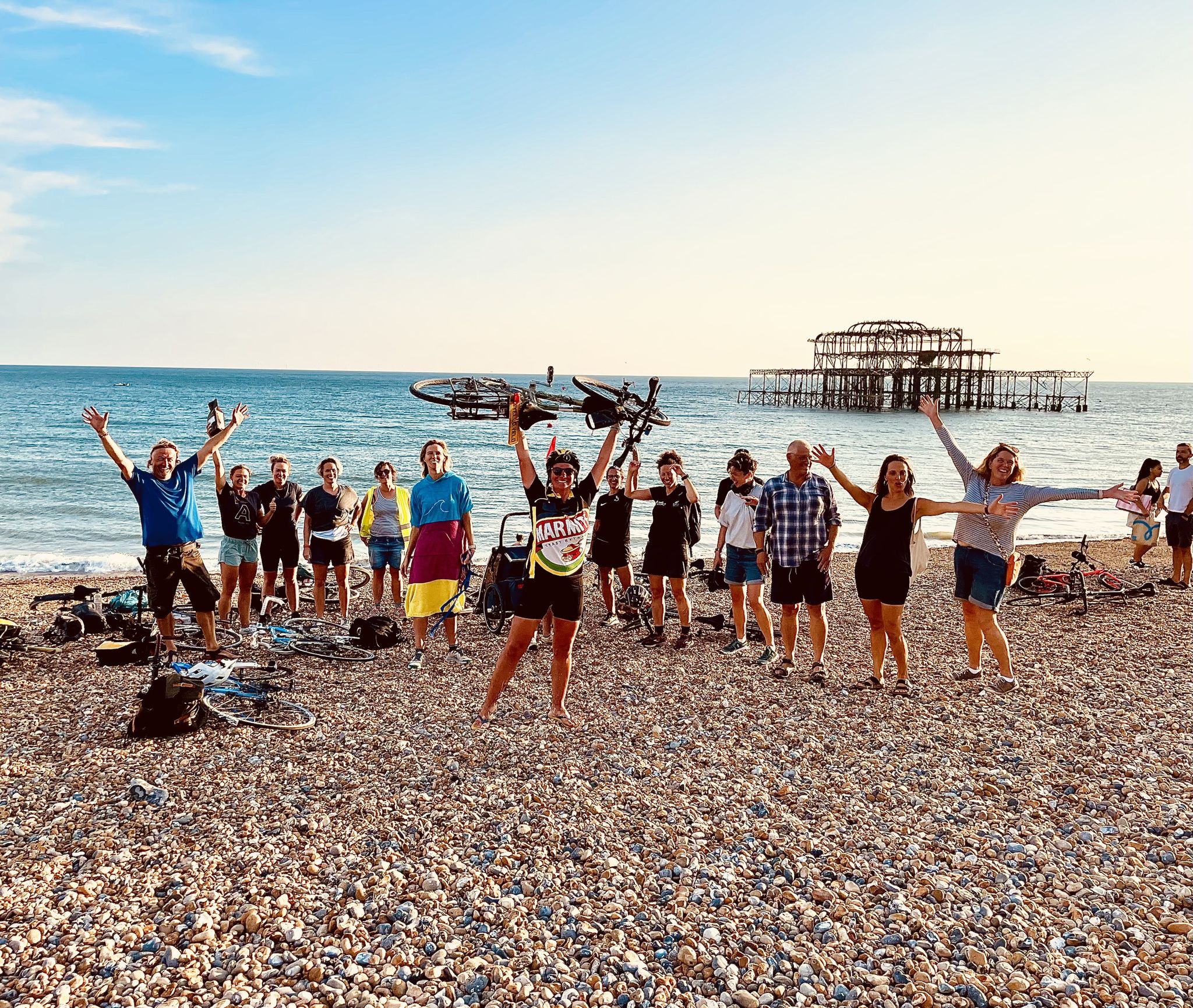
Around the edge in 80 days — cycling the coastline of Britain

Celtic Way — An epic pilgrimage through prehistory and wild beauty
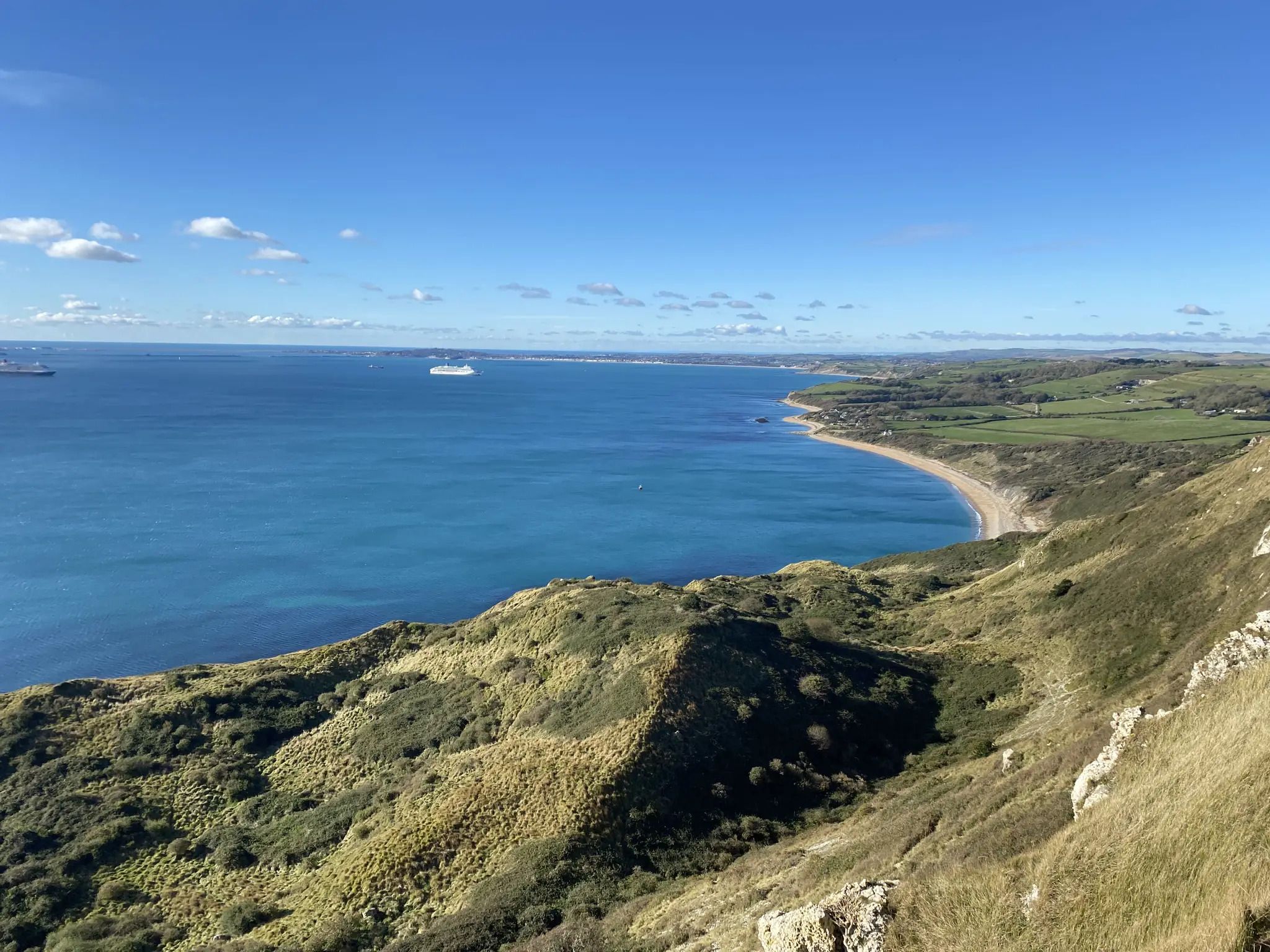
Jurassic Coast – Long Distance Walking in the South of England
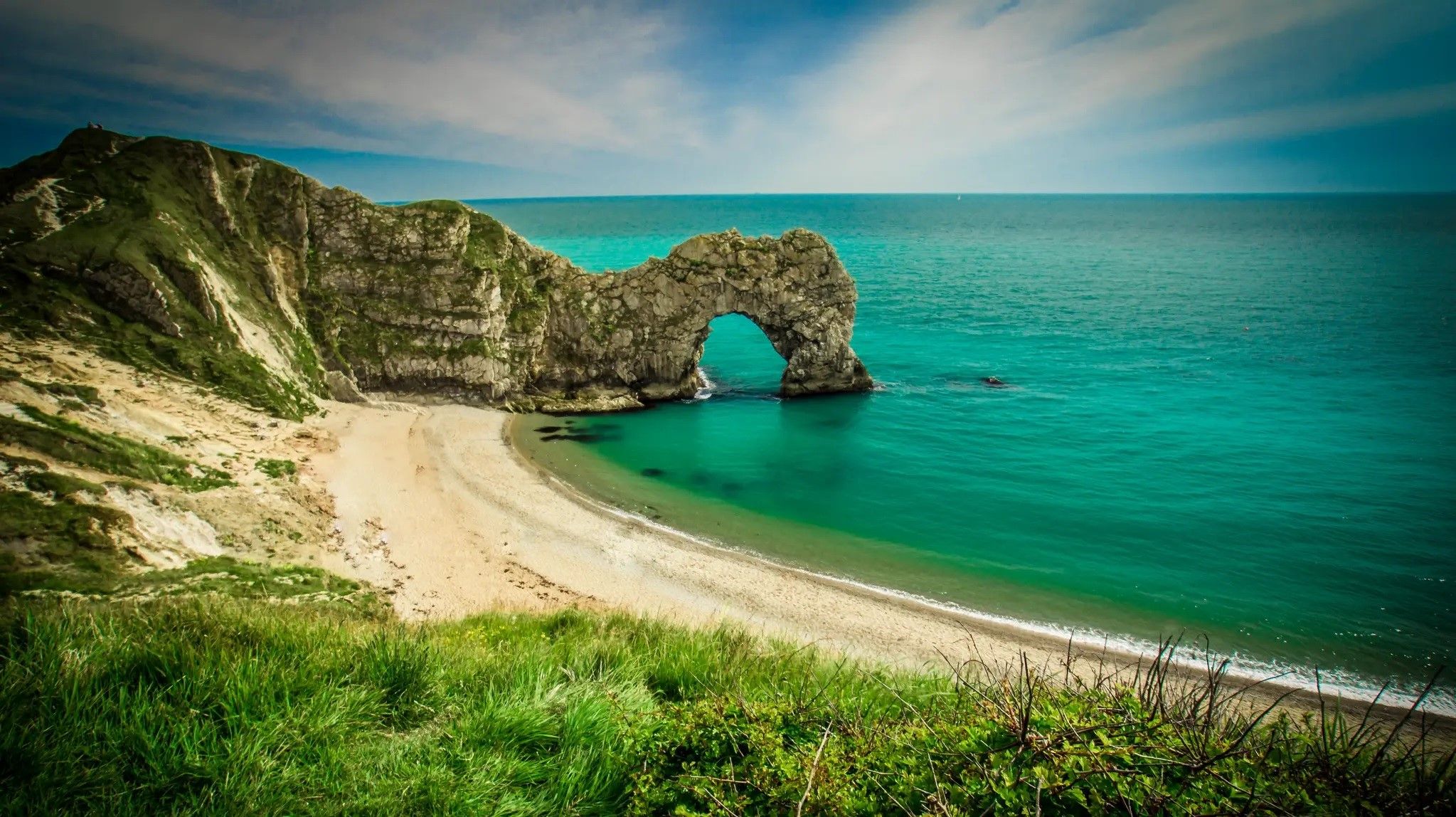
South West Coast Path — Part 4 — Conquer Britain's longest trail
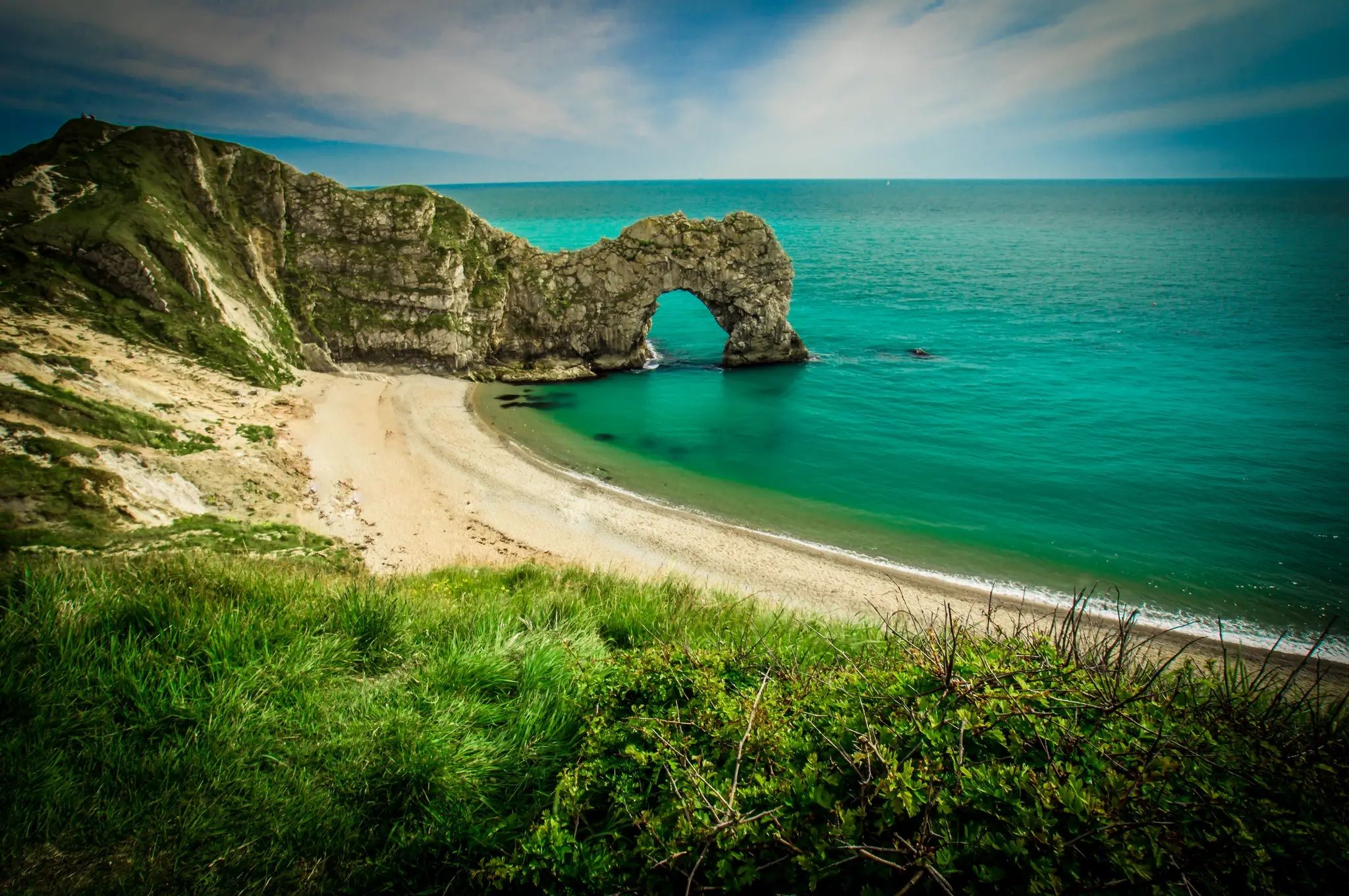
South West Coast Path — Explore Britain's longest trail
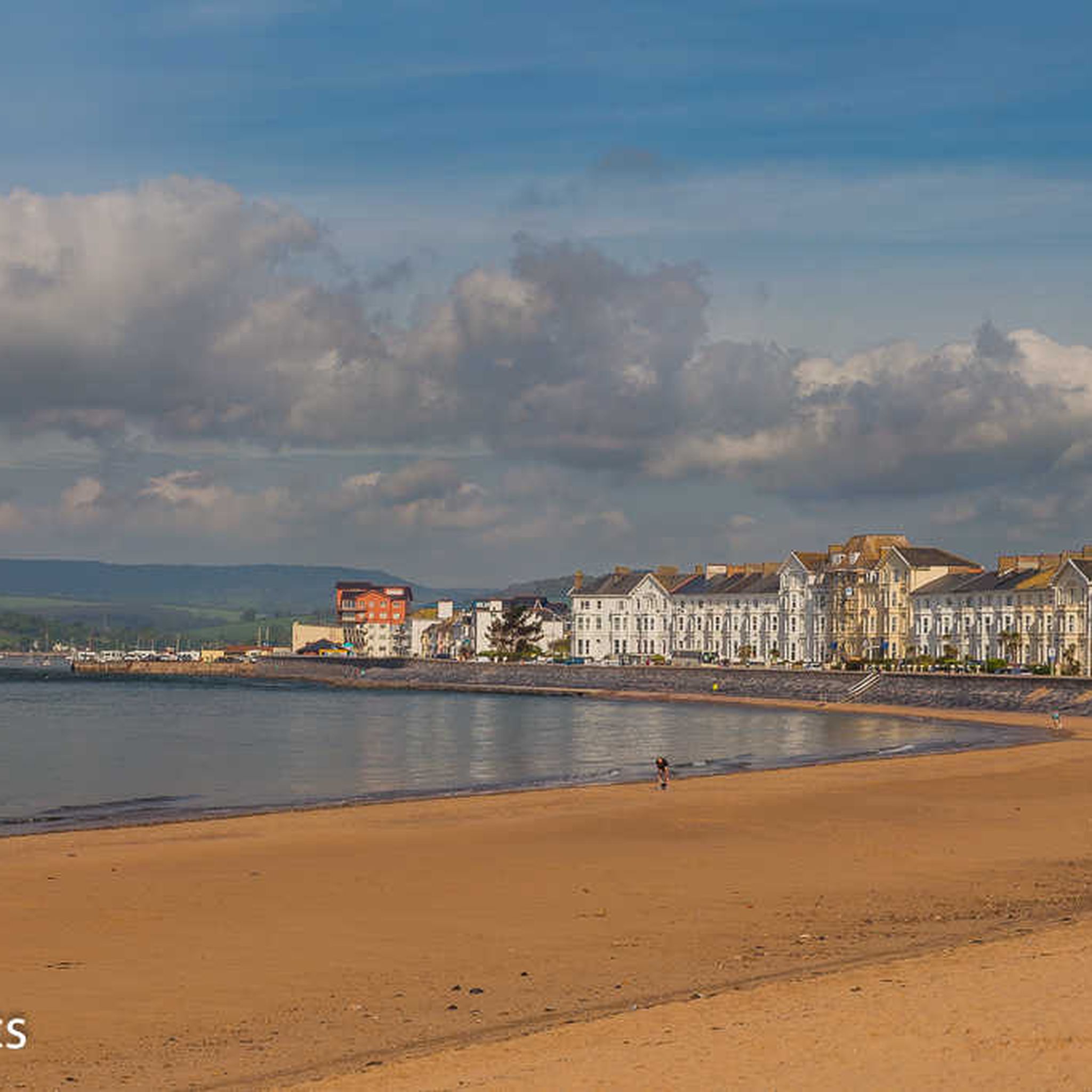
Hiking around Exmouth
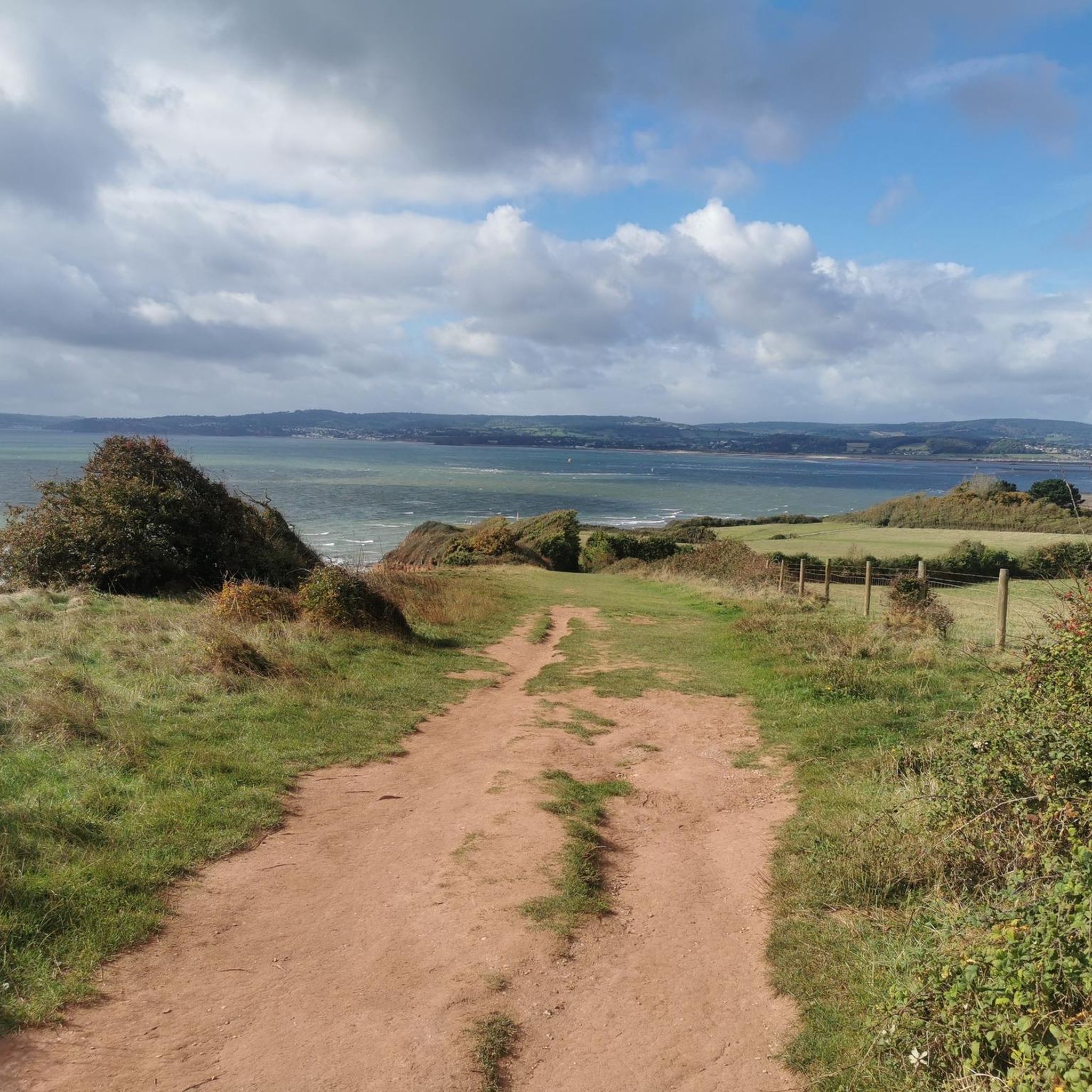
Running Trails around Exmouth
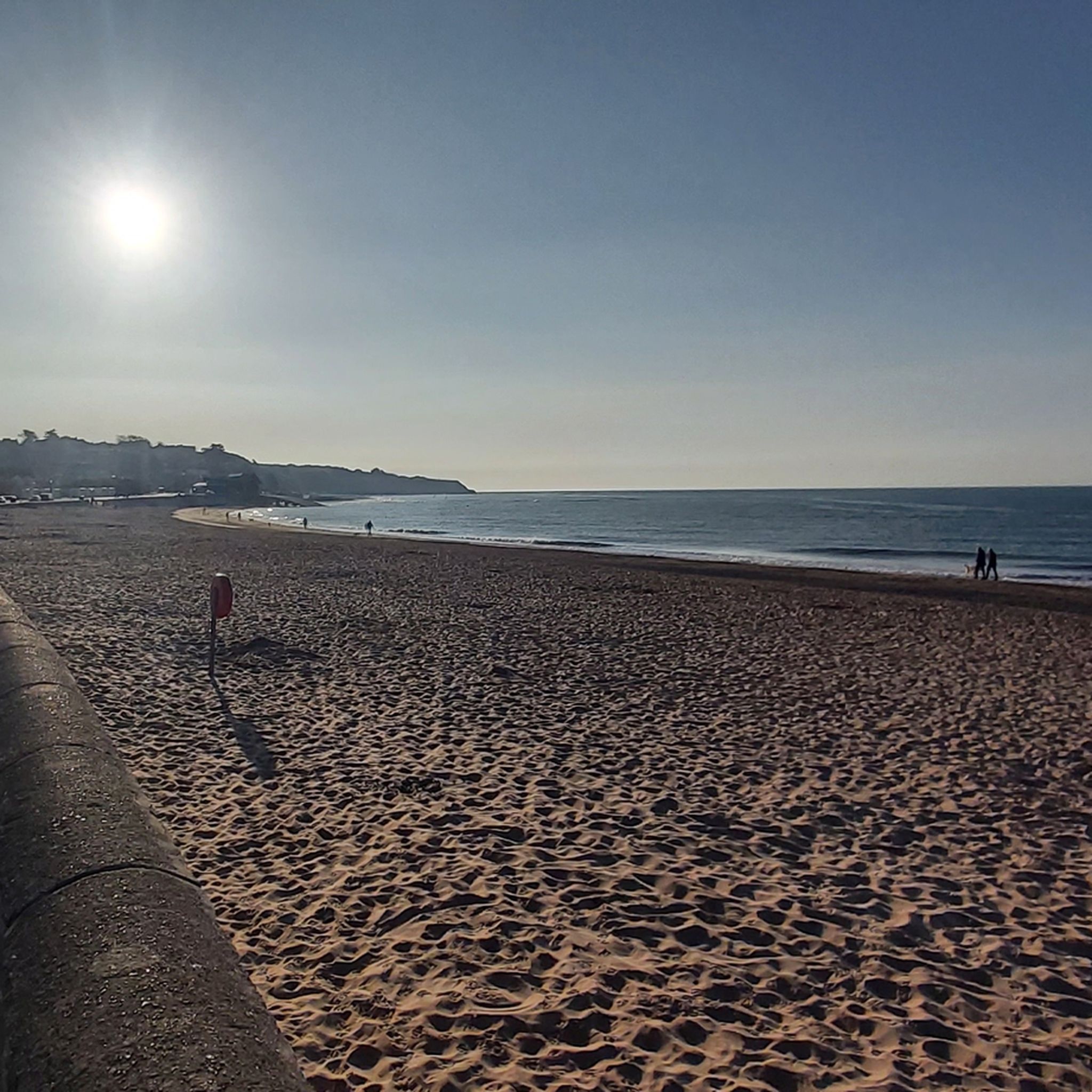
Road Cycling Routes around Exmouth
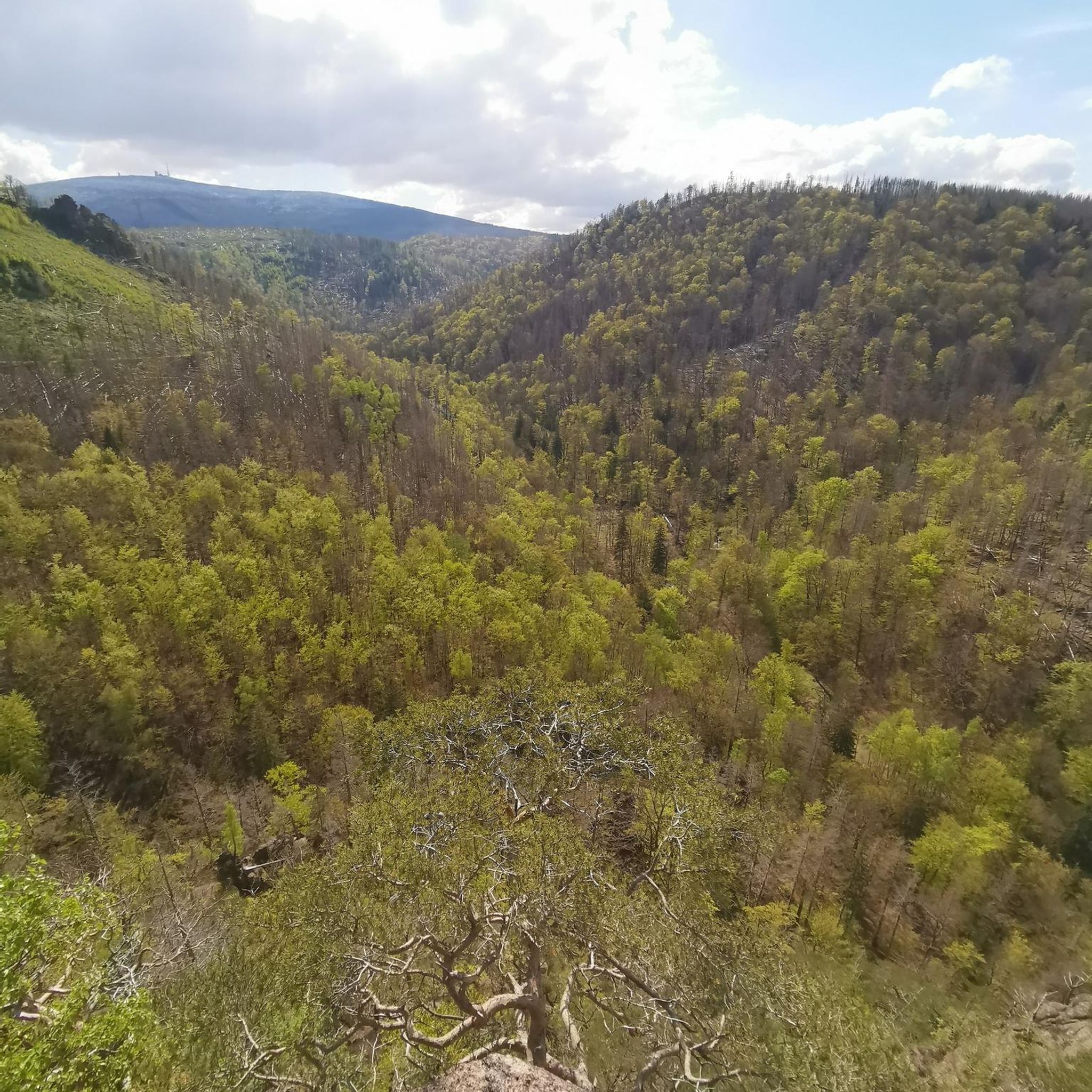
Gravel biking around Exmouth
Other adventures around Exmouth


Tips from the Community

Stunning little cycle path, quiet so expect walkers with dogs off lead. They were all good boys and girls when I was there though.
0
0

Forget the bucket and spade—at Budleigh Salterton, it’s all about the "Budleigh Buns!" These giant, smooth, oval pebbles are the beach’s signature, making it a paradise for stone-stackers and rock-pool explorers. Part of the Jurassic Coast, the beach is framed by dramatic, red Triassic cliffs that look like they’ve been toasted. It’s a wonderfully "posh and peaceful" spot where you can swap noisy arcades for the gentle crunch-crunch of your footsteps. Grab a crab sandwich, watch the colorful fishing boats, and see if you can find a pebble with a hidden fossil. It’s geology, but make it fashion!
0
0

Look out for an entrance onto a footpath on your right, which follows beside the railway tracks on your left, and the exe estuary on your right. The path is too narrow for cycling but great for walking and running.
1
0

Harnessing the power of moving water to drive a mill wheel is an ancient invention of human ingenuity, whose origins can be traced back to ancient times. Thanks to such a design, a watercourse – natural or artificial – made it possible to simply replace human or animal muscle power with the power of natural elements, for example, to grind grain into corn or press oil from fruit. There are essentially two drive variants for watermills: * Either the flowing water simply hits the blades of the water wheel from below to set it in motion; or * the water is guided above the wheel – usually through a so-called "mill channel" – and falls onto the blades. This design utilizes natural gravity to achieve greater efficiency.
2
0

Exmouth and veterans commemorate the fallen of Operation Overlord 1944.
0
0


this road becomes flooded would avoid when on yellow 🟡 weather warning cause you might need a boat, but otherwise it's very pretty and worth a visit great pubs for food nearby and air BnB places
3
0

Gardens offer a superb view along Sidmouth beach. The clock tower within the gardens is perfect for great coffee, yummy cakes and even better sandwiches 😀
2
0
Frequently Asked Questions
How many touring cycling routes are available in Exmouth?
Exmouth offers a wide variety of touring cycling routes, with over 50 options available. These routes cater to different skill levels, from easy rides to more challenging excursions across diverse landscapes.
Are there easy or family-friendly cycling routes in Exmouth?
Yes, Exmouth is well-suited for family-friendly and easy cycling. The Budleigh-Exmouth Cycleway loop from Exmouth is a moderate 7.4 miles (11.9 km) path following an old railway line, offering coastal scenery and traditional Devonshire countryside. The Exmouth seafront also features a dedicated two-mile cycle path, perfect for short, relaxed rides. For more family-friendly cycling ideas, you can visit visitexmouth.co.uk.
What kind of scenery can I expect on touring cycling routes around Exmouth?
Touring cycling around Exmouth offers incredibly diverse scenery. You can expect stunning waterside views along the Exe Estuary, coastal paths with red cliffs towards Budleigh Salterton, and peaceful routes through traditional Devonshire countryside and woodland. Inland, there are also heathland and woodland trails for off-road exploration.
Are there any circular touring cycling routes in Exmouth?
Yes, many routes in Exmouth are circular, allowing you to start and end in the same location. A popular option is The Exe Estuary loop from Exmouth — East Devon, a 31.3-mile (50.3 km) route offering scenic waterside views. Another is the Budleigh-Exmouth Cycleway loop from Exmouth, which is a moderate 7.4 miles (11.9 km).
What are some notable attractions or points of interest I can visit along the cycling routes?
Along the cycling routes, you can explore several interesting attractions. The Exe Estuary Trail itself is a highlight, offering views of the estuary. You might also encounter the Exeter Ship Canal or the Countess Wear Bridges. Towards Budleigh Salterton, you'll find the iconic red cliffs, part of the Jurassic Coast World Heritage Site. The Otter Estuary Nature Reserve is another point of interest for nature lovers.
Can I combine cycling with wildlife spotting in Exmouth?
Absolutely! The Exe Estuary is a designated Site of Special Scientific Interest (SSSI) and a Special Protection Area (SPA), making it a prime spot for birdwatching. Cyclists on the Exe Estuary Trail can enjoy stunning views and opportunities to spot local birdlife. Other areas like the Exmouth Local Nature Reserve and Maer Local Nature Reserve offer diverse habitats for spotting dragonflies, amphibians, and various birds. For more information on wildlife spotting, visit visitexmouth.co.uk.
Are there options for more challenging touring cycling routes?
Yes, for those seeking a challenge, Exmouth offers more difficult touring cycling routes. For example, Sidmouth & Seaton loop from Exmouth — East Devon is a difficult 47.9-mile (77.1 km) route with significant elevation gain. Another challenging option is Otterton Mill – Salcombe Hill Cliff loop from Exmouth, covering 24.2 miles (38.9 km) with substantial climbs.
What is the best time of year to go touring cycling in Exmouth?
Exmouth is enjoyable for touring cycling throughout much of the year. Spring and autumn offer pleasant temperatures and beautiful scenery, with fewer crowds. Summer is also popular, especially for coastal routes, but can be busier. Even in winter, many of the paths, particularly the traffic-free estuary and coastal routes, remain accessible, though you should be prepared for cooler, potentially wetter weather.
Are there routes that include stops at pubs or cafes?
Yes, many touring cycling routes around Exmouth pass through charming historic villages and offer opportunities to stop at waterside pubs and cafes. The Exe Estuary Trail, for instance, connects to communities like Lympstone and Topsham, which are known for their welcoming establishments. The Exmouth seafront also has numerous options for refreshments.
What do other touring cyclists enjoy the most about touring cycling in Exmouth?
The touring cycling experience in Exmouth is highly rated by the komoot community, with an average score of 4.3 stars from over 90 reviews. Reviewers often praise the region's diverse landscapes, from the flat, traffic-free estuary paths to the scenic coastal routes and rolling countryside. The opportunities for wildlife spotting and visiting charming villages are also frequently highlighted.
Is public transport available to access cycling routes in Exmouth?
Exmouth is well-connected by public transport, making it easy to access various cycling routes. The town has a train station with services connecting to Exeter, from where you can access the Exe Estuary Trail. Local bus services also operate throughout the area, which can help you reach different starting points for your rides. Always check local timetables for specific routes and bike carriage policies.
Where can I find parking for cycling routes in Exmouth?
Parking is available in and around Exmouth, particularly near popular starting points for cycling routes. There are car parks in Exmouth town centre and along the seafront. For routes like the Exe Estuary Trail, parking is often available at various points along the estuary, such as in Lympstone or Topsham. Always check local signage for parking restrictions and fees.
Most popular routes around Exmouth
Most popular attractions around Exmouth

Get inspired with the komoot mobile app


Explore more
Browse the best Cycling routes in other regions.
