The best cycling routes around Farringdon
4.3
(124)
1,516
riders
200
rides
Touring cycling around Farringdon offers routes through a varied landscape situated on the edge of the Cotswolds. The region features expansive views from its position on a ridge between the River Ock and River Thames valleys. Routes often traverse open fields and woodlands, including the area around Faringdon Folly Hill. This setting provides a mix of gentle and more challenging terrain suitable for touring cyclists.
Best touring cycling routes around Farringdon
- The most popular touring cycling route is View of…
Last updated: May 4, 2026
4.0
(2)
37
riders
73.9km
04:31
670m
670m
Hard bike ride. Very good fitness required. Mostly paved surfaces. Suitable for all skill levels.
17
riders
Hard bike ride. Very good fitness required. Mostly paved surfaces. Suitable for all skill levels.

Sign up for free
6
riders
13.1km
00:47
110m
110m
Easy bike ride. Great for any fitness level. Mostly paved surfaces. Suitable for all skill levels.
8
riders
35.7km
02:10
250m
250m
Moderate bike ride. Good fitness required. Mostly paved surfaces. Suitable for all skill levels.
5.0
(1)
15
riders
Hard bike ride. Very good fitness required. Mostly paved surfaces. Suitable for all skill levels.
Get access to more routes and recommendations from other explorers.
Sign up for free
Already have an account?
Our route recommendations are based on thousands of hikes, rides, and runs completed by other people on komoot.
Start today with a free account
Your next adventure awaits.
Login or Signup
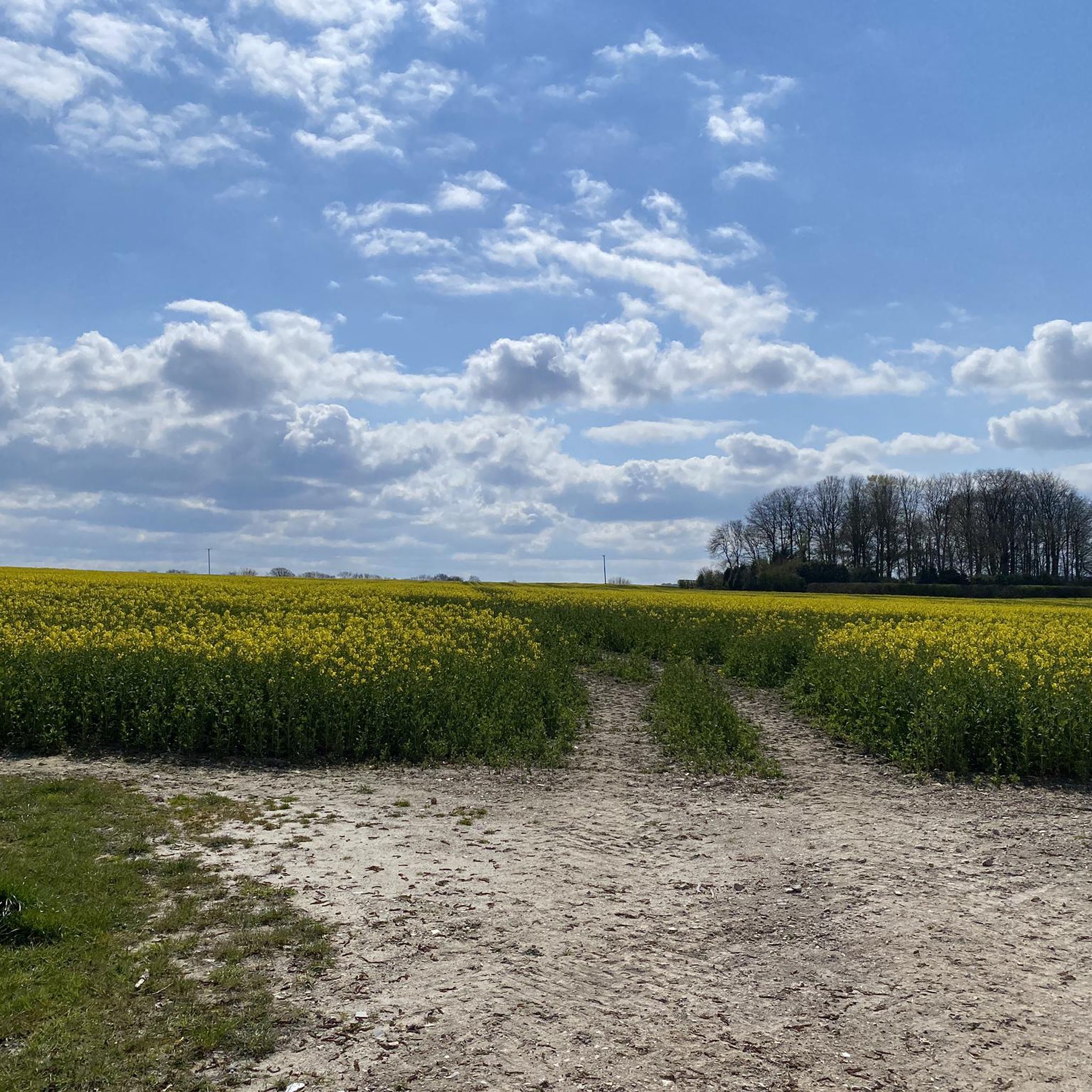
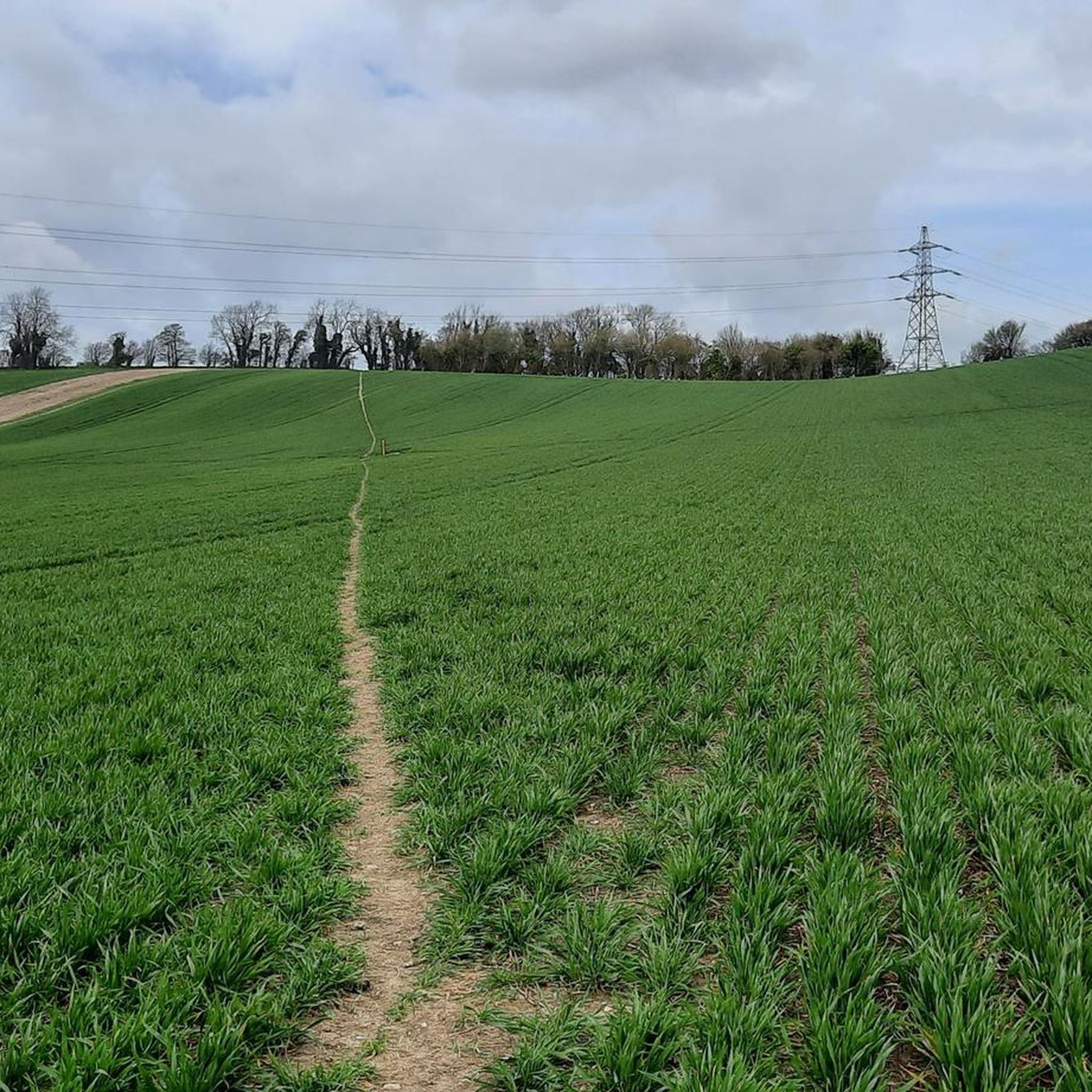
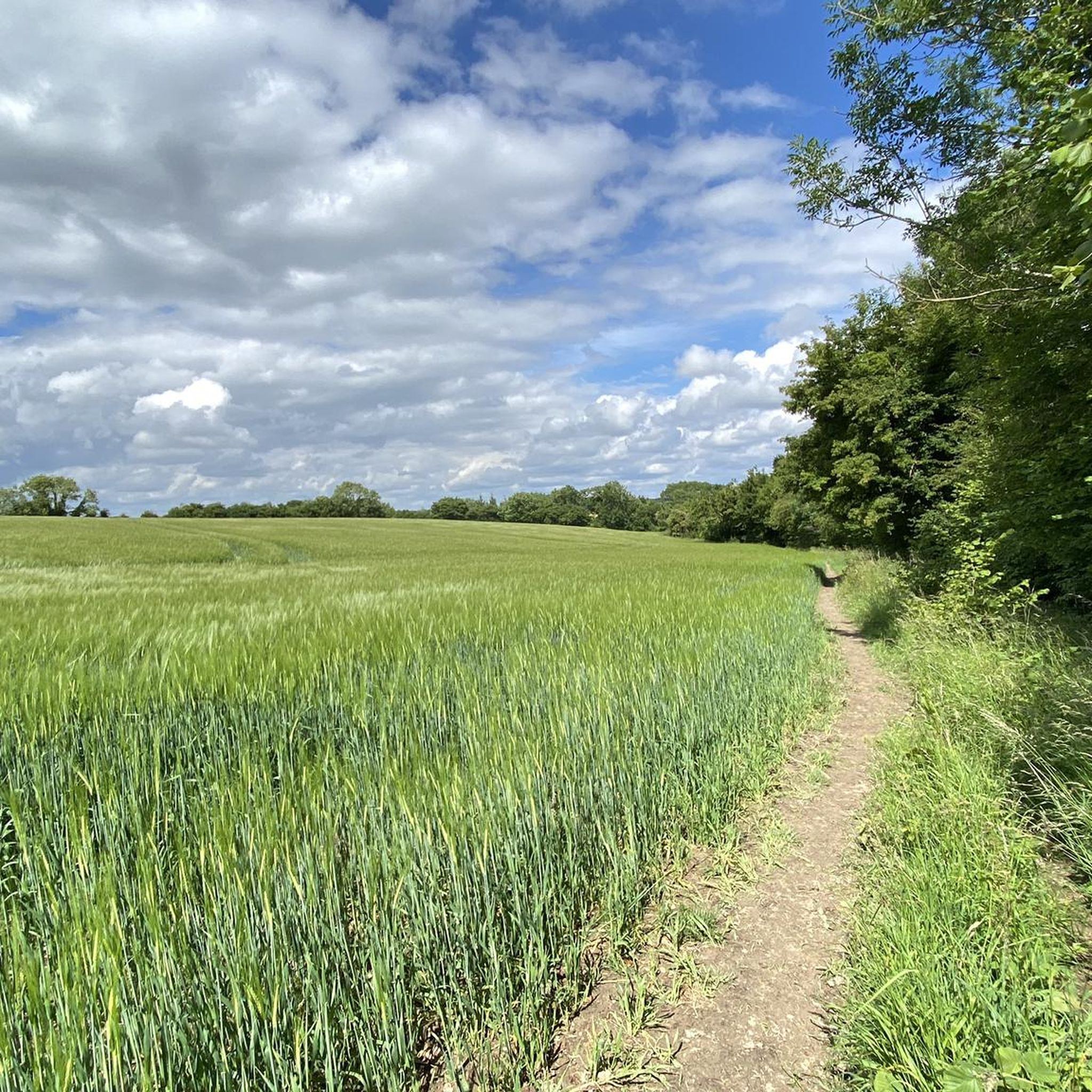
Tips from the Community

Historic waterbeds for growing watercress, on a very quiet road. There's a ford just along with a perfect cycle crossing
0
0


The striking bronze statue of King Alfred the Great is one of Winchester's most recognizable landmarks, dominating The Broadway at the eastern end of the High Street near the River Itchen. Sculpted by Sir Hamo Thornycroft, the colossal, 15-foot-tall figure was erected in 1901 to commemorate the millennium of the king's death—a pivotal figure who made Winchester his capital and is credited with being "The Founder of the Kingdom and Nation," as inscribed on its granite base. Depicting a heroic, bearded Alfred in a regal stance with a downward-pointing sword hilt forming a cross, the statue celebrates his dual role as a military champion against the Vikings and an early Christian leader, all while standing proudly in the city he helped define.
1
0
The Sword: Alfred is shown grasping a large, cross-hilted sword with the point facing downwards. This posture is symbolic, representing not just his prowess as a warrior who defended his kingdom against the Vikings, but also his role as a Christian leader, with the hilt forming the shape of a cross. The Pedestal: The statue rests on a large pedestal of Cornish granite, which is inscribed with just one word: AELFRED. Historical Portrayal: Thornycroft's depiction is a romanticized, heroic one—showing Alfred with a long, flowing beard—even though contemporary coins suggest the King was clean-shaven. The monument represents the Victorian-era idea of Alfred as a perfect warrior, statesman, and philosopher king.
0
0
The statue depicts Alfred the Great (847–899 AD), who was the King of the West Saxons and is traditionally regarded as the first King of the Anglo-Saxons and the founder of the Kingdom of England. Winchester was his capital. Sculptor: Sir Hamo Thornycroft, a highly-regarded Royal Academician. Completion: It was completed in 1901, although it was commissioned to mark the millennium of King Alfred's death (which was in 899 AD). Size: The bronze statue is monumental, standing at 15 feet (4.57 m) high and weighing about five tons. The total height with its granite pedestal is around 40 feet. Location: It stands prominently at the eastern end of The Broadway, near the junction with Bridge Street and Eastgate Street, with the High Street extending behind it toward the city centre.
0
0


In quarter-hour film segments for a German-language television series, Tilmann Spengler introduces the lives and works of important writers and authors from all eras to culture-loving viewers. One of the women he honors as "classics of world literature" is the British author of "Pride and Prejudice" (to name her most famous work): * JANE AUSTEN (1775 to 1817). The segment (in German) can be found in the ARD Media Library at the following link =>> https://www.ardmediathek.de/video/klassiker-der-weltliteratur/jane-austen-stolz-und-vorurteil/ard-alpha/Y3JpZDovL2JyLmRlL3ZpZGVvL2NiOGJhYTI3LTkxYzMtNDRiNi05NjNlLTRlYzg2NDNmY2E5Ng
0
0

More information about King Alfred: https://www.cityofwinchester.co.uk/history/html/king_alfred.html
0
0
Frequently Asked Questions
How many touring cycling routes are available around Farringdon?
There are over 200 touring cycling routes in and around Farringdon, offering a wide range of options for different skill levels and preferences. You'll find everything from easy, short rides to more challenging, longer endeavors.
What kind of terrain and difficulty can I expect on touring cycling routes in Farringdon?
The terrain around Farringdon is varied, featuring the rolling hills of the Cotswolds, open fields, and river valleys. You can find routes ranging from easy, with gentle inclines, to difficult, involving significant elevation changes. Specifically, there are 45 easy routes, 104 moderate routes, and 60 difficult routes available.
Are there any circular touring cycling routes in Farringdon?
Yes, many touring cycling routes around Farringdon are designed as loops, allowing you to start and finish in the same location. For example, the Swelling Hill Pond – Tree House Café loop from Four Marks is an easy 8.1-mile (13.1 km) ride through local woodlands and past a pond.
What are some notable landmarks or viewpoints I can see along the touring cycling routes?
Farringdon's strategic location offers stunning panoramic views, especially from its position on a ridge between the River Ock and River Thames valleys. A prominent landmark is the Faringdon Folly Tower, which provides breathtaking views across five counties. You might also encounter natural features like the Mill Lane Waterfall or the Shoulder of Mutton Viewpoint on some routes.
Are there any family-friendly touring cycling routes in Farringdon?
Yes, Farringdon offers several easy routes suitable for families. The Faringdon Cycle Park also provides a safe environment for all ages to practice cycling skills. For a gentle ride, consider routes that traverse the less challenging parts of the Cotswolds countryside, often featuring quiet lanes and minimal elevation.
Can I find routes that pass by historical sites or attractions?
Absolutely. Some routes will take you past charming villages and historical points of interest. For instance, the The Green, Alton – Jane Austen's House Museum loop from Farringdon is a moderate 22.2-mile (35.7 km) route that includes a visit to the Jane Austen's House Museum.
What do other touring cyclists enjoy most about cycling in Farringdon?
The touring cycling routes in Farringdon are highly rated by the komoot community, with an average score of 4.4 stars from over 120 reviews. Cyclists often praise the varied landscape, from open fields to woodlands, and the expansive views from the ridge. The mix of gentle and challenging terrain is also frequently highlighted.
Are there options for longer, more challenging touring rides?
Yes, for experienced touring cyclists looking for a challenge, Farringdon offers several difficult routes with significant elevation gain. An example is the View of Avington Park and Lake – Westgate, Winchester loop from Four Marks, a 45.8-mile (73.7 km) trail with over 675 meters of ascent, typically taking around 4 hours 30 minutes to complete.
What is the best time of year to go touring cycling in Farringdon?
The best time to go touring cycling in Farringdon is generally during the spring, summer, and early autumn months (April to October). During these periods, the weather is typically milder and drier, making for more pleasant riding conditions and allowing you to fully appreciate the scenic Cotswolds countryside and river valleys.
Are there any routes that offer views of lakes or rivers?
Yes, some routes provide picturesque views of water bodies. For example, the Westgate, Winchester – View of Avington Park and Lake loop from Farringdon is a challenging 40.6-mile (65.4 km) route that offers views of Avington Park and its lake, as well as the surrounding landscape.
Are there any facilities or organizations that support cycling in Farringdon?
Farringdon actively supports cycling through initiatives like 'Farcycles,' which promotes community participation and organizes events such as 'Le Tour de Farcycles' with routes through the Cotswolds. The Faringdon Cycle Park also provides a dedicated facility for cyclists of all ages to learn and improve their skills.
Most popular routes around Farringdon
Most popular attractions around Farringdon

Get inspired with the komoot mobile app


Explore more
Browse the best Cycling routes in other regions.
