The 5 Most Amazing Peaks around Liss
Best mountain peaks around Liss are found within the South Downs National Park, an area characterized by rolling hills and elevated natural features. Liss, a village in Hampshire, England, provides access to these scenic landscapes rather than traditional towering peaks. The region offers diverse terrain, including chalk grasslands and ancient woodlands, which are popular for outdoor activities. These elevated areas provide panoramic views of the surrounding countryside, making them suitable for exploration.
Best mountain peaks around Liss
- The most popular…
Last updated: August 25, 2026
Butser Hill
Highlight • Natural Monument
Tip by

Torberry Hill Iron Age Hillfort
Highlight • Historical Site
Tip by

Sign up now to discover places like this
Get recommendations on the best single tracks, peaks, & plenty of other exciting outdoor places.
Sign up for free
Pen Hill
Highlight • Natural
Tip by

Beacon Hill Trig Point
Highlight • Viewpoint
Tip by

Older Hill Trig Point
Highlight • Summit
Trig Points are dotted about the UK and were …
Tip by

Sign up for free to discover even more peaks around Liss.
Sign up for free
Already have an account?
Start today with a free account
Your next adventure awaits.
Login or Signup
Popular around Liss
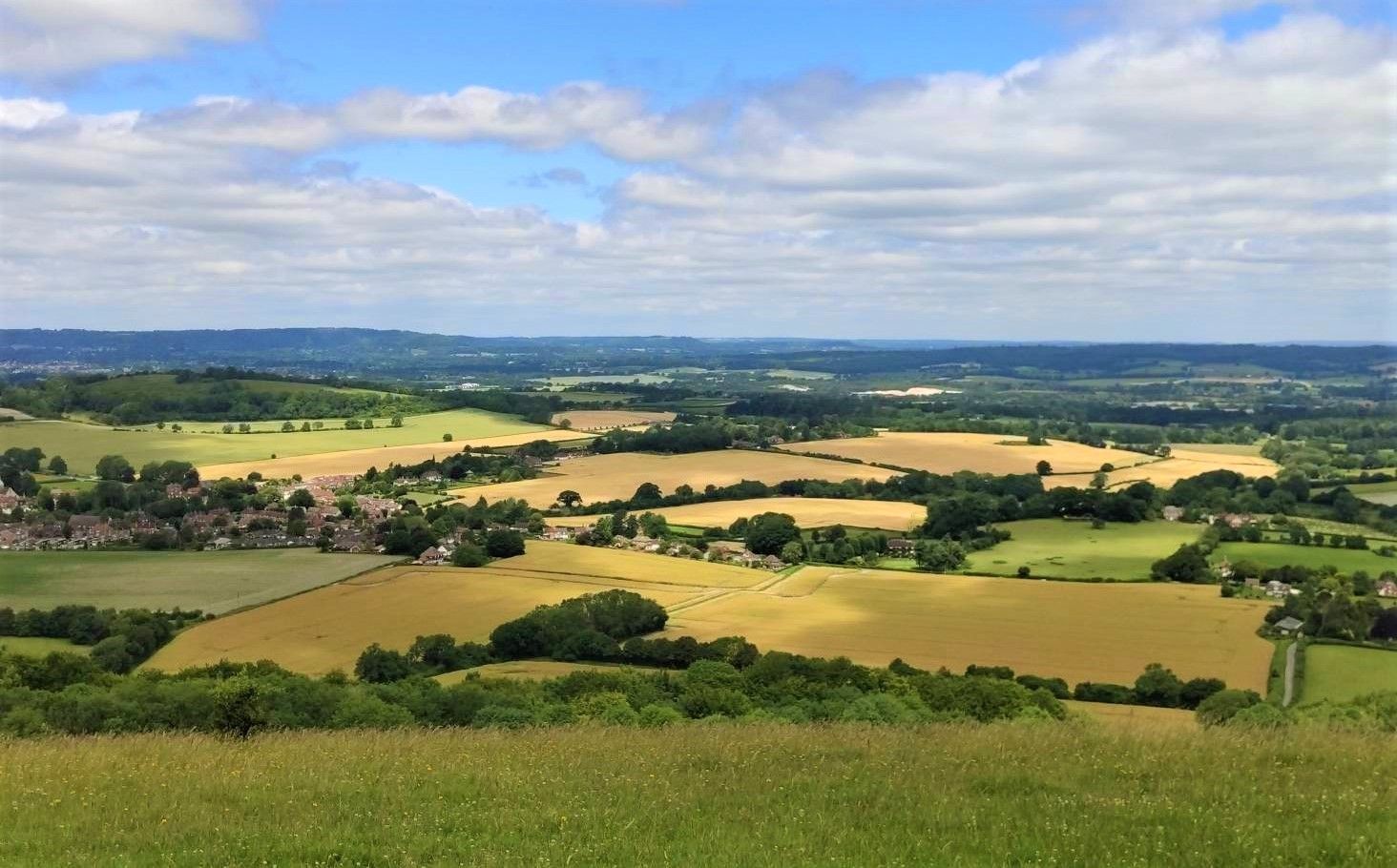
Sussex Border Path — A historic hike through medieval landscapes
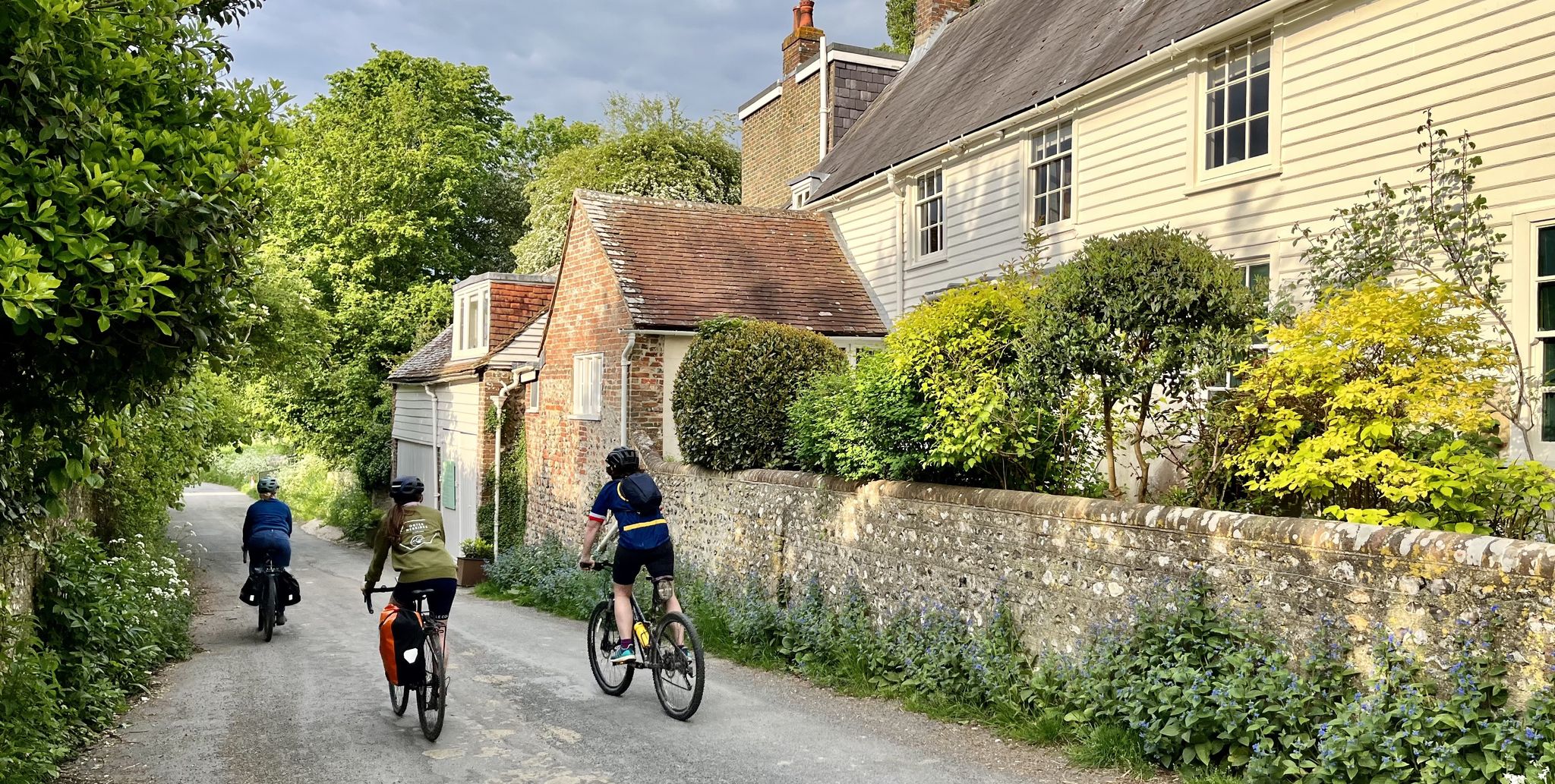
Explore the South Downs National Park — 15 rail to road rides
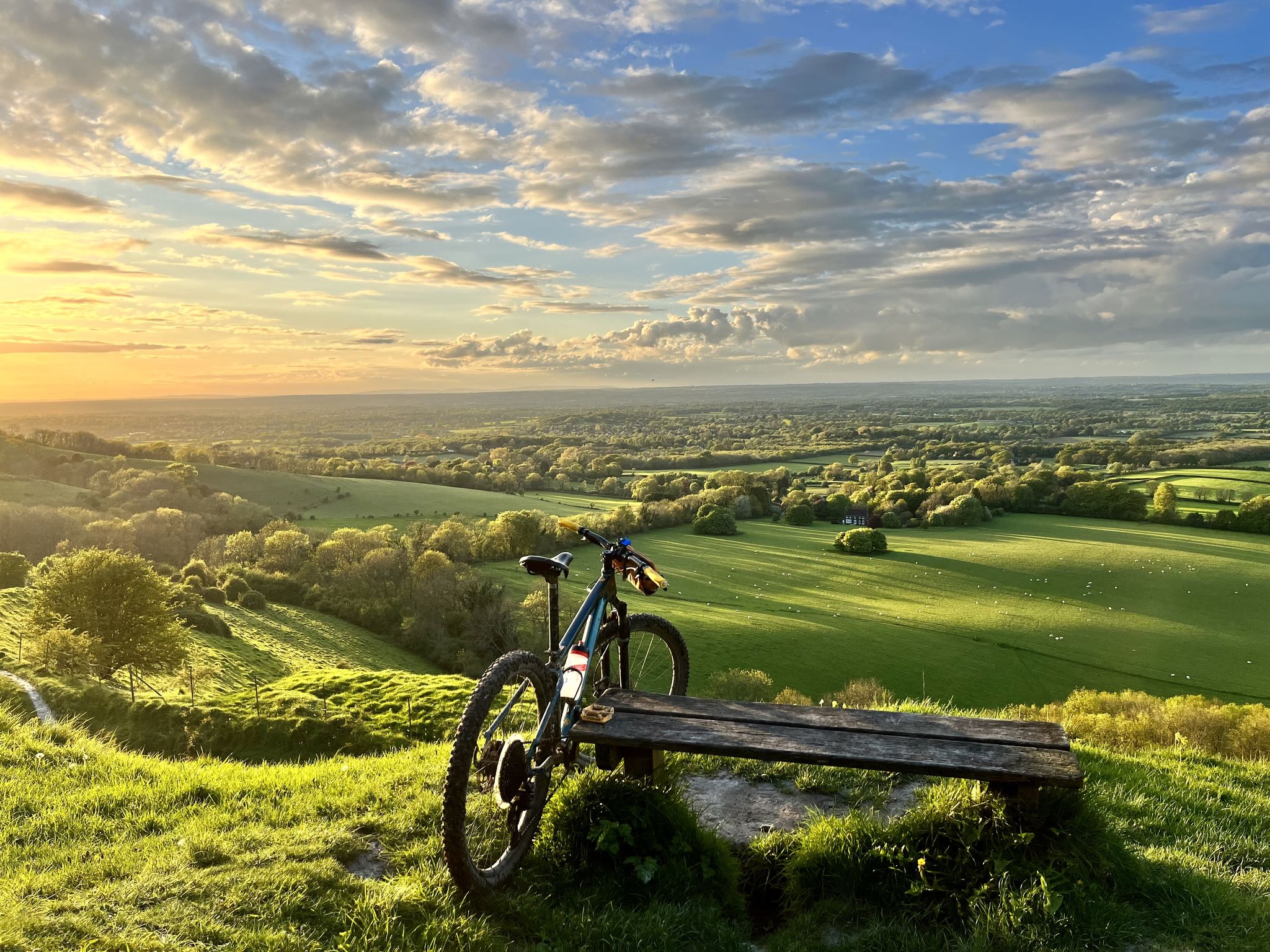
Discover the South Downs National Park — 20 rail to trail rides
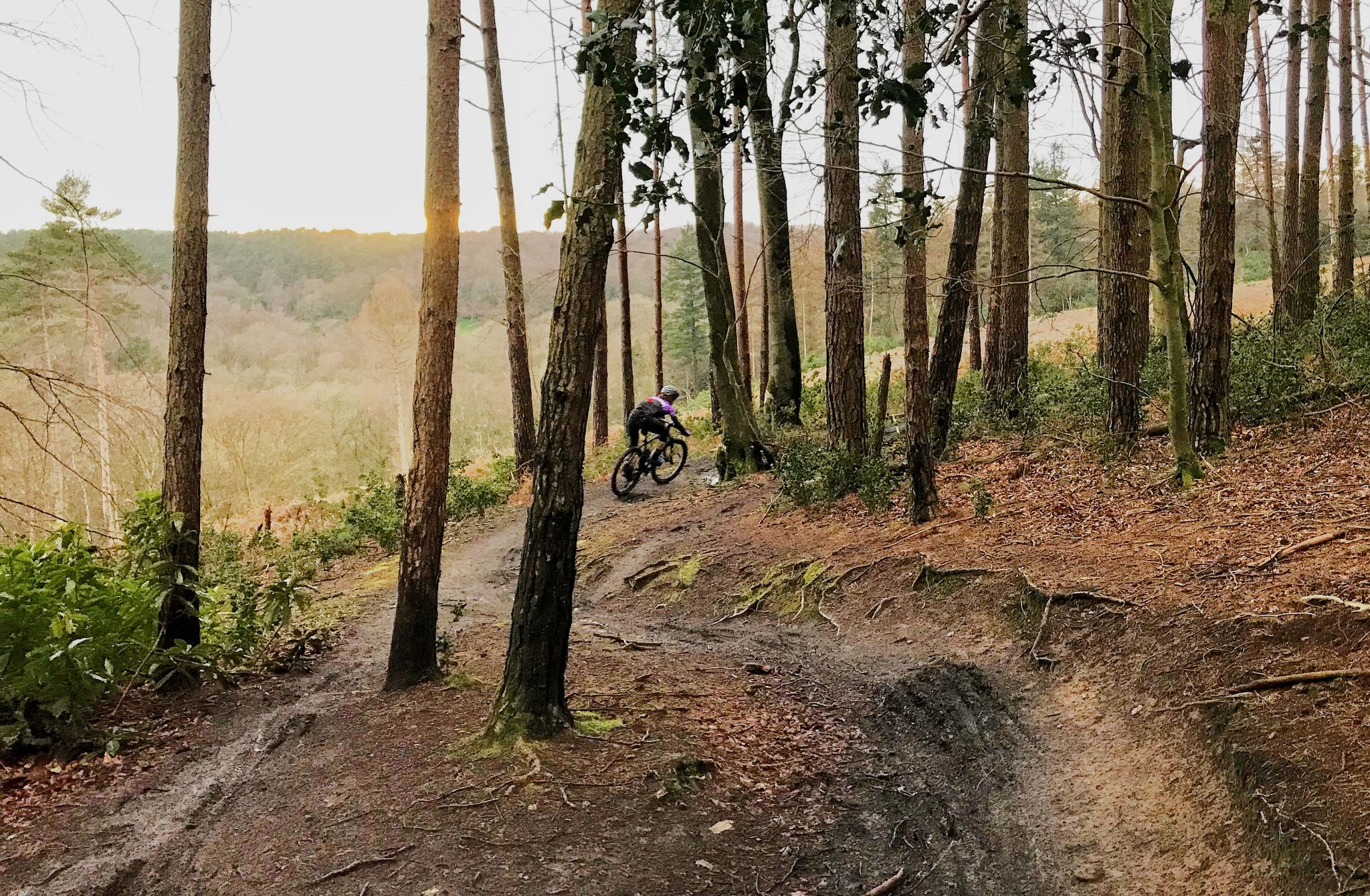
Must-ride MTB trails — Mountain bike day trips from London
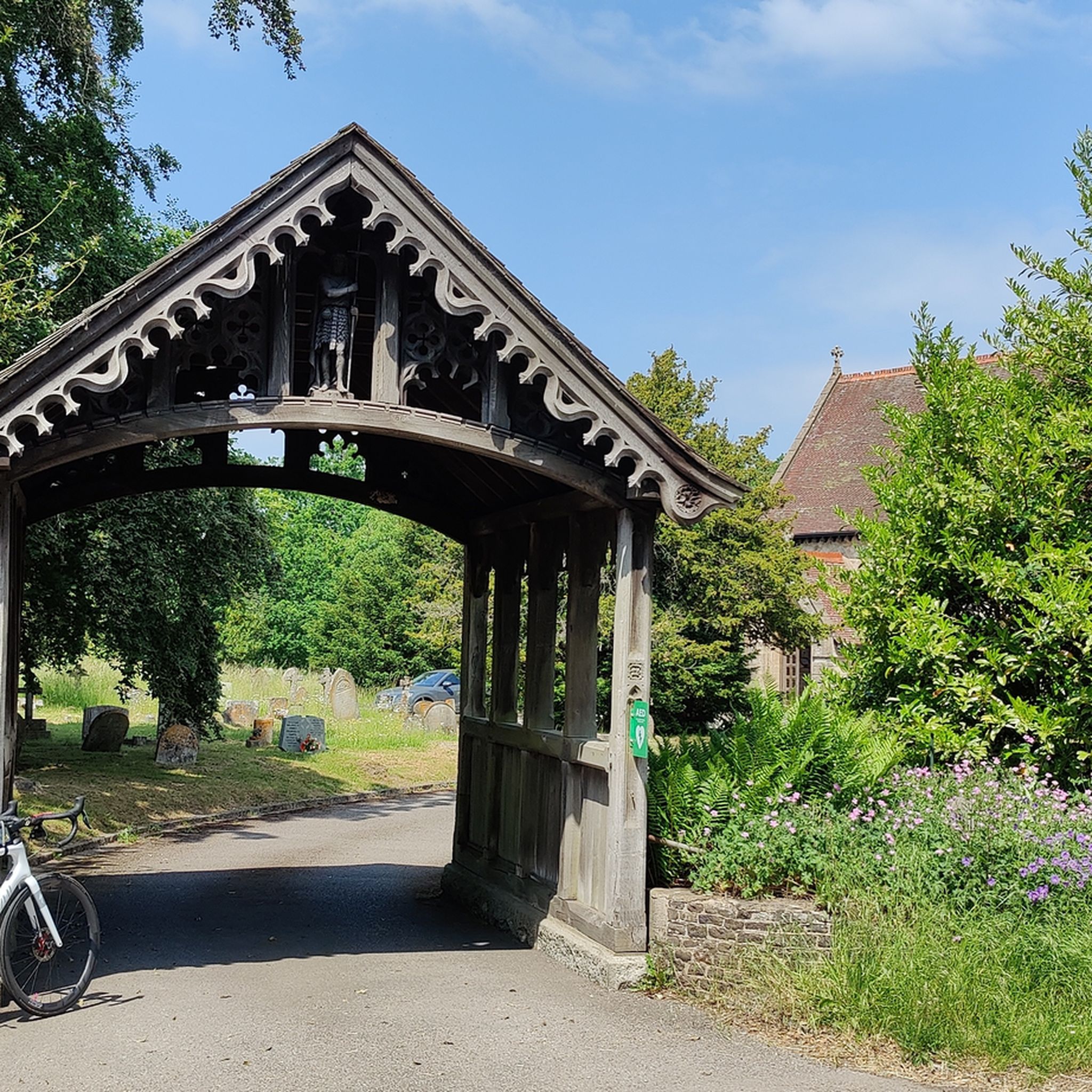
Road Cycling Routes around Liss
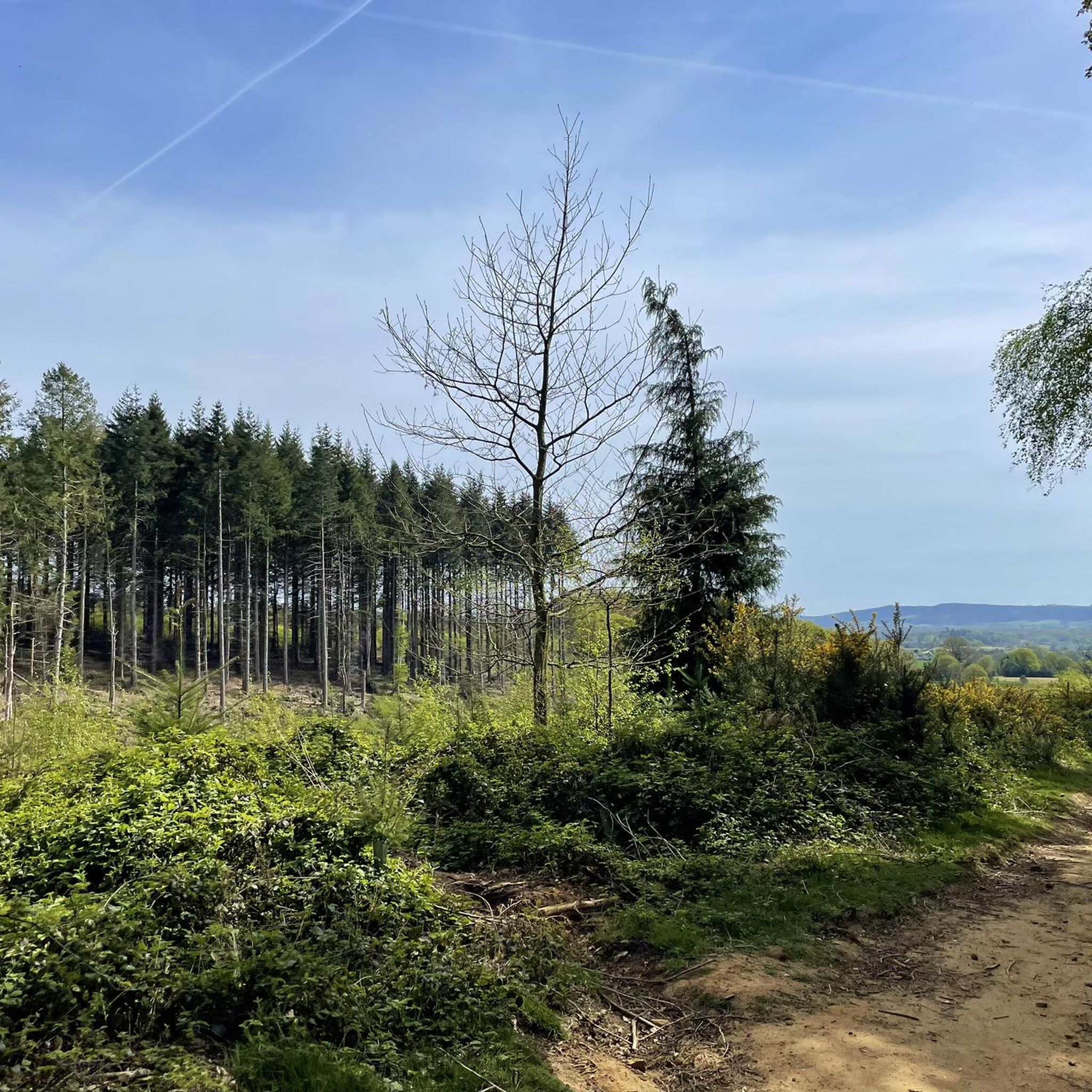
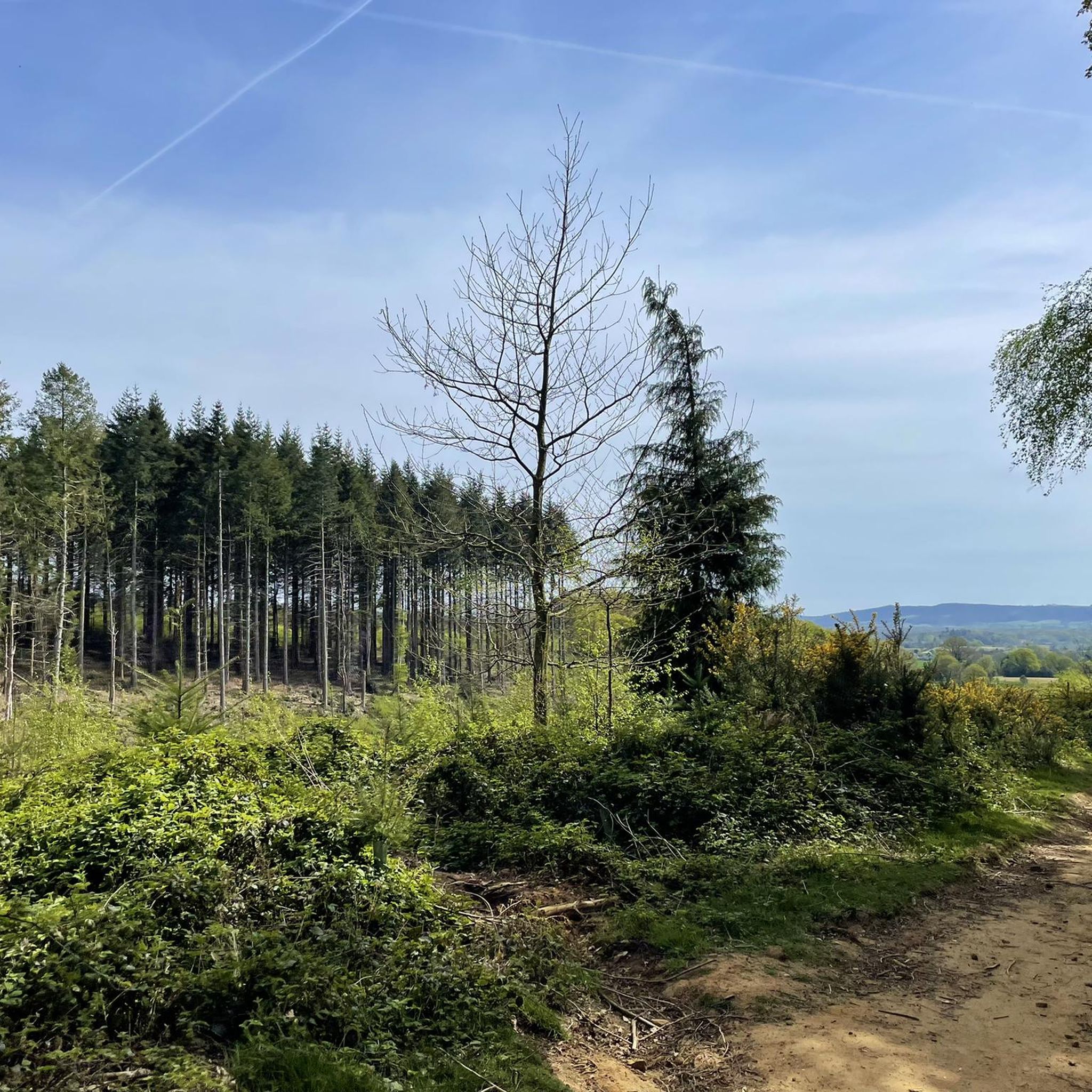
MTB Trails around Liss
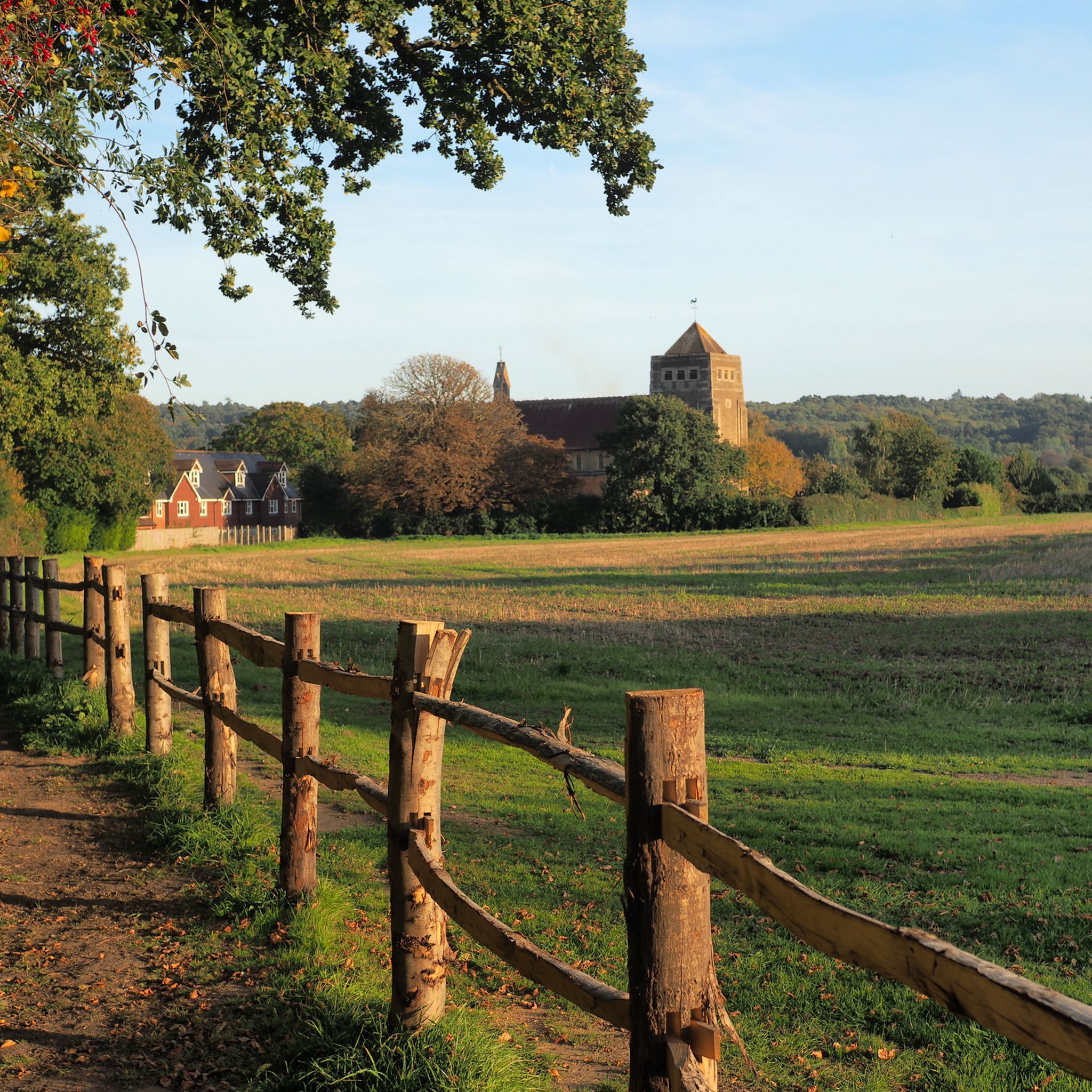
Hiking around Liss
Cycling around Liss
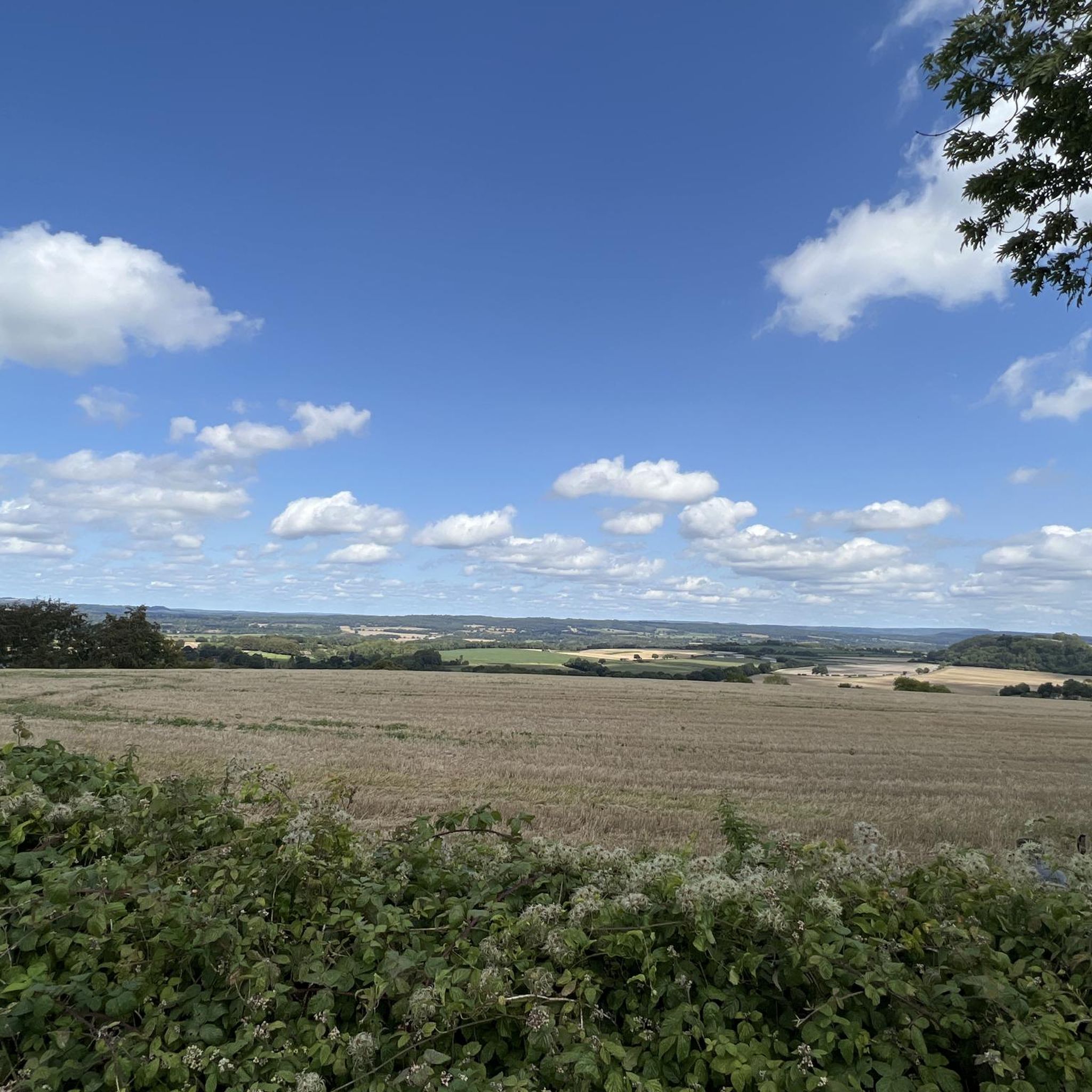
Running Trails around Liss
Gravel biking around Liss
Other adventures around Liss


Tips from the Community

This is a stunning area with good, wide, chalky paths that make even walking in the wetter winter months a breeze. Owing to the porous nature of chalk, even my rather rainy amble on the South Downs Way was a dry affair underfoot.
1
0
A nice, broad-topped summit with expansive views down over the surrounding countryside. The South Downs Way, for some reason, doesn't go over the top of Beacon Hill and traverses it lower down.
0
0
Typical UK trig point. Gravel, start point car park. A bit of road work but mainly good trails.
0
0

Torberry Hill is an Iron Age hillfort in West Sussex. It is a Scheduled Ancient Monument. The hillfort is located within the parish of Harting, within the South Downs National Park. The hillfort has a pear-shaped layout and covers an area of 2.8 hectares. It has a low dump rampart and a ditch that enclose the western part of the hill. The eastern part is defended by the steep slope of the hill. The interior of the hillfort contains several storage pits that date to the Iron Age. The hillfort was built in several phases, starting from the 5th century BC. Torberry Hill is also a mountain summit that is 156 metres high with a prominence of 65 metres. The summit can be identified by a grass mound. There are several walks that can be done around Torberry Hill, such as the one to West Harting Down or Beacon Hill.
3
0

Somewhat hidden in the bushes in this trig point, but it's worth finding for the great views towards the South Downs. Trig Points are dotted about the UK and were used by the Ordnance Survey to plot the shape of the land when mapping. They are usually at the highest point in an area.
0
0

I really enjoyed this section of the South Downs Way. Wide white chalky paths with lush green fields all around. Beautiful.
0
0

150m high hill just off the line of the South Downs, known for the Iron Age hillfort at the summit.
1
0

Frequently Asked Questions
What are the most notable elevated natural features around Liss?
The Liss area, situated within the South Downs National Park, is known for its rolling hills and elevated natural features rather than traditional towering mountains. Key highlights include Butser Hill, the highest point on the South Downs, Pen Hill with its wide chalky paths, and Beacon Hill Trig Point, offering expansive views.
What kind of views can I expect from the peaks near Liss?
From higher points within the South Downs near Liss, you can enjoy panoramic views stretching across the English countryside. For example, Beacon Hill Trig Point offers breathtaking vistas that can include Portsmouth, Southampton, Goodwood, and even the Isle of Wight on clear days. Butser Hill also provides stunning views over Hampshire and the Channel.
Are there any historical sites among the elevated areas near Liss?
Yes, the region features historical sites. Torberry Hill Iron Age Hillfort is a notable example. This Scheduled Ancient Monument in West Sussex features a pear-shaped layout with a low rampart and ditch, and its interior contains Iron Age storage pits. It also serves as a mountain summit at 156 meters high.
What are the best times of year to hike the hills around Liss?
The South Downs National Park is enjoyable year-round. The porous chalk surfaces of many paths, such as those on Pen Hill, mean that walking conditions can be good even in wetter winter months, as the ground remains relatively dry underfoot. Spring and autumn offer pleasant temperatures and vibrant landscapes, while summer provides longer daylight hours for exploration.
Are there family-friendly options for exploring the hills near Liss?
Yes, many areas within the South Downs National Park are suitable for families. While specific 'family-friendly' tags aren't always present for every peak, the diverse landscapes and numerous trails cater to various fitness levels. Torberry Hill Iron Age Hillfort is listed as family-friendly, offering both historical interest and outdoor activity.
What kind of outdoor activities can I do near these elevated areas?
The South Downs National Park, accessible from Liss, is ideal for a variety of outdoor activities. You can find numerous trails for hiking, cycling, and running. For hiking, explore routes like the 'Shoulder of Mutton Viewpoint – Mill Lane Waterfall loop' or the 'Liss Riverside Railway Path – Liss Village Centre loop'. For more options, check out the hiking guide for Liss. Cycling enthusiasts can find routes such as the 'Liss Forest, Iping Common and Harting Down loop' or the 'QECP Blue Climbing Trail – Old Winchester Hill loop', detailed in the MTB trails guide for Liss. Running routes are also available, including the 'Liss Riverside Railway Path – Woolmer Ranges Gravel Track loop' in the running trails guide for Liss.
What makes the natural environment around Liss unique?
The natural environment around Liss is characterized by the diverse landscapes of the South Downs National Park. This includes chalk grasslands, ancient woodlands, and river valleys, providing a rich habitat for wildlife. The rolling hills and verdant valleys offer a serene and aesthetically pleasing environment, making it a tranquil escape for nature lovers.
Are there any specific points of interest for mapping or surveying enthusiasts?
Yes, the area features several trig points, which were historically used by the Ordnance Survey for mapping. Beacon Hill Trig Point and Older Hill Trig Point are examples. Older Hill Trig Point, though somewhat hidden, offers great views towards the South Downs and is a classic example of these surveying markers.
What is the highest point in the South Downs National Park near Liss?
The highest point in the South Downs National Park, and easily accessible from Liss, is Butser Hill. It stands at 889 feet (271 meters) tall and is designated as a national nature reserve due to its rare flora and fauna.
What are the general trail conditions like on the hills around Liss?
Trails in the South Downs National Park, particularly on chalk hills like Pen Hill, often feature wide, chalky paths. These porous surfaces tend to provide good walking conditions even during wetter periods, as they drain well. However, chalky surfaces can become slippery when wet, so appropriate footwear is always recommended.
What do visitors enjoy most about the elevated areas near Liss?
Visitors frequently appreciate the expansive views and the natural beauty of the South Downs. The tranquility and opportunities for outdoor activities like hiking and cycling are also highly valued. The community has upvoted highlights in this guide 123 times and shared 29 photos, indicating a strong appeal for the scenic landscapes and accessible trails.
Most popular routes around Liss
Most popular attractions around Liss

Get inspired with the komoot mobile app


Explore more
See even more amazing summits around Liss with these guides:
