Attractions and Places To See around Little Canfield - Top 20
Best attractions and places to see around Little Canfield, a village in Essex, England, offer a combination of historical sites and natural landscapes. The area features ancient churches, historic timber-framed buildings, and remnants of medieval structures. Visitors can explore natural features such as a preserved royal hunting forest and a linear country park. The region provides opportunities to experience its rich history and serene natural surroundings.
Best attractions and places to see around Little Canfield
- The most popular attractions is Hatfield Forest Lake, a lake located within an ancient royal hunting forest. This site is recognized as one of the world's most well-preserved medieval forests, featuring ancient trees, diverse birdlife, and over 3,500 species of fungi.
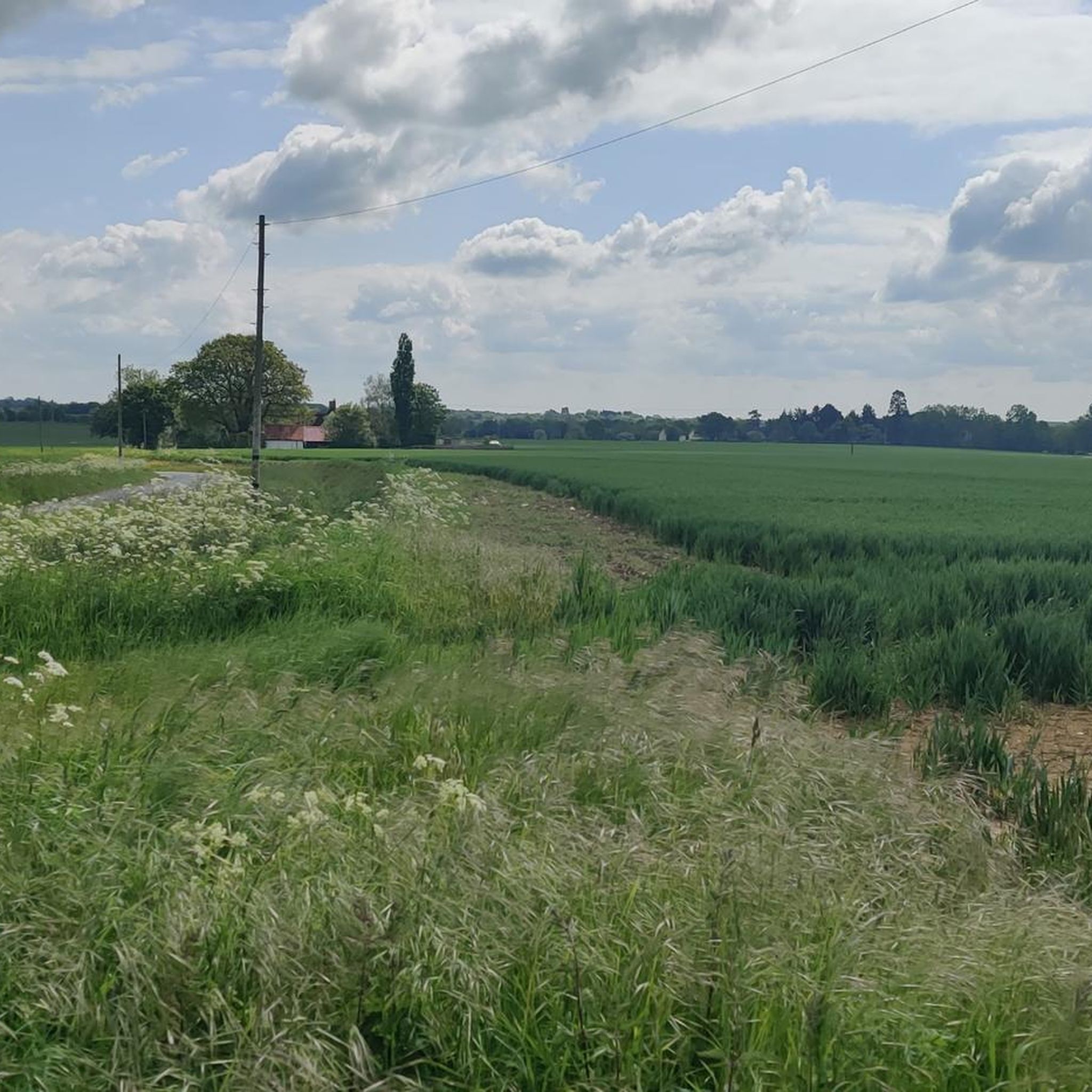
- Another must-see spot is Scenic Country Lane, a cycle way consisting of connected lanes with minimal traffic. This route offers opportunities for photography and is known for its beautiful, narrow stretches.
- Visitors also love The Snug at High Easter, a cafe with seating and a selection of food and drinks. It is noted for being a friendly, cycling-friendly establishment.
- Little Canfield is known for its historical sites, natural features, and recreational routes. The area offers a variety of attractions to see and explore, including churches, forests, and former railway lines.
- The attractions around Little Canfield are appreciated by the komoot community, with 2 highlights featuring 20 photos and receiving 28 upvotes.
Last updated: October 9, 2026
Hatfield Forest Lake
Highlight • Lake
The forest boasts ancient trees, over 3,500 species of fungi, rare insects and a diverse array of birdlife. There's also a beautiful lake, café and river that meanders through.
Tip by

The Snug at High Easter
Highlight • Cafe
Tip by

Sign up now to discover places like this
Get recommendations on the best single tracks, peaks, & plenty of other exciting outdoor places.
St John the Evangelist Church, Bush End
Highlight • Religious Site
In 1850’s there was a move by the gentry to construct
Churches to provide a Christian faith for the less
fortunate.
On Friday 5th August 1859 the consecration of this neat
little structure, situated in the ancient forest of Hatfield,
and on what was formerly considered the most wild and
destitute part of the parish.
Two notable men lay at the heart of the Church. These
being:
John Archer Houblon
Rev. Thomas Francis Hall
The early years…….
The church was built in the Gothic style favoured
at that time
The foundation stone was laid on 8th July 1856
and can be seen on the outside of the south-east
end of the church, it reads:
“To the glory of the eternal Trinity. This dedication
stone of the church of St John the Evangelist was
laid July 8 1856 by Sarah daughter of the late
Stanes Chamberlyne Esq. formerly of the Ryes in
this parish”.
The connection with Hatfield Forest
The names of the Houblon family and the Rev T Hall occur many times in the history of the church.
The Houblon family owned Hallingbury Park that once stood adjacent to the forest. It was used as a hunting forest and they enjoyed country pursuits by the lake. Indeed the famous landscape gardener Capability
Brown redesigned the lake and surrounding parkland.
The stained glass windows of the apse of St Peter was presented by Georgina Anne Archer Houblon in 1857.
The centre window is that of the patronal dedication - St John the Evangelist. This was given in memory of Robert Impey first born child of Thomas Hall MA Vicar of the parish and Mary Phillippa his wife. The right hand window was presented by Joseph Clarke Esq. the
Diocesan architect in 1844.
There are also two in Hatfield Heath church in memory of Mr Hall’s infant daughter Mary jane who died from scarlet fever in 1844. Mr Hall himself died in 1858 one
year before the consecration of the two churches that
he brought into being. Indeed it was said that he died
in consequence from anxiety, of frequent disappointment and of over exertion in his endeavors
to get the churches built!
Mr Houblon indeed was to say at the consecration “….had he lived to see these churches consecrated he
was sure it would have been one of the happiest days of his life.”
The Parish of Bush End….
The power of faith….
In 1864 Bush End became a separate parish but was resided by the vicar of Hatfield Broad oak as was Hatfield Heath. In 1929 the living became vacant and since that date has been linked with that of Broad Oak. Indeed the name Broad Oak is linked to that of the famous Doodle Oak tree that stood in the Hatfield Forest parkland.
The church has an early english inscription of the ten commandments written in red and black. It is worthy of record that whereas the neighbourhood used formerly to be the most notorious for thieves, poachers and deer stealers, not one of the reverend’s gentlemen’s flock has been before the magistrate since the vicar was resident within them!
Dedication of organ as a war memorial at Bush End…..
Within the church there once was a church organ donated by the Rev. F W Galpin as a memorial to those who fell in the great war 1914-1919 within the parish.
The only evidence today is the brass plaque that would have been located on the organ.
It’s cost was £200 but sadly this memorial was either sold or donated to another church.
Tip by

Scenic Country Lane
Highlight (Segment) • Cycleway
Tip by

Parish Church of the Holy Trinity, Takeley
Highlight • Historical Site
The late 15th-century font-cover and pulpit are noteworthy.
Architectural DescriptionThe Chancel (25 ft. by 20 ft.) has a modern E. window; the external jambs and the rear arch of the larger early 14th-century E. window are still visible. In the E. bay of the N. wall is a mid 13th-century window, completely restored externally; it is of two lancet lights with external rebate and linked labels; the moulded two-centred rear arch is common to both; and has shafted jambs. Further W. is a modern arch to the organ-chamber. In the S. wall are two windows; the eastern is similar to that in the N. wall, but retains more original work, and the western is modern, except part of the splays. Between the windows is a doorway with a rear arch probably of the 13th century, but otherwise almost entirely modern. The chancel-arch is modern.
The Nave (55 ft. by 21 ft.) has two windows in the N. wall; the eastern is of three cinquefoiled lights, and apparently of the 15th century, but only the rear arch and splay are original, and they have been much scraped; the western window is of 16th-century brick and of two four-centred lights under a square-headed external outer order; below it are the jambs of a blocked doorway of brick and tiles; some of the brick is Roman; at the E. end in the thickness of the wall are the stairs to the rood-loft, but the doorways are blocked and plastered; on the N. side of the stairs is a small loop, and below it are the jambs and sill of a larger blocked window of uncertain date. The S. arcade, opening into the S. aisle, is of four bays; the eastern or transept-arch is of late 13th-century date; the E. respond has a half-octagonal shaft with a moulded and scraped capital, and a defaced moulded base; the W. respond was altered into an octagonal column when the aisle was built in the 14th century, and has a straight joint down the middle; the capital was also altered, but the original base, now defaced, was retained and completed; the two-centred arch is of two moulded orders; the remaining bays of the arcade have octagonal columns with moulded bases and capitals, and a half-column as a W. respond; the two-centred arches are of two chamfered orders.
The South Aisle (12 ft. wide) incorporates the E. and S. walls of the late 13th-century transept; a gable was added to the E. wall and the W. wall was destroyed about the middle of the 14th century. In the E. wall is a 15th-century window of three cinquefoiled lights with tracery under a two-centred head; the external and internal reveals are hollow-moulded and much defaced with cement. In the S. wall of the former transept some traces of a window are apparent under the plaster and cement with which the wall is covered. Further W. are two windows, the eastern is of mid 14th-century date, and of two cinquefoiled lights with a quatrefoil in a two-centred head; the western window is of late 13th-century date, and was probably originally in the transept; it is of two trefoiled lights with a quatrefoil in a two-centred head. Further W. is the S. doorway, probably of the 14th century; it is of two chamfered orders, much scraped and restored. In the W. wall is a modern window.
The West Tower (10 ft. by 9 ft.) is of late 15th-century date, much restored, and of three stages with diagonal buttresses and a S.E. stair-turret, an embattled parapet, and a small timber spire or spike. The tower-arch is of two moulded and chamfered orders, the outer order is continuous, and the inner rests on half-round shafts with moulded capitals and bases. The W. window is of three cinquefoiled lights with tracery, almost entirely modern, under a two-centred head; the external label has head-stops. Below the window is the W. doorway of two moulded orders, the inner order two-centred, and the outer squareheaded, with quatrefoils containing blank shields in the spandrels. In the N. and S. walls of the second stage are small single-light windows, that on the S. is much restored. The bell-chamber has four windows each of two cinquefoiled lights with a quatrefoil in a two-centred head, under a label with head-stops, much restored.
The South Porch (12 ft. by 10 ft.) is of late 15th-century date, and has been much restored. The entrance has a two-centred arch of two orders, the outer order is moulded and continuous, the inner is chamfered and rests on engaged octagonal shafts; above the arch is a niche flanked by two loops. The E. and W. walls have each a square-headed window of two cinquefoiled lights with moulded internal and external reveals.
The Roof of the nave is high-pitched and ceiled with modern boarding; four late 15th-century king-post trusses are exposed; the king-posts have moulded capitals and bases. The roof of the aisle is high-pitched and plastered internally. The roof of the porch is high-pitched, and has late 15th-century moulded wall-plates and tie-beam. The first floor of the tower has chamfered beams framed round a square bell-way of the 15th-century.
FittingsBells: four; 1st dated 1579; 2nd by William Calverden, late 15th or early 16th-century, inscribed "Assit principio Sancta Maria meo"; 4th by Robert Oldfield, 1604. Bracket: On second column of arcadewith carved head-corbel and above it a trefoiled canopy cut in the capital of column. Brass: In chancelon N. wall, recording the benefactions of Hannah Knollys, 1689. Cupboard: In S. aislewith linen-fold panels, formerly a font-case, late 16th-century. Doors: In S. doorwaymodern door with strap-hinges, probably 15th-century. In towerin W. doorway, framed and boarded, with strap-hinges, 15th-century; in doorway of stair-turretwith straphinges, scutcheon, and drop-ring ornamented with two four-leaf flowers, 15th-century. Font-cover: octagonal, spire-shaped, with elaborate traceried sides, crocketed and finialled canopies and buttresses, late 15th or early 16th-century, much restored. Floor-slabs: In chancel(1) to William Collyn, 1684, with arms; (2) to Hannah (Collins) widow of Francis Knollis, 1689, with arms; (3) to John Kendall, 1679, with arms; (4) to William Touse, Sergeant-at-Law, 1632; (5) to Mary English, 1695, and John, her husband, vicar of the parish, 1716, with arms. In S. aislein S. doorway, (6) coffin-shaped slab, used as threshold. Niches: In towerover W. window, with embattled pedestal, cinquefoiled head and square label with a foliated cross above it, late 15th-century. On porchover entrance, with cinquefoiled head, shaped canopy and crocketed spire, much restored, late 15th-century; (see also Miscellanea). Piscina: In chancelwith shafted jambs and trefoiled head, mid 13th-century, scraped and restored, basins modern.
Pulpit: Of oak, hexagonal, five sides remain, panels with moulded frames and rich cinquefoiled and pinnacled designs, panelled trumpet-shaped base, late 15th-century. Recess: In navein N. wall towards E. end, set above floor, tall, with sub-cusped trefoiled head, embattled cornice and flanking buttresses, probably the doorway of the rood-stairs, late 15th or early 16th-century.
Seating: In chancelfour traceried heads from old seating or screen, incorporated in modern work; in naveeleven bench-ends with traceried heads, partly original; on S. side, at W. end, four complete open seats with traceried bench-ends; in clerk's desk, four traceried heads, all late 15th or early 16th-century. Miscellanea: In S. aisleon E. wall, S. of window, cinquefoiled head, probably of niche, not in situ, 15th-century.
Tip by
Sign up for free to discover even more attractions around Little Canfield.
Already have an account?
Start today with a free account
Your next adventure awaits.
Tips from the Community

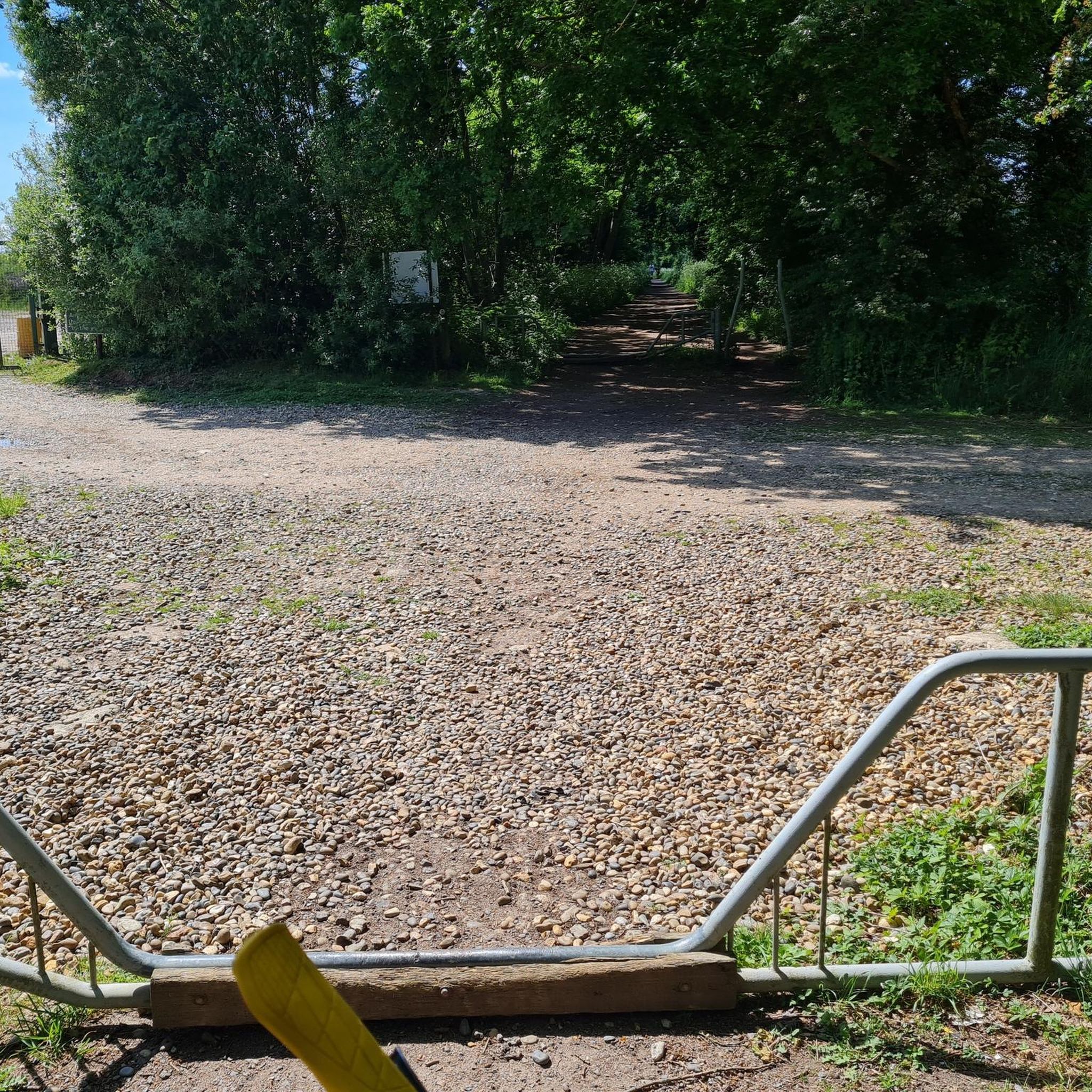
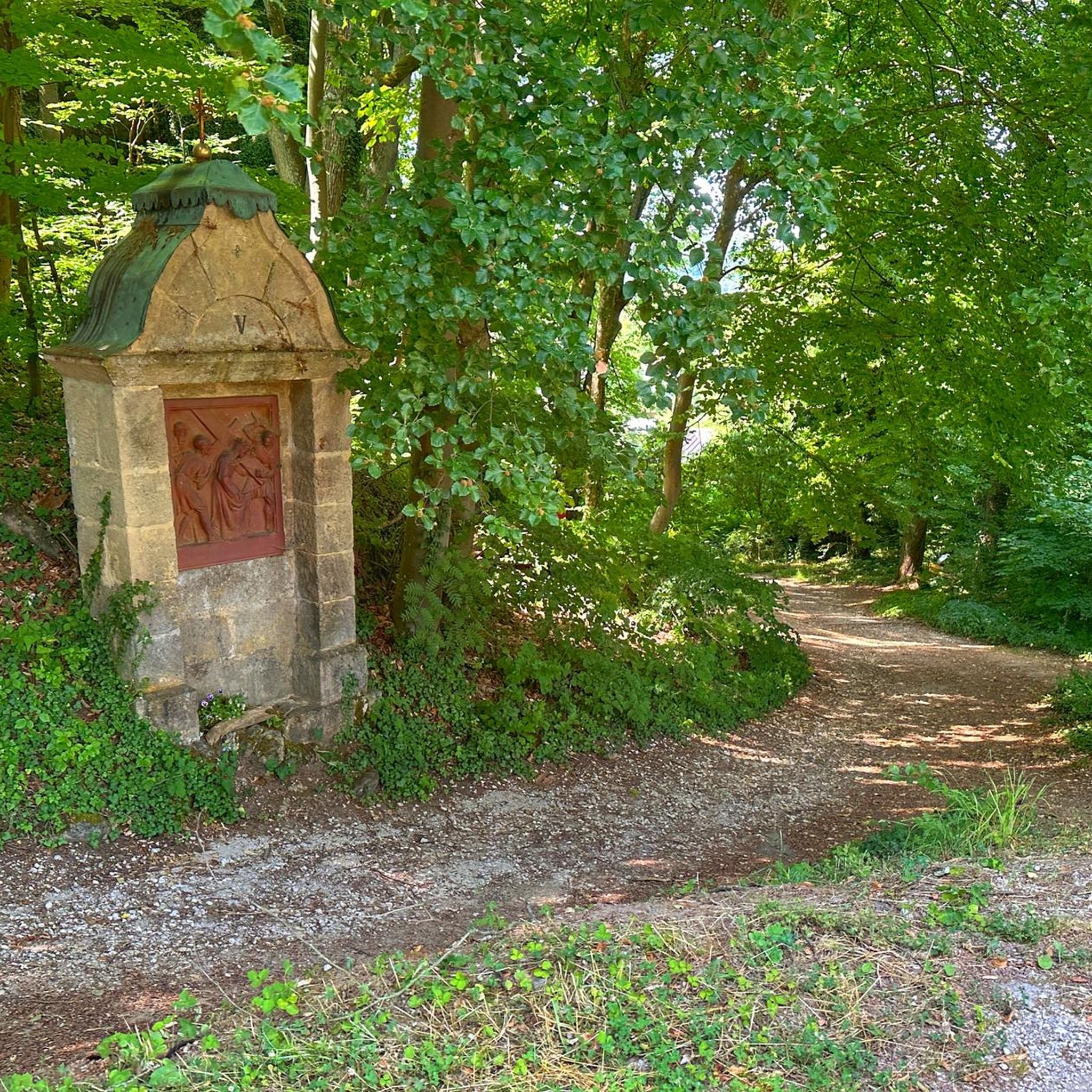
It is a small church with a small cemetery. It is a bit hidden away among the trees.
2
0

Brilliant cafe in High Easter - great place for a cafe stop on a ride through Essex. Well worth checking out
0
0


Scenic route but narrow with frequent piles of loose stones in the middle of the road so watch your line especially in the corners.
0
0

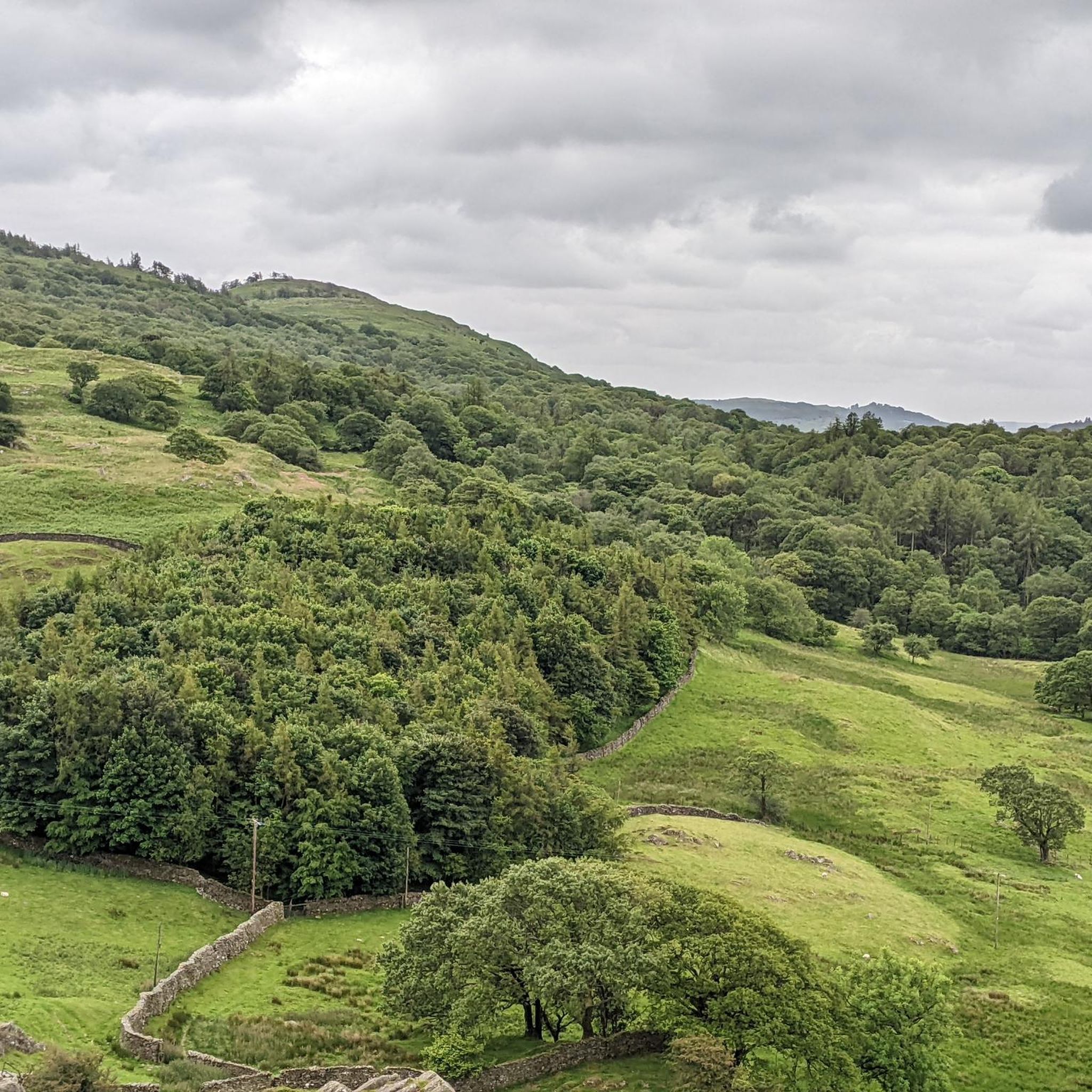
Hatfield Forest is an ancient royal hunting forest, and considered to be one of the best-preserved medieval forests in the world. In the past, deer were kept in the forest for hunting. Today you'll find deer aplenty still, though no longer pursued for the same reason. The forest boasts ancient trees, over 3,500 species of fungi, rare insects and a diverse array of birdlife. There's also a beautiful lake, café and river that meanders through.
1
0

If heading northbound, watch out for the hill you hit at Pinchpools Farm. An absolute gut-buster to get up. Obviously fly down as fast as you dare southbound. The wind can be a killer up on the northerly plain.
1
0

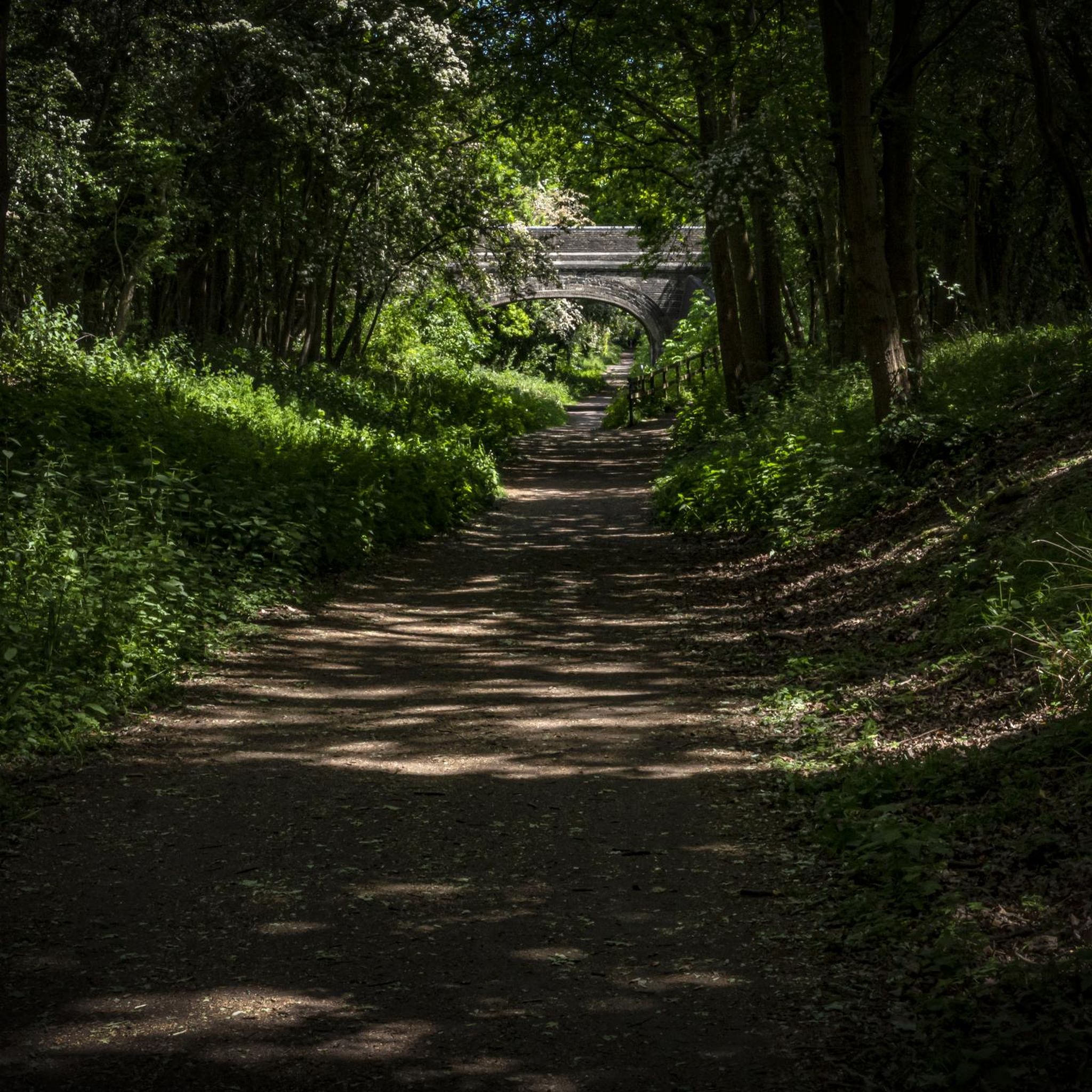
Stunning section of connected lanes where you'll hardy see a car. Lots of opportunities for great photos.
2
0
Frequently Asked Questions
What natural attractions can I explore near Little Canfield?
Little Canfield offers several natural attractions. The most prominent is Hatfield Forest Lake, located within Hatfield Forest, a well-preserved medieval royal hunting forest known for its ancient trees, diverse wildlife, and a picturesque lake. Additionally, The Flitch Way, a linear country park built on a former railway line, provides a popular route for walking, cycling, and horse riding, contributing to the area's biodiversity. The village is also nourished by the upper stretches of the River Roding.
Are there any historical sites or landmarks to visit in Little Canfield?
Yes, Little Canfield is rich in history. You can visit All Saints Church, a Grade II listed building with Norman architectural elements and 14th-century features. Other notable historical sites include Little Canfield Hall, a 16th-century timber-framed hall, and the remnants of Canfield Moat, a medieval site. Nearby, in Bush End, is St John the Evangelist Church, and in Great Canfield, you can explore the earthworks of Canfield Castle, a Norman motte and bailey fortification. The Parish Church of St Mary the Virgin also offers a glimpse into the area's past with its 12th-century origins and 15th-century additions.
What walking and cycling opportunities are available around Little Canfield?
The area around Little Canfield is excellent for outdoor activities. The Flitch Way, a linear country park, is ideal for walking, cycling, and horse riding. You can also find a Scenic Country Lane, a section of connected lanes with minimal traffic, perfect for cycling and photography. For more structured routes, komoot offers several guides, including Cycling around Little Canfield and Gravel biking around Little Canfield, featuring routes like the 'Flitch Way — East section' and 'Flooded Road – Hellman's Cross Stocks loop'.
Are there family-friendly activities or places to visit in Little Canfield?
Absolutely. Hatfield Forest Lake and the surrounding Hatfield Forest are great for families, offering space to explore, observe wildlife, and enjoy nature. The Flitch Way is also suitable for family walks and bike rides. For a break, The Snug at High Easter is a friendly, cycling-friendly café with seating and a selection of food and drinks, welcoming visitors of all ages.
Where can I find a good cafe or pub near Little Canfield attractions?
For a friendly stop, consider The Snug at High Easter, a café known for its welcoming atmosphere and good selection of food and drinks, especially popular with cyclists. The Lion and Lamb Public House in Little Canfield itself is a historic, Grade II listed timber-framed building that has served as a local hospitality fixture since the 17th century.
What is the best time of year to visit Hatfield Forest?
Hatfield Forest is an ecological haven that can be enjoyed year-round. However, for observing the diverse bird population and over 3,500 species of fungi, autumn can be particularly rewarding. Spring brings new growth and vibrant flora, while summer is ideal for enjoying the lake and longer walks. The forest's ancient trees and varied landscape offer beauty in every season.
Are there any easy walking routes suitable for beginners or those seeking a relaxed stroll?
Yes, The Flitch Way, a linear country park, offers relatively flat and easy paths suitable for relaxed strolls. Many of the cycling routes listed in the Cycling around Little Canfield guide are also rated as 'easy' and can be adapted for walking, such as the 'Flooded Road – Hellman's Cross Stocks loop' or the 'Flood-Prone Road loop from Great Dunmow'.
Can I find mountain biking trails near Little Canfield?
Yes, there are mountain biking opportunities nearby. Komoot offers a dedicated guide for MTB Trails around Little Canfield. You can find routes like the 'Great Dunmow trails loop' and 'Great Dunmow to Little Dunmow loop', with options ranging from easy to moderate difficulty.
What is the significance of the timber-framed buildings in Little Canfield?
Little Canfield is notable for its collection of historic timber-framed buildings, which are a significant part of its heritage. Examples include Little Canfield Hall, a striking 16th-century structure with a late 14th-century aisled barn, and The Lion and Lamb Public House, parts of which date back to the 17th century. Other Grade II listed properties like Blatches and Hall Cottage also showcase this traditional architecture, many predating the 16th century, reflecting the village's long history.
Are there any ancient Roman connections in the Little Canfield area?
Yes, the area has ancient Roman connections. The path of Stane Street, an ancient Roman road, runs through the parish. While now largely aligned with the B1256, its presence indicates a history of human activity in the region dating back to pre-medieval times.
Where can I learn more about the local parish history of Little Canfield?
For more detailed information about the local parish history, including its listed buildings and heritage, you can visit the Little Canfield Parish Council website. They provide insights into the village's cultural and historical richness. You can find more information at littlecanfield-pc.gov.uk.
What do visitors enjoy most about the attractions around Little Canfield?
Visitors particularly enjoy the natural beauty and tranquility of places like Hatfield Forest Lake, appreciating its ancient trees, diverse wildlife, and picturesque setting. The Scenic Country Lane is praised for its quiet, connected stretches, offering great opportunities for photography and peaceful cycling. The friendly atmosphere and good selection of food and drinks at places like The Snug at High Easter are also highly valued by visitors, especially cyclists.
Most popular routes around Little Canfield

Get inspired with the komoot mobile app


Explore more
Still not found the Highlight you’re looking for? See guides of the top attractions in other regions:
