Itchen Stoke And Ovington
Itchen Stoke And Ovington
The best cycling routes around Itchen Stoke And Ovington
4.5
(353)
4,783
riders
360
rides
Touring cycling around Itchen Stoke And Ovington features routes through the gently rolling landscape of the Itchen Valley, characterized by chalk streams, open farmland, and scattered woodlands. The area is part of the wider Hampshire countryside, offering a mix of quiet country lanes and paths that traverse low hills. Elevations are generally moderate, providing accessible cycling experiences across the region.
Best touring cycling routes around Itchen Stoke And Ovington
- The most popular touring cycling route is View of Avington Park…
Last updated: August 25, 2026
4.5
(6)
72
riders
Hard bike ride. Very good fitness required. Mostly paved surfaces. Suitable for all skill levels.
63
riders
37.1km
02:52
490m
490m
Hard bike ride. Very good fitness required. Mostly paved surfaces. Suitable for all skill levels.

Sign up for free
5.0
(3)
44
riders
Moderate bike ride. Good fitness required. Mostly paved surfaces. Suitable for all skill levels.
48
riders
23.8km
01:56
290m
290m
Moderate bike ride. Good fitness required. Mostly paved surfaces. Suitable for all skill levels.
11
riders
Hard bike ride. Very good fitness required. Mostly paved surfaces. Suitable for all skill levels.
Get access to more routes and recommendations from other explorers.
Sign up for free
Already have an account?
Our route recommendations are based on thousands of hikes, rides, and runs completed by other people on komoot.
Start today with a free account
Your next adventure awaits.
Login or Signup
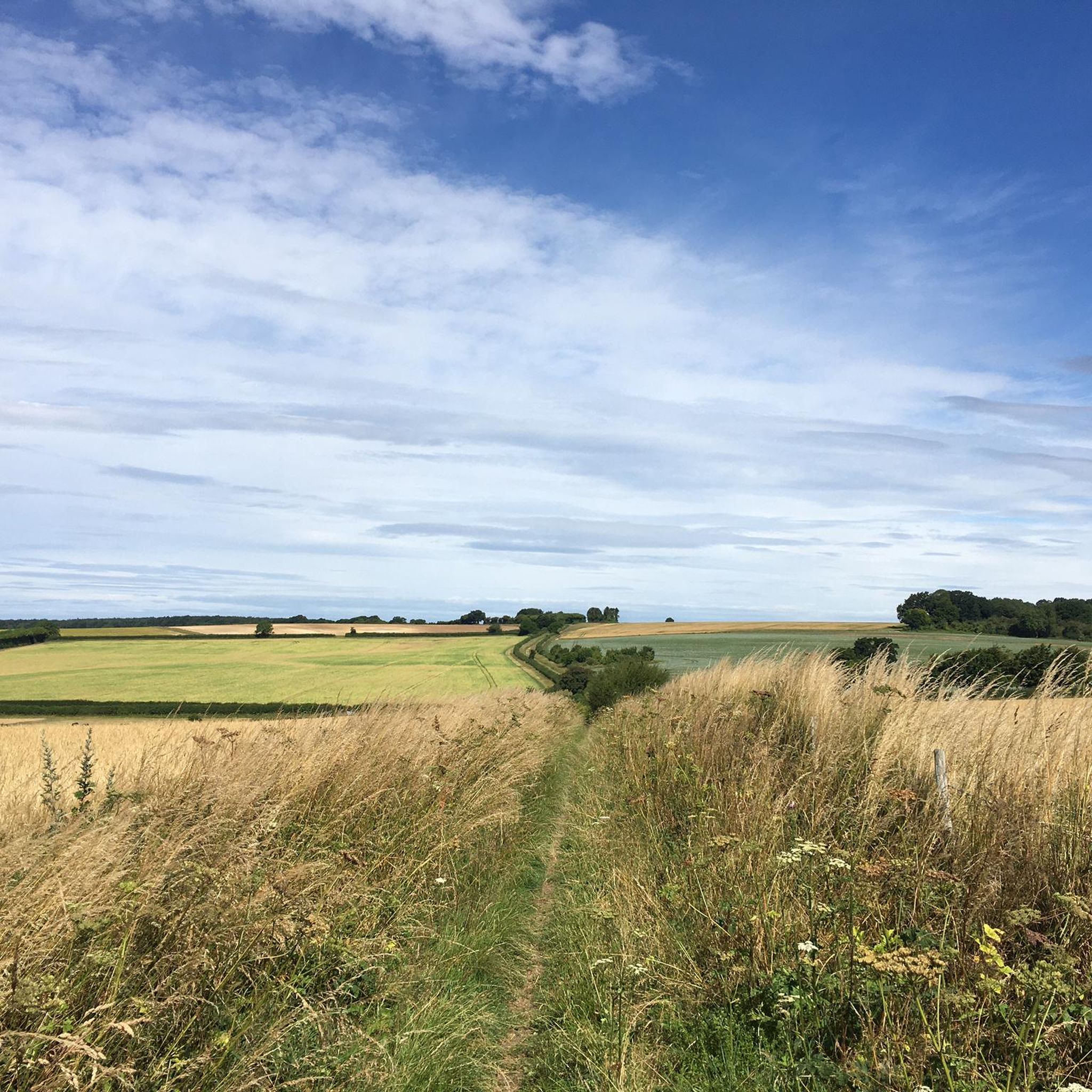
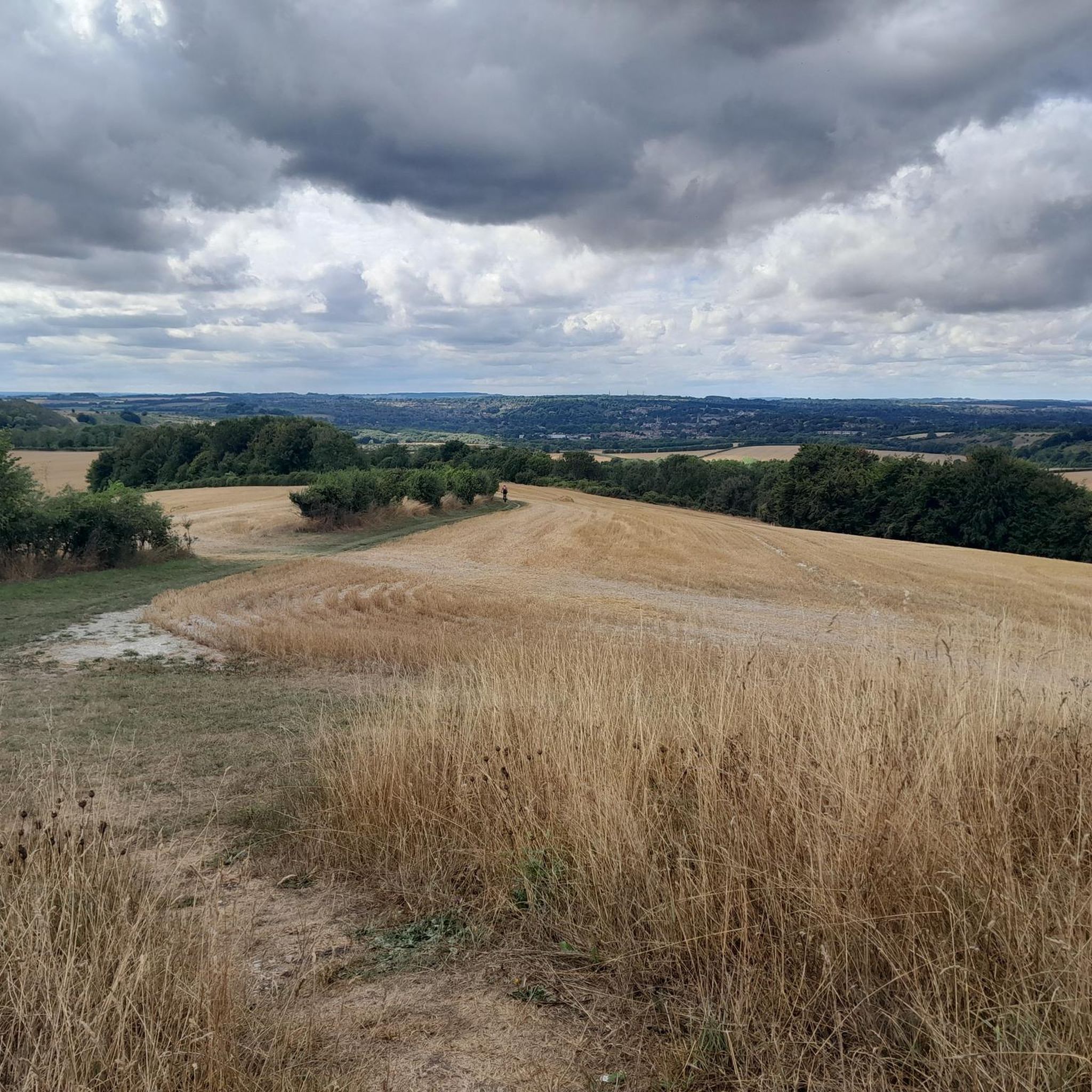
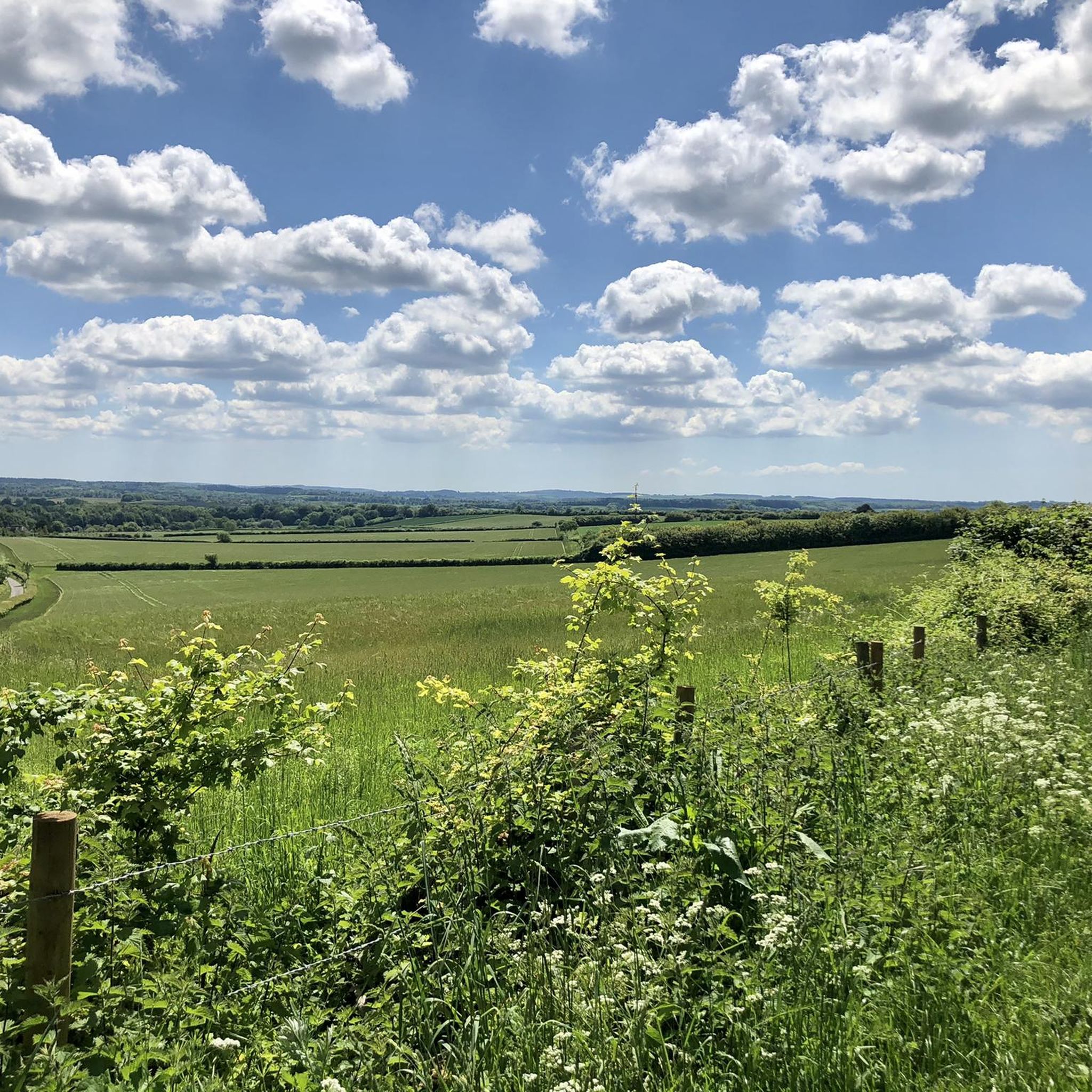
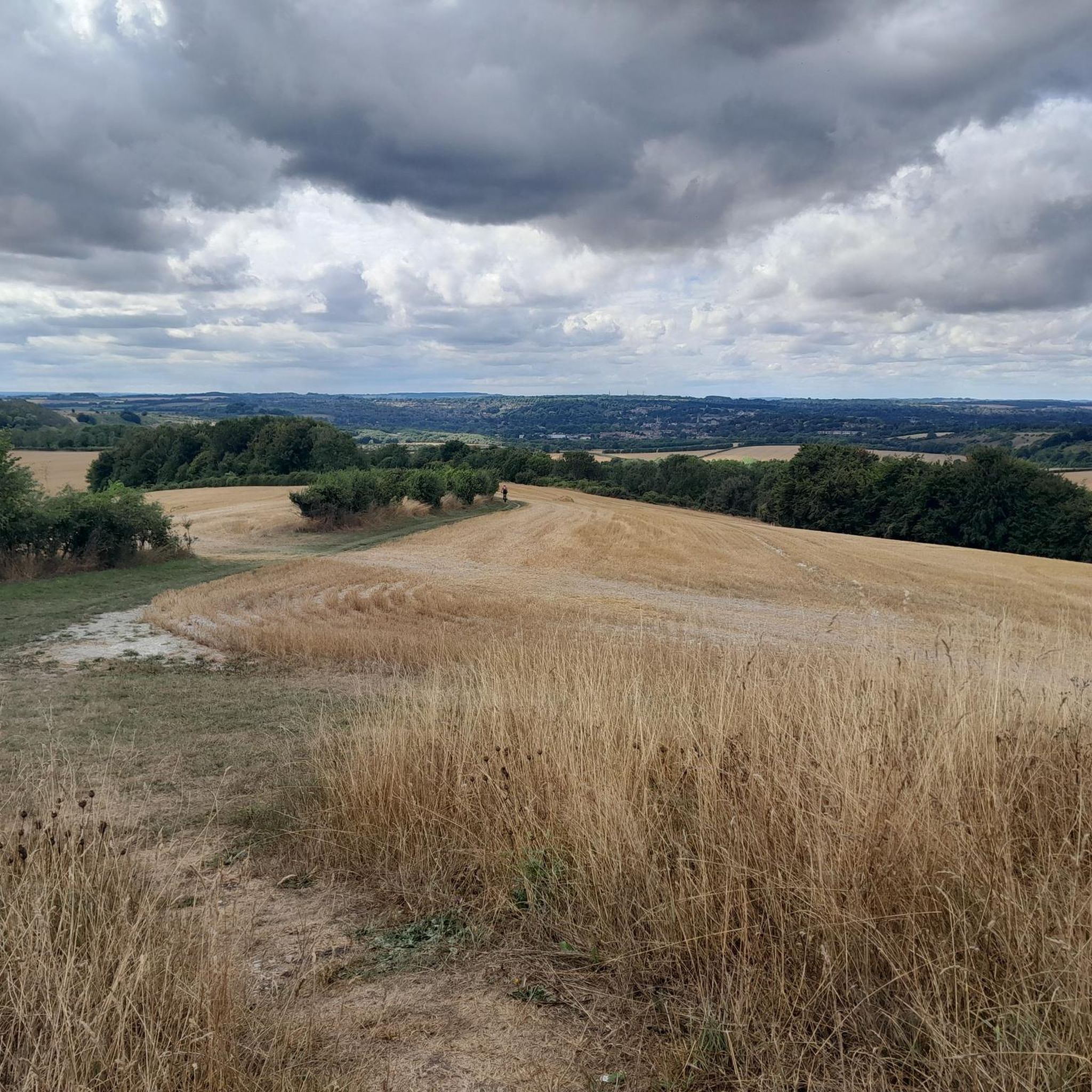
Tips from the Community


Historic waterbeds for growing watercress, on a very quiet road. There's a ford just along with a perfect cycle crossing
0
0
Watch out for deer. Saw 2 young ones running down the road towards me near the summit. They dived through the hedge as they got close
0
0

Light hills and lovely scenery. Lots of coffee stops in Arlesford.
0
0

The striking bronze statue of King Alfred the Great is one of Winchester's most recognizable landmarks, dominating The Broadway at the eastern end of the High Street near the River Itchen. Sculpted by Sir Hamo Thornycroft, the colossal, 15-foot-tall figure was erected in 1901 to commemorate the millennium of the king's death—a pivotal figure who made Winchester his capital and is credited with being "The Founder of the Kingdom and Nation," as inscribed on its granite base. Depicting a heroic, bearded Alfred in a regal stance with a downward-pointing sword hilt forming a cross, the statue celebrates his dual role as a military champion against the Vikings and an early Christian leader, all while standing proudly in the city he helped define.
1
0
The Sword: Alfred is shown grasping a large, cross-hilted sword with the point facing downwards. This posture is symbolic, representing not just his prowess as a warrior who defended his kingdom against the Vikings, but also his role as a Christian leader, with the hilt forming the shape of a cross. The Pedestal: The statue rests on a large pedestal of Cornish granite, which is inscribed with just one word: AELFRED. Historical Portrayal: Thornycroft's depiction is a romanticized, heroic one—showing Alfred with a long, flowing beard—even though contemporary coins suggest the King was clean-shaven. The monument represents the Victorian-era idea of Alfred as a perfect warrior, statesman, and philosopher king.
0
0
The statue depicts Alfred the Great (847–899 AD), who was the King of the West Saxons and is traditionally regarded as the first King of the Anglo-Saxons and the founder of the Kingdom of England. Winchester was his capital. Sculptor: Sir Hamo Thornycroft, a highly-regarded Royal Academician. Completion: It was completed in 1901, although it was commissioned to mark the millennium of King Alfred's death (which was in 899 AD). Size: The bronze statue is monumental, standing at 15 feet (4.57 m) high and weighing about five tons. The total height with its granite pedestal is around 40 feet. Location: It stands prominently at the eastern end of The Broadway, near the junction with Bridge Street and Eastgate Street, with the High Street extending behind it toward the city centre.
0
0
The Weirs is one of the most picturesque and historically significant areas in Winchester, primarily known for its beautiful riverside walk and its close association with the River Itchen and the city's medieval and Roman past.
1
0
Frequently Asked Questions
How many touring cycling routes are available in Itchen Stoke And Ovington?
There are over 380 touring cycling routes in the Itchen Stoke And Ovington area. These routes cater to various skill levels, from easy rides to more challenging excursions through the Hampshire countryside.
Are there easy touring cycling routes in Itchen Stoke And Ovington suitable for beginners or families?
Yes, Itchen Stoke And Ovington offers a good selection of easier routes. There are over 60 easy touring cycling routes, often following quieter country lanes and river paths, which are ideal for beginners or families looking for a relaxed ride. Many routes are relatively flat, making them accessible for a wider range of cyclists.
What is the general difficulty level of touring cycling routes in Itchen Stoke And Ovington?
The routes in Itchen Stoke And Ovington offer a mix of difficulties. You'll find approximately 60 easy routes, 153 moderate routes, and 167 difficult routes. The terrain generally features gently rolling hills and chalk stream valleys, providing options for both leisurely rides and more demanding cycling experiences with moderate climbs.
Can I find circular touring cycling routes in Itchen Stoke And Ovington?
Yes, many of the touring cycling routes in Itchen Stoke And Ovington are designed as circular loops, allowing you to start and finish at the same point. For example, the View of Avington Park and Lake – Avington Park Mansion and Lake loop from New Alresford is a popular moderate circular route.
Are there long-distance touring cycling routes available in Itchen Stoke And Ovington?
For those seeking longer rides, Itchen Stoke And Ovington has several options. The View from Butser Hill – East Meon Village loop from Itchen Stoke and Ovington is a challenging 35.6-mile (57.3 km) route, offering extensive exploration of the wider region.
What scenic viewpoints or attractions can I discover along the touring cycling routes?
The area is rich in natural beauty and historical sites. Along your rides, you can visit Avington Park Mansion and Lake, explore the historic St Catherine's Hill, or enjoy views from Cheesefoot Head. The tranquil River Itchen at Fallodon Nature Reserve also offers picturesque spots.
What is the best time of year for touring cycling in Itchen Stoke And Ovington?
The best time for touring cycling in Itchen Stoke And Ovington is generally from spring to early autumn (April to October). During these months, the weather is typically milder and drier, making for more pleasant riding conditions. The countryside is particularly vibrant in spring and summer.
Are touring cycling routes in Itchen Stoke And Ovington dog-friendly?
While many routes use public bridleways and quiet lanes where dogs are permitted, it's essential to keep dogs on a lead, especially when cycling near livestock or in nature reserves. Always check local signage and be mindful of other trail users. Some routes may pass through areas where dogs are not allowed or require specific control.
Where can I find parking for touring cycling routes in Itchen Stoke And Ovington?
Parking is generally available in the villages and towns that serve as starting points for many routes, such as New Alresford or Cheriton. Look for public car parks or designated parking areas near trailheads. Always ensure you park responsibly and respect local regulations.
What do other touring cyclists enjoy the most about touring cycling in Itchen Stoke And Ovington?
The area is highly rated by the komoot community, with an average score of 4.4 stars from over 260 reviews. Reviewers often praise the region's beautiful chalk stream valleys, the mix of open farmland and scattered woodlands, and the network of quiet country lanes that provide a peaceful cycling experience.
Are there pubs or places to eat along the touring cycling routes?
Yes, the villages and small towns throughout the Itchen Stoke And Ovington area, such as New Alresford, Cheriton, and Itchen Stoke itself, offer a selection of traditional pubs and cafes where you can stop for refreshments and a meal. Many are cyclist-friendly and provide a welcome break during your ride.
Most popular routes around Itchen Stoke And Ovington
Most popular attractions around Itchen Stoke And Ovington

Get inspired with the komoot mobile app


Explore more
Browse the best Cycling routes in other regions.
