The best walks and hikes around Layer-De-La-Haye
4.6
(452)
3,396
hikers
315
hikes
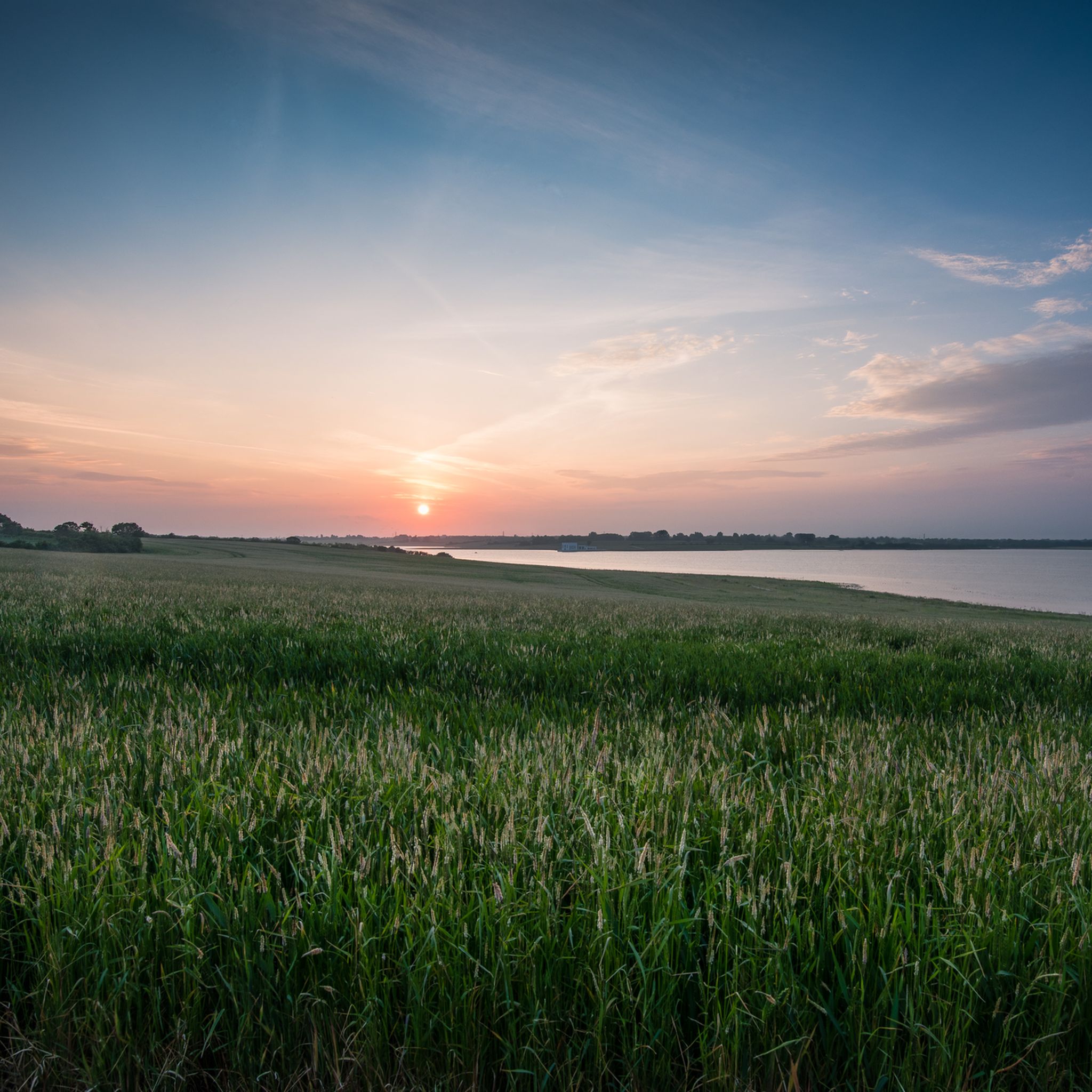
Hikes around Layer-de-la-Haye feature a mix of waterside scenery and rural English countryside. The landscape is characterized by the expansive Abberton Reservoir, woodlands, and open meadows connected by a network of footpaths. The terrain consists of gentle undulations, making the area's walking trails accessible for most fitness levels.
Best hiking trails around Layer-De-La-Haye
- The most popular hiking route is Wild Birds on the Reservoir loop from Layer-de-la-Haye, a 5.0 mile (8.0 km) trail that takes around 2 hours to complete. This moderate hike offers views across the water, a key habitat for wild birds.
- Another top favourite among local hiking enthusiasts is Layer Marney Tower loop from Birch Green, a moderate 4.8 mile (7.8 km) path. The route passes through fields and offers views of the historic Layer Marney Tower.
- Local hiking enthusiasts also love the Needles Eye Wood – Butcher's Wood loop from Layer-de-la-Haye, a 3.7 mile (6.0 km) trail leading through shaded woodland, often completed in about 1 hour 35 minutes.
- Hiking around Layer-De-La-Haye is defined by reservoir paths, ancient woodlands, and quiet country lanes. The network of routes provides options for both short, easy walks and longer hikes.
- The routes in Layer-De-La-Haye are highly rated by the komoot community with an average score of 4.6 stars from more than 350 reviews. More than 2,900 hikers have used komoot to explore Layer-De-La-Haye's varied terrain.
Last updated: October 9, 2026
4.8
(5)
22
hikers
20.1km
05:14
140m
140m
Hard hike. Very good fitness required. Easily-accessible paths. Suitable for all skill levels.
4.5
(4)
34
hikers
7.82km
02:01
30m
40m
Moderate hike. Good fitness required. Easily-accessible paths. Suitable for all skill levels.

4.5
(2)
29
hikers
5.00km
01:17
20m
20m
Easy hike. Great for any fitness level. Easily-accessible paths. Suitable for all skill levels.
4.8
(5)
10
hikers
7.75km
02:00
50m
50m
Moderate hike. Good fitness required. Easily-accessible paths. Suitable for all skill levels.
4.7
(3)
16
hikers
Easy hike. Great for any fitness level. Easily-accessible paths. Suitable for all skill levels.
Get access to more routes and recommendations from other explorers.
Already have an account?
Our route recommendations are based on thousands of hikes, rides, and runs completed by other people on komoot.
Start today with a free account
Your next adventure awaits.
Tips from the Community


The concrete road surface is pretty rough but best to try and carry your speed if you can for the rises at either end.
0
0
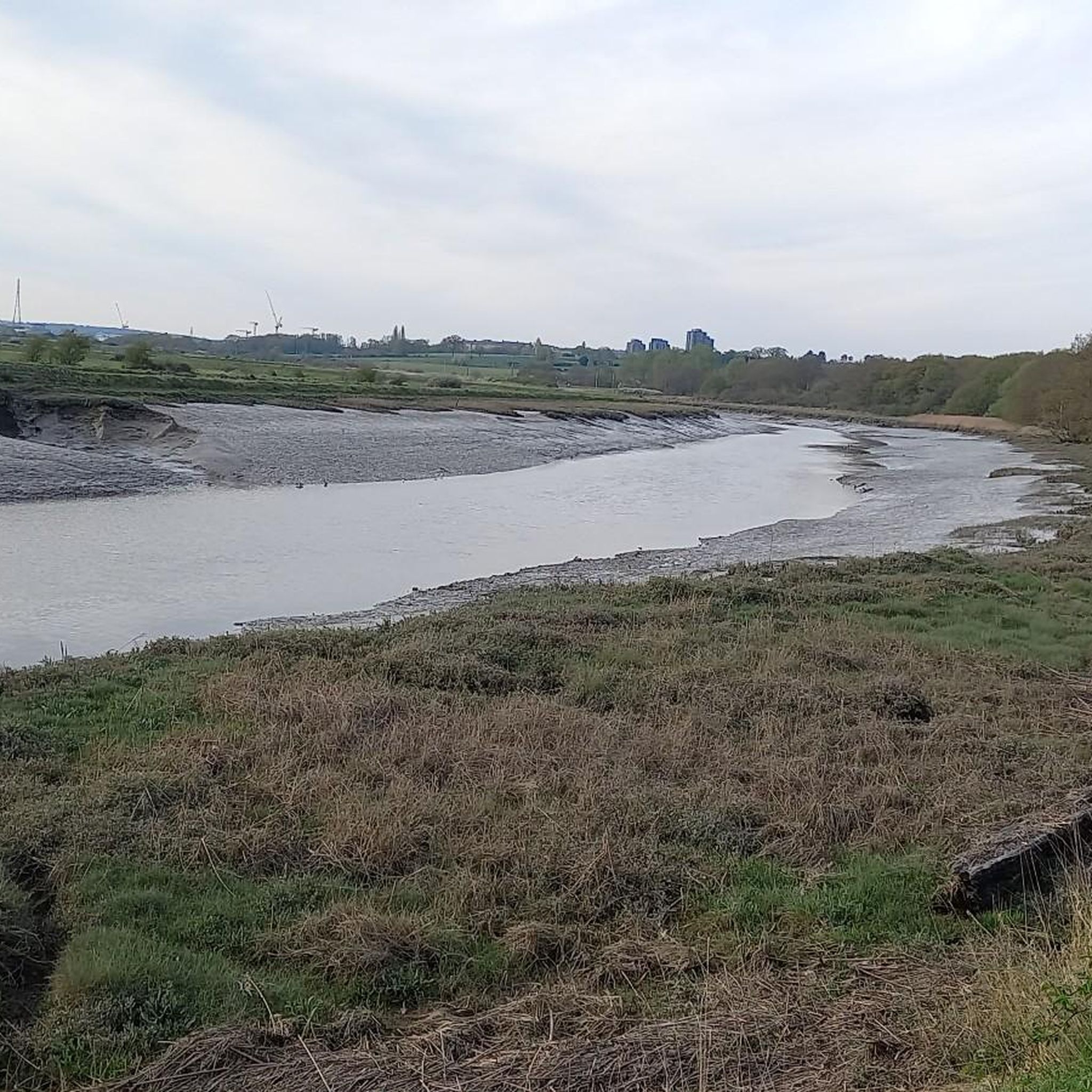
Not much to be seen from the road but continue just south of the church and there are good views across Abberton Reservoir.
0
0

Info taken from https://www.merseamuseum.org.uk/mmresdetails.php?pid=GWG_CHC&rhit=5&ba=mmwig.php Beautifully situated on the top of a hill at the highest point of the parish, the tower of the church is a landmark for many miles around. The large manor (Abbots (Abbess) Hall belonged to the important nunnery of Barking from at Least the Norman Conquest (1066) until the dissolution of the monasteries in 1539, and with that went the patronage of the parish church, so we can assume that there was a church here from at least early Norman times. There are records of clergy here back to the 13th century. There was also from early times a chapel at Salcot-Wigborough (now Salcott Parish Church) for the convenience of that hamlet at a distance from the main parish and across the creek, but annexed to the parish church of Great Wigborough. Virley was a separate parish with its own church. The present church of St Stephen, of septaria and rubble with tilled roofs, owing to rebuilding and restoration has no features earlier than the 14th century. The nave and chancel were built late in the 14th century, but the chancel has been completely rebuilt. Late in the 15th Century a west tower was added, also a south porch, but both have been rebuilt following the extensive damage done by the N.E. Essex Earthquake in 1884. The nave thus remains the only part of the original building, but the windows are mostly modern work. The now blocked north doorway is of late 14th century date; the south doorway is of mid 15th century date. In the northeast corner behind the pulpit is the late 14th century staircase which led to the rood-loft above the chancel screen in pre-Reformation days. The is some reused 15th century material in both tower and porch. The severe local earthquake in 1884 which did much damage in the area between Colchester and Mersea Island, badly shook the church, dislodging pinnacles from the tower, causing serious cracks, and making the whole building unsafe. The tower had to be rebuilt, the money raised by public subscription and help from the Mansion House Fund; the foundation stone was laid by Mrs Watson on Sept 4th 1885. In 1890 the chancel was entirely rebuilt and the nave restored at a cost of £3,000 by the generosity of the rector - the Revd. Frederick Theobald. In 1895 a new vestry was built on the south side, and in 1903 the south porch restored.
1
0
Info taken from http://www.layerchurches.org.uk/churches.htm The first record of the church's existence is found in a charter of 1128, although the oldest parts of the present walls were built some time before. At this time the church belonged to the Abbey of St John in Colchester, but within sixty years it had passed to the Priors of St Botolph. It was from these two great religious houses that the priests who ministered to the needs of the parish were drawn for over four hundred years. The written records of the church are few. We know that after the Black Death the monks of St Botolph set to work to rebuild the nave and tower, both of which date from about 1350. A hundred years later they raised the chancel arch and gave the church its oldest bell (1459). Layer de la Haye interiorDuring the 17th and 18th centuries the church suffered from neglect while it was held in plurality with Berechurch and other places. It was not until the middle of the 19th century that steps were taken to repair the fabric of the church and make it fully fit for worship. This was during the incumbency of the first resident vicar. The church was also enlarged by the building of the south aisle because the population had more than doubled since the turn of the century. The registers of the church date only from 1752, fire having destroyed the earlier ones which probably dated from the sixteenth century. The bells are of particular interest and below is a link to a page giving fuller details. Early in 2001 we completed a major restoration project involving the installation of a new bell frame and ringing chamber in the tower, a new bell, and refurbishment of the other bells, the oldest of which dates back to circa 1459.
1
0

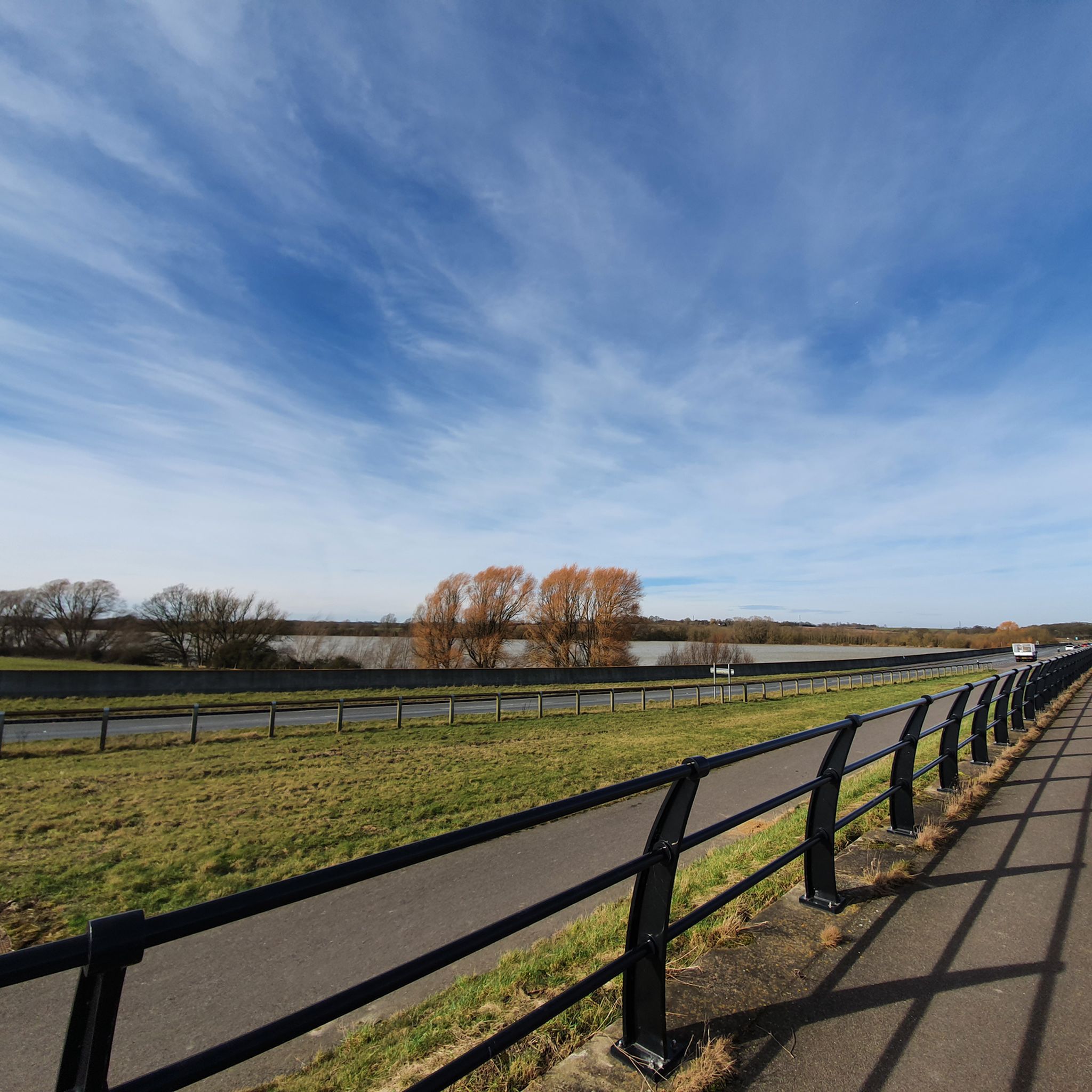
Another way to cross Abberton Reservoir with water views on both sides. As the title suggests, a great spot for some mid-ride bird spotting.
0
0

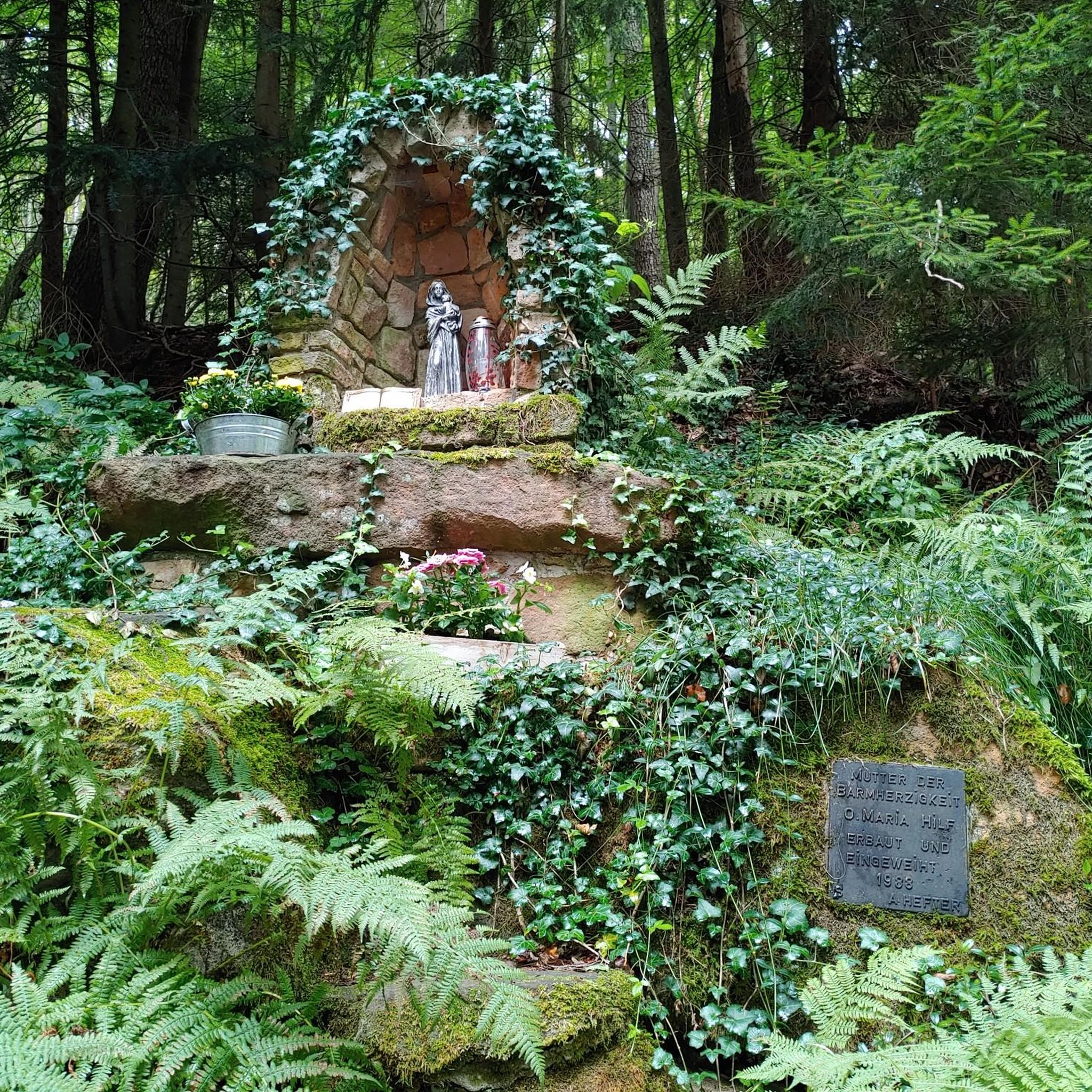
Someone has created a dinosaur out of sticks and moss
1
0

Nice off road route for those who don't want to mix with fast motor vehicles. Tho the path needs maintenance as suffering subsidence.
0
0
Frequently Asked Questions
Are the walking trails around Layer-De-La-Haye suitable for dogs?
Yes, many trails in the area are great for walking with dogs. The region's mix of open fields and woodland paths offers plenty of space for them to explore. However, be mindful that you'll be near the Abberton Reservoir, a major wildlife habitat, and may cross fields with livestock. It's best to keep dogs on a lead in sensitive areas.
Can I get to the hiking trails using public transport?
Yes, Layer-De-La-Haye is accessible by bus services from Colchester, which has a mainline train station. Once in the village, many footpaths are readily accessible, allowing you to start your hike without needing a car. Check local bus timetables for services to Layer-De-La-Haye to plan your journey.
Where can I park to go for a walk around Layer-De-La-Haye?
Parking is available at several points depending on your chosen route. The Essex Wildlife Trust visitor centre at Abberton Reservoir has a car park, which is ideal for walks around the water. Some routes also start near village pubs, which may offer parking for patrons. Street parking is limited, so using designated car parks is recommended.
Are there any family-friendly walks in the area?
Definitely. The terrain around Layer-De-La-Haye is generally gentle, making it suitable for walkers of all ages. For an easy and engaging family outing, consider the Wild Birds on the Reservoir loop from Layer Breton. It's a relatively short walk with fantastic opportunities for birdwatching which can be fun for children.
What kind of wildlife can I expect to see around Abberton Reservoir?
Abberton Reservoir is one of Europe's top wetland sites, so you can expect to see a rich variety of birdlife. It's an important habitat for up to 40,000 wild ducks, swans, and other waterfowl annually. Look out for species like Wigeon, Teal, and Pochard. The Essex Wildlife Trust has hides for birdwatching to help you get a closer look.
Are there any circular walks that start and end at a pub?
Yes, several routes are designed to start and finish at a local pub, which is perfect for a post-hike meal or drink. The region is well-known for these types of walks. For a longer day out, the St Mary's Church, Peldon – Abberton Church loop from Layer Breton is a challenging option that begins near a pub in Layer Breton.
What are the trail conditions like in Layer-De-La-Haye?
The trails are a mix of countryside footpaths, woodland tracks, and paths along the reservoir. While generally well-maintained, paths across fields can become muddy, especially after rain, so waterproof hiking shoes are recommended. The terrain is mostly flat with gentle slopes, making for comfortable walking.
Are there any walks that feature local history?
Yes, the area has historical points of interest. While the popular Layer Marney Tower loop is well-known, you can also explore routes that pass by historic churches like St. John the Baptist in Layer-De-La-Haye or Abberton Church. These add a cultural element to the natural scenery of your hike.
What do other hikers think of the trails around Layer-De-La-Haye?
The area is highly rated by the komoot community. Reviewers often praise the beautiful views across Abberton Reservoir and the peaceful atmosphere of the woodlands. The abundance of wildlife and the well-marked network of paths are also frequently mentioned as highlights.
Are there facilities like cafes or toilets at Abberton Reservoir?
Yes, the Essex Wildlife Trust Nature Discovery Park at Abberton Reservoir has a visitor centre with a café, shop, and toilet facilities. It's a great starting or finishing point for a walk, offering a place to rest and get refreshments. For opening times, it's a good idea to check the official visitor information.
How many hiking trails are there to choose from?
There are over 300 hiking routes to explore around Layer-De-La-Haye on komoot. They range from short, easy strolls perfect for a quick outing to longer, more challenging hikes that can fill a whole day, ensuring there's a trail for every fitness level and interest.
Besides the reservoir, where else can I go for a walk?
The Roman River Valley is a popular local spot for a peaceful walk, known for its pleasant riverside path. For a different experience, you can explore the network of footpaths that connect the area's ancient woodlands, offering shady and serene alternatives to the open landscape of the reservoir.
Most popular routes around Layer-De-La-Haye
Most popular attractions around Layer-De-La-Haye

Get inspired with the komoot mobile app


Explore more
Browse the best Hikes in other regions.
