The best cycling routes around Glims Holm
4.3
(14)
103
riders
7
rides
Touring cycling around Glims Holm is characterized by its unique historical landscape and coastal features within the Orkney Islands. The area features a long, sheltered beach with golden sand, low cliffs, and views of Scapa Flow. Glims Holm is connected to other islands by the Churchill Barriers, which are paved causeways offering accessible cycling surfaces. These barriers and the surrounding waters are notable for their historical significance and marine life.
Best touring cycling routes around Glims Holm
- The most popular…
Last updated: August 22, 2026
4.4
(8)
60
riders
51.2km
03:07
460m
460m
Hard bike ride. Very good fitness required. Mostly paved surfaces. Suitable for all skill levels.
4.0
(3)
22
riders
68.7km
04:11
630m
630m
Hard bike ride. Very good fitness required. Mostly paved surfaces. Suitable for all skill levels.

Sign up for free
4.0
(2)
2
riders
36.5km
02:27
370m
370m
Moderate bike ride. Good fitness required. Mostly paved surfaces. Suitable for all skill levels.
7
riders
20.2km
01:24
290m
290m
Moderate bike ride. Good fitness required. Mostly paved surfaces. Suitable for all skill levels.
5.0
(1)
6
riders
Moderate bike ride. Good fitness required. Mostly paved surfaces. Suitable for all skill levels.
Get access to more routes and recommendations from other explorers.
Sign up for free
Already have an account?
Our route recommendations are based on thousands of hikes, rides, and runs completed by other people on komoot.
Start today with a free account
Your next adventure awaits.
Login or Signup
Popular around Glims Holm

Tips from the Community

Numerous otpions for a tour or just quick tasting in a well-maintained setting
0
0

It is interesting to discover the traces of WW2 and the old buildings of the battery.
0
0

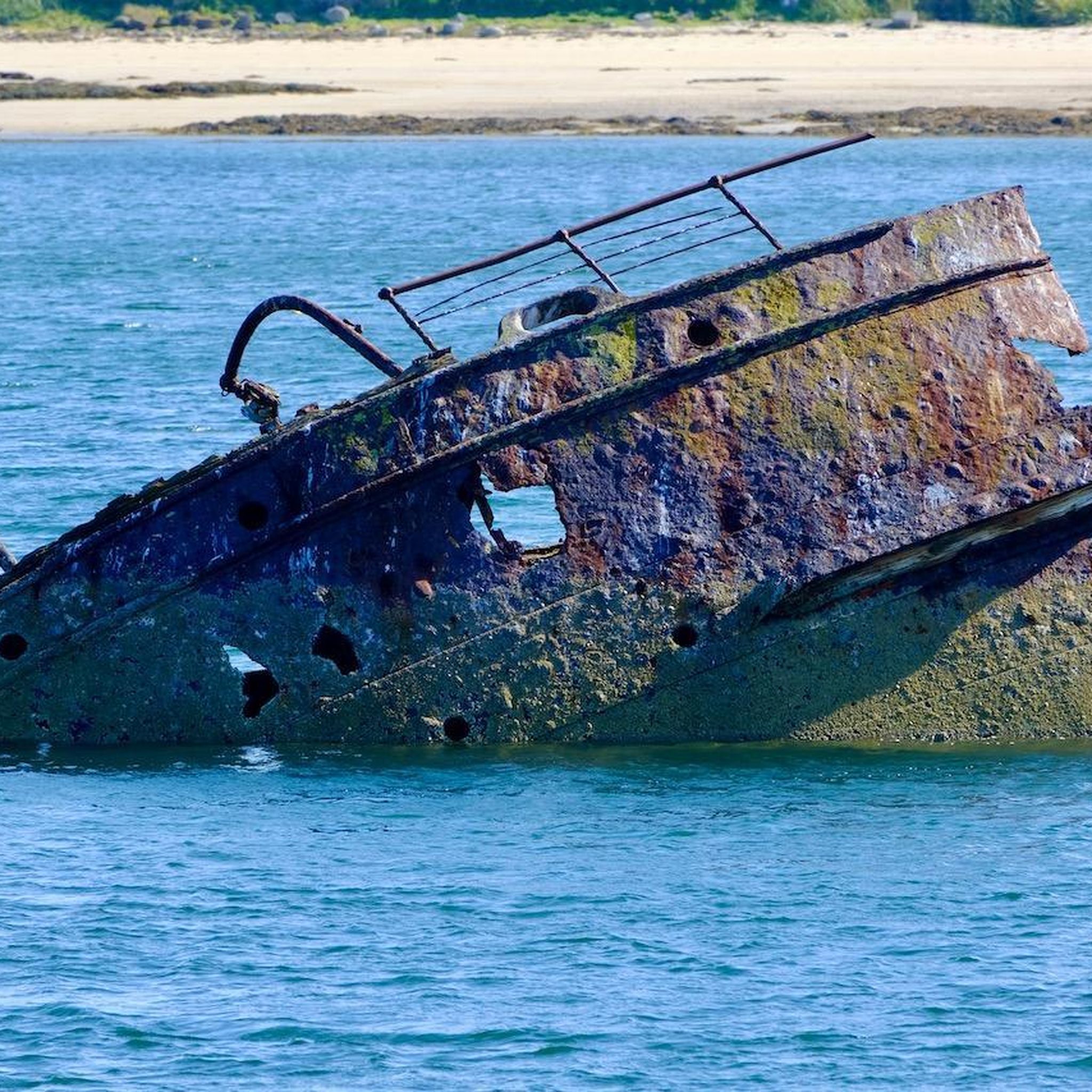
Churchill had 4 dams built here and his own ships sunk so that the Germans would not get their hands on them
0
0

A beautiful place with a goosebumps story
1
0

In the often storm-tossed seas of the Atlantic lies the Scapa Flow off the Orkney Islands, which belong to Scotland. A very special stretch of water measuring more than 300 square kilometers, a kind of natural harbor off the two main islands of the Orkneys. But what makes it so unique is underwater. A ship graveyard that is probably one of the most spectacular diving spots in Europe, if not the world. The story of its creation tells of a forgotten chapter of the First World War. According to the town's official website, the name Scapa Flow comes from the Norse word Skalpaflói, which means “The Bay of the Long Isthmus”. Accordingly, the place was first used by the British Admiralty around 1800 as a strategic natural harbor in the Napoleonic Wars. At a depth of up to 40 meters, merchant ships were allowed to anchor here before they set off for the Baltic North Sea ports. But Scapa Flow would not finally take its place in the history books until 1919. During the First World War, the British fleet moved its base to the difficult-to-access Scapa Flow. Old defenses on land were also put back into operation at this time. After Germany had to admit its defeat in the war in 1918, the ships of the German Navy with their crew on board were held there as prisoners of war. And so on June 21, 1919, one of the greatest ship accidents in world history occurred. The word “misfortune” is misleading, because it was actually an ordered tragedy. The commander of the German navy in the Scapa Flow, Admiral Ludwig von Reuter, believed at this point that the peace negotiations with the victorious powers had failed. In order to prevent “his” ships from finally falling into the hands of the enemy, he had them sunk without further ado on his orders. That day, 52 German warships found their watery grave in the waters of Scapa Flow. To date, this is the largest sinking ever recorded.
0
0

This is a beautiful spot overlooking Widewall Bay toward Hoxa Head. There are the remains of an anti-aircraft battery to explore, as well as Herston Head, which involves a 10-minute push or walk around the western edge of this headland, where you can enjoy excellent views toward Hoy.
0
0
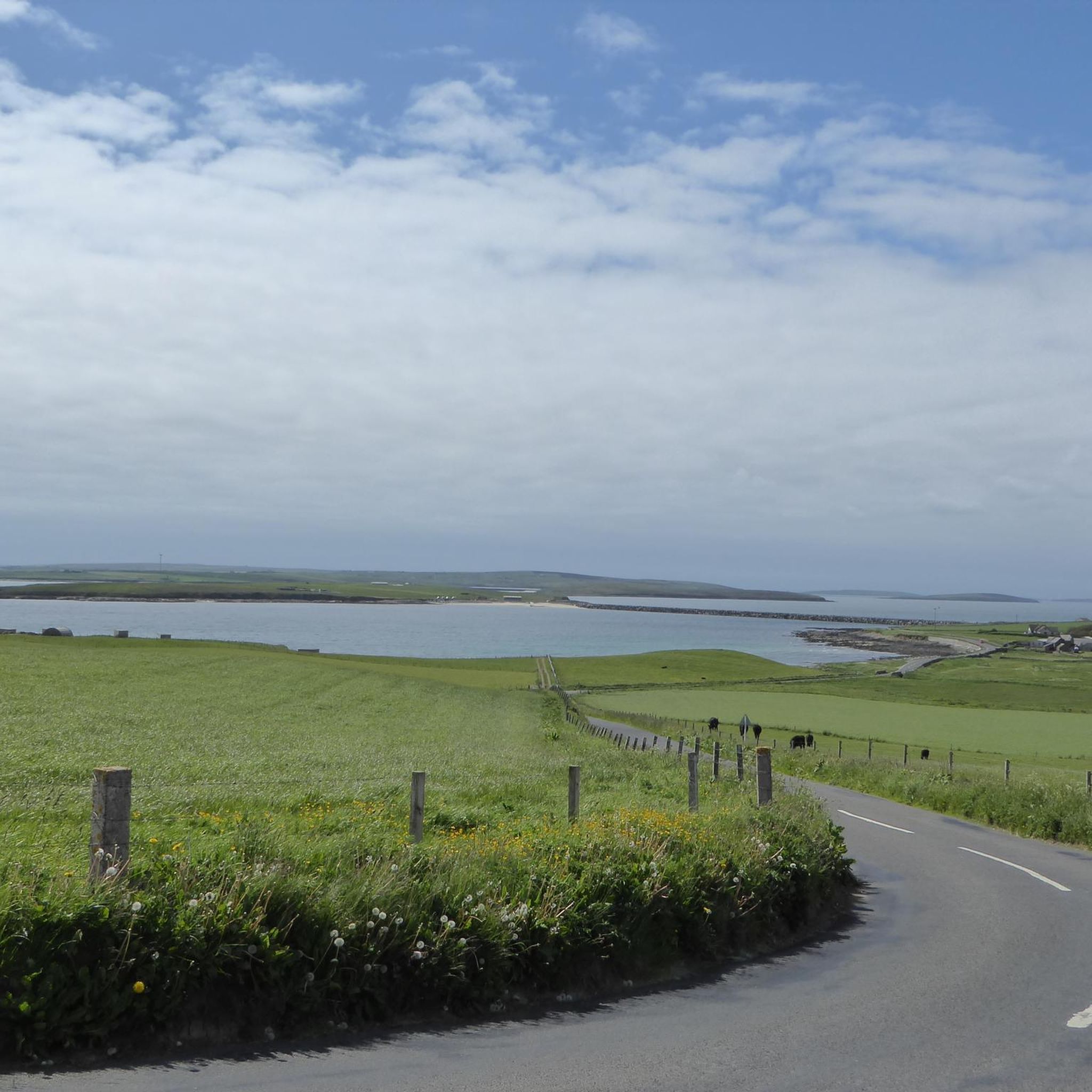
Here you can enjoy great views over the well-known Churchill Barriers. The barriers were built in 1945 and act as a causeway connecting the Orkney mainland with the isles of Lamb Holm, Glimps Holm, Burray and South Ronaldsay.
1
0
Burwick Pier is located on the southernmost tip of South Ronaldsay island. It's the Orkney landing point for passengers and cyclists on the John O'Groats Ferry. Ferries run daily, and you can find the times on the site... jogferry.co.uk/Ferry.aspx
1
0
Frequently Asked Questions
How many touring cycling routes are available around Glimps Holm?
There are 7 touring cycling routes available around Glimps Holm, offering a range of experiences from moderate to difficult. These routes are highly rated by the komoot community.
What is the typical terrain like for touring cycling around Glimps Holm?
The terrain for touring cycling around Glimps Holm is largely shaped by its coastal position and the historical Churchill Barriers. You'll find well-paved surfaces, especially along the barriers connecting the islands, offering scenic rides with views of Scapa Flow. Some routes, like the North Sea Cycle Route: Orkney, feature varied terrain and some elevation.
Are there any easy touring cycling routes suitable for beginners in the Glimps Holm area?
Yes, there are routes suitable for beginners. While some routes are more challenging, you can find easier options. For example, the area offers 2 routes classified as easy, and 3 as moderate, providing a good starting point for less experienced touring cyclists.
What historical landmarks or attractions can I see while cycling around Glimps Holm?
Glimps Holm and its surroundings are rich in history. You can cycle along the Churchill Barriers, which are causeways built during World War II, connecting Glimps Holm to other islands. Along these barriers, you'll see remnants of blockships deliberately sunk to protect Scapa Flow. Nearby, you can visit the Scapa Beach and Royal Oak Memorial Garden, or explore the Hoxa Head Battery, which leads through historical sites.
Are there any notable natural features to experience on a touring cycling trip near Glimps Holm?
Absolutely. Glimps Holm boasts a long, sheltered beach with beautiful blue water and golden sand, offering idyllic scenes. Low cliffs fringe other parts of the island, and you'll often see flocks of sheep. The surrounding waters are part of Scapa Flow, providing views of various sea traffic. The St Margaret's Hope Bay – Sands of Wright Beach loop will take you past the Sands of Wright Beach, known for its wildflowers in season.
What is the best time of year to go touring cycling around Glimps Holm?
The summer months generally offer the most pleasant weather for touring cycling in Orkney, with longer daylight hours and milder temperatures. However, the weather can be changeable, and it's always advisable to check forecasts for wind conditions, which can be a factor on these exposed coastal routes.
Are there any circular touring cycling routes around Glimps Holm?
Yes, there are circular routes available. For instance, the Burwick Pier – The Churchill Barriers loop offers a substantial circular ride that allows you to experience the historical barriers and coastal scenery.
Where can I park my car when planning a touring cycling trip to Glimps Holm?
Parking is generally available at various points along the Churchill Barriers and near the main settlements like St Mary's. Specific parking areas can be found near popular access points to the cycling routes, allowing you to start your tour conveniently.
Is public transport available to access touring cycling routes around Glimps Holm?
Public transport options, primarily bus services, connect the islands of Orkney, including routes that pass near Glimps Holm and St Mary's. These can be useful for accessing different starting points for your cycling tours or for returning after a one-way ride.
Are there places to eat or stay near the touring cycling routes in Glimps Holm?
While Glimps Holm itself is a small islet, nearby islands connected by the Churchill Barriers, such as Lamb Holm, Burray, and especially the larger towns like St Mary's and Kirkwall, offer various cafes, pubs, and accommodation options. These provide convenient stops for refreshments or overnight stays during your cycling adventure.
Can I rent a bike in the Glimps Holm area?
Bike hire services are available in the wider Orkney area, particularly in larger towns like Kirkwall and potentially in St Mary's. It's advisable to check with local providers in advance to arrange for bike rental for your touring cycling trip.
Are the touring cycling routes around Glimps Holm suitable for families?
Many of the routes, especially those along the relatively flat and paved Churchill Barriers, can be suitable for families. The sheltered beach on Glimps Holm itself is popular with families, and the accessible nature of the barriers makes for a pleasant cycling experience for all ages. Always check the specific route details for distance and elevation to ensure it matches your family's ability.
Can I bring my dog on the touring cycling routes around Glimps Holm?
Yes, dogs are generally welcome on the touring cycling routes around Glimps Holm and the wider Orkney area. However, as the islet is home to flocks of sheep, it's crucial to keep dogs under close control, preferably on a lead, especially when cycling through farmland or near livestock, to ensure their safety and that of the animals.
What do other touring cyclists enjoy most about cycling in Glimps Holm?
The area is highly rated by the komoot community, with an average score of 4.1 stars from over 10 reviews. Reviewers often praise the unique historical landscape, the stunning coastal features, and the accessibility provided by the Churchill Barriers, which allow for seamless island hopping and exploration of the region's rich history and natural beauty.
Most popular routes around Glims Holm
Most popular attractions around Glims Holm

Get inspired with the komoot mobile app


Explore more
Browse the best Cycling routes in other regions.
