Attractions and Places To See around Lamb Holm - Top 18
Best attractions and places to see around Lamb Holm, a small island in Orkney, Scotland, are largely shaped by its historical role during World War II. The island is connected to the Orkney Mainland and other islands by the Churchill Barriers, which are significant points of interest. Lamb Holm features a mix of historical landmarks, coastal scenery, and remnants of its wartime past.
Best attractions and places to see around Lamb Holm
- The most popular attraction is The Crantit Trail…
Last updated: August 26, 2026
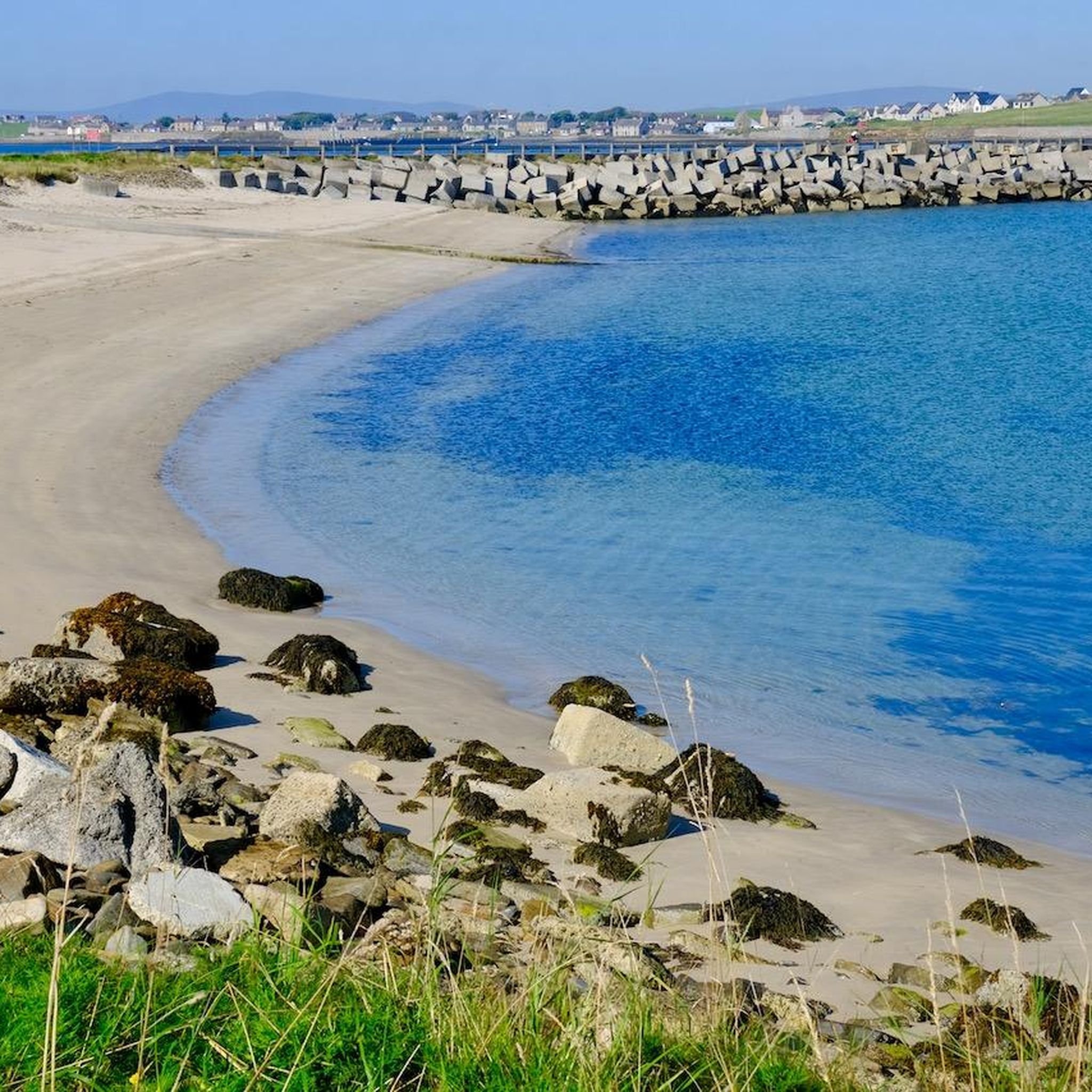
Scapa Beach and Royal Oak Memorial Garden
Highlight • Beach
Tip by

The Crantit Trail
Highlight (Segment) • Trail
Translated by Google •
Tip by

Sign up now to discover places like this
Get recommendations on the best single tracks, peaks, & plenty of other exciting outdoor places.
Sign up for free
Highland Park Distillery
Highlight • Structure
Translated by Google •
Tip by

The Churchill Barriers
Highlight • Cycleway
Tip by
Shipwreck in Weddell Sound
Highlight • Historical Site
Translated by Google •
Tip by

Sign up for free to discover even more attractions around Lamb Holm.
Sign up for free
Already have an account?
Start today with a free account
Your next adventure awaits.
Login or Signup



Tips from the Community

Numerous otpions for a tour or just quick tasting in a well-maintained setting
0
0

A beautiful place with a goosebumps story
1
0

In the often storm-tossed seas of the Atlantic lies the Scapa Flow off the Orkney Islands, which belong to Scotland. A very special stretch of water measuring more than 300 square kilometers, a kind of natural harbor off the two main islands of the Orkneys. But what makes it so unique is underwater. A ship graveyard that is probably one of the most spectacular diving spots in Europe, if not the world. The story of its creation tells of a forgotten chapter of the First World War. According to the town's official website, the name Scapa Flow comes from the Norse word Skalpaflói, which means “The Bay of the Long Isthmus”. Accordingly, the place was first used by the British Admiralty around 1800 as a strategic natural harbor in the Napoleonic Wars. At a depth of up to 40 meters, merchant ships were allowed to anchor here before they set off for the Baltic North Sea ports. But Scapa Flow would not finally take its place in the history books until 1919. During the First World War, the British fleet moved its base to the difficult-to-access Scapa Flow. Old defenses on land were also put back into operation at this time. After Germany had to admit its defeat in the war in 1918, the ships of the German Navy with their crew on board were held there as prisoners of war. And so on June 21, 1919, one of the greatest ship accidents in world history occurred. The word “misfortune” is misleading, because it was actually an ordered tragedy. The commander of the German navy in the Scapa Flow, Admiral Ludwig von Reuter, believed at this point that the peace negotiations with the victorious powers had failed. In order to prevent “his” ships from finally falling into the hands of the enemy, he had them sunk without further ado on his orders. That day, 52 German warships found their watery grave in the waters of Scapa Flow. To date, this is the largest sinking ever recorded.
0
0

On this moorland trail we saw pheasants grouse and sheep
0
0

The Churchill Barriers were built between Mainland & the islands of South Ronaldsay to protect the important navel harbour of Scapa Flow. Block ships were originally used and the sunken remains of some of these are still visible. Nowadays the causeway forms a great road to ride between the islands with nice views and easy access to some stunning beaches.
0
0
Scapa Beach at the end of Scapa Bay is a wide sandy beach with views out to Scapa Flow. There is likely to be plenty of sea traffic to watch from oil tankers and fishing boats to windsurfers and dive boats. Take some time to visit the memorial garden at the end of the beach where there is information about the harbours use in the World Wars.
1
0

Beautiful hiking trail that leads to Scapa Bay. There are plenty of flowers along the way and impressive pictures of the Kirkwall area.
0
1

Here you can buy good single malt whisky, including rare editions.
2
0
Frequently Asked Questions
What historical sites can I visit on Lamb Holm?
Lamb Holm is rich in World War II history. The most famous site is the Italian Chapel, meticulously crafted by Italian prisoners of war. You can also explore the Churchill Barriers, which connect the islands and were built during the war. Near the chapel, there's a War Memorial with a Statue of St George commemorating the POWs. Remnants of Camp 60, where the prisoners were housed, can still be found. Further afield, the Shipwreck in Weddell Sound offers a poignant look into the naval history of Scapa Flow.
Are there hiking trails or walking routes around Lamb Holm?
Yes, there are several options for walking and hiking. The Crantit Trail is a popular moorland trail offering views of Scapa Bay and local wildlife like pheasants, grouse, and sheep. For more detailed routes, you can explore the Hiking around Lamb Holm guide, which includes routes like 'Roseness and the Bay of Cornquoy' and 'Hoxa Head and the Sands of Wright Loop'.
Where can I find beaches or coastal views near Lamb Holm?
Lamb Holm itself has a lovely beach, and the Churchill Barriers have created or enhanced other coastal areas. Scapa Beach and Royal Oak Memorial Garden offers a wide sandy beach with views of Scapa Flow and a memorial garden. Another beautiful spot is Sands of Wright Beach, known for its wildflowers in season and facilities including parking and toilets.
What are some family-friendly activities or attractions in the area?
Many attractions around Lamb Holm are suitable for families. Exploring the Italian Chapel and the Churchill Barriers offers an educational experience. Beaches like Scapa Beach and Sands of Wright Beach are great for coastal walks and enjoying the scenery. The Crantit Trail is also considered family-friendly, offering opportunities to spot local wildlife.
Can I go cycling around Lamb Holm?
Absolutely! The area around Lamb Holm is popular for cycling. The Churchill Barriers provide scenic routes connecting the islands. You can find various cycling routes, including sections of the 'EuroVelo 12 - North Sea Cycle Route' and 'St Mary's to South Ronaldsay via Churchill Barriers & Wheems Organic Farm'. For more options, check the Cycling around Lamb Holm guide.
What is the best time to visit Lamb Holm?
The best time to visit Lamb Holm generally depends on your preferences. The summer months (June to August) offer the mildest weather and longest daylight hours, ideal for outdoor activities and exploring the historical sites. However, the island's unique atmosphere and historical significance can be appreciated year-round. Always check local weather forecasts before your visit, especially for outdoor excursions.
Are there any unique natural features to explore on Lamb Holm?
Beyond its beaches, Lamb Holm has some interesting natural features. One of the quarries used for the Churchill Barriers has since been flooded and repurposed as a fish farm. You can also find remains of a prehistoric settlement on the shore of St Mary's Bay and a Bronze Age barrow mound known as Laughton's Knowe, offering a glimpse into the island's ancient past.
What do visitors enjoy most about the attractions around Lamb Holm?
Visitors frequently highlight the poignant history and unique craftsmanship of the Italian Chapel. The scenic beauty and historical significance of the Churchill Barriers are also highly appreciated. For outdoor enthusiasts, the views and wildlife spotting opportunities on The Crantit Trail are a draw, while the wide sandy expanse of Scapa Beach is loved for its views and historical context.
Are there any places to learn about local produce or crafts?
While not directly on Lamb Holm, the nearby Highland Park Distillery offers a chance to explore the history and production of single malt whisky, with options for tours or tastings. This provides a cultural experience related to Orkney's renowned produce.
Is public transport available to Lamb Holm attractions?
Lamb Holm is connected to the Orkney Mainland and other islands by the Churchill Barriers, which serve as vital road links. While specific public transport routes directly to every attraction might vary, bus services typically operate across the Churchill Barriers, connecting the islands. It's advisable to check local Orkney bus schedules for the most up-to-date information on routes and timings to reach Lamb Holm and its key sites.
Are there any dog-friendly walks or areas on Lamb Holm?
Many of the outdoor areas and beaches around Lamb Holm are suitable for walks with dogs, provided they are kept under control, especially near livestock or wildlife. Coastal paths and beaches like those near the Churchill Barriers and the general walking routes are popular. Always ensure to clean up after your dog to help preserve the natural environment.
Where can I find parking for attractions near Lamb Holm?
Parking is generally available at or near the main attractions. For instance, the Italian Chapel has dedicated parking facilities. Beaches like Sands of Wright Beach also provide parking areas. When visiting other sites or starting a walk, look for designated parking spots or areas where parking is permitted to ensure you don't obstruct local access.
Most popular routes around Lamb Holm

Get inspired with the komoot mobile app


Explore more
Still not found the Highlight you’re looking for? See guides of the top attractions in other regions:
