Attractions and Places To See around Linch - Top 20
Best attractions and places to see around Linch include historical sites, natural woodlands, and charming village centers. Linch, an Anglican parish in West Sussex, England, is composed of several hamlets and has historical roots dating back to the Domesday Book of 1086. The area offers a blend of cultural landmarks and natural landscapes, providing opportunities for exploration and outdoor activities.
Best attractions and places to see around Linch
- The most popular attractions is Celtic Cross on Gibbet Hill, a man-made monument with historical significance. This cross was erected in 1851 to mark a site known for its past executions and offers expansive views.
- Another must-see spot is Liss Village Centre, a settlement featuring pubs, cafes, restaurants, and shops. The village has many historic buildings to explore and first appeared in the Domesday Book of 1086.
- Visitors also love Durford Wood, a tranquil woodland area. This forest provides a scenic highlight along the King Alfred's Way cycling route, offering a picturesque atmosphere with its dense tree canopy.
- Linch is known for its historical sites, natural trails, and local amenities. There are more than 5 attractions to see and explore, ranging from monuments to village centers and woodlands.
- The attractions around Linch are appreciated by the komoot community, with more than 100 upvotes and 14 photos shared by visitors.
Last updated: June 24, 2026
The Sailor's Stone
Highlight • Historical Site
Tip by

Celtic Cross on Gibbet Hill
Highlight • Monument
Three thieves were executed and their bodies hung on the hill as a warning to others. They murdered an unknown sailor they had befriended in the Red Lion in nearby Thursley. His memorial stone is closeby. Locals began to fear the area so in 1851, Sir William Erle erected this cross to show that it was safe.
Tip by

Sign up now to discover places like this
Get recommendations on the best single tracks, peaks, & plenty of other exciting outdoor places.
Sign up for free
Liss Village Centre
Highlight • Settlement
While the area has been inhabited since the Neolithic era — as demonstrated by some great archaeological finds nearby — Liss first appeared in the Domesday Book of 1086 (as Lyss) and there are many historic buildings to explore.
Tip by
Devil's Punch Bowl Picnic Site
Highlight • Viewpoint
Tip by

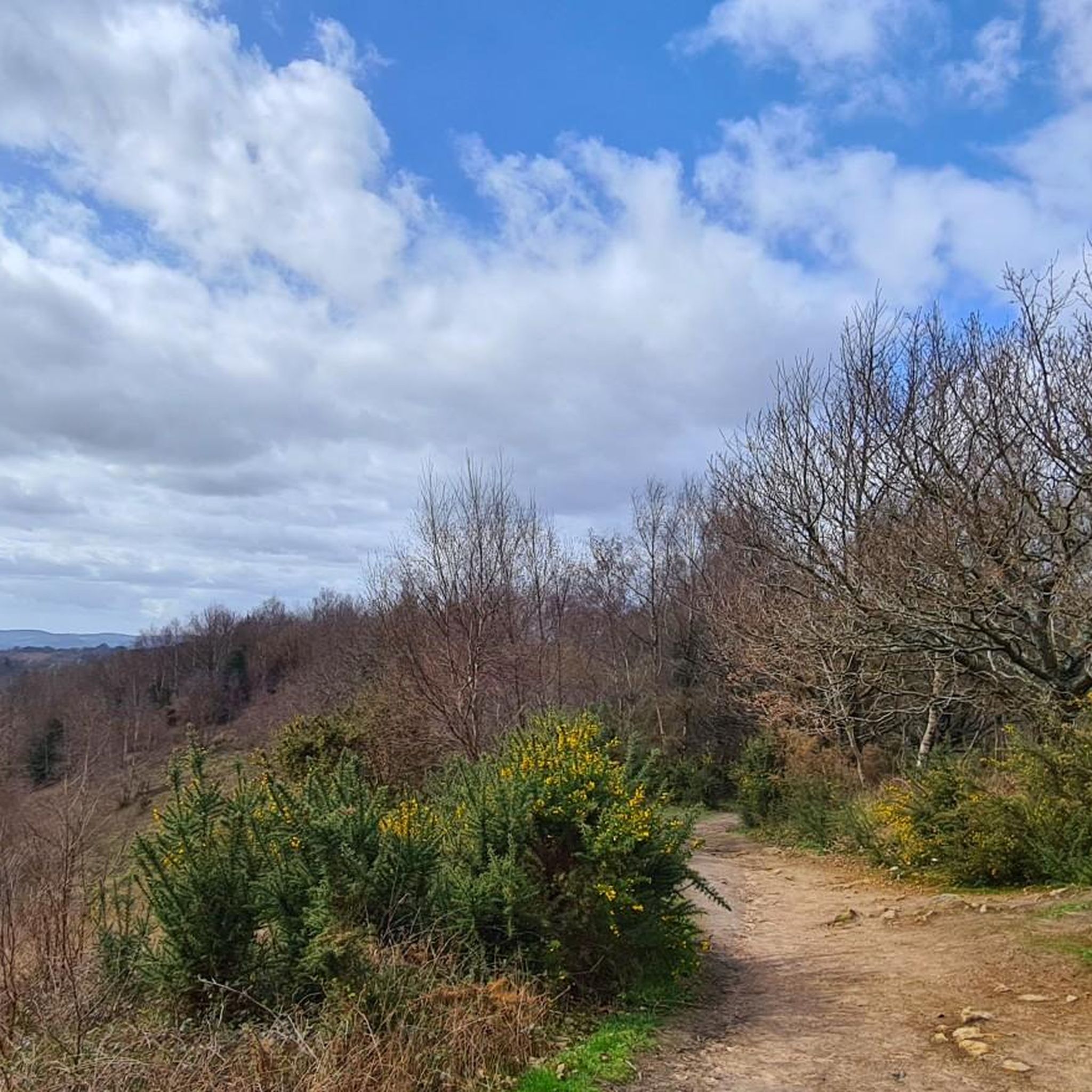
Old A3 Pathway, Hindhead
Highlight • Trail
Until 2011, the A3 bottlenecked at Hindhead, going from two lanes to one. There was always traffic, air pollution was high there was a significant number of accidents. The Hindhead Tunnel was dug to allow the road to continue as a dual carriageway. Even in the short time since the tunnel opened the difference is incredible. Walking along here it is hard to imagine traffic crawling along the way.
Tip by
Sign up for free to discover even more attractions around Linch.
Sign up for free
Already have an account?
Start today with a free account
Your next adventure awaits.
Login or Signup
Tips from the Community

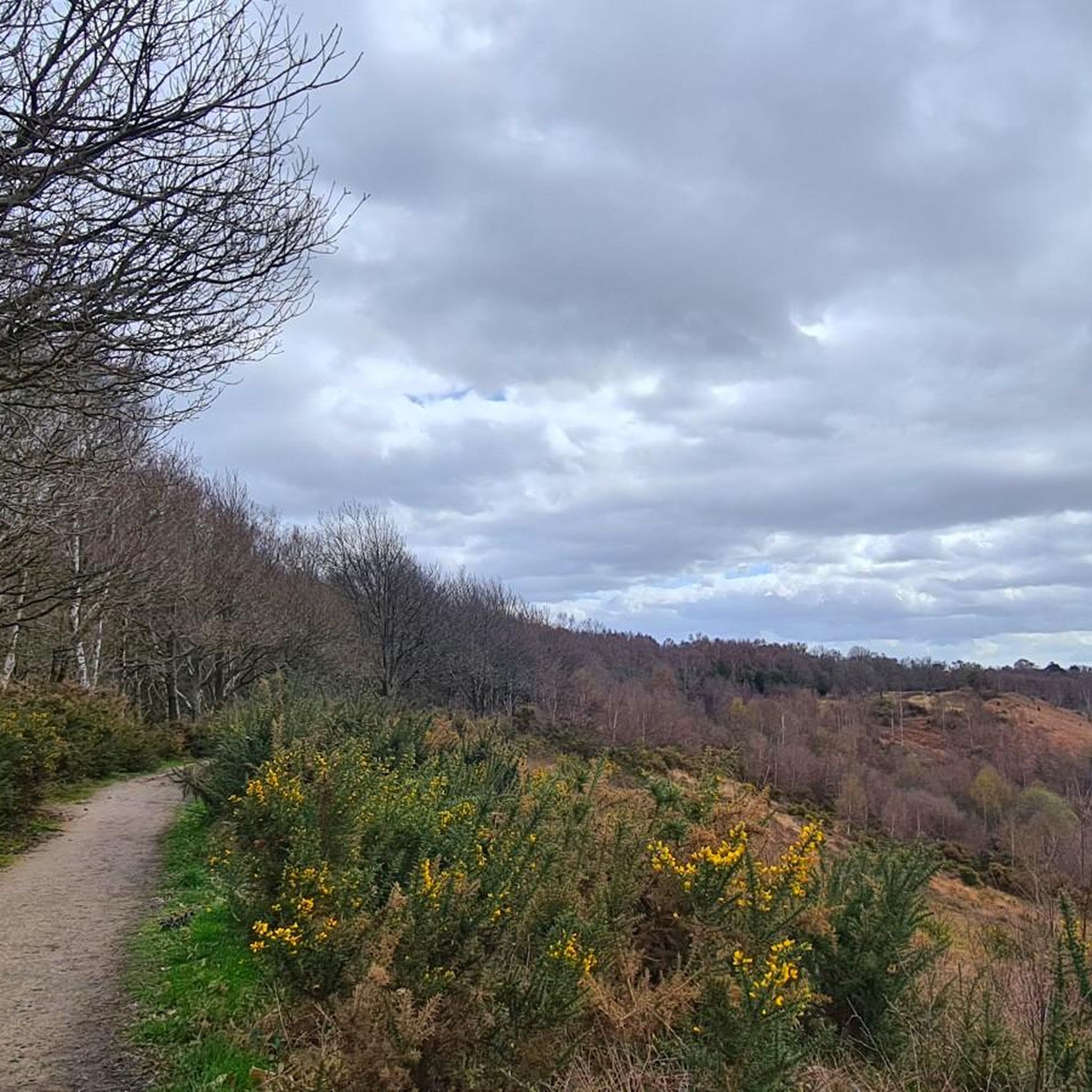
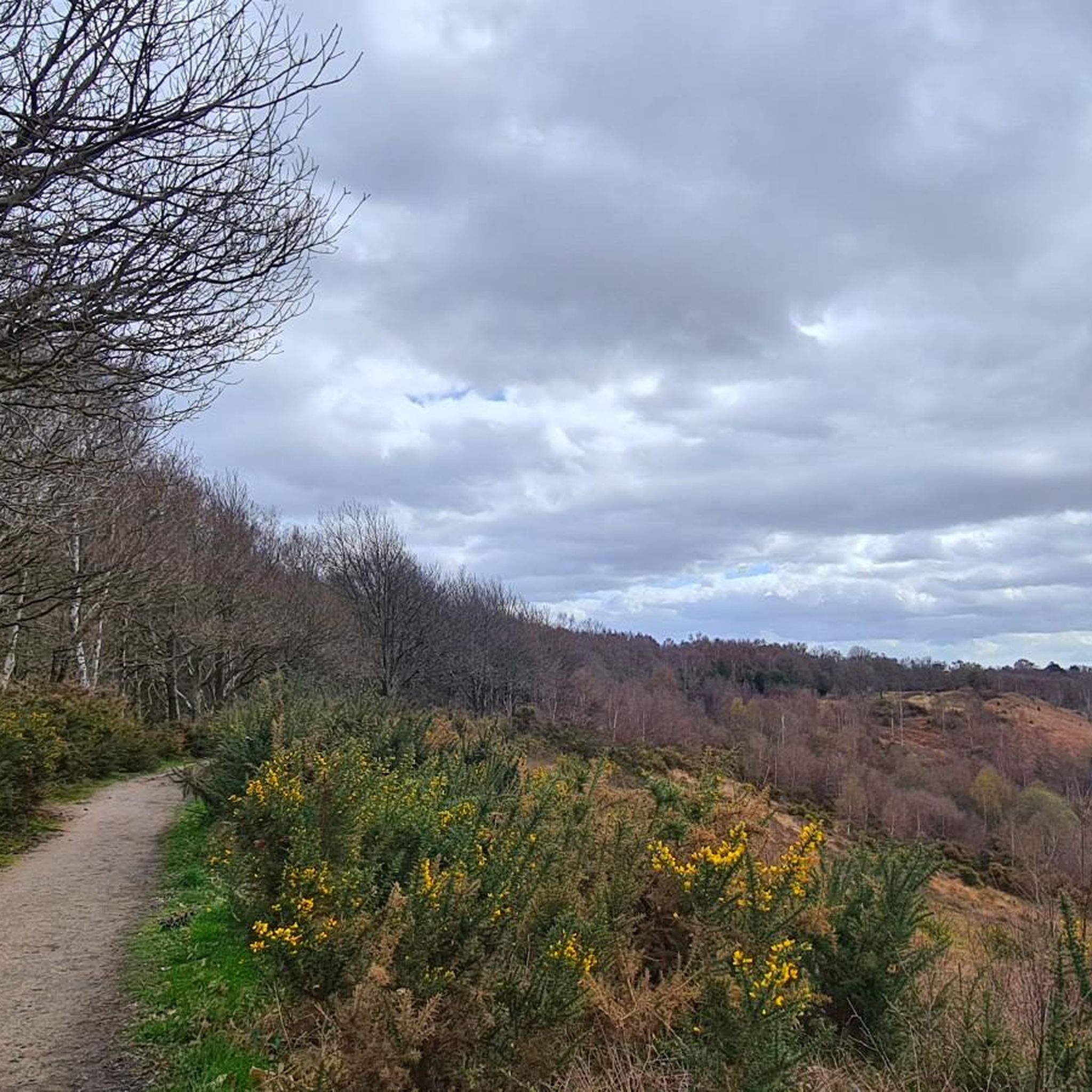
The old A3, historically the Portsmouth Road, was a vital 67-mile artery linking London to England’s premier naval port. Its strategic military importance peaked during the Napoleonic Wars, though it was notorious in the 18th century for daring highwaymen and smugglers. Turnpiked to accelerate horse-drawn mail coaches, the route was officially designated as the A3 in 1922. For decades, it suffered severe bottlenecks, most famously the narrow single-carriageway wrapping tightly around the Devil’s Punch Bowl. The opening of the Hindhead Tunnel finally bypassed this stretch, allowing the old road to be reclaimed by nature as scenic trails.
0
0
The picnic area at the Devil's Punch Bowl provides an ideal outdoor setting to relax and dine before or after exploring the Surrey Hills. Located right next to the main Devil's Punchbowl Car Park, this family-friendly zone serves as the central hub for visitors preparing to take on the nearby walking trails. The area is beautifully integrated into the surrounding landscape, featuring open, grassy spots sheltered by mature trees.
0
0
Erected in 1786 along the Old Portsmouth Road, the Sailor’s Stone is a historic boundary marker commemorating a notorious local tragedy. It marks the exact spot where an unknown seafaring traveler was brutally murdered and robbed by three men he had just befriended in a nearby pub. The stone features a stern biblical inscription condemning the crime and features a famous, ominous curse on its reverse warning anyone against moving it.
0
0
Erected in 1851 by judge Sir William Erle, the granite Celtic cross on Gibbet Hill was built to dispel local fears of evil spirits. It marks the notorious site where three highwaymen were hanged and displayed in chains in 1787 for the brutal murder of an unknown sailor.
0
0

The most typical feature in the design of Celtic crosses is the circle connecting the horizontal and vertical bars. This is sometimes interpreted as a symbol of the sun; in this sense, Celtic crosses are sometimes also called sun crosses. I found the following meditative reflection on this topic while working as a chaplain in the Protestant deanery of Nassauer Land: "The sun cross is a special symbol of Celtic Christianity. It can become a symbol of spirituality. + What you can practice – the horizontal arm of the cross. Your conscious rituals, prayers, quiet moments. The attention you give to the sacred. + What happens to you – the vertical arm of the cross. Experiences that touch and transform you. Moments in which you sense something greater than yourself. + What gives you interpretation – the circle that encloses both. Words, stories, and traditions that help you understand and share these experiences. Spirituality connects you to sources of strength that reach deeper than what you can see. For me as a Christian, spirituality is a word for encountering the God who revealed himself in Jesus."
2
0


The Sailor’s Stone actually has a curse written on the back of it cursing any man that would remove it.
1
0
This is the point where the local hangings used happen, including the three murderers of the unknown sailor. The persons hung would remain in their gibbets and chains here for three years.
0
0
Frequently Asked Questions
What historical sites can I explore around Linch?
Linch itself is an Anglican parish with historical roots dating back to the Domesday Book of 1086. You can visit the Celtic Cross on Gibbet Hill, an 1851 monument with a significant local history and expansive views. Additionally, Liss Village Centre, also mentioned in the Domesday Book, offers many historic buildings to explore.
Are there any notable natural areas or woodlands to visit near Linch?
Yes, Durford Wood is a tranquil woodland area that provides a scenic highlight along the King Alfred's Way cycling route, known for its dense tree canopy. For more extensive natural experiences, Lynch Canyon in California offers over 10 miles of multi-use trails for hiking and biking, and Lynch's Woods Park in South Carolina features 276 acres of pines and old-growth hardwoods with 7.5 miles of hiking and bicycling trails.
What kind of outdoor activities can I do around Linch?
The Linch area offers a variety of outdoor activities. You can explore numerous hiking trails, with options ranging from easy to moderate, such as the 'Woolbeding Common – Woolbeding Common Viewpoint loop'. For cyclists, there are road cycling routes like 'Milland, Fernhurst and the Black Down', and gravel biking options including the 'Liss Riverside Railway Path – Marley Common loop'. Mountain biking enthusiasts can visit Rogate B1KEPARK Downhill Trails for gravity-focused and flowy trails. You can find more details on these activities in the hiking guide, road cycling guide, and gravel biking guide for the area.
Are there family-friendly attractions or activities in the Linch area?
Yes, Liss Village Centre is considered family-friendly, offering shops, cafes, and restaurants. The Three Moles pub also welcomes families. For outdoor activities, Lynch's Woods Park in South Carolina has a 1-mile designated TRACK trail specifically for families, and an ADA-accessible trail.
Where can I find places to eat or drink near the attractions?
In Liss Village Centre, you'll find a selection of pubs, cafes, and restaurants. A notable option is The Three Moles, a traditional country pub in Selham, which serves pub grub, highly-rated Sunday roasts, and has a large beer garden. It's also cycle-friendly, offering dedicated parking and water bottle refills.
Are there good hiking trails around Linch?
Absolutely. The area around Linch offers several hiking trails. You can explore routes like the 'Woolbeding Common and Serpent Trail Loop' (moderate, 7.5 km) or the 'River Rother – Woolbeding Common Viewpoint loop' (moderate, 16.6 km). For an easier option, consider the 'Woolbeding Common – Woolbeding Common Viewpoint loop' (easy, 6.9 km). More details on these and other routes can be found in the hiking guide around Linch.
What cycling opportunities are available near Linch?
The Linch area is great for cycling. Road cyclists can enjoy routes such as 'Milland, Fernhurst and the Black Down' (moderate, 41.7 km) or longer, more challenging rides like 'South Harting and Tillington loop from Liphook'. Gravel biking is also popular, with routes like 'Liss Riverside Railway Path – Marley Common loop' (difficult, 42.9 km). For mountain biking, Rogate B1KEPARK Downhill Trails offers various lines from blue to pro. Explore more options in the road cycling guide and gravel biking guide.
What are some viewpoints or scenic spots in the area?
The Celtic Cross on Gibbet Hill offers expansive views from its elevated position. Additionally, Durford Wood, with its dense tree canopy, provides a picturesque atmosphere, especially along the King Alfred's Way cycling route. Lynch Park in Beverly, Massachusetts, also offers breathtaking waterfront views, though it is a different location.
Is there a place for mountain biking near Linch?
Yes, Rogate B1KEPARK Downhill Trails is a dedicated mountain biking center near Linch. It's run by B1KE and offers a variety of trails, from steeper gravity-focused sections to flowy jump lines, catering to different skill levels from blue to pro lines. You'll need to sign up for a membership to ride.
What do visitors enjoy most about the attractions around Linch?
Visitors appreciate the blend of historical significance and natural beauty. The Celtic Cross on Gibbet Hill is valued for its historical context and great views. Liss Village Centre is enjoyed for its pleasant atmosphere, historic buildings, and local amenities like pubs and cafes. Durford Wood is praised for its tranquil, scenic woodland environment, especially by cyclists on the King Alfred's Way.
Are there any unique pubs or places to stop for refreshments during outdoor activities?
The Three Moles in Selham is a unique traditional country pub, being the only one in the world with that name. It's very cycle-friendly, offering dedicated parking with CCTV, puncture repair kits, and water bottle refills. It's a great spot for traditional pub food and has a large beer garden, perfect for a break during your explorations.
What is the best time of year to visit Linch for outdoor activities?
While specific seasonal considerations for Linch, West Sussex, are not detailed, generally, the spring and summer months offer the most pleasant weather for outdoor activities like hiking and cycling. Spring brings wildflowers, and summer provides longer daylight hours. However, the region's woodlands and trails can be enjoyed year-round, with autumn offering beautiful foliage.
Most popular attractions around Linch

Get inspired with the komoot mobile app


Explore more
Still not found the Highlight you’re looking for? See guides of the top attractions in other regions:
