The 5 Most Amazing Peaks around Dundry
Mountain peaks around Dundry are characterized by Dundry Hill, a prominent elevated area south of Bristol. This hill serves as the highest point within the city and county of Bristol, reaching an elevation of 223 meters. It offers extensive panoramic views over Bristol, the Avon Valley, and the surrounding countryside. The area also features historical sites like Maes Knoll, an ancient Iron Age hillfort, adding cultural significance to its natural landscape.
Best mountain peaks around Dundry
- The most popular mountain…
Last updated: May 20, 2026
Knowle Hill
Highlight • Summit
Tip by

Dundry Hill East High Point
Highlight • Viewpoint
Tip by

Sign up now to discover places like this
Get recommendations on the best single tracks, peaks, & plenty of other exciting outdoor places.
Sign up for free
Cleeve Toot Hillfort
Highlight • Viewpoint
Tip by
Blackberry Hill
Highlight • Trail
Tip by

View from Maes Knoll
Highlight • Natural Monument
Tip by
Start today with a free account
Your next adventure awaits.
Login or Signup

Tips from the Community

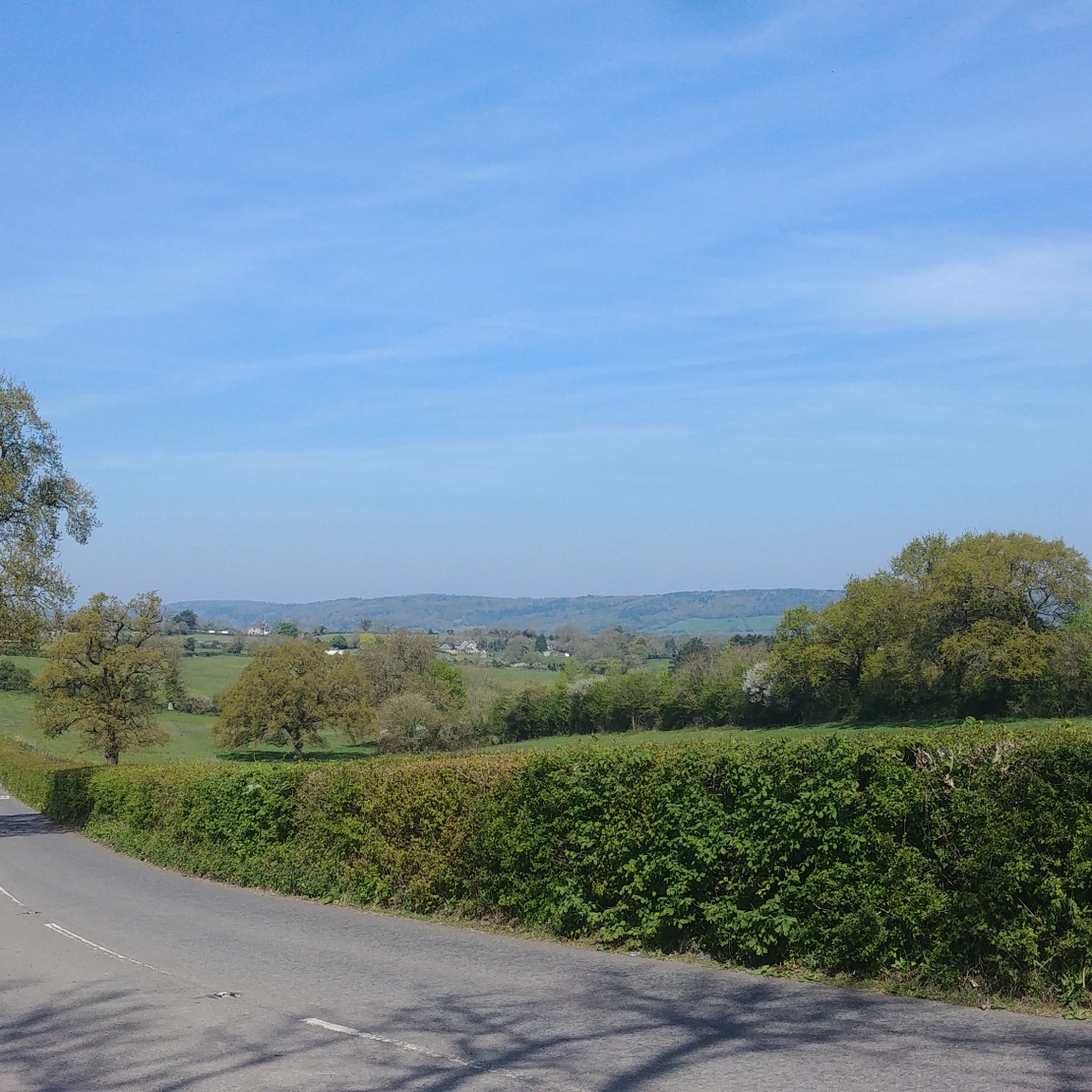
This hill, while lower than the surrounding ridges, provides great views from the top. Fern covered with several tracks crossing the slopes.
0
0


Dundry Hill East at 160m is one of the 184 UK County/Unitary High Points. It is the HP for the Unitary Authority of Bristol. The 'top' is actually in the field over the hedge at this point and on private land. Nothing much to look at or worth going to unless you are a Peak Bagger.
3
0

Cleeve Toot is an Iron Age univallate hillfort nestled in woodland above Goblin Combe. The oval-shaped settlement is approximately 410 feet (125 m) in length and 300 feet (90 m) wide. It is a Scheduled Ancient Monument.
2
0
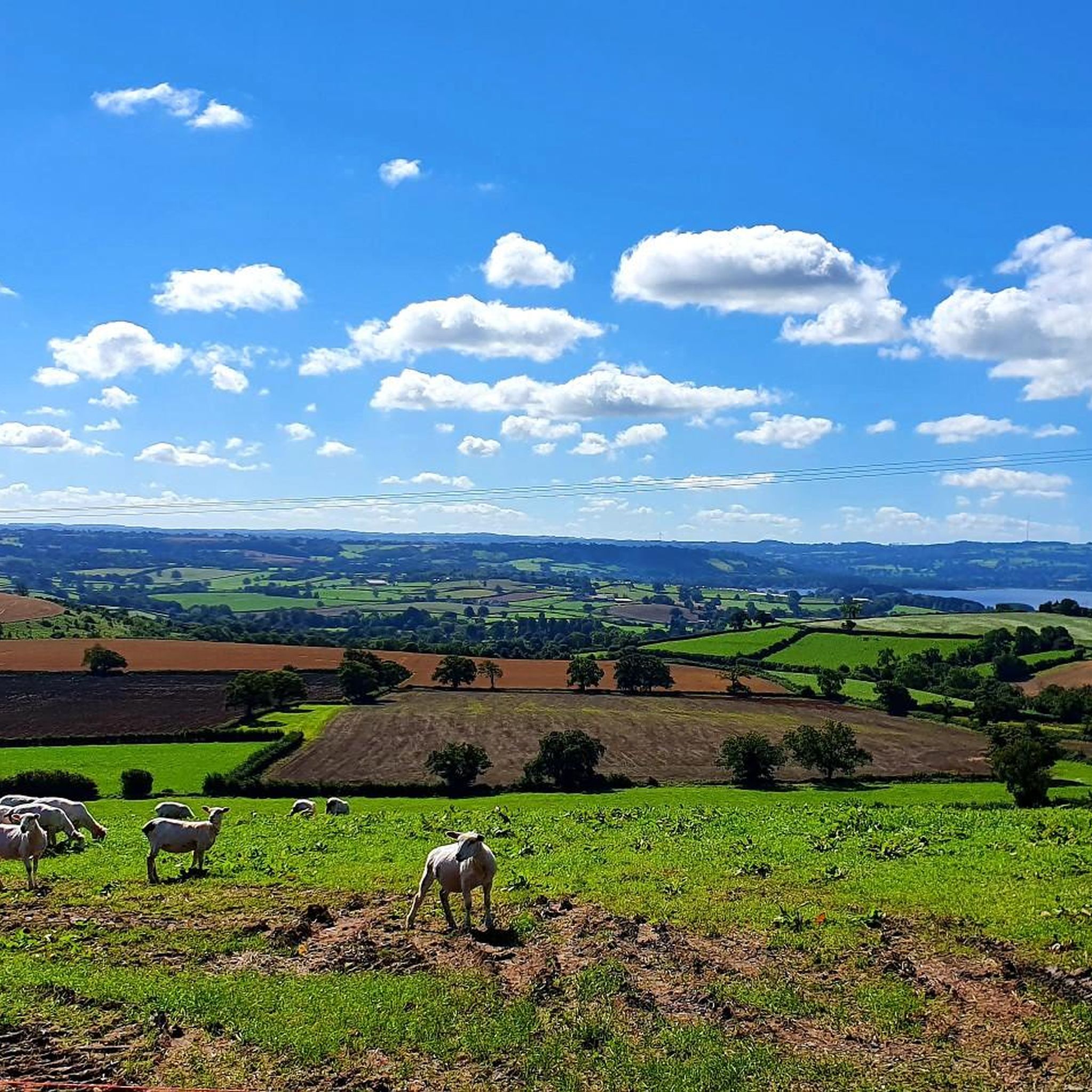
Maes Knoll is an Iron Age hill fort on the outskirts of Bristol. From atop the huge rampart you get an incredible view over the Chew Valley. The site is a Scheduled Ancient Monument.
1
0
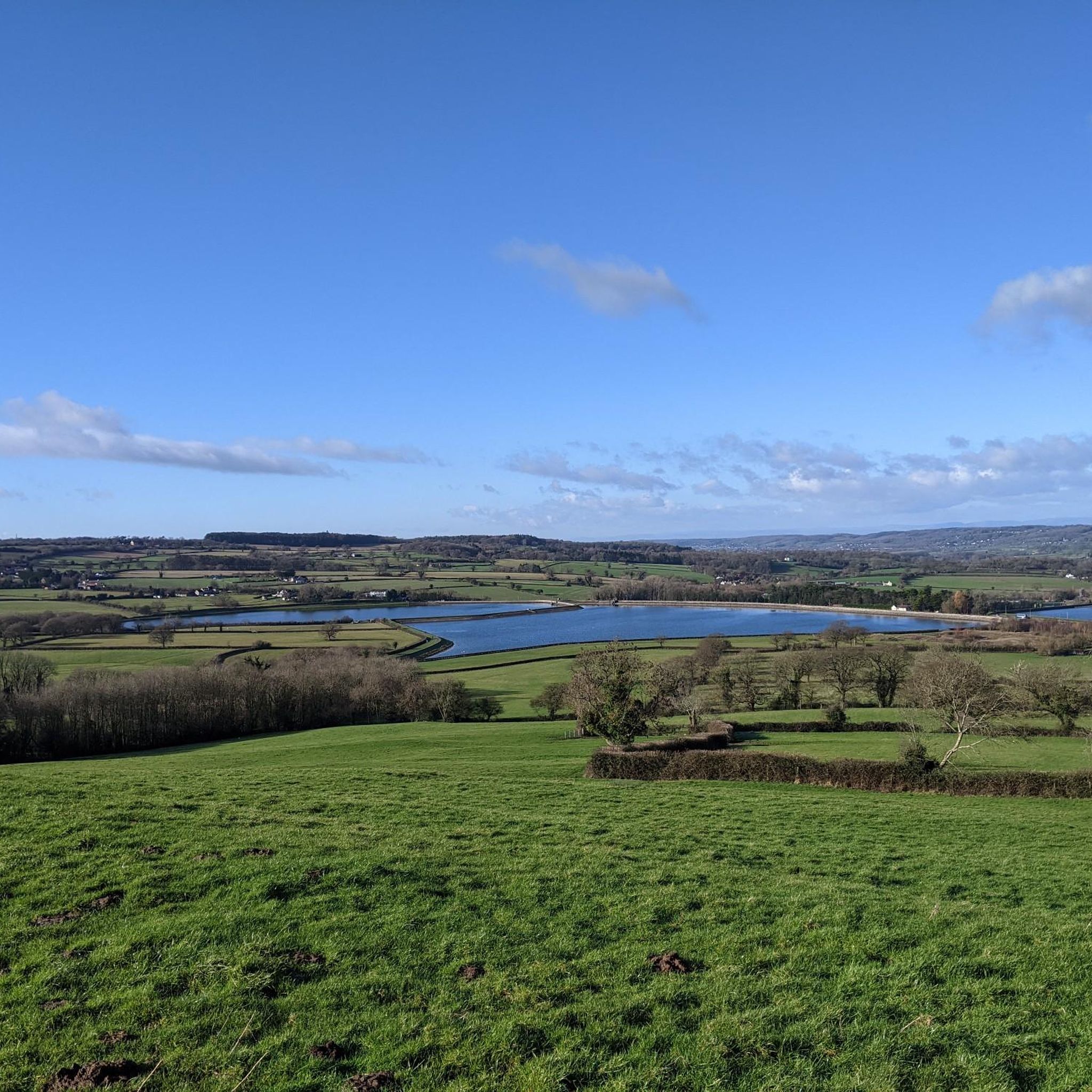
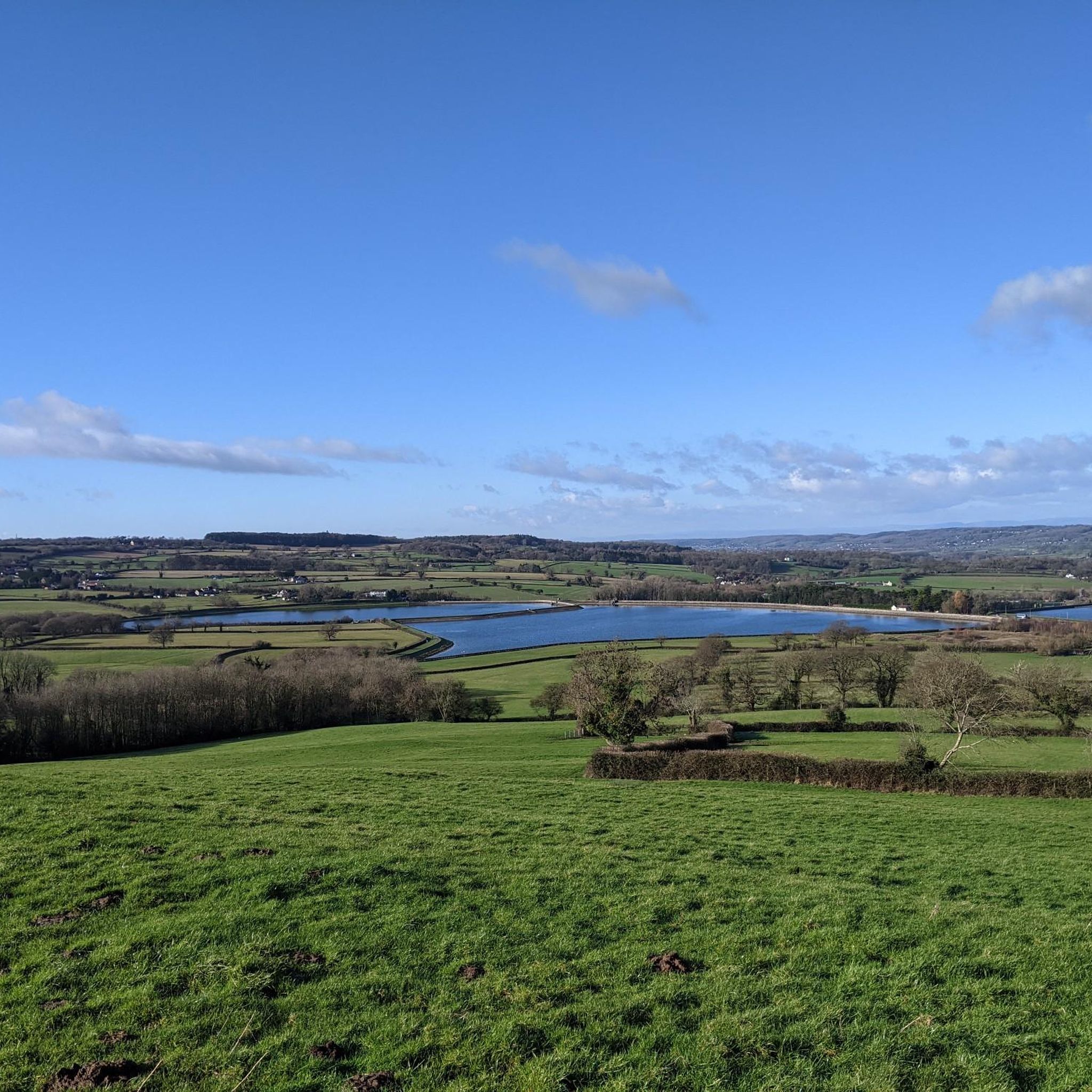
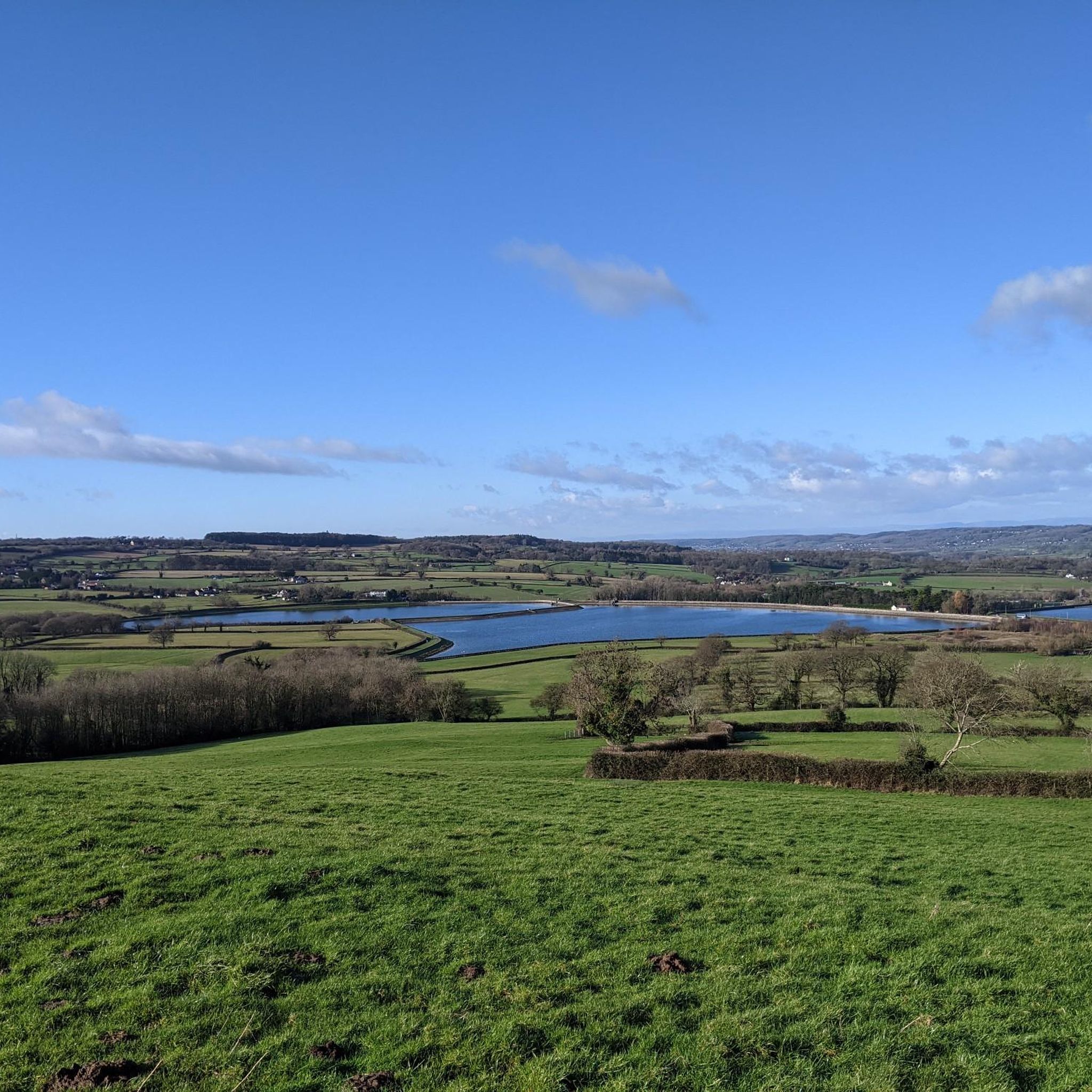
From the summit of Knowle Hill, you get lovely views over Chew Lake and the rolling Mendip Hills AONB. There's a bench on the summit, perfectly placed so you can enjoy the view.
3
0

The third hill in Somerset’s Three peaks trail, but a little underwhelming as the track simply steers around it!
1
0
The second stop on the Three Peaks trail, Knowle Hill has gorgeous panoramic views of the Chew Valley. Keep your eyes peeled for wild deer!
1
1
Frequently Asked Questions
What are the primary elevated points to explore around Dundry?
The main elevated area is Dundry Hill itself, which is the highest point in Bristol. Other notable spots include Knowle Hill, offering views over Chew Lake, and Maes Knoll, an ancient Iron Age hillfort. You can also visit Cleeve Toot Hillfort, another Iron Age site nestled in woodland.
What kind of panoramic views can I expect from Dundry's elevated areas?
From Dundry Hill, you can enjoy extensive panoramic views over Bristol, the Avon Valley, and the surrounding countryside. On clear days, you might even see distant geological formations. Knowle Hill provides lovely vistas over Chew Lake and the Mendip Hills AONB, while View from Maes Knoll offers incredible views of Somerset and the Chew Valley.
Are there historical or archaeological sites among the peaks around Dundry?
Yes, the area is rich in history. Maes Knoll is an ancient Iron Age hillfort and a Scheduled Ancient Monument, marking the beginning of Wansdyke. Cleeve Toot Hillfort is another Iron Age univallate hillfort, also a Scheduled Ancient Monument, located in woodland.
What are the best walking routes or trails around Dundry Hill?
Dundry Hill features numerous well-maintained footpaths. For specific routes, you can explore various options listed in the Running Trails around Dundry guide, which includes routes like the 'St Michael's Church, Dundry – View from Maes Knoll loop from Dundry'.
Is Dundry Hill suitable for family-friendly walks?
Yes, many of the footpaths on Dundry Hill are suitable for families. The area offers a mix of terrain, and while some paths might be more challenging, there are plenty of options for leisurely strolls to enjoy the views and nature. Consider routes that include the village of Dundry for amenities.
Can I bring my dog on walks around Dundry's elevated areas?
Dundry Hill is generally dog-friendly, with many public footpaths accessible for walks with your canine companion. Always ensure dogs are kept under control, especially near livestock, and be mindful of any stiles or gates that might be present on trails.
What other outdoor activities can I do near Dundry's elevated points?
Beyond walking, the area around Dundry offers opportunities for cycling and mountain biking. You can find detailed routes in the Cycling around Dundry guide and the MTB Trails around Dundry guide. These include routes like 'Ashton Court & Leigh Woods trails' for mountain biking and various loops for touring bicycles.
Are there any specific geological points of interest on Dundry Hill?
Yes, Dundry Hill has geological significance. The Dundry Main Road South Quarry is a Site of Special Scientific Interest (SSSI), known for its rich fossil deposits, particularly ammonites, found in its 'inferior oolite' rock. An outcrop of Oolitic Limestone at Maes Knoll also adds to its geological interest.
Where can I find amenities like cafes or pubs near Dundry village?
The village of Dundry itself, located on Dundry Hill, offers local amenities. You can find pubs and potentially cafes within or very close to the village, providing refreshment options after your walks.
What is the best time of year to visit Dundry Hill for walking?
Dundry Hill can be enjoyed year-round. Spring and summer offer lush green landscapes and warmer weather, ideal for long walks and clear views. Autumn brings beautiful foliage, while winter, especially on clear days, can provide crisp air and expansive vistas, though paths might be muddy.
Is there public transport available to Dundry Hill?
While Dundry Hill is immediately south of Bristol, public transport options directly to the summit might be limited. It's advisable to check local bus routes from Bristol that serve Dundry village or nearby areas, which would then require a walk up to the higher points.
Where can I park when visiting Dundry Hill?
Parking options around Dundry Hill typically include roadside parking in and around Dundry village or designated car parks for specific walking routes. Always check local signage for restrictions and be considerate of residents when parking.
Most popular attractions around Dundry

Get inspired with the komoot mobile app


Explore more
See even more amazing summits around Dundry with these guides:
