Top 20 Natural Monuments around Wrington
Best natural monuments around Wrington include diverse landscapes in North Somerset. Wrington, a village in the Yeo Valley, is surrounded by natural areas ranging from ancient woodlands to expansive heathlands. The region offers opportunities to explore geological formations, significant wildlife habitats, and historical remnants. These natural sites provide varied terrain for outdoor activities and offer scenic views across the Bristol Channel and the Mendip Hills.
Best natural monuments around Wrington
- The most popular natural monuments is Cheddar Gorge Climb,…
Last updated: October 13, 2026
Cheddar Gorge Climb
Highlight (Segment) • Climb
Tip by

Beacon Batch summit trig point
Highlight • Viewpoint
Tip by

Sign up now to discover places like this
Get recommendations on the best single tracks, peaks, & plenty of other exciting outdoor places.
Chew Valley Lake
Highlight • Viewpoint
Tip by

Black Down Summit and Wild Ponies
Highlight • Natural
Tip by

Burrington Combe Road Climb
Highlight (Segment) • Climb
Tip by

Sign up for free to discover even more natural monuments around Wrington.
Already have an account?
Start today with a free account
Your next adventure awaits.

Tips from the Community

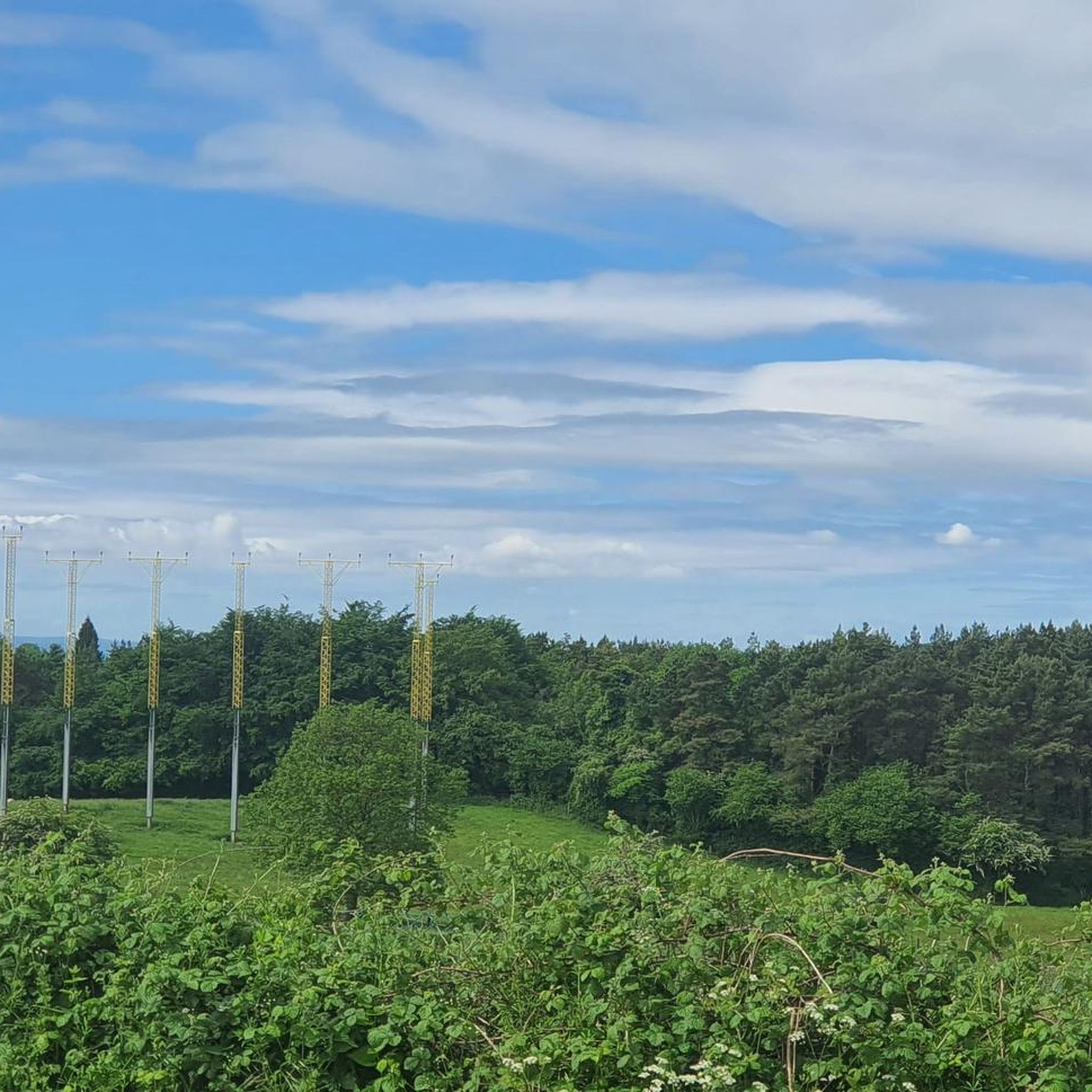
Great stretch of road, I know I am nearly at Bristol, or just getting started. Either way I cannot help but stop and enjoy the view, just stunning.
0
0


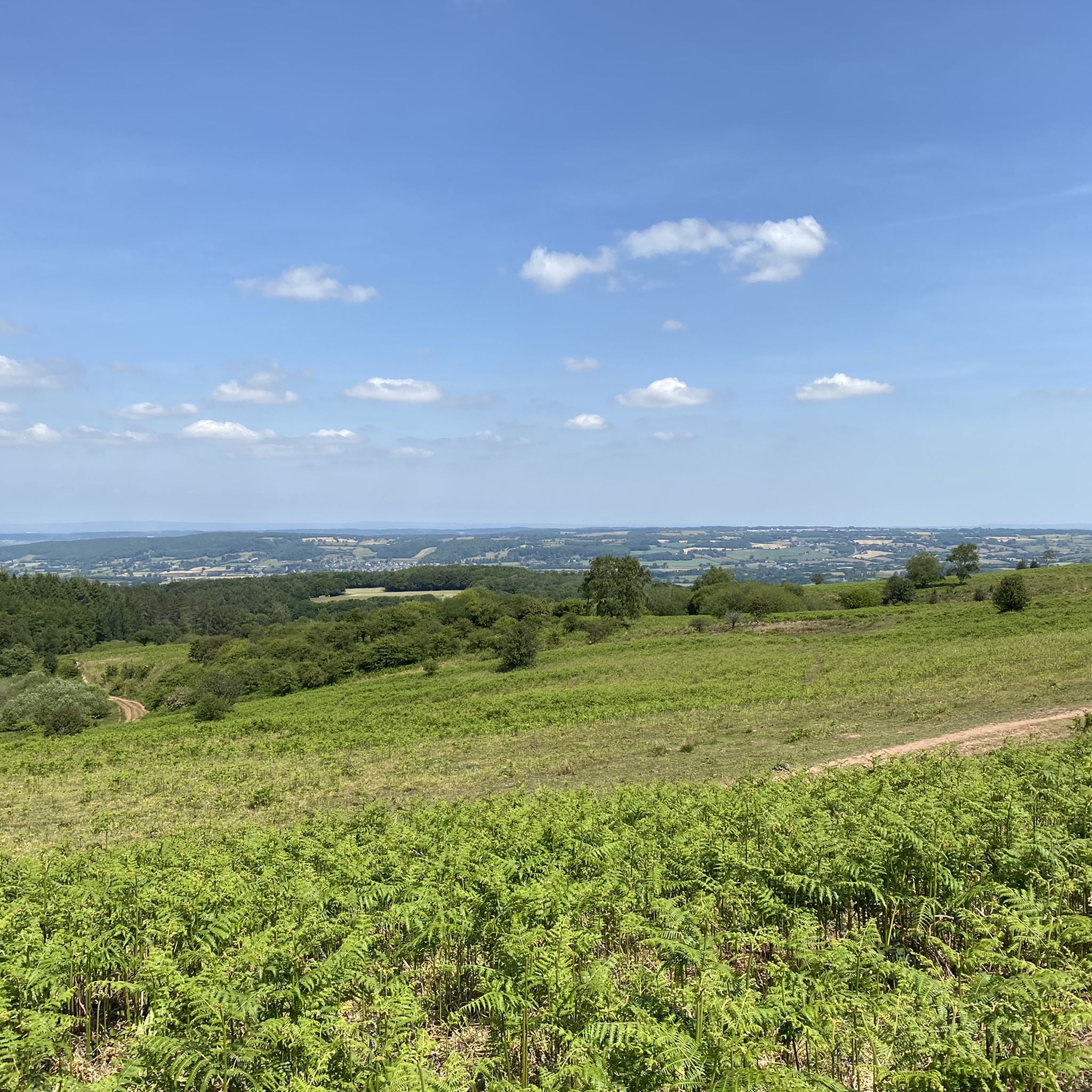
Black Down Hill or Beacons Batch is the highest hill in the Mendip Hills at 325m, Somerset, in south-western England. Black Down lies just a few miles eastward of the Bristol Channel at Weston-super-Mare, and provides a view over the Chew Valley. It has a trig pointed summit and is a UK designated Marilyn with a prominence of over 150m.
3
1

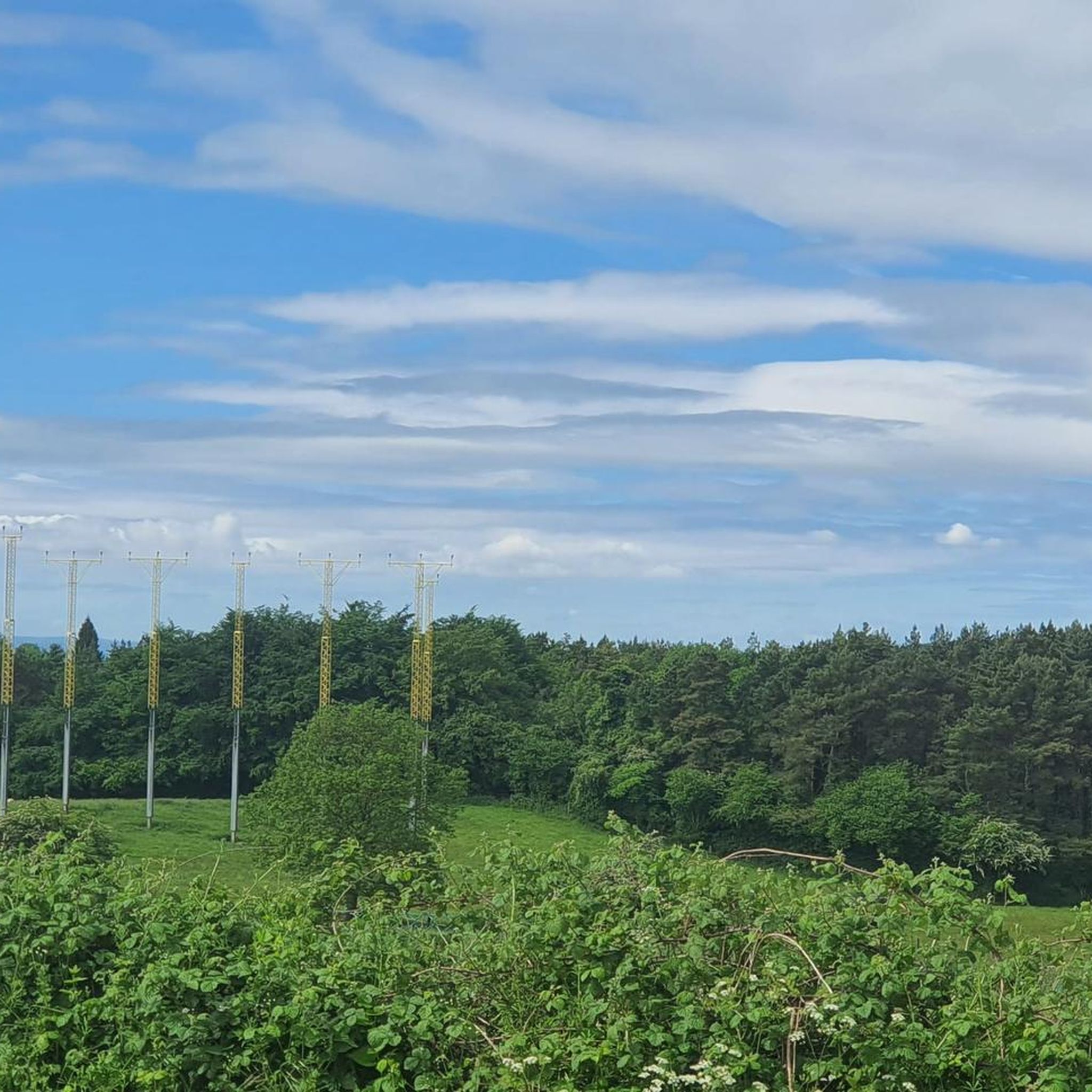
A great climb! Very long, but nice and steady for the most part.
0
0

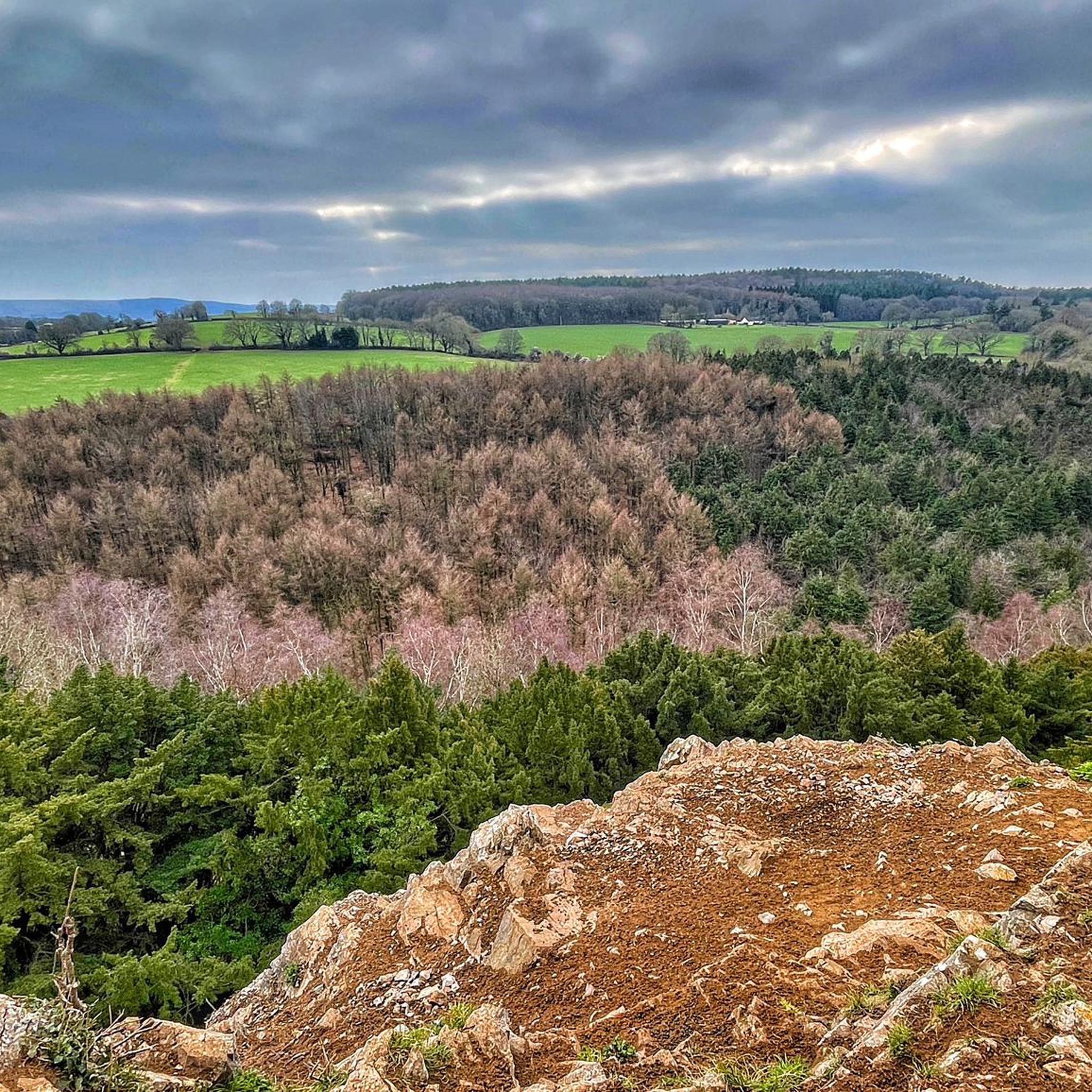
Views over the lake. Usually an ice cream van in the lay-by too.
1
0

Frequently Asked Questions
What kind of walking trails can I find at the natural monuments near Wrington?
The natural monuments around Wrington offer a variety of walking trails. For instance, Beacon Batch summit trig point and Black Down Summit and Wild Ponies, both part of the Mendip Hills, feature expansive heathland and moorland paths. Prestow Woods Nature Reserve, located directly in Wrington, provides scenic walking trails, including some accessible routes. You can also explore traffic-free routes like The Strawberry Line, which is suitable for both walking and cycling.
Are there family-friendly natural monuments around Wrington?
Yes, several natural monuments near Wrington are suitable for families. Black Down Summit and Wild Ponies is considered family-friendly, offering open spaces and the chance to see wild ponies. Prestow Woods Nature Reserve in Wrington also has scenic trails, some of which are being developed for better accessibility, making it a good option for families to explore nature and historical lime kilns.
What historical elements can be found within the natural monuments?
The natural monuments around Wrington are rich in history. Prestow Woods Nature Reserve contains remnants of the area's industrial past, including restored lime kilns and geological formations from the Carboniferous era with fossilized coral. Beacon Batch summit trig point and Black Down Summit and Wild Ponies are nationally important for their archaeology, featuring Bronze Age burial mounds and sites dating from the late Stone Age through to the Second World War.
What are some of the best natural monuments for scenic views?
For breathtaking views, consider visiting Beacon Batch summit trig point and Black Down Summit and Wild Ponies, which offer panoramic vistas over the Bristol Channel, Chew Valley, and even South Wales on clear days. Wavering Down Trig Point also provides impressive views across Somerset, including a glimpse of Cheddar reservoir. From certain points in Prestow Woods, visitors can enjoy expansive views over the surrounding Yeo Valley.
Are there any natural monuments with unique wildlife or ecological significance?
Yes, the region boasts several ecologically significant sites. Prestow Woods Nature Reserve supports diverse flora and fauna, with ongoing efforts to increase biodiversity. Beacon Batch summit trig point and Black Down Summit and Wild Ponies are designated Sites of Special Scientific Interest (SSSI) due to their valuable wildlife habitats, including heather, bilberry, and gorse, supporting a variety of birds, mammals, reptiles, and invertebrates. Chew Valley Lake is a nationally recognized spot for birdwatching, attracting over 260 species. Uphill Nature Reserve is known for its flower-rich grassland, supporting a diverse insect population, particularly butterflies, and is part of the Mendip Limestone Grasslands Special Area of Conservation (SAC).
What is the best time of year to visit the natural monuments around Wrington?
The best time to visit depends on your interests. Spring and summer are ideal for enjoying diverse plant life, birdwatching, and warmer weather for walks. Autumn offers beautiful foliage, particularly in wooded areas like Prestow Woods. The open heathlands of Black Down and Wavering Down can be striking in all seasons, but clear days provide the best panoramic views. For specific events or wildlife sightings, it's advisable to check local conservation group information.
Are there any natural monuments near Wrington that are dog-friendly?
Many natural monuments in the area are dog-friendly, though specific rules may apply. For example, on Wavering Down Trig Point and Crook Peak, where wild ponies and sheep graze, it is important to keep dogs under close control and on a lead at all times to protect the rare plants and animals. Prestow Woods Nature Reserve is generally welcoming to dogs, but always check for local signage regarding leash requirements.
What outdoor activities can I do near these natural monuments?
Beyond exploring the natural monuments themselves, the area around Wrington offers various outdoor activities. You can find numerous hiking trails, ranging from easy to moderate, such as those detailed in the easy hikes around Wrington guide and the hiking around Wrington guide. Gravel biking is also popular, with routes like 'The Strawberry Line' mentioned in the gravel biking around Wrington guide. The climbs at Cheddar Gorge Climb and Burrington Combe Road Climb are popular for cyclists.
Are there accessible paths for visitors with mobility considerations?
Prestow Woods Nature Reserve in Wrington is actively developing and maintaining accessible routes within its scenic walking trails. While many natural monuments in the broader area feature varied terrain, efforts are being made to improve accessibility in certain sections. It's always recommended to check specific site information for the most up-to-date details on accessible paths.
Where can I find information about conservation efforts for these natural monuments?
Many natural monuments in the Wrington area benefit from active conservation. For Prestow Woods Nature Reserve, the Prestow Wood Conservation Group continuously works to increase biodiversity and maintain paths. You can find more details on their plans and efforts via the Wrington Parish Council website: wringtonparishcouncil.gov.uk. Sites like Black Down, Beacon Batch, and Wavering Down are managed as Sites of Special Scientific Interest (SSSI) with ongoing efforts to protect their unique habitats and archaeological significance.
What are the difficulty levels of walking trails at natural monuments near Wrington?
The difficulty of walking trails varies across the natural monuments. Prestow Woods offers scenic trails that are generally manageable, with some accessible routes. The open areas of Black Down and Wavering Down can involve moderate climbs to reach summits like Beacon Batch summit trig point, but also offer easier paths across the heathland. For specific trail difficulties, you can refer to komoot's easy hikes around Wrington guide and hiking around Wrington guide for detailed route information.
Are there cafes or pubs near the natural monuments for refreshments?
While specific cafes or pubs might not be directly *within* every natural monument, the village of Wrington itself offers options for refreshments. For monuments further afield, such as those in the Mendip Hills or near Chew Valley Lake, you will typically find establishments in nearby villages or towns. It's advisable to plan your route and check for amenities in the closest settlements before your visit.
Most popular routes around Wrington
Most popular attractions around Wrington

Get inspired with the komoot mobile app


Explore more
Extend your search for the best caves by checking out these guides of the top ones around Wrington:
