Top 17 Natural Monuments around Congresbury
Best natural monuments around Congresbury offer a diverse landscape for exploration. The region features the Mendip Hills, providing varied terrain from gorges to high summits. This area is characterized by its natural formations and open access land. Visitors can explore more than 17 natural monuments, each contributing to the unique character of the Congresbury surroundings.
Best natural monuments around Congresbury
- The most popular natural monuments is Cheddar Gorge Climb, a climb that spans approximately 10 km. This iconic route…
Last updated: September 29, 2026
Cheddar Gorge Climb
Highlight (Segment) • Climb
Tip by

Beacon Batch summit trig point
Highlight • Viewpoint
Tip by

Sign up now to discover places like this
Get recommendations on the best single tracks, peaks, & plenty of other exciting outdoor places.
Chew Valley Lake
Highlight • Viewpoint
Tip by

Black Down Summit and Wild Ponies
Highlight • Natural
Tip by

Burrington Combe Road Climb
Highlight (Segment) • Climb
Tip by

Sign up for free to discover even more natural monuments around Congresbury.
Already have an account?
Start today with a free account
Your next adventure awaits.

Tips from the Community

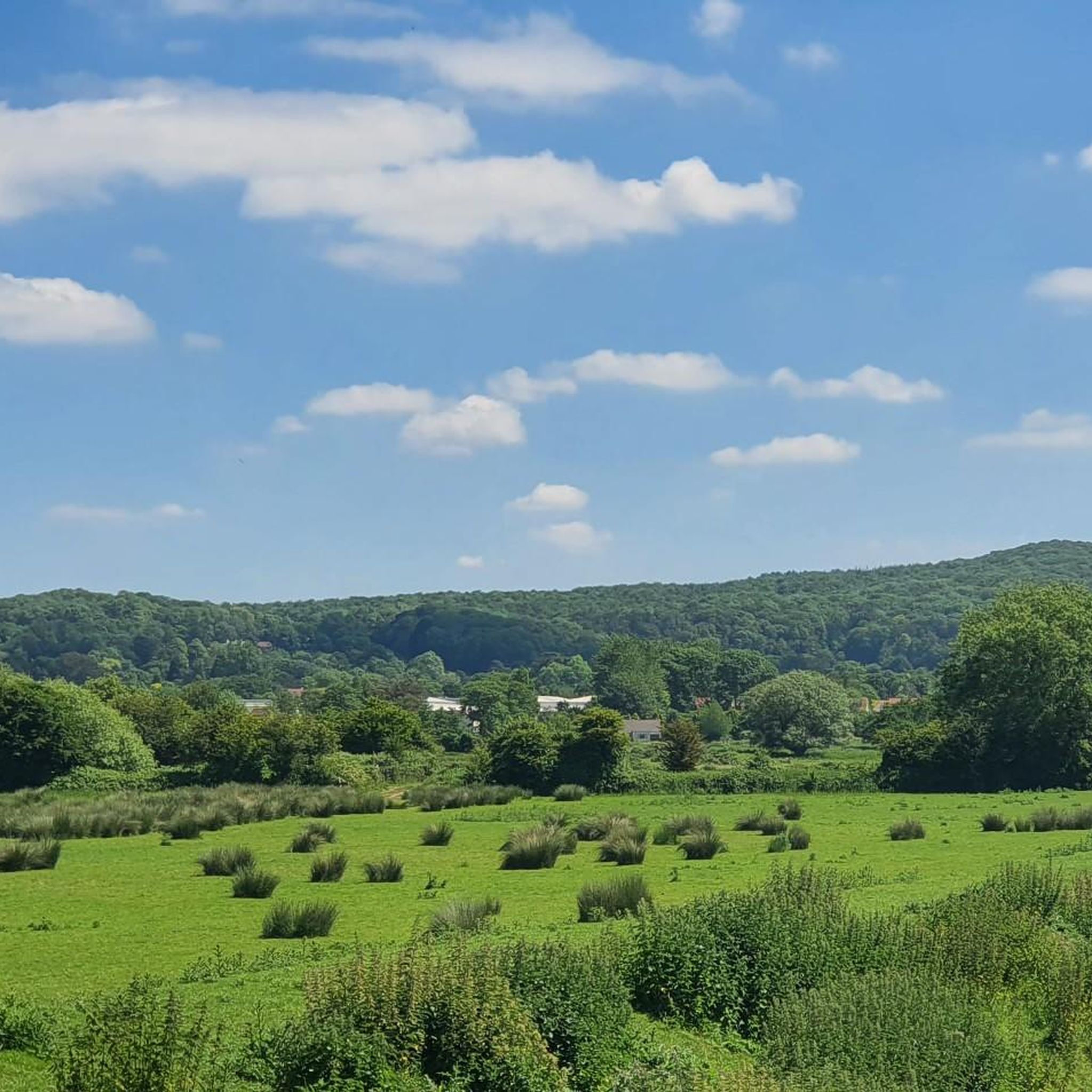
Great stretch of road, I know I am nearly at Bristol, or just getting started. Either way I cannot help but stop and enjoy the view, just stunning.
0
0


Black Down Hill or Beacons Batch is the highest hill in the Mendip Hills at 325m, Somerset, in south-western England. Black Down lies just a few miles eastward of the Bristol Channel at Weston-super-Mare, and provides a view over the Chew Valley. It has a trig pointed summit and is a UK designated Marilyn with a prominence of over 150m.
3
1

A great climb! Very long, but nice and steady for the most part.
0
0

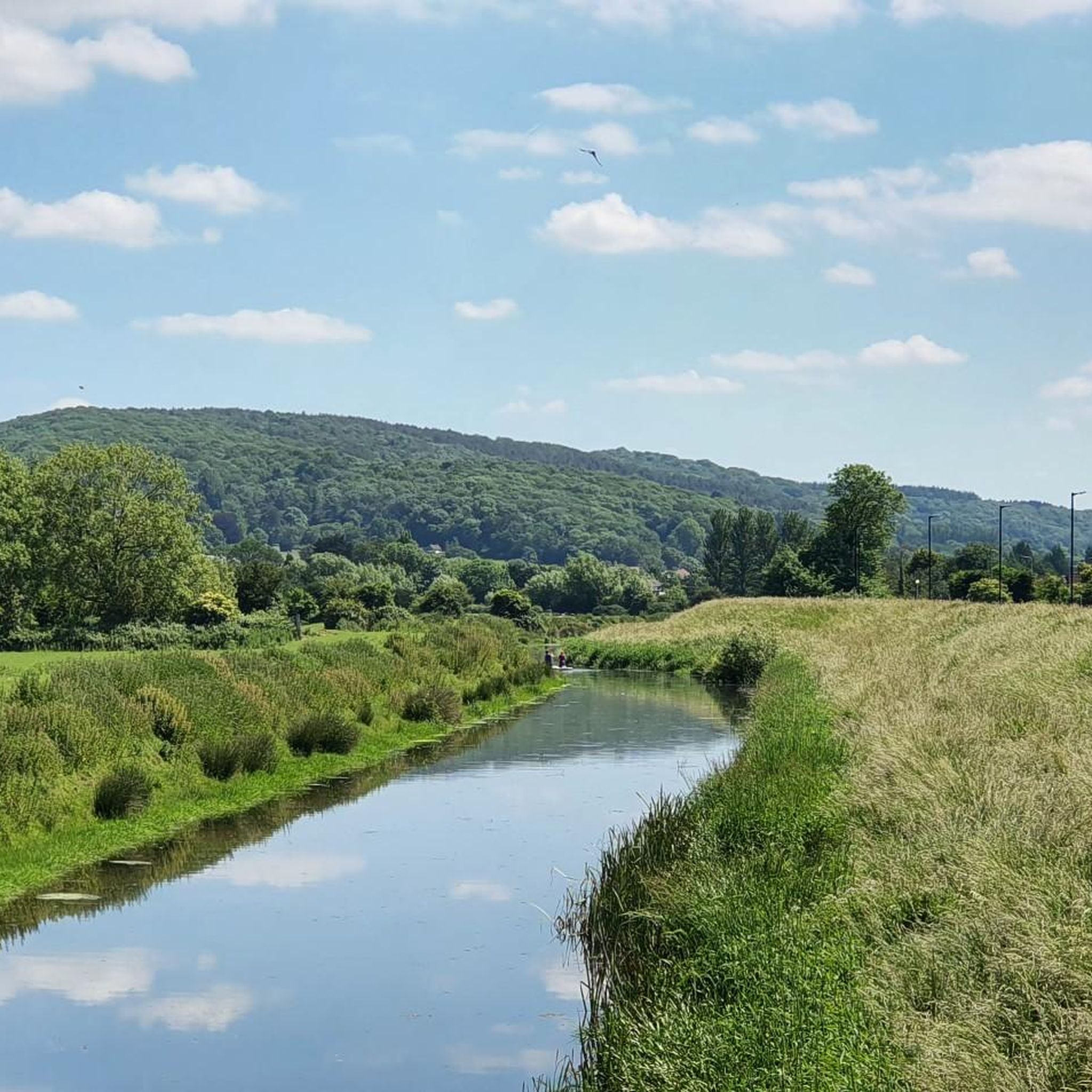
Views over the lake. Usually an ice cream van in the lay-by too.
1
0

Frequently Asked Questions
What are some easy walking trails near the natural monuments around Congresbury?
For easy walks, you can explore trails like the "View over Goblin Combe – Goblin Combe Viewpoint loop" or the "View of the River Brue – Strawberry Line Path loop." These are part of the broader selection of easy hikes around Congresbury, offering accessible options to enjoy the natural beauty.
Are there any family-friendly natural monuments to visit in the area?
Yes, Black Down Summit and Wild Ponies is a great family-friendly option. It's the highest area of the Mendip Hills, offering extensive views and the chance to spot wild ponies, which children often enjoy. There are also Bronze Age burial sites to discover.
What kind of wildlife can I spot around the natural monuments?
The Mendip Hills, particularly areas like Beacon Batch summit trig point and Black Down, are designated Sites of Special Scientific Interest. They support a wide variety of wildlife, including various birds, mammals, reptiles, and invertebrates. The heathlands are home to specific plant species like heather, bilberry, and gorse.
What is the best time of year to visit the natural monuments around Congresbury?
The natural monuments offer beauty year-round. Spring and summer are ideal for enjoying the blooming flora and longer daylight hours, though popular spots like Cheddar Gorge Climb can be very busy on summer weekends. Autumn provides stunning foliage, while winter offers crisp views, but be prepared for potentially muddy or icy conditions on trails.
Are there any historical or archaeological sites within these natural monuments?
Absolutely. Beacon Batch summit trig point and Black Down Summit and Wild Ponies are nationally important archaeological sites, featuring evidence from the late Stone Age and Bronze Age, including burial mounds. Wavering Down also has Bronze Age burial sites and phreatic caves like Shute Shelve Cavern.
What outdoor activities can I do near these natural monuments?
Beyond exploring the monuments themselves, the region offers various outdoor activities. You can find numerous hiking trails around Congresbury, including moderate options like the "Goblin Combe & Wrington loop." For runners, there are also several running trails available.
Are there any natural monuments that offer panoramic views?
Many of the natural monuments provide exceptional views. Beacon Batch summit trig point, the highest point in the Mendip Hills, offers breathtaking panoramic views stretching over the Bristol Channel into Wales, over Weston-super-Mare, and the Chew Valley. Similarly, Wavering Down Trig Point also boasts stunning views across Somerset and glimpses of Cheddar reservoir.
What are the main geological features to observe in the Congresbury area?
The region is characterized by its diverse geological formations. You'll find impressive gorges like Cheddar Gorge and Burrington Combe. The underlying rocks in areas like Wavering Down are Carboniferous Limestone, which has led to the formation of phreatic caves.
Are there any less crowded natural monuments similar to Cheddar Gorge?
If you're looking for a gorge experience that's typically less crowded than Cheddar, consider Burrington Combe Road Climb. It offers a similar dramatic landscape but is often described as smaller and less touristy, making for a more peaceful visit.
What should I wear when visiting the natural monuments in winter?
In winter, it's essential to dress in layers. Waterproof and windproof outer layers are recommended, as the exposed summits can be very breezy and wet. Sturdy, waterproof hiking boots with good grip are crucial for navigating potentially muddy or icy trails. A hat, gloves, and warm socks are also advisable.
Are there any natural monuments suitable for beginner hikers?
While many trails in the Mendip Hills are intermediate, there are easier sections and routes. For instance, the open access land around Black Down and Wavering Down allows for more flexible, less strenuous walking. You can also find specific easy hikes around Congresbury that are suitable for beginners.
Can I bring my dog to the natural monuments?
Many natural areas around Congresbury are dog-friendly, especially on public footpaths and open access land. However, specific sites like Wavering Down, which is managed by the National Trust, have wild ponies and sheep grazing to protect rare plants. It's important to keep your dog under close control and on a lead at all times in these areas to ensure the safety of wildlife and livestock.
Most popular routes around Congresbury
Most popular attractions around Congresbury

Get inspired with the komoot mobile app


Explore more
Extend your search for the best caves by checking out these guides of the top ones around Congresbury:
