The 8 Most Amazing Peaks around Churchill
Best mountain peaks around Churchill are not a prominent feature of the region. Churchill, Manitoba, is a subarctic port town located on the western shore of Hudson Bay, characterized by a blend of boreal forest, tundra, and marine environments. The terrain is generally flat, with the highest elevation in the town at 29 meters above sea level. While not mountainous, the landscape includes rocky hills along the Churchill River, which are ancient geological formations.
Best mountain peaks around Churchill
- The…
Last updated: August 17, 2026
Beacon Batch summit trig point
Highlight • Viewpoint
Tip by

Black Down Summit and Wild Ponies
Highlight • Natural
Tip by

Sign up now to discover places like this
Get recommendations on the best single tracks, peaks, & plenty of other exciting outdoor places.
Sign up for free
Wavering Down Trig Point
Highlight • Natural Monument
Tip by

Crook Peak
Highlight • Natural Monument
Tip by
Mendip Hills National Landscape
Highlight • Natural
Tip by

Sign up for free to discover even more peaks around Churchill.
Sign up for free
Already have an account?
Start today with a free account
Your next adventure awaits.
Login or Signup

Tips from the Community


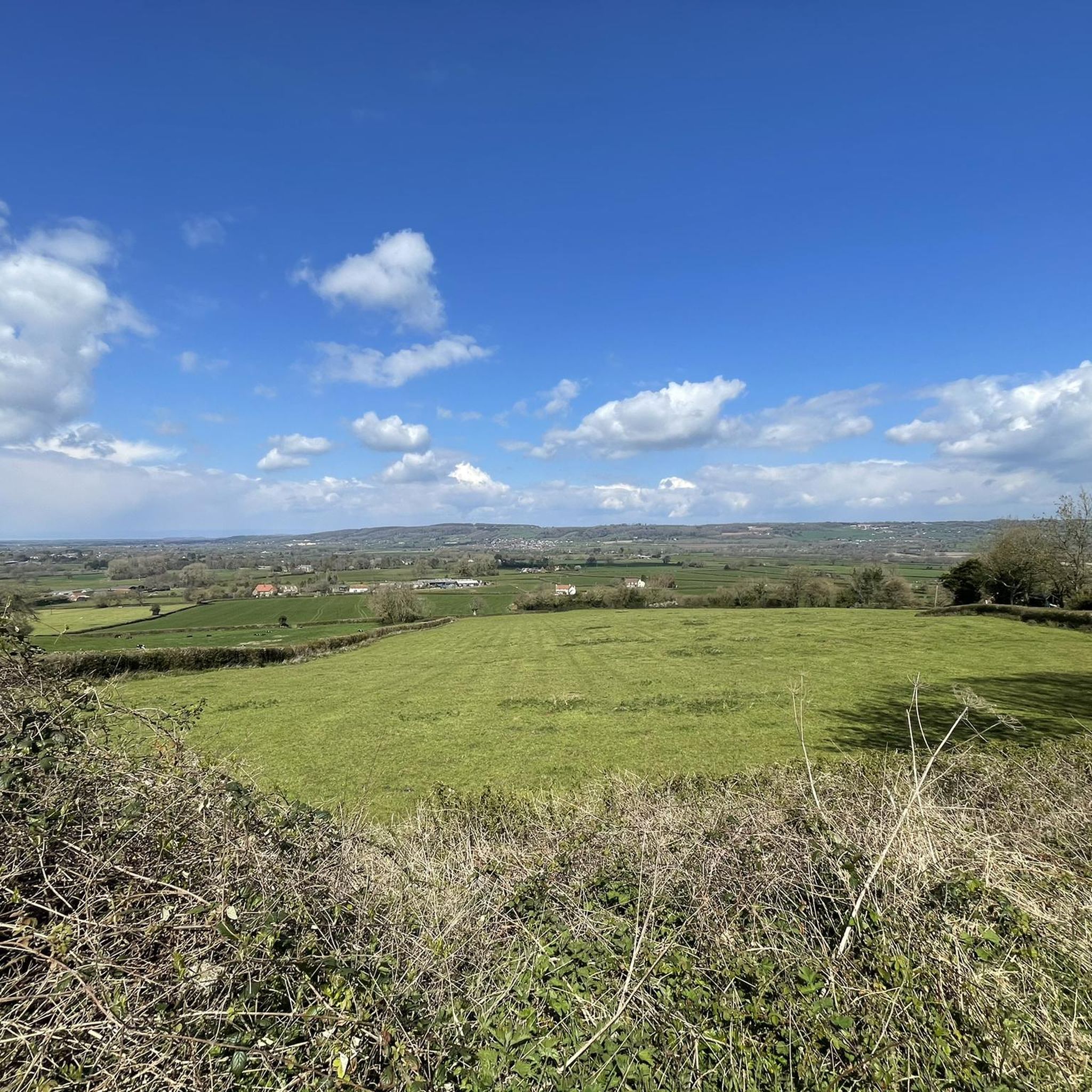
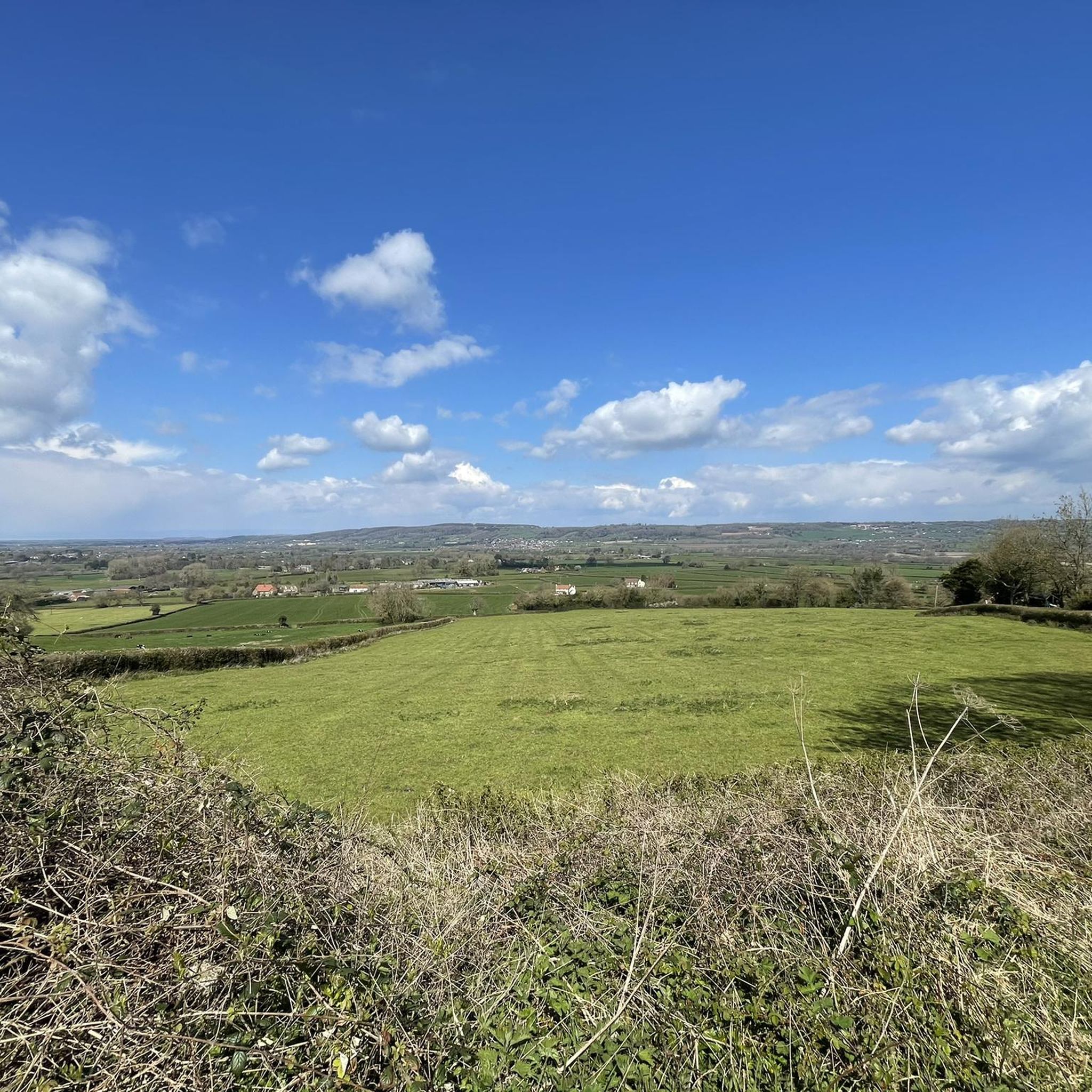
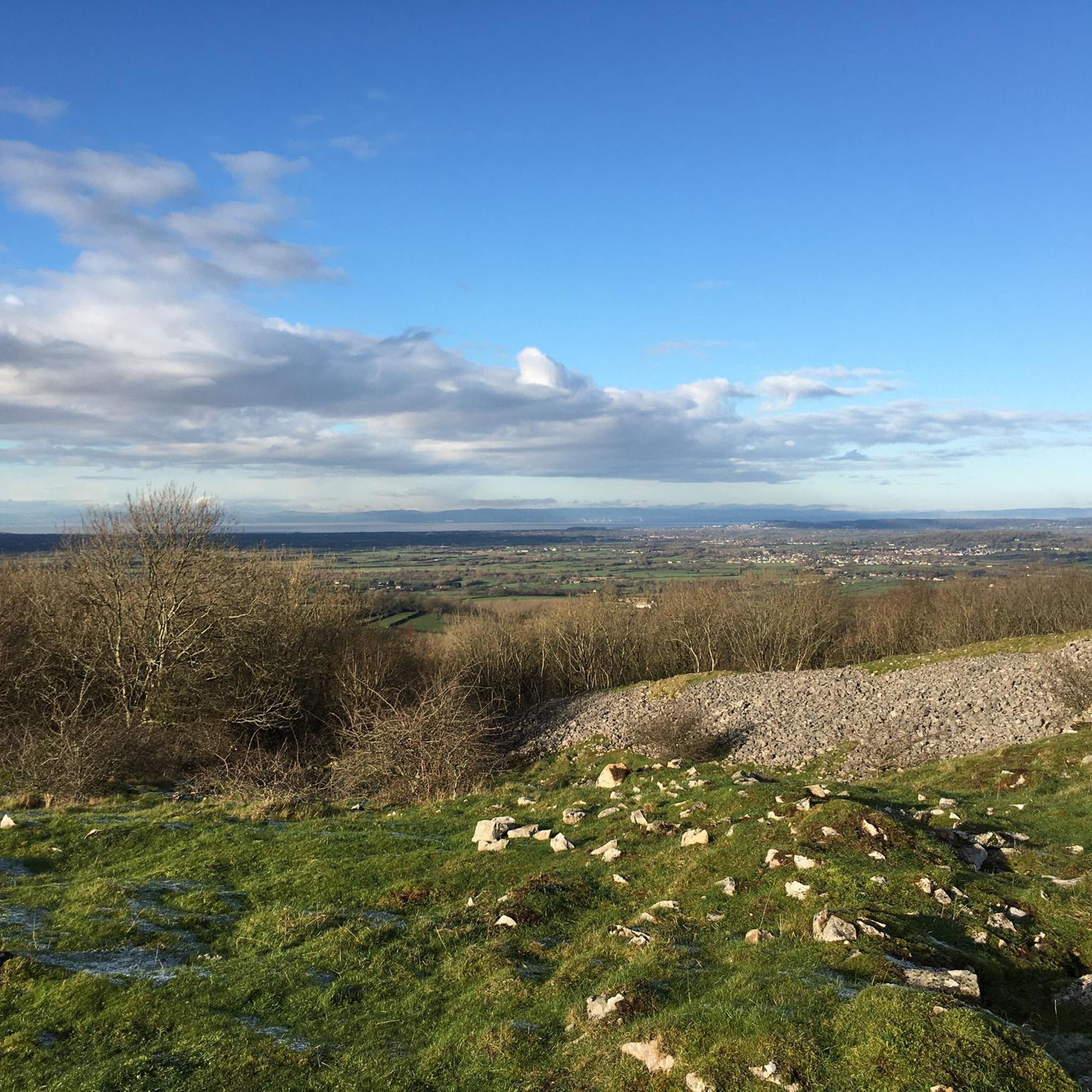
Sticking out from the end from the ridge of rock that runs from the Mendips Crook Peak offers views over from Exmoor too Wales. A particularly great ride from Wavering down back along the ridge.
1
0

Excellent summit, run from either the car park below or over the ridge from Weavering Down. The top is rocky with great views over towards the Mendips, out to Weston Super Mare and the sea and down the M5.
0
0


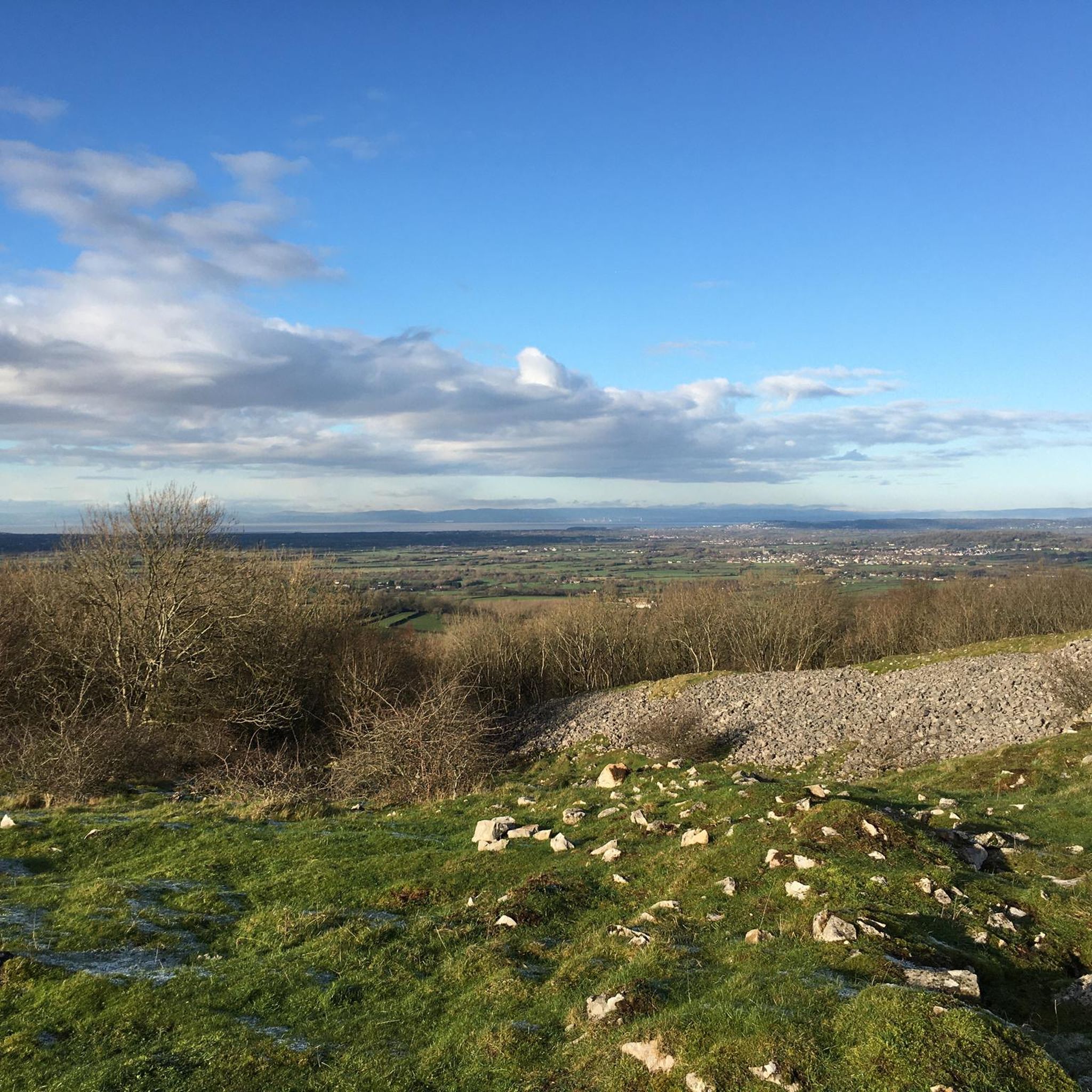
Black Down Hill or Beacons Batch is the highest hill in the Mendip Hills at 325m, Somerset, in south-western England. Black Down lies just a few miles eastward of the Bristol Channel at Weston-super-Mare, and provides a view over the Chew Valley. It has a trig pointed summit and is a UK designated Marilyn with a prominence of over 150m.
3
1


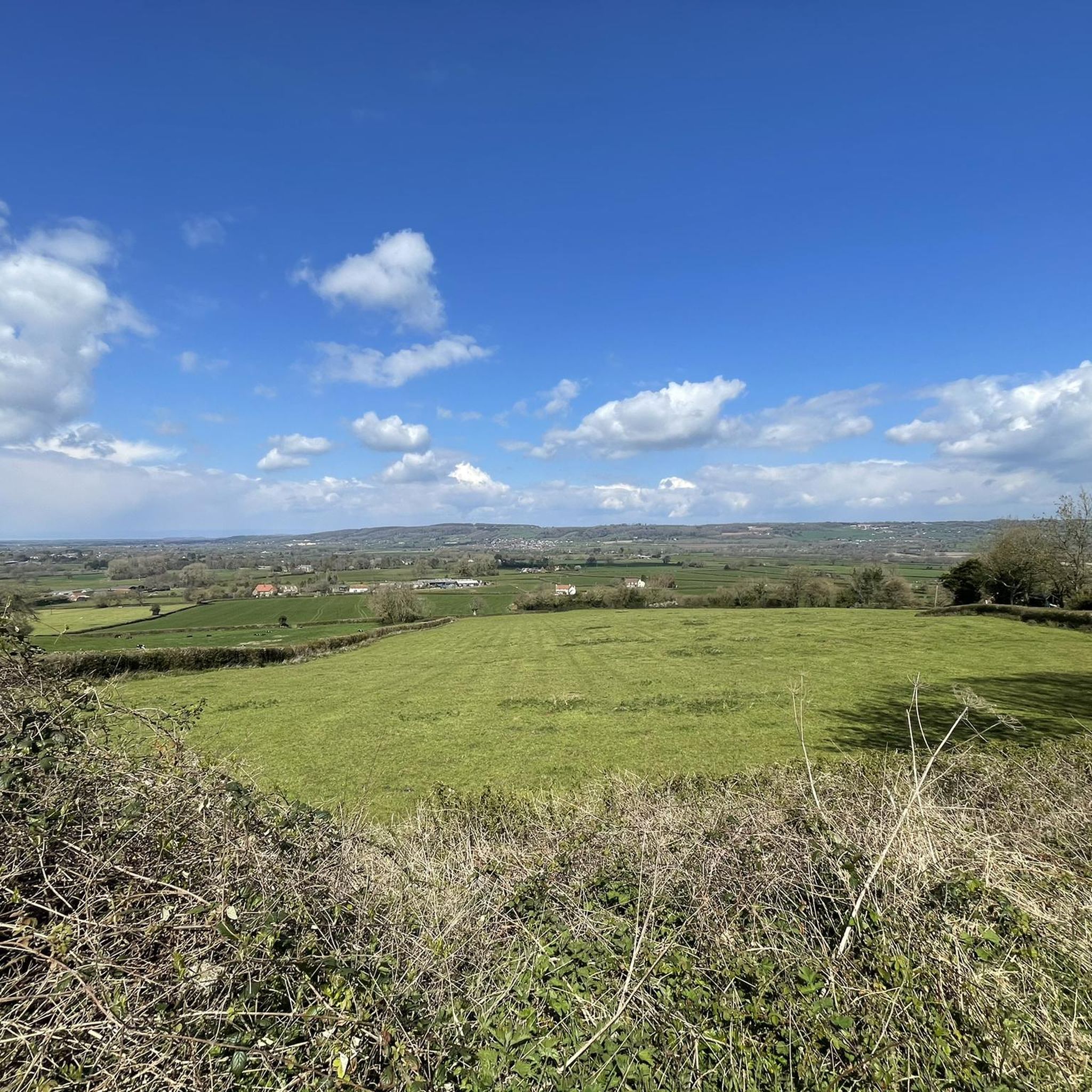
Wavering Down is a part if the large area adjoining to Crook Peak which is a geological and biological Site of Special Scientific Interest near the western end of the Mendip Hills Area of Outstanding Natural Beauty in Somerset. As part of the nature reserve management there are wild ponies and sheep grazing to protect the rare plants and flowers that the grassland supports. It is important to keep your dog under close control and on a lead at all times on Wavering Down and Crook Peak. Most of the site is owned by the National Trust who bought 725 acres (293 ha) in 1985, and much of it has been designated as common land. It was notified as an SSSI by Natural England in 1952. The ecology of the area includes ancient woodland and calcareous grassland which supports nationally rare species including the Cheddar pink. The underlying rocks are Carboniferous Limestone containing phreatic caves at Shute Shelve Cavern and Picken's Hole from which fossils dating from the Middle Devensian have been recovered.
3
2
Frequently Asked Questions
What kind of natural landscape can I expect to see around Churchill?
Churchill, Manitoba, is characterized by a unique subarctic landscape, blending boreal forest, tundra, and marine environments. While generally flat, you'll find rocky hills along the Churchill River, which are ancient geological formations, offering a distinct topographical feature in the region.
Are there any significant mountain peaks or high elevations in Churchill, Manitoba?
No, Churchill, Manitoba, is not known for significant mountain peaks. The terrain is generally flat, with the highest elevation in the town itself being only 29 meters (94 feet) above sea level. The region's appeal lies in its unique subarctic environment and wildlife, rather than mountainous terrain.
What are the best outdoor activities to do in Churchill, given its unique landscape?
Despite the lack of mountains, Churchill offers exceptional outdoor activities focused on its wildlife and natural phenomena. You can observe polar bears, beluga whales, and the Northern Lights. For walks and exploring the subarctic environment, consider trails that showcase the tundra, boreal forest, and coastal areas. You can find various outdoor routes, including hiking and cycling, by exploring guides like Hiking around Churchill or MTB Trails around Churchill.
When is the best time to visit Churchill for outdoor exploration?
The best time to visit depends on what you want to experience. For polar bear viewing, mid-October to late November is ideal. Beluga whales are best seen in the Churchill River estuary during the summer months. The Northern Lights are frequently visible from late summer through winter, with over 300 nights of activity due to Churchill's location under the auroral oval.
Are there any specific trails or viewpoints to experience the natural features around Churchill?
While there are no mountain trails, you can explore the unique subarctic landscape through various walks and viewpoints. The rocky hills along the Churchill River offer distinct topographical features. Areas like Cape Merry provide excellent vantage points for whale watching and bird observation, showcasing the region's coastal and riverine environments.
What kind of wildlife can I expect to encounter while exploring the Churchill area?
Churchill is world-renowned for its abundant wildlife. You can expect to see polar bears, especially during their autumn migration, and thousands of beluga whales in the Churchill River estuary during summer. The region is also home to numerous waterfowl and shorebirds, particularly in areas like Wapusk National Park.
Are there any historical sites or landmarks to visit in Churchill?
Yes, Churchill has significant historical sites. The Prince of Wales Fort National Historic Site and Cape Merry offer insights into the region's past, particularly the fur trade era and the struggle for control of Hudson Bay. These sites provide a glimpse into the rich cultural history alongside the natural beauty.
What should I pack for outdoor activities in Churchill?
Given Churchill's subarctic climate, it's crucial to pack layers of warm clothing, including thermal wear, a waterproof and windproof outer shell, warm hats, gloves, and insulated boots. Depending on the season, insect repellent is also highly recommended, especially during summer.
Are there family-friendly outdoor activities available in Churchill?
Absolutely. Observing polar bears from specialized tundra vehicles, taking boat tours to see beluga whales, and witnessing the Northern Lights are all family-friendly experiences. Exploring the flat, accessible terrain around town and visiting historical sites like Prince of Wales Fort also offer engaging activities for all ages.
Can I go hiking or walking near Churchill, and what are the options?
Yes, you can go hiking and walking to explore Churchill's unique subarctic environment. While not mountainous, trails offer opportunities to experience the tundra, boreal forest, and coastal areas. For specific routes and their difficulty levels, you can refer to guides such as Hiking around Churchill, which lists options like the 'The Crown Inn – View from Dolebury Warren loop'.
What is Wapusk National Park, and how can I access it?
Wapusk National Park, located east of Churchill, is an immense lowland area and one of the world's largest polar bear maternity denning areas. It's also critical habitat for numerous waterfowl and shorebirds. Access to the park is typically through licensed tour operators, ensuring safe and responsible wildlife viewing.
Are there opportunities for cycling around Churchill?
Yes, there are opportunities for cycling, particularly road cycling, to explore the flatter areas around Churchill. You can find various routes and their details in guides like Road Cycling Routes around Churchill, which includes options such as the 'West Hay Pass – View of the River Brue loop'.
Most popular routes around Churchill
Most popular attractions around Churchill

Get inspired with the komoot mobile app


Explore more
See even more amazing summits around Churchill with these guides:
