Attractions and Places To See around Chew Stoke - Top 20
Best attractions and places to see around Chew Stoke include a blend of natural landscapes and historical sites in the Chew Valley, Somerset. The village is situated at the northern edge of the Mendip Hills, an Area of Outstanding Natural Beauty. Key features include the large Chew Valley Lake and various landmarks reflecting the area's rich heritage. This region offers diverse points of interest for visitors.
Best attractions and places to see around Chew Stoke
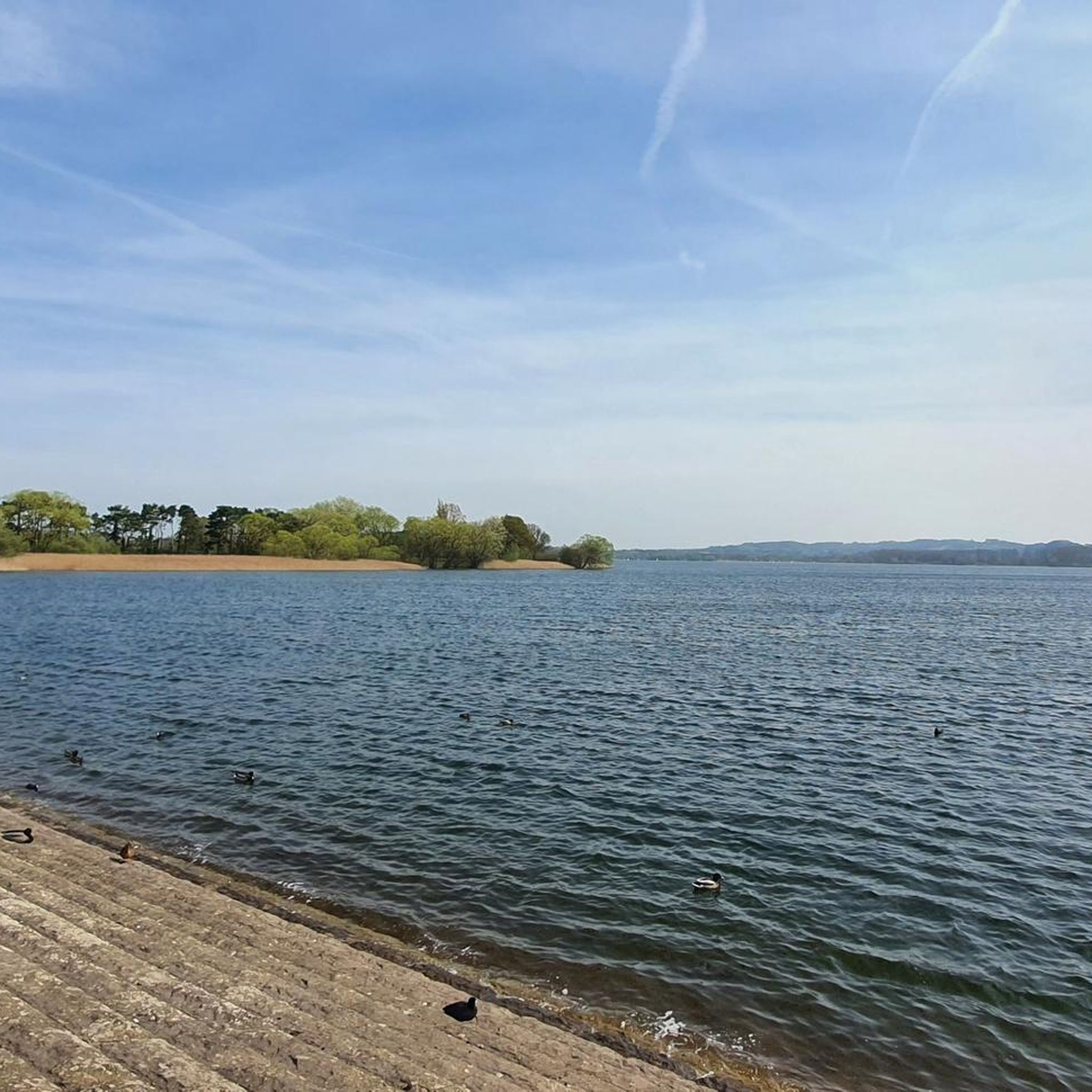
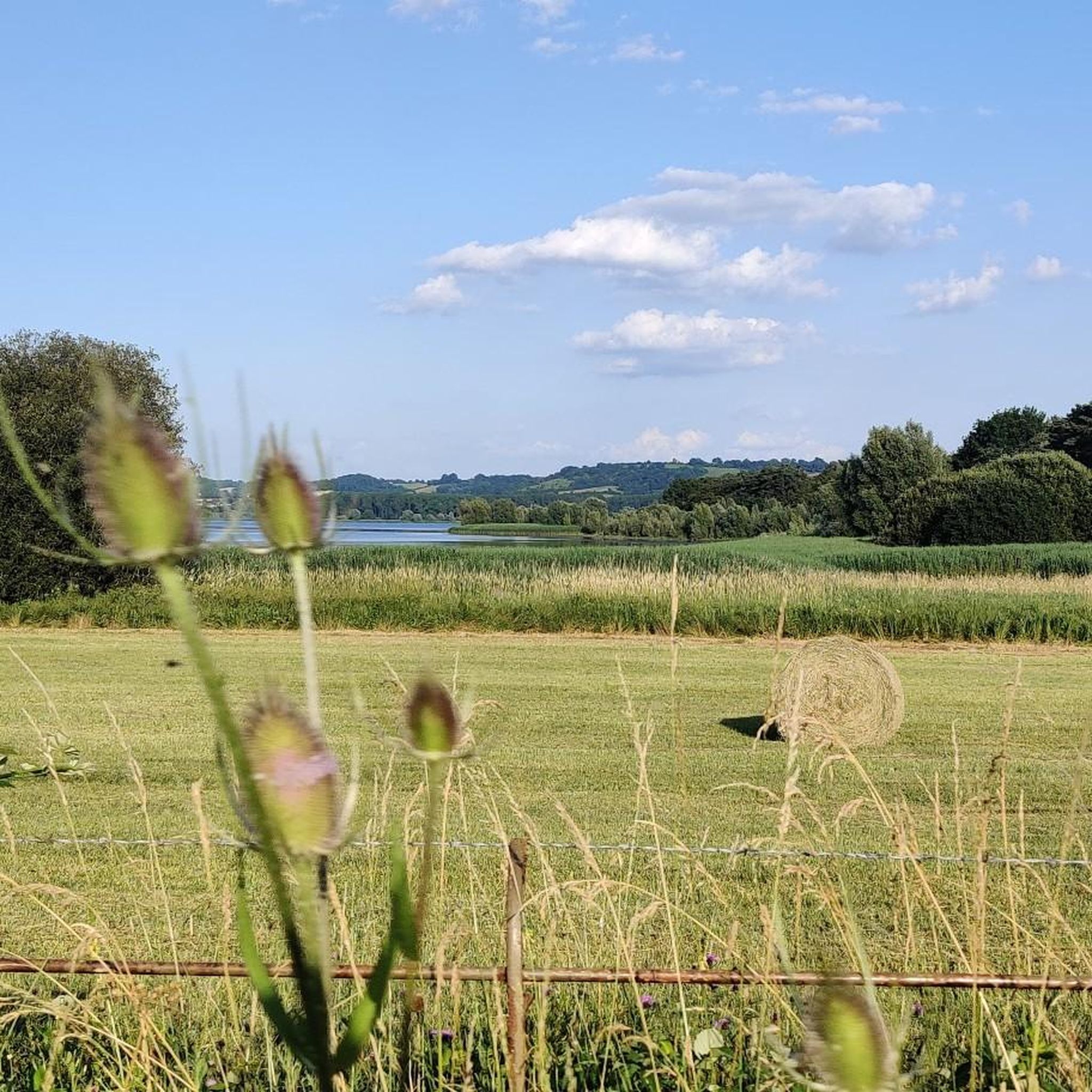
- The most popular attractions is Chew Valley Lake, a viewpoint that is the 5th largest artificial lake in the UK. It was constructed in the 1950s to supply drinking water for Bristol and offers brilliant views of the lake and surrounding countryside.
- Another must-see spot is Cheddar Gorge Climb, a climb with stunning natural surroundings. This iconic climb features a challenging ascent, with one particularly steep hairpin section.
- Visitors also love Beacon Batch summit trig point, a viewpoint and the highest point in the Mendip Hills. From this summit, panoramic views extend over the Bristol Channel, Weston-super-Mare, and the Chew Valley.
- Chew Stoke is known for its natural beauty, historical landmarks, and significant archaeological sites. The area offers a variety of attractions to see and explore, from expansive lakes to ancient temples and historic churches.
- The attractions around Chew Stoke are appreciated by the komoot community, with more than 790 upvotes and 80 photos shared by visitors.
Last updated: October 9, 2026
Clifton Suspension Bridge
Highlight • Viewpoint
The bridge costs £1 for vehicles. Cyclists can ride across fo free.
Tip by

Cheddar Gorge Climb
Highlight (Segment) • Climb
Tip by

Sign up now to discover places like this
Get recommendations on the best single tracks, peaks, & plenty of other exciting outdoor places.
Chew Valley Lake
Highlight • Viewpoint
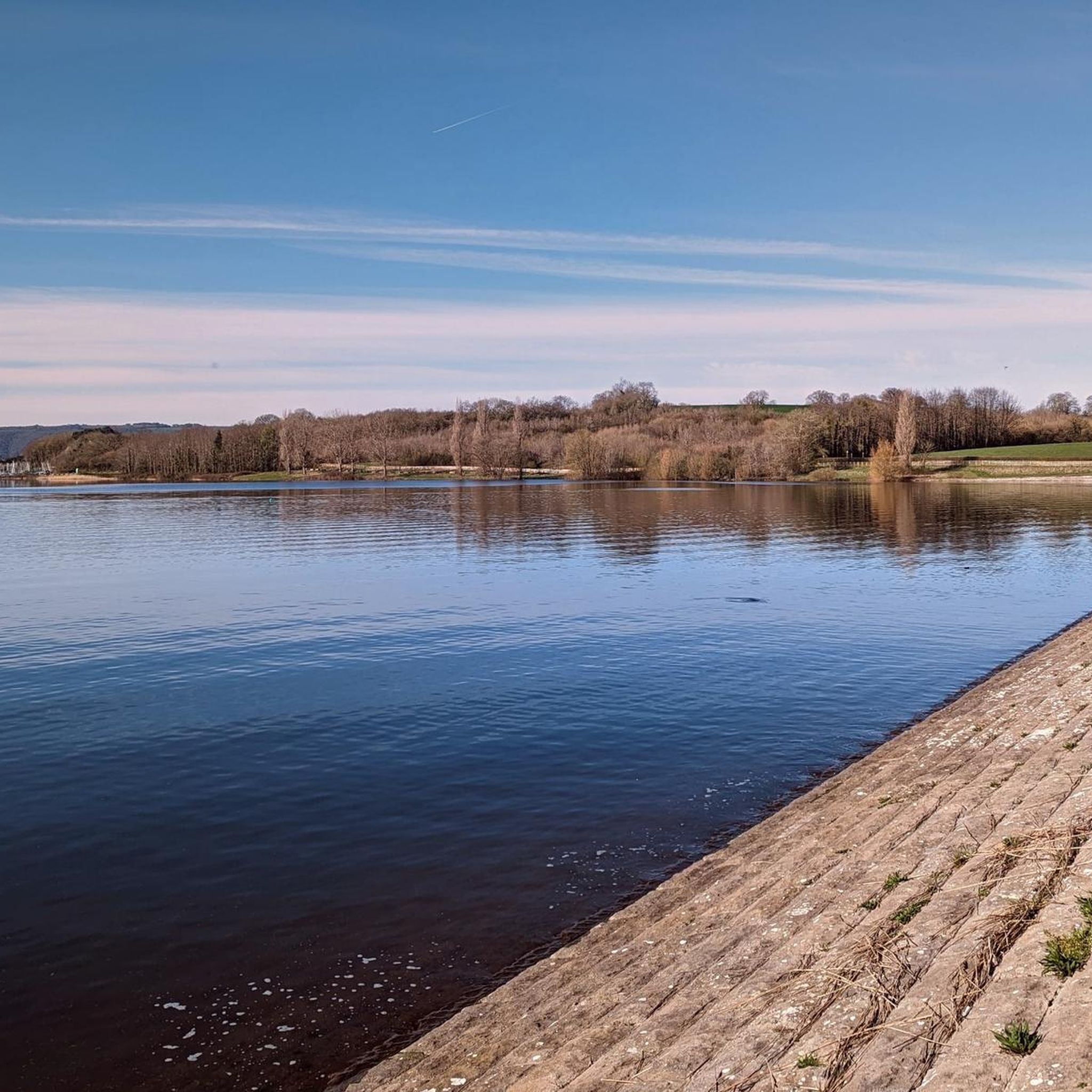
There are brilliant views of the lake and surrounding countryside as you pass along the dam.
Tip by

Beacon Batch summit trig point
Highlight • Viewpoint
Hills at over 400 ha.
Black Down, like most heathlands, is formed through a combination of factors– soil type, rainfall and human activity. The underlying Old Red Sandstone rock together with high rainfall created a waterlogged and acidic soil. The removal of tree cover by our Bronze Age ancestors 2,000 years ago helped to make sure that the soil stayed damp and acid. Only certain plants can survive in this type of ground. The key species include heather or ling, bell heather, bilberry, purple moor grass and European gorse, along with mosses and lichens.
Now the bracken is managed by harvesting and grazing by cattle and wild ponies to allow the heathers and grasses to flourish again. Black Down supports a wide variety of birds, mammals, reptiles and invertebrates.
Tip by

Chew Valley Lake
Highlight • Viewpoint
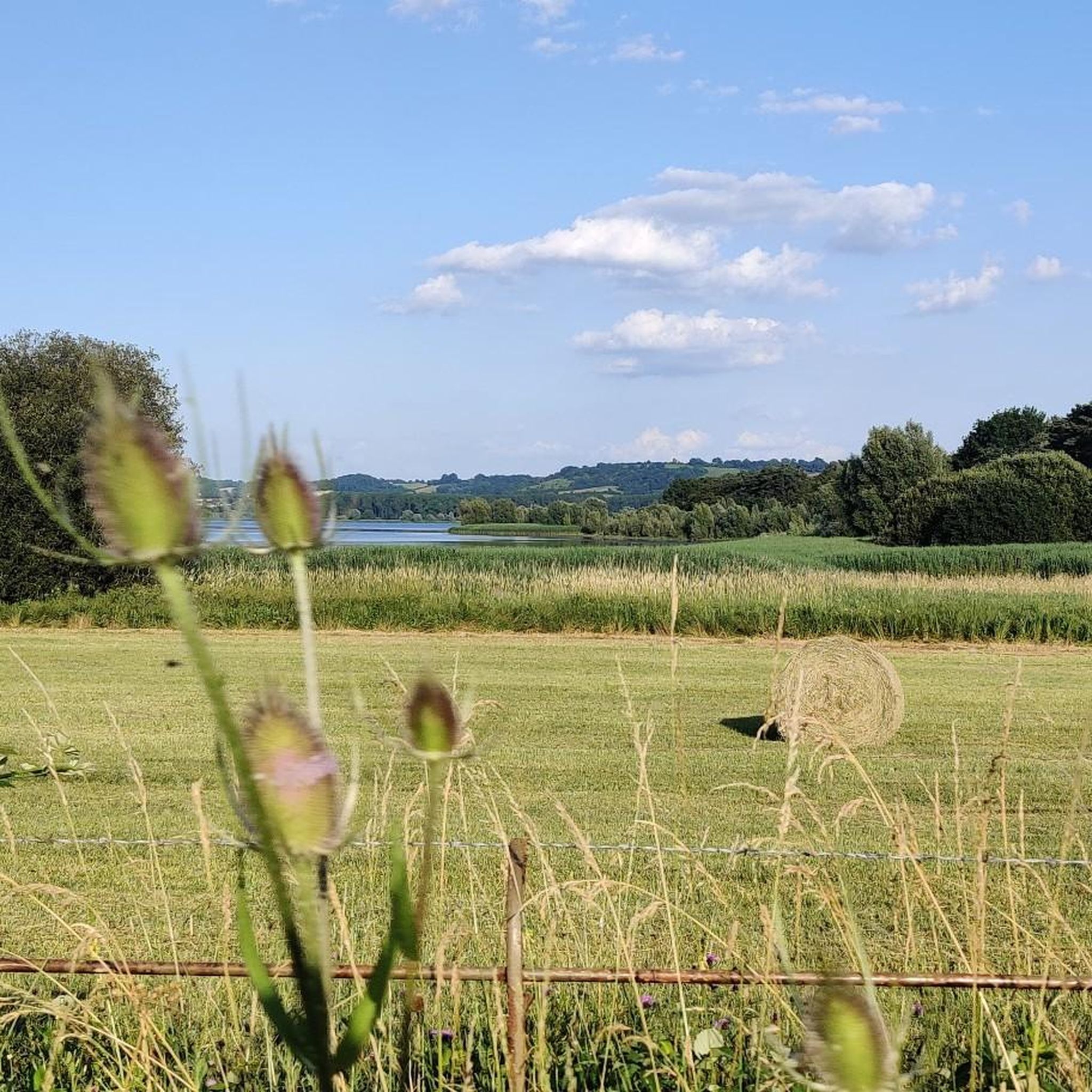
Thanks to the indigenous and migrant birds that flock to the lake throughout the year, the lake is a national centre for birdwatching.
Tip by
Sign up for free to discover even more attractions around Chew Stoke.
Already have an account?
Start today with a free account
Your next adventure awaits.

Other adventures around Chew Stoke

Tips from the Community

The concrete outlet tower serves as the central control point for the reservoir's water supply. Connected by a bridge to the main dam, the tower houses sluice gates and valves that regulate the flow and distribution of water to the River Chew and the local water supply.
0
0

Great stretch of road, I know I am nearly at Bristol, or just getting started. Either way I cannot help but stop and enjoy the view, just stunning.
0
0


Chew Valley Lake is the 5th largest artificial lake in the UK. It was constructed in the 1950s to supply drinking water for Bristol and the nearby area. There are brilliant views of the lake and surrounding countryside as you pass along the dam.
1
0

Chew Valley Lake formed by the construction of this dam on the River Chew in the 1950's. Built to provide drinking water for Bristol.
0
0


Black Down Hill or Beacons Batch is the highest hill in the Mendip Hills at 325m, Somerset, in south-western England. Black Down lies just a few miles eastward of the Bristol Channel at Weston-super-Mare, and provides a view over the Chew Valley. It has a trig pointed summit and is a UK designated Marilyn with a prominence of over 150m.
3
1

Frequently Asked Questions
What natural features can I explore around Chew Stoke?
Chew Stoke is nestled at the northern edge of the Mendip Hills, an Area of Outstanding Natural Beauty, offering stunning landscapes. A prominent natural feature is Chew Valley Lake, the fifth-largest artificial lake in the UK, known for its scenic views and as a vital habitat for wildfowl. You can also visit Beacon Batch summit trig point, the highest point in the Mendip Hills, which provides panoramic views over the Chew Valley and beyond.
What historical sites can I visit in Chew Stoke?
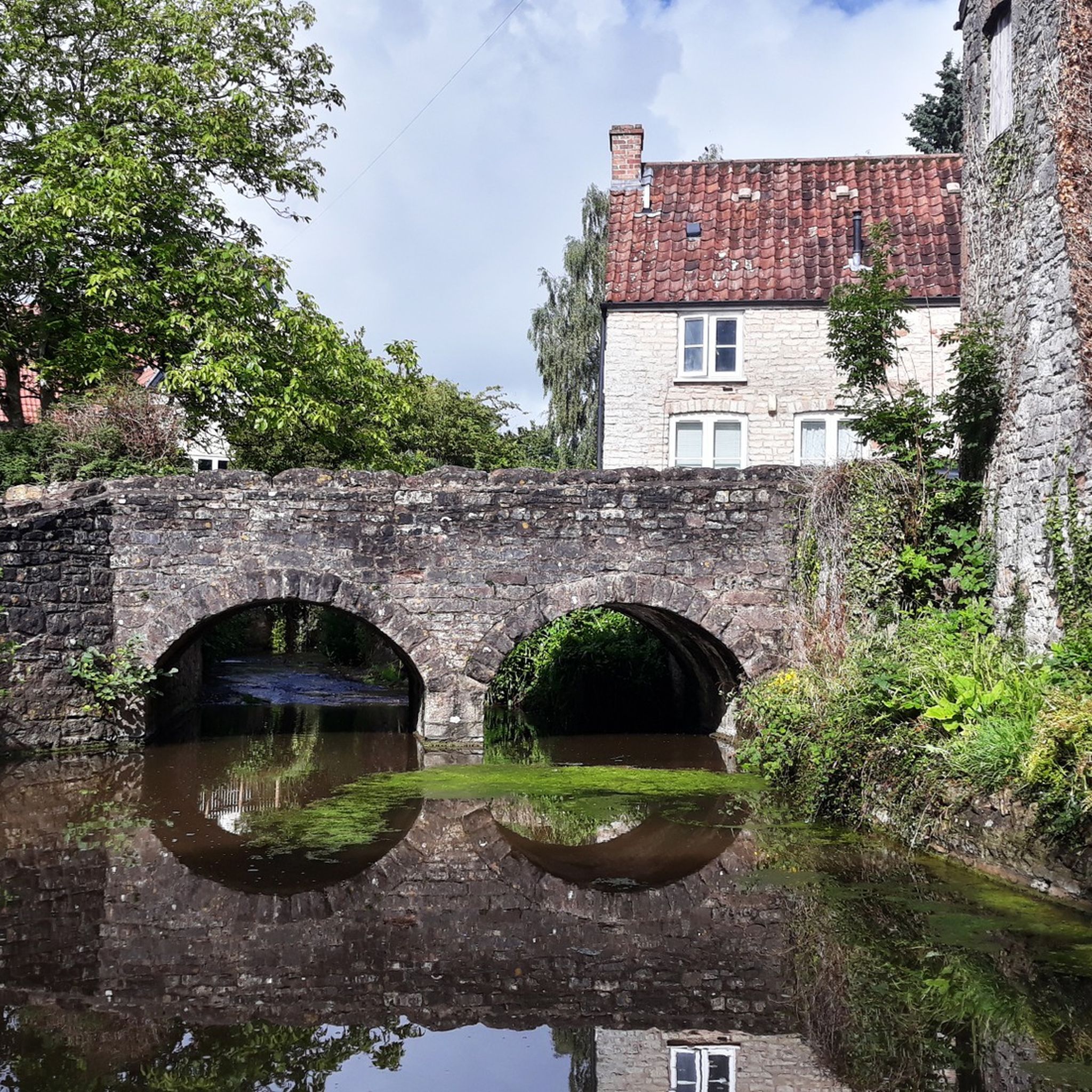
Chew Stoke boasts a rich history. You can explore St Andrew's Church, a Grade II* listed building from the 15th century, notable for its 156 carved angels and bells by the esteemed Bilbie family. Discover the archaeological remains of a double-octagonal Romano-Celtic Temple on Pagans Hill, dating from the late 3rd century. The village also features an Old Stone Packhorse Bridge, an Obelisk, and the historical significance of the Bilbie family, renowned clockmakers and bell founders.
Are there family-friendly activities or attractions in Chew Stoke?
Yes, Chew Valley Lake is a great family-friendly destination, offering scenic views and opportunities for gentle walks. The visitor center near the dam provides amenities. The surrounding countryside also offers easy walking paths suitable for families.
Are there good hiking trails near Chew Stoke?
Absolutely. The area around Chew Stoke, including the Mendip Hills, offers numerous hiking opportunities. For easy hikes, you can explore routes like the 'Chew Valley Lake, Knowle Hill & Chew Magna loop' or shorter loops around the lake. You can find more details on these and other routes in the Easy hikes around Chew Stoke guide.
What cycling opportunities are there in the Chew Stoke area?
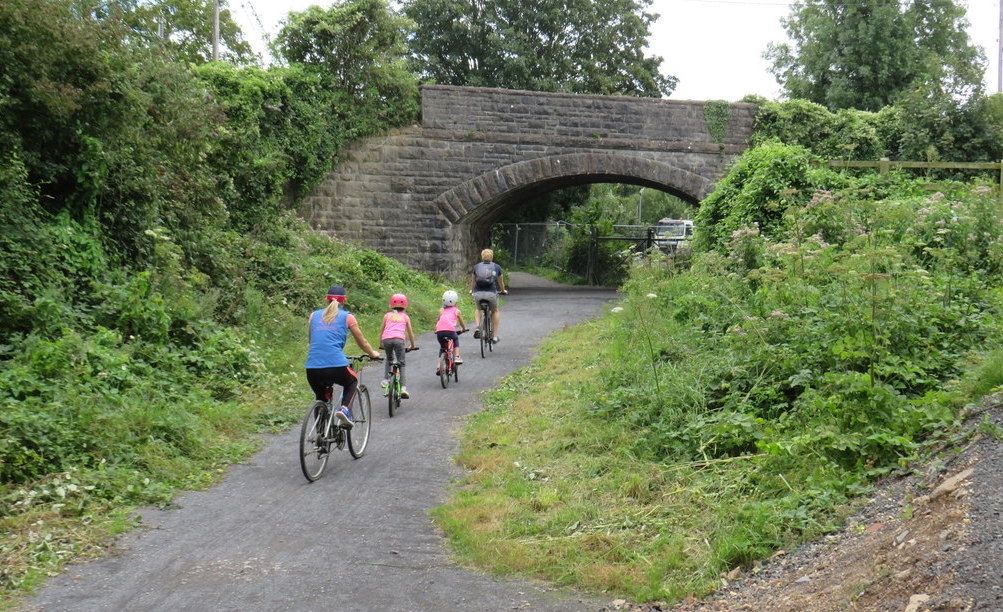
Cyclists can enjoy a variety of routes around Chew Stoke. The village is part of the Bristol to Padstow West Country Way, a national cycling route. Popular local options include the 'Chew Valley Lake loop' and longer routes like 'View of Chew Valley – Whitchurch Railway Path loop from Chew Magna'. For more cycling routes, refer to the Cycling around Chew Stoke guide.
Can I go gravel biking near Chew Stoke?
Yes, there are gravel biking routes available. Options include the 'Wildlife Corridor – East Tanpit Wood loop' and routes that incorporate parts of the Mendip Hills. For detailed gravel biking routes and their difficulty, check the Gravel biking around Chew Stoke guide.
What is the best time to visit Chew Stoke?
Chew Stoke offers a serene English countryside experience year-round. Spring and summer are ideal for enjoying the natural beauty of Chew Valley Lake and the Mendip Hills, with opportunities for outdoor activities. Autumn brings beautiful foliage, while winter can offer peaceful, crisp walks, especially around the lake. Consider visiting during milder weather for the most comfortable outdoor exploration.
Are there places to eat or drink in Chew Stoke?
Yes, the village has local amenities including the Stoke Inn public house, offering a place to eat and drink. Additionally, there are cafes available near Chew Valley Lake, providing refreshments for visitors.
Is Chew Valley Lake suitable for wildlife spotting?
Absolutely. Chew Valley Lake is a significant natural attraction and a vital habitat for various wildfowl and migrating birds, including rare species. It is recognized as a national center for birdwatching, making it an excellent spot for wildlife enthusiasts.
What are the best viewpoints in the area?
For breathtaking panoramic views, head to Beacon Batch summit trig point, the highest point in the Mendip Hills, where you can see over the Bristol Channel, Weston-super-Mare, and the Chew Valley. Chew Valley Lake also offers lovely views of the lake and surrounding countryside, particularly from the dam.
What do visitors enjoy most about the attractions around Chew Stoke?
Visitors frequently praise the stunning natural surroundings and the peaceful atmosphere. The views over Chew Valley Lake are a particular highlight, with many stopping to capture photos. The challenging yet rewarding ascent of Cheddar Gorge Climb is also highly rated by cyclists, while the panoramic vistas from Beacon Batch summit trig point are considered breathtaking.
Are there any hidden gems or lesser-known spots in Chew Stoke?
While not strictly 'hidden,' the archaeological remains of the Romano-Celtic Temple on Pagans Hill offer a fascinating glimpse into ancient history that might be overlooked by some visitors. Exploring the Old Stone Packhorse Bridge along Pilgrims Way also provides a sense of the village's historical pathways away from the main attractions.
Most popular routes around Chew Stoke
Most popular attractions around Chew Stoke

Get inspired with the komoot mobile app


Explore more
Still not found the Highlight you’re looking for? See guides of the top attractions in other regions:
