Attractions and Places To See around Doulting - Top 20
Attractions and places to see around Doulting include a blend of historic landmarks, natural features, and walking trails. This historic village in Somerset, England, is situated on a ridge above the Sheppey Valley, offering access to varied landscapes. The area is characterized by its Jurassic limestone geology and connection to the River Sheppey, which originates from St. Aldhelm's Well in the village. Visitors can explore ancient sites and natural points of interest.
Best attractions and places to see around Doulting
…Last updated: October 9, 2026
Colliers Way
Highlight (Segment) • Cycleway
Tip by

Wells Cathedral
Highlight • Religious Site
Tip by

Sign up now to discover places like this
Get recommendations on the best single tracks, peaks, & plenty of other exciting outdoor places.
Colliers Way Cycle Route (NCN 24)
Highlight (Segment) • Trail
Tip by

Nunney Castle
Highlight • Castle
Tip by

The Bishop's Palace, Wells
Highlight • Historical Site
Tip by

Sign up for free to discover even more attractions around Doulting.
Already have an account?
Start today with a free account
Your next adventure awaits.

Tips from the Community


This picturesque moated medieval castle was built in the 1370s by Sir John de la Mare. It's heavily influenced by French design and features a compact layout with four round corner towers and thick defensice walls.
2
0

About the patronage of this church: Saint ANDREW is one of the twelve apostles that Jesus Christ called to follow him. However, in the biblical accounts he is usually somewhat overshadowed by his much more famous brother: Saint Peter. In the Gospels we find the calling of the two siblings presented in different ways. According to the text of the Gospel of John (John 1:40-42), Andrew is called first (together with another disciple whose name is not mentioned). Later he tells his brother that he has found the Messiah. The feast of Saint Andrew in the calendar of saints is on November 30th in all major Christian denominations. The X-shaped white "St. Andrew's Cross" on which he was executed forms the national flag of Scotland against a blue background and has also found its way into the national flag of the United Kingdom of Great Britain.
2
1

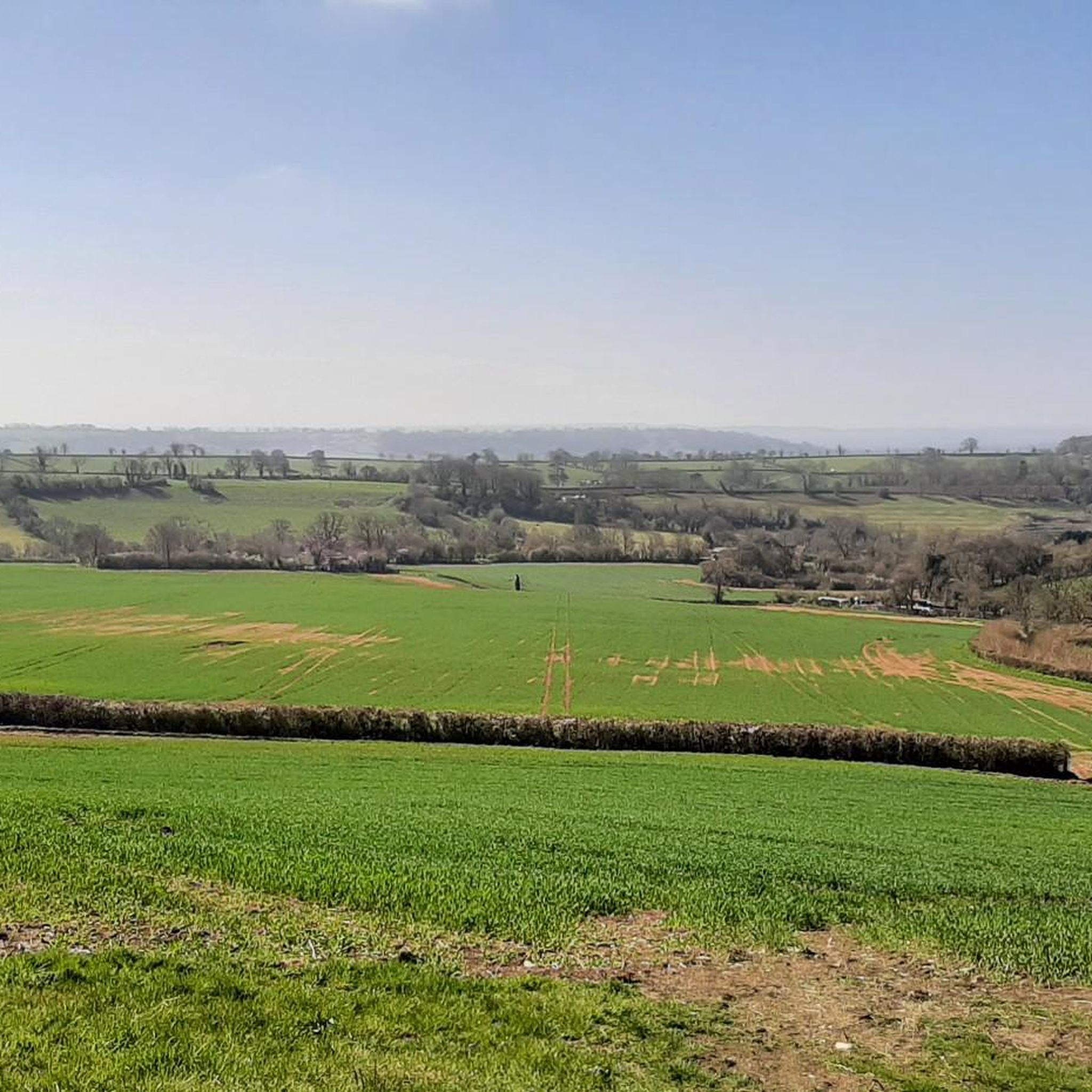
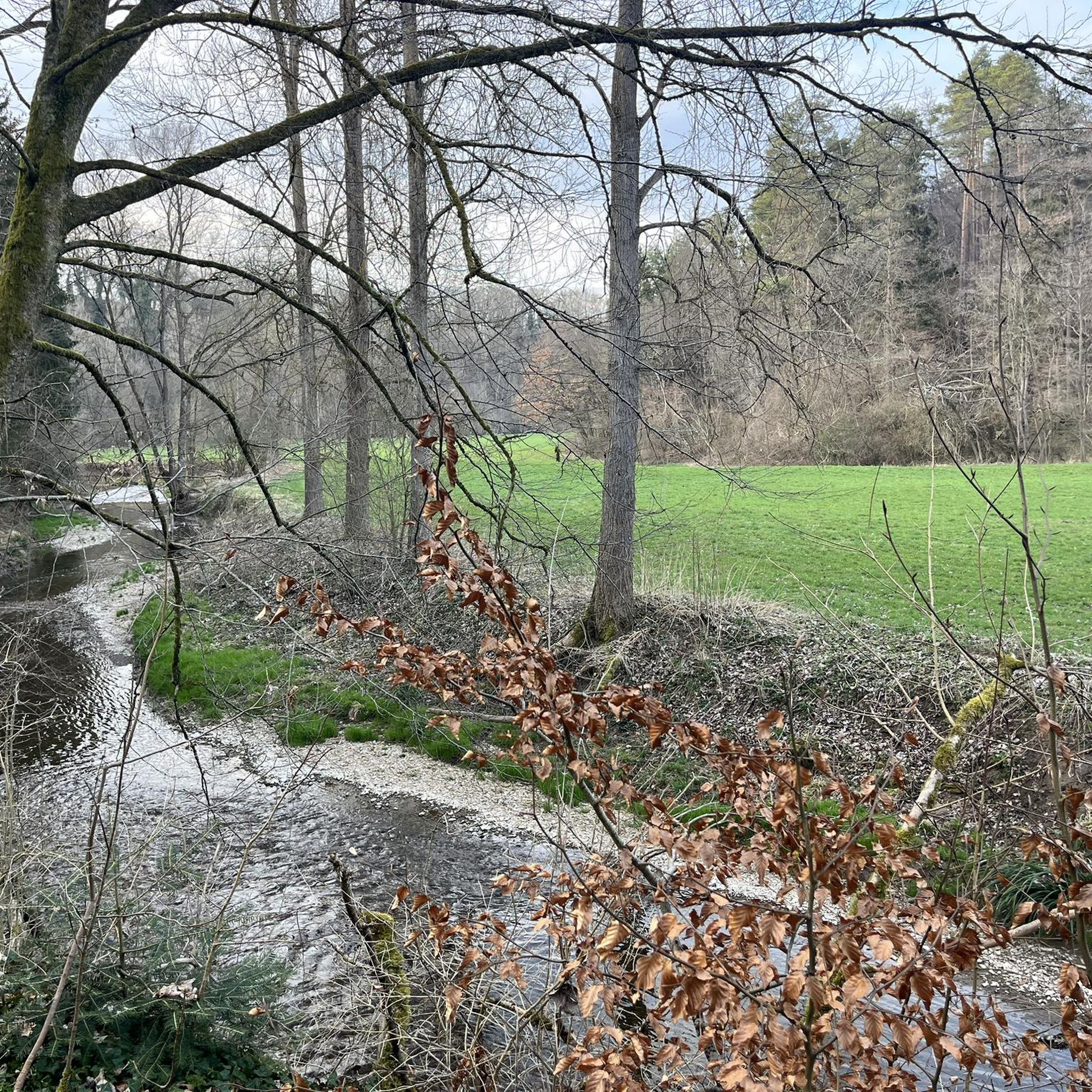
Absolutely lovely, relatively flat throughout and is generally pretty quiet. Some areas have a few bumps thanks to roots and some parts during the wetter winter weather get a couple of centimetres of running water here and there. Overall one of my favourite places to cycle and will continue to feature on my routes!
0
0

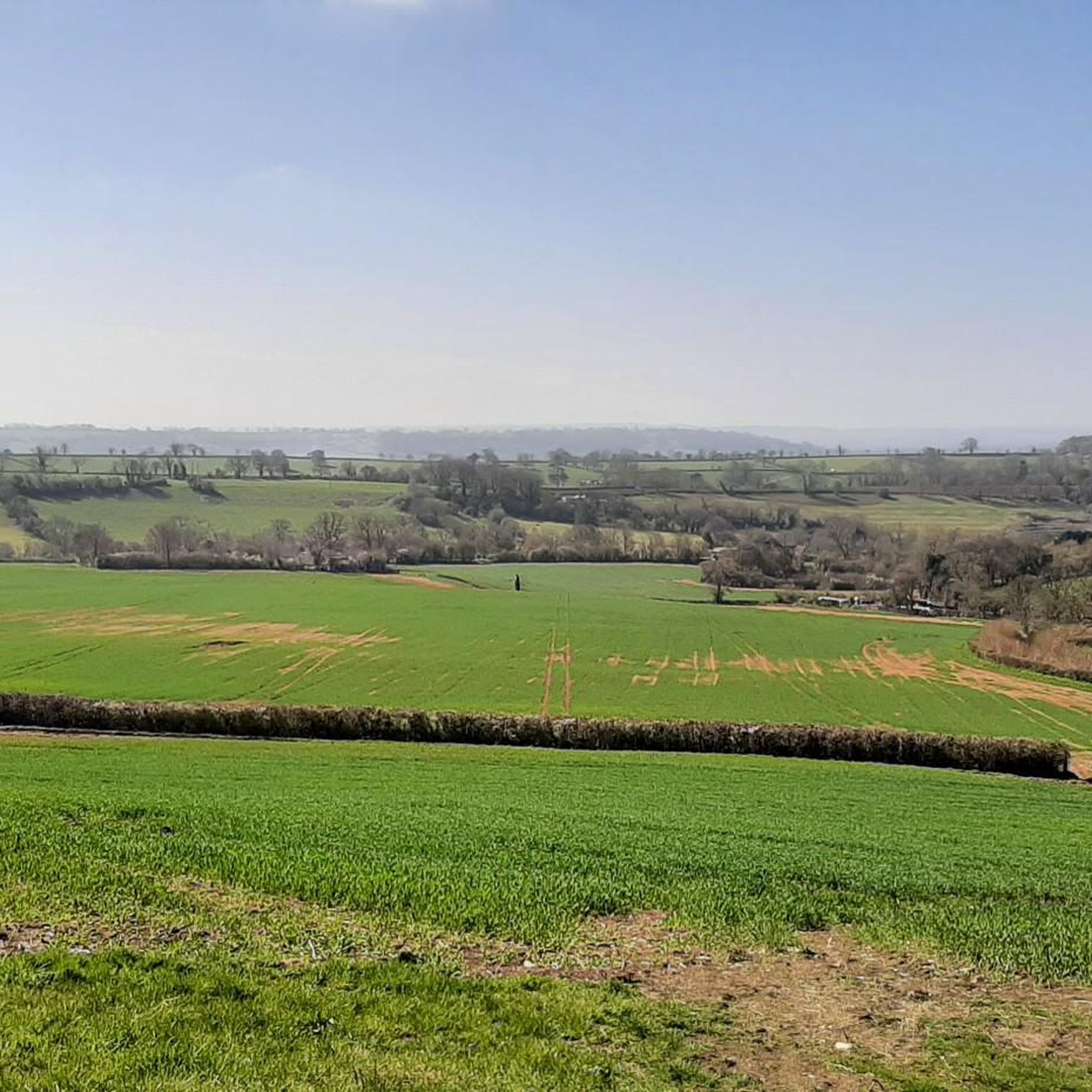
Ignore suggestions that you can 'open up' along this cycleway! It is well used by riders with young children, disabled people on buggies (especially towards the Radstock end), occasional horseriders as well as pedestrians with or without dogs. The southern half from Hatchet Hill to Great Elm is quieter, but watch out for encroaching stinging nettles in late summer!
0
0

A truly magnificent Cathedral and a great place to stop for a break. There are benches and a large green in front of the Cathedral. There are also some very pretty surrounding buildings, especially in Vicar's Close.
1
0
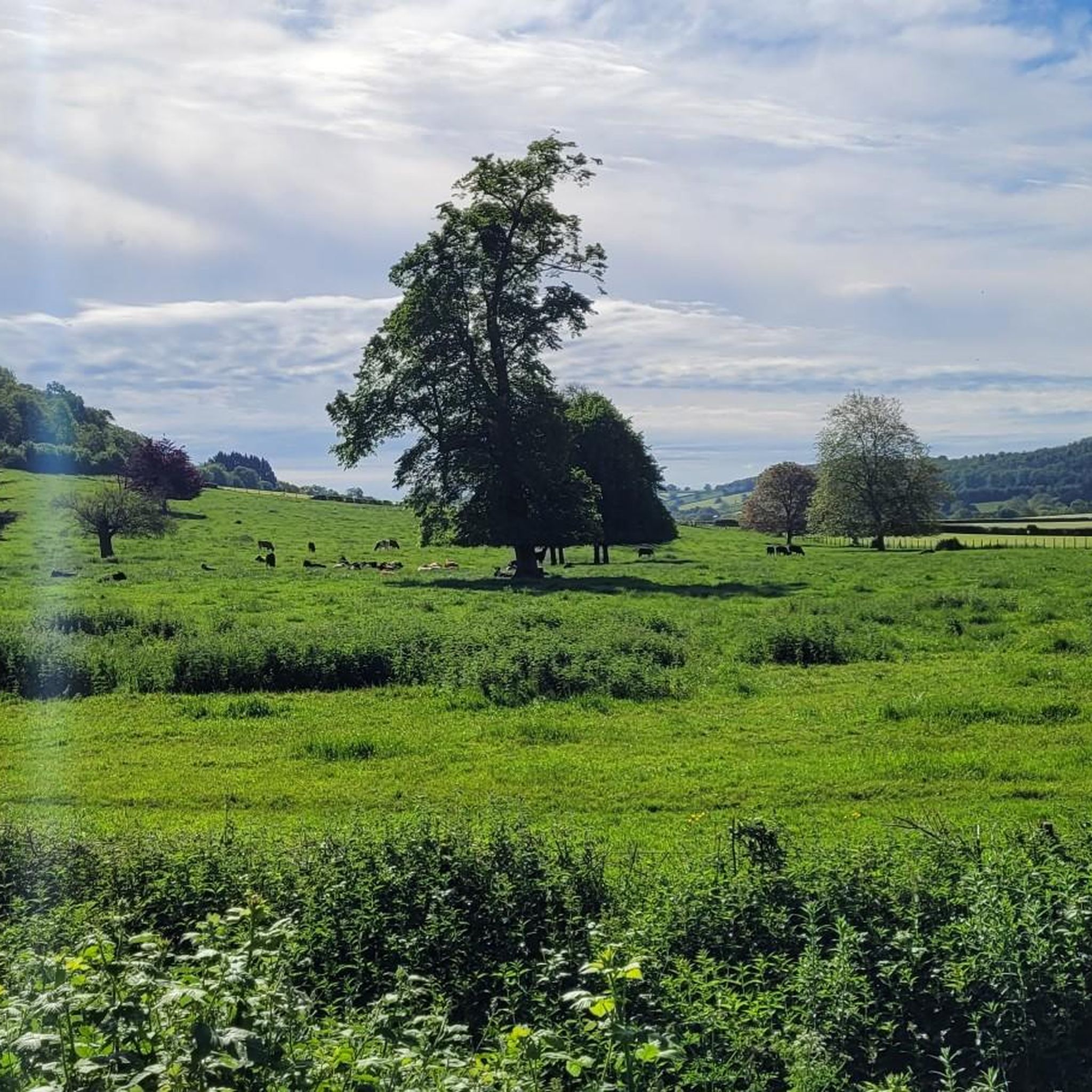
Brilliant! A beautiful and peaceful cycleway akin to the Bristol to Bath cycleway... but much quieter!
0
0

You can enter part of the grounds for free, the other parts are charged. The building is well maintained and still used and much bigger than it initially appears to be.
1
0
Frequently Asked Questions
What historical sites can I explore in and around Doulting?
Doulting is rich in history. You can visit St. Aldhelm's Church, a Grade I listed building from the 12th century, and St. Aldhelm's Well, an ancient spring with folklore attributing healing powers. The 15th-century Abbey Tithe Barn showcases the village's connection to Glastonbury Abbey. Further afield, explore the picturesque Nunney Castle, a moated medieval castle, or the impressive The Bishop's Palace, Wells, which has been home to bishops for over 800 years.
Are there any natural features or geological sites to visit near Doulting?
Yes, Doulting offers several natural and geological points of interest. The Doulting Railway Cutting is a 2.8-hectare geological Site of Special Scientific Interest (SSSI) exposing rocks from the Middle Jurassic period. The River Sheppey originates from St. Aldhelm's Well in the village, and the area is surrounded by open countryside, woodland, and farmland, including Ingsdons Hill and Pitt's Wood, perfect for wildlife spotting. The region's Jurassic limestone geology is evident throughout the landscape.
What cycling routes are available near Doulting?
The Colliers Way is a popular cycling and walking path that utilizes disused railway lines and quiet country lanes through the Somerset countryside. It links Midsomer Norton and Radstock through Mells and towards Great Elm. A specific section, the Colliers Way Cycle Route (NCN 24), is known for its quiet, picturesque stretches through a deep cutting and has a good surface for cycling.
Are there family-friendly attractions in the Doulting area?
Many attractions around Doulting are suitable for families. Both Colliers Way and Colliers Way Cycle Route (NCN 24) are family-friendly trails for walking and cycling. Nunney Castle is a great spot for kids to explore a moated medieval castle. Wells Cathedral and The Bishop's Palace, Wells also welcome families, with the Palace offering extensive gardens to explore.
What kind of hiking trails can I find around Doulting?
Doulting is an excellent base for exploring the rolling countryside with various hiking trails. You can find easy to moderate routes, including the Charlton Viaduct loop. The village is also on the edge of the Mendip Hills, offering sections of the East Mendip Way. For more detailed routes, you can explore guides like Hiking around Doulting and Easy hikes around Doulting on komoot.
Are there any heritage railways or unique transport experiences nearby?
Yes, the East Somerset Railway runs just south of Doulting, with its terminus at Mendip Vale railway station. This heritage railway offers steam train rides, including journeys through the historic Doulting Railway Cutting, providing a unique way to experience the local landscape and history.
What are some good places for wildlife spotting or enjoying nature around Doulting?
The countryside surrounding Doulting, including areas like Ingsdons Hill, Pitt's Wood, Chelynch Wood, Doulting Sheep Sleight, and Whitstone Hill, offers excellent opportunities for wildlife spotting. The Sheppey Valley, through which the River Sheppey flows from St. Aldhelm's Well, also provides a natural habitat for various species and scenic walking trails.
What do visitors enjoy most about the attractions near Doulting?
Visitors particularly appreciate the blend of historical significance and natural beauty. For instance, Wells Cathedral is often described as 'unquestionably one of the most beautiful' English cathedrals. Nunney Castle is loved for its picturesque moated setting and the convenience of a pub opposite. The Colliers Way is valued for its quiet, scenic paths through the Somerset countryside.
Are there any accessible attractions for wheelchair users near Doulting?
Yes, Wells Cathedral is noted as wheelchair accessible, allowing visitors to experience its Gothic architecture. Additionally, sections of the Colliers Way Cycle Route (NCN 24) have a good surface, making them suitable for wheelchair users or those with pushchairs.
Where can I find information about mountain biking trails near Doulting?
For mountain biking enthusiasts, there are various trails in the wider Doulting area, ranging from easy to moderate difficulty. You can find detailed routes and guides, such as MTB Trails around Doulting, which includes routes like the Honeypot Lane Trailhead – Nunney Castle loop or the Mells Village loop.
Are there any unique local products or materials associated with Doulting?
Doulting is famous for its Doulting Stone Quarries, which have been producing freestone since Roman times. This Jurassic-period sedimentary rock (Inferior Oolite) was used in the construction of iconic structures like Wells Cathedral and Glastonbury Abbey. While active quarries usually require permission to visit, examples of the stone can be seen on Chelynch Road.
What is the best time of year to visit Doulting for outdoor activities?
The surrounding countryside and trails are enjoyable throughout much of the year. Spring and summer offer pleasant weather for walking, cycling, and exploring the natural features and gardens of places like The Bishop's Palace. Autumn brings beautiful foliage, while winter conditions can be cold but offer a different, often quieter, experience of the historical sites and trails.
Most popular attractions around Doulting

Get inspired with the komoot mobile app


Explore more
Still not found the Highlight you’re looking for? See guides of the top attractions in other regions:
