The best road cycling routes around Drumliff
4.0
(2)
95
riders
37
rides
Road cycling around Drumliff offers a diverse range of routes across varied landscapes. The region features a mix of well-paved roads and some unpaved segments, with elevation gains suitable for different fitness levels. Cyclists can experience forested areas, such as those near Gortnamoyagh, and potentially coastal scenery, indicated by routes near Mussenden Temple. The terrain includes both relatively flat sections and more challenging hilly areas, providing a dynamic road cycling experience.
Best road cycling routes around Drumliff
- The most popular…
Last updated: June 27, 2026
12
riders
59.3km
02:29
300m
300m
Embark on the Enniskillen Kinawley loop from Lisnaskea for a scenic road cycling adventure through County Fermanagh, Northern Ireland. This moderate route covers 36.9 miles (59.3 km) with an elevation…
3.0
(1)
9
riders
119km
05:22
970m
970m
Hard road ride. Very good fitness required. Mostly well-paved surfaces and easy to ride.

Sign up for free
5
riders
41.6km
01:52
390m
390m
Moderate road ride. Good fitness required. Mostly well-paved surfaces and easy to ride.
6
riders
42.6km
01:43
230m
230m
Easy road ride. Great for any fitness level. Mostly well-paved surfaces and easy to ride.
5
riders
50.7km
02:18
480m
480m
Moderate road ride. Good fitness required. Mostly well-paved surfaces and easy to ride.
Get access to more routes and recommendations from other explorers.
Sign up for free
Already have an account?
Our route recommendations are based on thousands of hikes, rides, and runs completed by other people on komoot.
Start today with a free account
Your next adventure awaits.
Login or Signup
Popular around Drumliff

Tips from the Community

The castle now houses the Fermanagh County Museum, which focuses on the history, culture and natural history of the county.
0
0

Known locally as the "Wee Abbey", Clones Abbey is a ruined monastery dating back to the 12th century. The original abbey was founded by St. Tigernach as early as the 6th century. However, the abbey was destroyed by fire not once, but four times during its history. In the 16th century, the abbey suffered once again during the suppression of monasteries and Protestant reformation under Henry VIII. Less than a hundred years later, it lay in ruin, although some solitary monks still lived here until the 18th century. Today, you can visit the crumbling walls and take a look at the interesting graveyard. The abbey is free to visit and you can access it any time.
1
0

The magnificent Enniskillen Castle is situated in the heart of Enniskillen on the banks of the River Erne. The castle was founded in the 15th century by Hugh 'The Hospitable' Maguire and belonged to the Maguire family for centuries. Between 2007 and 2013 a massive refurbishment took place so that the castle could be opened to the public. Today you can explore the castle grounds and learn about this landmarks rich history.
1
0

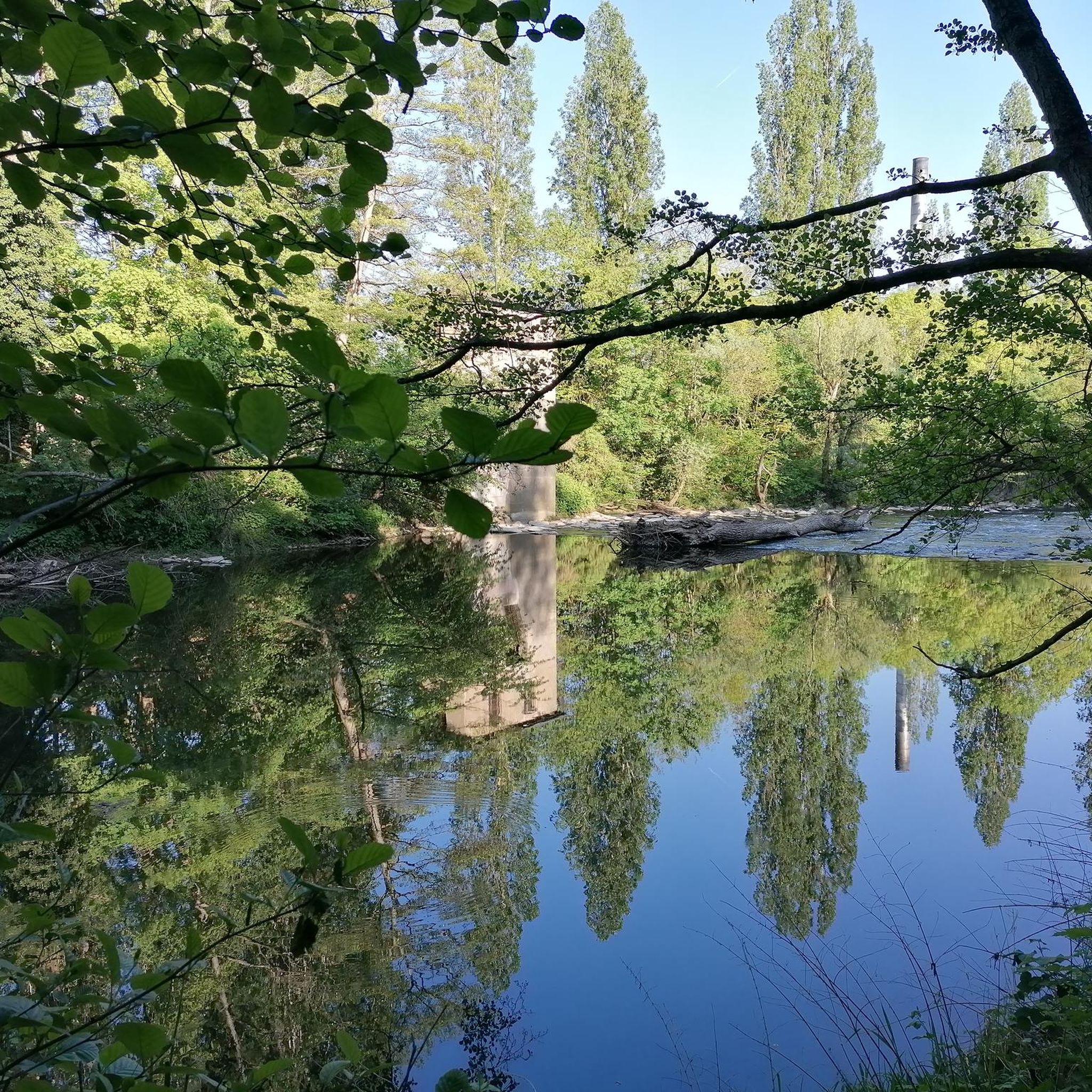
The road passed around the edge of Doon Forest. Mostly a conifer plantation, there is also a lot of deciduous planting around the outside. The quiet road through the trees feel particularly lush in May when the leaves are at their newest and greenest.
0
0
From this vantage point as the terrain starts to rise up to Tullybrack Hill, you can see all the way across the Sillees River, Ross Lough and Carran Lough. Your eyes are also drawn to th lush green farmland and woodlands stretching out below.
0
0

The round tower in Clones was originally built around the 10th century as part of the abbey. Although it would once have stood at 75 feet (23 m), the top part is now missing. Nonetheless, it is still a prominent feature on Clones' skyline. There would once have been four storeys, including a bell storey. St Tierney's graveyard, which surrounds the tower, is also an interesting place to explore with many 17th and 18th-century gravestones and the tomb shrine of St Tighernach.
1
0
Known locally as the "Wee Abbey", Clones Abbey is a ruined monastery dating back to the 12th century. The original abbey was founded by St. Tigernach as early as the 6th century. However, the abbey was destroyed by fire not once, but four times during its history. In the 16th century, the abbey suffered once again during the suppression of monasteries and Protestant reformation under Henry VIII. Less than a hundred years later, it lay in ruin, although some solitary monks still lived here until the 18th century. Today, you can visit the crumbling walls and take a look at the interesting graveyard. The abbey is free to visit and you can access it any time.
0
0
Frequently Asked Questions
How many road cycling routes are available around Drumliff?
There are over 40 road cycling routes around Drumliff, offering a diverse range of experiences for cyclists of all levels. komoot provides detailed information for 44 routes in the area.
Are there road cycling routes suitable for beginners in Drumliff?
Yes, Drumliff offers several easy road cycling routes perfect for beginners. You can find 15 routes classified as easy, such as the Lough Barry – Old Church loop from Lisbellaw, which is 26.5 miles long and features a manageable 225 feet of elevation gain.
What options are there for experienced road cyclists seeking a challenge?
For experienced road cyclists looking for a challenge, Drumliff has routes with significant elevation and distance. An example is the Enniskillen, Kinawley and Derrynawilt loop from Lisnaskea, a difficult 74.0-mile path with over 3,100 feet of climbing, offering a demanding ride through varied terrain.
What kind of landscapes can I expect to see while road cycling in Drumliff?
Road cycling around Drumliff offers a mix of landscapes. You can expect to ride through forested areas, such as those hinted at near Gortnamoyagh, and potentially enjoy scenic coastal views, especially on routes that might pass by dramatic locations like Mussenden Temple. The terrain varies from relatively flat sections to challenging hilly areas, providing a dynamic cycling experience.
Are there any circular road cycling routes in the Drumliff area?
Yes, many of the road cycling routes around Drumliff are circular, allowing you to start and end your ride in the same location. Examples include the Ennisskillen Kinawley loop from Lisnaskea and the Enniskillen Castle – Enniskillen Castle loop from Lisbellaw, both offering convenient loop options.
What are some notable historical or cultural sites I might encounter on a road cycling route?
Drumliff is historically significant. While cycling, you might pass by sites connected to its rich past. Notably, Drumliff (also known as Drumcliff) in County Sligo is the burial place of the renowned Irish poet W.B. Yeats, whose body rests in the churchyard of St Columba's Church. The area also holds significance as the site where Columba founded a monastery in 574/575.
What do other road cyclists enjoy most about road cycling in Drumliff?
The road cycling routes in Drumliff are highly rated by the komoot community, with an average score of 4.0 stars. Cyclists often praise the varied terrain, which includes both forested sections and rolling hills, and the options available for different ability levels.
When is the best season for road biking in Drumliff?
The best season for road biking in Drumliff generally aligns with milder weather conditions, typically spring through autumn. During these months, you'll likely encounter more favorable temperatures and less precipitation, making for more enjoyable rides. Always check local weather forecasts before heading out.
Are there any cafes or pubs near the road cycling trails in Drumliff?
While specific establishments along every route are not detailed, the region's popularity for outdoor activities suggests that you will find local cafes and pubs in nearby towns and villages. These can be great spots for a refreshment break during or after your ride. Planning your route with komoot can help identify potential stops.
What is the typical elevation gain on road cycling routes around Drumliff?
The elevation gain on road cycling routes around Drumliff varies significantly. Easy routes might have around 200-300 feet of gain, such as the Lough Barry – Old Church loop from Lisbellaw with 225 feet. Moderate routes can see around 1,000-1,400 feet, like the Enniskillen, Kinawley and Derrynawilt loop from Lisnaskea with 3,189 feet.
Are there any family-friendly road bike paths in Drumliff?
For families, the easier and shorter road cycling routes are generally the most suitable. Look for routes classified as 'easy' with minimal elevation gain and on well-paved surfaces. These provide a more relaxed experience for riders of all ages. The Lough Barry – Old Church loop from Lisbellaw could be a good starting point for families.
How accessible are Drumliff's road cycling routes by public transport?
Access to road cycling routes in Drumliff by public transport can vary. While some larger towns in the region may have bus or train services, direct access to specific trailheads might require additional planning. It's advisable to research local transport options and their bike carriage policies for the specific starting point of your chosen route.
Most popular routes around Drumliff

Get inspired with the komoot mobile app


Explore more
Browse the best Road cycling routes in other regions.
