Attractions and Places To See around Lamyatt - Top 20
Best attractions and places to see around Lamyatt include a blend of historical sites, natural landscapes, and architectural structures. This small, historic village in Somerset, England, is situated on the lower slopes of Creech Hill, providing views across the Somerset landscape. The area features ancient Roman and Saxon sites, along with significant 13th-century religious buildings and 19th-century railway infrastructure. Visitors can explore a variety of points of interest reflecting the region's history and natural beauty.
Best attractions and places to…
Last updated: August 12, 2026
Alfred's Tower Climb
Highlight • Climb
The tower is a 49m high folly designed in 1772. It's believed to …
Tip by

King Alfred's Tower
Highlight • Monument
Tip by

Sign up now to discover places like this
Get recommendations on the best single tracks, peaks, & plenty of other exciting outdoor places.
Sign up for free
At The Chapel
Highlight • Restaurant
Tip by
Somerset and Dorset Railway Viaduct, Ham Woods
Highlight • Structure
Tip by

River Brue Swimming Spot at West Lydford Bridge
Highlight • Bridge
Tip by

Sign up for free to discover even more attractions around Lamyatt.
Sign up for free
Already have an account?
Start today with a free account
Your next adventure awaits.
Login or Signup

Tips from the Community

Alfred's Tower is a folly in Somerset,England, on the edge of the border with Wiltshire, on the Stourhead estate. The tower stands on Kingsettle Hill and belongs to the National Trust. It is designated as a Grade I listed building. Henry Hoare II planned the tower in the 1760s to commemorate the end of the Seven Years' War against France and the accession of King George III, and it was erected near the site of Egbert's Stone, where it is believed that Alfred the Great, King of Wessex, rallied the Anglo-Saxons in 878 before the Battle of Edington. The tower was damaged by an aeroplane in 1944 and restored in the 1980s.
0
0

King Alfred's Tower is a folly in Somerset, located on the Stourhead estate. The triangular shape is hollow in the centre with a winding staircase along the walls. You can climb the tower from April until October on every weekend. More info: https://www.nationaltrust.org.uk/visit/wiltshire/king-alfreds-tower
0
0

King Alfred's Tower is managed by the National Trust and is part of the nearby Stourhead estate. The tower is a 49m high folly designed in 1772. It's believed to mark the site where King Alfred rallied his troops in 878.
1
0

Entry point to dip in West Lydford, beautiful swim to the Bridge
0
1

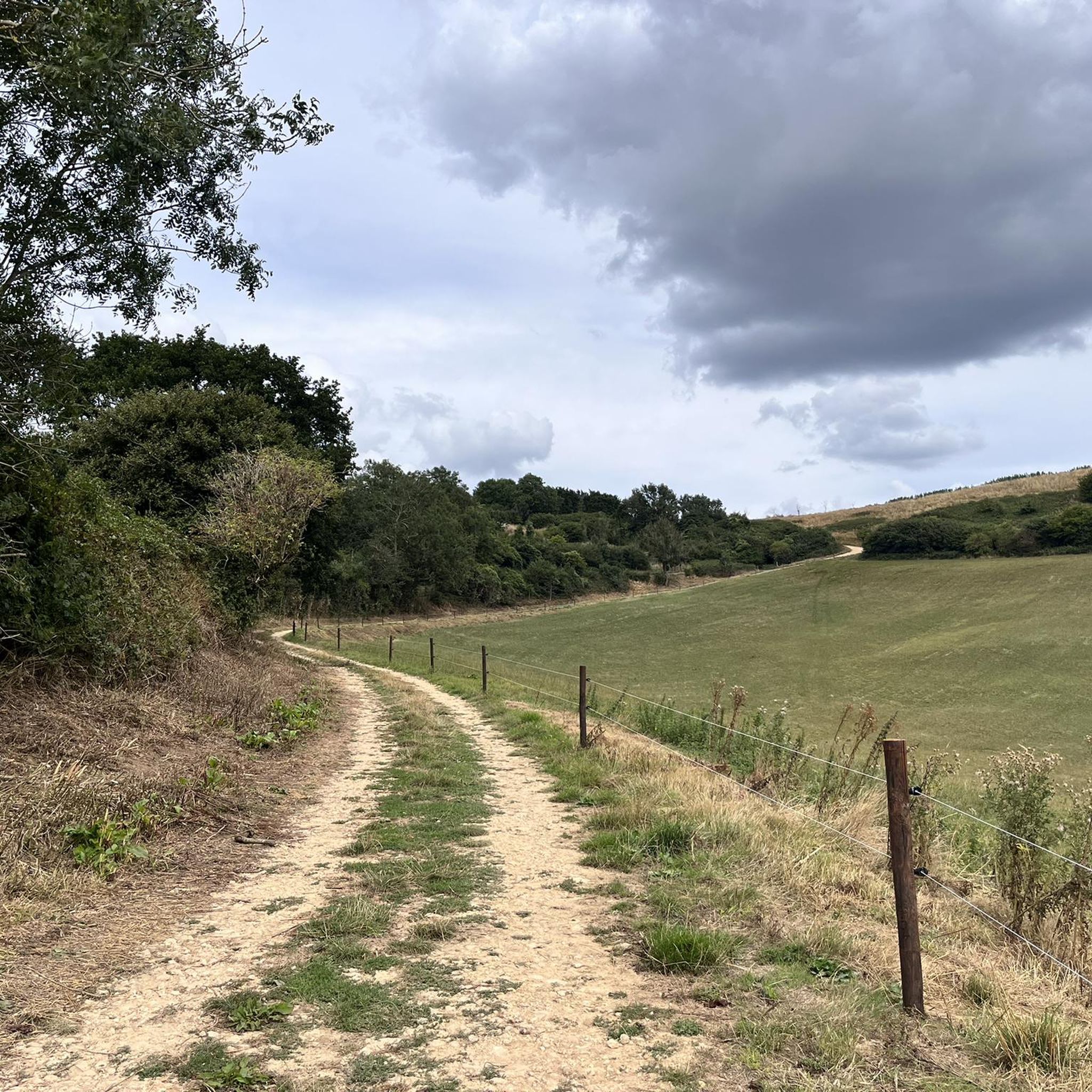
Just over half way up the gradient eases for a short distance. In the days of old, horses pulling a cart would be sent into a gallop to gain momentum for the steep section ahead. You are unlikely to see that nowadays but it is still known as "galloping plain" locally.
0
0
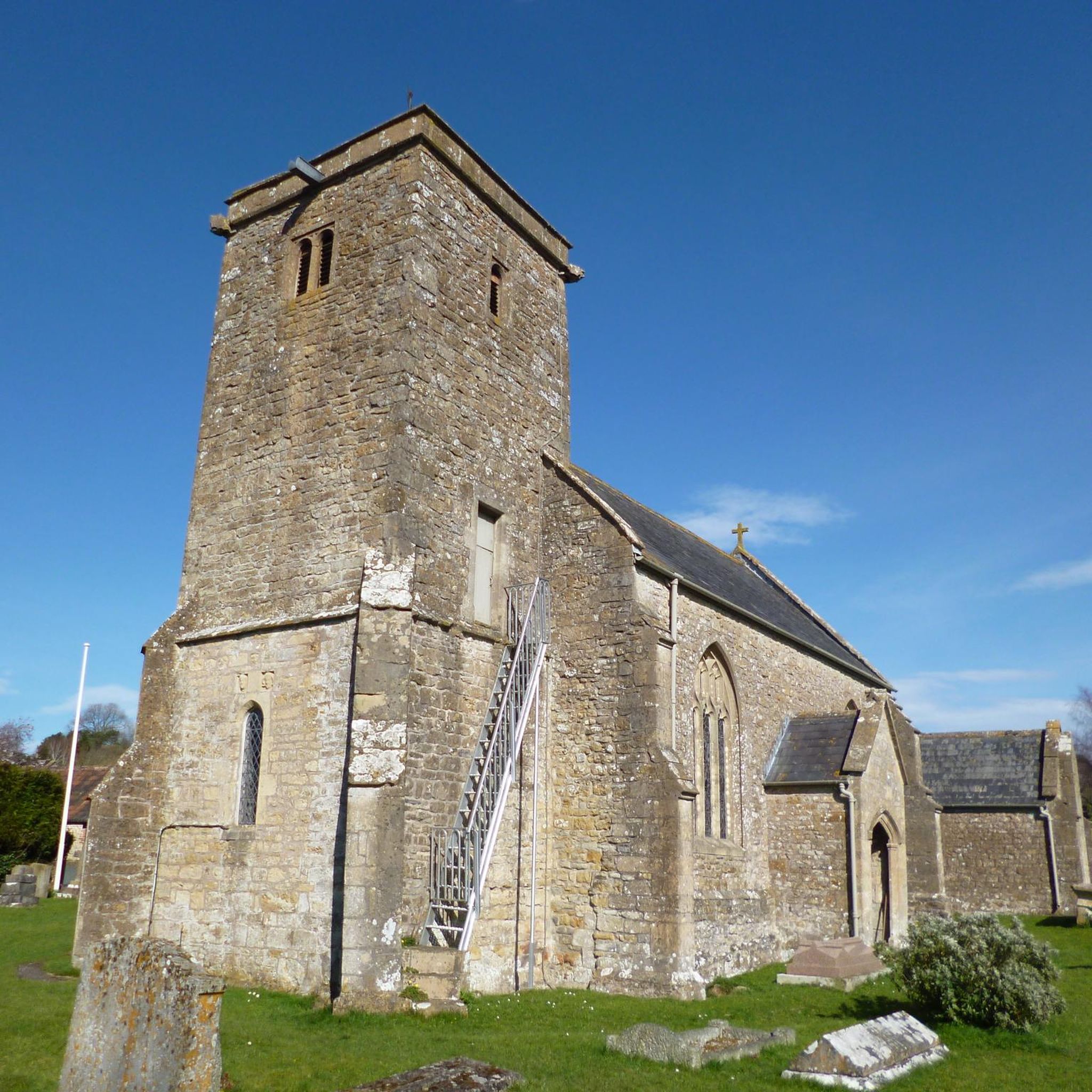
There are now lots of signs around the church stating no access to the river, however if you turn left out of the church car park and head back towards the river in that direction then there is access to the river there
1
0

A few of the signs for the footpath have fallen down so use an ordnance map as backup
1
0

Closed for eating in during Covid, but open for takeaways. Good sélénographie drinks, breads, cakes and pizza.
0
0
Frequently Asked Questions
What historical sites can I explore in Lamyatt?
Lamyatt offers several significant historical sites. You can visit the remains of a Roman-period Celtic temple and Saxon cemetery at Lamyatt Beacon, located atop Creech Hill. The 13th-century Church of St Mary and St John is also a notable Grade II* listed building with a Romanesque font and historical memorials. Additionally, aerial photographs have revealed an abandoned medieval village site to the west of Speeds Farm, offering a glimpse into Lamyatt's extensive past.
Are there any notable architectural structures or viewpoints near Lamyatt?
Yes, the area features impressive architectural structures and viewpoints. You can visit Alfred's Tower Climb, a 49m high folly with historical significance and extensive views. The Somerset and Dorset Railway Viaduct, Ham Woods, and Charlton Viaduct are also impressive 19th-century railway structures visible from various footpaths.
What natural features can I enjoy around Lamyatt?
Lamyatt is situated on the lower slopes of Creech Hill, which provides extensive views across the Somerset landscape and west Wiltshire from its summit. The area is rich with numerous footpaths, making it ideal for exploring the countryside. You can also find a pleasant spot at the River Brue Swimming Spot at West Lydford Bridge for a break by the water.
What outdoor activities can I do near these attractions?
The region around Lamyatt is excellent for outdoor activities. You can find numerous routes for cycling, running, and hiking. For cycling, explore routes like the 'Longleat & Stourhead loop from Bruton' or 'Somerset Levels Wetlands – Cheddar Gorge Cliff Road loop'. Running enthusiasts can try the 'Seated Man by Giles Penny – Bruton Dovecote loop'. Hikers have options such as 'View of Bruton from the Hills – Mill Dam loop' or 'Alfred's Tower Climb – Kingsettle Woods loop'. You can find more details on these activities in the dedicated guides for cycling, running, and hiking around Lamyatt.
Are there family-friendly attractions or activities in Lamyatt?
While many historical sites are suitable for families, the Charlton Viaduct is specifically noted as family-friendly. The numerous footpaths around Lamyatt also offer gentle walks suitable for families to explore the countryside. The Lamyatt Village Hall hosts various community events, some of which may be family-oriented, such as film screenings or performances.
What is the best time to visit Lamyatt for outdoor activities?
The area's footpaths and outdoor sites are generally accessible year-round. Spring and summer offer pleasant weather for exploring the natural landscapes and attending events like the annual open-air Shakespeare productions. Autumn provides beautiful scenery with changing foliage, while winter walks can be refreshing, though some paths might be muddy. Always check local weather conditions before heading out.
Where can I find food and drink options near Lamyatt?
For dining, At The Chapel in nearby Bruton is a highly-rated restaurant, cafe, and bar offering stylish dining and takeaway options. The Lamyatt Village Hall also hosts regular pub nights and monthly coffee mornings, providing community-focused options within the village itself.
Are there any community hubs or unique village features in Lamyatt?
The Lamyatt Village Hall serves as a vibrant community hub, hosting a regular program of local and professional events, including film screenings, live music, theatre, and various classes. A unique feature reflecting the village's community spirit is the old BT telephone box, which has been restored and converted into a village book exchange.
What is the Welch Almshouse?
The Welch Almshouse is considered one of the most striking buildings in Lamyatt. Founded in 1916 by Christopher Welch, it provides accommodation for eligible residents and is managed by local trustees. Christopher Welch also contributed to the Church of St Mary and St John, donating stained-glass windows, pews, and a lectern.
Can I find information about Lamyatt's ancient past?
Yes, Lamyatt has a rich ancient history. The Lamyatt Beacon site on Creech Hill contains the remains of a Roman-period Celtic temple from the late 3rd century CE and a Saxon cemetery from the 7th century. While the temple structure is no longer visible, artifacts from the site are displayed at the Taunton Museum. The village itself is recorded in the Domesday Book of 1086 as 'Lamieta'.
Are there any specific tips for visiting Alfred's Tower?
Alfred's Tower Climb is managed by the National Trust and is part of the nearby Stourhead estate. The climb to the tower can be very steep, with gradients up to 20% in places, making it challenging for some. It's recommended to be prepared for a strenuous ascent if you plan to cycle or hike to the top.
What should I know about the Somerset and Dorset Railway Viaduct?
The Somerset and Dorset Railway Viaduct, Ham Woods, is a part of the defunct railway line that operated for nearly a hundred years. It's an impressive structure that emerges from the trees in Ham Woods. When exploring, be aware that some footpath signs in the area may have fallen down, so it's advisable to use an ordnance map as a backup for navigation.

Get inspired with the komoot mobile app


Explore more
Still not found the Highlight you’re looking for? See guides of the top attractions in other regions:
