Attractions and Places To See around North Killingholme - Top 14
Best attractions and places to see around North Killingholme include historical sites, natural features, and industrial heritage. The area is shaped by its proximity to the Humber Estuary, offering unique natural habitats like the North Killingholme Haven Pits. Visitors can explore medieval moated sites and remnants of World War II airfields, providing a blend of history and nature. The region offers a variety of points of interest for those exploring its landscape.
Best attractions and places to see around North…
Last updated: May 25, 2026
Victoria Dock
Highlight • River
Tip by

NCN 1 Bridleway Section – Barnetby Wold
Highlight (Segment) • Cycleway
Tip by

Sign up now to discover places like this
Get recommendations on the best single tracks, peaks, & plenty of other exciting outdoor places.
Sign up for free
Thornton Abbey and Gatehouse
Highlight • Religious Site
Tip by

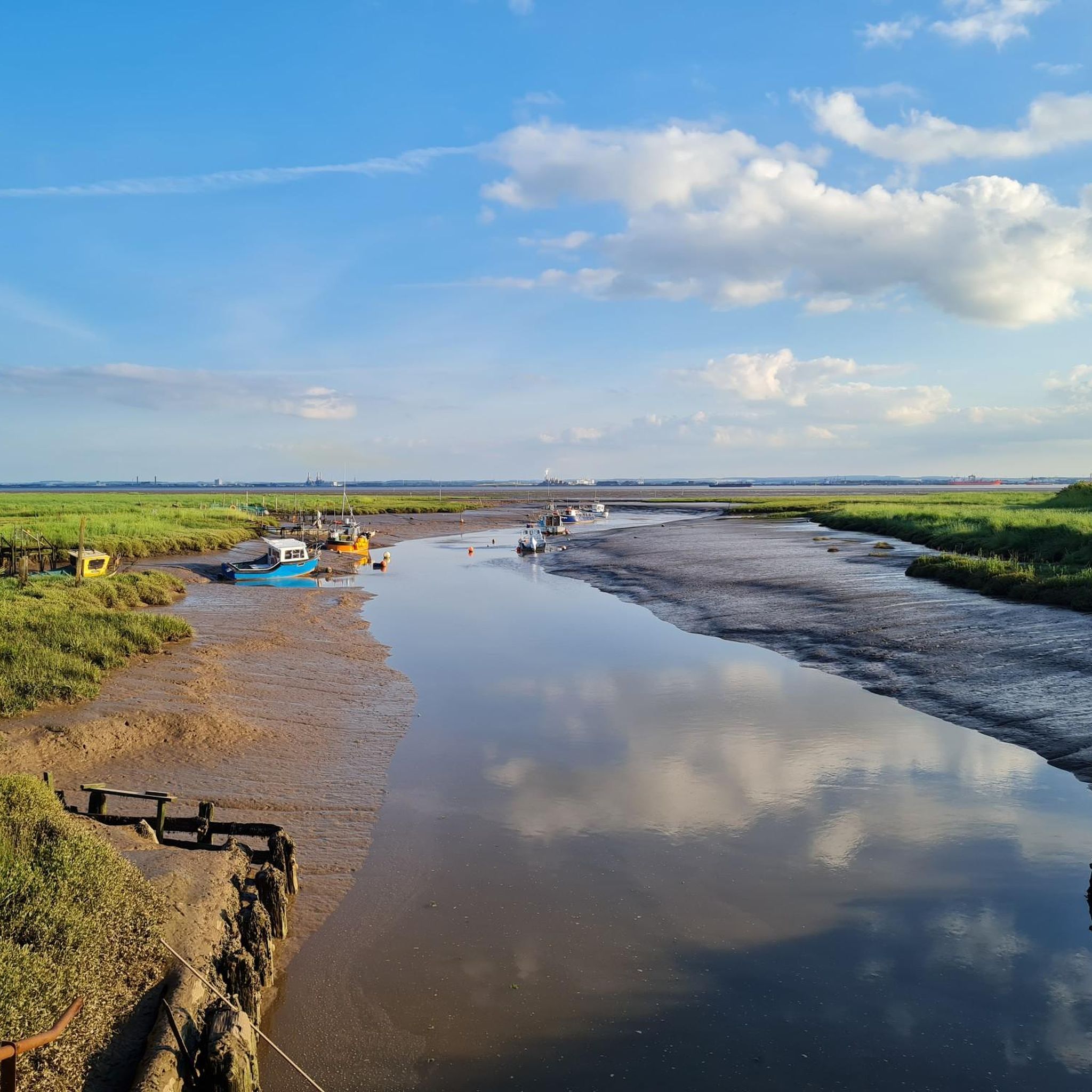
Stone Creek Inlet
Highlight • Natural
Tip by

Cherry Cob Sands Road
Highlight • Cycleway
Tip by

Sign up for free to discover even more attractions around North Killingholme.
Sign up for free
Already have an account?
Start today with a free account
Your next adventure awaits.
Login or Signup

Tips from the Community

Nice views over the Humber however can get busy with dog walkers, families etc.
0
0

Super little spot for a pit-stop. Outside the old Abbey there are a few wooden benchs by a pond.
0
0

Quiet single lane road just a bit inland from the Humber. The road is narrow with occasional passing places.
0
0


I took my road bike down this section by accident assuming it would be manageable on my road bike (My own fault for not checking it out first). Safe to say this section is going to be more suited to gravel/MTB. In July I found it quite overgrown and narrow in sections. At the South East end where the trail meets the road, there was a large muddy patch with mud so bad it went over my shoes! There was no way round this! Not to say it's a bad route though just not reccomended for roadies.
0
0

Thornton Abbey was a medieval abbey located close to the small North Lincolnshire village of Thornton Curtis, near Ulceby, and directly south of Hull on the other side of the Humber estuary. Its ruins are a Grade I listed building, including notably England's largest and most impressive surviving monastic gatehouse
0
0

Nice rest/picnic spot. Note: as at May 2022 the ruins and gatehouse are closed for restoration. Free entry when is open.
0
0

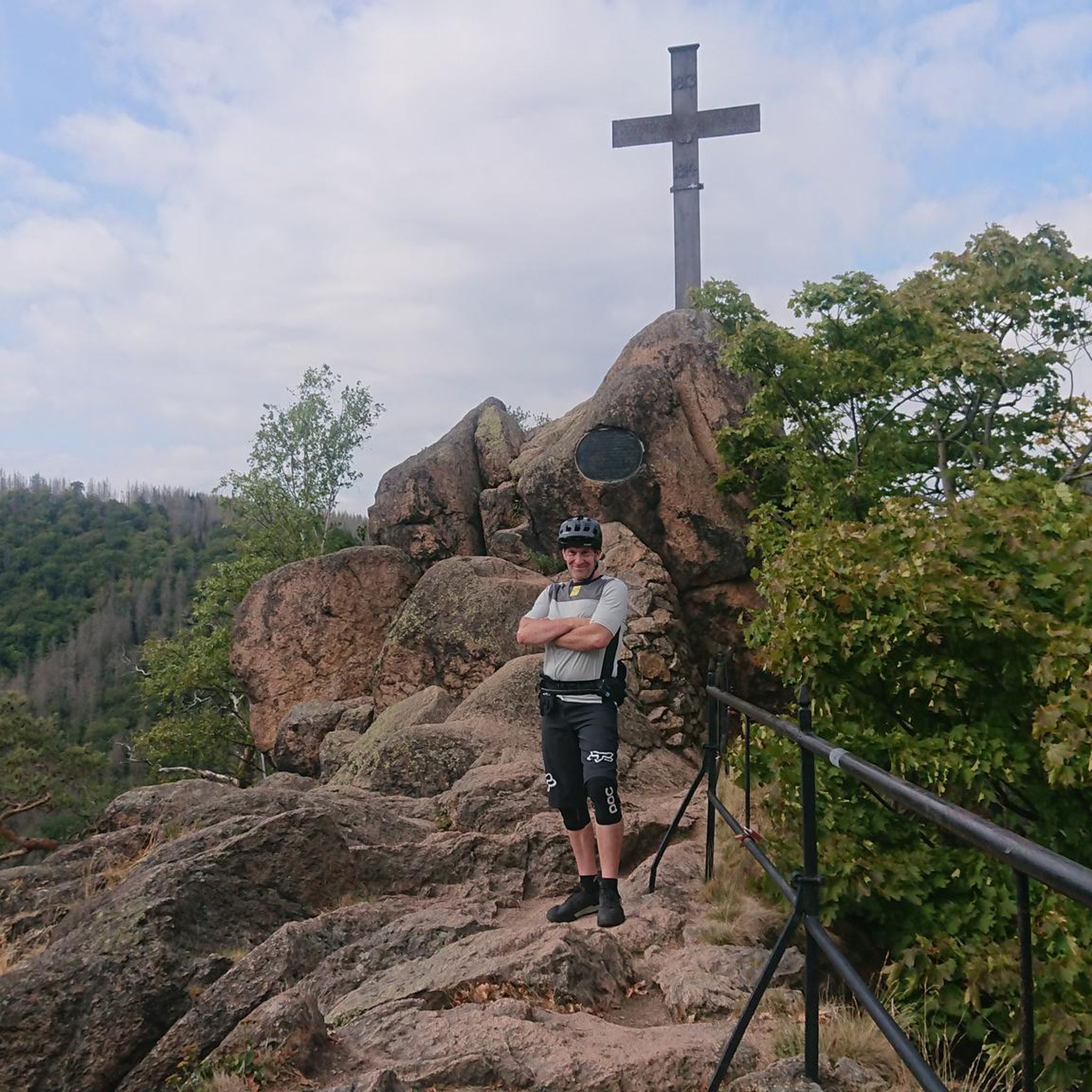
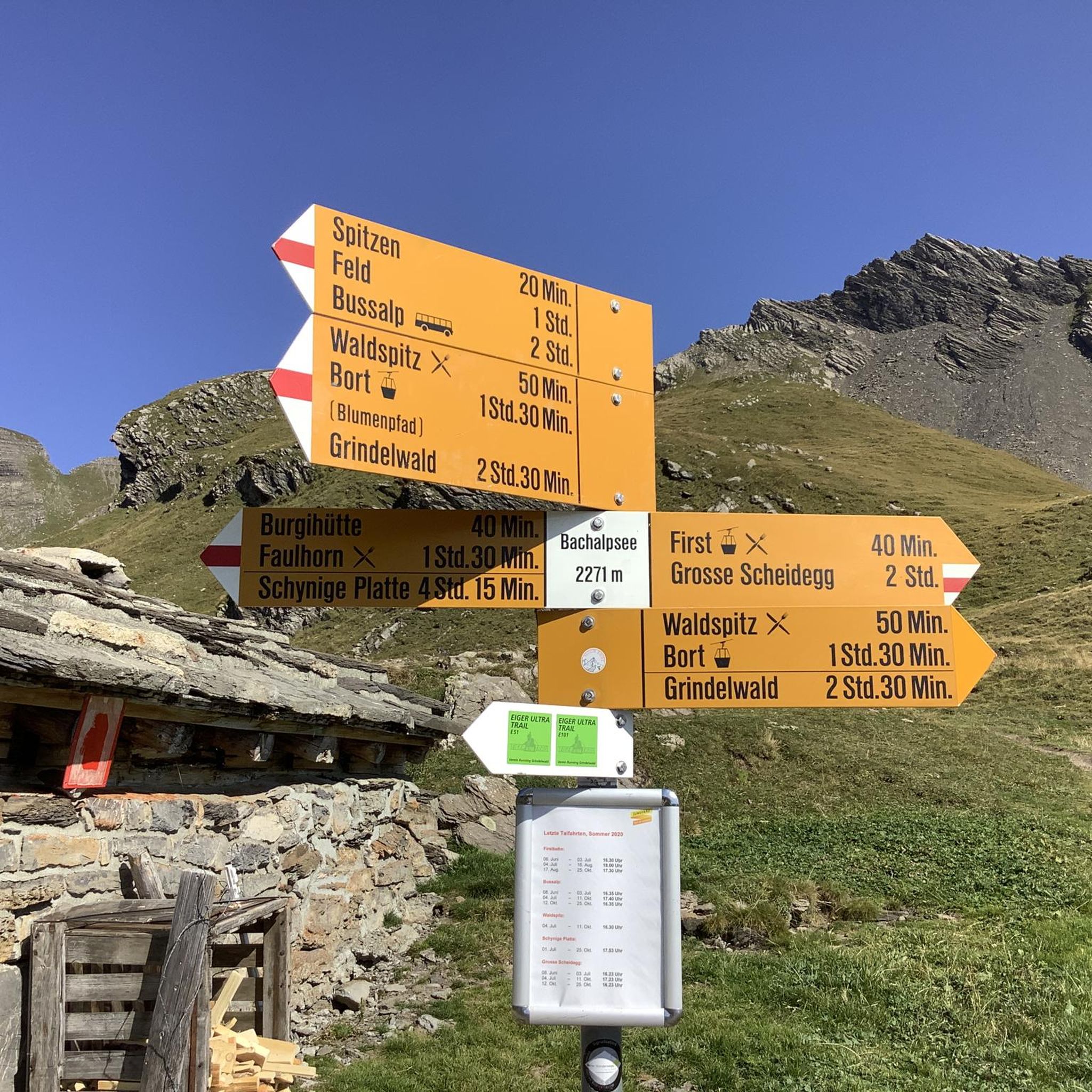
Added a photo of where the bridleways Meet for reference
0
0
Frequently Asked Questions
What historical sites can I visit near North Killingholme?
North Killingholme offers several historical sites. You can explore the ancient Thornton Abbey and Gatehouse, which features England's largest surviving monastic gatehouse. The village also has St. Denys' Church, a Grade I listed building with parts dating back to the Norman period. Additionally, you can find medieval moated sites like North Garth and Manor Farm Moated Site, offering a glimpse into the area's past.
Are there any natural features or reserves to explore?
Yes, the area is rich in natural features. The North Killingholme Haven Pits is a nature reserve known for its saline lagoon habitat, attracting diverse wildfowl and waders. While general access is restricted, viewing points are available from public roads and a bank-top footpath. The proximity to the Humber Estuary also means you can experience this significant waterway, which is a designated Special Protection Area.
What family-friendly activities are available around North Killingholme?
Families can enjoy several attractions. Victoria Dock is a bustling dock village with shops and a sign-posted trail detailing its history, suitable for a leisurely stroll. Thornton Abbey and Gatehouse is also a great spot for a picnic and exploring ancient ruins. For a quiet cycle, Cherry Cob Sands Road offers a single-lane route slightly inland from the Humber.
Are there opportunities for cycling or walking near North Killingholme?
Absolutely. For cyclists, the NCN 1 Bridleway Section – Barnetby Wold provides an off-road portion of the National Cycle Trail 1. You can also find various cycling routes, such as the 'Thornton Abbey loop', by exploring the Cycling around North Killingholme guide. For walkers, there are hiking routes like 'William Blyth Tile Yard – View of the Lake loop' available in the Hiking around North Killingholme guide.
Where can I go for scenic views or photography?
For scenic views and photography, Stone Creek Inlet on the North bank of the Humber is noted as an excellent spot, especially for capturing sunset pictures over the Humber and its south bank. The Humber Estuary itself offers expansive views of the waterway and its surrounding landscape.
What is the significance of the former RAF North Killingholme?
The former RAF North Killingholme was a significant World War II airfield, serving as home to the 550 Squadron. Some original buildings from this era still remain, and the village green features a sign adorned with a model Lancaster Bomber, commemorating this important RAF heritage.
Can I learn about the area's industrial heritage?
Yes, the area has a notable industrial presence. Victoria Dock, for example, was once a significant shipbuilding site and now features a sign-posted trail detailing its history. The wider North Killingholme area is also characterized by prominent oil refineries and power stations, reflecting its ongoing industrial importance.
Are there any unique local landmarks in North Killingholme village?
Within North Killingholme village, you can find the Village Green, which features a distinctive, oddly shaped tree and a village sign commemorating its RAF heritage with a model Lancaster Bomber. The Old Vicarage, an early to mid-19th-century building, also stands near St. Denys' Church.
What kind of wildlife can be seen at North Killingholme Haven Pits?
The North Killingholme Haven Pits nature reserve is recognized for its saline lagoon habitat, which attracts a diverse array of wildfowl and waders. It also supports several rare invertebrate species, making it a valuable site for wildlife observation, particularly for birdwatchers.
Are there off-road cycling routes available?
Yes, the NCN 1 Bridleway Section – Barnetby Wold offers a nice off-road section of the National Cycle Trail 1. This wide double-track route is suitable for gravel or mountain bikes and links up with other bridleways in the area, providing a good option for those looking to avoid paved roads.
What are some lesser-known historical sites in the region?
Beyond the more prominent sites, you can explore the medieval moated sites of North Garth and Manor Farm Moated Site. These offer a fascinating, albeit less visible, connection to the area's past, showcasing ancient defensive and residential structures.
How can I explore the Humber Estuary area?
The Humber Estuary shapes much of the region. You can explore it by visiting Stone Creek Inlet for views and photography, or by cycling along Cherry Cob Sands Road, which runs slightly inland from the estuary. The estuary is also a significant natural habitat, important for port activities and designated for its natural significance and wildlife.

Get inspired with the komoot mobile app


Explore more
Still not found the Highlight you’re looking for? See guides of the top attractions in other regions:
