Top 2 Castles around Drayton St. Leonard
Best castles around Drayton St. Leonard are located in the surrounding Oxfordshire region, as the village itself does not feature castle structures. Drayton St. Leonard is a historical village, notable for its Parish Church of St Leonard & St Catherine, which dates back over 800 years. The church features Norman doorways and a distinctive free-standing clapboard tower. While the village offers historical sites, significant castles are found within a reasonable distance.
Best castles around Drayton St. Leonard
- The most popular…
Last updated: July 6, 2026
Wallingford Bridge
Highlight • Historical Site
Tip by

Wallingford Castle Meadows
Highlight • Historical Site
Translated by Google •
Tip by

Sign up now to discover places like this
Get recommendations on the best single tracks, peaks, & plenty of other exciting outdoor places.
Sign up for free
St Nicholas College Ruins, Wallingford Castle
Highlight • Historical Site
Translated by Google •
Tip by
Wallingford Castle Moats and Grotto Pond
Highlight • Lake
Translated by Google •
Tip by
Start today with a free account
Your next adventure awaits.
Login or Signup

Tips from the Community

Wallingford Castle is a typical Norman tower hill castle. One of the castle's most famous residents was the Empress Matilda, who was the only legitimate daughter of King Henry I.
5
0
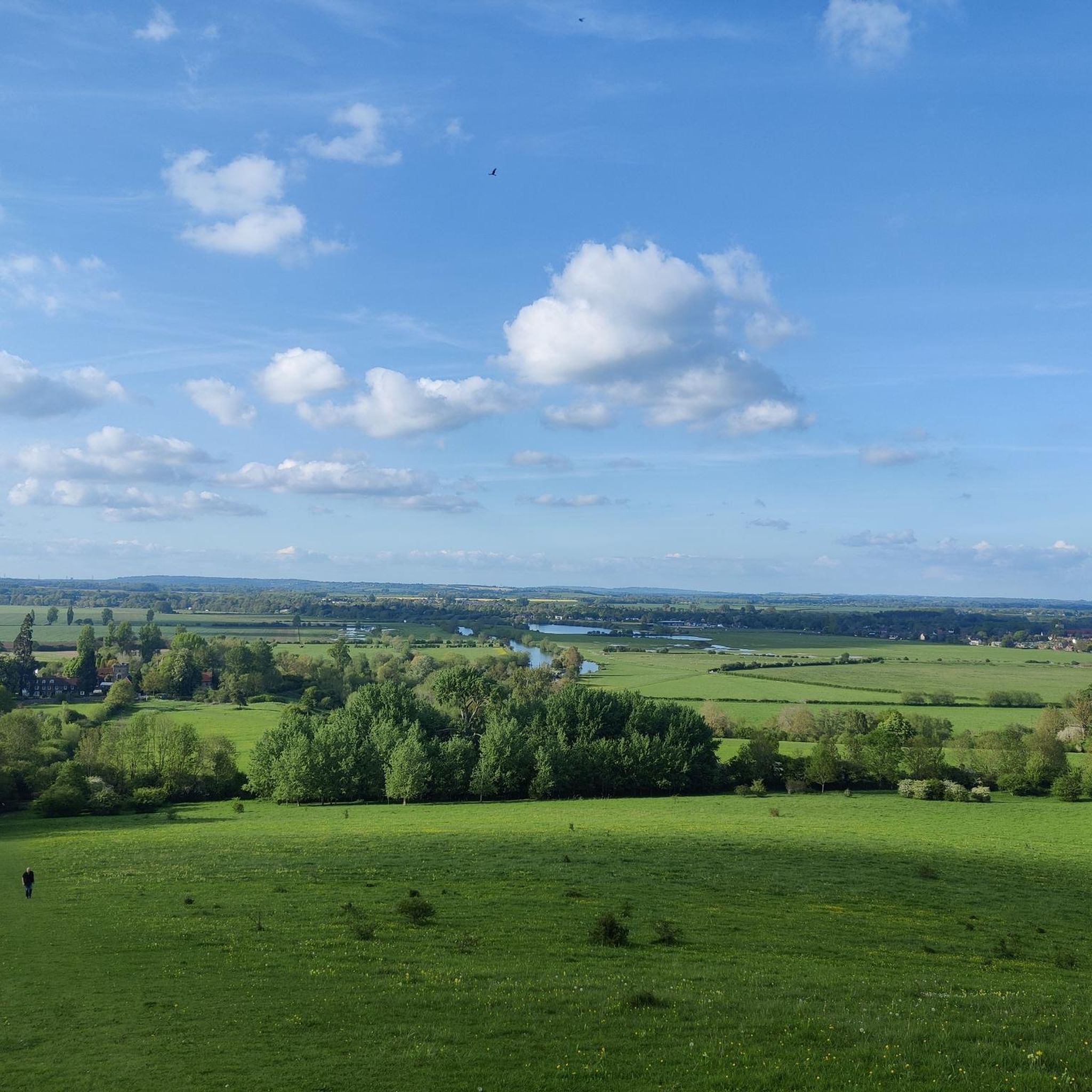
A beautiful area to enjoy nature during a relaxing hike or a walk.
4
0
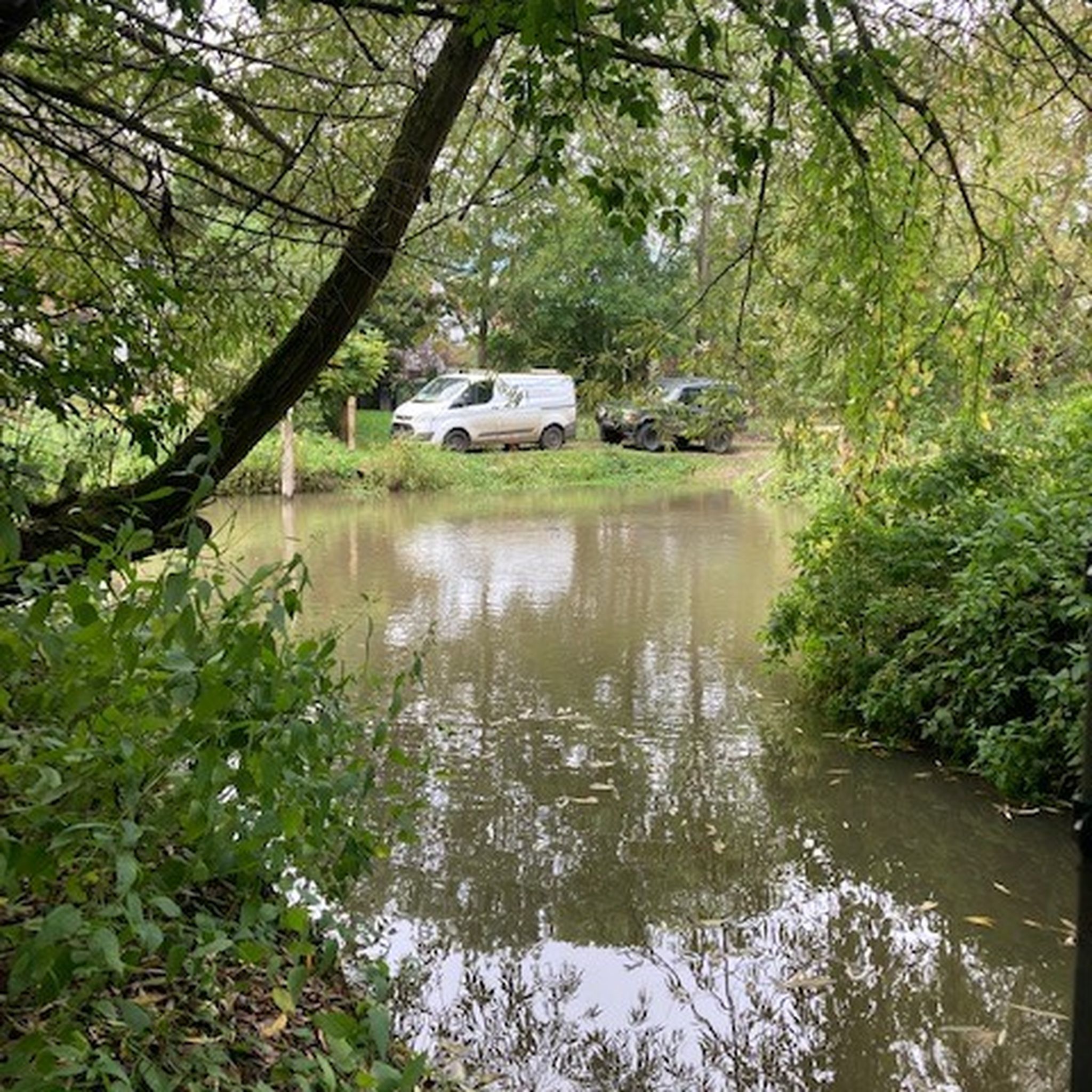
Wallingford Castle Gardens, a nice place to relax, stroll and enjoy nature. A small nature reserve containing the ruins of one of Britain's most important castles, open to the public.
4
0
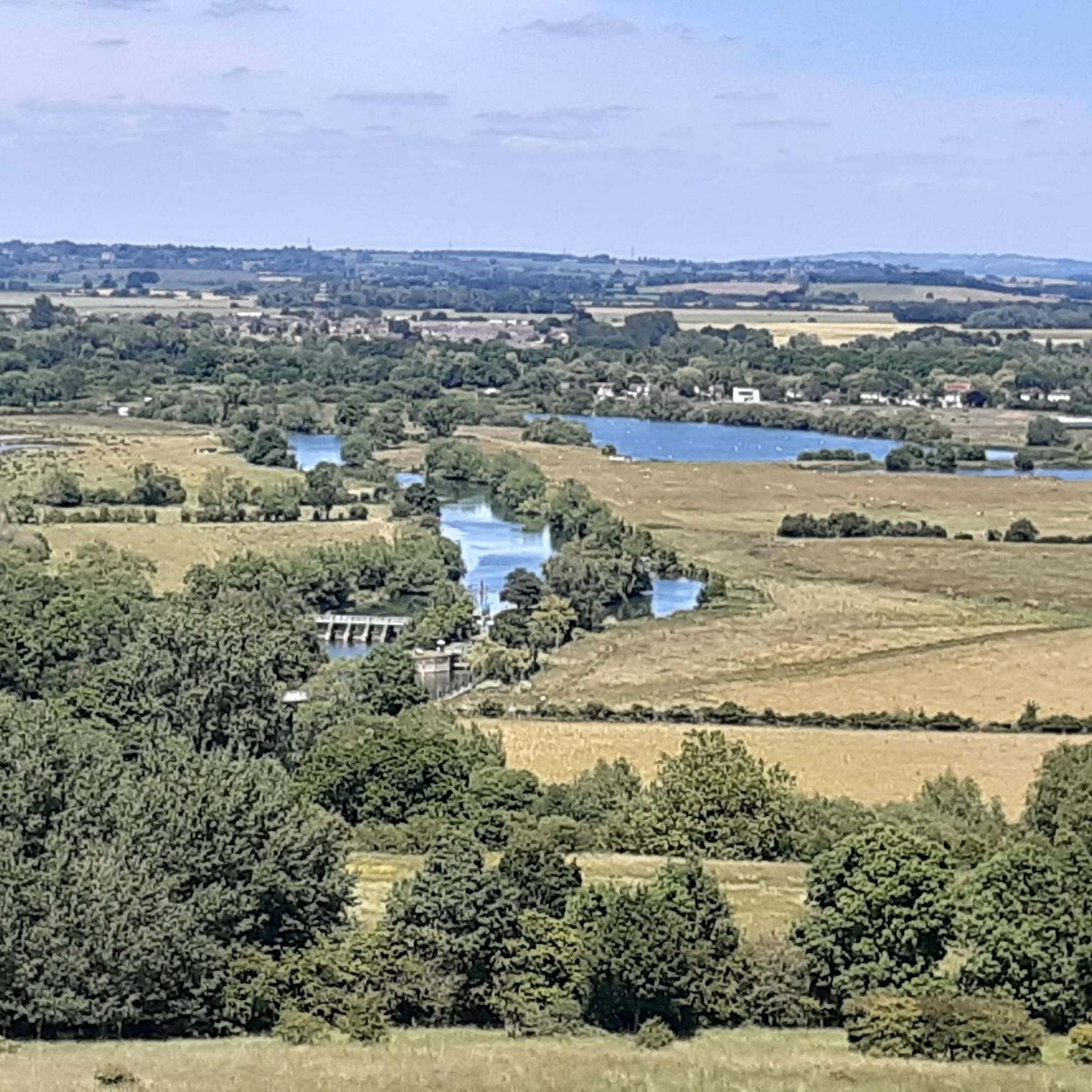
Very beautiful stone bridge with fragments from the 13th century. The Wallingford Bridge is almost 270 m long. From the bridge you have a beautiful view of the Thames and the "Boat House".
4
0

A major castle during medieval times, Wallingford Castle was one of the most important royal castles in the 12th and 13th centuries. The castle has lived through interesting eras of British history, from surviving sieges during the Civil War to hosting royalty. Henry VIII abandoned the castle as a royal residence which lead to its decline. Today, although much of the castle is destroyed, you can visit the remains of St Nicholas College, two sections of castle wall, the motte hill, and the castle grounds.
0
0

This impressive medieval bridge over the River Thames allows you to step back in time. Built in the 14th century. Wallingford Bridge is 900 feet (270 m) long and has 19 arches. In 1646, four arches were removed so a drawbridge could be built during the siege of the castle in the Civil War of 1646. These were replaced with timber structures until repair in 1751.
2
0
Wallingford Castle Gardens is a wonderful place to stroll around. With colourful gardens, a wildlife area, and ruins of one of the most important castles in Britain to explore, the site is very interesting affords a real sense of tranquility. Building work on the castle commenced in 1067 on the instructions of William the Conqueror who crossed the River Thames at Wallingford on his way to to take the throne in London.
1
0

Wallingford is a great base for Oxfordshire walking. You can walk on both sides of the River Thames from here. There is a fascinating history here too. In July they stage the three day Festival of Cycling with something for everyone in the Kineford Park through to 100 mile bike rides. There are a good range of eating places here. Le Clos is a fab wine bar. There is also a small community theatre seating 130. They stage a series of amateur dramatic plays throughout the year, and this provides a really good evening rest - it has a good bar as well! Outside Wallingford, in Watlington about 6 miles away there is a fab deli/cafe who make lovely sandwiches to start your walk up into Watlington Hill and beyond through beech woods.
1
0
Frequently Asked Questions
Are there any castles directly in Drayton St. Leonard?
Drayton St. Leonard does not have any castles within the village itself. Its most notable historical site is the Parish Church of St Leonard & St Catherine, which dates back to the Norman period. However, several significant castles are located within a reasonable distance in the broader Oxfordshire region.
Which castles are recommended to visit near Drayton St. Leonard?
The most prominent castle ruin near Drayton St. Leonard is Wallingford Castle. Although largely ruined, its grounds offer a peaceful stroll through history, including the motte and remains of St Nicholas College. Other notable castles in the wider area include Donnington Castle, Minster Lovell Hall and Dovecote, and Uffington Castle.
What can I see and do at Wallingford Castle?
At Wallingford Castle Meadows, you can explore the ruins of one of Britain's most important castles, including the Norman motte and sections of ruined walls. The site also features the remains of St Nicholas College and the Wallingford Castle Moats and Grotto Pond, offering a blend of history and nature. The nearby Wallingford Bridge, a medieval structure, also offers beautiful views of the Thames.
Is Wallingford Castle suitable for families?
Yes, Wallingford Castle Meadows is considered family-friendly. The open grounds provide space for children to explore, and the historical ruins offer an engaging educational experience. The Grotto Pond area is also great for nature observation, though supervision is advised due to deep mud near the water.
Are dogs allowed at Wallingford Castle?
The Wallingford Castle Meadows are generally dog-friendly, allowing visitors to enjoy the historical grounds and natural surroundings with their pets. Please ensure dogs are kept under control and any waste is properly disposed of.
What are the parking options for Wallingford Castle?
There is a paid parking area on the road near the main access gate to Wallingford Castle Gardens, located off Castle Street on Bear Lane.
What outdoor activities can I do near Wallingford Castle?
The area around Wallingford Castle is excellent for outdoor activities. You can enjoy various hiking routes along the River Thames, such as the Dorchester Abbey loop or the Shillingford Bridge to Wittenham Clumps loop. There are also options for gravel biking and MTB trails in the wider Drayton St. Leonard region.
What is the best time of year to visit castles near Drayton St. Leonard?
Visiting during spring or summer allows for pleasant weather to explore the outdoor ruins and meadows. However, the castle grounds, like Wallingford Castle Meadows, are generally open during daylight hours year-round, offering different scenic experiences with each season.
Are there any cafes or pubs near Wallingford Castle?
Wallingford town, where the castle is located, offers a good range of eating places. You can find cafes and pubs within walking distance of the castle grounds, providing options for refreshments before or after your visit.
How long does it take to visit Wallingford Castle?
A visit to Wallingford Castle Meadows and its ruins can take anywhere from 1 to 2 hours, depending on how much you wish to explore the grounds, the motte, and the various historical points of interest. If you include a stroll across Wallingford Bridge and into the town, you could easily spend half a day.
What other historical sites are near Drayton St. Leonard?
Beyond castles, the region boasts other significant historical sites. The Parish Church of St Leonard & St Catherine in Drayton St. Leonard itself is an 800-year-old church with Norman features. Further afield, you can explore the extensive ruins of Minster Lovell Hall, a picturesque 15th-century manor house.
Most popular routes around Drayton St. Leonard
Most popular attractions around Drayton St. Leonard

Get inspired with the komoot mobile app


Explore more
Looking for the best castles somewhere else? Discover other guides around Drayton St. Leonard:
