The best walks and hikes around Manston
4.6
(365)
2,350
hikers
219
hikes
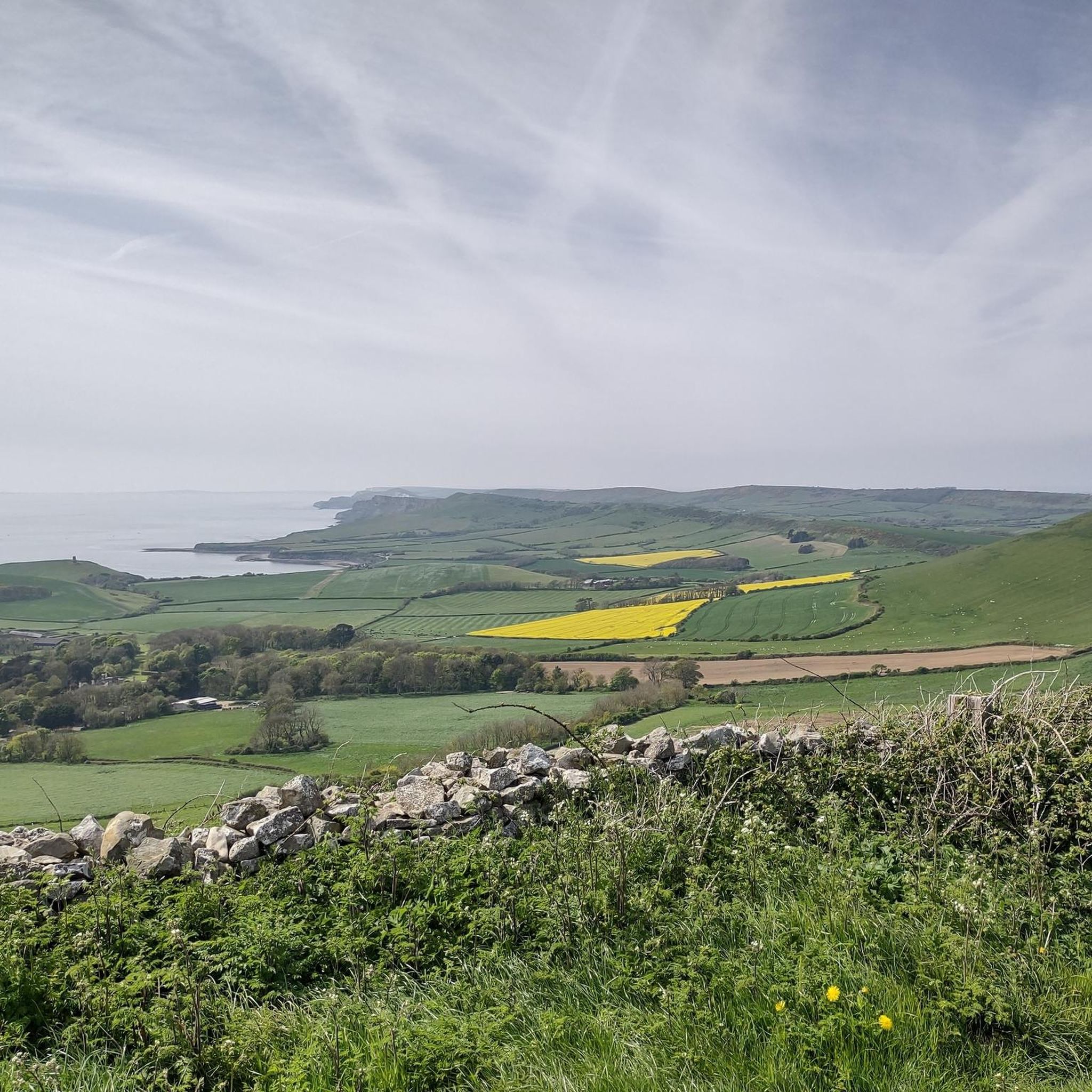
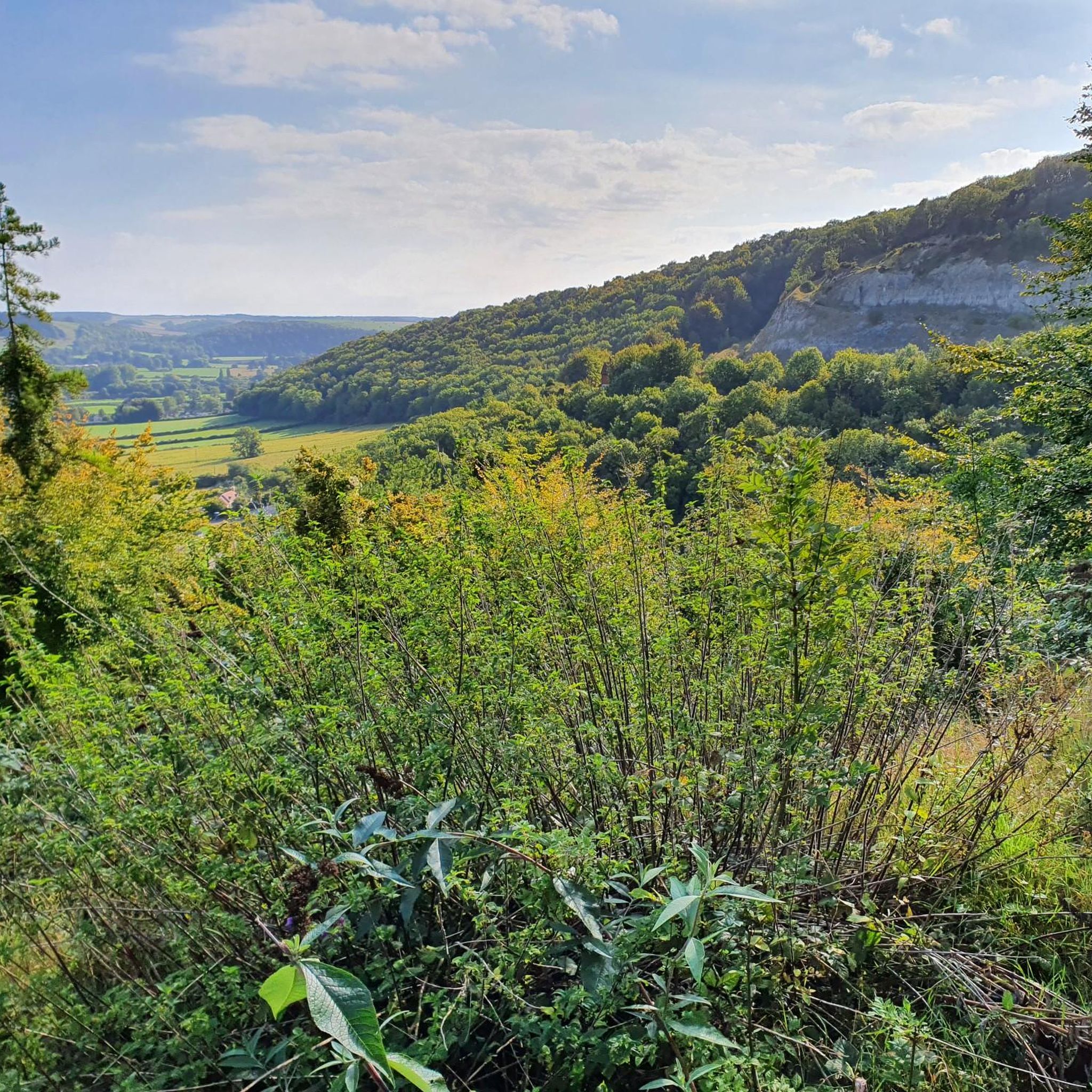
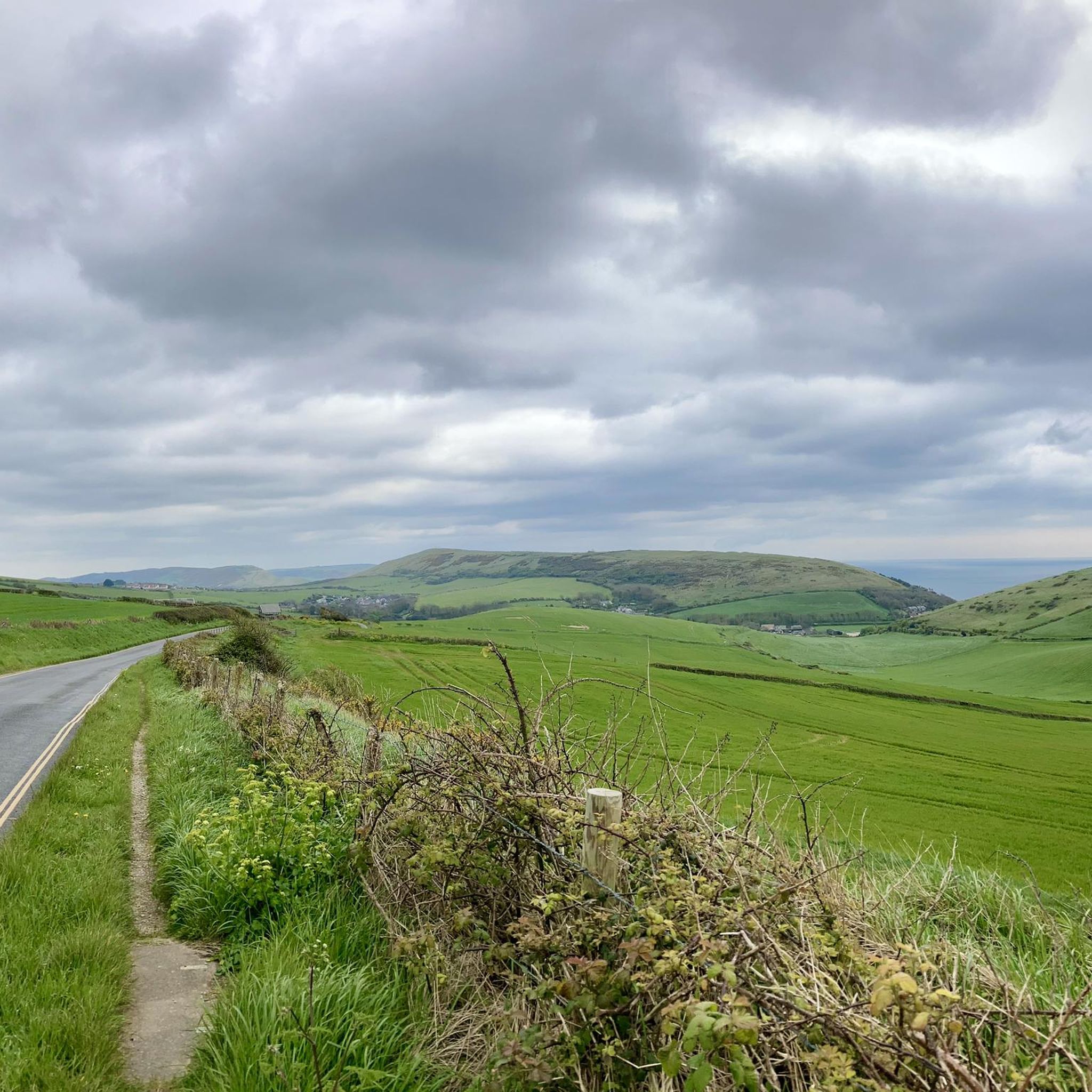
Hiking around Manston offers a network of trails through the gentle landscapes of rural Dorset. The region is characterized by river valleys, historic mill sites, and open countryside, providing varied terrain for exploration. Many routes follow established paths, including sections of the North Dorset Trailway, offering accessible options for different skill levels. The area features modest elevation changes, making it suitable for leisurely walks and moderate hikes.
Best hiking trails around Manston
- The most popular hiking route is Fiddleford Mill…
Last updated: May 4, 2026
4.3
(4)
30
hikers
7.75km
02:05
100m
100m
Moderate hike. Good fitness required. Easily-accessible paths. Suitable for all skill levels.
4.3
(4)
32
hikers
Moderate hike. Good fitness required. Easily-accessible paths. Suitable for all skill levels.

Sign up for free
4.6
(5)
18
hikers
7.03km
01:48
30m
30m
Easy hike. Great for any fitness level. Easily-accessible paths. Suitable for all skill levels.
4.0
(2)
5
hikers
8.24km
02:13
100m
100m
Moderate hike. Good fitness required. Easily-accessible paths. Suitable for all skill levels.
5.0
(1)
18
hikers
4.95km
01:16
20m
20m
Easy hike. Great for any fitness level. Easily-accessible paths. Suitable for all skill levels.
Get access to more routes and recommendations from other explorers.
Sign up for free
Already have an account?
Our route recommendations are based on thousands of hikes, rides, and runs completed by other people on komoot.
Start today with a free account
Your next adventure awaits.
Login or Signup
Tips from the Community

What an absolute cracking pit stop. Extremely good prices on all the food. Only stopped for few coffees and toasted teacakes. Friendly staff and very clean.
0
0
The North Dorset Trailway is a 14-mile multi-use path for walkers, cyclists, and equestrians. It follows the course of the disused Somerset & Dorset Joint Railway line between Sturminster Newton and Spetisbury. The flat, surfaced route is traffic-free and offers beautiful views of the River Stour and the Blackmore Vale countryside.
0
0
Fiddleford Mill is an 18th-century structure near the River Stour, mentioned in the Domesday Book. Although the mill building is disused and not open to the public, it is adjacent to the much older Fiddleford Manor, a magnificent 14th-century English Heritage property known for its spectacular timber roofs.
0
0
It is the Church of England Parish Church and is a notable building, designated as a Grade I Listed structure. History: The present church dates from a rebuild in 1486 by the Abbots of Glastonbury and retains a significant carved wagon roof. A popular walking route goes along Penny Lane and Church Lane to reach the churchyard, which is why it's closely associated with Penny Street.
0
0
Colber Bridge is an elegant Grade II Listed footbridge crossing the River Stour upstream of Sturminster Newton Mill. Built of cast iron and coursed rubble in 1841 by J. Conway, it stands near the ruins of the old railway bridge. It is particularly known as a popular and picturesque spot for wild swimming and is a featured landmark on many local walking trails, offering beautiful views of the Dorset countryside.
0
0
Sturminster Newton 'Castle' is the ruinous remains of a 14th-century medieval manor house constructed within the earthworks of an Iron Age hillfort. Originally belonging to Glastonbury Abbey, it was later granted to Katherine Parr by Henry VIII. The remains, which are on private land, are a Grade II* listed building and a Scheduled Ancient Monument.
0
0
The bridge you are referring to is officially known as Town Bridge (or Sturminster Newton Bridge), though it is often referred to as a "County Bridge" due to its historical significance and maintenance. Here are the key details about this historic structure in Sturminster Newton, Dorset: Historical Significance and Features Age: It is a remarkably old bridge, dating from the late 15th or early 16th century (circa 1500). It replaced a historic fording point on the River Stour. Structure: It is a multi-span stone arch bridge with six two-centred arches spanning the River Stour. Listing Status: It is a Grade I Listed Building (List Entry Number: 1110531) by Historic England, which means it is of exceptional interest. Widening: The bridge was widened from 12ft to 18ft in the 17th century. Later, in 1820, one of the central cutwaters (the pointed projections on the piers) was repaired. Pedestrian Refuges: The bridge features larger, central cutwaters that are corbelled out to form pedestrian refuges (small alcoves) to either side of the roadway. The "Transportation for Life" Plaque One of the most famous and curious features of the bridge is an iron plaque affixed within one of the downstream pedestrian refuges. The inscription on this plaque reads: "ANY PERSON WILFULLY INJURING ANY PART OF THIS COUNTY BRIDGE WILL BE GUILTY OF FELONY AND UPON CONVICTION LIABLE TO BE TRANSPORTED FOR LIFE." This plaque is a reminder of the harsh laws of the 19th century, though it is reported that no one was ever transported for damaging this specific bridge. Literary Connection The bridge holds a connection to English literature. It is the one featured in the poem "On Sturminster Bridge" by Thomas Hardy, who lived in the town from 1876 to 1878 while writing his novel The Return of the Native.
0
0
Here are the key details about this historic structure in Sturminster Newton, Dorset: Historical Significance and Features Age: It is a remarkably old bridge, dating from the late 15th or early 16th century (circa 1500). It replaced a historic fording point on the River Stour. Structure: It is a multi-span stone arch bridge with six two-centred arches spanning the River Stour. Listing Status: It is a Grade I Listed Building (List Entry Number: 1110531) by Historic England, which means it is of exceptional interest. Widening: The bridge was widened from 12ft to 18ft in the 17th century. Later, in 1820, one of the central cutwaters (the pointed projections on the piers) was repaired. Pedestrian Refuges: The bridge features larger, central cutwaters that are corbelled out to form pedestrian refuges (small alcoves) to either side of the roadway.
0
0
Frequently Asked Questions
How many hiking trails are available around Manston?
Manston offers a wide selection of hiking opportunities, with over 220 routes available. These range from leisurely strolls to more moderate excursions through the gentle landscapes of rural Dorset.
Are there easy or short walks suitable for beginners in Manston?
Yes, Manston is well-suited for beginners and those looking for shorter, easier walks. There are nearly 100 easy routes, many of which follow established paths like sections of the North Dorset Trailway. An example is the North Dorset Trailway – Hammoon Manor loop from Manston, an easy 4.4-mile (7.0 km) trail.
Can I find challenging long-distance trails around Manston?
While Manston is known for its gentle terrain, there are some longer, more moderate options available. The region features modest elevation changes, but routes like the A spur-of-the-moment stop in Stur – St Mary’s Church loop from Sturminster Newton offer a moderate 7.7-mile (12.4 km) hike, providing a good workout without extreme difficulty.
Are there family-friendly hiking options in Manston?
Many of the easy and moderate trails around Manston are suitable for families. The gentle terrain and well-defined paths make them accessible for various ages. Look for routes that follow the North Dorset Trailway or explore riverbanks, as these often have fewer steep sections.
Are dogs allowed on the hiking trails near Manston?
Most public footpaths and bridleways in the Manston area are dog-friendly, provided dogs are kept under control, especially around livestock. It's always advisable to keep dogs on a lead and clean up after them to respect the local environment and landowners.
What kind of scenery or landmarks can I expect to see on hikes around Manston?
Hikes around Manston offer views of river valleys, historic mill sites, and open countryside. You can explore significant landmarks such as the Hambledon Hill Iron Age hill fort, the impressive Hod Hill, and the scenic Melbury Beacon, offering historical insights and panoramic views.
Are there any circular hiking routes in Manston?
Yes, many of the trails around Manston are circular, allowing you to start and end at the same point. For instance, the Sturminster Newton Mill – Sturminster Newton Mill loop from Sturminster Newton is a popular moderate circular path exploring riverbanks and fields.
What is the best time of year to go hiking in Manston?
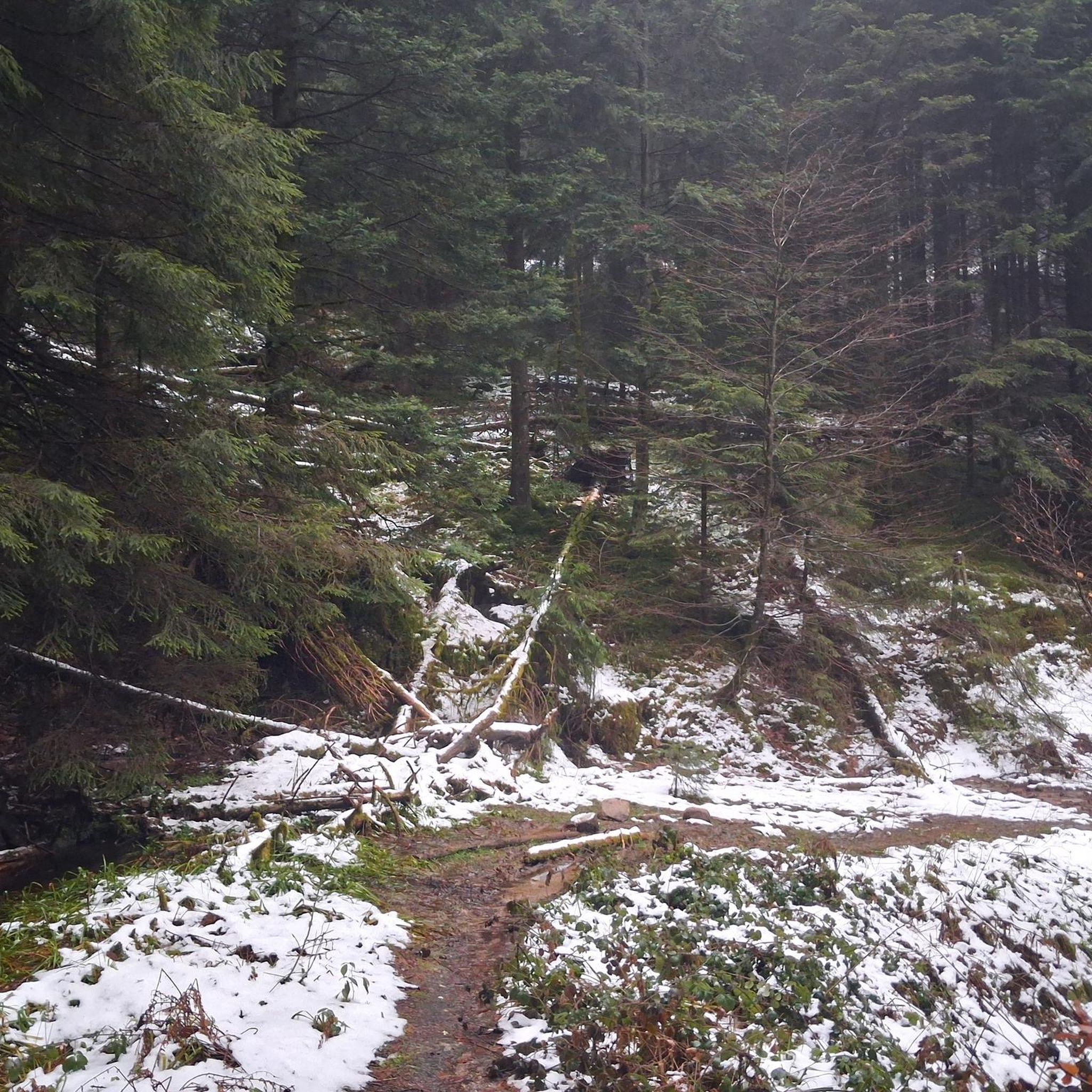
The Manston area is enjoyable for hiking throughout much of the year. Spring brings wildflowers and lush greenery, while summer offers pleasant conditions for longer walks. Autumn provides beautiful foliage, and even winter can be suitable for hiking, especially on well-maintained paths, though some routes might be muddy.
Is it possible to hike in Manston during winter?
Yes, hiking in Manston is possible during winter. The region's modest elevation changes mean trails are generally less exposed to harsh winter conditions compared to mountainous areas. However, paths can become muddy, so appropriate waterproof footwear is recommended. Always check local weather conditions before heading out.
What do other hikers say about the trails in Manston?
The trails around Manston are highly regarded by the komoot community, boasting an average rating of 4.6 stars from over 300 reviews. Hikers frequently praise the area for its peaceful countryside, historic sites, and the accessibility of its well-maintained paths, particularly sections of the North Dorset Trailway.
Are there any hidden gems or less-known spots for walking in Manston?
Beyond the well-trodden paths, exploring the smaller villages and their surrounding footpaths can reveal quieter, charming routes. The area's network of river valleys and historic mill sites often holds secluded spots perfect for a peaceful walk away from the crowds.
Can I find wildflowers on the trails around Manston?
Yes, especially in spring and early summer, the Manston area's meadows and verges come alive with wildflowers. Keep an eye out for areas like the Bluebell Fields in Cranborne Chase & West Wiltshire Downs, which are particularly stunning during their blooming season.
Most popular attractions around Manston

Get inspired with the komoot mobile app


Explore more
Browse the best Hikes in other regions.
