The best cycling routes around East Orchard
4.4
(70)
1,255
riders
190
rides
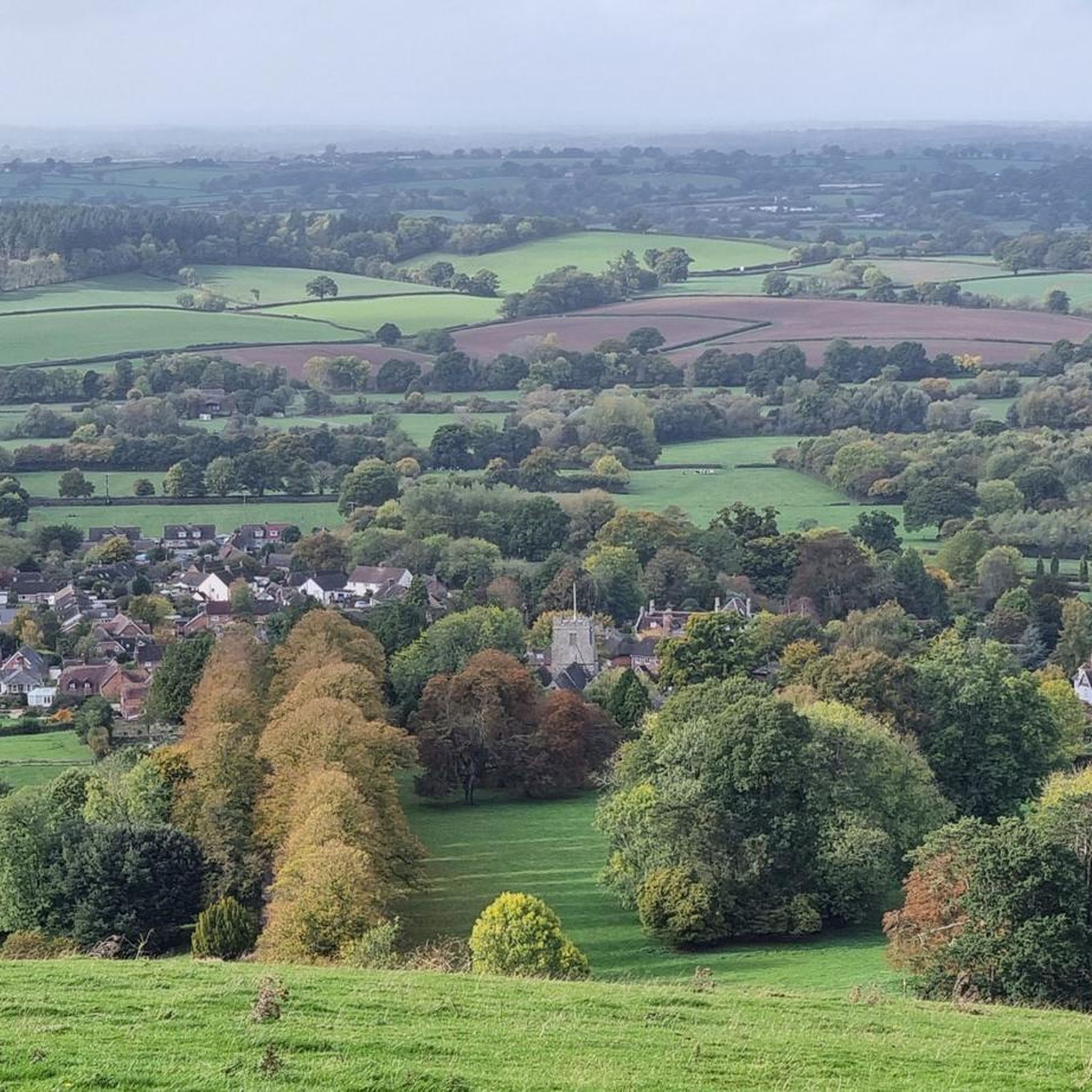
Touring cycling routes around East Orchard traverse the tranquil rural landscape of the Blackmore Vale in Dorset, UK. The region features a network of quiet country lanes, bridleways, and disused railway lines, offering a mix of flat sections and gentle inclines. Key natural features include the River Stour, rolling hills, and prominent hills like Hambledon Hill, providing varied terrain for cyclists.
Best touring cycling routes around East Orchard
- The most popular touring cycling route is Durweston Mill – North Dorset…
Last updated: April 28, 2026
4.0
(1)
12
riders
44.9km
03:04
360m
360m
Moderate bike ride. Good fitness required. Mostly paved surfaces. Suitable for all skill levels.
7
riders
Easy bike ride. Great for any fitness level. Mostly paved surfaces. Suitable for all skill levels.

Sign up for free
6
riders
42.5km
02:42
420m
420m
Moderate bike ride. Good fitness required. Mostly paved surfaces. Suitable for all skill levels.
3.0
(3)
6
riders
8.42km
00:35
40m
40m
Easy bike ride. Great for any fitness level. Mostly paved surfaces. Suitable for all skill levels.
4
riders
49.7km
03:14
430m
430m
Moderate bike ride. Good fitness required. Mostly paved surfaces. Suitable for all skill levels.
Get access to more routes and recommendations from other explorers.
Sign up for free
Already have an account?
Our route recommendations are based on thousands of hikes, rides, and runs completed by other people on komoot.
Start today with a free account
Your next adventure awaits.
Login or Signup

Tips from the Community

Okeford Hill Bike ParkClick to open side panel for more information is a premier downhill mountain biking destination located on the steep northern escarpment of the Dorset Downs, offering some of the most challenging terrain in the region. Diverse Trail Network: The park features a variety of downhill-specific trails that cater primarily to intermediate and advanced riders, including technical "rooty" sections and fast, flowing jumps. Uplift Service: To maximize ride time, the venue provides a dedicated uplift service (usually a tractor and trailer) that shuttles riders from the bottom of the hill back to the summit. Operating Hours: The park is typically open to the public on Saturdays and Sundays from 9:00 AM to 4:00 PM, though it is often closed during the weekdays. Spectacular Setting: Riders can enjoy the same famous views of the Blackmore Vale described from nearby Bell Hill between runs.
0
0
Architectural Features: Chancel: Features single-stage angle-buttresses at the northeast and southeast corners. The east window is a well-proportioned 13th-century design with modern glass. There's a narrow 13th-century doorway in the north wall. Nave: Retains its original late 12th or early 13th-century north wall. It has 15th-century windows and a notable timber roof from the mid-15th century or later, supported by three trusses with moulded principals and tie-beams, decorated with wooden foliate bosses. Font: A 14th-century octagonal bowl on a modern plinth. Pulpit: Dates from 1635 and is an assembly of oak panels with incised ornamentation. Reredos: A late 14th or early 15th-century stone reredos depicting the Crucifixion with figures of saints. It was acquired in 1945. Porch: Added in the 16th century, constructed with Corallian limestone rubble walls and Shaftesbury Sandstone quoins.
0
0
17th Century: A pulpit from 1635 is a notable feature. 19th Century Restorations: The chancel arch was rebuilt and the nave extended to the west in 1885. A wooden belfry was also added in 1885. A more extensive restoration took place in 1896, costing £900. Building Materials: The church incorporates various local Dorset building stones, including Shaftesbury Sandstone, Corallian limestone from Marnhull, and Forest Marble.
0
0
History and Development: Foundation: The church was founded in the 13th century, with the first recorded Rector in 1297. Early Construction: The north wall of the nave, likely from the late 12th or early 13th century, is the oldest surviving part. It was originally an aisleless, two-compartment building. 13th Century Expansion: Around the mid-13th century, the chancel was rebuilt on a larger scale. A project to build a larger nave was started, with the south wall being built, but it was not completed to match the chancel's axis. 15th Century Additions: In the 15th century, new windows were added to the old north wall, and the nave was re-roofed.
0
0
The Church of St Paul in Hammoon, Dorset, is a charming and historically significant parish church, notable for its age and architectural features. It is a Grade I listed building, signifying its exceptional architectural and historic interest. Here's a breakdown of what makes St Paul's Church, Hammoon, special:
0
0
Victorian Additions: Major rebuilding occurred in the 19th century. The south wall of the nave was extended to create a new south aisle and porch in 1852, and the chancel was rebuilt in 1881. Wall Paintings: The church features 16th and 18th-century wall paintings, including a mural painting of the Creed and the Lord's Prayer above the chancel arch, dating from Queen Anne's reign (1665-1714). Rood-Loft Stairway: There is a rood-loft stairway on the northern side of the chancel arch, which would have led to a rood loft stretching across the chancel arch, typically holding figures of the Cross, St Mary the Virgin, and St John the Baptist. Consecration Crosses: Traces of Consecration Crosses, traditionally incised into churches during the Middle Ages as visible signs of dedication, can be found on either side of the oak screen below the west gallery (from the Charles I period). Stained Glass: While much of the stained glass is 19th-century, there is one small piece of medieval glass in a north aisle window. The east window of the chancel has a good example of William Morris factory stained glass.
0
0
Splendid 15th-Century Tower: A prominent feature of the church is its impressive 15th-century tower, which can be seen for miles around and is considered by some to be the finest example in Dorset. Norman Remnants: While largely 15th-century in its present form, the church retains an intriguing lone Norman pier decorated with scallops and masks in the north arcade, indicating a substantial building on the site from that early period. A 12th-century font bowl also survives. Coffered Nave Roof: The nave boasts a richly coffered roof from about 1520 with carved panels. Hussey Chapel: The north transept was incorporated into a north chapel, now known as the Hussey Chapel, named after one of Marnhull's prominent families. This chapel contains the Carent tomb, an alabaster effigy of a knight with his two wives, dated 1450. The somewhat mutilated state of the effigies is thought to be due to thieves stealing alabaster to make dies for coins.
0
0
St Gregory's Church in Marnhull, Dorset, is a truly remarkable and historically significant parish church. It's a Grade I listed building and plays a central role in the life of the large rural village. Here's a detailed look at St Gregory's Church: Ancient Roots: The church's origins are deeply rooted in history, with construction beginning around 1150 AD on the site of a former Saxon church. The first Rector was appointed about 100 years later. Expansion Over Centuries: The church has evolved over many centuries. What is now the Hussey Chapel (housing the Carent tomb) dates back to 1250. A north aisle, bell tower, and in the Victorian era (around 1850), a new south aisle and chancel were added. Thomas Hardy Connection: St Gregory's holds a literary connection, being one of the locations for Thomas Hardy's novel Tess of the D'Urbervilles. The churchyard is where Tess's baby, Sorrow, was buried, and her attendance at a service is described in the book. Continuous Worship: Despite its age, St Gregory's remains an active place of worship with a reasonably sized congregation and is spiritually significant to a wider community who attend major festivals.
0
0
Frequently Asked Questions
How many touring cycling routes are available around East Orchard?
East Orchard and its surrounding area offer a wide variety of touring cycling routes, with nearly 200 options available. These routes cater to different skill levels, from easy rides through tranquil lanes to more challenging ascents with expansive views.
What kind of terrain can I expect on touring cycling routes in East Orchard?
The terrain around East Orchard is characterized by the tranquil rural landscape of the Blackmore Vale. You'll find a network of quiet country lanes and bridleways, offering a mix of flat sections along the River Stour and gentle to challenging inclines as you approach prominent hills like Hambledon Hill and Bulbarrow Hill. The region is known for its picturesque fields and historic orchards.
Are there any easy touring cycling routes suitable for beginners or families?
Yes, East Orchard has several easy touring cycling routes perfect for beginners or families. For instance, the Gold Hill Organic Farm Café – Pig Pen Paradise loop from North Dorset is an easy 14-mile (22.5 km) ride with minimal elevation gain, offering a pleasant experience through the countryside. The region's quiet rural roads and dedicated trails like parts of the North Dorset Trailway are generally accessible.
Where can I find challenging touring cycling routes with significant climbs?
For a more challenging experience, consider routes that venture into the higher elevations. The View from Bulbarrow Hill – View of the Dorset Countryside loop from Shillingstone is a difficult 39-mile (62.8 km) route that includes significant climbs, rewarding cyclists with expansive panoramic views of the Dorset countryside from Bulbarrow Hill, which is the highest point in the Dorset Downs.
Are there any circular touring cycling routes in the area?
Many of the touring cycling routes around East Orchard are designed as loops, allowing you to start and finish in the same location. An example is the Durweston Mill – North Dorset Trailway loop from Hammoon, a moderate 18-mile (28.9 km) route that follows sections of the North Dorset Trailway, providing a scenic circular journey.
What are some notable landmarks or viewpoints I can see along the cycling routes?
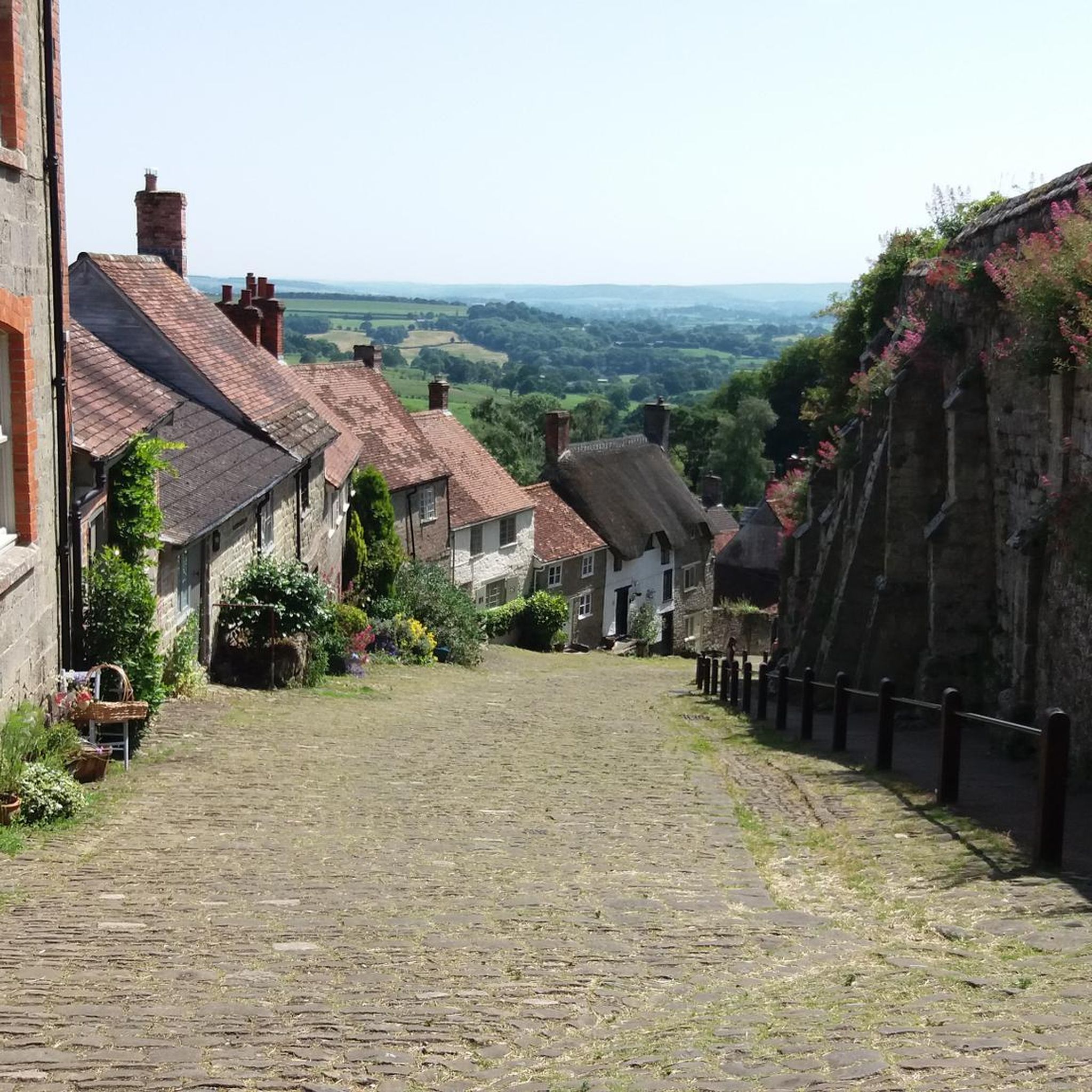
The routes offer views of several iconic landmarks and natural features. You can enjoy sights of Hambledon Hill Iron Age hill fort, a prominent Neolithic landscape, and the picturesque Melbury Beacon. For breathtaking panoramic vistas, routes often pass near Win Green Summit, the highest point in the Cranborne Chase, offering views extending to the Isle of Wight on clear days. Additionally, the famous Gold Hill in Shaftesbury is also nearby.
What do other touring cyclists enjoy most about East Orchard?
The touring cycling experience in East Orchard is highly rated by the komoot community, with an average score of 4.4 stars from over 70 reviews. Cyclists frequently praise the tranquil rural landscape, the network of quiet country lanes, and the scenic views of prominent hills and the River Stour. The variety of routes catering to different abilities is also a popular aspect.
Are there any routes that follow dedicated cycle paths or old railway lines?
Yes, the region benefits from dedicated cycle paths, often utilizing old railway lines. The North Dorset Trailway, for example, largely tracks an old railway line along the River Stour, offering wide, well-surfaced, and mostly flat paths. The View of Hod Hill – Durweston Mill loop from Shillingstone incorporates sections through this area, providing a pleasant ride away from traffic.
When is the best time of year to go touring cycling in East Orchard?
The best time for touring cycling in East Orchard is generally from spring through autumn (April to October). During these months, the weather is typically milder and drier, making for more comfortable rides through the Blackmore Vale's orchards and fields. The landscape is particularly vibrant in spring and early summer, and the autumn colours are also very appealing.
Are there places to stop for refreshments or accommodation along the routes?
Yes, the area around East Orchard is dotted with charming English villages and market towns where you can find cafes, pubs, and accommodation. Many routes are designed to pass through or near these spots, allowing for convenient breaks. For example, the Gold Hill Organic Farm Café – Pig Pen Paradise loop from North Dorset explicitly mentions a cafe in its name, indicating opportunities for refreshments.
Is there public transport access to the cycling routes around East Orchard?
While East Orchard itself is a small village, the broader Dorset area has some public transport options. For detailed information on bus routes and train services that might connect to starting points of cycling trails, it's advisable to check the local Dorset Council website for public transport information. Many routes are accessible by car, with parking often available in nearby villages or trailheads.
What is the average distance and elevation gain for touring routes in East Orchard?
The routes vary significantly in distance and elevation. Easy routes like the Gold Hill Organic Farm Café – Pig Pen Paradise loop from North Dorset cover about 14 miles (22.5 km) with minimal elevation. Moderate routes, such as the View of Hod Hill – Durweston Mill loop from Compton Abbas, can be around 28 miles (44.8 km) with approximately 360 meters of elevation gain. Difficult routes, like the one to Bulbarrow Hill, can extend to nearly 40 miles (62.8 km) with close to 900 meters of climbing.
Most popular attractions around East Orchard

Get inspired with the komoot mobile app


Explore more
Browse the best Cycling routes in other regions.
