The best road cycling routes around Todber
4.7
(66)
2,201
riders
267
rides
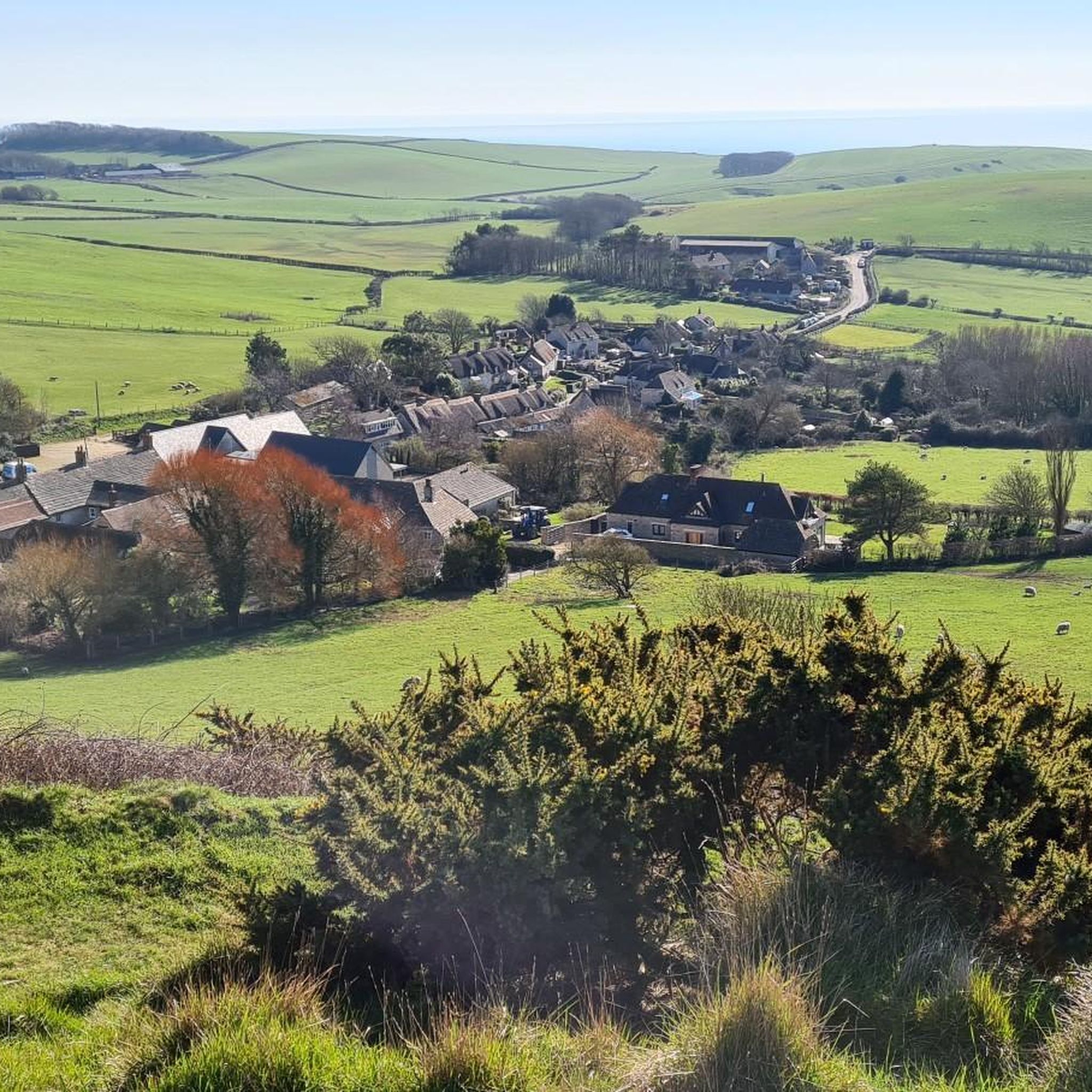
Road cycling around Todber features a landscape characterized by rolling agricultural land, rural villages, and river valleys. The area offers a network of routes that traverse the North Dorset countryside, with some gentle ascents and descents. Road cyclists can expect to encounter open fields, quiet country lanes, and occasional views of the surrounding hills. The terrain is generally accessible, providing varied options for different cycling preferences.
Best road cycling routes around Todber
- The most popular road cycling route is Piglets…
Last updated: November 2, 2026
21
riders
Easy road ride. Mostly well-paved surfaces and easy to ride.
14
riders
37.0km
01:41
280m
280m
Easy road ride. Mostly well-paved surfaces and easy to ride.

9
riders
28.0km
01:26
190m
190m
Easy road ride. Mostly well-paved surfaces and easy to ride.
6
riders
Moderate road ride. Good fitness required. Mostly well-paved surfaces and easy to ride.
8
riders
Easy road ride. Mostly well-paved surfaces and easy to ride.
Get access to more routes and recommendations from other explorers.
Already have an account?
Our route recommendations are based on thousands of hikes, rides, and runs completed by other people on komoot.
Start today with a free account
Your next adventure awaits.
Tips from the Community

The bridge you are referring to is officially known as Town Bridge (or Sturminster Newton Bridge), though it is often referred to as a "County Bridge" due to its historical significance and maintenance. Here are the key details about this historic structure in Sturminster Newton, Dorset: Historical Significance and Features Age: It is a remarkably old bridge, dating from the late 15th or early 16th century (circa 1500). It replaced a historic fording point on the River Stour. Structure: It is a multi-span stone arch bridge with six two-centred arches spanning the River Stour. Listing Status: It is a Grade I Listed Building (List Entry Number: 1110531) by Historic England, which means it is of exceptional interest. Widening: The bridge was widened from 12ft to 18ft in the 17th century. Later, in 1820, one of the central cutwaters (the pointed projections on the piers) was repaired. Pedestrian Refuges: The bridge features larger, central cutwaters that are corbelled out to form pedestrian refuges (small alcoves) to either side of the roadway. The "Transportation for Life" Plaque One of the most famous and curious features of the bridge is an iron plaque affixed within one of the downstream pedestrian refuges. The inscription on this plaque reads: "ANY PERSON WILFULLY INJURING ANY PART OF THIS COUNTY BRIDGE WILL BE GUILTY OF FELONY AND UPON CONVICTION LIABLE TO BE TRANSPORTED FOR LIFE." This plaque is a reminder of the harsh laws of the 19th century, though it is reported that no one was ever transported for damaging this specific bridge. Literary Connection The bridge holds a connection to English literature. It is the one featured in the poem "On Sturminster Bridge" by Thomas Hardy, who lived in the town from 1876 to 1878 while writing his novel The Return of the Native.
0
0
Here are the key details about this historic structure in Sturminster Newton, Dorset: Historical Significance and Features Age: It is a remarkably old bridge, dating from the late 15th or early 16th century (circa 1500). It replaced a historic fording point on the River Stour. Structure: It is a multi-span stone arch bridge with six two-centred arches spanning the River Stour. Listing Status: It is a Grade I Listed Building (List Entry Number: 1110531) by Historic England, which means it is of exceptional interest. Widening: The bridge was widened from 12ft to 18ft in the 17th century. Later, in 1820, one of the central cutwaters (the pointed projections on the piers) was repaired. Pedestrian Refuges: The bridge features larger, central cutwaters that are corbelled out to form pedestrian refuges (small alcoves) to either side of the roadway.
0
0
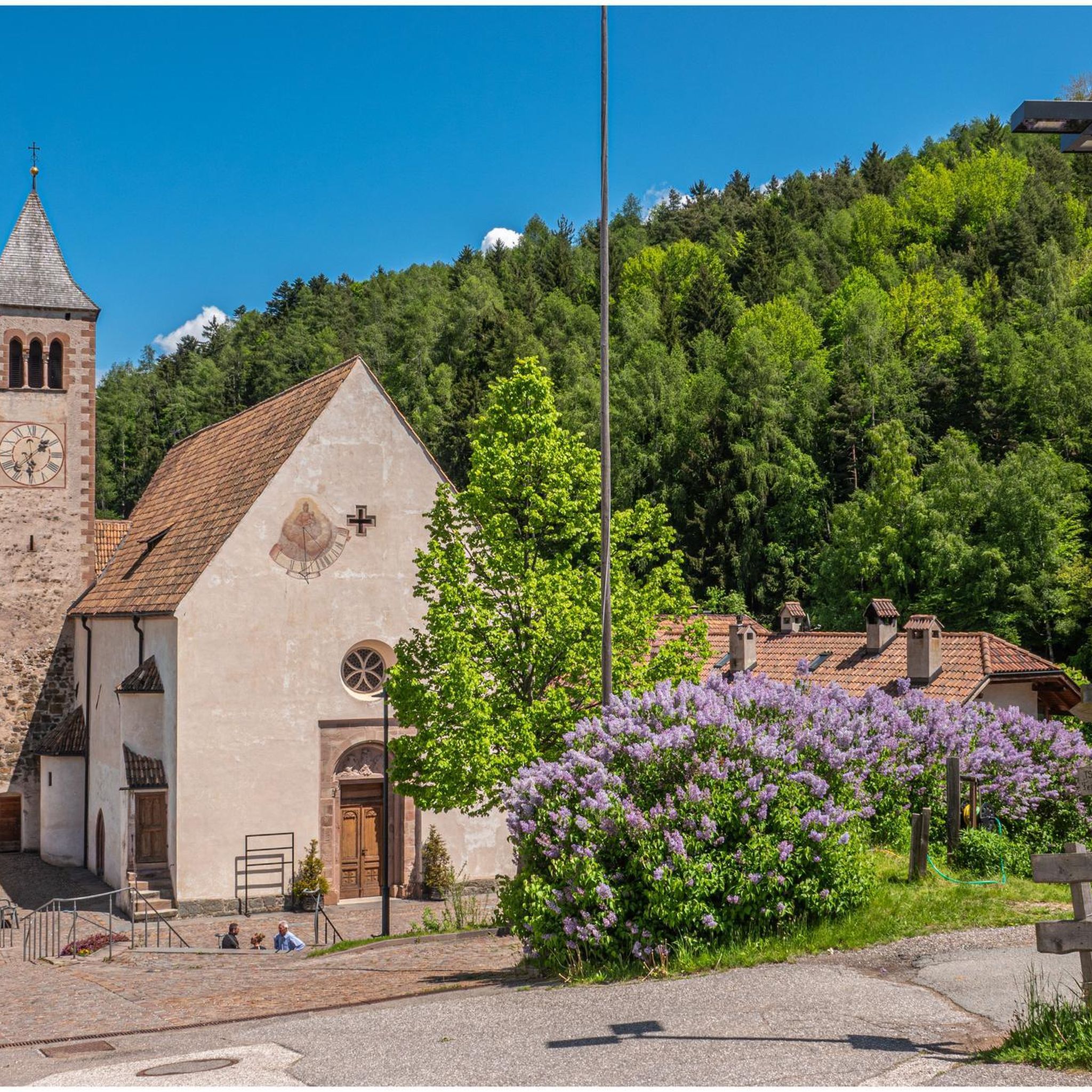
St Peter's Church is the oldest church in Shaftesbury, located at the top of the famous Gold Hill, right next to the ruins of Shaftesbury Abbey. It is a key historic building and a prominent part of the town's landscape. St Peter's Church was originally built in the 14th century to serve pilgrims visiting the nearby Shaftesbury Abbey. Due to economic hardships, such as the Black Death, its construction was prolonged, resulting in a mix of architectural styles, including Decorated and Perpendicular Gothic. The lower part of the tower is the oldest section of the current building. The nave and its arcades are from the 14th century, while the clerestory and the panelled oak roofs were added in the 15th and 16th centuries. The church also features a crypt under its south aisle. Decline and Restoration: By the late 19th century, St Peter's fell into disuse and disrepair. It was even used as a grain store during World War II. In 1971, it was officially declared redundant. However, a major restoration effort was launched by local groups, and in 1977, it was rededicated and became the parish church of Shaftesbury once again. It was the first church in the country to be re-established as a full-time parish church after being declared redundant.
0
0
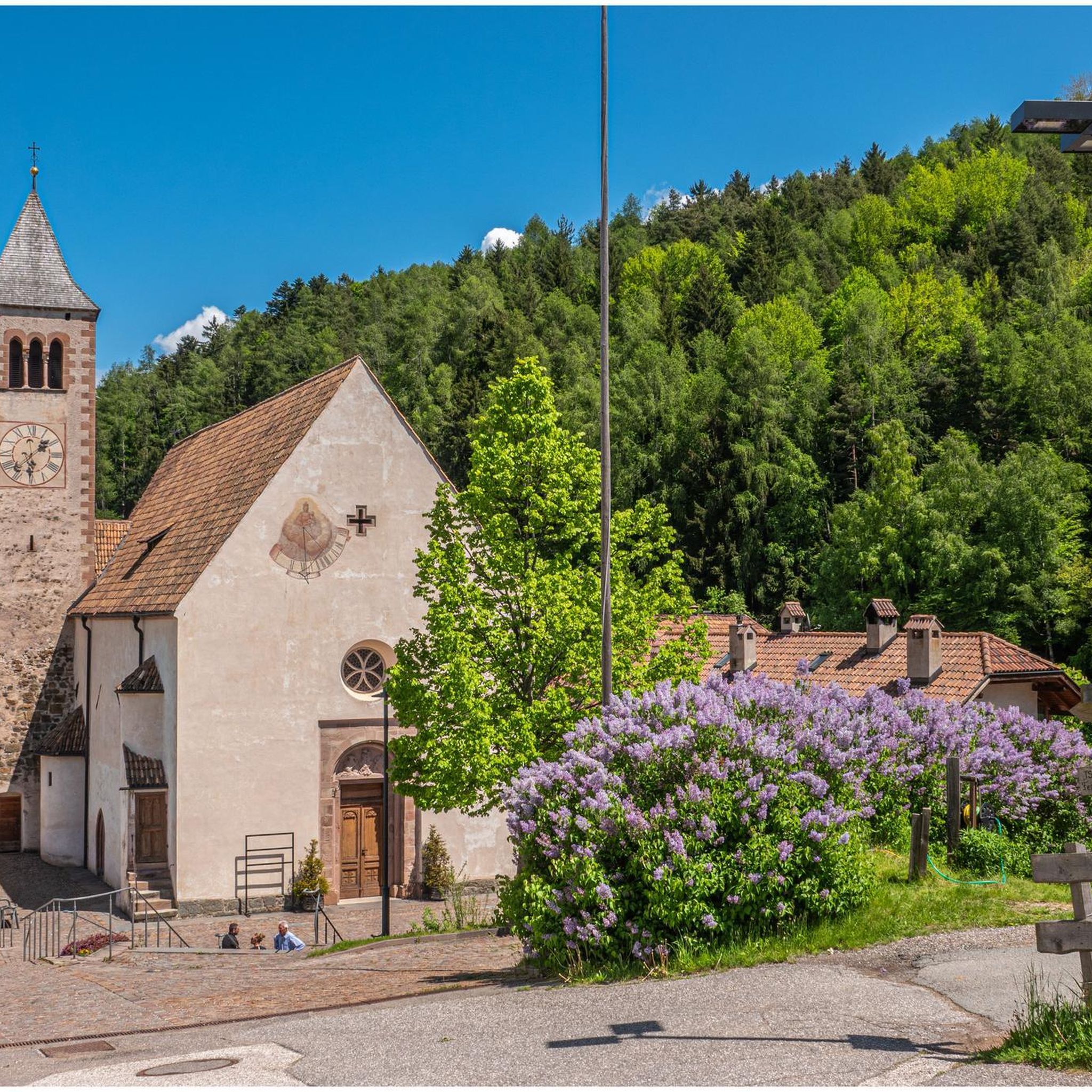
Holy Trinity Church in Shaftesbury is a Grade II listed building with a rich history, but it is no longer a consecrated place of worship. Today, it is known as the Trinity Centre, a vibrant community hub. The current building, designed in the Early English Gothic Revival style by the famous architect Sir George Gilbert Scott, was largely built between 1841 and 1842 on the site of an even older medieval church. The new building featured a 100-foot-tall western tower and a chancel that was added in 1908. It was the principal Anglican parish church in Shaftesbury for over a century, even as the nearby St Peter's Church fell into disuse. However, with declining congregation numbers, Holy Trinity was made redundant as a parish church in 1977. Its congregation was transferred back to the newly restored St Peter's Church, and the Holy Trinity building was sold. I find it weird how a church can be sold off to become a selection of business's, while still keeping its graveyard.
0
0


The old hill forts offer terrific views once you get towards the top but if you are riding be prepared for plenty of pushing. It isn't flat.
0
1
Frequently Asked Questions
How many road cycling routes are available around Todber?
There are over 300 road cycling routes available around Todber, catering to various skill levels. This includes more than 80 easy routes, over 200 moderate options, and a selection of challenging rides for experienced cyclists.
Are there easy road cycling routes suitable for beginners in Todber?
Yes, Todber offers a good selection of easy road cycling routes perfect for beginners. One popular option is the Piglets in Pasture loop from Stour Provost, which is 12.8 miles (20.7 km) and takes about 1 hour 4 minutes through pastoral scenery. Another easy choice is the North Dorset Trailway – Blandford Forum Market Place loop from Manston, an easy 23.0 miles (37.0 km) path that combines sections of a multi-use trailway with village exploration.
What is the typical length of road cycling routes in Todber?
Road cycling routes around Todber vary in length, offering options for different preferences. Many routes range from approximately 12 to 25 miles (20 to 40 km). For example, the Gold Hill Organic Farm Café – Child Okeford Village loop from Todber is 17.4 miles (28.0 km), while the Fifehead Magdalen Church – Sturminster Newton Mill loop from HMP Guys Marsh extends to nearly 25 miles (39.9 km).
Where do road cycling routes typically start in the Todber area?
Road cycling routes in the Todber area often start from various villages and hamlets, allowing for convenient access. Common starting points include Stour Provost, Manston, Todber itself, and areas near HMP Guys Marsh. Specific starting locations are detailed on each individual route page.
Are there challenging road cycling routes for experienced cyclists in Todber?
While Todber is known for its rolling agricultural landscapes and quiet country lanes, there are 17 routes classified as difficult for those seeking more of a challenge. These routes often feature more significant ascents and descents within the North Dorset countryside.
What kind of scenery can I expect on road cycling routes around Todber?
Road cycling around Todber offers picturesque scenery characterized by rolling agricultural land, rural villages, and river valleys. You can expect to encounter open fields, quiet country lanes, and occasional views of the surrounding hills, providing a classic English countryside experience.
What do other road cyclists enjoy the most about road cycling in Todber?
The area is highly rated by the komoot community, with an average score of 4.6 stars from over 60 reviews. Reviewers often praise the quiet country lanes, the charming village settings, and the varied terrain that offers options for different ability levels. Many appreciate the pastoral scenery and the opportunity to explore the North Dorset countryside.
Are there any circular road cycling routes in Todber?
Yes, many of the road cycling routes around Todber are designed as circular loops, allowing you to start and finish in the same location. Examples include the Gold Hill, Shaftesbury – St Peter's Church, Shaftesbury loop from HMP Guys Marsh, which is an easy 17-mile (27.3 km) ride, and the Gold Hill Organic Farm Café – Child Okeford Village loop from Todber.
What interesting landmarks or attractions can I see along road cycling routes near Todber?
As you cycle around Todber, you can encounter several interesting landmarks and attractions. Highlights include the historic Shillingstone Railway Station & Museum, the ancient Hambledon Hill Iron Age hill fort offering panoramic views, and the iconic Gold Hill in Shaftesbury. You might also ride sections of the North Dorset Trailway.
Are there any natural monuments or viewpoints to discover while cycling in Todber?
Yes, the Todber area features several natural monuments and viewpoints. Besides the impressive Hambledon Hill Iron Age hill fort, which offers great views, you can also find Fontmell Down, another scenic viewpoint. The region also boasts natural beauty spots like Bluebell Fields in Cranborne Chase & West Wiltshire Downs during spring, and the ancient Wyndham's Oak.
When is the best time of year for road cycling in Todber?
The best time for road cycling in Todber is generally from spring through autumn, when the weather is milder and the countryside is in full bloom. The quiet country lanes and open fields are particularly enjoyable during these seasons. While winter cycling is possible, be prepared for potentially colder, wetter conditions and shorter daylight hours.
Most popular attractions around Todber

Get inspired with the komoot mobile app


Explore more
Browse the best Road cycling routes in other regions.
