Attractions and Places To See around Womenswold - Top 20
Best attractions and places to see around Womenswold include its picturesque countryside and historical sites. This tranquil village in Kent, England, is set within a designated Area of Outstanding Natural Beauty, offering a relaxed atmosphere. Womenswold is also located on the Via Francigena, an ancient pilgrimage route, connecting it to significant historical journeys. The area provides opportunities for exploring natural landscapes and cultural landmarks.
Best attractions and places to see around Womenswold
- The most popular attractions is St. Thomas of…
Last updated: October 9, 2026
Pilgrims Way from Patrixbourne to Canterbury
Highlight (Segment) • Trail
Translated by Google •
Tip by

St. Thomas of Canterbury Catholic Church
Highlight • Religious Site
Translated by Google •
Tip by
Sign up now to discover places like this
Get recommendations on the best single tracks, peaks, & plenty of other exciting outdoor places.
St Mary's Church, Patrixbourne
Highlight • Religious Site
Translated by Google •
Tip by
Church of St Nicholas, Barfreston
Highlight • Religious Site
Translated by Google •
Tip by
St Martin's Church, Canterbury
Highlight • Religious Site
Translated by Google •
Tip by
Sign up for free to discover even more attractions around Womenswold.
Already have an account?
Start today with a free account
Your next adventure awaits.


Tips from the Community

The oldest church in England in which services are held without interruption. It was the parish church of Queen Berta of Tours in the 6th century. Queen Berta supported St. Augustine of Canterbury in his mission.
0
0
In this Roman Catholic church are two relics of Thomas of Canterbury (Thomas Becket). A finger bone and a piece of his garment are among the very few (or the only) surviving relics. The large tomb with his body in the cathedral was destroyed by King Henry VIII. There are also mementos of the martyr bishop Oscar Romero of San Salvador, who, like Thomas Becket, was murdered (shot) during a service in his cathedral. A third martyr for the sake of faith remembered here is Franz Jägerstätter. He came from St. Radegund in Upper Austria and was murdered during the Nazi regime for refusing military service for religious reasons of conscience. His wife Franziska Jägerstätter strongly supported him in his faith and his stance of non-violence. Together with their three daughters, she experienced his beatification in the Linz Cathedral in 2007. https://www.dioezese-linz.at/portal/glaubenfeiern/heiligezeiten/seligeheilige/article/1740.html
0
0

St. Martin's is the oldest church in the English-speaking world and is referred to as the mother church of Canterbury Cathedral. The chancel is the oldest part of the church, with Roman brickwork, and may therefore date from the Roman era or have been built in the mid-6th century from salvaged bricks. The church was gifted in the late 6th century by the pagan King Ethelbert of Kent to his French bride Bertha, who was a Christian, as a place of worship. In 595, Pope Gregory sent Augustine and a group of monks to evangelize the population of England. Upon Augustine's arrival in 597, Ethelbert allowed them to worship in St. Martin's. Soon after, Ethelbert was baptized a Christian here by Augustine. Augustine established his mission at St. Martin's before founding the first St. Augustine's Abbey and Canterbury Cathedral.
0
0

Those who wish to experience the Pilgrim's Way to Canterbury Cathedral not just as a leisurely long-distance hike (whether on foot or the faster option by bicycle), but who consciously wish to travel in the medieval tradition as pilgrims, may find some inspiration on this website =>> https://www.pilgrimways.org.uk/the-pilgrims-way-winchester-southwark-to-canterbury
0
0

Fab way to head out of Canterbury. Direct link between the City and Patrixbourne
1
0

St. Thomas of Canterbury Catholic Church
0
0

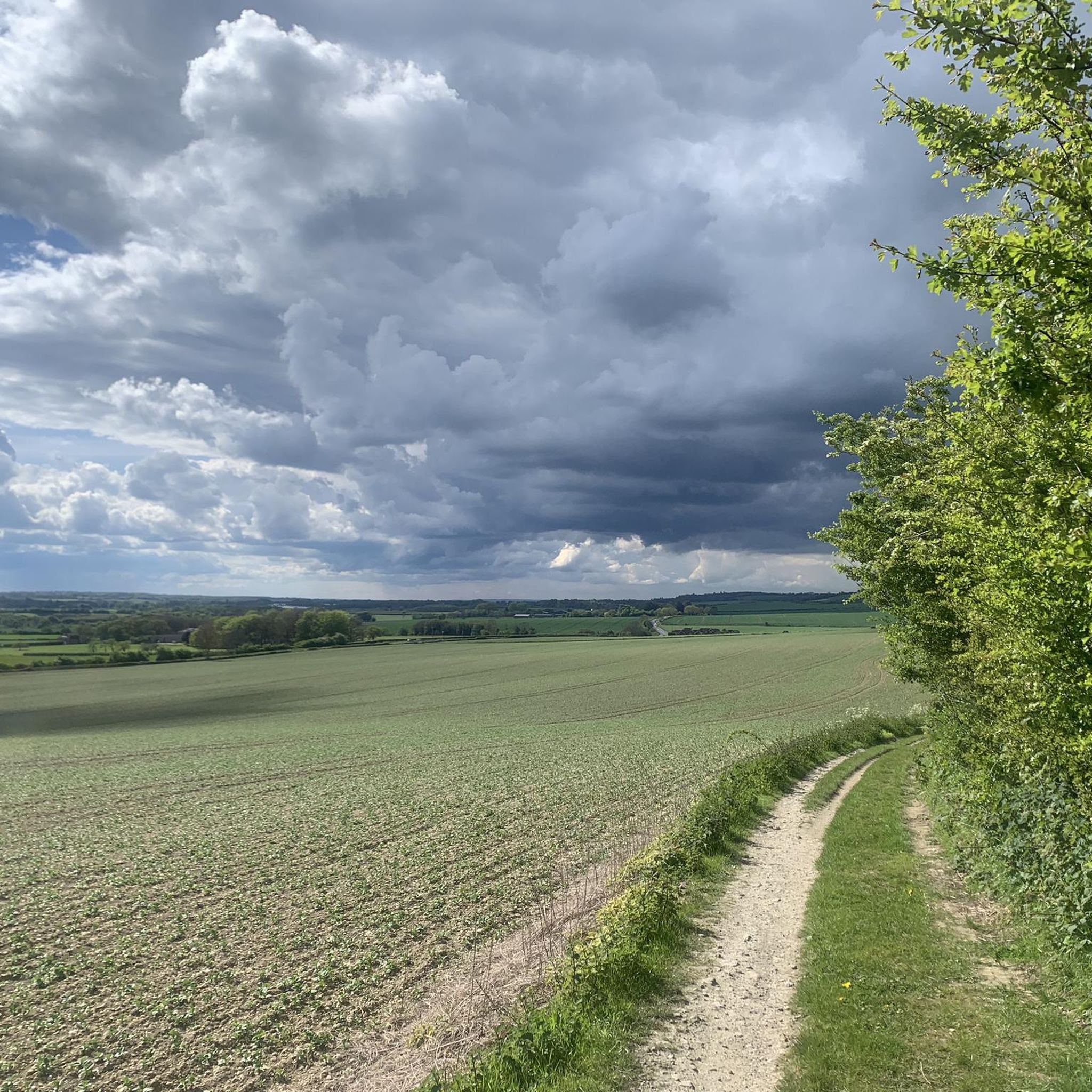
Nice gravely path, look out for dog walkers and runners.
1
0
Frequently Asked Questions
What historical and religious sites can I visit near Womenswold?
Womenswold is surrounded by significant historical and religious sites. You can explore St. Thomas of Canterbury Catholic Church, known for its Gothic Revival style and relics of Thomas Becket. Another must-see is St Mary's Church, Patrixbourne, a beautiful Norman church with intricate carvings. Don't miss St Martin's Church, Canterbury, which is the oldest church in the English-speaking world still in use. Additionally, the Norman Church of St Nicholas in Barfreston is celebrated for its 12th-century architecture.
Are there any notable natural attractions close to Womenswold?
Yes, Womenswold is nestled within a designated Area of Outstanding Natural Beauty, offering picturesque countryside and woodlands ideal for outdoor activities. A short drive away, you can experience the iconic White Cliffs of Dover, providing stunning coastal views. The village itself is characterized by its tranquil rural charm.
What are some family-friendly attractions around Womenswold?
For families, the area offers several engaging options. The village green in Womenswold is a central gathering spot. Nearby, you can visit wildlife parks such as Howletts Wild Animal Park and Wingham Wildlife Park, both offering exciting experiences with animals. Many of the historical churches, including St. Thomas of Canterbury Catholic Church and St Mary's Church, Patrixbourne, are also categorized as family-friendly.
Can I find hiking trails near Womenswold?
Absolutely. Womenswold is an excellent base for hiking. You can explore various easy hikes, such as the 'View of Barham loop from Barham' or the 'Wild Red Berries – Adisham Baptist Chapel loop from Aylesham'. For more options, check out the Easy hikes around Womenswold guide.
Are there options for cycling around Womenswold?
Yes, the scenic countryside around Womenswold is perfect for cycling. You can find routes like the 'Dover Castle – View of Dover Castle loop from Shepherdswell' for a challenging ride, or the 'Shepherdswell – Woodland Lane loop from Shepherdswell' for a moderate tour. Discover more routes in the Cycling around Womenswold guide.
What running routes are available in the Womenswold area?
Runners will find several routes around Womenswold. Options include the 'Bonnington Wood loop from Aylesham' and the 'View of the Countryside Lane – Shepherdswell loop from Shepherdswell', both offering moderate challenges. For a comprehensive list, refer to the Running Trails around Womenswold guide.
Is Womenswold connected to any long-distance walking routes?
Yes, Womenswold is notably located on the Via Francigena, an ancient pilgrimage route that stretches from England to Rome. This route follows the North Downs Way from Canterbury to Dover, offering a unique historical walking experience. A specific highlight is the Pilgrims Way from Patrixbourne to Canterbury, which is part of this historic path.
What makes St. Mary's Church in Patrixbourne unique?
St Mary's Church, Patrixbourne is a beautiful Norman church, dating from the 12th century. It is renowned for its richly decorated south door, featuring a tympanum depicting Christ in Majesty surrounded by carved animals and mythical creatures. The church also boasts impressive stained glass windows, including Swiss glass from the 16th and 17th centuries, and is built mainly of flint with Caen stone details.
What is the significance of St. Martin's Church in Canterbury?
St Martin's Church, Canterbury holds immense historical importance as the oldest church in the English-speaking world that is still in use. Dating back to before 597 AD, it was originally Queen Bertha of Kent's private chapel and is part of a UNESCO World Heritage Site alongside Canterbury Cathedral and St. Augustine’s Abbey. It also lies on the Via Francigena pilgrimage route.
Are there any hidden gems or less-known historical sites in Womenswold itself?
Within Womenswold, the small medieval St. Margaret of Antioch Church is a significant Grade I listed landmark. Believed to have Saxon origins and established between the 12th and 13th centuries, it serves the local hamlets and offers a glimpse into the village's deep history. Womenswold itself, with its traditional street view and quiet charm, can be considered a hidden gem for those seeking a tranquil escape.
What do visitors enjoy most about the Womenswold area?
Visitors to Womenswold appreciate its tranquil, rural charm and the abundance of historical and natural beauty. The area is highly rated for its picturesque countryside, opportunities for walking and cycling, and its connection to ancient pilgrimage routes. The komoot community has shared many photos and given positive upvotes for the attractions, highlighting the area's appeal for exploring cultural landmarks and natural landscapes.
What is the best time of year to visit Womenswold for outdoor activities?
Womenswold's picturesque countryside and woodlands are ideal for outdoor activities throughout much of the year. Spring and summer offer pleasant weather for walking, cycling, and enjoying the village green. Autumn brings beautiful foliage, while even winter walks can be charming, though some routes might be muddy. The area's natural beauty can be appreciated in all seasons, depending on your preference for weather and activity.

Get inspired with the komoot mobile app


Explore more
Still not found the Highlight you’re looking for? See guides of the top attractions in other regions:
