Attractions and Places To See around Ospringe - Top 20
Best attractions and places to see around Ospringe, Kent, offer a blend of historical landmarks, cultural sites, and natural features. The area's rich past includes Roman and medieval connections, providing numerous points of interest for exploration. Visitors can explore ancient roads, medieval buildings, and unique natural monuments within the Ospringe area. This region provides diverse attractions for those interested in history and the outdoors.
Best attractions and places to see around Ospringe
- The most popular attractions is Chilham Square,…
Last updated: June 22, 2026
Chilham Square
Highlight • Historical Site
Tip by

Lenham Cross
Highlight • Natural Monument
Translated by Google •
Tip by

Sign up now to discover places like this
Get recommendations on the best single tracks, peaks, & plenty of other exciting outdoor places.
Sign up for free
St Thomas the Apostle Church, Harty
Highlight • Religious Site
It's a basic church in a remote setting and has no electricity.
Tip by

Church of St Mary Magdalene and St Lawrence, Faversham
Highlight • Historical Site
Tip by

Abbey Street, Faversham
Highlight • Historical Site
Tip by

Sign up for free to discover even more attractions around Ospringe.
Sign up for free
Already have an account?
Start today with a free account
Your next adventure awaits.
Login or Signup

Tips from the Community


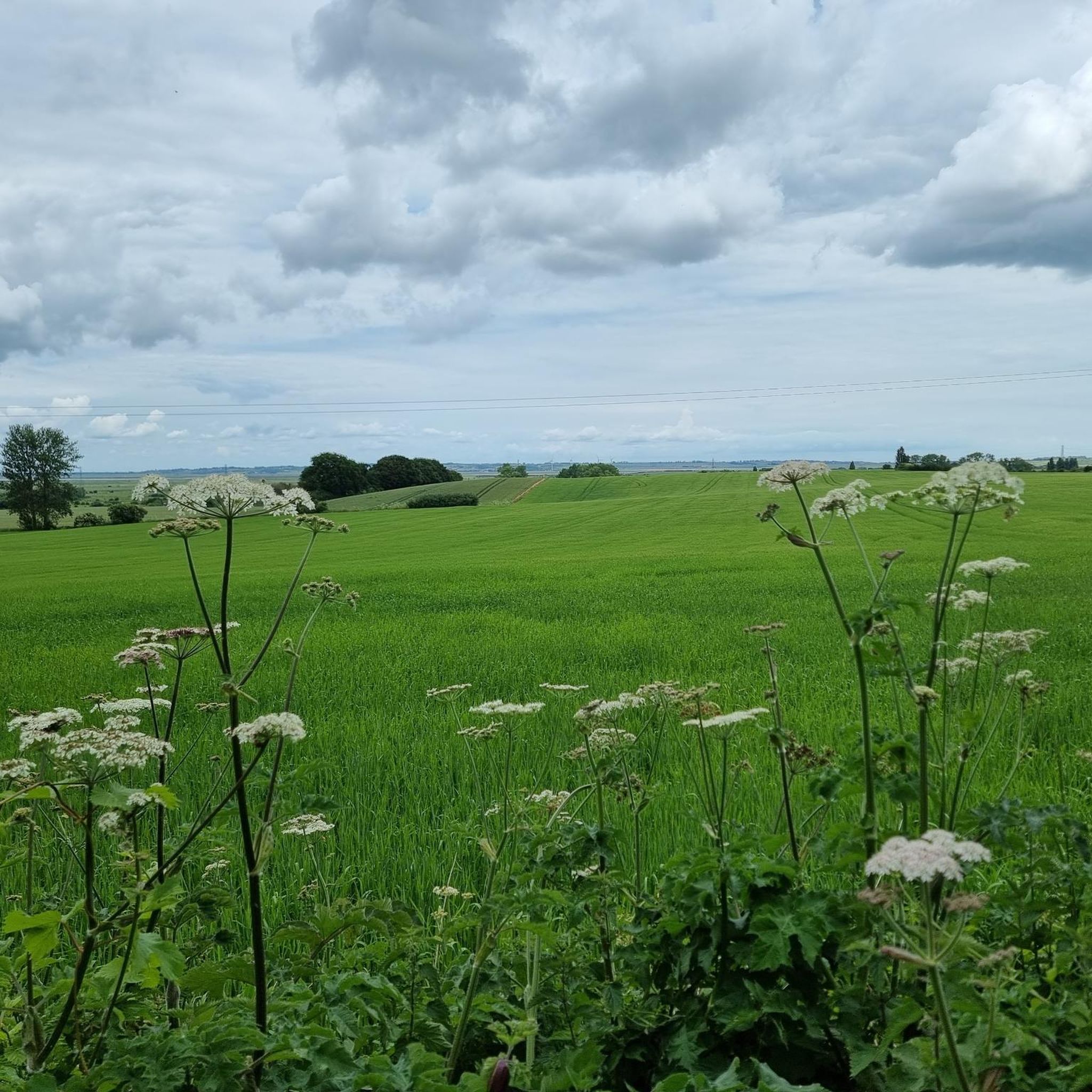
Well worth the minor detour off the surrounding cycle routes to see the picturesque square, with views of the Castle, plus the excellent White Horse pub and an excellent tearoom.
0
0

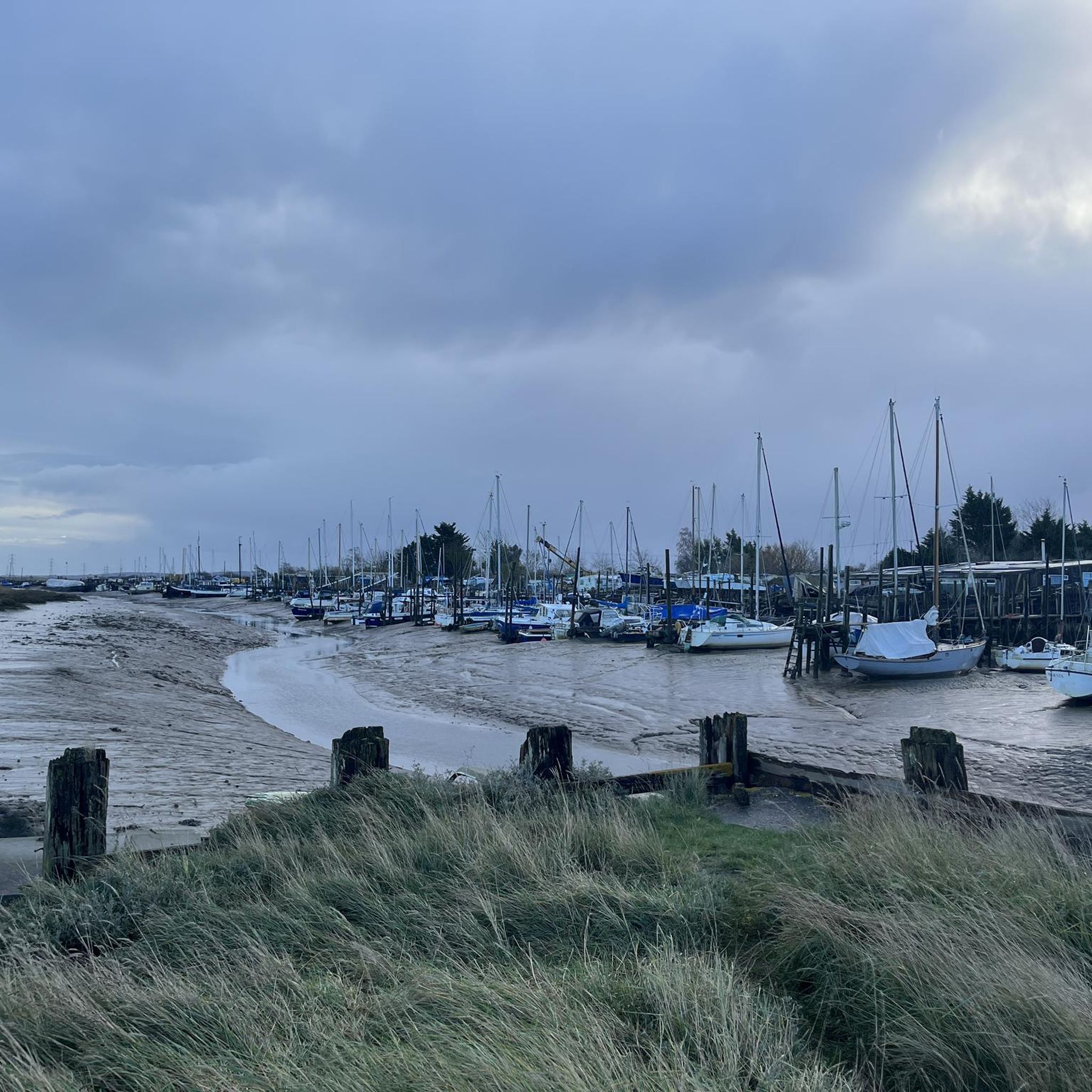
The community of Lenham commemorates the dead of the Second World War with a horizontal stone cross.
0
0


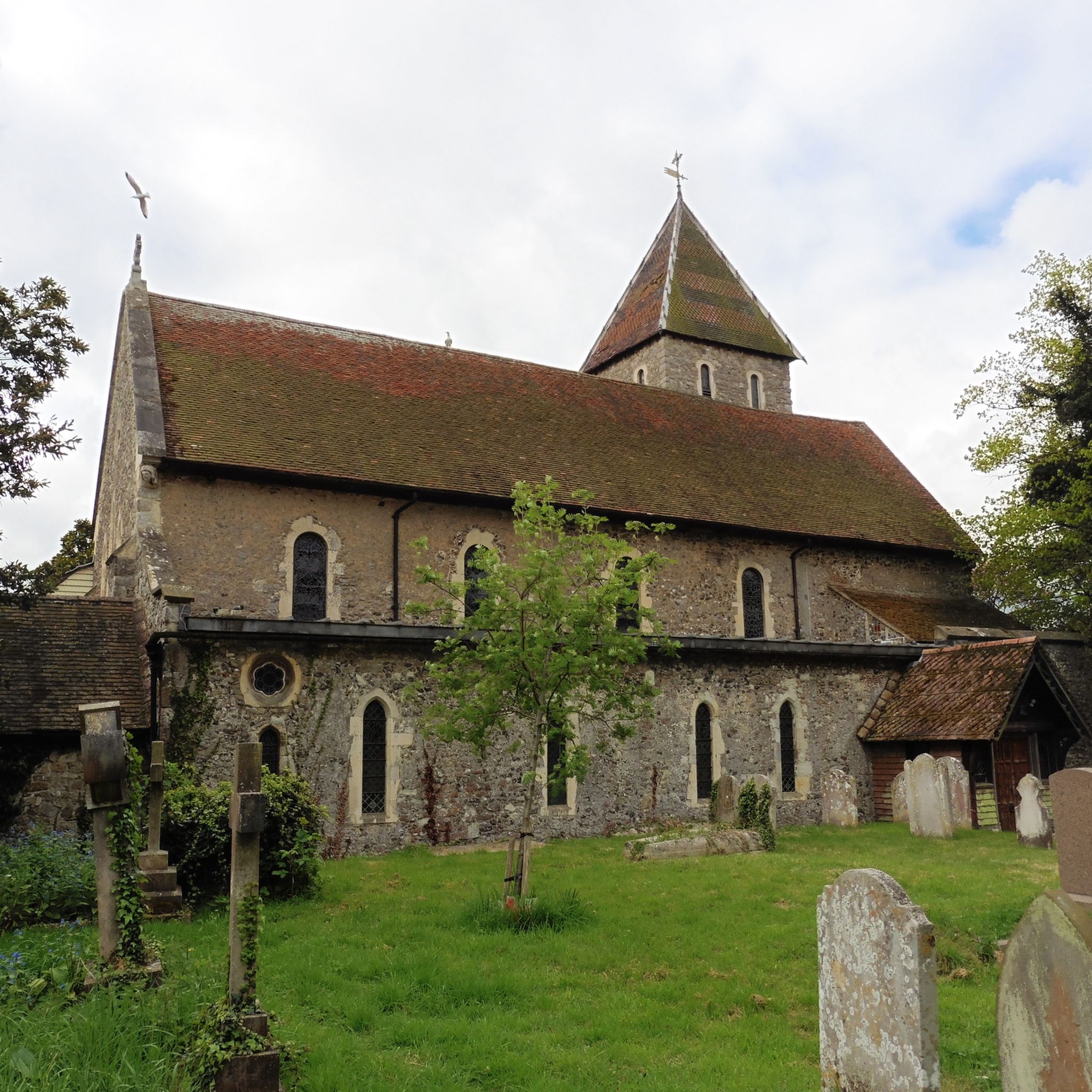
Regarding the patronage of this church: The apostle Thomas, one of the twelve whom Jesus called into the inner circle of his disciples, is not often mentioned in the biblical writings of the New Testament. The passage probably best known to most Christians is the one following the resurrection of Jesus Christ, which has earned him the unflattering nickname "Doubting Thomas" in popular parlance. The Evangelist John reports on this in the 20th chapter of his version of the "Good News" (this is the translation of the word "Gospel"). This theme, of course, also provided an opportunity for dissemination in religious art throughout many eras, for example in one of Caravaggio's most famous paintings – if you're interested, see =>> https://de.wikipedia.org/wiki/Der_ungl%C3%A4ubige_Thomas_(Caravaggio)#/media/Datei:The_Incredulity_of_Saint_Thomas.jpg – The feast day of the Apostle Thomas in the calendar of saints is sometimes celebrated on July 3rd, sometimes on December 21st.
0
0

A relatively modern chalk symbol sculpted in the hillside
0
0

In the 12th century a highway was laid out as a grand approach to the Abbey which had survived Henry VIII's dissolution of the monasteries to become a residential area popular with anyone who owed their livelihood to the Creek, whether as merchant, craftsman or seaman. Toward the end of the 19th century its middle-class residents started moving to new houses elsewhere in the town, and many of its properties became tenanted. The new occupiers were often much poorer than their predecessors. Landlords neglected the properties and so the street came to look 'down-at-heel'. Determination to build a 'brave new world' after the end of the Second World War encouraged local councils to sweep away houses that lacked modern amenities. Most of those in Abbey Street qualified, but they were also historic buildings of importance. After intervention by the Society for the Protection of Ancient Buildings, an ingenious pioneering scheme launched by Faversham Borough Council in the late 1950s saved them from the fate that overtook many of their counterparts elsewhere. Apart from Arden's House (No 80), none of the properties is of outstanding national importance, and so they were not eligible for historic building repair grants. However, collectively they are of national importance, and so the first 'town scheme' was introduced to make them eligible. Most of them were bought by the council under slum-clearance powers, and their occupants re-housed elsewhere. However, instead of being demolished the properties in Abbey Street were sold to sympathetic owners who covenanted with the council to restore them under the supervision of an architect with experience of historic building care. To cover its costs, the council made a slight profit on each - buying the smaller houses for about £250 each and then selling them for about £300. In other historic towns, streets were being brutally widened, but in Abbey Street the carriageway was actually narrowed - the first in the UK - to reduce traffic nuisance. At the same time, the street was planted with trees. Abbey Street is sometimes said to be the finest medieval street in southeast England. It is certainly a wonderful "gallery" of old buildings, mainly timber-framed. As already noted, the ace in the pack is Arden's House, one of the few surviving buildings of Faversham Abbey, and possibly its guesthouse. With 81 (Arden's Cottage), it originally formed a big "open courtyard" house. It dates from around 1450-1500, with remains of the Abbey outer gatehouse of c 1200, which spanned the street here.
1
0
On the secondary patronage of this church: "Saint LAWRENCE" is one of the early Christian Roman martyrs from a time when Christianity was still strictly forbidden. He was archdeacon of Pope Sixtus II and after his execution was ordered by the pagan emperor Valerian to hand over the treasure of the church. Laurentius asked for three days to do this, distributed the church's assets among the poor inhabitants of Rome and, after the agreed time, came to the emperor with the poor to present them to him as the treasure of the church. He was then tortured to death. Legend has it that he was roasted alive on a grate - this attribute can be seen in many depictions of Saint Lawrence - over coals. He is said to have been in good spirits and asked his executioner if he would turn him over. The memorial day of Saint Lawrence in the calendar of saints is August 10th, the recorded date of his execution in A.D. 258.
1
0
Frequently Asked Questions
What historical sites can I explore in Ospringe?
Ospringe and its surroundings are rich in history. You can visit the Chilham Square, a picturesque Kentish village with a castle and historic buildings. Explore the Abbey Street in Faversham, often considered one of the finest medieval streets in southeast England. Within Ospringe itself, the Maison Dieu, a former medieval hospital, and the Parish Church of St Paul and St Peter, dating back to 1086, offer glimpses into the past. The area also has Roman connections, including remains believed to be the site of Durolevum.
Are there any unique natural features to see around Ospringe?
Yes, Ospringe is home to some distinctive natural features. The Lenham Cross is a unique geoglyph cut into the ground, commemorating victims of the First World War, with its light background contrasting against the green landscape. While the original spring Ospringe is named after is now dry, the surrounding agricultural landscape features orchards, soft fruit farming, and grazing land. Judd's Hill also features a five-acre wood.
What outdoor activities are available near Ospringe's attractions?
The area around Ospringe offers various outdoor activities. You can find numerous routes for gravel biking, running, and hiking. For gravel biking, consider routes like the 'King's Wood Main Car Park – Coppice Oratory in Kings Wood loop' or the 'Faversham Creek – Oare Marshes Spring loop'. Running enthusiasts can explore trails such as the 'St Catherine's Church – The Cafe by the Creek loop'. Hikers have options like 'The Alma – View of the Coast loop' or 'Oare Marshes Nature Reserve – Shipwrecks Along The Swale loop'. You can find more details on these and other routes in the Gravel biking around Ospringe, Running Trails around Ospringe, and Hiking around Ospringe guides.
Are there family-friendly attractions in Ospringe?
Yes, several attractions around Ospringe are suitable for families. Chilham Square is a picturesque village with a castle and park that families can enjoy exploring. The Lenham Cross, a unique natural monument, can also be an interesting stop. Additionally, the King George V Playing Field offers a public park setting for outdoor enjoyment.
Where can I find medieval architecture in the Ospringe area?
Medieval architecture is a significant part of Ospringe's heritage. The Maison Dieu on Ospringe Street was once a medieval hospital. The Parish Church of St Paul and St Peter, dating to 1086, features Norman elements and a High Victorian reconstruction. Nearby, Abbey Street in Faversham is renowned for its numerous timber-framed buildings, including Arden's House, showcasing medieval construction.
What are some notable religious buildings to visit?
The area boasts several historically significant religious buildings. The Parish Church of St Paul and St Peter in Ospringe dates back to 1086. Further afield, St Thomas the Apostle Church, Harty, is a quaint, Grade II listed church from the 11th or 12th century, notable for its remote setting and lack of electricity. In Faversham, the Church of St Mary Magdalene and St Lawrence is the oldest building in the town, dating to the 12th century and Grade I-listed.
Can I find Roman remains or connections in Ospringe?
Yes, Ospringe has strong Roman connections. Significant Roman remains have been found near the Maison Dieu, believed to be the site of Durolevum, a Roman settlement mentioned in the Antonine Itinerary. A Roman cemetery was discovered in 1920 along Watling Street, an ancient Roman road that historically linked London, Rochester, Canterbury, and Dover, passing through the area.
Are there opportunities for birdwatching or wildlife spotting?
While Ospringe itself is primarily historical and agricultural, the nearby Oare is known as a good spot for birdwatching. Visitors often spot species such as Godwits, Redshank, and Avocets there. Within Ospringe, wall lizards have been observed in the churchyard of St Paul and St Peter.
What kind of walking trails are available near Ospringe?
There are various walking trails available, catering to different preferences. You can find easy walks like the 'Wooded Section of Steep Byway loop from Ospringe' or the 'Faversham Market Square loop from Faversham'. For moderate hikes, consider 'The Alma – View of the Coast loop from Ospringe' or 'Oare Marshes Nature Reserve – Shipwrecks Along The Swale loop'. These trails allow you to explore the local landscape, including orchards and historical sites. More details can be found in the Hiking around Ospringe guide.
What do visitors particularly enjoy about the attractions around Ospringe?
Visitors appreciate the blend of history and natural beauty. The picturesque nature of Chilham Square, with its castle and historic buildings, is a highlight. The unique visual impact of the Lenham Cross as a geoglyph is also highly regarded. The remote and historic charm of St Thomas the Apostle Church, Harty, offers a distinct experience. Overall, the community enjoys the opportunity to explore ancient roads, medieval structures, and significant monuments.
Is there a good time of year to visit Ospringe for outdoor activities?
The best time to visit Ospringe for outdoor activities generally aligns with milder weather. Spring and summer offer pleasant conditions for walking, cycling, and exploring the natural features and agricultural landscapes, with orchards in bloom or bearing fruit. Autumn can also be beautiful with changing foliage. Winter walks are possible, but some trails might be muddy, and daylight hours are shorter.
Are there any local pubs or cafes near the attractions?
Yes, you can find local establishments for refreshments. Chilham Square, for instance, has a couple of pubs and Shelley's Tea Rooms for a coffee stop. The Alma is a local pub located in Painter's Forstal, within the Ospringe civil parish. Faversham, with its historic Abbey Street, also offers various cafes and pubs.
What is the history behind the Maison Dieu in Ospringe?
The Maison Dieu on Ospringe Street is a building with a significant past. It was originally a medieval hospital, established to provide care and shelter. Remains of substantial Roman buildings have been found nearby, indicating the area's long history. The building itself stands as a testament to Ospringe's medieval connections.
Most popular routes around Ospringe
Most popular attractions around Ospringe

Get inspired with the komoot mobile app


Explore more
Still not found the Highlight you’re looking for? See guides of the top attractions in other regions:
