Attractions and Places To See around Frittenden - Top 20
Best attractions and places to see around Frittenden include a mix of historical sites, natural landscapes, and outdoor activities. This village in the Kentish Weald offers a glimpse into a rural English setting, characterized by gently undulating farmland, ancient woodlands, and a network of footpaths. Visitors can explore distinctive vernacular architecture and natural features like field ponds and diverse hedgerows. The area provides opportunities for walking and discovering local heritage.
Best attractions and places to see around Frittenden
- The most popular attractions is Bedgebury National Pinetum and Forest, a forest that offers a 10 km family paved trail through its beautiful landscape. It features evergreen conifers and over 12,000 trees, providing multiple cycling trails.
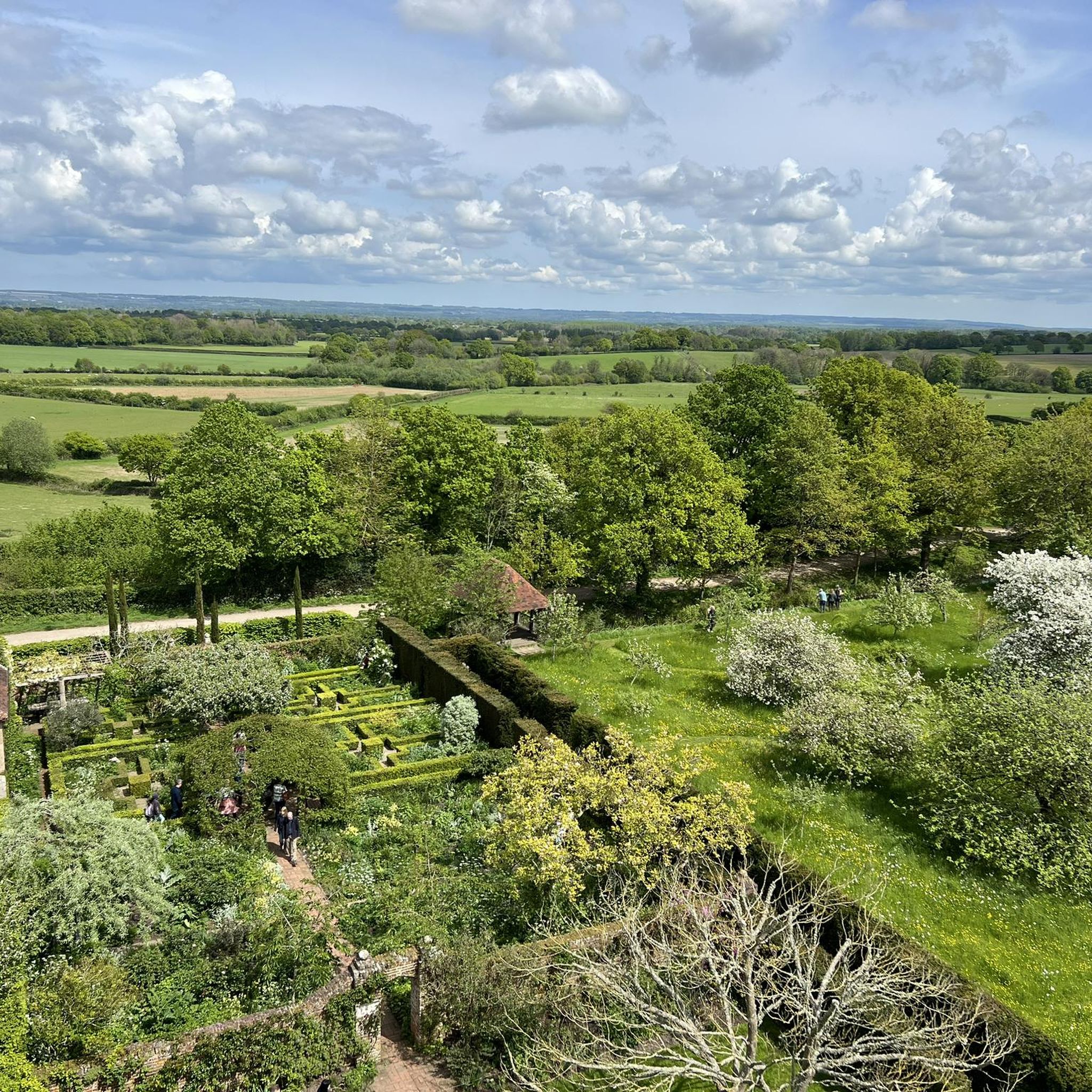
- Another must-see spot is Sissinghurst Castle Garden, a world-famous garden created by Vita Sackville-West and Harold Nicolson. This National Trust property is known for its unique design and historical significance.
- Visitors also love Leeds Castle, a grandiose fortress nestled in picturesque countryside and surrounded by water. It has a rich history, serving as a Norman stronghold, a royal residence, and a palace for Henry VIII.
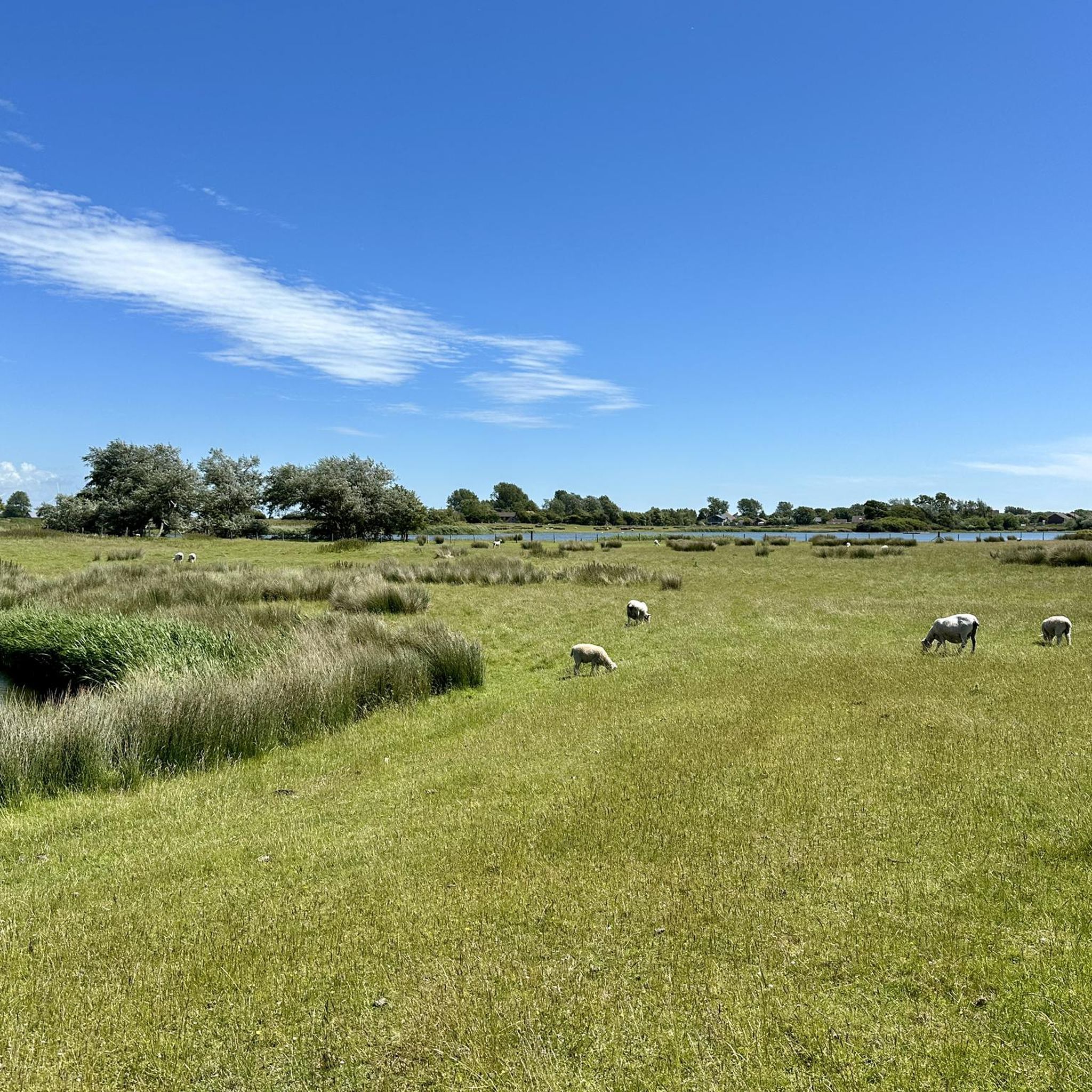
- Frittenden is known for historic buildings, natural features like woodlands and field ponds, and various hiking trails. The area offers a mix of cultural sites, rural landscapes, and outdoor activities.
- The attractions around Frittenden are appreciated by the komoot community, with over 90 upvotes and 10 photos shared.
Last updated: August 12, 2026
Bedgebury National Pinetum and Forest
Highlight • Forest
Tip by

Sissinghurst Castle Garden
Highlight • Castle
Translated by Google •
Tip by

Sign up now to discover places like this
Get recommendations on the best single tracks, peaks, & plenty of other exciting outdoor places.
Sign up for free
Leeds Castle
Highlight (Segment) • Castle
Tip by

St George's Church, Benenden
Highlight • Religious Site
Tip by
Union Mill
Highlight • Monument
Tip by
Sign up for free to discover even more attractions around Frittenden.
Sign up for free
Already have an account?
Start today with a free account
Your next adventure awaits.
Login or Signup

Tips from the Community

Describing Sissinghurst Castle and Garden is not easy. Words like historical, poetic, iconic, beautiful, colorful, breathtaking almost come close to reality. It is a sanctuary dedicated to beauty. Vita Sackville-West and Harold Nicolson fell in love with Sissinghurst Castle and created a now world-famous garden in a very unique way.
8
0

These old windmills are the best proof that people were clever enough a number of centuries ago - long before the discovery of electricity and the inventions that resulted from it - to harness the power of the elements for their own purposes: no human or animal muscle power is needed for the grinding process, but the wind captured by the covered wings is enough to drive the heavy millstones and thus, for example, to grind flour from grain (grain mills) or to press oil from olives (oil mills). Often they are only technical and historical evidence of a long tradition of craftsmanship, because most - although fortunately not all - of the old mills have been abandoned over time.
0
0
Almost nothing reliable is known about the life of Saint GEORGE, to whom the church of Benenden was dedicated, but the veneration of him stretches back to early Christianity. A martyr who is equated with George is said to have lived in the third century. The legend of Saint George as a dragon slayer is well known and widespread, however, and he is usually depicted - in paintings or as a statue - as the conqueror of the monster, often as a knight on horseback. The memorial day of the very popular George in the calendar of saints is celebrated on April 23rd in both the Roman Catholic and Anglican churches. Among other things, he is the patron saint of the English kingdom, and some of the orders and decorations awarded there also bear his name.
2
0

A National Trust garden. Currently £17 per adult, parking £4. Do what we do and become a temporary member, you save a lot of money if you visit several buildings or gardens and also a lot of parking fees 😉
6
0

Union Mill is a Grade I-listed smock mill and is one of the tallest of its kind in Britain. Built in 1814 by millwright James Humphrey, the grand timber-framed structure continues to grind corn to this very day. The mill is free to enter (a donation is requested). For more information, visit: unionmill.org.uk.
0
0

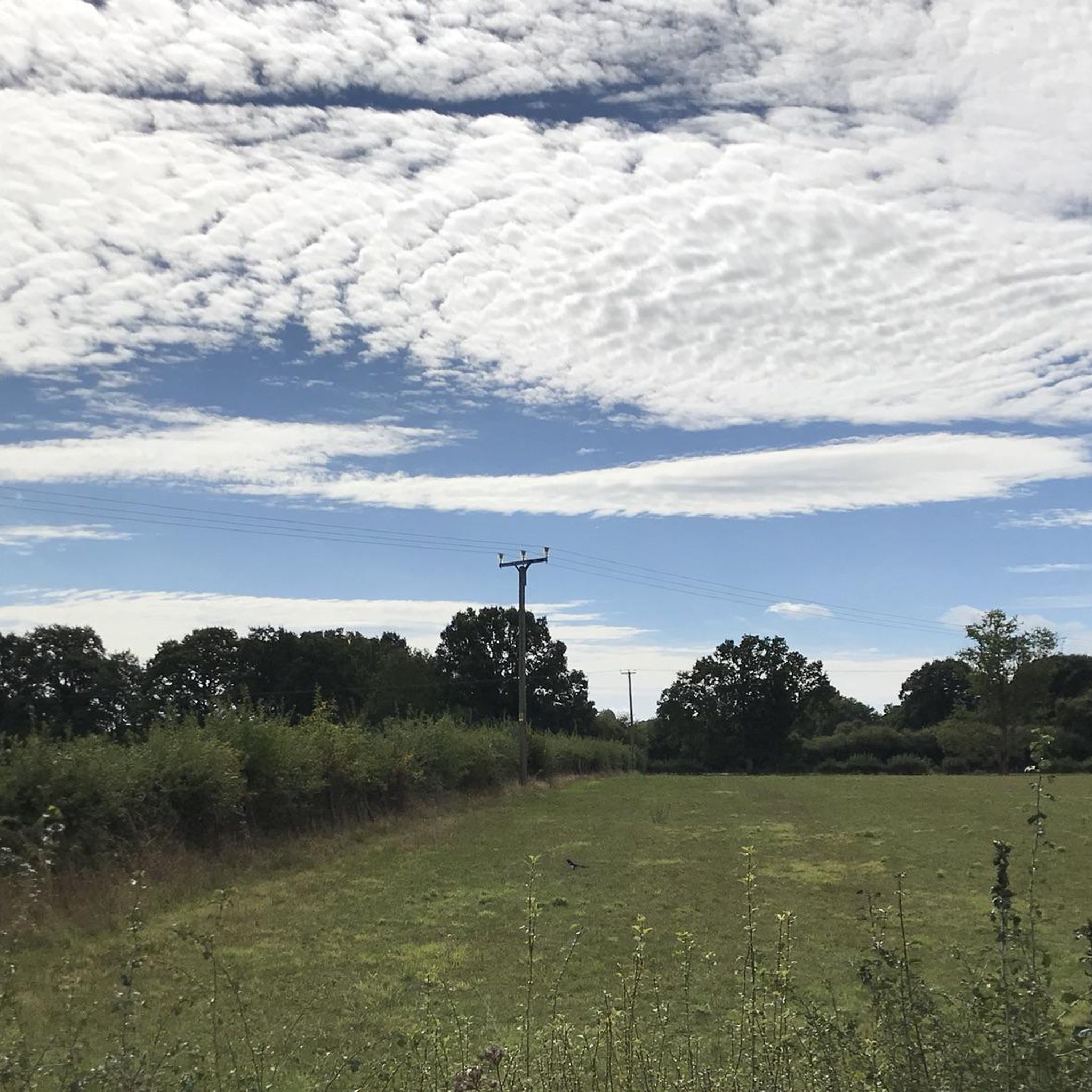
Maybe obvious to others, but because some of the signage was missing/hidden when we visited didn't realise that the public footpath intersects with the castle grounds which is private and which you must pay in order to use. The grounds are very pretty, but the entry ticket seem very expensive to me. You can still get nice views of the castle and grounds from the public footpath as well.
1
1

Managed by Forestry England, the National Pinetum is home to over 12000 specimens of trees and is a great place to visit for anyone interested in conservation. The adjacent forest is full of tracks and trails for cycling, walking, running and a tree top adventure, Go Ape. Take a moment out from your ride and breathe it all in. There is also a visitors centre with toilets and a cafe on site.
0
0

Mentioned in the Domesday Book that a church existed here in 1086. It was enlarged in the 14th century though being shorter than today through lack of a west tower
0
0
Frequently Asked Questions
Beyond the main highlights, what other historical sites can I explore in Frittenden village?
Frittenden village itself offers a glimpse into rural English history. You can visit St. Mary's Church, a Grade II listed parish church with Norman origins and a rich history of rebuilding. The village also features distinctive vernacular architecture, including timber-framed houses and oasts. The Frittenden Historical Society maintains information on numerous listed properties and monuments within the village, such as Balcombe Farmhouse and Cole Farm.
What natural features can I explore around Frittenden?
The area around Frittenden is nestled within the Kentish Weald, characterized by gently undulating clay vales. You'll find pastoral farmland, ancient woodlands like Leggs Wood and Pound Wood, and traditional orchards. The rural roads are often lined with diverse hedgerows and species-rich verges. The landscape is also dotted with numerous field ponds, often accompanied by copse vegetation and willows, adding to its rural charm.
Are there family-friendly attractions near Frittenden?
Yes, several attractions cater to families. Bedgebury National Pinetum and Forest offers a 10 km family paved trail, adventure playgrounds, and bike rentals, making it ideal for a day out. Sissinghurst Castle Garden provides beautiful grounds for children to explore, and Leeds Castle has extensive grounds, a maze, and often hosts family events. Additionally, Union Mill is a historic working smock mill that can be fascinating for all ages.
What kind of walking trails are available near Frittenden?
The area offers various hiking trails that explore the pastoral farmland and ancient woodlands. You can find easy hikes around Frittenden, including loops that pass by Sissinghurst Castle Garden. For more options, explore the hiking guide for Frittenden, which includes routes like the 'View of Sissinghurst Castle – Sissinghurst Castle Garden loop from Frittenden'.
Are there cycling opportunities around Frittenden?
Absolutely. Bedgebury National Pinetum and Forest is a prime location for cycling, offering a 10 km family paved trail and three distinct cycling trails through its extensive forest. Bike rentals are available on-site. For mountain biking enthusiasts, there are also MTB Trails around Frittenden, including routes through Hemsted Forest.
What is the best time of year to visit Frittenden attractions?
Frittenden and its surrounding attractions are enjoyable throughout the year, but each season offers a different experience. Spring and summer are ideal for exploring gardens like Sissinghurst Castle Garden and enjoying outdoor activities like walking and cycling in the Kentish Weald. Autumn brings beautiful foliage to the woodlands, while winter can offer crisp walks and a quieter atmosphere at historical sites like Leeds Castle.
Are there any dog-friendly walks or attractions near Frittenden?
Many of the outdoor areas around Frittenden are dog-friendly, especially the numerous footpaths and woodlands in the Kentish Weald. Bedgebury National Pinetum and Forest is generally dog-friendly, though specific rules may apply in certain areas or buildings. Always check individual attraction websites for their latest dog policies, especially for indoor access or specific garden areas.
What are some lesser-known historical facts or 'hidden gems' about Frittenden?
Frittenden has a surprising Roman history; urns were discovered in Leggs Wood in 1857, and a Roman road passed nearby. Another unique piece of history is the Idenden Charity, established in 1566 to support 'Poor Maidens Marriages' and 'poor Householders' in the village, which later became the parish workhouse and farm. While not a physical attraction, the Frittenden Historical Society is a great resource for uncovering more local stories.
Where can I find refreshments or places to eat near Frittenden attractions?
Many of the larger attractions have their own cafes or restaurants. For example, Bedgebury National Pinetum and Forest has a cafe serving locally sourced food, and Sissinghurst Castle Garden also has a restaurant. In Frittenden village itself, you can find local pubs, and the surrounding towns and villages offer a wider selection of cafes and eateries.
Is public transport available to reach attractions around Frittenden?
While Frittenden is a rural village, public transport options exist, though they may be less frequent than in urban areas. Local bus services connect Frittenden to nearby towns like Cranbrook and Staplehurst, which have train stations. However, for direct access to many of the attractions like Leeds Castle or Bedgebury National Pinetum and Forest, driving is often the most convenient option. Always check current bus and train schedules in advance.
What kind of wildlife can I spot in the Frittenden area?
The rural landscape of the Kentish Weald around Frittenden is rich in biodiversity. You can expect to see a variety of birds, including woodland species in areas like Leggs Wood and Pound Wood, and waterfowl around the numerous field ponds. Mammals such as deer, foxes, and badgers are also present, though often more elusive. The diverse hedgerows and species-rich verges support a wide array of insects, butterflies, and small mammals.
Most popular attractions around Frittenden

Get inspired with the komoot mobile app


Explore more
Still not found the Highlight you’re looking for? See guides of the top attractions in other regions:
