Attractions and Places To See around Annaghmore Glebe - Top 5
Best attractions and places to see around Annaghmore Glebe include historical sites and natural reserves within County Fermanagh, Northern Ireland. Annaghmore Glebe itself is recognized for its ancient passage tomb, an archaeological site with 35 large stones forming a circle. The wider region offers a variety of cultural and natural points of interest, from ruined abbeys to expansive nature estates. These attractions provide opportunities to explore the area's rich history and diverse landscapes.
Best attractions and places to see around…
Last updated: May 17, 2026
Clones 'Wee' Abbey
Highlight • Religious Site
Tip by

Old Crom Castle Ruins
Highlight • Viewpoint
Wild deer, pine marten, red squirrels and many rare …
Tip by

Sign up now to discover places like this
Get recommendations on the best single tracks, peaks, & plenty of other exciting outdoor places.
Sign up for free
Crom Estate Castle Ruins
Highlight • Forest
Tip by

Clones Round Tower
Highlight • Historical Site
Tip by
Crom Castle Boathouse
Highlight • Structure
Tip by

Sign up for free to discover even more attractions around Annaghmore Glebe.
Sign up for free
Already have an account?
Start today with a free account
Your next adventure awaits.
Login or Signup



Tips from the Community

Known locally as the "Wee Abbey", Clones Abbey is a ruined monastery dating back to the 12th century. The original abbey was founded by St. Tigernach as early as the 6th century. However, the abbey was destroyed by fire not once, but four times during its history. In the 16th century, the abbey suffered once again during the suppression of monasteries and Protestant reformation under Henry VIII. Less than a hundred years later, it lay in ruin, although some solitary monks still lived here until the 18th century. Today, you can visit the crumbling walls and take a look at the interesting graveyard. The abbey is free to visit and you can access it any time.
1
0

Managed by the National Trust, the Crom Estate is a large nature reserve of woodlands, lake, castle ruins and islands. It is an important habitat for pine martens, bats, deer, red squirrels and butterflies. There is a coffee shop at the estate and if you fancy something different you can hire a boat to explore the lough. For more details check out the website https://www.nationaltrust.org.uk/visit/northern-ireland/crom
0
0

The Crom Castle estate boathouse sits on the shore of Lough Erne below the main castle. The views out on onto the water from the boathouse are splendid, the perfect spot to pull up a picnic blanket and enjoy some relaxation.
1
0
The round tower in Clones was originally built around the 10th century as part of the abbey. Although it would once have stood at 75 feet (23 m), the top part is now missing. Nonetheless, it is still a prominent feature on Clones' skyline. There would once have been four storeys, including a bell storey. St Tierney's graveyard, which surrounds the tower, is also an interesting place to explore with many 17th and 18th-century gravestones and the tomb shrine of St Tighernach.
1
0
Known locally as the "Wee Abbey", Clones Abbey is a ruined monastery dating back to the 12th century. The original abbey was founded by St. Tigernach as early as the 6th century. However, the abbey was destroyed by fire not once, but four times during its history. In the 16th century, the abbey suffered once again during the suppression of monasteries and Protestant reformation under Henry VIII. Less than a hundred years later, it lay in ruin, although some solitary monks still lived here until the 18th century. Today, you can visit the crumbling walls and take a look at the interesting graveyard. The abbey is free to visit and you can access it any time.
0
0

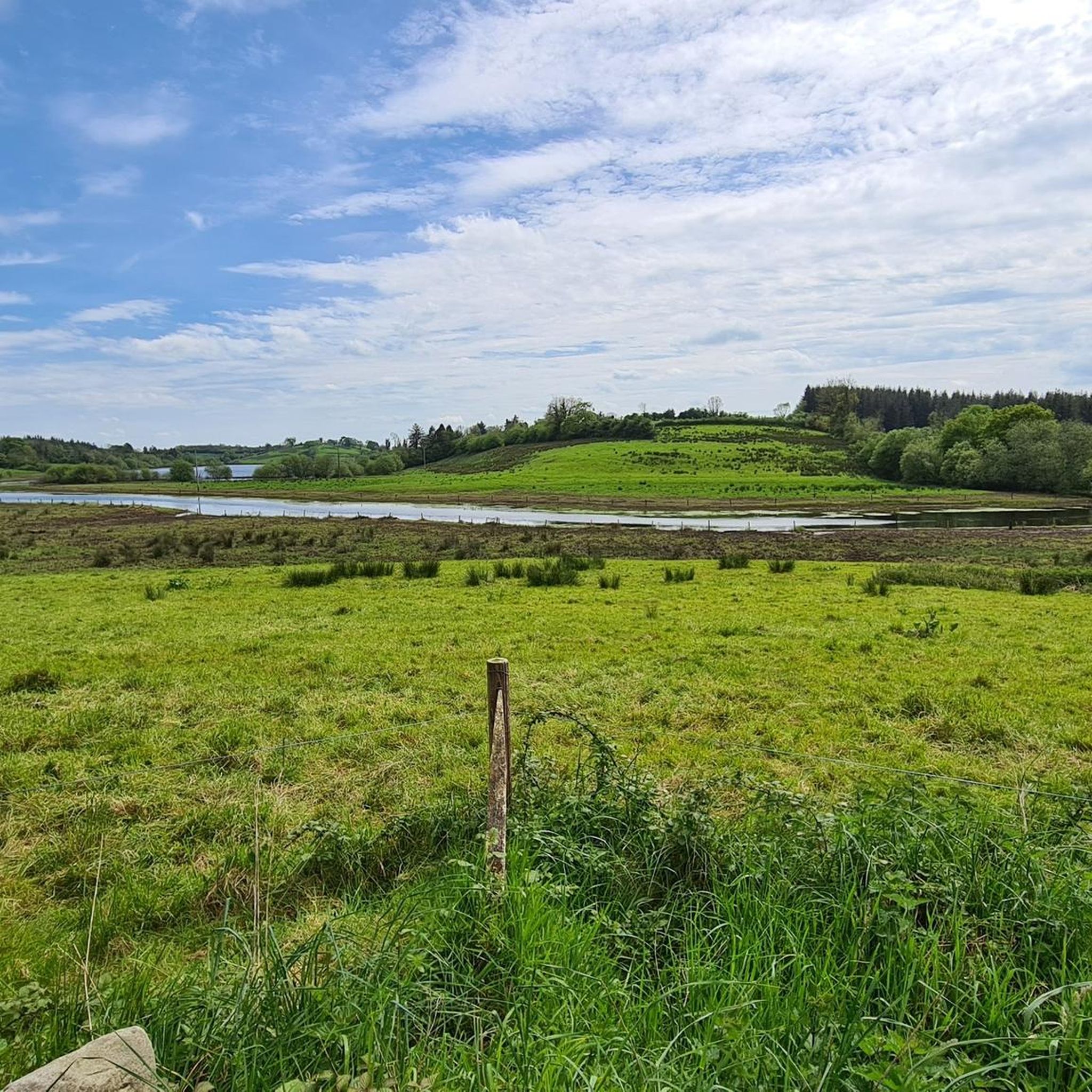
Set on the shores of Upper Lough Erne in County Fermanagh, Crom is one of Ireland's most important nature conservation areas. Wild deer, pine marten, red squirrels and many rare species including butterflies can all be found on the estate. Also inhabiting the surrounding area are all eight species of native bats and an outstanding array of rare lichens. The 2,000 acre demesne contains ancient woodland, tranquil islands, estate cottages and Old Crom Castle, all linked by the breathtakingly beautiful landscape designed by W.S.Gilpin in the 19th century. (https://discovernorthernireland.com/things-to-do/crom-estate-p675551)
1
0
Frequently Asked Questions
What is the primary historical site within Annaghmore Glebe itself?
Annaghmore Glebe is centered around an ancient passage tomb. While it has undergone changes over centuries, you can still observe 35 large stones forming a circle approximately 36 meters in diameter, with a low mound marking the site of a lost cairn. It's situated atop a low hill and can be accessed via a gate at Wattle Bridge.
What other historical and cultural sites can I explore near Annaghmore Glebe?
Beyond the passage tomb, you can visit Clones 'Wee' Abbey, a ruined monastery dating back to the 12th century, and the nearby Clones Round Tower. Further afield in County Fermanagh, consider Old Crom Castle Ruins, Castle Coole, Florence Court, or Enniskillen Castle.
Are there natural reserves or scenic areas close to Annaghmore Glebe?
Yes, the wider County Fermanagh area offers stunning natural beauty. The Crom Estate Castle Ruins is part of a large nature reserve featuring ancient woodlands and tranquil islands on Upper Lough Erne. Other notable natural attractions include the Marble Arch Caves Global Geopark, Cuilcagh Boardwalk Trail, Lough Navar Forest, and the expansive Lough Erne itself.
What kind of wildlife can be spotted in the area?
The Crom Estate is particularly rich in wildlife, home to wild deer, pine martens, red squirrels, and various rare butterfly species. All eight species of native bats and an outstanding array of rare lichens also inhabit the surrounding area.
Are there family-friendly attractions around Annaghmore Glebe?
Many sites are suitable for families. The Crom Estate offers walks and boat rentals, while Florence Court has beautiful gardens and family-friendly activities. The Marble Arch Caves Global Geopark also provides an engaging experience for all ages.
Can I go hiking or walking near Annaghmore Glebe?
Absolutely! There are several walking and hiking opportunities. For example, you can explore trails within the Crom Estate, including the Crom Estate Trail. You can find more details and routes in the Hiking around Annaghmore Glebe guide.
Are there easy walking trails suitable for beginners?
Yes, several easy walking trails are available. The Crom Estate offers routes like the Crom Estate Trail, which is rated as easy. For more options, check out the Easy hikes around Annaghmore Glebe guide.
Are there cycling routes available in the Annaghmore Glebe area?
Yes, the region offers various cycling routes. You can find routes like the Scotshouse, Redhills and Belturbet loop, or longer rides around Kilgarrow Lough. Explore these and more in the Road Cycling Routes around Annaghmore Glebe guide.
What is the best time of year to visit the Fermanagh countryside?
The Fermanagh countryside is beautiful year-round, but late spring to early autumn (May to September) generally offers the most pleasant weather for outdoor activities and exploring. This period provides longer daylight hours and milder temperatures, ideal for walking, cycling, and enjoying the loughs.
What do visitors enjoy most about the attractions near Annaghmore Glebe?
Visitors frequently appreciate the rich history and natural beauty. The Crom Estate is loved for its tranquil setting, wildlife, and castle ruins, while Clones 'Wee' Abbey offers a fascinating glimpse into ancient monastic life. The scenic views from places like the Crom Castle Boathouse are also highly rated.
Is there parking available at the Annaghmore Glebe Passage Tomb?
While specific parking details for the passage tomb are not provided, access is generally via a gate at Wattle Bridge. Visitors typically find roadside parking or designated small parking areas near such historical sites in rural settings. It's advisable to check local signage upon arrival.
What is the significance of Castle Saunderson, visible from Annaghmore Glebe?
Castle Saunderson, located about a mile west-southwest in County Monaghan, adds a historical backdrop to the area. While not directly in Annaghmore Glebe, its visibility from the passage tomb highlights the rich historical landscape of the border region between County Fermanagh and County Monaghan.

Get inspired with the komoot mobile app


Explore more
Still not found the Highlight you’re looking for? See guides of the top attractions in other regions:
