The best road cycling routes around Linby
4.5
(112)
4,120
riders
303
rides
Road cycling routes around Linby feature a landscape characterized by rural lanes and the open Nottinghamshire countryside, predominantly on paved surfaces. The area offers a diverse network of paths, many starting from nearby Hucknall, suitable for various fitness levels. Cyclists can find routes ranging from shorter, easier rides with minimal elevation to more challenging, longer distances with significant climbs. This region provides varied terrain for road cyclists to explore.
Best road cycling routes around Linby
- The most popular road cycling…
Last updated: July 4, 2026
16
riders
75.6km
03:12
400m
400m
This moderate 47-mile road cycling loop from Hucknall takes you past Newstead Abbey and offers scenic views of the Nottinghamshire countrysi
3.5
(6)
66
riders
46.0km
02:01
370m
370m
Moderate road ride. Good fitness required. Mostly well-paved surfaces and easy to ride.

Sign up for free
5.0
(1)
44
riders
57.7km
02:26
250m
250m
Moderate road ride. Good fitness required. Mostly well-paved surfaces and easy to ride.
5.0
(1)
35
riders
Easy road ride. Great for any fitness level. Mostly well-paved surfaces and easy to ride.
28
riders
51.1km
02:10
330m
330m
Moderate road ride. Good fitness required. Mostly well-paved surfaces and easy to ride.
Get access to more routes and recommendations from other explorers.
Sign up for free
Already have an account?
Our route recommendations are based on thousands of hikes, rides, and runs completed by other people on komoot.
Start today with a free account
Your next adventure awaits.
Login or Signup


Tips from the Community

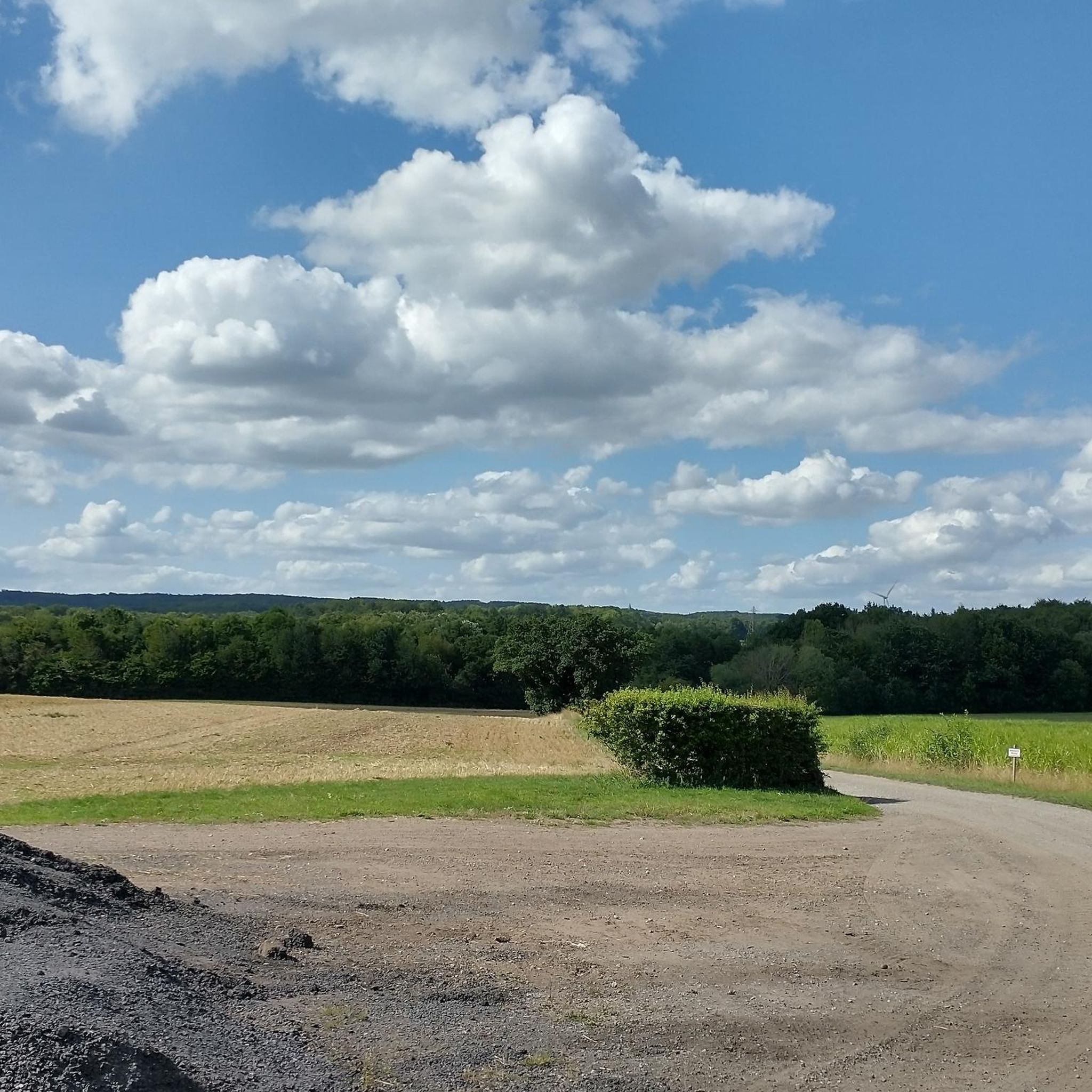
A nice little waterfall and you can go behind the waterfall as well
0
0
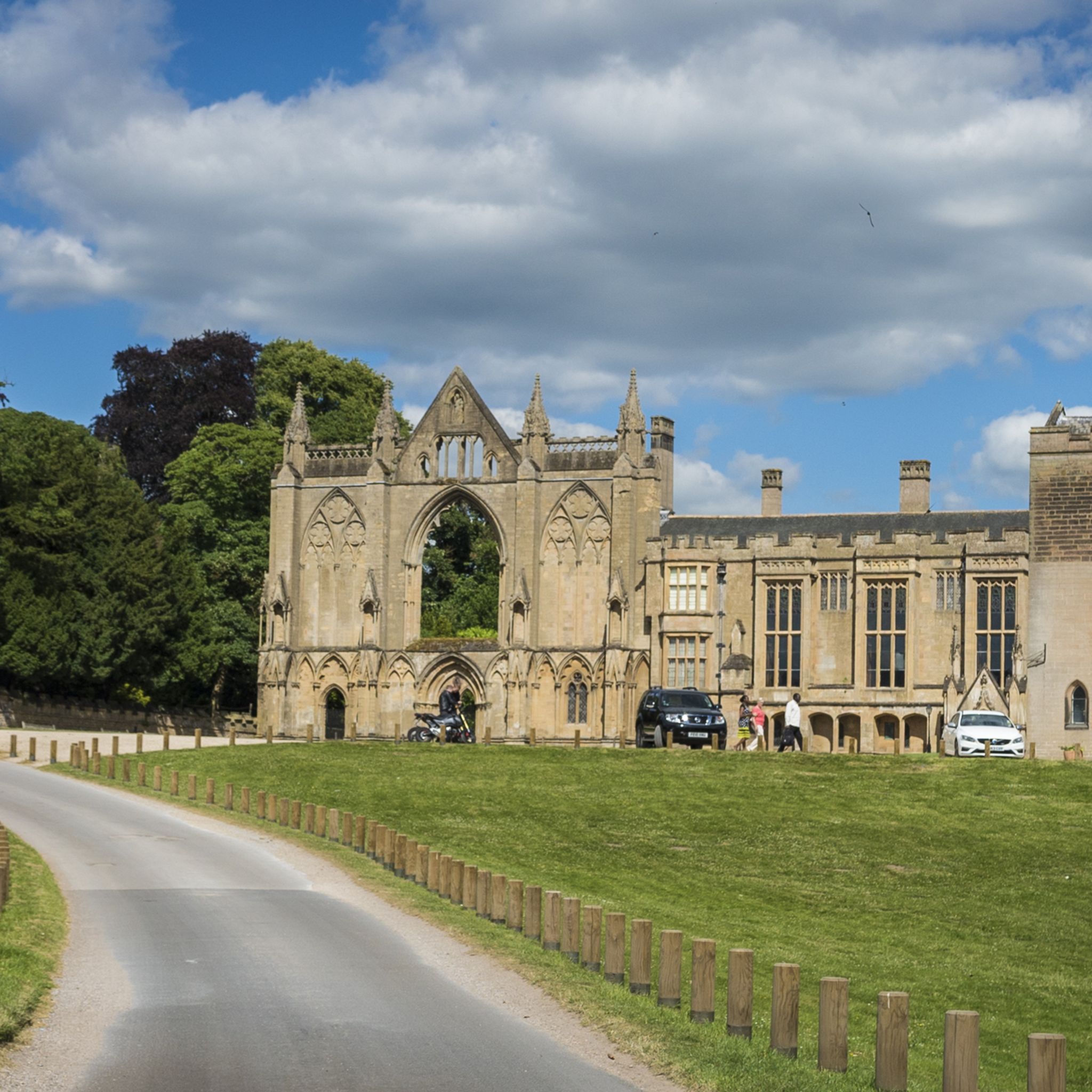
Always worth a visit to Newstead Abbey it's a beautiful building with wonderful gardens to wonder around and get lost in the beauty
0
0

The Parish Church was probably built in the late part of the 12th century, possibly on the site of the church hinted at in Domesday, the earlier building most likely of wattle and daub. The present church has traces of Norman work in the north and east walls which are two and a half feet thick. It is built of local limestone, with stones of handy sizes not laid in horizontal courses. Originally it was a plain rectangular building consisting of chancel, nave and a small tower. At some time in the XIV century a south aisle was added, and in the next century the porch was built. At the same time as the porch another stage was added to the tower, which is square, pinnacled, and unbuttressed. At some later date the porch was moved from the south to the north side of the church, its old position still clearly marked on the outside of the south wall. Another alteration visible from the exterior, and also on the south, is the blocked up 'Priest's Doorway' in the south wall of the chancel.
0
0
The Church has a history dating back to the 11th century, with significant structural changes throughout the centuries. While the Domesday Book doesn't explicitly mention a church, evidence suggests Norman stonework and possible Saxon artifacts exist within the current structure. Evidence points to a possible Saxon presence, with Norman stonework in the chancel and artifacts of Saxon origin. The nave and chancel were added in the 12th century. The late 14th-century tower intrudes into the early 14th-century nave, reducing it from four bays to three and a half.
0
0

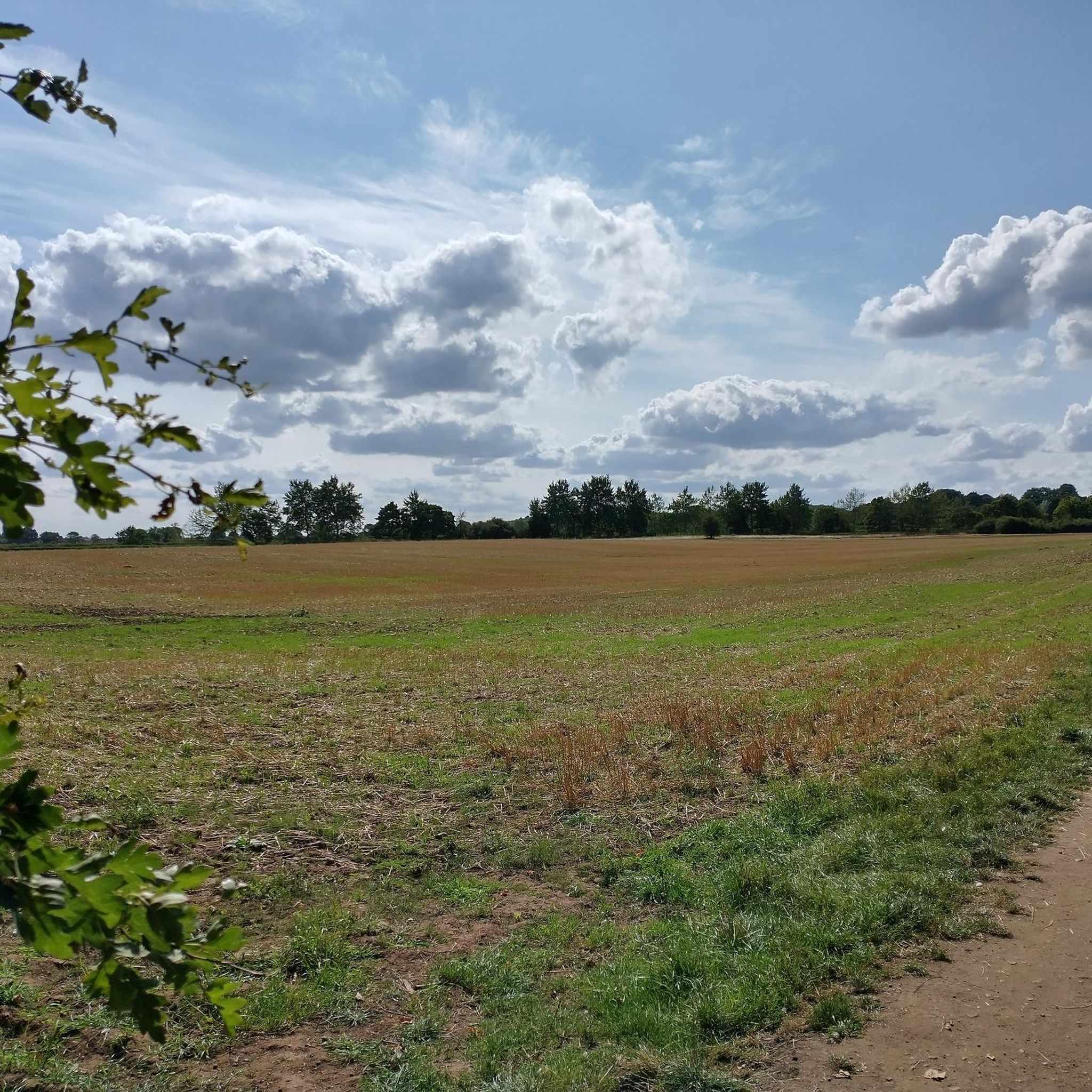
A lovely place for a gentle cycle or stroll. It's a popular spot!
0
0

The first mention of Farnsfield emerges in 956AD in a document in which King Edwy of Northumbria gave the Danish Archbishop of York, Oscytel, the manor of Southwell, which included the farmstead of Farnsfield. Farnsfield was a small community of farmsteads scraping a living from agriculture in a clearing at the edge of Sherwood Forest. By 1520 Farnsfield was the responsibility of Southwell Minster under the Archbishop of York, Cardinal Wolsey. Most people were farmers and poor land, bad weather, disease and starvation were constant hazards. By the 1600s more specialised trades were developing in Farnsfield including bakers, tailors and shoemakers. By the late 1700s sheep rearing was the main source of income from outside.
0
0
The church dates from the 15th century but was rebuilt between 1859 and 1860 by Thomas Chambers Hine and Robert Evans following a fire. Only a fragment of the tower from the 15th-century building survives.
0
0
Frequently Asked Questions
What kind of terrain can I expect on road cycling routes around Linby?
Road cycling routes around Linby primarily feature rural lanes and the open Nottinghamshire countryside. The surfaces are mostly paved, offering a smooth ride. While many routes are suitable for various fitness levels, you'll find a mix of flatter sections and options with moderate elevation gains, such as the Oxton Bank Climb – Blidworth Climb loop from Hucknall, which includes notable climbs.
How many road cycling routes are available in the Linby area?
There are over 300 road cycling routes available around Linby, catering to a wide range of abilities. You can choose from more than 90 easy routes, over 200 moderate routes, and 23 more challenging options.
Are there any family-friendly road cycling routes near Linby?
Yes, Linby offers several family-friendly road cycling options, particularly those with flatter, paved sections. The area's network of rural cycle paths, including parts of the Linby Trail, provides accessible routes. For a shorter, easier ride, consider the Waterfall at Newstead Abbey – St Michael's Church, Linby loop from Hucknall, which is rated as easy.
What interesting landmarks or attractions can I see along the road cycling routes?
Many routes incorporate historical and natural attractions. You can cycle past or visit significant sites like Newstead Abbey, the ancestral home of Lord Byron, or the historic St Michael's Church, Linby. Woodland areas like Thieves Wood also offer scenic points. The A loop of Newstead Abbey, Nottingham & Derby from Hucknall is a popular route that passes by Newstead Abbey.
Are there any circular road cycling routes around Linby?
Yes, many of the road cycling routes around Linby are designed as loops, often starting from nearby Hucknall. Examples include the A loop of Newstead Abbey, Nottingham & Derby from Hucknall, the Oxton Bank Climb – Blidworth Climb loop from Hucknall, and the Smooth Tarmac Road – Picnic Spot by the River Trent loop from Hucknall, providing convenient circular journeys.
What do other road cyclists enjoy most about cycling in Linby?
The road cycling routes around Linby are highly rated by the komoot community, with an average score of 4.5 stars from over 100 reviews. Cyclists often praise the varied terrain, the picturesque Nottinghamshire countryside, and the well-maintained, mostly paved surfaces that make for an enjoyable ride.
Are there routes that include a picnic spot or scenic viewpoint?
Absolutely. For a route that includes a pleasant stop, consider the Smooth Tarmac Road – Picnic Spot by the River Trent loop from Hucknall, which leads to a lovely picnic spot. You can also find viewpoints like Kings Mill Reservoir along some routes.
Where can I find challenging road bike climbs near Linby?
For those seeking a challenge, the Linby area offers routes with significant elevation gains. The Oxton Bank Climb – Blidworth Climb loop from Hucknall is specifically designed to feature notable climbs, including the Oxton Bank Climb, providing a good test of fitness.
Are there any routes that pass by water features like waterfalls or rivers?
Yes, some routes incorporate water features. The Waterfall at Newstead Abbey – St Michael's Church, Linby loop from Hucknall specifically mentions a waterfall at Newstead Abbey. Additionally, routes like the Smooth Tarmac Road – Picnic Spot by the River Trent loop from Hucknall will take you to the River Trent.
What is the best time of year for road cycling in Linby?
The Nottinghamshire countryside around Linby is beautiful throughout the warmer months, from spring to autumn, when the weather is generally more favorable for cycling. The paved surfaces make most routes accessible, but checking local weather conditions is always recommended, especially during winter.
Are there any routes that explore woodland areas?
Yes, the region includes several woodland areas that can be incorporated into your rides. Thieves Wood is a notable woodland known for its trails and local folklore, and Harlow Wood is another option. While primarily road cycling, these areas offer scenic backdrops and potential detours.
Most popular attractions around Linby

Get inspired with the komoot mobile app


Explore more
Browse the best Road cycling routes in other regions.
