The best walks and hikes in North Korea
4.7
(17)
93
hikers
6
hikes
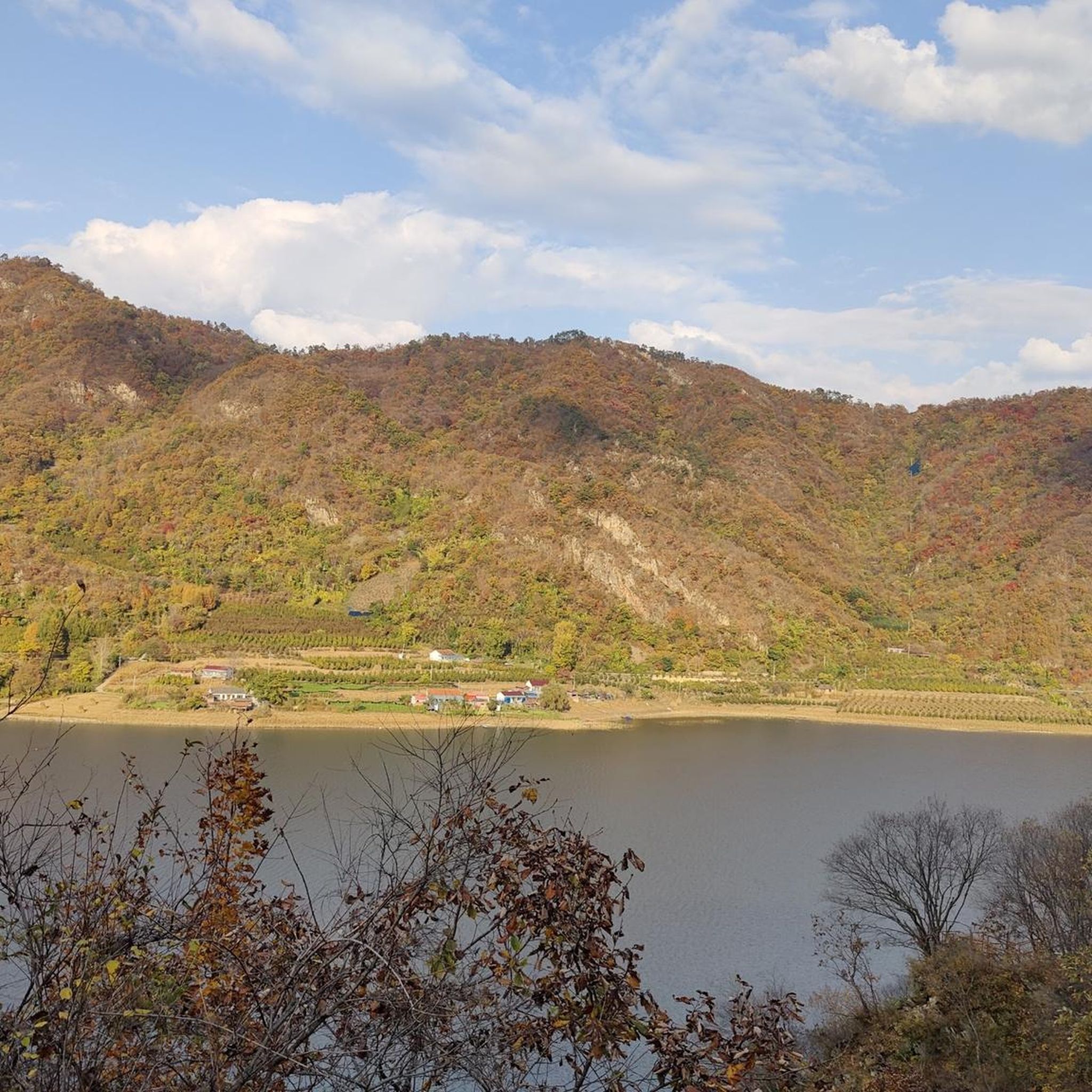
Hiking in North Korea offers a diverse landscape characterized by rugged mountains, serene valleys, and extensive woodlands. The terrain includes dramatic cliffs, numerous waterfalls, and significant natural features such as crater lakes and granite spires. This mountainous environment provides a range of trails, from moderate ascents to gentler paths through forests.
Best hiking trails in North Korea
- The most popular hiking route is Godaesan Pavilion – Maldungbawi Rock loop from Sintan-ri, a 4.4 miles (7.0 km) trail that takes…
Last updated: October 2, 2026
4.9
(8)
27
hikers
7.04km
03:06
640m
640m
Moderate hike. Good fitness required. Easily-accessible paths. Suitable for all skill levels.
4.0
(3)
16
hikers
5.26km
01:56
330m
330m
Moderate hike. Good fitness required. Easily-accessible paths. Suitable for all skill levels.

5.0
(1)
16
hikers
2.01km
00:57
210m
210m
Easy hike. Great for any fitness level. Easily-accessible paths. Suitable for all skill levels.
13
hikers
5.63km
02:00
320m
320m
Moderate hike. Good fitness required. Easily-accessible paths. Suitable for all skill levels.
5.0
(1)
10
hikers
4.38km
01:08
30m
30m
Easy hike. Great for any fitness level. Easily-accessible paths. Suitable for all skill levels.
4.0
(1)
4
hikers
7.85km
03:18
650m
660m
Moderate hike. Good fitness required. Easily-accessible paths. Suitable for all skill levels.
5.0
(2)
5
hikers
7.00km
03:04
630m
630m
Moderate hike. Good fitness required. Easily-accessible paths. Suitable for all skill levels.
5.0
(1)
2
hikers
5.17km
01:41
210m
210m
Easy hike. Great for any fitness level. Easily-accessible paths. Suitable for all skill levels.
5.0
(1)
1
hikers
12.9km
03:40
260m
260m
Moderate hike. Good fitness required. Easily-accessible paths. Suitable for all skill levels.
Our route recommendations are based on thousands of hikes, rides, and runs completed by other people on komoot.
Frequently Asked Questions
How many hiking trails are available in North Korea?
Komoot currently features 6 hiking routes in North Korea. These trails offer a diverse range of experiences, from easy walks to more challenging ascents through the country's rugged mountains and serene valleys.
What kind of terrain can I expect when hiking in North Korea?
Hiking in North Korea primarily involves mountainous terrain, characterized by rugged peaks, dense woodlands, and deep valleys. You'll encounter varied paths, from gentle forest trails to more strenuous climbs, often featuring dramatic cliffs, granite spires, and numerous waterfalls.
What is the best time of year to go hiking in North Korea?
The autumn months, particularly from September to October, are generally considered ideal for hiking in North Korea. During this period, the weather is cooler, and the landscapes are vibrant with fall foliage. For higher elevations like Mount Paektu, access is typically best from May to September.
What natural features or landmarks can I see while hiking in North Korea?
North Korea's hiking trails lead to spectacular natural features. On Godaesan Pavilion – Maldungbawi Rock loop from Sintan-ri, you can expect scenic viewpoints. Other regions offer unique sights: Mount Kumgang is famous for its 'fierce' scenery, including Chilbo Waterfall and Guryong Falls, jagged granite spires, and the serene Samil Lagoon. Mount Paektu boasts the stunning Heaven Lake (Lake Chon) at its summit, while Mount Myohyang is known for its 'ten thousand waterfalls' in Manpok Valley and ancient temples.
Are there any circular hiking routes in North Korea?
Yes, several circular routes are available. For example, the Godaesan Pavilion – Maldungbawi Rock loop from Sintan-ri is a popular option. Another well-liked circular path is the Samgakbong Peak (815 m) – Rest Area with Fire Pit loop from Sintan-ri, which offers elevated views after a forest climb.
What are the difficulty levels of hiking trails in North Korea?
The trails in North Korea cater to various skill levels. You can find easy walks, such as the Hwagaesan Observatory loop from Gyodong, which is generally completed in under two hours. There are also moderate routes like the Godaesan Pavilion – Maldungbawi Rock loop from Sintan-ri, which involves more significant elevation changes. While challenging ascents exist, there are currently no routes rated as 'difficult' on komoot for this region.
Are there any family-friendly hiking options in North Korea?
Yes, there are options suitable for families or those seeking less strenuous walks. Trails like the Hwagaesan Observatory loop from Gyodong are considered easy and accessible, making them good choices for a leisurely outing. The region's diverse terrain includes gentler paths through forests and meadows, particularly in areas like Mount Myohyang.
What do other hikers enjoy most about hiking in North Korea?
The hiking routes in North Korea are highly rated by the komoot community, with an average score of 4.7 stars from over 10 reviews. Hikers often praise the unique and dramatic scenery, the sense of exploration in a less-traveled region, and the opportunity to experience diverse landscapes ranging from rugged mountains to serene valleys.
Are there any trails that feature waterfalls?
Yes, several mountainous regions in North Korea are renowned for their waterfalls. Mount Kumgang, also known as Diamond Mountain, is famous for its numerous cascades, including Chilbo Waterfall and Guryong Falls. Mount Myohyang is also celebrated for its 'ten thousand waterfalls' found within the scenic Manpok Valley.
What are some of the highest peaks accessible for hiking?
Mount Paektu is the highest peak on the Korean Peninsula, offering panoramic views from its summit, which features Heaven Lake. While specific komoot routes to its summit are not listed here, the mountain provides a variety of trails. Other notable peaks include Samgakbong Peak, which can be reached via the Samgakbong Peak (815 m) – Rest Area with Fire Pit loop from Sintan-ri, and Godaebong Peak, accessible on the Godaebong Peak (832 m) – Maldungbawi Rock loop from Sintan-ri.
Is hiking in North Korea typically a guided experience?
Yes, hiking in North Korea is generally undertaken as a guided experience. Adherence to designated paths and local guidance is typically required to ensure a safe and organized exploration of the country's natural beauty.
Most popular routes in North Korea

Get inspired with the komoot mobile app


Explore more
Browse the best Hikes in other regions.
