Routes

Planner

Features

Updates

App

Login or Signup

Get the App

Login or Signup

Login or Signup

Routes
Places to see
United Kingdom
England
West Midlands Region
Worcestershire
Wychavon

Wyre Piddle

Attractions and Places To See around Wyre Piddle - Top 20

Best attractions and places to see around Wyre Piddle include a blend of historical landmarks and natural settings in Worcestershire, England. Situated on the River Avon, the area provides a tranquil environment with various points of interest. Visitors can explore ancient structures, scenic viewpoints, and riverside paths. The region offers diverse attractions for those interested in history and outdoor exploration.

Best attractions and places to see around Wyre Piddle

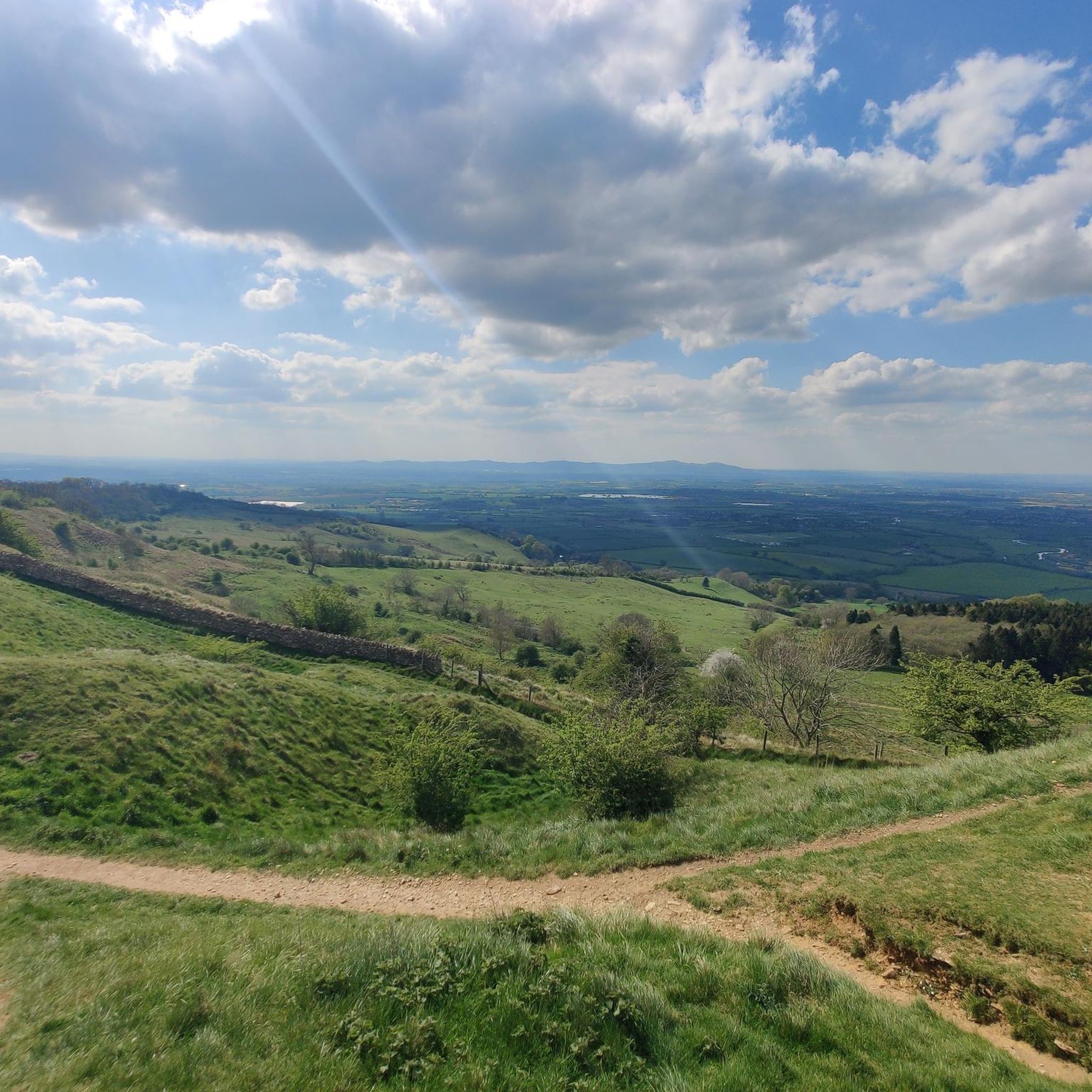
  • The most popular attraction is Parsons Folly on Bredon Hill, a man-made monument that is an 18th-century stone tower on a historic hill. It offers scenic views across Worcestershire to the Malverns and the Cotswolds.
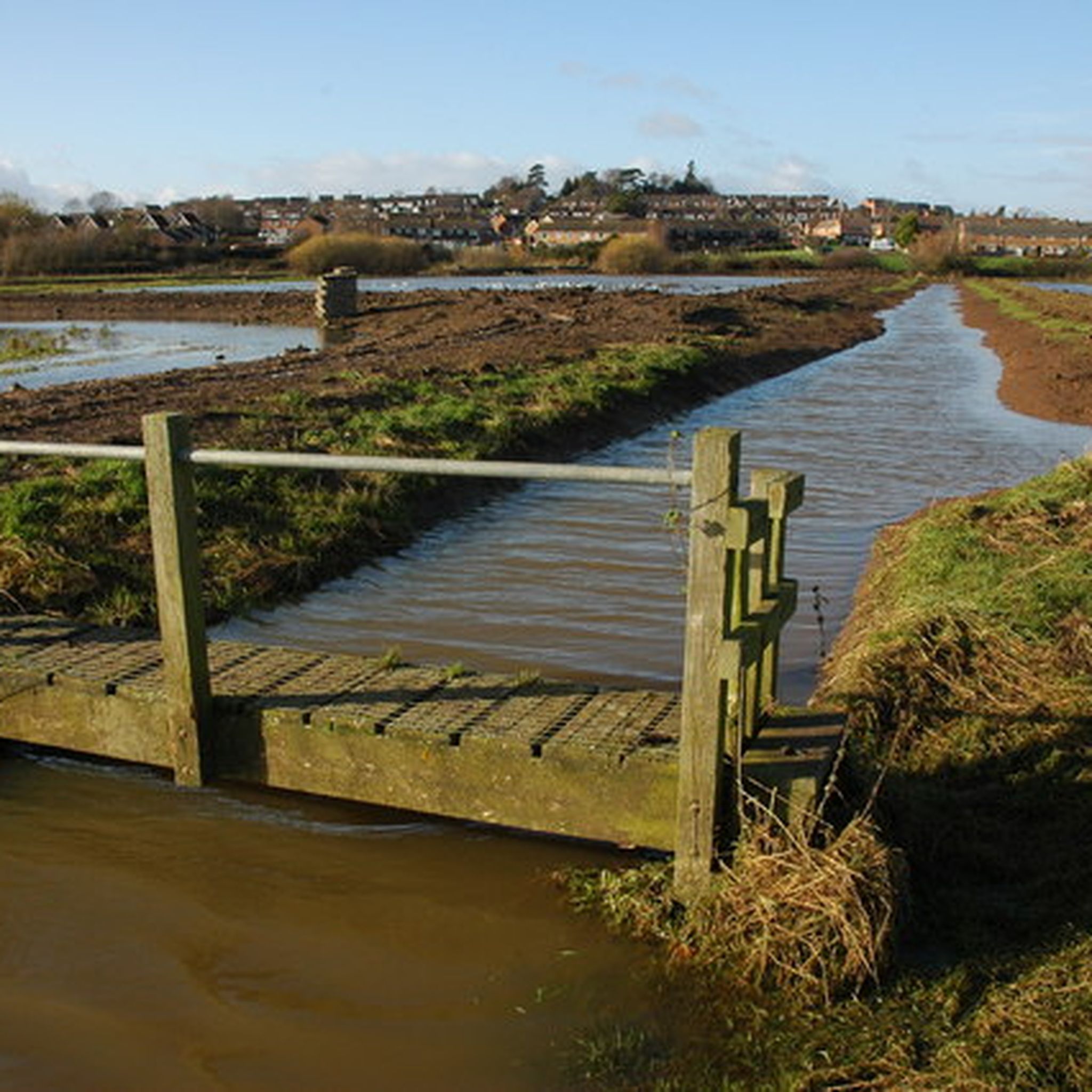
  • Another must-see spot is Pershore Old Bridge, a historical site. This bridge served as a crucial crossing point for traders and is now a popular spot for picnics.
  • Visitors also love St Mary's Church, Elmley Castle, a man-made monument with historical interest. This church is set in the picturesque village of Elmley Castle.
  • Wyre Piddle is known for its historical landmarks, natural features, and walking routes. The area offers a variety of sites to explore, from ancient structures to riverside paths.
  • The attractions around Wyre Piddle are appreciated by the komoot community, with 164 upvotes and 91 photos shared.

Last updated: May 9, 2026

Parsons Folly on Bredon Hill

Highlight • Monument

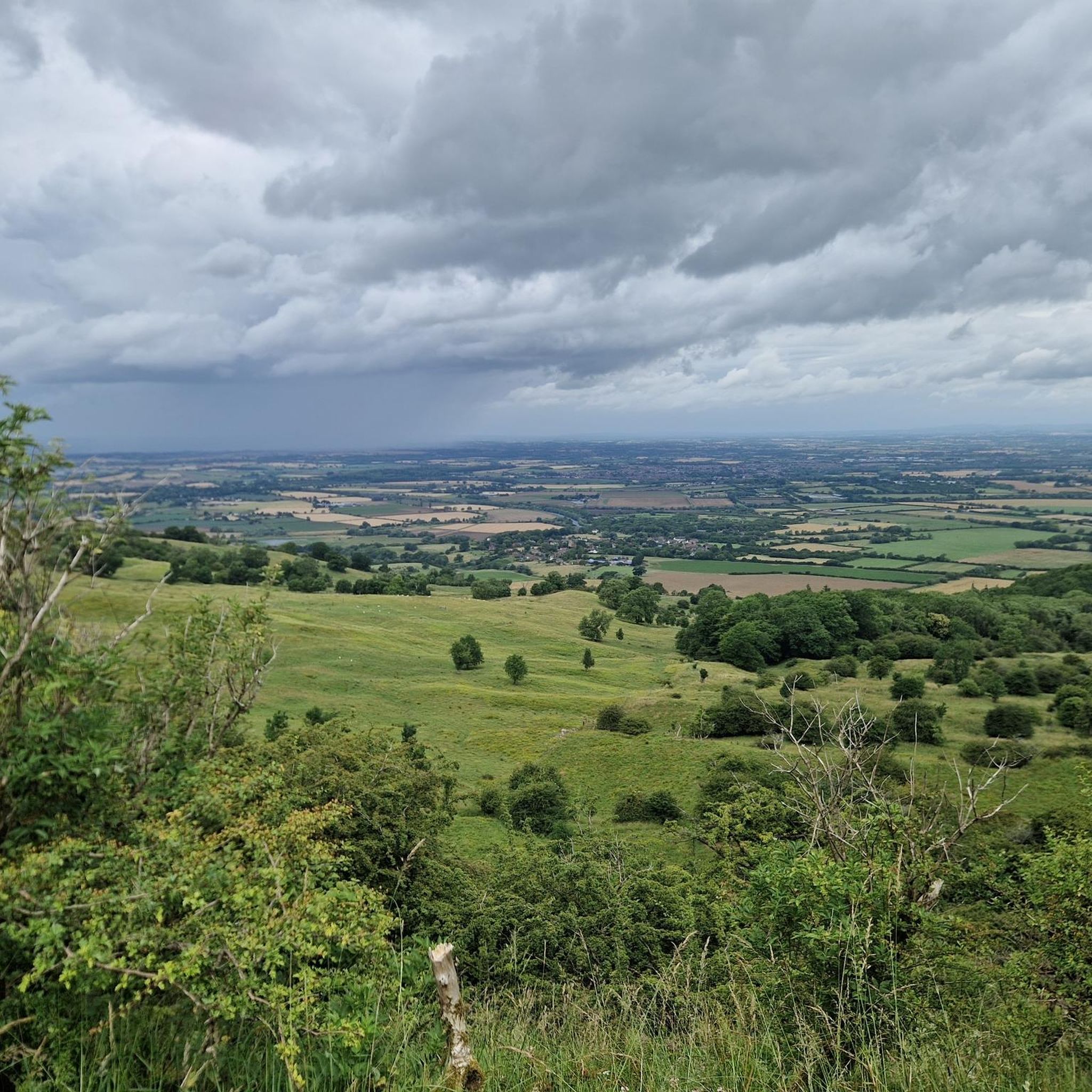
Historic Bredon Hill stands proud in isolation. From its 981-foot (299 m) summit you can gaze out across Worcestershire to the Malverns and south into the rolling Cotswolds. Scenic magnificence.

The hill was once an Iron Age hillfort, known as Kemerton Camp and it then became an important Roman encampment. In the 18th century, the squire of Kemerton Court erected a small stone tower, Parsons Folly. A number of ancient standing stones also adorn the hill.

Tip by

See hikes here

Send to Phone

Save

Pershore Old Bridge

Highlight • Historical Site

This was a key crossing point for traders between London and Worcester. Originally built in the 1400s, various repairs have taken place over the centuries to create the grand structure we see today. There is a popular picnic spot nearby, from which the Pershore Bridges Circular Walk begins. See : komoot.com/guide/712082 for more inspiration.

Tip by

Save

Sign up now to discover places like this

Get recommendations on the best single tracks, peaks, & plenty of other exciting outdoor places.

Sign up for free

St Mary's Church, Elmley Castle

Highlight • Monument

St Mary's Church is a delightful little church full of character and historic interest, set in the picturesque Worcestershire village of Elmley Castle.

Tip by

Save

Croome Court

Highlight • Historical Site

Croome Court is a mid-18th-century Neo-Palladian mansion surrounded by extensive landscaped parkland at Croome D'Abitot, near Upton-upon-Severn in south Worcestershire, England. The mansion and park were designed by Lancelot "Capability" Brown for the 6th Earl of Coventry, and they were Brown's first landscape design and first major architectural project. Some of the mansion's rooms were designed by Robert Adam. St Mary Magdalene's Church, Croome D'Abitot that sits within the grounds of the park is now owned and cared for by the Churches Conservation Trust.

The mansion house is owned by Croome Heritage Trust and leased to the National Trust, which operates it as a tourist attraction. The National Trust owns the surrounding parkland, which is also open to the public.

The foundations and core of Croome Court, including the central chimney stack structure, date back to the early 1640s. Substantial changes to this early house were made by Gilbert Coventry, 4th Earl of Coventry.

George Coventry, the 6th Earl, inherited the estate in 1751, along with the existing Jacobean house. He commissioned Lancelot "Capability" Brown, with the assistance of Sanderson Miller, to redesign the house and estate. It was Brown's "first flight into the realms of architecture" and a "rare example of his architectural work", and it is an important and seminal work. It was built between 1751 and 1752, and it and Hagley Hall are considered to be the finest examples of Neo-Palladian architecture in Worcestershire. Notable Neo-Palladian features incorporated into Croome Court include the plain exterior and the corner towers with pyramidal roofs (a feature first used by Inigo Jones in the design of Wilton House in Wiltshire). Robert Adam worked on the interior of the building from 1760 onwards. The house was visited by George III, as well as by Queen Victoria during summers when she was a child, and George V (when Duke of York).

A jam factory was built near Pershore railway station by the 9th Earl of Coventry in about 1880, to provide a market for Vale of Evesham fruit growers in times of surplus. Although the Croome connection with jam-making had ceased, the building was leased by the Croome Estate Trust during the First World War to the Huddersfield Fruit Preserving Company as a pulping station. The First World War deeply affected Croome; there were many local casualties, although the house was not requisitioned for the war effort. This is possibly because it was the home of the Lord Lieutenant of the county, who needed a residence for his many official engagements. Croome Court was requisitioned during the Second World War by the Ministry of Works, and leased for a year to the Dutch Government as a possible refuge for Queen Wilhelmina of the Netherlands to escape the Nazi occupation of the Netherlands. However, evidence shows that they stayed for two weeks at the most, perhaps because of the noise and fear created by the proximity of Defford Aerodrome. They later emigrated to Canada.

The Croome Estate Trust sold the Court in 1948, along with 38 acres (15 ha) of land, to the Roman Catholic Archdiocese of Birmingham, and the mansion became St Joseph's Special School, which was run by nuns from 1950 until 1979. In 1979, the hall was taken over by the International Society for Krishna Consciousness (ISKCON, the Hare Krishna movement) which used it as its UK headquarters and a training college, called Chaitanya College. During their tenure they repainted the Dining Room. ISKCON left the estate in 1984 for financial reasons. It held a festival at the hall in 2011. From 1984 onwards, various owners tried to use the property as a training centre; apartments; a restaurant and conference centre; and a hotel and golf course, before once more becoming a private family home, with outbuildings converted to private houses.

The house was purchased by the Croome Heritage Trust, a registered charity, in October 2007, and it is now managed by the National Trust as a tourist attraction. It opened to the public in September 2009, at which point six of the rooms had been restored, costing £400,000, including the Saloon. It was estimated that another £4 million to £4.8 million would be needed to restore the entire building. Fundraising activities for the restoration included a 2011 raffle for a Morgan sports car organised by Lord and Lady Flight. After the restoration is complete, a 999-year lease on the building will be granted to the National Trust. An oral history project to record recollections about Croome was funded by the Heritage Lottery Fund. As of 2009, the service wing was empty and in need of substantial repair. The house was listed on 11 August 1952; it is currently Grade I listed.

The mansion is faced with Bath stone, limestone ashlar, and has both north and south facing fronts. It has a basement and two stories, with three stories in the end pavilions. A slate roof, with pyramid roofs over the corner towers, tops the building, along with three pair-linked chimneys along the axis of the house.

Both fronts have 11 bays, split into three central sets of three each, and one additional bay each side. The north face has a pedimented centre, with two balustraded staircases leading to a Roman Doric doorcase. The south face has a projecting Ionic tetrastyle portico and Venetian windows. It has a broad staircase, with Coade stone sphinxes on each side, leading to a south door topped with a cornice on consoles. The wings have modillion cornice and balustrade.

A two-story L-shaped service wing is attached to the east side of the mansion. It is made of red brick and stone, with slate roofs. It was designed by Capability Brown in 1751–1752. On the far side of the service wing, a wall connects it to a stable court.

The interior of the house was designed partially by Capability Brown, with plasterwork by G. Vassalli, and partially by Robert Adam, with plasterwork by Joseph Rose, Jr. It has a central spine corridor. A stone staircase, with iron balusters, is at the east end.

The entrance hall is on the north side of the building, and has four fluted Doric columns, along with moulded doorcases. To the east of the entrance hall is the dining room, which has a plaster ceiling and cornice, while to the west is a billiard room, featuring fielded panelling, a plaster cornice, and a rococo fireplace. The three rooms were probably decorated around 1758–1759 by Capability Brown. The dining room was vibrantly repainted by the Hare Krishnas in the 1970s-80s.

The central room on the south side is a saloon, probably by Brown and Vassalli. It has an elaborate ceiling, with three panels, deep coving, and a cornice, along with two Ionic fireplaces, and Palladian doorcases. King George III was entertained by George Coventry, the 6th Earl, in the house's Saloon. A drawing room is to the west of the saloon, and features rococo plasterwork and a marble fireplace.

To the east of the saloon is the Tapestry Room. This was designed in 1763–1771, based on a design by Robert Adam, and contained tapestries and furniture covers possibly designed by François Boucher and Maurice Jacques, and made by Manufacture Nationale des Gobelins. Around 1902 the ninth Earl sold the tapestries and seating to a Parisian dealer. The Samuel H. Kress Foundation purchased the ceiling, floor, mantlepiece, chair rails, doors and door surrounds in 1949; they were donated to the Metropolitan Museum of Art, New York, in 1958. In 1959, the Kress Foundation also helped the Metropolitan Museum acquire the chair and sofa frames, which they recovered using the original tapestry seats. A copy of the ceiling was installed in place of the original. As of 2016, the room is displayed as it would have looked after the tapestries had been sold, with a jug and ewer on display as the only original decoration of the room that remains in it. The adjacent library room is used to explain what happened to the tapestry room; the former library was designed by Adam, and was dismantled except for the marble fireplace.

At the west side of the building is a Long Gallery[10] which was designed by Robert Adam and installed between 1761 and 1766. It is the best preserved of the original interior (little of the rest has survived in situ). It has an octagonal panelled ceiling, and plaster reliefs of griffins. A half-hexagonal bay faces the garden. The room also contains a marble caryatid fireplace designed by J Wilton. As of 2016, modern sculptures are displayed in empty niches along the Long Gallery.

Tip by

Save

St John the Baptist Church, Grafton Flyford

Highlight • Historical Site

The church of ST. JOHN BAPTIST consists of a chancel 26½ ft. by 15¾ ft., nave 44 ft. by 21 ft., north chapel, south porch, and west tower 11 ft. square. These measurements are all internal.
The church, with the exception of the 14th-century tower, was entirely rebuilt in 1875, but the old work appears to have been very largely re-used. The modern work is already getting into a very bad state of repair.
The chancel has a 15th-century east window of three lights with a segmental pointed head. In the north wall is a square-headed 14th-century window of two ogee trefoil-headed lights. In the south wall are two square-headed two-light windows and a priest's door, mostly modern. On this side is a single sedile with a cusped head, and near it a pointed piscina with the bowl missing. An internal string-course, largely modern, is carried round the chancel. The chancel arch is of two chamfered orders dying into the wall; the voussoirs are small and regular and are of late 13th or early 14th-century date.
In the north wall of the nave is a pointed 14thcentury arch of two chamfered orders opening into a small chapel with a single-light window on the east and west. Further west is a pointed window of the same date with two lights and a traceried head. In the south wall are two windows, each of two lights and similar to that on the north of the chancel; between them is a plain pointed door. All these features have apparently been restored and reset.
The 14th-century tower is faced with ashlar and three stages high with low diagonal buttresses to the western angles of the ground stage. The tower arch is acutely pointed and of two chamfered orders. This stage rests on a deeply moulded plinth and has a pointed 15th-century west window of three cinquefoiled lights. The second stage is lighted by loops only, but the third stage has a pointed 14th-century window of two trefoiled ogee lights in each face. The parapet is embattled, with carved gargoyles at the angles of the string and panelled and crocketed pinnacles rising above them. From within it rises a low octagonal pyramid of stone capped by a truncated pinnacle set diagonally.
The fittings include a 17th-century communion table with turned legs, a 15th-century semi-octagonal pulpit (on a modern base) having a moulded rail and traceried heads to the panels, and a modern font. In the north chapel is a broken marble monument to Roger Stonehall, who died in 1645. Under the tower are roughly designed paintings on boards of the evangelistic symbols with black letter labels, perhaps of the 16th century; here is also a painted achievement of the royal arms of Charles II inscribed 1687 C.R. In the tracery of the east window are some fragments of 15th-century glass tabernacle work and in the north chancel window are two shields, one with the arms of Mortimer and the other imperfect with those of Beauchamp. In the west window are fragments of white and yellow 15th-century glass in the tracery.
There are five bells, all cast by John Martin in 1676: the tenor is inscribed, 'All men that here my roring sound repent before you ly in ground, M. Robert Baker 1676'; the fourth, 'We wish in heven theer souls may sing that caused us six here for to ring, Amell Doxly, Richard Haynes C.W. 1676'; the third, 'Be it known to all that doth wee see John Martin of Worcester, he made wee 1676'; the second, 'All prayse and glory be to God for ever 1676'; and the treble, 'Jesus be our good speed, God Save the King 1676.'
The plate includes a cup and cover paten, London, 1571, and a plate, London, 1679, inscribed 'Grafton Flyford.'
The registers are in one volume as follows: baptisms 1676 to 1813, burials 1676 to 1812, marriages 1678 to 1777.

Tip by

Save

Sign up for free to discover even more attractions around Wyre Piddle.

Sign up for free

Already have an account?

Start today with a free account

Your next adventure awaits.
Login or Signup

Popular around Wyre Piddle

Road Cycling Routes around Wyre Piddle

Cycling around Wyre Piddle

MTB Trails around Wyre Piddle

Hiking around Wyre Piddle

Running Trails around Wyre Piddle

Tips from the Community

Alucard291
March 29, 2026, Pershore Old Bridge

Beautiful medieval bridge over river Avon. Incredibly well preserved given its age.

0

0

Pleasant views of Malvern and the surrounding areas from up there. The folly is ugly as sin but then it IS a folly so... yeah. Not a particularly difficult climb to get up there from either direction.

0

0

Clive G
October 12, 2025, Croome Court

A worthy addition to the National Trust. Wonderful house, set in Capability Brown's first landscape park.

0

0

The old bridge is picturesque, and its also a great place to while away an hour or two by the river.

0

0

The folly itself actually looks like it really is an industrial tower housing mobile phone equipment, but the views are very good. Nearby is the Elephant Stone - it looks like an Elephant kneeing down. Not far from the Cotswold Stone drystone wall is the circular stone that marks the very top of Bredon Hill.

0

0

Good parking, half a dozen spaces on Woollas Hill, near Deer Park centre. Views on way up to Folly are spectacular. Good to get the climb out the way early with gentle, long descent in to Broadway.

0

2

Quiet Anglican church with some gorgeous mosaics inside. Nice brown signpost on the nearest A-Road, so you won't miss the turn.

0

0

Stephen
November 14, 2023, Croome Court

Roundabout (creepy)

0

0

Frequently Asked Questions

What historical landmarks can I explore around Wyre Piddle?

The area is rich in history. You can visit Parsons Folly on Bredon Hill, an 18th-century stone tower on a site that was once an Iron Age hillfort and Roman encampment. Another significant spot is Pershore Old Bridge, dating back to the 1400s, which was a crucial crossing point for traders. Other notable sites include the medieval Wyre Bridge, St Anne's Church with Saxon remains, and the impressive Croome Court, a mid-18th-century Neo-Palladian mansion with landscaped parkland.

Are there any natural beauty spots or viewpoints near Wyre Piddle?

Yes, the region offers several natural attractions. Bredon Hill, where Parsons Folly is located, provides magnificent scenic views across Worcestershire to the Malverns and the Cotswolds. The River Avon and Piddle Brook are central to Wyre Piddle's landscape, offering serene riverside paths and the unique Pershore Islands for wildlife spotting. Although a bit further, Wyre Forest is the UK's largest woodland National Nature Reserve with extensive trails.

What kind of walking and hiking trails are available around Wyre Piddle?

There are many options for walking and hiking. The Pershore Bridges Circular Walk is a popular choice, starting near Pershore Old Bridge. Sections of the Millennium Way also traverse varied terrain including meadows and woodlands. For more routes, you can explore the dedicated Hiking around Wyre Piddle guide, which includes trails like the 'Pershore Abbey – Pershore Old Bridge loop'.

Are there cycling routes suitable for different skill levels?

Absolutely. The area around Wyre Piddle is great for cycling. You can find a variety of routes in the Cycling around Wyre Piddle guide. Options range from easy rides like the 'Pershore Old Bridge loop from Pershore' to more moderate routes such as the 'Queen Elizabeth Inn – Kemerton Coffee House loop'. For mountain biking enthusiasts, there's also an MTB Trails around Wyre Piddle guide, featuring routes around Bredon Hill.

What are some family-friendly attractions in the area?

Several attractions are suitable for families. Pershore Old Bridge is a popular spot for picnics and the starting point for walks. Croome Court, with its extensive landscaped parkland, offers space for children to explore. Additionally, churches like St Mary's Church, Elmley Castle and St John the Baptist Church, Grafton Flyford are set in picturesque villages that can be pleasant for a family stroll.

Where can I find places to eat and drink in Wyre Piddle and nearby?

Wyre Piddle itself will see the reopening of The Anchor Inn, a Grade II listed country pub on the riverbank, in May 2025. The nearby Pershore Market Town is known for its independent shops, cafes, pubs, and restaurants, offering a wider selection of dining options.

What is the best time of year to visit Wyre Piddle for outdoor activities?

The spring and summer months generally offer the most pleasant weather for outdoor activities like walking and cycling, with longer daylight hours and warmer temperatures. However, the picturesque landscapes, especially around Bredon Hill and the riverside paths, can be enjoyed in autumn with changing foliage, and even in winter for crisp, quiet walks, though some paths might be muddy.

Are there any religious buildings of historical significance to visit?

Yes, the area has several historically significant churches. St Mary's Church, Elmley Castle is a delightful church full of character. St John the Baptist Church, Grafton Flyford also boasts historical elements. Additionally, St Anne's Church in Wyre Piddle has Saxon remains and a handsome Norman arch, and the exceptionally beautiful Pershore Abbey has been a center for Christian worship for 1300 years.

What do visitors enjoy most about the attractions around Wyre Piddle?

Visitors particularly appreciate the stunning views from places like Parsons Folly on Bredon Hill, often noting the scenic magnificence across Worcestershire to the Malverns. The historical significance of sites like Pershore Old Bridge and the tranquil riverside settings are also highly valued. The komoot community has upvoted these attractions 164 times and shared 91 photos, highlighting their appeal.

Are there any unique cultural sites or points of interest beyond historical landmarks?

Beyond the major landmarks, Wyre Piddle has interesting cultural aspects. Archaeological discoveries in the village include evidence of late Iron Age and Roman occupation, as well as a medieval silver coin hoard. The Wyre Piddle Village Gardens offer visitors a chance to explore diverse gardens, some with delightful river views. The nearby Pershore Market Town is also known for its elegant Georgian architecture and vibrant local market scene.

Is there parking available at the main attractions?

For Pershore Old Bridge, you can park for free directly at the bridge. For other attractions, parking availability can vary, but many villages and towns in the area, such as Pershore, offer public parking options. It's advisable to check specific locations for details.

Can I find any hidden gems or less crowded spots?

While popular spots like Bredon Hill offer expansive views, exploring the smaller village churches like St Mary's Church, Elmley Castle, or the tranquil riverside paths along the River Avon and Piddle Brook can offer a more serene experience. The Wyre Piddle Village Gardens, when open, also provide a unique and often less crowded insight into local charm.

Most popular routes around Wyre Piddle

Road Cycling Routes around Wyre Piddle

Most popular attractions around Wyre Piddle

Natural Monuments

Store rating

Get inspired with the komoot mobile app

With a free komoot account, you can easily find, customize, and navigate endless outdoor adventures.

or

Join komoot Now

Store rating

Explore more

Still not found the Highlight you’re looking for? See guides of the top attractions in other regions:

EveshamWickhamfordAston SomervilleNorth And Middle LittletonChildswickhamBadseyBroadwayAldingtonHoneybourneSouth LittletonBretfortonPebworthUpton WarrenOffenhamElmbridgeHinton On The GreenBeckfordCondertonAshton Under HillSedgeberrowCharltonBickmarshOverburyNethertonEckingtonBredon'S NortonDrakes Broughton And WadboroughBesfordPirtonKemertonDeffordPeopletonStoultonStrenshamHartleburyBirlinghamElmley CastleBredonOmbersleyGreat CombertonNorton Juxta KempseyLittle CombertonFladburyBricklehamptonWhittingtonCropthorneNorton And LenchwickElmley LovettSpetchleyChurch LenchOddingleyWhite Ladies AstonCookhillWickSalwarpeChurchillUpton SnodsburyHampton LovettPinvinPershoreDoverdaleCleeve PriorHimbletonBroughton HackettThrockmortonBishamptonHadzorHill And MoorTibbertonHindlipDroitwich SpaMartin HussingtreeNorth ClainesStock And BradleyBredicotGrafton FlyfordHuddingtonWestwoodCrowleInkberrowNorth PiddleDodderhillFlyford FlavellHanburyDormstonKingtonNaunton BeauchampAbbots MortonAbbertonHarvingtonRous Lench

Nearby adventure guides

Things to Do around Wick

background

Get ready to conquer new peaks

Sign up for Free

Explore
RoutesRoute plannerFeaturesHikesMTB TrailsRoad cycling routesBikepackingSitemap
Download the app
Follow Us on Socials

© komoot GmbH

Privacy Policy