The best walks and hikes around Croome D'Abitot
4.6
(914)
8,099
hikers
11
hikes
Hiking around Croome D'Abitot provides access to historic parkland and landscaped estates. The region is characterized by gentle terrain, featuring open fields, historic buildings, and cultivated gardens. Paths are generally well-maintained, offering accessible walking experiences.
Best hiking trails around Croome D'Abitot
- The most popular hiking route is Croome Park loop, a 3.8 miles (6.0 km) trail that takes 1 hour 33 minutes to complete. This easy route explores the expansive historic parkland.
- Another top favourite among local hikers is…
Last updated: July 2, 2026
4.3
(3)
22
hikers
6.05km
01:33
20m
20m
Embark on an easy hike through the historic Croome Park loop, a picturesque journey spanning 3.8 miles (6.1 km) with a gentle elevation gain of 73 feet (22 metres). This…
4.8
(12)
144
hikers
Moderate hike. Good fitness required. Easily-accessible paths. Suitable for all skill levels.

Sign up for free
4.6
(14)
297
hikers
5.43km
01:25
30m
30m
Easy hike. Great for any fitness level. Easily-accessible paths. Suitable for all skill levels.
5.0
(2)
35
hikers
2.64km
00:41
20m
20m
Easy hike. Great for any fitness level. Easily-accessible paths. Suitable for all skill levels.
4.5
(2)
11
hikers
Moderate hike. Good fitness required. Easily-accessible paths. Suitable for all skill levels.
Get access to more routes and recommendations from other explorers.
Sign up for free
Already have an account?
Our route recommendations are based on thousands of hikes, rides, and runs completed by other people on komoot.
Start today with a free account
Your next adventure awaits.
Login or Signup
Tips from the Community


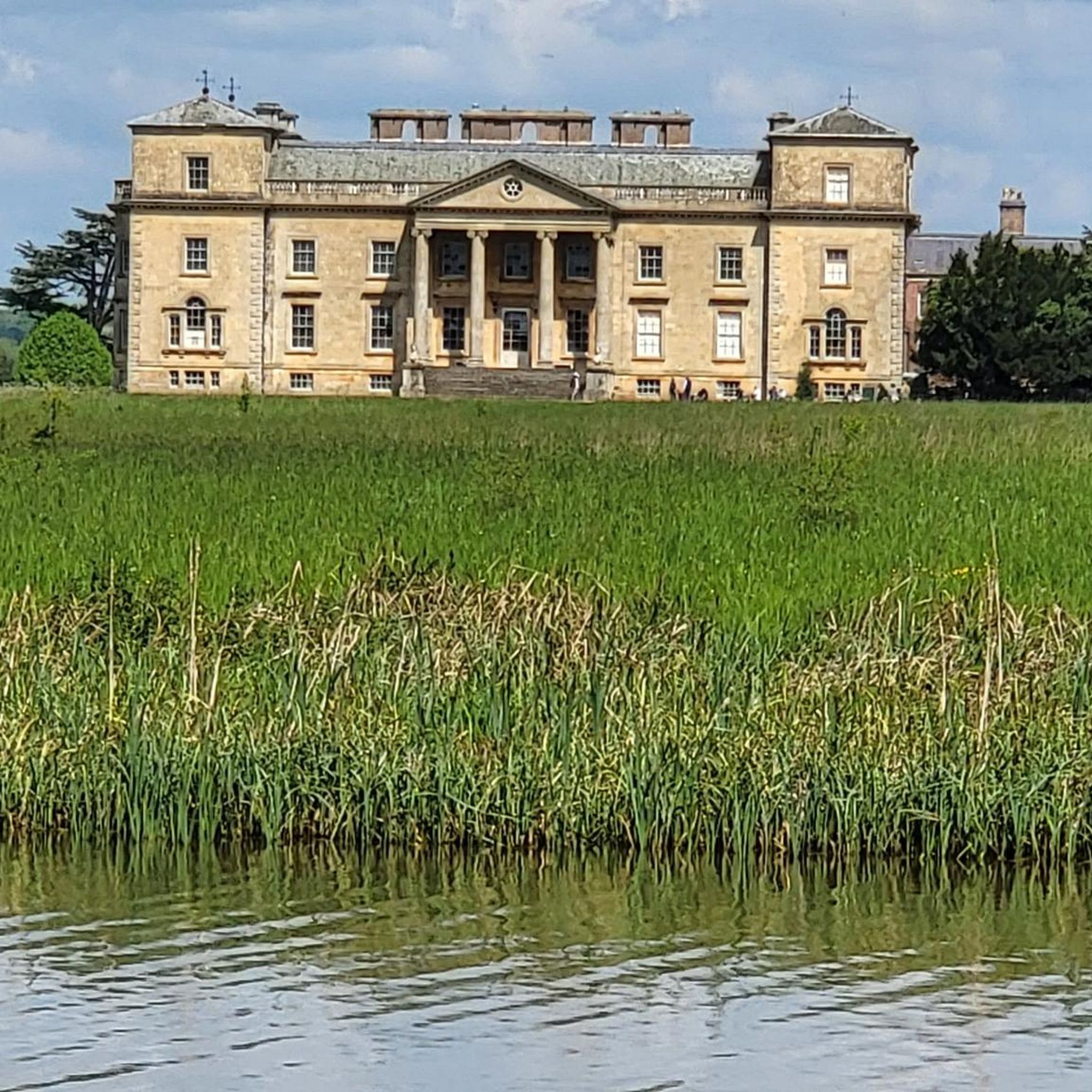
One of the feature buildings on the Croome Landscape Park, a lovely location at sunset, with it's views across the Croome River.
0
0

From our research, this dry stone well was originally dug sometime between 1800 and 1810. It was a clear indication that the Dipping Pond was insufficient for the needs of the garden by then, either due to limited capacity or simply because it was too far to carry water up to the top. When we first arrived, the only indication that it even existed was marked by a broken-down fence and some barbed wire. Who knows what might have fallen in there during the 50 years of abandonment. To render it safe, we constructed a red brick head with a steel grid, rather than opting to fill it in and, perhaps, later regretting it. It was Autumn of 2022 when we revisited the prospect of further investigation, this time through necessity. For the second consecutive year, the Gardens had suffered from drought, with our water storage tanks running dry. We needed to act to avoid future recurrences and the prospect of adding more unsightly tanks was unappealing and expensive. The Well seemed an obvious choice to explore, despite the risk of what we might find down there. Unfortunately, it needed to be dredged to bring the level down to below the water table. After a lengthy discussion with our site manager, it was mutually agreed that neither of us were prepared to climb down the well. So, after a Google search, we found a specialist well dredging firm, who agreed to take on the task. The husband-and-wife team arrived in November, set up their tripod with block & tackle and began their work. He operated the pulleys while she was lowered into the hole with a bucket and trowel. After several days of excavating dark and smelly sludge, they hit some inanimate objects which were too heavy for their lifting equipment. A week or so later, they returned with a heavy-duty overhead crane, which proved sufficient to retrieve the cast iron pump which, at some point, had been cut into shorter pieces and thrown back down the well. With the offending objects now removed, they were able to complete their task and restore the well to its former glory. Happily, we now have an abundant supply of water to keep the irrigation system topped up all year round
0
0
The Croome Rotunda is a Grade I listed circular garden temple located in the parkland of Croome Court in Worcestershire, England. Designed by Robert Adam in the 1760s and later remodelled by James Wyatt in 1801, it was intended as a hunting and viewing platform with a domed roof that offers panoramic views of the Malvern Hills. The structure, built from bath stone, has been subject to extensive restoration by the National Trust. Design and purpose Architects: Originally designed by Robert Adam in the 1760s, it was later redesigned by James Wyatt in 1801, based on Adam's earlier work. Architectural style: The design was modeled after the Tempietto Romano in Rome. It is a circular, two-story building constructed from bath stone. Function: It served as a garden room and a viewing platform, providing a place to admire the landscape and hunt, and was one of the 6th Earl of Coventry's favorite spots. Interior: The interior features Rococo plasterwork on the walls and window surrounds and a coffered ceiling on the dome. source: internet
0
0
Memorial with the following inscription: TO THE MEMORY OF GEORGE WILLIAM, EARL OF COVENTRY. THE FOLLOWING LINES WERE INSCRIBED BY HIS SUCCESSOR. OCT. 25, 1809. Sacred to him, the Genius of this place! Who reared these shades. and formd these sweet retreats: With evry incense-breathing shrub. adorn'd And flowers of fairest hue! His culturd taste. And native fancy bade the scene, around. Rise perfect and the muse, whom much he lovd Still joys to haunt it. Crownd with length of days. He lived-one wish alone unsated: much His loyal heart had cherish'd a fond hope To hail this day of jubilee - and close His earthly course, in Britain's hour of joy
0
0
The Croome Walled Gardens are privately owned, historic, and restored Georgian gardens, separate from the National Trust's Croome parkland. Originally dating to the 16th century, they were brought back to life by Chris and Karen Cronin starting in 2000. The gardens feature large greenhouses, a rose garden, and vegetable plots, and they are open to the public from April to September on weekends and bank holidays. History and restoration The gardens were once part of the landscape designed by "Capability" Brown and fell into ruin before the restoration project began. The privately owned gardens have been restored by custodians Chris and Karen Cronin since 2000. The gardens are notable for their size and the 18th-century records that have survived, making them of national importance. They were once used to supply food for Croome Court and include historical features like a 13-foot high "hot wall" from the early 19th century.
0
0
This roundabout is a 'left-over' from when Croome Court was a Catholic boys' school in the 1950s, 60s and 70s.
0
0
The beautiful green oak bridge, a very photogenic highlight of the park.
0
0
Frequently Asked Questions
How many hiking trails are available in Croome D'Abitot?
There are over 10 distinct hiking trails around Croome D'Abitot, offering a variety of experiences within the historic parkland and gardens. These include 6 easy routes and 4 moderate routes.
What is the typical length and duration of hikes in Croome D'Abitot?
Hikes in Croome D'Abitot vary in length, with routes ranging from approximately 1.6 miles (2.6 km) to 6.7 miles (10.8 km). Depending on the trail, you can expect walks to take anywhere from 40 minutes to over 2 hours to complete.
Are there family-friendly walks suitable for children in Croome D'Abitot?
Yes, Croome D'Abitot offers several family-friendly options. The gentle terrain and well-maintained paths make many routes suitable for children. For example, the Croome Court – Croome Walled Gardens loop is an easy 1.6-mile (2.6 km) trail that explores historic grounds and gardens, perfect for a shorter family outing.
Can I bring my dog on the hiking trails in Croome D'Abitot?
Croome D'Abitot is generally dog-friendly, with many areas welcoming well-behaved dogs on leads. Specific restrictions may apply in certain indoor areas or sensitive wildlife zones, so it's always best to check local signage. The expansive parkland offers plenty of space for walks with your canine companion.
Is parking available for hikers in Croome D'Abitot?
Yes, ample parking is available for visitors to Croome D'Abitot, typically managed by the National Trust. There are designated car parks conveniently located near the main entrance and starting points for many trails. Please note that parking charges may apply.
Are there accessible trails for wheelchairs or strollers in Croome D'Abitot?
The region is characterized by gentle terrain and generally well-maintained paths, making some sections suitable for wheelchairs and strollers. While not all trails are fully accessible, routes within the main parkland often offer smoother surfaces. It's advisable to check specific route details for gradient and path conditions.
When is the best time of year to hike in Croome D'Abitot?
Croome D'Abitot offers enjoyable hiking experiences throughout the year. Spring brings blooming gardens, summer provides lush greenery, autumn showcases vibrant foliage, and winter offers crisp, quiet walks. The gentle nature of the trails means they are often passable even in cooler months, though conditions can vary with weather.
What can I see along the hiking trails in Croome D'Abitot?
Hiking trails in Croome D'Abitot lead you through historic parkland, past the grand Croome Court, and into beautifully landscaped gardens. You can also discover interesting landmarks like the Parsons Folly on Bredon Hill, or enjoy views from Jubilee Hill. The area is rich in history and natural beauty.
Are there any circular walks in Croome D'Abitot?
Yes, many of the routes in Croome D'Abitot are circular, allowing you to start and end at the same point without retracing your steps. An excellent example is the Croome Park loop, which is 3.8 miles (6.0 km) and explores the expansive historic parkland.
What do other hikers enjoy most about hiking in Croome D'Abitot?
The area is highly rated by the komoot community, with an average score of 4.6 stars from over 600 reviews. Hikers often praise the well-maintained paths, the historical significance of Croome Court and its gardens, and the peaceful, gentle nature of the walks through the landscaped parkland.
Are there places to eat or drink near the hiking trails?
Within Croome D'Abitot itself, there is typically a National Trust cafe offering refreshments and light meals. Additionally, the surrounding villages often feature traditional pubs and eateries where you can enjoy a meal or a drink after your hike.
Can I explore the Walled Gardens and Croome Court on a hike?
Absolutely. Several routes are designed to take you through or past these key attractions. For instance, the Croome Walled Gardens – Croome Court loop is an easy 3.4-mile (5.4 km) path that specifically connects these historic features, allowing you to experience both.
What is the elevation gain like on trails in Croome D'Abitot?
The trails in Croome D'Abitot are characterized by gentle terrain, meaning elevation gains are generally minimal. Most routes feature less than 60 meters (200 feet) of ascent, making them suitable for hikers who prefer less strenuous climbs.
Most popular routes around Croome D'Abitot
Most popular attractions around Croome D'Abitot

Get inspired with the komoot mobile app


Explore more
Browse the best Hikes in other regions.
