Attractions and Places To See around Great Witley - Top 20
Attractions and places to see around Great Witley, a village in Worcestershire, England, include historical landmarks, cultural sites, and natural features. The area offers a variety of attractions, from a ruined mansion and its gardens to a church with Baroque interiors and natural reserves. Visitors can explore sites showcasing the region's history and natural landscape.
Best attractions and places to see around Great Witley
- The most popular attractions is Bewdley Bridge, a historical bridge and settlement area. It is a popular spot for refreshments and views by the river.
- Another must-see spot is Burlish Top Nature Reserve, an 86-acre lowland heath. This reserve provides habitat for insects, reptiles, and rare plants, and contains remnants of a Second World War American army camp.
- Visitors also love Knowles Mill, an 18th-century water-powered grain mill. This historical site, owned by the National Trust, features extant machinery and is located in the Wyre Forest.
- Great Witley is known for its historical sites, natural reserves, and architectural landmarks. The area offers a diverse range of attractions to see and explore, from ancient mills to expansive nature reserves.
- The attractions around Great Witley are appreciated by the komoot community, with more than 170 upvotes and 47 photos.
Last updated: July 2, 2026
Bewdley Bridge
Highlight • Cafe
Tip by

Burlish Top Nature Reserve
Highlight • Natural
Tip by

Sign up now to discover places like this
Get recommendations on the best single tracks, peaks, & plenty of other exciting outdoor places.
Sign up for free
Knowles Mill
Highlight • Historical Site
Tip by
Wyre Forest Line Rail Trail
Highlight • Trail
Following the completion of the Tenbury & Bewdley Railway in 1864, the GWR took over the working of traffic over the Tenbury Railway section on behalf of the joint companies, with the LNWR also having running powers. As part of this process, the GWR telegraph system was extended to Woofferton; also the LNWR agreed to a turntable being installed at Tenbury to be paid for by the GWR. This turntable was moved from Bewdley and re-erected in the goods yard at Tenbury. (Some confusion has occurred in the past, as there was a small wagon turntable at Woofferton in its early days.) The completed line ran north from the GWR station at Bewdley on a single line track alongside the Severn Valley Line for a distance of about a mile before diverging to the west to cross the river Severn at Dowles Bridge (the viaduct referred to by Capt. Tyler), the remains of which are visible from trains on the SVR. The abutments where the line passed over what is now the B4194 remain in-situ. The line continued to Woofferton via Wyre Forest, Cleobury Mortimer, Neen Sollars, Newnham Bridge, Tenbury (later renamed Tenbury Wells) and Easton Court.
The route acquired a number of names. A platform sign at Woofferton station referred to 'The Bewdley Branch', while passengers at Bewdley could take 'The Tenbury Branch'. Informally the route was often referred to as 'The Wyre Forest Line' or 'The Tenbury Line'. The Engineer's Line References were TBY for 'Tenbury & Bewdley' and WTW for 'Woofferton and Tenbury Wells', while the 1905 Ordnance Survey map describes it as the 'GW&L&NW Joint Railway - Woofferton & Tenbury' and the 'GWR - Tenbury & Bewdley Branch'
One purpose of the Tenbury & Bewdley Railway was for freight traffic to gain access to the expanding markets of the West Midlands. However at the time of opening, this journey would require traveling to the SVR's southern terminus at Hartlebury, with a reversal to reach the West Midlands via Kidderminster. This was hampered by a lack of siding space at Hartlebury and resulted in frequent delays, leading to construction of the 'Kidderminster Loop Line' from Bewdley to Kidderminster. After the GWR built 'The Loop', the majority of services from Stourbridge and Kidderminster to Bewdley continued on the Wyre Forest Line.
In January 1869, ownership of the Tenbury Railway was transferred jointly to the LNWR and GWR. It nominally remained an independent company until nationalisation in January 1948. The Tenbury & Bewdley Railway ceased to exist as a separate company when ownership was transferred to the GWR in February 1870. Both the GWR and the Tenbury Railway became part of British Railways' Western Region after nationalisation.
In 1908 the Cleobury Mortimer and Ditton Priors Light Railway opened. This connected with the Tenbury & Bewdley Railway at Cleobury Mortimer and ran as a spur for 12½ miles to Ditton Priors.
Tip by

St Peter's Church, Martley
Highlight • Religious Site
Parish church. Early C12, early C13 and circa 1315, restored 1875, 1884 and 1909. Last restoration by Sir Charles Nicholson. Ashlar, plain tile roof. Nave and chancel continuous, west tower, north vestry of 1875, south porch of 1184.
Chancel: three bays, north wall early C13 with two lancets, north vestry; east window: restored Decorated of early C14, three trefoiled lights; south wall: eastern window Decorated with two trefoiled lights, other two larger each with two ogee trefoiled lights, formerly looked into Mortimer chapel (consecrated 1315, demolished), they flank a three-centred-headed priest's door; stepped right angle buttresses to corners.
Nave: three bays, all windows restored: decorated each with two trefoiled lights in both walls. Restored early C12 south door with timber porch of 1884; blocked north door more complete and similar in design; doorway projects c150mm from wall face, with decorated semicircular head and consecration cross; wall has five bays defined by a series of early C12 pilasters, top four courses of naves walls are of alternate bands of red and white sandstone.
West tower: C15 in three stages divided by moulded string, moulded plinth, embattled parapet with pinnacles of 1909 to diagonal corner buttresses. C15 Perpendicular west window with three cinquefoiled lights; first stage has single trefoiled lights, bell chamber has windows with two cinquefoiled lights under two-centred head.
INTERIOR: chancel: double aumbry in north wall, piscina in south wall with priests head to label stop; nave: entrance to rood stairs and above rood left door, stairs were in an external projection, now lost; tower arch of two chamfered orders with moulded abaci at springing.
Roofs: similar over nave and chancel, slightly lower pitch to chancel, collar-rafter roof with straight braces from rafter to collar and ashlar pieces, five tie beams in nave, two in chancel, probably early C14. A framed tympanum divides the nave from the chancel roof, probably C17.
Fittings: wall paintings in nave of C15 including St Martin on horseback dividing his cloak for the beggar; in chancel wall paintings of late C13 and C15, including C15 canopy design on east wall, and a C15 Annunciation group on the south wall. A few late C15 Malvern tiles in chancel floor; early C20 screen, font, pulpit and organ. Late C15 recumbent effigy of alabaster against north wall of chancel, ridged coffin lid to south with traces of incised cross and pastoral staff. The two eastern windows in the south wall of the nave and central window in north wall are of circa 1915 by Walter E Tower.
Source: britishlistedbuildings
Tip by
Sign up for free to discover even more attractions around Great Witley.
Sign up for free
Already have an account?
Start today with a free account
Your next adventure awaits.
Login or Signup
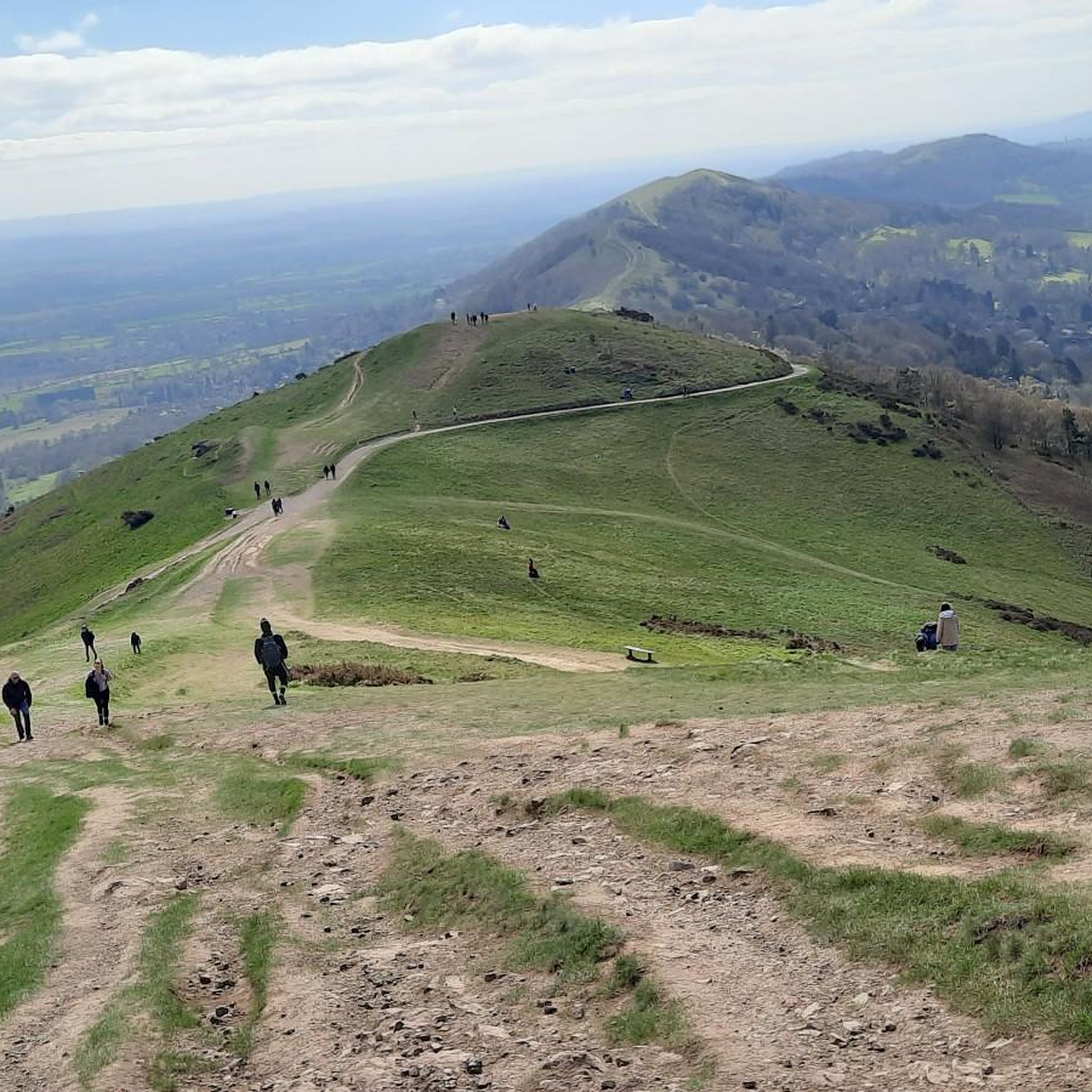
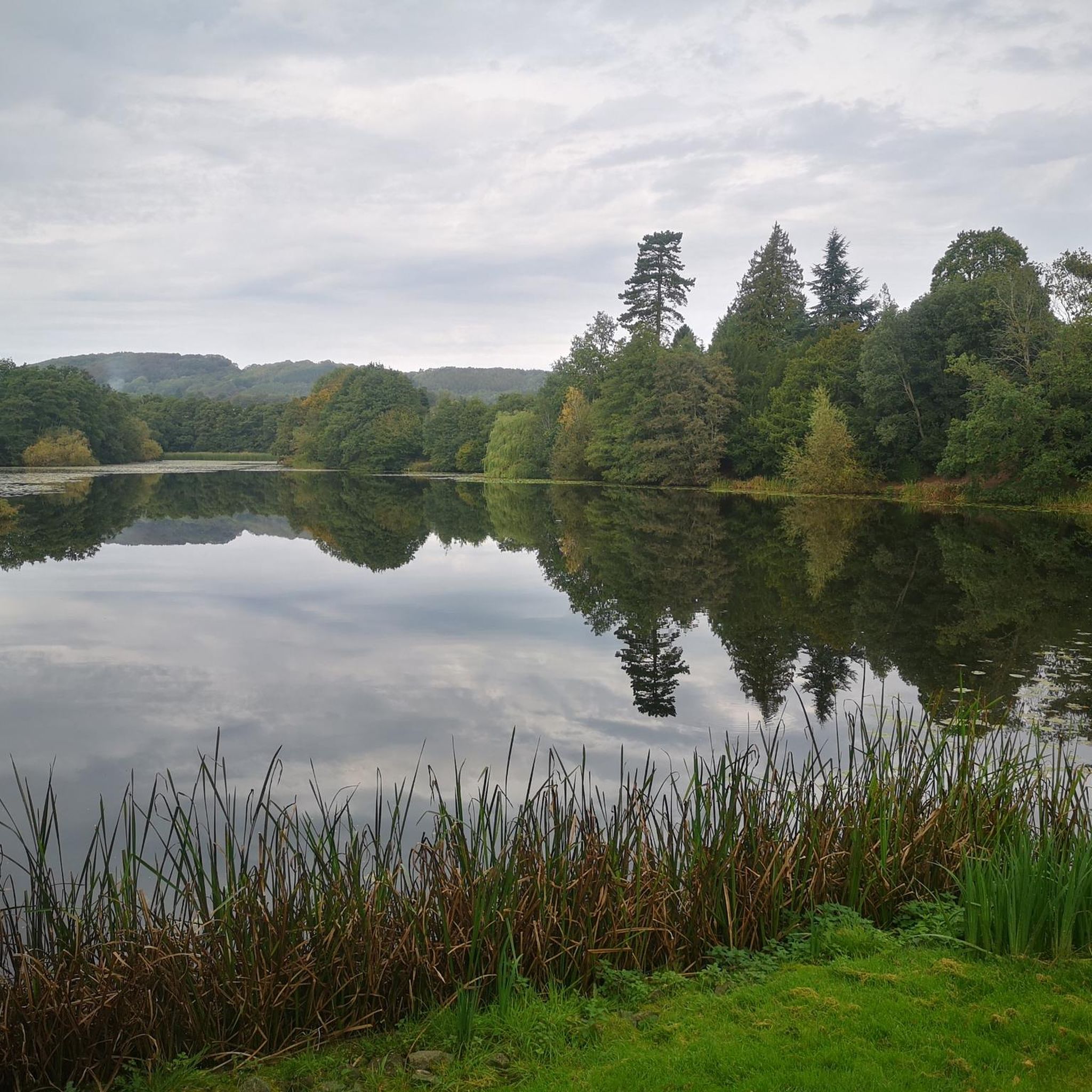
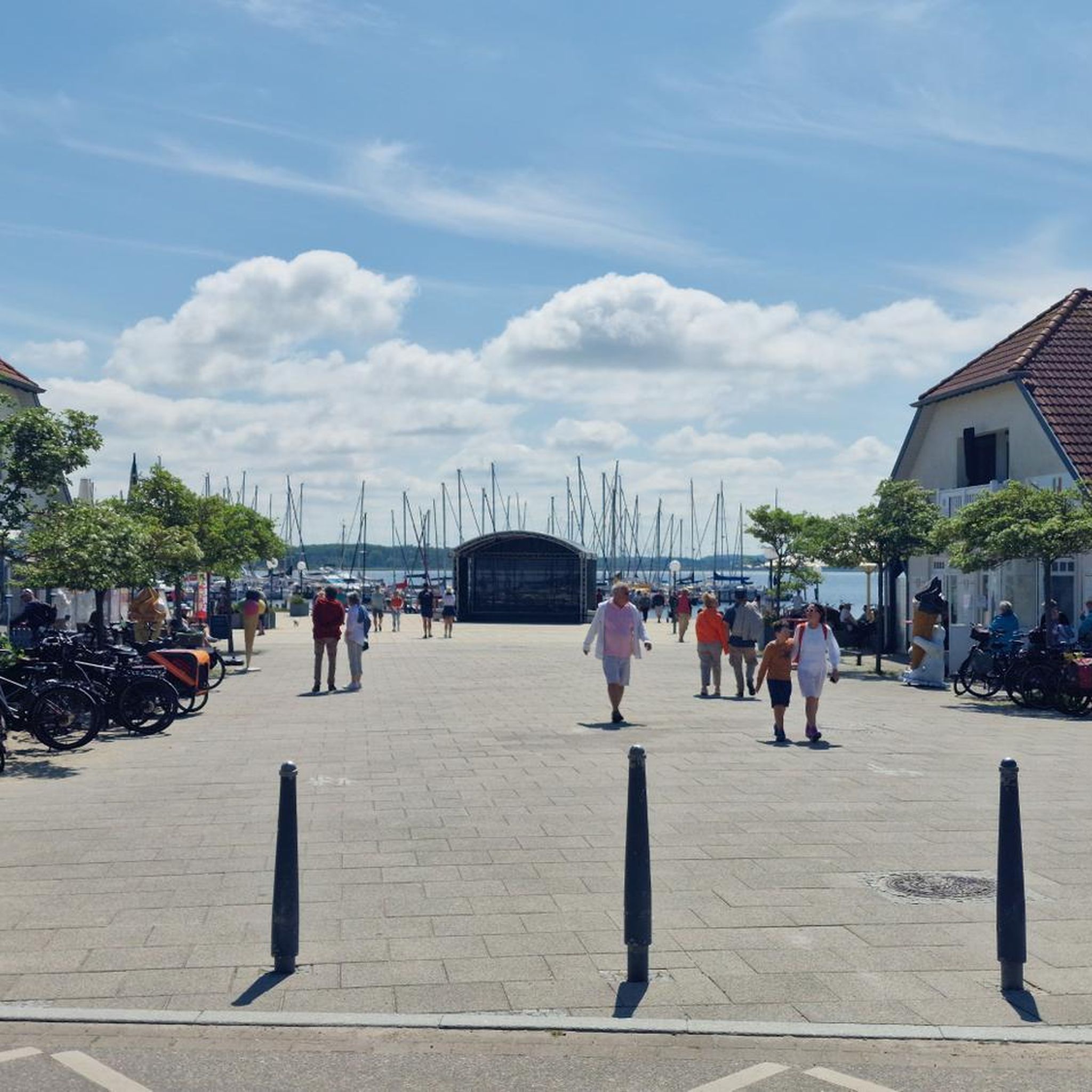
Other adventures around Great Witley

Tips from the Community

Fine church with lovely grounds, made from the local sandstone.
0
0
One of the highlights of this part of the Geopark Way, rather better than walking through Stourport.
0
0

A large village church with 12th century Norman origins and work from several later periods. The tower is 15th century. The church was restored in 1909 by Sir Charles Nicholson. There is an excellent west window by Tom Denny, 1999. Parish church. Early C12, early C13 and circa 1315, restored 1875, 1884 and 1909. Last restoration by Sir Charles Nicholson. Ashlar, plain tile roof. Nave and chancel continuous, west tower, north vestry of 1875, south porch of 1184. Chancel: three bays, north wall early C13 with two lancets, north vestry; east window: restored Decorated of early C14, three trefoiled lights; south wall: eastern window Decorated with two trefoiled lights, other two larger each with two ogee trefoiled lights, formerly looked into Mortimer chapel (consecrated 1315, demolished), they flank a three-centred-headed priest's door; stepped right angle buttresses to corners. Nave: three bays, all windows restored: decorated each with two trefoiled lights in both walls. Restored early C12 south door with timber porch of 1884; blocked north door more complete and similar in design; doorway projects c150mm from wall face, with decorated semicircular head and consecration cross; wall has five bays defined by a series of early C12 pilasters, top four courses of naves walls are of alternate bands of red and white sandstone. West tower: C15 in three stages divided by moulded string, moulded plinth, embattled parapet with pinnacles of 1909 to diagonal corner buttresses. C15 Perpendicular west window with three cinquefoiled lights; first stage has single trefoiled lights, bell chamber has windows with two cinquefoiled lights under two-centred head. INTERIOR: chancel: double aumbry in north wall, piscina in south wall with priests head to label stop; nave: entrance to rood stairs and above rood left door, stairs were in an external projection, now lost; tower arch of two chamfered orders with moulded abaci at springing. Roofs: similar over nave and chancel, slightly lower pitch to chancel, collar-rafter roof with straight braces from rafter to collar and ashlar pieces, five tie beams in nave, two in chancel, probably early C14. A framed tympanum divides the nave from the chancel roof, probably C17. Fittings: wall paintings in nave of C15 including St Martin on horseback dividing his cloak for the beggar; in chancel wall paintings of late C13 and C15, including C15 canopy design on east wall, and a C15 Annunciation group on the south wall. A few late C15 Malvern tiles in chancel floor; early C20 screen, font, pulpit and organ. Late C15 recumbent effigy of alabaster against north wall of chancel, ridged coffin lid to south with traces of incised cross and pastoral staff. The two eastern windows in the south wall of the nave and central window in north wall are of circa 1915 by Walter E Tower. Source: britishlistedbuildings
0
0
Knowles Mill is the remains of an eighteenth-century water-powered grain mill, located in the Wyre Forest in Worcestershire, England. The mill has been owned by the National Trust since 1938. The mill and its surroundings feature extant machinery, as well as notable populations of adders and wood cranesbill. One of nine possible mills that historically worked on Dowles Brook, Knowles Mill was built in the eighteenth-century, and was later modified in the nineteenth-century. The surviving building is two storeys high and the site also preserves an overshot mill wheel made of iron and a great spur wheel, alongside other remnant machinery. The first record of a mill on the site dates to 1757 when it was listed as for sale in a local newspaper. However there is documentary evidence preceding 1757 that lists owners of the land that the mill was built on. These owners include Arthur Palmer, c.1661, Edward Wheeler, c.1693, Roger Hunt, c.1704, Antony Betts, c.1717, Edward Faulkner, c.1722 and Daniel Crun, c.1735. The first owner of the mill was William Crun, in 1757. It passed through a number of owners, including William and Mary Herbert, William Nicholls and Arthur Nott. The mill takes its name from the Knowles family who worked there from 1803 to the 1870s; earlier names included Coventry Mill and Upper Town Mill. The first member of the family to be listed as owner was James Knowles. The mill continued in use until 1891, when it became no longer financially viable. It was donated to the National Trust by Paul Cadbury in 1938, along with four acres of orchards. The property was visited by the historian James Lees-Milne during his work as a curator for the Trust. Source: Wikipedia
0
0
The nature reserve is approximately 35 hectares (86 acres) in size. The dominant habitat is heath and acid grassland, surrounded by oak and birch scrub. The acid grassland has been surveyed by many professional bodies, and Natural England rated it as the best quality acid grassland in the county. Wildlife on the site is typical for what you would expect on a heathland site, while reptiles are scarce due to the levels of disturbance from the public; however common lizard, grass snake and slow worm have been seen. There are many notable species of solitary bee and wasp which make use of the bare sandy soil, as do unusual heathland specialists, the green tiger beetle. The open areas are also utilised by a variety of ground feeding birds such as green woodpecker and as nesting sites for rarities like woodlark. There are a few small pools on site; one in particular supports a good breeding population of smooth newt, common frog, various dragonflies, damselflies and great diving beetle. Although traditionally a heath, this has given way in the main to gorse and broom scrub. There has been an increase in the density of rare grey hair grass after scrub clearance carried out in previous years. The area has an interesting history, with the site being used as a World War II American Army training and hospital camp. All that remains from those days are concrete paths, and some foundations from the original buildings. Much of this has been highlighted along a way marked ‘History’ trail. The website 'Burlish Camp' has more on the history of the site. In addition to the history trail, there are 3 other trails around the site, including 2 easy going routes, which take advantage of the sites historical concrete tracks, and a heathland circular, which also incorporates much of the Rifle Range SSSI. Source: Wyre Forest District Council
0
0
Bewdley was once an important inland port, connecting Shrewsbury with the Midlands and the seaports of Gloucester and Bristol. Originally the quays were shorter and had slipways between them. In time, as more landing space was needed, the quayside walls were joined into one continuous length. The larger boats, known as Severn Trows, carried local goods such as rope and charcoal, metal goods from Birmingham and Staffordshire pottery to the south. They returned laden with woollen cloth, wine, spirits, tobacco, sugar, spices, citrus fruit and dried fish to be sold in market towns across the West Midlands and Welsh borders. This civic space was developed when the Environment Agency built the Town's new flood defences, and incorporates work by artist Elizabeth-Jane Grose. On the lower quayside you can find flowing words relating to the river and the vessels that worked on it. On the upper quayside have a look for the 'cargo-plates' recording forty of the common and less common exports and imports to the Port of Bewdley. Source: Environment Agency
0
0
Bewdley Bridge over the Severn was built in 1798 by Thomas Telford. It was erected to replace the 1483 medieval bridge that was swept away in the floods of 1795.
0
0
The ‘Wyre Forest Line’ formed a connection between the SVR at Bewdley and the Shrewsbury and Hereford Railway (S&HR) at Woofferton. The route encompassed two railways, the Tenbury Railway and the Tenbury & Bewdley Railway. Following the completion of the Tenbury & Bewdley Railway in 1864, the GWR took over the working of traffic over the Tenbury Railway section on behalf of the joint companies, with the LNWR also having running powers. As part of this process, the GWR telegraph system was extended to Woofferton; also the LNWR agreed to a turntable being installed at Tenbury to be paid for by the GWR. This turntable was moved from Bewdley and re-erected in the goods yard at Tenbury. (Some confusion has occurred in the past, as there was a small wagon turntable at Woofferton in its early days.) The completed line ran north from the GWR station at Bewdley on a single line track alongside the Severn Valley Line for a distance of about a mile before diverging to the west to cross the river Severn at Dowles Bridge (the viaduct referred to by Capt. Tyler), the remains of which are visible from trains on the SVR. The abutments where the line passed over what is now the B4194 remain in-situ. The line continued to Woofferton via Wyre Forest, Cleobury Mortimer, Neen Sollars, Newnham Bridge, Tenbury (later renamed Tenbury Wells) and Easton Court. The route acquired a number of names. A platform sign at Woofferton station referred to 'The Bewdley Branch', while passengers at Bewdley could take 'The Tenbury Branch'. Informally the route was often referred to as 'The Wyre Forest Line' or 'The Tenbury Line'. The Engineer's Line References were TBY for 'Tenbury & Bewdley' and WTW for 'Woofferton and Tenbury Wells', while the 1905 Ordnance Survey map describes it as the 'GW&L&NW Joint Railway - Woofferton & Tenbury' and the 'GWR - Tenbury & Bewdley Branch' One purpose of the Tenbury & Bewdley Railway was for freight traffic to gain access to the expanding markets of the West Midlands. However at the time of opening, this journey would require traveling to the SVR's southern terminus at Hartlebury, with a reversal to reach the West Midlands via Kidderminster. This was hampered by a lack of siding space at Hartlebury and resulted in frequent delays, leading to construction of the 'Kidderminster Loop Line' from Bewdley to Kidderminster. After the GWR built 'The Loop', the majority of services from Stourbridge and Kidderminster to Bewdley continued on the Wyre Forest Line. In January 1869, ownership of the Tenbury Railway was transferred jointly to the LNWR and GWR. It nominally remained an independent company until nationalisation in January 1948. The Tenbury & Bewdley Railway ceased to exist as a separate company when ownership was transferred to the GWR in February 1870. Both the GWR and the Tenbury Railway became part of British Railways' Western Region after nationalisation. In 1908 the Cleobury Mortimer and Ditton Priors Light Railway opened. This connected with the Tenbury & Bewdley Railway at Cleobury Mortimer and ran as a spur for 12½ miles to Ditton Priors.
0
0
Frequently Asked Questions
What historical sites can I explore in Great Witley?
Great Witley offers several significant historical sites. You can visit the dramatic ruins of Witley Court & Gardens, a grand Italianate mansion with beautifully restored gardens and the spectacular Perseus and Andromeda Fountain. Adjacent to the court is the Great Witley Parish Church (St Michael and All Angels), renowned for its stunning Baroque interiors. Further afield, you can discover Knowles Mill, an 18th-century water-powered grain mill, or the 12th-century origins of St Peter's Church, Martley.
What is the history behind Witley Court and Gardens?
Witley Court was once a magnificent country house that hosted lavish parties and royal visitors before a devastating fire in 1937 left it in ruins. Now cared for by English Heritage, its skeletal remains stand amidst extensive, restored gardens. The estate also features the Jerwood Foundation Sculpture Park and woodland trails. You can learn more about its past through an audio tour on site. For current opening times and ticket information, please check the official English Heritage website: english-heritage.org.uk.
Can I visit the Great Witley Parish Church?
Yes, the Great Witley Parish Church (St Michael and All Angels) is open to visitors. It is famous for having one of the most stunning Baroque interiors in England, featuring richly gilded ceilings with paintings by Antonio Bellucci, intricate stained-glass windows, and a magnificent gold mosaic reredos. Its crypt, containing 18th-century lead coffins, is typically open on weekends and bank holidays from Easter to October. For more details, you can visit visitworcestershire.org.
Where can I experience nature and scenic views around Great Witley?
For natural beauty and scenic views, consider visiting Woodbury Hill, which offers expansive vistas south towards the Malvern Hills and across the Teme Valley. The gardens and parkland of Witley Court also provide natural appeal with woodland paths, diverse trees, and a lake. Additionally, Burlish Top Nature Reserve, an 86-acre lowland heath, is a vital habitat for insects, reptiles, and rare plants, perfect for a peaceful ramble.
Are there any family-friendly attractions around Great Witley?
Yes, several attractions in and around Great Witley are suitable for families. The gardens of Witley Court offer space for children to explore, and the Perseus and Andromeda Fountain is a captivating sight. Burlish Top Nature Reserve has easy-going routes and a history trail that can engage younger visitors. The historical Bewdley Bridge area is also a popular spot for families to enjoy refreshments by the river.
What outdoor activities can I do near these attractions?
The area around Great Witley is excellent for outdoor activities. You can find numerous routes for cycling and hiking. For cycling, explore options like the 'View of Worcester Bridge – View of the Countryside loop' or the 'Dirt Track Through Fields – Shelsley Beauchamp Airstrip loop'. Hikers can enjoy trails such as the 'View of Teme Valley – Walsgrove Hill Summit View loop' or the 'View of Abberley Clock Tower – Flagstaff Woods Trig Pillar loop'. You can find more details on these and other routes in the Cycling around Great Witley and Hiking around Great Witley guides.
Are there any trails with historical significance?
Yes, the Wyre Forest Line Rail Trail follows the path of a former railway, offering a journey through local history. At Burlish Top Nature Reserve, you can also find a way-marked 'History' trail that highlights remnants of its past as a Second World War American army camp, including concrete paths and building foundations.
What is the best time to visit Great Witley for outdoor activities?
The best time to visit Great Witley for outdoor activities generally depends on your preference for weather. Spring and autumn offer pleasant temperatures for hiking and cycling, with beautiful foliage in autumn. Summer is ideal for enjoying the gardens and longer daylight hours, though it can be busier. Winter walks can be charming, especially in the Witley Court parkland, but be prepared for colder, potentially wetter conditions.
Are there cafes or pubs near the attractions in Great Witley?
Yes, Great Witley and its surrounding areas offer options for refreshments. The village itself has The Hundred House Hotel, a Grade II listed coaching inn. The historical settlement area around Bewdley Bridge is also known for its pubs, cafes, and eateries, making it a popular spot to grab a drink or a meal by the river.
Are there any accessible attractions for visitors with mobility considerations?
While specific accessibility details vary, the main paths within the gardens of Witley Court are generally well-maintained. Burlish Top Nature Reserve features two easy-going routes that utilize the site's historical concrete tracks, which may offer better accessibility compared to natural terrain. It is always recommended to check directly with the specific attraction for the most up-to-date accessibility information before your visit.
What do visitors enjoy most about the attractions around Great Witley?
Visitors frequently enjoy the blend of history and nature. The dramatic ruins and restored gardens of Witley Court are highly appreciated, especially the working Perseus and Andromeda Fountain. The stunning Baroque interior of Great Witley Parish Church is also a major highlight. For nature lovers, the peaceful rambles through Burlish Top Nature Reserve and the scenic views from Woodbury Hill are often praised.
Most popular routes around Great Witley
Most popular attractions around Great Witley

Get inspired with the komoot mobile app


Explore more
Still not found the Highlight you’re looking for? See guides of the top attractions in other regions:
