Attractions and Places To See around Martley - Top 20
Best attractions and places to see around Martley include a blend of historical landmarks, diverse natural landscapes, and cultural points of interest. This rural village in Worcestershire, England, is known for its extensive footpath network and significant geological features. Visitors can explore ancient churches, historical buildings, and scenic trails that highlight the area's rich biodiversity and varied geology.
Best attractions and places to see around Martley
- The most popular attractions is Worcester Cathedral, a historical site that has been a place of worship for over 14 centuries. Construction of this magnificent church began in 1084 and it represents many styles of English architecture.
- Another must-see spot is Diglis Weir and Worcester Riverside Path, a trail offering classic and relaxing rides along the River Severn. This path provides great views across the river of Worcester Cathedral and the weir at Diglis.
- Visitors also love Diglis Bridge, a 66-meter suspension bridge linking the marina area with Lower Wick. This pedestrian and bicycle bridge is part of the National Cycle Network and is noted for its unusual design and scenic setting.
- Martley is known for its historical sites, scenic trails, and geological points of interest. The area offers a variety of attractions to see and explore, from ancient churches to diverse natural habitats.
- The attractions around Martley are appreciated by the komoot community, with 124 upvotes and 42 photos shared by visitors.
Last updated: October 5, 2026
Worcester Cathedral
Highlight • Historical Site
Showing Translation
Tip by

Hylton Road Cycle and Pedestrian Bridge
Highlight (Segment) • Cycleway
At the northern end the bridge links up to a muddy path, barely passable after rain, or you can cross four lanes of traffic and ride on a pavement towards town.
At the Northern end you can also ride on a pavement for 50metres, before crossing four lanes of traffic and heading towards Powick/Malvern.
There is also the option of going round the roundabout. Whilst busy this avoids taking the hilly diversion that is the bridge, and means you don't have to rejoin by crossing traffic on a busy road.
Lovely structure, would look great in a bridge museum, where it would probably be more useful. Cyclists are lucky, the footpath from Malvern is fenced off making the bridge the only option for pedestrians.
Tip by

Sign up now to discover places like this
Get recommendations on the best single tracks, peaks, & plenty of other exciting outdoor places.
Diglis Weir and Worcester Riverside Path
Highlight (Segment) • Trail
Tip by

Diglis Bridge
Highlight • Bridge
As part of a £5 million riverside regeneration project aimed at revitalising the Diglis Basin and Marina, Diglis Bridge was opened on the 20th of July 2010 as a new link in the National Cycle Network. It also creates a completely elliptical cycle path between Worcester’s main Sabrina Bridge and the Diglis Locks. At the time of writing, it is the most recent bridge to be built across Britains longest river – The Severn.
Designated as a pedestrian and bicycle bridge it was architecturally designed by YEE Associates and installed by Alun Griffiths Ltd as part of the ‘Sustrans Connect2’ (sustainable Transport) Initiative. The completed bridge is believed to have cost 1.8 million pound to develop and install.
The suspension bridge a-frame pylon tower is 28m in height and is inclined towards the river at a 22.5° angle. It’s believed to be only one of two Bridges worldwide where the cable-stayed tower inclines towards the span of the river – the other one being located in Tasmania.
Diglis Bridge is 66 metres in length and links the marina area with Lower Wick. The decking is made from aluminium planks and the parapets are designed as post-and-wire railings. The width is a minimum of 3.5 metres to allow for cyclists traveling in opposite directs to pass each other with ease. Overall, the bridge weighs about 70 tonnes and clears the river surface by an average of 8.3 metres.
Given its unusual design and scenic setting it has become something of a tourist attraction in its own right. It is particularly popular with photographers as the sun angles directly behind the main pylon during sunset.
Tip by

St Peter's Church, Martley
Highlight • Religious Site
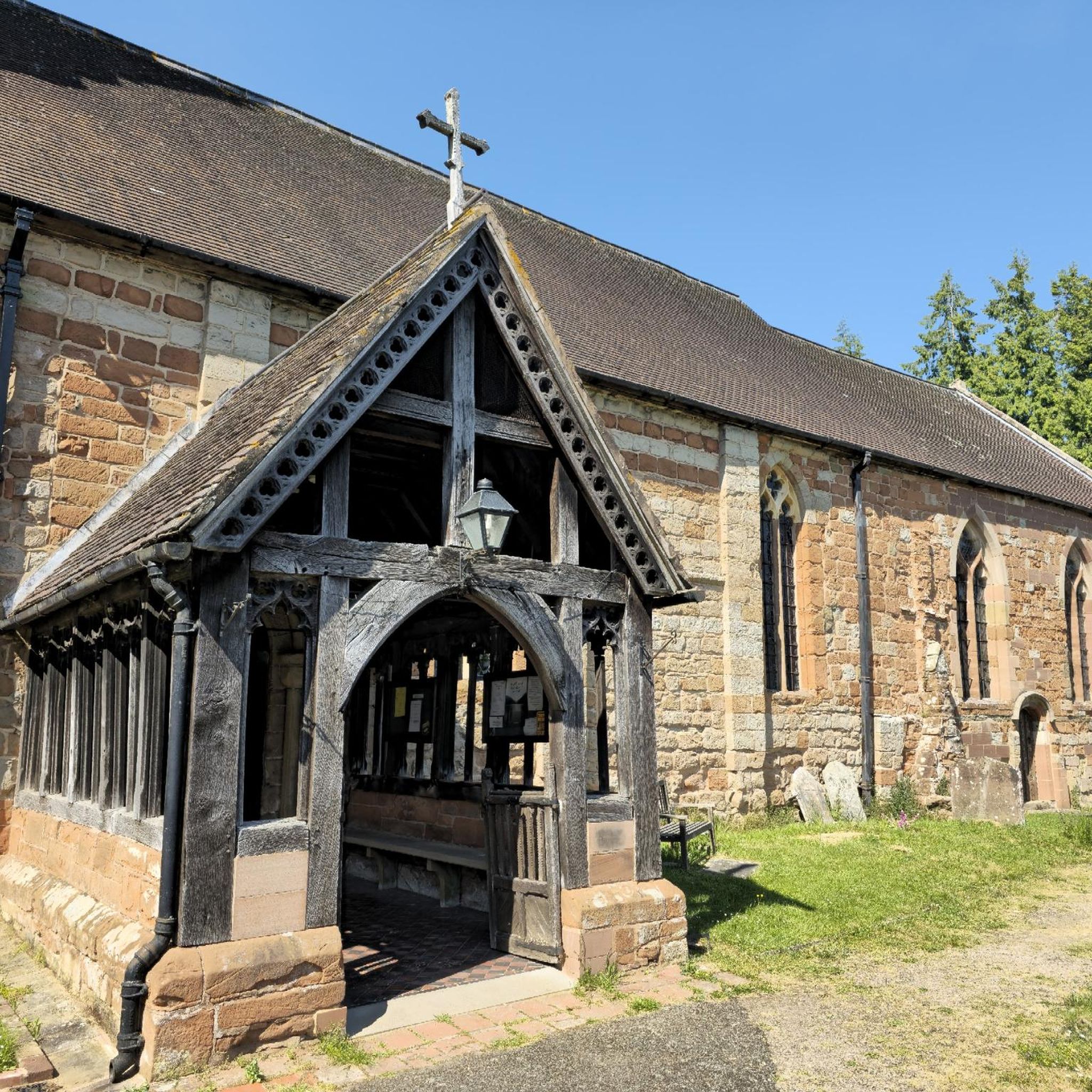
Parish church. Early C12, early C13 and circa 1315, restored 1875, 1884 and 1909. Last restoration by Sir Charles Nicholson. Ashlar, plain tile roof. Nave and chancel continuous, west tower, north vestry of 1875, south porch of 1184.
Chancel: three bays, north wall early C13 with two lancets, north vestry; east window: restored Decorated of early C14, three trefoiled lights; south wall: eastern window Decorated with two trefoiled lights, other two larger each with two ogee trefoiled lights, formerly looked into Mortimer chapel (consecrated 1315, demolished), they flank a three-centred-headed priest's door; stepped right angle buttresses to corners.
Nave: three bays, all windows restored: decorated each with two trefoiled lights in both walls. Restored early C12 south door with timber porch of 1884; blocked north door more complete and similar in design; doorway projects c150mm from wall face, with decorated semicircular head and consecration cross; wall has five bays defined by a series of early C12 pilasters, top four courses of naves walls are of alternate bands of red and white sandstone.
West tower: C15 in three stages divided by moulded string, moulded plinth, embattled parapet with pinnacles of 1909 to diagonal corner buttresses. C15 Perpendicular west window with three cinquefoiled lights; first stage has single trefoiled lights, bell chamber has windows with two cinquefoiled lights under two-centred head.
INTERIOR: chancel: double aumbry in north wall, piscina in south wall with priests head to label stop; nave: entrance to rood stairs and above rood left door, stairs were in an external projection, now lost; tower arch of two chamfered orders with moulded abaci at springing.
Roofs: similar over nave and chancel, slightly lower pitch to chancel, collar-rafter roof with straight braces from rafter to collar and ashlar pieces, five tie beams in nave, two in chancel, probably early C14. A framed tympanum divides the nave from the chancel roof, probably C17.
Fittings: wall paintings in nave of C15 including St Martin on horseback dividing his cloak for the beggar; in chancel wall paintings of late C13 and C15, including C15 canopy design on east wall, and a C15 Annunciation group on the south wall. A few late C15 Malvern tiles in chancel floor; early C20 screen, font, pulpit and organ. Late C15 recumbent effigy of alabaster against north wall of chancel, ridged coffin lid to south with traces of incised cross and pastoral staff. The two eastern windows in the south wall of the nave and central window in north wall are of circa 1915 by Walter E Tower.
Source: britishlistedbuildings
Tip by
Sign up for free to discover even more attractions around Martley.
Already have an account?
Start today with a free account
Your next adventure awaits.

Tips from the Community

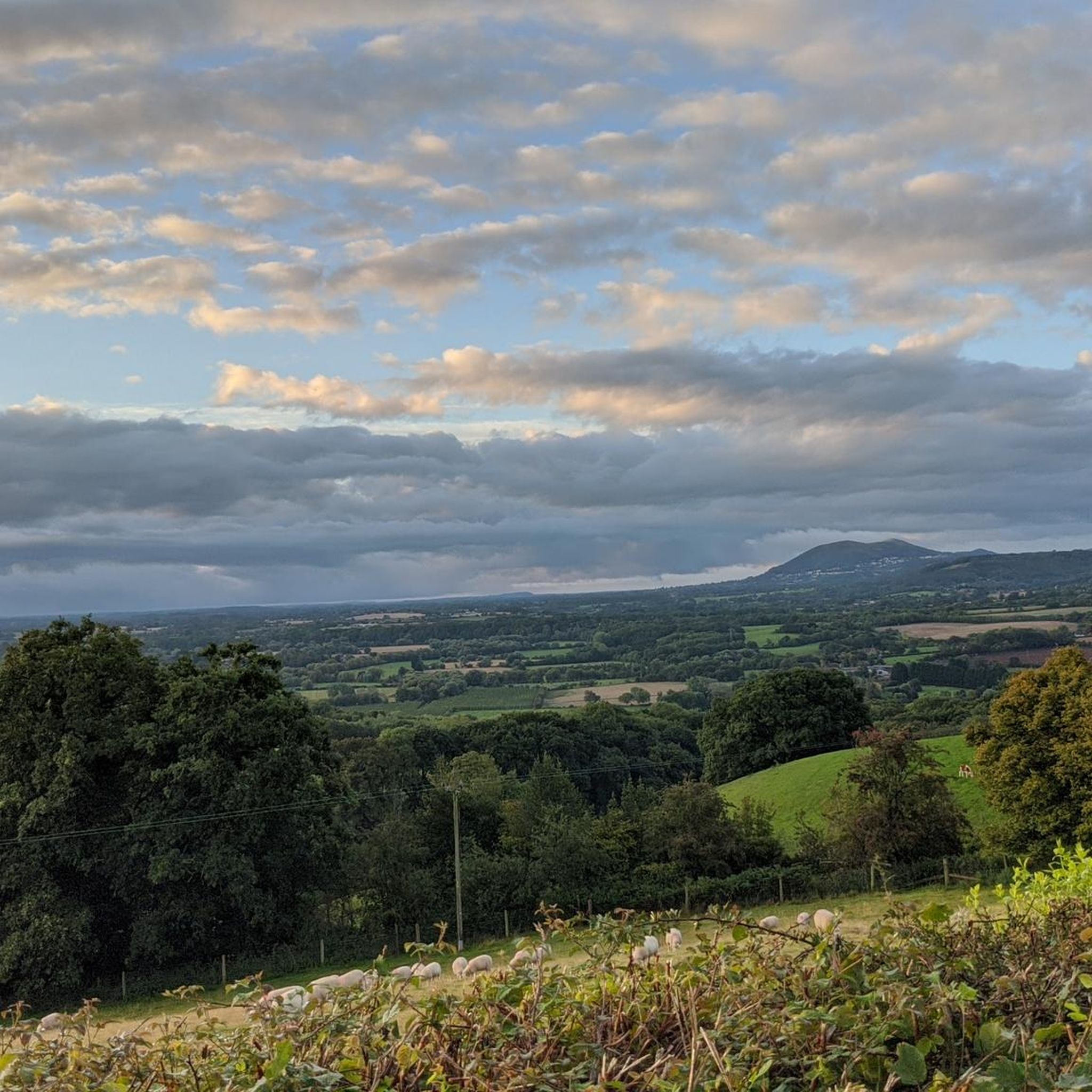
Cute cable stayed Bridge over the River Severn
0
0

Fine church with lovely grounds, made from the local sandstone.
0
0

The Cathedral – i.e. a bishop’s church – in the city of Worcester is a very historic building with an almost thousand-year-old Christian tradition. The construction of this house of worship was begun as early as AD 1084, shortly after the Norman conquest of England (by William the Conqueror, formerly Duke of Normandy, then King of England, AD 1066). This house of worship and thus the entire diocese has, which is by no means unusual for Anglican cathedrals, been entrusted to a double patronage: firstly Jesus Christ himself, the God-son incarnate, and secondly the most blessed Mother of God and Virgin Mary.
2
0

A super nice cycleway that goes along the banks of the Severn and beyond. The surface is super good and avoids busy road sections. A good alternative if you were doing the LEJOG like us.
0
0

very useful for cyclists, especially in terms of safety
0
0

Built by the order of Norman kings, astonishing place for history lovers. A tomb of King John is located inside of the cathedral. Additionally, the top is also worth checking, but it is better to double check opening hours.
0
0
A brilliant, relatively new cycleway along the River Severn. I would recommend visiting Diglis Pass (opening hours can be checked here - https://canalrivertrust.org.uk/things-to-do/museums-and-attractions/diglis-island-and-fish-pass/drop-in-sessions-at-the-fish-pass).
0
0
Frequently Asked Questions
What historical sites can I visit in Martley?
Martley offers several historical points of interest. You can explore St. Peter's Church, Martley, which boasts Norman origins and medieval wall paintings. Other significant historical buildings include The Old Hall, a former rectory dating back to 1290, and Martley Court. While not publicly accessible, Berrow Hill is an Iron Age hillfort overlooking the village, offering panoramic views of the Teme Valley.
What natural attractions or geological features are there to explore in Martley?
Martley is rich in natural and geological features. A must-see is Martley Rock, a significant geological site showcasing five geological time periods within a small area. You can also enjoy the scenic Valley of the River Teme, known for its biodiversity. Rodge Hill is popular for walks and is part of a geological trail, offering spectacular views over the Teme Valley.
Are there extensive walking trails in Martley?
Yes, Martley is renowned for its extensive network of well-signposted footpaths, totaling around 42 miles. These paths offer a variety of scenic walks, including 10 circular routes and geo trails. The local volunteer group, 'Path-or-Nones,' actively maintains these paths, making them some of the most complete in Worcestershire. For more information on the footpath network, you can visit Martley Parish Council's website.
What kind of wildlife can I expect to see in Martley?
The countryside around Martley is rich in biodiversity due to its varied geological structure. You might spot rare orchids in limestone areas, kingfishers along the Laugherne brook, and a variety of birdlife including all three species of woodpecker, nuthatch, tree creeper, and birds of prey like the common buzzard and red kite. Penny Hill also features a meadow known for its diverse species, including the pyramidal orchid.
Are there any family-friendly attractions around Martley?
Yes, several attractions are suitable for families. St. Peter's Church, Martley, with its historical significance and medieval wall paintings, can be an engaging visit. The extensive footpath network offers many easy and scenic walks suitable for families. Additionally, the geological trails, such as those around Martley Rock, provide an educational and interactive experience for all ages.
What are some easy hiking options around Martley?
For easy hikes, consider routes like the 'Parkland Walk' or the 'Kingswood Common – River Teme Riverside Walk loop from Martley'. These are part of the easy hikes guide around Martley, offering pleasant strolls through the local scenery. You can find more easy hiking options in the Easy hikes around Martley guide.
Can I go cycling near Martley?
Yes, Martley and its surroundings offer great opportunities for cycling. The area features scenic road cycling routes, such as the 'View of the Countryside – Singletrack Trail in the Woods loop from Prickley Farm' or 'The Cob House Countryside Park – View of the Countryside loop from Martley'. These routes allow you to explore the beautiful Worcestershire countryside. Discover more options in the Road Cycling Routes around Martley guide.
What is the best time of year to visit Martley for outdoor activities?
Martley's natural beauty can be enjoyed year-round, but spring and autumn are particularly pleasant for outdoor activities. Spring brings blooming wildflowers and mild temperatures, while autumn offers stunning foliage, especially along the Teme Valley and its woodlands. Always check local weather forecasts and trail conditions before heading out.
Are there any accessible trails in Martley?
While specific accessible trails within Martley's immediate footpath network may vary, the nearby Diglis Bridge in Worcester is noted as wheelchair accessible and forms part of the National Cycle Network, offering a smooth path for pedestrians and cyclists. For local Martley trails, it's advisable to check specific route details for terrain and accessibility information.
Where can I find scenic viewpoints around Martley?
For scenic viewpoints, head to Rodge Hill, an old packhorse track that provides spectacular views over the Teme Valley. Although there is no public access to the Iron Age hillfort itself, Berrow Hill also offers panoramic views of the Teme Valley and surrounding areas from its vicinity.
Are there opportunities for running trails near Martley?
Yes, there are several running trails around Martley. You can find moderate routes like the 'Kingswood Common – John Niklins Fault loop from Martley' or the 'Martley Millennium Green – St Peter's Church, Martley loop from Martley'. These trails offer a great way to experience the local landscape while jogging. Explore more options in the Running Trails around Martley guide.
What do visitors enjoy most about the attractions around Martley?
Visitors particularly appreciate the blend of historical depth and natural beauty. The ancient St. Peter's Church, Martley, with its rich history, and the extensive, well-maintained footpath network are highly valued. The diverse geological features, like Martley Rock, and the scenic views over the Teme Valley also receive positive feedback for their unique appeal and opportunities for exploration.
Most popular attractions around Martley

Get inspired with the komoot mobile app


Explore more
Still not found the Highlight you’re looking for? See guides of the top attractions in other regions:
